







How to use ROPIVACAINE ALTAN 7.5 mg/ml INJECTABLE SOLUTION
Translated with AI
This page provides general information and does not replace a doctor’s consultation. Always consult a doctor before taking any medication. Seek urgent medical care if symptoms are severe.
Show originalContents of the leaflet
Introduction
Package Leaflet: Information for the User
Ropivacaína Altan 7.5 mg/ml Solution for Injection EFG
ropivacaine, hydrochloride
Read all of this leaflet carefully before you start using this medicine because it contains important information for you.
- Keep this leaflet, you may need to read it again.
- If you have any further questions, ask your doctor, pharmacist, or nurse.
- This medicine has been prescribed for you only. Do not pass it on to others. It may harm them, even if their signs of illness are the same as yours.
- If you get any side effects, talk to your doctor, pharmacist, or nurse. This includes any possible side effects not listed in this leaflet. See section 4.
Contents of the pack:
- What Ropivacaína Altan is and what it is used for
- What you need to know before you use Ropivacaína Altan
- How to use Ropivacaína Altan
- Possible side effects
- Storing Ropivacaína Altan
- Contents of the pack and other information
1. What Ropivacaína Altan is and what it is used for
Ropivacaína Altan contains ropivacaine hydrochloride, which belongs to a group of medicines called local anesthetics of the amide type.
Ropivacaína Altan is indicated for adults and children over 12 years of age to numb (anesthetize) specific parts of the body. It is used to stop pain or provide pain relief. It can be used for:
- Numbing parts of the body during surgery, including cesarean sections.
- Relieving pain during childbirth, after surgery, or after an accident.

2. What you need to know before you use Ropivacaína Altan
Do not use Ropivacaína Altan
- If you are allergic to ropivacaine, other local anesthetics of the amide type (such as lidocaine or bupivacaine), or any of the other ingredients of this medicine (listed in section 6).
- In case of intravenous regional anesthesia (injection into a blood vessel to numb a specific area of your body) or obstetric paracervical anesthesia (injection into the cervix to relieve pain during childbirth).
- If you have a decreased blood volume (hypovolemia), as you may develop a decrease in blood pressure.
If you are not sure if any of the above applies to you, consult your doctor before you are given Ropivacaína Altan.
Warnings and precautions
Consult your doctor, pharmacist, or nurse before you start using Ropivacaína Altan:
- about any illness or medical condition you have.
Children and adolescents
The use of Ropivacaína Altan has not been studied in premature children.
Be careful with Ropivacaína Altan:
in children up to 12 years old, as some injections to numb parts of the body are not established in young children. Other concentrations (2 mg/ml) may be more suitable.
Using Ropivacaína Altan with other medicines
Tell your doctor if you are using, have recently used, or might use any other medicines, including those obtained without a prescription and herbal remedies. This is because Ropivacaína Altan may affect how some medicines work and some medicines may have an effect on Ropivacaína Altan.
In particular, tell your doctor if you are taking any of the following medicines:
- Other local anesthetics
- Strong painkillers, such as morphine or codeine.
- Medicines used to treat irregular heartbeat (arrhythmia), such as lidocaine and mexiletine.
Your doctor needs to know if you are using these medicines to calculate the correct dose of Ropivacaína Altan.
Tell your doctor if you are taking any of the following medicines:
- Medicines used to treat depression (such as fluvoxamine)
- Antibiotics used to treat bacterial infections (such as enoxacin)
This is because your body takes longer to eliminate Ropivacaína Altan if you are taking these medicines. If you are taking any of these medicines, you should avoid prolonged use of Ropivacaína Altan.
Pregnancy, breastfeeding, and fertility
If you are pregnant or breastfeeding, think you may be pregnant, or plan to become pregnant, consult your doctor, pharmacist, or nurse before you are given this medicine.
Ropivacaína Altan should not be used during pregnancy and breastfeeding unless your doctor considers it clearly necessary.
It is not known if ropivacaine hydrochloride affects pregnancy or passes into breast milk.
Driving and using machines
Ropivacaína Altan may cause drowsiness and affect your reaction speed. Do not drive or use tools or machines after you have been given Ropivacaína Altan until the next day.
Ropivacaína Altan contains sodium
This medicine contains 3.15 mg of sodium (a major component of table salt/cooking salt) per ml. This is equivalent to 0.16% of the maximum recommended daily sodium intake for an adult.
3. How to use Ropivacaína Altan
Method of administration
Ropivacaína Altan will be administered by a doctor or, occasionally, by a nurse under the supervision of a doctor.
Dose
The dose your doctor will give you will depend on the type of pain relief you need. It will also depend on your build, age, and physical condition.
You will be given Ropivacaína Altan as an injection. The part of the body where it will be used will depend on the reason why you are being given Ropivacaína Altan. Your doctor will give you Ropivacaína Altan in one of the following places:
- The part of the body that needs to be numbed.
- Near the part of the body that needs to be numbed.
- In an area away from the part of the body that needs to be numbed. This is the case if you are given an epidural injection or infusion (in an area around the spinal cord).
When Ropivacaína Altan is administered in one of these ways, it prevents the nerves from transmitting pain messages to the brain. You will stop feeling pain, heat, or cold in the area where it is used, but you may still feel other sensations such as pressure or touch.
Your doctor will decide the most correct way to administer this medicine to you.
If you are given more Ropivacaína Altan than you should
Serious side effects due to receiving too much Ropivacaína Altan require special treatment, and your doctor is trained to act in these situations.
The first signs that you have been given too much Ropivacaína Altan are usually:
- Dizziness or lightheadedness.
- Numbness of the lips and around the mouth.
- Numbness of the tongue.
- Hearing problems.
- Vision problems.
Your doctor will stop giving you Ropivacaína Altan as soon as these signs appear to reduce the risk of serious side effects. If you experience any of these symptoms or think you have been given too much Ropivacaína Altan, tell your doctor immediately.
More serious side effects due to receiving too much Ropivacaína Altan include speech problems, muscle spasms, tremors, convulsions, seizures, and loss of consciousness.
If you experience any of these symptoms or think you may have been given too much Ropivacaína Altan, tell your doctor or healthcare staff immediately.In case of overdose or accidental ingestion, consult the Toxicology Information Service Telephone 91 562 04 20.
In case of acute toxicity, the appropriate corrective measures will be taken immediately by the healthcare staff.
If you have any further questions on the use of this product, ask your doctor, pharmacist, or nurse.

4. Possible side effects
Like all medicines, this medicine can cause side effects, although not everybody gets them.
Important side effects to look out for:
Sudden and potentially life-threatening allergic reactions (e.g., anaphylaxis, including anaphylactic shock) are rare and affect 1 to 10 people in every 10,000.
Possible symptoms include: sudden onset of rash, itching, or hives (urticaria); swelling of the face, lips, tongue, or other parts of the body; shortness of breath, wheezing, or difficulty breathing; and a feeling of loss of consciousness. If you think Ropivacaine Altan is causing an allergic reaction, tell your doctor immediately.
Other possible side effects:
Very common (affects more than 1 in 10 patients) |
|
Common: (affects 1 to 10 in every 100 patients) |
|
Uncommon (affects 1 to 10 in every 1,000 patients) |
|
Rare (affects 1 to 10 in every 10,000 patients) |
|
Frequency not known (cannot be estimated from the available data) |
|
Other possible side effects include:
- Numbness due to nerve irritation caused by the needle or injection. This usually does not last long.
- Involuntary muscle movements (dyskinesia).
Possible side effects observed with other local anesthetics that may also be caused by Ropivacaína Altan include:
- Nerve damage. Rarely (affects 1 to 10 users in every 10,000), it may cause permanent problems.
- If too much Ropivacaína Altan is administered into the spinal fluid, it may numb the entire body (anesthetized).
- Receiving an epidural injection (injection into the space surrounding the spinal nerves) may cause a disturbance of a nerve pathway that goes from the brain to the head and neck, especially in pregnant women, which may sometimes lead to a condition called Horner's syndrome. It is characterized by a decrease in pupil size, drooping of the upper eyelid, and inability of the sweat glands to produce sweat. It will resolve on its own when treatment is stopped.
- Children
In children, the side effects are the same as in adults, except for low blood pressure, which occurs less frequently in children (affects 1 to 10 children in every 100) and feeling sick, which occurs more frequently in children (affects more than 1 child in every 10).
Reporting side effects
If you experience any side effects, talk to your doctor, pharmacist, or nurse, even if it is possible side effects not listed in this leaflet. You can also report side effects directly through the Spanish Medicines Monitoring System: https://www.notificaRAM.es. By reporting side effects, you can help provide more information on the safety of this medicine.
5. Storing Ropivacaína Altan
Keep out of sight and reach of children.
Do not freeze.
Do not use this medicine after the expiry date which is stated on the carton after EXP. The expiry date is the last day of the month shown.
From a microbiological point of view, unless the opening method excludes the risk of microbial contamination, the product should be used immediately. If not used immediately, the in-use storage times and conditions are the responsibility of the user.
Medicines should not be disposed of via wastewater or household waste. Disposal of unused medicine and all materials that have come into contact with it should be done in accordance with local regulations.
6. Container Content and Additional Information
Composition of Ropivacaína Altan
- The active ingredient is ropivacaine hydrochloride. Each 10 ml ampoule contains 75 mg of ropivacaine hydrochloride.
- The other components (excipients) are: sodium chloride, sodium hydroxide (for pH adjustment), hydrochloric acid (for pH adjustment), and water for injectable preparations.
Appearance of the Product and Container Content
Ropivacaína Altan is presented as a clear and colorless injectable solution. Each container contains 5 ampoules of 10 ml.
Not all pack sizes may be marketed.
Marketing Authorization Holder and Manufacturer
Marketing Authorization Holder
Altan Pharmaceuticals S.A.
C/ Cólquide 6, Portal 2, 1ª Planta
Edificio Prisma.
28230 Las Rozas (Madrid) - Spain
Manufacturer
Altan Pharmaceuticals S.A.
Poligono Industrial de Bernedo s/n
01118 Bernedo (Álava), Spain
Or
Altan Pharmaceuticals, S.A.
Avda. de la Constitución, 198 – 199, Polígono Industrial Monte Boyal
Casarrubios del Monte, 45950 Toledo, Spain
Date of Last Revision of this Prospectus:06/2024
-------------------------------------------------------------------------------------------------------------------
This information is intended only for healthcare professionals:
Ropivacaína Altan is used in several ways:
- injection of the solution into the tissue where surgery is to be performed.
- injection around a nerve or group of nerves that lead to the area of the body where surgery is to be performed; for example, an injection in the armpit before surgery on the forearm or hand.
- injection into the lower region of the spine when it is necessary to anesthetize the legs or lower parts of the body.
Dosage
Adults and adolescents over 12 years of age:
The table below is a guide to the most commonly used doses in different types of blocks. The smallest dose required to produce an effective block should be used. Clinical experience and knowledge of the patient's clinical condition are important factors in deciding the dose.
Concentration | Volume | Dose | Onset of Action | Duration | |
mg/ml | ml | mg | minutes | hours | |
SURGICAL ANESTHESIA | |||||
Lumbar Epidural Administration | |||||
Surgery | 7.5 | 15-25 | 113-188 | 10-20 | 3-5 |
Cesarean section | 7.5 | 15-20 | 113-150(1) | 10-20 | 3-5 |
Thoracic Epidural Administration | |||||
Establishing a block for post-operative pain relief | 7.5 | 5-15 (depending on the level of injection) | 38-113 | 10-20 | n/p (2) |
NERVE TRUNK BLOCKAGE* | |||||
Brachial plexus block | 7.5 | 30-40 | 225-300(3) | 10-25 | 6-10 |
PERIPHERAL BLOCKAGE | |||||
For example, blockage of minor nerves and infiltration | 7.5 | 1-30 | 7.5-225 | 1-15 | 2-6 |
The doses shown in the table are those considered necessary to produce an adequate block and should be considered as recommendations for use in adults. There are individual variations in the onset and duration of action. The figures in the "Dose" column reflect the expected average dose range needed. Adequate literature should be consulted for factors affecting specific block techniques and the requirements of each patient.
(1) The dose should be administered in a gradual manner. The initial dose of approximately 100 mg (97.5 mg = 13 ml; 105 mg = 14 ml) will be administered over 3-5 minutes and, if necessary, two additional doses of up to 50 mg each may be administered. (2) n/p = not applicable (3) The dose used for nerve trunk blockage should be adjusted according to the site of administration and the patient's condition. Interscalene and supraclavicular brachial plexus blocks may be associated with a higher frequency of serious adverse reactions, regardless of the local anesthetic used (see section 4.4). |
Generally, surgical anesthesia (e.g., epidural administration) requires the use of higher concentrations and doses. For surgical procedures that require deep motor block, epidural anesthesia using the 10 mg/ml formulation is recommended. For analgesia (e.g., epidural administration in the treatment of acute pain), lower concentrations and doses are recommended.
Method of Administration
Epidural and perineural administration.
Before and during injection, careful aspiration is recommended to prevent intravascular injection. When a higher dose is to be injected, a test dose of 3-5 ml of lidocaine (lignocaine) with adrenaline (epinefrina) is advised. Accidental intravascular injection can be recognized by a temporary increase in heart rate and accidental subarachnoid injection by signs of spinal block with apnea or hypotension.
Aspiration will be required before and during administration of the main dose, which will be injected slowly or in increasing doses, at a rate of 25-50 mg/minute, while constantly monitoring the patient's vital functions and maintaining verbal contact with them. If toxic symptoms appear, administration of the drug should be interrupted immediately.
In epidural block for surgery, single doses of up to 250 mg of ropivacaine have been well tolerated.
In brachial plexus block in a limited number of patients, a single dose of 300 mg has been well tolerated.
When prolonged blocks are required, through continuous infusion or repeated bolus administration, the risks of reaching a toxic plasma concentration or inducing local neural injury should be considered. Accumulated doses of up to 675 mg of Ropivacaína for surgery and post-operative analgesia administered over 24 hours were well tolerated in adults, as well as continuous post-operative epidural infusions at rates of up to 28 mg/hour over 72 hours. In a limited number of patients, higher doses of up to 800 mg/day have been administered with relatively few adverse reactions.
For the treatment of post-operative pain, the following technique is recommended: Unless treatment with Ropivacaína is started before the intervention, an epidural block is induced with it at a concentration of 7.5 mg/ml using an epidural catheter. Analgesia is maintained with a perfusion of Ropivacaína Altan at 2 mg/ml. Perfusion rates of 6-14 ml (12-28 mg) per hour provide adequate analgesia with only slight and non-progressive motor block in most cases of moderate to severe post-operative pain. The maximum duration of epidural block is 3 days. However, close monitoring of the analgesic effect should be performed in order to remove the catheter as soon as the pain allows. With this technique, a significant reduction in the need to use opioids has been observed.
When prolonged peripheral nerve blocks are applied, either through continuous infusion or repeated injections, the risks of reaching a toxic plasma concentration or inducing local neural injury should be considered. In clinical studies, a femoral nerve block was established with 300 mg of Ropivacaína 7.5 mg/ml and an interscalene block with 225 mg of Ropivacaína 7.5 mg/ml, respectively, before surgery; then maintaining analgesia with Ropivacaína 2 mg/ml. Perfusion rates or intermittent injections of 10-20 mg per hour over 48 hours provided adequate analgesia and were well tolerated.
Concentrations above 7.5 mg/ml of Ropivacaína Altan have not been studied in cesarean section interventions.
Pediatric Patients from 0 to 12 Years of Age Inclusive
The use of Ropivacaina 7.5 and 10 mg/ml may be associated with systemic and central toxic events in children. Lower concentrations (2 mg/ml) are more appropriate for administration to this population.
The use of ropivacaine has not been documented in premature infants.
Incompatibilities
In the absence of compatibility studies, this medicinal product must not be mixed with others.
Ropivacaína Altan does not contain preservatives and is intended for single use only. Any unused solution should be discarded.
The solution should be visually inspected before use; it should not be used unless the solution is clear and colorless and the container is intact.
The intact container should not be re-introduced into the autoclave.
Other Presentations:
Ropivacaína Altan 2 mg/ml injectable solution: 10 ml ampoules
Ropivacaína Altan 10 mg/ml injectable solution: 10 ml ampoules
Ropivacaína Altan 2 mg/ml solution for infusion: 100 ml bags with a removable overwrap
Ropivacaína Altan 2 mg/ml solution for infusion: 200 ml bags with a removable overwrap
Detailed information on this medicinal product is available on the website of the Spanish Agency for Medicines and Health Products (AEMPS) http://www.aemps.gob.es/.
- Country of registration
- Dosage formINJECTABLE, 75 mg
- ATC codeN01BB09
- Active substance
- Prescription requiredYes
- Manufacturer
- This information is for reference only and does not constitute medical advice. Always consult a doctor before taking any medication. Oladoctor is not responsible for medical decisions based on this content.
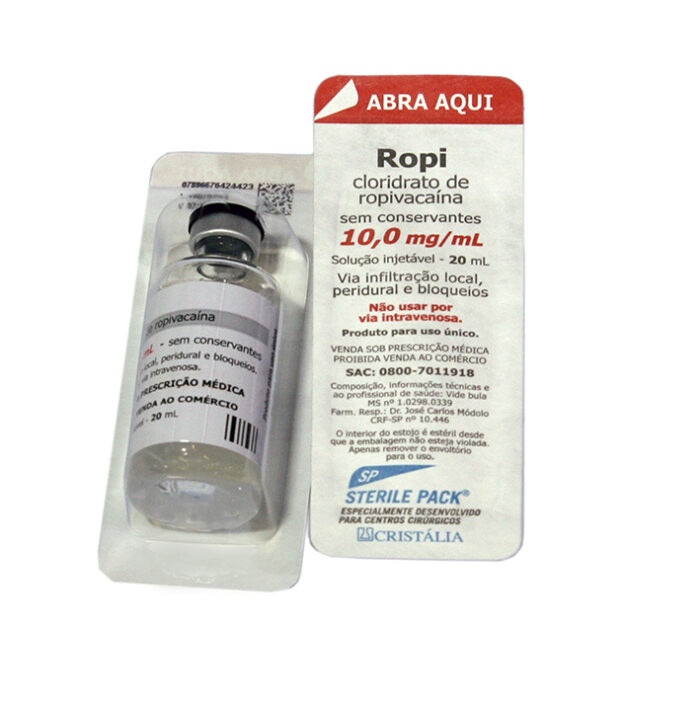
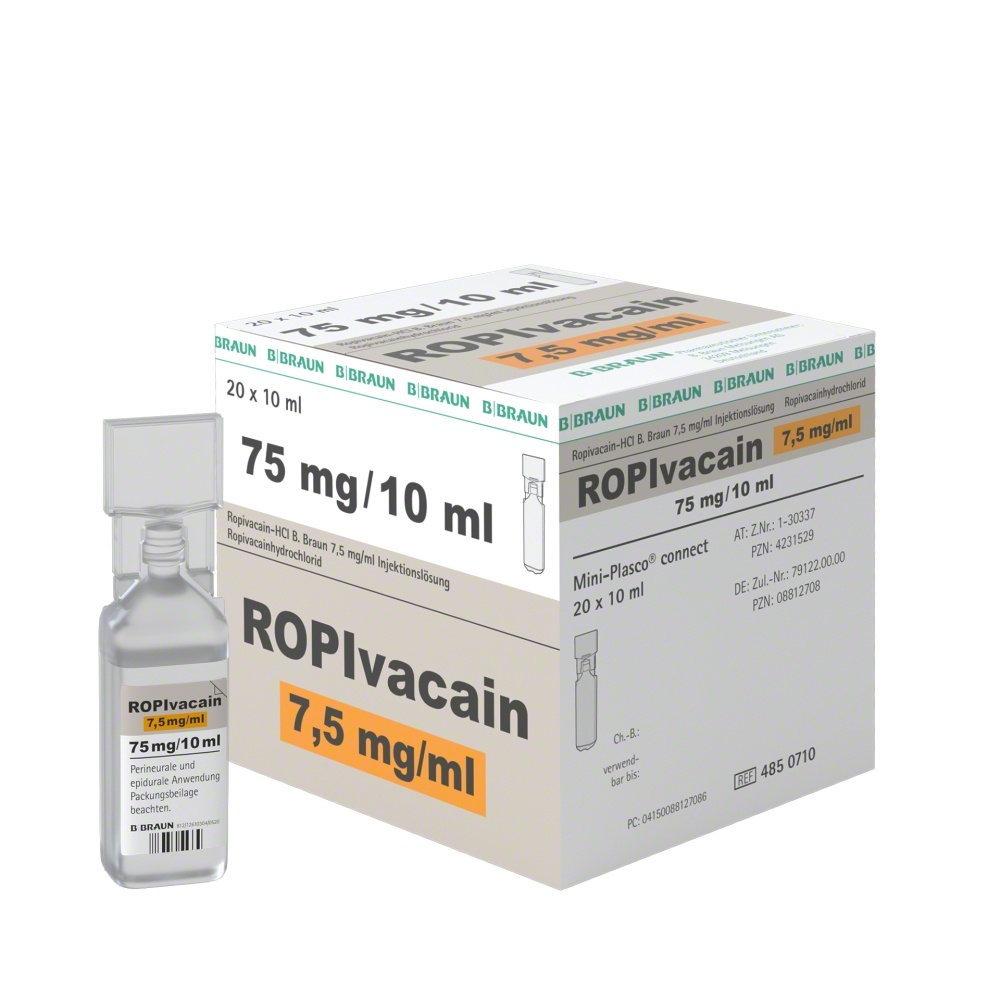
- Alternatives to ROPIVACAINE ALTAN 7.5 mg/ml INJECTABLE SOLUTIONDosage form: INJECTABLE, 100 mgActive substance: ropivacaineManufacturer: Altan Pharmaceuticals SaPrescription requiredDosage form: INJECTABLE PERFUSION, 2 mg/mlActive substance: ropivacaineManufacturer: Altan Pharmaceuticals SaPrescription requiredDosage form: INJECTABLE, 10 mg/mlActive substance: ropivacaineManufacturer: B. Braun Melsungen AgPrescription required
Online doctors for ROPIVACAINE ALTAN 7.5 mg/ml INJECTABLE SOLUTION
Discuss questions about ROPIVACAINE ALTAN 7.5 mg/ml INJECTABLE SOLUTION, including use, safety considerations and prescription review, subject to medical assessment and local regulations.









Get ROPIVACAINE ALTAN 7.5 mg/ml INJECTABLE SOLUTION Prescription Online
Fill in a 2-min form
Tell us your symptoms, history, and what medicine you're requesting.
Pick a doctor or let us assign
Choose a specialist or we'll match you with the next available doctor.
Doctor reviews your case
Usually within 30 minutes. They may ask follow-up questions via chat.
Collect from any pharmacy
Electronic prescription sent to your email — valid across Spain.
Frequently Asked Questions
ROPIVACAINE ALTAN 7.5 mg/ml INJECTABLE SOLUTION requires a prescription in Spain. You can check with a doctor online whether this medicine may be appropriate for your situation.
The active ingredient in ROPIVACAINE ALTAN 7.5 mg/ml INJECTABLE SOLUTION is ropivacaine. This information helps identify medicines with the same composition but different brand names.
ROPIVACAINE ALTAN 7.5 mg/ml INJECTABLE SOLUTION is manufactured by Altan Pharmaceuticals Sa. Pharmacy brands and packaging may differ depending on the distributor.
Doctors such as Family doctors, Psychiatrists, Dermatologists, Cardiologists, Endocrinologists, Gastroenterologists, Pulmonologists, Nephrologists, Rheumatologists, Hematologists, Infectious disease physicians, Allergists, Geriatricians, Paediatricians, Oncologists may assess whether ROPIVACAINE ALTAN 7.5 mg/ml INJECTABLE SOLUTION is appropriate, depending on your situation and local regulations. You can book an online consultation to discuss your symptoms and possible next steps.
Spain has a well-developed healthcare infrastructure across major cities such as Madrid, Barcelona, Valencia, and Seville. Pharmacies are widely available and operate under strict regulations, ensuring access to prescribed medications.
You can buy ROPIVACAINE ALTAN 7.5 mg/ml INJECTABLE SOLUTION in Madrid, Barcelona, Seville, or Valencia at any local pharmacy with a valid prescription.
To obtain a prescription, you can use Oladoctor:
Other medicines with the same active substance (ropivacaine) include ROPIVACAINE ALTAN 10 mg/ml INJECTABLE SOLUTION, ROPIVACAINE ALTAN 2 mg/ml SOLUTION FOR INFUSION, ROPIVACAINE B.BRAUN 10 mg/ml INJECTABLE SOLUTION. These may have different brand names or formulations but contain the same therapeutic ingredient. Always consult a doctor before switching or starting a new medicine.
