






How to use RINOMICINE powder for oral suspension
Translated with AI
This page provides general information and does not replace a doctor’s consultation. Always consult a doctor before taking any medication. Seek urgent medical care if symptoms are severe.
Show originalContents of the leaflet
Introduction
Package Leaflet: Information for the User
RINOMICINE Powder for Oral Suspension
Read all of this leaflet carefully before you start taking this medicine because it contains important information for you.
Follow the administration instructions of the medicine contained in this leaflet or as indicated by your doctor or pharmacist.
- Keep this leaflet, as you may need to read it again.
- If you need advice or more information, consult your pharmacist.
- If you experience side effects, consult your doctor or pharmacist, even if they are not listed in this leaflet. See section 4.
- You should consult a doctor if your condition worsens or does not improve after 5 days of treatment (3 days for fever).
Contents of the Package Leaflet:
- What is Rinomicine and what is it used for
- What you need to know before taking Rinomicine
- How to take Rinomicine
- Possible side effects
- Storage of Rinomicine
- Package Contents and Additional Information
1. What is Rinomicine and what is it used for
This medicine is an association of chlorphenamine (relieves nasal secretion), phenylephrine (provides a decongestant effect), salicylamide, and paracetamol (reduce pain and fever), caffeine (counteracts the state of depression) and vitamin C (helps the body's defenses).
Rinomicine is indicated in adults and adolescents from 16 years old for the symptomatic relief of flu-like states, catarrh, and common cold that occur with mild or moderate pain, headache, fever, congestion, and nasal secretion.
You should consult a doctor if your condition worsens or does not improve after 5 days of treatment or if the fever persists for more than 3 days.

2. What you need to know before taking Rinomicine
Do not take Rinomicine:
- If you are allergic to the active ingredients of this medicine or to non-steroidal anti-inflammatory drugs or to any of the other components of this medicine listed in section 6.
- If you have a severe kidney or liver disease.
- If you have or have had stomach ulcers, intestinal ulcers, or repeated gastric discomfort.
- If you have a history of bleeding or stomach perforation after treatment with acetylsalicylic acid or other non-steroidal anti-inflammatory drugs.
- If you have asthma.
- If you have nasal polyps associated with asthma that are produced or increased by taking non-steroidal anti-inflammatory drugs, acetylsalicylic acid, or other analgesics.
- If you have hemophilia or other blood coagulation problems that predispose you to internal bleeding.
- If you are under 16 years old, as the use of acetylsalicylic acid has been linked to Reye's syndrome, a rare but serious disease.
- If you are in the third trimester of pregnancy.
Warnings and Precautions:
Consult your doctor or pharmacist before starting to take this medicine if you are in any of the following situations:
- Patient with kidney, heart, or lung disease and patients with anemia.
- You have recently undergone or are going to undergo surgery in the next 7 days, including dental surgery.
- You are taking non-steroidal anti-inflammatory drugs or other types of medications that may increase the risk of bleeding, such as corticosteroids, antidepressants of the selective serotonin reuptake inhibitor type, anticoagulants.
- You have high blood pressure (high blood pressure, glaucoma (elevated eye pressure) or pheochromocytoma (a type of tumor in the adrenal gland).
- You have cardiac arrhythmias (alteration of heart rhythm), hyperthyroidism, or anxiety states.
- You are allergic to other anti-inflammatory or anti-rheumatic drugs.
- You have a glucose-6-phosphate dehydrogenase deficiency.
- You have rhinitis and/or urticaria.
- Do not use this medicine to prevent possible discomfort caused by vaccinations.
- You are diabetic.
- You have prostate hypertrophy.
- Patient sensitive to aminophylline or theophylline.
Elderly people may be more sensitive to the side effects of this medicine.
Do not take more medicine than recommended in section 3. How to take Rinomicine.
Avoid taking this medicine simultaneously with other medicines that contain paracetamol, as high doses can cause liver damage. Do not use more than one medicine that contains paracetamol without consulting your doctor.
Children and Adolescents
Children under 16 years old cannot take this medicine.
Taking Rinomicine with Other Medicines
Inform your doctor or pharmacist if you are taking, have recently taken, or may need to take any other medicine.
This is especially important if you are using any of the following medicines, as it may be necessary to modify the dose of some of them or interrupt treatment:
- Pain relievers and non-steroidal anti-inflammatory drugs, medicines used to treat pain and/or muscle inflammation, as they increase the risk of having a digestive hemorrhage.
- Corticosteroids (used for inflammation), as they can potentiate the risk of digestive hemorrhage.
- Medicines used to increase urine elimination (diuretics).
- Some medicines for the treatment of depression, such as selective serotonin reuptake inhibitors (fluoxetine, paroxetine, sertraline) and monoamine oxidase inhibitors (moclobemide, tranylcypromine).
- Medicines used to thin the blood and prevent clot formation, such as oral anticoagulants (acenocoumarol, warfarin).
- Some medicines for treating high blood pressure (methyldopa, reserpine, guanethidine, rauwolfia alkaloids).
- Medicines used for the heart (digoxin) and cardiac rhythm disorders (propranolol, mexiletine) or to treat arterial diseases (beta-adrenergic blocking agents).
- Medicines to lower blood sugar levels (insulin, sulfonylureas).
- Medicines used to prevent transplant rejection (cyclosporine).
- Medicine used in some infections (vancomycin).
- Interferon alpha, used to treat some viral infections and tumors.
- Medicine used to treat Parkinson's disease (selegiline).
- Anesthetic medicines by inhalation.
- Medicine used to treat some psychiatric diseases (lithium).
- Medicine used for the treatment of cancer and rheumatoid arthritis (methotrexate).
- Medicine used for the treatment of gout (probenecid).
- Antacids (cimetidine).
- Medicines used as sedatives for sleep problems and to treat seizures, such as barbiturates.
- Medicine used in the treatment of human immunodeficiency virus infections, the cause of AIDS, (zidovudine).
- Medicines used to treat epilepsy (phenytoin and valproic acid).
- Medicines used to treat nausea and vomiting (metoclopramide).
- Medicines to lower cholesterol levels in the blood (cholestyramine).
- Medicines used to treat withdrawal syndrome in alcoholic patients (disulfiram).
- Bronchodilator adrenergic medicines (theophylline).
- Flucloxacillin (antibiotic), due to a serious risk of alteration of blood and fluids (metabolic acidosis with high anion gap) that must be treated urgently and that can occur particularly in case of severe renal insufficiency, sepsis (when bacteria and their toxins circulate in the blood that causes organ damage), malnutrition, chronic alcoholism, and if the maximum daily doses of paracetamol are used.
Taking Rinomicine with Food, Drinks, and Alcohol
Take this medicine after meals or with some food.
While taking this medicine, you cannot drink alcoholic beverages, as it may potentiate the appearance of side effects of this medicine.
Additionally, the use of medicines containing paracetamol by patients who habitually consume alcohol (3 or more alcoholic beverages: beer, wine, liquor, ... per day) can cause liver damage.
Pregnancy, Breastfeeding, and Fertility
If you are pregnant or breastfeeding, think you may be pregnant, or plan to become pregnant, consult your doctor or pharmacist before using this medicine.
This medicine cannot be used during the third trimester of pregnancy. The safety of this product during the rest of pregnancy has not been established.
The active ingredients of this medicine are excreted in breast milk, so breastfeeding women should not take Rinomicine.
Interference with Analytical Tests
If you are going to have any diagnostic tests (including blood tests, urine tests, etc.), inform your doctor that you are taking this medicine, as it may alter the results.
Driving and Using Machines
Rinomicine may cause drowsiness, altering mental and/or physical ability. If you notice these effects, avoid driving vehicles or using machines.
Rinomicine Contains Saccharose, Fructose, and Yellow Orange S (E110)
This medicine contains saccharose and fructose. If your doctor has told you that you have an intolerance to certain sugars, consult with them before taking this medicine. Patients with diabetes mellitus should note that this medicine contains 8g of saccharose per sachet.
This medicine may cause allergic reactions because it contains Yellow Orange S (E110). It can cause asthma, especially in patients allergic to acetylsalicylic acid.
3. How to Take Rinomicine
Follow the administration instructions of this medicine contained in this leaflet or as indicated by your doctor or pharmacist. In case of doubt, ask your doctor or pharmacist.
The recommended dose in adults and adolescents from 16 years old is: 1 sachet every 6 hours when starting treatment and then 1 every 8 hours. Do not take more than 4 sachets in 24 hours.
No more than 3g of paracetamol can be taken every 24 hours (see "Warnings and Precautions" section).
This medicine is administered orally, preferably with food.
Pour the contents of the sachet into a glass of water, stir, and drink immediately.
Use in Children and Adolescents
Children and adolescents under 16 years old cannot take this medicine.
Use in Elderly Patients
Elderly patients should not take this medicine without consulting their doctor, as they are more likely to experience side effects.
Patient with Reduced Liver or Kidney Function
They should consult their doctor before taking this medicine.
If You Take More Rinomicine Than You Should
The main symptoms of overdose are: headache, dizziness, ringing in the ears, blurred vision, drowsiness, sweating, nausea, vomiting, and occasionally diarrhea.
Go immediately to a medical center, even if there are no symptoms, as they often do not manifest until a few days after ingestion, even in cases of severe poisoning.
Treatment of overdose is more effective if started within 4 hours after taking the medicine.
If you have taken more of this medicine than you should, consult your doctor or pharmacist immediately or the Toxicological Information Service, telephone 91 562 04 20, indicating the medicine and the amount taken.
If You Forget to Take Rinomicine
Do not take a double dose to make up for forgotten doses.
If you have any other doubts about the use of this medicine, ask your doctor or pharmacist.

4. Possible Side Effects
Like all medicines, this medicine can cause side effects, although not everyone gets them. During the use of this association, the following side effects have occurred:
Common Side Effects (may affect up to 1 in 10 patients):
- Gastrointestinal disorders, such as gastric ulcers, duodenal ulcers, gastrointestinal bleeding, abdominal pain, gastric discomfort, nausea, vomiting.
- Respiratory disorders, such as difficulty breathing, bronchospasm, rhinitis.
- Urticaria, skin rashes, angioedema (inflammation and swelling that affects the face, lips, mouth, tongue, or throat, which can cause difficulty swallowing or breathing) and itching.
- Nervous system disorders: drowsiness, vertigo, dizziness.
- Blood and lymphatic system disorders: hypoprothrombinemia (coagulation alteration) when administered in high doses.
Uncommon Side Effects (may affect up to 1 in 100 patients):
- Reye's syndrome in children under 16 years old with febrile, flu-like, or chickenpox processes (see section 2. What you need to know before taking Rinomicine).
- Hepatic disorders, especially in patients with juvenile arthritis.
- Anemia.
- Nervous system disorders: confusion (especially in elderly patients), euphoria, nervousness, restlessness (especially in children and elderly patients), insomnia, headache, abnormal behavior.
- Cardiovascular effects: alterations in pulse (palpitations, tachycardia), elevated blood pressure (hypertension), which can sometimes be severe (hypertensive crises), chest tightness.
- Difficulty urinating.
- Dryness of the mouth, nose, or throat.
- Blurred vision.
- Decreased gastric motility.
Rare Side Effects (may affect up to 1 in 1,000 patients):
- Malaise, low blood pressure (hypotension).
- Coagulation alterations.
- Increased liver transaminase levels.
In long-term treatments and with high doses, the following may appear: dizziness, ringing in the ears, deafness, sweating, headache, confusion, and kidney problems.
Treatment should be suspended immediately if the patient notices any episode of deafness, ringing in the ears, or dizziness.
In patients who have presented an allergic reaction to acetylsalicylic acid and other non-steroidal anti-inflammatory drugs, anaphylactic or anaphylactoid reactions (generalized allergic reactions) may occur. This could also happen in patients who have not previously shown hypersensitivity to these drugs. If this type of reaction occurs, stop taking the medicine and consult your doctor immediately.
In elderly patients, it is more likely that confusion, difficulty urinating, drowsiness, dizziness, and dryness of the mouth, nose, or throat will occur.
In children and elderly patients, it is more likely that nightmares, unusual excitement, nervousness, restlessness, or irritability will occur.
Reporting Side Effects
If you experience any type of side effect, consult your doctor or pharmacist, even if it is a possible side effect that is not listed in this leaflet. You can also report them directly through the Spanish Medicines and Healthcare Products Agency (AEMPS) website: https://www.notificaram.es. By reporting side effects, you can contribute to providing more information on the safety of this medicine.
5. Storage of Rinomicine
Keep this medicine out of the sight and reach of children.
No special storage conditions are required.
Do not use this medicine after the expiration date that appears on the packaging after CAD. The expiration date is the last day of the month indicated.
Do not use this medicine if you notice that it has changed color or is lumpy.
Medicines should not be disposed of via wastewater or household waste. Deposit the packaging and medicines you no longer need at the pharmacy's SIGRE point. In case of doubt, ask your pharmacist how to dispose of the packaging and medicines you no longer need. This will help protect the environment.
6. Package Contents and Additional Information
Rinomicine Composition
- As active ingredients: 4mg of chlorphenamine maleate, 6mg of phenylephrine hydrochloride, 200mg of salicylamide, 400mg of paracetamol, 30mg of caffeine, and 300mg of vitamin C.
- Other components (excipients) are: saccharose, fructose, orange essence, yellow orange S (E-110), and sodium chloride.
Product Appearance and Package Contents
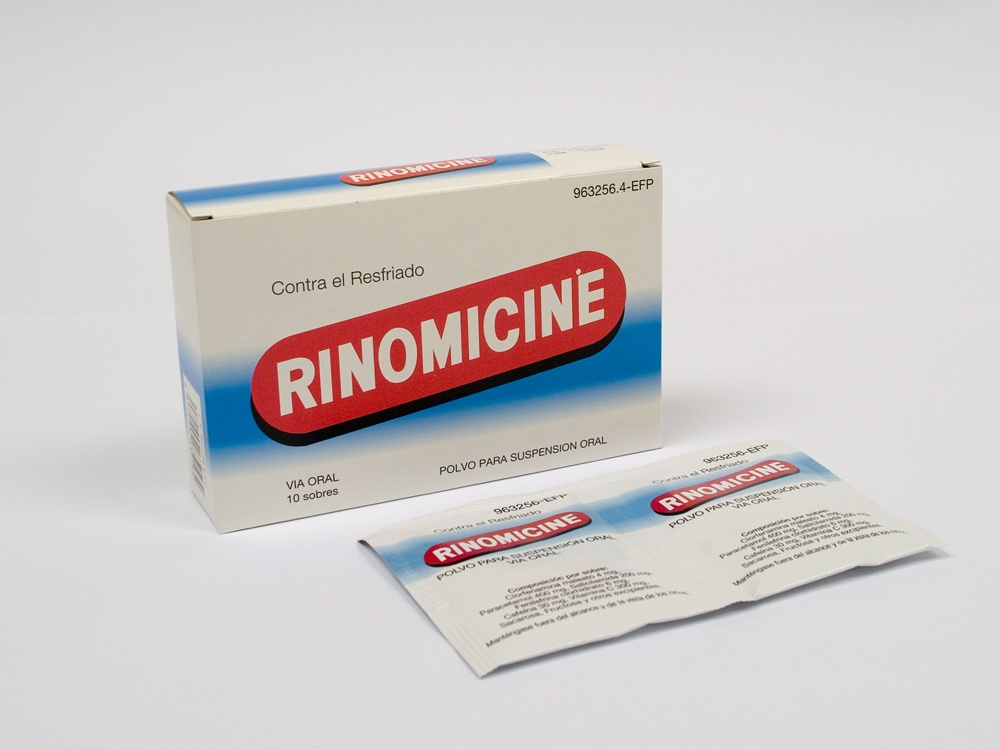
This medicine is presented in the form of orange-colored powder in single-dose sachets.
Each package contains 10 sachets.
Marketing Authorization Holder and Manufacturer
LABORATORIO DE APLICACIONES FARMACODINÁMICAS, S.A. Grassot, 16 – 08025 Barcelona
Date of the Last Revision of this Leaflet:September 2022
Detailed information about this medicine is available on the European Medicines Agency website: http://www.ema.europa.eu/ and on the Spanish Medicines and Healthcare Products Agency (AEMPS) website: http://www.aemps.gob.es/
-

- Country of registration
- Dosage formORAL SOLUTION/SUSPENSION, -
- Prescription requiredNo
- Manufacturer
- This information is for reference only and does not constitute medical advice. Always consult a doctor before taking any medication. Oladoctor is not responsible for medical decisions based on this content.
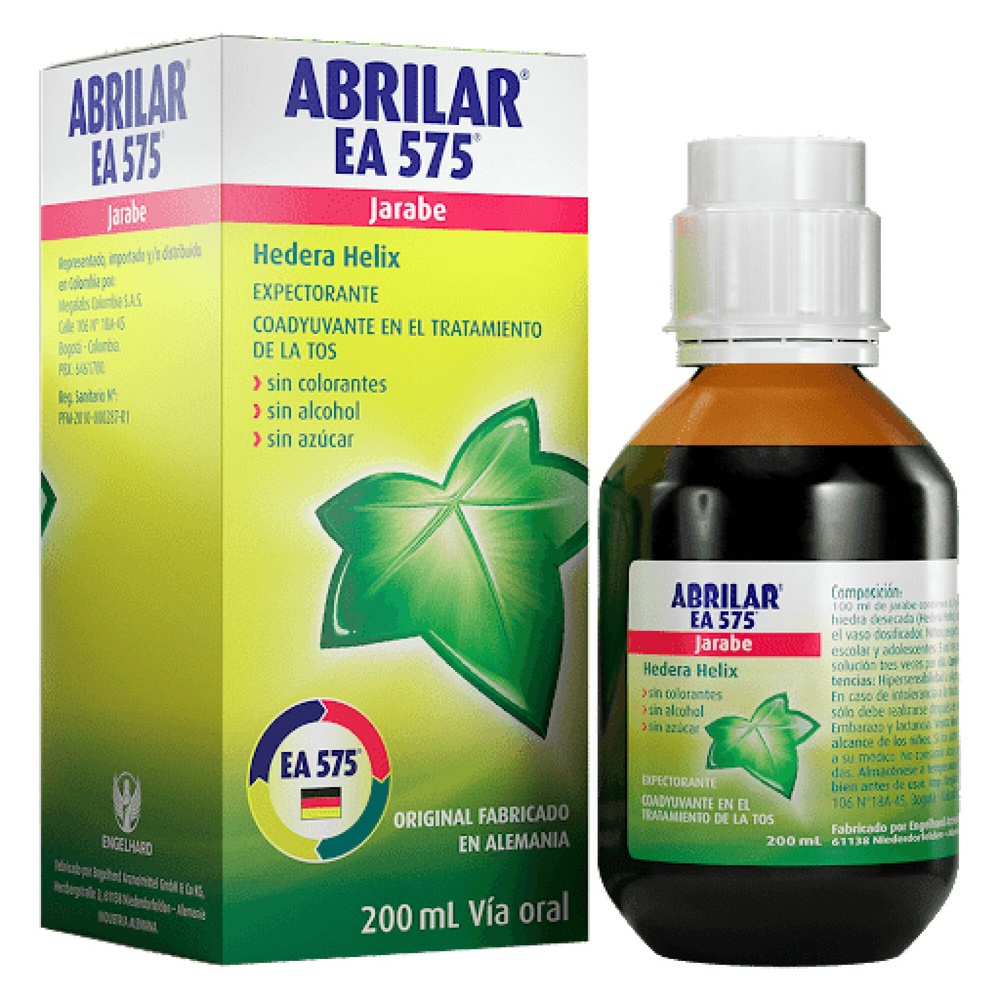
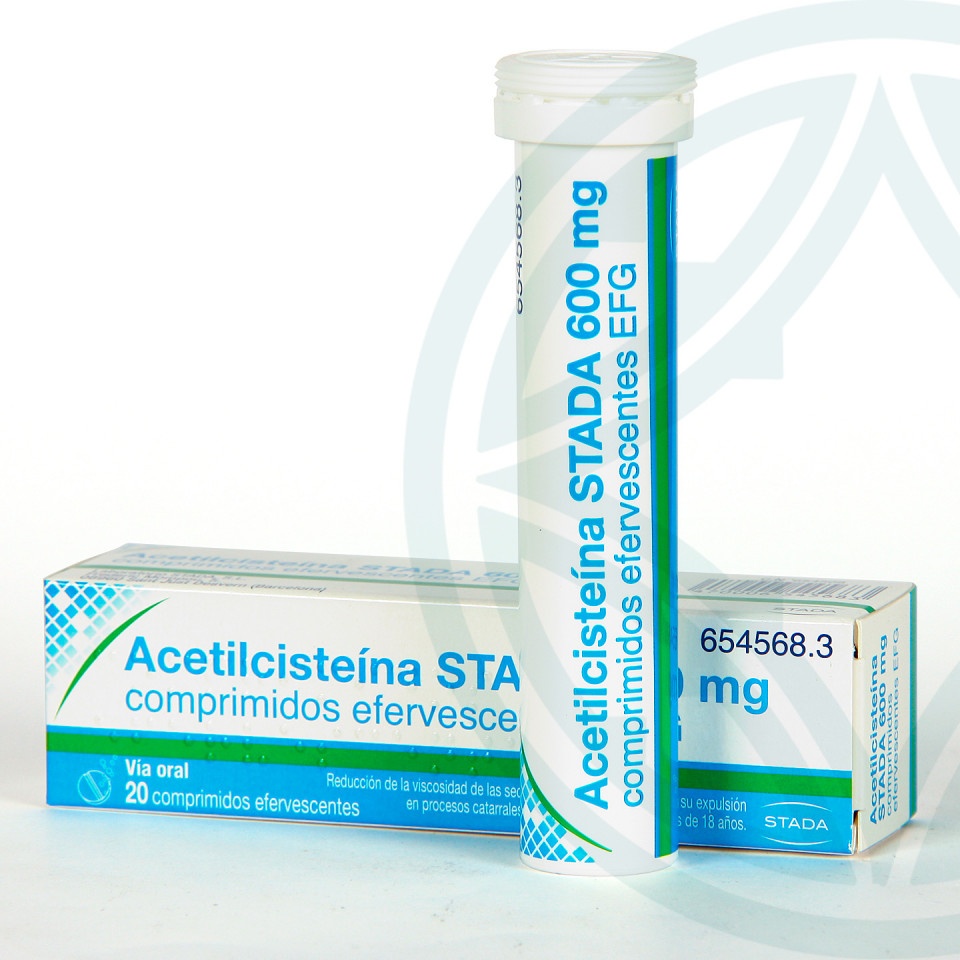
- Alternatives to RINOMICINE powder for oral suspensionDosage form: ORAL SOLUTION/SUSPENSION, 7 mg/mlActive substance: Hederae helicis foliumManufacturer: Engelhard Arzneimittel Gmbh & Co. KgPrescription not requiredDosage form: EFFERVESCENT TABLET, 600 mgActive substance: acetylcysteineManufacturer: Kern Pharma S.L.Prescription not requiredDosage form: EFFERVESCENT TABLET, 600 mgActive substance: acetylcysteineManufacturer: Laboratorios Alter S.A.Prescription required
Online doctors for RINOMICINE powder for oral suspension
Discuss questions about RINOMICINE powder for oral suspension, including use, safety considerations and prescription review, subject to medical assessment and local regulations.









Get RINOMICINE powder for oral suspension Prescription Online
Fill in a 2-min form
Tell us your symptoms, history, and what medicine you're requesting.
Pick a doctor or let us assign
Choose a specialist or we'll match you with the next available doctor.
Doctor reviews your case
Usually within 30 minutes. They may ask follow-up questions via chat.
Collect from any pharmacy
Electronic prescription sent to your email — valid across Spain.
Frequently Asked Questions
RINOMICINE powder for oral suspension does not require a prescription in Spain. You can check with a doctor online whether this medicine may be appropriate for your situation.
RINOMICINE powder for oral suspension is manufactured by Laboratorio De Aplicaciones Farmacodinamicas S.A.. Pharmacy brands and packaging may differ depending on the distributor.
Doctors such as Family doctors, Psychiatrists, Dermatologists, Cardiologists, Endocrinologists, Gastroenterologists, Pulmonologists, Nephrologists, Rheumatologists, Hematologists, Infectious disease physicians, Allergists, Geriatricians, Paediatricians, Oncologists may assess whether RINOMICINE powder for oral suspension is appropriate, depending on your situation and local regulations. You can book an online consultation to discuss your symptoms and possible next steps.
Spain has a well-developed healthcare infrastructure across major cities such as Madrid, Barcelona, Valencia, and Seville. Pharmacies are widely available and operate under strict regulations, ensuring access to prescribed medications.
You can buy RINOMICINE powder for oral suspension in Madrid, Barcelona, Seville, or Valencia at any local pharmacy with a valid prescription.
To obtain a prescription, you can use Oladoctor:
Other medicines with the same active substance () include ABRILAR SYRUP, ACETYLCYSTEINE ABEX 600 mg EFFERVSCENT TABLETS, ACETYLCYSTEINE ALTER 600 mg EFFERVSCENT TABLETS. These may have different brand names or formulations but contain the same therapeutic ingredient. Always consult a doctor before switching or starting a new medicine.
