






How to use RHINOSPRAY ANTIALLERGIC 1.18 mg/ml + 5.05 mg/ml NASAL SPRAY SOLUTION
Translated with AI
This page provides general information and does not replace a doctor’s consultation. Always consult a doctor before taking any medication. Seek urgent medical care if symptoms are severe.
Show originalContents of the leaflet
Introduction
Leaflet: information for the user
Rhinospray antiallergic 1.18 mg/ml + 5.05 mg/ml nasal spray solution
tramazoline hydrochloride/chlorphenamine maleate
Read the entire leaflet carefully before starting to use this medication, as it contains important information for you.
Follow the administration instructions for the medication contained in this leaflet or as indicated by your doctor or pharmacist.
- Keep this leaflet, as you may need to read it again.
- If you need advice or more information, consult your pharmacist.
- If you experience side effects, consult your doctor or pharmacist, even if they are not listed in this leaflet. See section 4.
- You should consult a doctor if your symptoms worsen or do not improve after 3 days of treatment.
Contents of the leaflet:
- What Rhinospray antiallergic is and what it is used for
- What you need to know before starting to use Rhinospray antiallergic
- How to use Rhinospray antiallergic
- Possible side effects
5 Conservation of Rhinospray antiallergic
- Package contents and additional information
1. What Rhinospray antiallergic is and what it is used for
It is a nasal decongestant medication that contains tramazoline and chlorphenamine as active ingredients. Tramazoline, administered in the nose, produces a local constriction of blood vessels, decongesting the nasal mucosa, and chlorphenamine, an antihistamine that relieves nasal secretion.
This medication is indicated for the local and temporary relief of nasal congestion and secretion in allergic rhinitis in adults and children from 6 years old.
You should consult a doctor if your symptoms worsen or do not improve after 3 days of treatment.

2. What you need to know before starting to use Rhinospray antiallergic
Do not use Rhinospray antiallergic
- if you are allergic to tramazoline, chlorphenamine, other adrenergic decongestants, or any of the other components of this medication (listed in section 6).
- if you have dryness of the nasal mucosa with crust formation (dry rhinitis).
- if you have heart failure
- if you have high blood pressure
- if you have an eye disease with increased pressure (glaucoma or high intraocular pressure)
- if you have thyroid disorders (hyperthyroidism)
- if you have prostate problems (prostatic hypertrophy)
- if you have had cranial surgery through the nasal cavity
- if you have recently had head surgery (if you have undergone any cranial, transnasal, or transoral surgical intervention).
- if you have had asthma attacks when using any medication with chlorphenamine or other medications used for allergies (antihistamines).
- if you are asthmatic and when using allergy medications (antihistamines) they have caused you bronchopulmonary problems.
- in children under 6 years old.
- if you are pregnant or breastfeeding.
Warnings and precautions
Consult your doctor or pharmacist before starting to use Rhinospray antiallergic:
- If you have high blood pressure, heart disease, diabetes mellitus, porphyria metabolism disorder, and pheochromocytoma (tumor of the adrenal glands).
- If you are being treated with medications for depression and medications for blood pressure disorders.
- It is not recommended to use this medication for more than 3 days. If symptoms do not disappear within 3 days, you should consult a doctor.
- The continued use of nasal congestion medications can cause chronic inflammation and atrophy of the nasal mucous membrane, and therefore nasal blockage. If you have chronic nasal obstruction, you should consult your doctor and not continue using the medication on your own initiative.
- When the effect of the medication decreases, a rebound inflammation of the nasal mucosa may appear.
- It may be harmful to repeat use over long periods, as it can lead to sensitization phenomena. In this case, treatment should be suspended or consulted with the doctor.
- It should be administered with care to avoid eye irritation.
- Elderly patients should consult their doctor or pharmacist due to the risk of urinary retention. They may be more likely to experience: dizziness, sedation, confusion, and hypotension; they are especially susceptible to the anticholinergic effects of antihistamines, such as dry mouth and urinary retention.
- Do not exceed the recommended dose.
Children
Do not use in children under 6 years old.
Children may be especially prone to the appearance of adverse effects of this medication.
Elderly patients
Consult your doctor or pharmacist, as elderly people are more sensitive to the adverse effects of this medication.
Other medications and Rhinospray antiallergic
Inform your doctor or pharmacist if you are using, have recently used, or may need to use any other medication.
This medication should not be used in conjunction with medications for depression or during the two weeks following their administration. The simultaneous use of this medication with some depression medications (IMAO or tricyclic antidepressants) or vasopressor agents may cause an increase in blood pressure.
The simultaneous use with tricyclic antidepressants may also cause the appearance of heart rhythm disorders (arrhythmias).
It is not recommended to use this medication simultaneously with monoamine oxidase inhibitor (IMAO) medications and tricyclic antidepressants, as they may prolong and intensify the anticholinergic and central nervous system depressant effects of this medication.
The simultaneous use of this medication with alcohol and other medications such as tranquilizers and those used to treat insomnia or anxiety (central nervous system depressants) may potentiate the sedative effects of this medication.
It is not recommended to take it together with phenytoin, as it may cause a decrease in phenytoin elimination.
The interaction with antihypertensives (medications used to lower high blood pressure) may cause cardiovascular disorders.
Pregnancy, breastfeeding, and fertility
If you are pregnant or breastfeeding, think you may be pregnant, or plan to become pregnant, consult your doctor or pharmacist before using this medication.
This medication should not be used during pregnancy or breastfeeding.
Driving and using machines
Do not drive or use machines if you notice hallucinations, drowsiness, sedation, fatigue, or dizziness.
Rhinospray antiallergic contains benzalkonium chloride
This medication contains 0.2 mg of benzalkonium chloride per ml.
Benzalkonium chloride may cause irritation or inflammation inside the nose, especially when used for long-term treatment.
3. How to use Rhinospray antiallergic
Follow the administration instructions for the medication contained in this leaflet or as indicated by your doctor or pharmacist. In case of doubt, ask your doctor or pharmacist.
The recommended dose is:
Adults and adolescents from 14 years old: 1 spray in each nostril, every 8-12 hours, up to 3 times a day if necessary. If necessary, in adults, a second spray can be administered in each nostril. Do not use more than 3 times a day.
Use in children
Children from 6 to 14 years old: 1 spray in each nostril, 1 time a day. If necessary, another spray can be done at 12 hours. Do not use more than 2 times a day.
Children under 6 years old:
Do not use this medication in children under 6 years old.
Instructions for use
Before each application, the following instructions should be taken into account:
This medication is administered nasally.
To obtain the sprays, the bottle should be kept in a vertical position while in use.
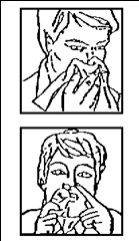
- Remove the protective cap.
- Blow your nose well before using Rhinospray antiallergic.
- With your head in a normal position, insert the spray adapter into the nasal fossa and apply quick and strong pressure on the container to spray one or two times.
- When the spray is released, breathe deeply with your mouth closed, gently pressing the other nasal fossa with your index finger, to facilitate the distribution of the sprayed solution over the surface of the nasal mucous membrane.
- Then repeat the application in the other nasal fossa.
The empty space above the liquid is necessary for the container to function perfectly as a nebulizer. It is recommended to clean the nasal adapter after use and put the protective cap back on.
To minimize the risk of infection transmission, the medication should not be used by more than one person.
The maximum treatment duration is 3 days. If symptoms worsen or persist after 3 days of treatment, discontinue treatment and consult your doctor.
If you use more Rhinospray antiallergic than you should
If you have used more Rhinospray antiallergic than you should, consult your doctor or pharmacist immediately, or call the Toxicology Information Service, phone 915 620 420, indicating the medication and the amount administered.
Especially in children, an overdose can result in an increase in blood pressure and rapid heartbeats, followed by a decrease in temperature and blood pressure, shock, and decreased heart rate.
In case of overdose or accidental ingestion, phases of stimulation and depression of the central nervous system and cardiovascular system may appear.
Especially in children, an overdose can result in effects on the central nervous system such as convulsions and coma, decreased heart rate, and respiratory depression. The symptoms of central nervous system stimulation are anxiety, nervousness, hallucinations, and convulsions. The symptoms of central nervous system depression are decreased temperature, lethargy, drowsiness, and coma.
There may also be dilation and contraction of the pupils, sweating, fever, paleness, blue discoloration of the lips, cardiovascular disorders, respiratory disorders, and psychological alterations.
Due to the content of chlorphenamine, the following symptoms may occur: hallucinations, excitement, ataxia, discoordination, acetosis, convulsions, dilated and fixed pupils, facial redness, sinus tachycardia, urinary retention, dry mouth, and fever.
If you forget to use Rhinospray antiallergic
Do not use a double dose to make up for forgotten doses.
If you have any other doubts about the use of this medication, ask your doctor or pharmacist.

4. Possible side effects
Like all medications, this medication can cause side effects, although not everyone may experience them.
Frequent (may affect more than 1 in 10 people)
- nasal dryness
Uncommon (may affect up to 1 in 100 people)
- headache, dizziness
- palpitations
- burning sensation in the nose, sneezing
- nausea
Rare (may affect up to 1 in 1000 people)
- hypersensitivity (allergy)
- epistaxis (nasal bleeding), nasal edema
Frequency not known (cannot be estimated from available data)
- hallucinations, insomnia, restlessness
- drowsiness, sedation, alterations in taste
- heart rate changes, increased heart rate
- nasal secretion
- skin rash, itching, and swelling
- mucosal swelling, fatigue
- increased blood pressure
Reporting side effects:
If you experience any type of side effect, consult your doctor or pharmacist, even if it is a possible side effect that is not listed in this leaflet. You can also report them directly through the Spanish Medication Surveillance System for Human Use: https://www.notificaRAM.es. By reporting side effects, you can contribute to providing more information on the safety of this medication.
5. Conservation of Rhinospray antiallergic
Keep this medication out of sight and reach of children.
This medication does not require special storage conditions.
Do not use this medication after the expiration date shown on the container, after CAD. The expiration date is the last day of the month indicated.
Medications should not be thrown away in drains or trash. Deposit the containers and medications you no longer need in the SIGRE point of the pharmacy. If in doubt, ask your pharmacist how to dispose of the containers and medications you no longer need. This way, you will help protect the environment.
6. Package contents and additional information
Composition of Rhinospray antiallergic
The active ingredients are tramazoline hydrochloride and chlorphenamine maleate.
Each ml of solution contains 1.18 mg of tramazoline hydrochloride and 5.05 mg of chlorphenamine maleate.
The released dose range in each spray is 30 - 50 µl, equivalent to 35 μg - 60 μg of tramazoline hydrochloride and 151 μg - 253 μg of chlorphenamine maleate.
The other components (excipients) are: benzalkonium chloride, liquid sorbitol (E-420), anhydrous citric acid, disodium phosphate dihydrate, sodium chloride, and purified water.
Appearance of the product and package contents
Rhinospray antiallergic is a clear and colorless nasal spray solution.
It is presented in a polyethylene container containing 12 ml of solution.
Marketing authorization holder and manufacturer
Marketing authorization holder:
Opella Healthcare Spain, S.L.
C/ Roselló i Porcel 21
08016 Barcelona, Spain
Sanofi Group
Manufacturer:
Istituto de Angeli, S.r.l.
Località Prulli, 103/C
50066 Reggello (Florence) - Italy
Date of the last revision of this leaflet: April 2023
Detailed information about this medication is available on the website of the Spanish Agency for Medicines and Health Products (AEMPS) http://www.aemps.gob.es/
-

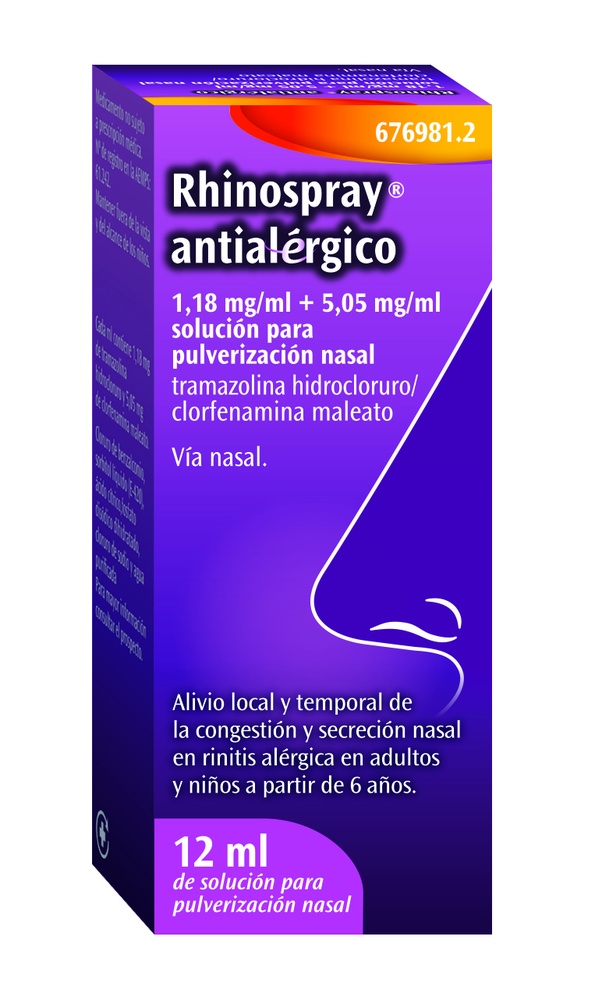
- Country of registration
- Dosage formNASAL PRODUCT, 0.118 g / 0.505 g
- Prescription requiredNo
- Manufacturer
- This information is for reference only and does not constitute medical advice. Always consult a doctor before taking any medication. Oladoctor is not responsible for medical decisions based on this content.
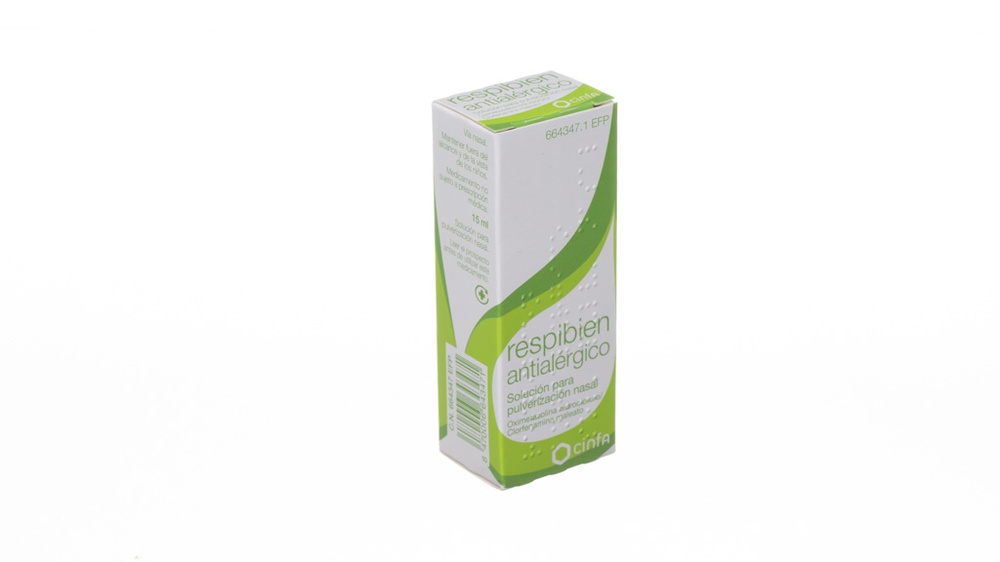
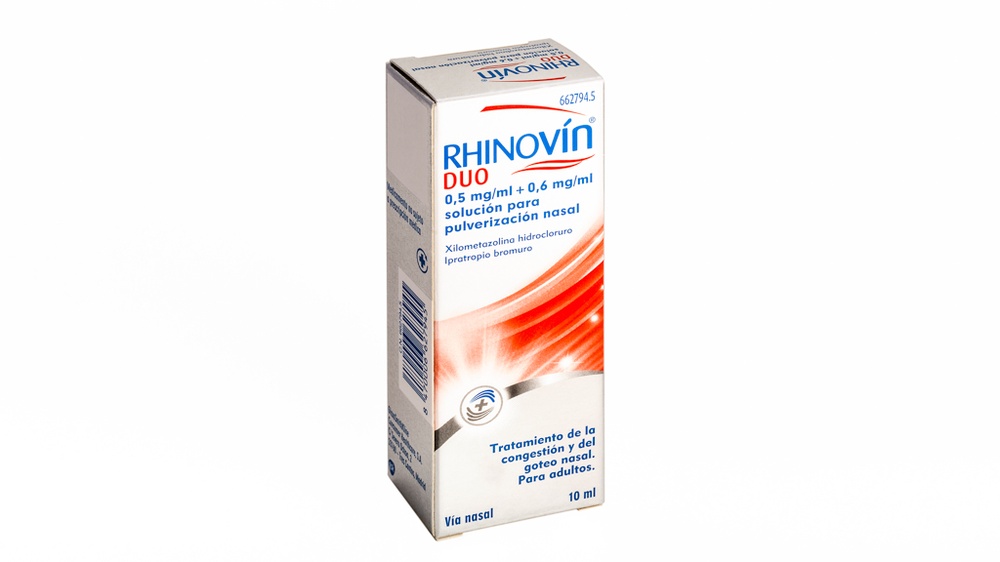
- Alternatives to RHINOSPRAY ANTIALLERGIC 1.18 mg/ml + 5.05 mg/ml NASAL SPRAY SOLUTIONDosage form: NASAL PRODUCT, 0.5+0.5 mg/ml+mg/mlActive substance: oxymetazolineManufacturer: Laboratorios Cinfa S.A.Prescription not requiredDosage form: NASAL PRODUCT, 0.5 mg/ml + 0.6 mg/mlActive substance: xylometazolineManufacturer: Haleon Spain S.A.Prescription not requiredDosage form: NASAL PRODUCT, 1 mg/ml + 50 mg/mlActive substance: xylometazolineManufacturer: Krka D.D. Novo MestoPrescription not required
Online doctors for RHINOSPRAY ANTIALLERGIC 1.18 mg/ml + 5.05 mg/ml NASAL SPRAY SOLUTION
Discuss questions about RHINOSPRAY ANTIALLERGIC 1.18 mg/ml + 5.05 mg/ml NASAL SPRAY SOLUTION, including use, safety considerations and prescription review, subject to medical assessment and local regulations.









Get RHINOSPRAY ANTIALLERGIC 1.18 mg/ml + 5.05 mg/ml NASAL SPRAY SOLUTION Prescription Online
Fill in a 2-min form
Tell us your symptoms, history, and what medicine you're requesting.
Pick a doctor or let us assign
Choose a specialist or we'll match you with the next available doctor.
Doctor reviews your case
Usually within 30 minutes. They may ask follow-up questions via chat.
Collect from any pharmacy
Electronic prescription sent to your email — valid across Spain.
Frequently Asked Questions
RHINOSPRAY ANTIALLERGIC 1.18 mg/ml + 5.05 mg/ml NASAL SPRAY SOLUTION does not require a prescription in Spain. You can check with a doctor online whether this medicine may be appropriate for your situation.
RHINOSPRAY ANTIALLERGIC 1.18 mg/ml + 5.05 mg/ml NASAL SPRAY SOLUTION is manufactured by Opella Healthcare Spain S.L.. Pharmacy brands and packaging may differ depending on the distributor.
Doctors such as Family doctors, Psychiatrists, Dermatologists, Cardiologists, Endocrinologists, Gastroenterologists, Pulmonologists, Nephrologists, Rheumatologists, Hematologists, Infectious disease physicians, Allergists, Geriatricians, Paediatricians, Oncologists may assess whether RHINOSPRAY ANTIALLERGIC 1.18 mg/ml + 5.05 mg/ml NASAL SPRAY SOLUTION is appropriate, depending on your situation and local regulations. You can book an online consultation to discuss your symptoms and possible next steps.
Spain has a well-developed healthcare infrastructure across major cities such as Madrid, Barcelona, Valencia, and Seville. Pharmacies are widely available and operate under strict regulations, ensuring access to prescribed medications.
You can buy RHINOSPRAY ANTIALLERGIC 1.18 mg/ml + 5.05 mg/ml NASAL SPRAY SOLUTION in Madrid, Barcelona, Seville, or Valencia at any local pharmacy with a valid prescription.
To obtain a prescription, you can use Oladoctor:
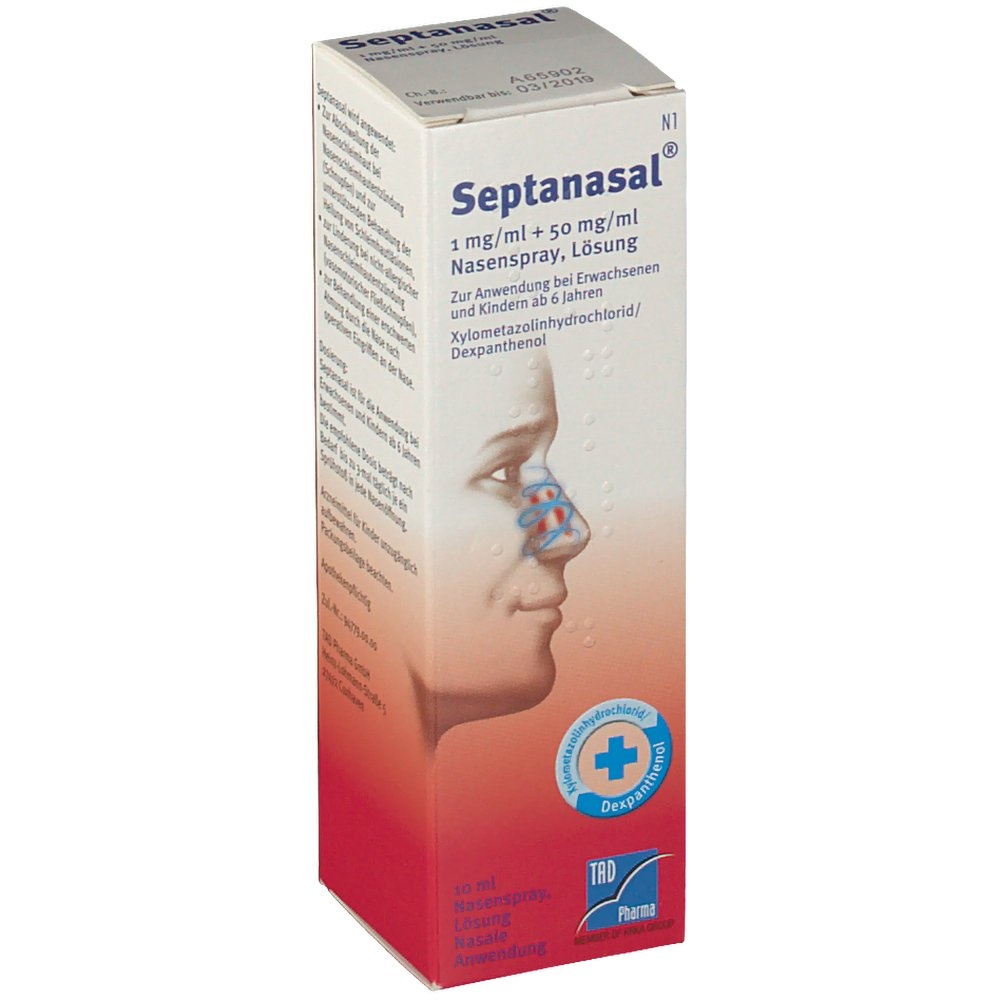
Other medicines with the same active substance () include RESPIBIEN ANTIALLERGIC NASAL SPRAY SOLUTION, RHINOVIN DUO 0.5 mg/ml + 0.6 mg/ml NASAL SPRAY SOLUTION, SEPTANASAL 1 mg/ml + 50 mg/ml NASAL SPRAY SOLUTION. These may have different brand names or formulations but contain the same therapeutic ingredient. Always consult a doctor before switching or starting a new medicine.
