



RAMIPRIL 5 mg Tablets

Prescription review online
A doctor will review your case and decide whether a prescription is medically appropriate.

Talk to a doctor about this medicine
Discuss your symptoms and possible next steps in a quick online consultation.



How to use RAMIPRIL KRKA 5 mg TABLETS
Contents of the leaflet
- Introduction
- What is Ramipril Krka and what is it used for
- What you need to know before you take Ramipril Krka
- How to take Ramipril Krka
- Possible Adverse Effects
- Storage of Ramipril Krka
- Package Contents and Additional Information
Introduction
Package Leaflet: Information for the User
RamiprilKrka 5 mg tablets EFG
Read all of this leaflet carefully before you start taking this medicine because it contains important information for you.
- Keep this leaflet, you may need to read it again.
- If you have any further questions, ask your doctor or pharmacist.
- This medicine has been prescribed for you only. Do not pass it on to others. It may harm them, even if their signs of illness are the same as yours.
- If you get any side effects, talk to your doctor or pharmacist. This includes any possible side effects not listed in this leaflet. See section 4.
Contents of the pack and other information:
- What is Ramipril Krka and what is it used for
- What you need to know before you take Ramipril Krka
- How to take Ramipril Krka
- Possible side effects
5 Storage of Ramipril Krka
- Contents of the pack and other information
1. What is Ramipril Krka and what is it used for
Ramipril Krka contains the active substance ramipril. This belongs to a group of medicines called ACE inhibitors (Angiotensin Converting Enzyme inhibitors).
Ramipril Krka works in the following way:
- By decreasing the production of substances in your body that could increase your blood pressure
- By relaxing and widening your blood vessels
- By making it easier for your heart to pump blood around your body
Ramipril Krka can be used:
- To treat high blood pressure (hypertension)
- To reduce the risk of having a heart attack or stroke
- To reduce the risk or delay the worsening of kidney problems (whether you have diabetes or not)
- To treat your heart when it cannot pump enough blood to the rest of your body (heart failure)
- As a treatment after a heart attack (myocardial infarction) complicated by heart failure.

Not sure if this medicine is right for you?
Discuss your symptoms and treatment with a doctor online.
2. What you need to know before you take Ramipril Krka
Do not takeRamiprilKrka
- if you are allergic to ramipril or any of the other ingredients of this medicine (listed in section 6).
The symptoms of an allergic reaction can include rash, difficulty swallowing or breathing, swelling of your face, lips, throat or tongue.
- if you have ever had a severe allergic reaction called “angioedema”. The symptoms include itching, rash, red spots on the hands, feet, and throat, swelling of the throat and tongue, swelling around the eyes and lips, difficulty breathing and swallowing.
- if you are having dialysis or any other type of blood filtration. Depending on the machine used, Ramipril Krka may not be suitable for you.
- if you have kidney problems where the blood flow to your kidneys is reduced (renal artery stenosis).
- During the last 6 months of pregnancy (see the section on “Pregnancy and Breast-feeding”).
- if your blood pressure is abnormally low or unstable. Your doctor will need to assess this.
- if you have diabetes or kidney problems and are being treated with a medicine to lower your blood pressure that contains aliskiren.
- if you have taken or are currently taking sacubitril/valsartan, a medicine used to treat a type of long-term (chronic) heart failure in adults, as the risk of angioedema (rapid swelling under the skin in an area such as the throat) is increased.
Do not take Ramipril Krkaif any of the above applies to you. If you are not sure, talk to your doctor before taking Ramipril Krka.
Warnings and precautions
Talk to your doctor or pharmacist before starting to take Ramipril Krka:
- if you have heart, liver, or kidney problems
- if you have lost a lot of body salts or fluids (due to vomiting, diarrhea, low-salt diet, long-term diuretic use, or dialysis)
- if you are going to have a treatment to reduce your allergy to bee or wasp stings (desensitization)
- if you are going to receive an anesthetic. This may be due to an operation or any dental work. You may need to stop taking Ramipril Krkaone day beforehand; talk to your doctor.
- if you have high levels of potassium in your blood (as shown by blood tests)
- if you are taking medicines or have a condition that may lower your blood sodium levels. Your doctor may perform regular blood tests to check your sodium levels, especially if you are an elderly patient.
- if you are taking any of the following medicines, as the risk of angioedema may be increased:
- racecadotril, a medicine used to treat diarrhea.
- temsirolimus, sirolimus, everolimus, and other medicines belonging to the class of mTOR inhibitors (used to prevent organ rejection after transplantation and to treat cancer, e.g., temsirolimus, sirolimus, everolimus);
- vildagliptin, a medicine used to treat diabetes.
- if you have a disease of the blood vessels in the skin such as scleroderma or systemic lupus erythematosus.
- if you are taking any of the following medicines used to treat high blood pressure:
- an angiotensin II receptor antagonist (ARA) (also known as "sartans" - e.g., valsartan, telmisartan, irbesartan), especially if you have kidney problems related to diabetes.
- aliskiren
Your doctor may need to check your kidney function, blood pressure, and blood electrolyte levels (e.g., potassium) at regular intervals.
See also the information under the heading “Do not take Ramipril Krka”.
You must inform your doctor if you are (or might become) pregnant. Ramipril is not recommended in the first 3 months of pregnancy and may cause serious harm to your baby if used after 3 months of pregnancy (see section below “Pregnancy and Breast-feeding”).
Children and adolescents
Ramipril Krkais not recommended for use in children and adolescents under 18 years because the safety and efficacy of Ramipril Krkain children have not yet been established.
If any of the above applies to you (or you are not sure), talk to your doctor before taking Ramipril Krka.
Using RamiprilKrkawith other medicines
Tell your doctor or pharmacist if you are using, have recently used, or might use any other medicines, including medicines obtained without a prescription (including herbal medicines). This is because Ramipril Krkamay affect the way other medicines work. Also, some medicines may affect the way Ramipril Krkaworks.
Tell your doctor if you are taking any of the following medicines. They may make Ramipril work less well:
- Medicines used to treat pain or inflammation (e.g., non-steroidal anti-inflammatory drugs (NSAIDs) such as ibuprofen or indometacin and aspirin)
- Medicines used to treat low blood pressure, shock, heart failure, asthma, or allergies, such as ephedrine, noradrenaline, or adrenaline. Your doctor will need to check your blood pressure.
Tell your doctor if you are taking any of the following medicines. They may increase the chance of side effects if taken with Ramipril Krka:
- Medicines used to relieve pain and inflammation (e.g., non-steroidal anti-inflammatory drugs (NSAIDs) such as ibuprofen or indometacin and aspirin),
- Medicines used to treat cancer (chemotherapy),
- Diuretics such as furosemide,
- Potassium supplements (including salt substitutes), potassium-sparing diuretics, medicines that may increase potassium levels in the blood, such as spironolactone, triamterene, amiloride, and other medicines that may increase potassium levels in the blood, potassium salts (e.g., heparin (to make the blood more fluid) trimethoprim and co-trimoxazole also known as trimethoprim/sulfamethoxazole, for bacterial infections; cyclosporin, an immunosuppressant used to prevent organ rejection and heparin, a medicine used to thin the blood and prevent clots),
- Corticosteroids for inflammation such as prednisolone,
- Allopurinol (used to reduce uric acid in your blood),
- Procainamide (for heart rhythm problems),
- Trimethoprim and co-trimoxazole (for bacterial infections),
- Vildagliptin (used to treat type 2 diabetes).
- Medicines that are more frequently used to prevent organ rejection (sirolimus, everolimus, temsirolimus, and other medicines belonging to the class of mTOR inhibitors). See the section "Warnings and precautions".
Tell your doctor if you are taking any of the following medicines. They may be affected by Ramipril Krka:
- Medicines used to treat diabetes, such as medicines to lower blood sugar and insulin. Ramipril Krkamay lower your blood sugar levels. Monitor your blood sugar levels closely while taking Ramipril Krka.
- Lithium (for mental health problems). Ramipril Krkamay increase the levels of lithium in your blood. Your doctor will closely monitor your lithium levels.
If any of the above applies to you (or you are not sure), talk to your doctor before taking Ramipril Krka.
Your doctor may need to change your dose and/or take other precautions:
- If you are taking an angiotensin II receptor antagonist (ARA) or aliskiren (see also the information under the headings “Do not take Ramipril Krka” and “Warnings and precautions”)
Taking RamiprilKrkawith food and drink
- Drinking alcohol with Ramipril Krkamay make you feel dizzy or faint. If you are worried about how much you can drink while taking Ramipril Krka, talk to your doctor about how blood pressure medicines and alcohol can have additive effects.
- You can take ramipril with or without food.
Pregnancy and Breast-feeding
If you are pregnant or breast-feeding, think you may be pregnant, or are planning to have a baby, ask your doctor or pharmacist for advice before taking this medicine.
Pregnancy
You must inform your doctor if you are pregnant (or think you might be). You should not take Ramipril Krkaduring the first 12 weeks of pregnancy and you should not take it after the 13th week as it may cause harm to your baby.
If you become pregnant while taking Ramipril Krka, inform your doctor immediately. Before a planned pregnancy, you should switch to an alternative treatment that is more suitable.
Breast-feeding
You should not take Ramipril Krkaif you are breast-feeding.
Ask your doctor or pharmacist for advice before taking any medicine.
Driving and using machines
You may feel drowsy or dizzy while taking Ramipril Krka. This is more likely to happen when you start taking Ramipril Krkaor start taking a higher dose of Ramipril Krka. If this happens, do not drive or use tools or machines.
Ramipril Krka contains sodium
This medicine contains less than 23 mg of sodium (1mmol) per tablet; this is essentially “sodium-free”.
3. How to take Ramipril Krka
Always take this medicine exactly as your doctor or pharmacist has told you. Check with your doctor or pharmacist if you are not sure.
Taking this medicine
- Take this medicine by mouth at the same time each day.
- Swallow the tablets whole with liquid.
- Do not crush or chew the tablets.
How much to take
Treatment of high blood pressure
- The usual starting dose is 1.25 mg or 2.5 mg once a day.
- Your doctor will adjust the amount you take to control your blood pressure.
- The maximum daily dose is 10 mg once a day.
- If you are already taking diuretics, your doctor may stop or reduce the amount of diuretic you were taking before starting treatment with Ramipril Krka.
Reducing the risk of having a heart attack or stroke
- The usual starting dose is 2.5 mg once a day.
- Your doctor may decide to increase the amount you take.
- The usual dose is 10 mg once a day.
Treatment to reduce or delay the worsening of kidney problems
- You may start with a dose of 1.25 mg or 2.5 mg once a day.
- Your doctor will adjust the amount you take.
- The usual dose is 5 or 10 mg once a day.
Treatment for heart failure
- The usual starting dose is 1.25 mg once a day.
- Your doctor will adjust the amount you take.
- The maximum daily dose is 10 mg once a day. It is preferable to administer it twice a day.
Treatment after having a heart attack
- The usual starting dose is 1.25 mg or 2.5 mg once a day.
- Your doctor will adjust the amount you take.
- The usual dose is 10 mg once a day. It is preferable to administer it twice a day.
Elderly patients
Your doctor will reduce the initial dose and adjust your treatment more slowly.
If you take more RamiprilKrkathan you should
Consult your doctor immediately or go to the casualty department of your nearest hospital, taking this leaflet with you. Do not drive to the hospital, ask someone to drive you or call an ambulance. Take the medicine pack with you.
You can also contact the National Poison Centre, telephone 91 562 04 20, indicating the medicine and the amount taken.
If you forget to take RamiprilKrka
- If you forget to take a dose, take your normal dose when it is time for your next dose.
- Do not take a double dose to make up for forgotten doses.
If you stop taking RamiprilKrka
Keep taking your medicine until your doctor tells you to stop. Do not stop taking Ramipril Krkajust because you feel better. If you stop taking Ramipril Krka, your illness may get worse.
If you have any further questions on the use of this product, ask your doctor or pharmacist.

Started taking the medicine and have questions?
Discuss your symptoms and treatment with a doctor online.
4. Possible Adverse Effects
Like all medicines, this medicine can cause adverse effects, although not all people suffer from them.
Stop taking Ramipril Krka and go to the doctor immediately if you notice any of the following serious adverse effects - you may need urgent medical treatment:
- Swelling of the face, lips, or throat that can make it difficult to swallow or breathe, as well as itching and rash. This can be a symptom of a severe allergic reaction to Ramipril Krka.
- Severe skin reactions including rash, ulcers in your mouth, worsening of a pre-existing skin disease, redness, blisters, or peeling of the skin (such as Stevens-Johnson syndrome, toxic epidermal necrolysis, or erythema multiforme).
Tell your doctor immediately if you experience:
- Faster heart rate, irregular or strong heartbeats (palpitations), chest pain, chest tightness, or more serious problems including heart attack and stroke
- Difficulty breathing or coughing. These can be symptoms of lung problems
- Easy bruising, bleeding for longer than normal, any sign of bleeding (e.g., from the gums), purple spots on the skin, or getting infections more easily than normal, sore throat, and fever, feeling tired, dizzy, or pale skin. These can be symptoms of blood or bone marrow problems
- Severe stomach pain that can radiate to your back. This can be a symptom of acute pancreatitis (inflammation of the pancreas).
- Fever, chills, fatigue, loss of appetite, stomach pain, feeling sick, yellowing of the skin or eyes (jaundice). These can be symptoms of liver problems such as hepatitis (inflammation of the liver) or liver damage.
Other adverse effects include:
Tell your doctor if any of the following worsen or last more than a few days.
Frequent(may affect up to 1 in 10 people)
- Headache or feeling tired
- Feeling dizzy. This is more likely to occur when you start taking Ramipril Krkaor when you start taking a higher dose
- Fainting, low blood pressure (abnormally low blood pressure), especially when standing up or feeling quickly
- Dry, irritating cough, sinus inflammation, or bronchitis, shortness of breath
- Stomach or abdominal pain, diarrhea, indigestion, feeling sick
- Rash on the skin, with or without raised areas
- Chest pain
- Cramps or muscle pain
- Blood tests showing high potassium levels in your blood.
Uncommon(may affect up to 1 in 100 people)
- Balance problems (vertigo)
- Itching and abnormal sensations on the skin such as numbness, tingling, pinching, burning, or chilliness on your skin (paresthesia)
- Loss or changes in taste
- Sleep problems
- Feeling sad, anxious, more nervous than usual, or tired
- Stuffy nose, difficulty breathing, or worsening asthma
- A swelling in your abdomen called "intestinal angioedema" that presents symptoms such as abdominal pain, vomiting, and diarrhea
- Heartburn, constipation, or dry mouth
- Urinating more than usual during the day
- Sweating more than usual
- Loss or decreased appetite (anorexia)
- Increased or irregular heartbeats. Swelling of arms and legs. This can be a sign that your body is retaining more water than normal
- Redness
- Blurred vision
- Pain in your joints
- Fever
- Sexual dysfunction in men, decreased sexual desire in men or women
- Increased number of certain white blood cells in the blood (eosinophilia) found during a blood test.
- Blood tests show changes in how your liver, pancreas, or kidneys are working
Rare(may affect up to 1 in 1,000 people)
- Feeling insecure or confused
- Redness and swelling of the tongue
- Severe scaling or peeling of the skin, rash with swelling and itching
- Nail problems (e.g., loss or separation of a nail from its bed)
- Rash or bruising on the skin
- Redness on your skin and cold extremities
- Redness, itching, swelling, and tearing of the eyes
- Hearing disturbances and noises in your ears
- Feeling weak
- Blood tests show a decrease in the number of red blood cells or platelets or in the amount of hemoglobin.
Very Rare(may affect up to 1 in 10,000 people)
- Being more sensitive to the sun than usual.
Unknown(frequency cannot be estimated from available data)
- Concentrated urine (dark-colored), feeling or being sick, having muscle cramps, confusion, and seizures that may be due to inadequate secretion of ADH (antidiuretic hormone). If you have these symptoms, contact your doctor as soon as possible.
Other reported adverse effects:
Tell your doctor if any of the following adverse effects worsen or last more than a few days.
- Difficulty concentrating
- Swelling of the mouth
- Blood tests show very few blood cells
- Blood tests show low sodium levels
- Fingers and toes change color when cold and feel tingling or pain when warming up (Raynaud's phenomenon)
- Enlargement of the chest in men
- Slowness or difficulty reacting
- Burning sensation
- Change in the smell of things
- Hair loss
Notification of suspected adverse reactions
It is important to report suspected adverse reactions to the medicine after its authorization. This allows for continuous monitoring of the benefit-risk ratio of the medicine. Healthcare professionals are invited to report suspected adverse reactions via the Spanish Medicines Monitoring System: www.notificaram.es.
5. Storage of Ramipril Krka
Keep this medicine out of the sight and reach of children.
Do not use this medicine after the expiration date that appears on the box, label, and blister after CAD. The expiration date is the last day of the month indicated.
Do not store above 30°C.
Keep in the original package to protect it from moisture.
Medicines should not be thrown away through wastewater or household waste. Deposit the packaging and unused medicines in the SIGRE point of the pharmacy. In case of doubt, ask your pharmacist how to dispose of the packaging and unused medicines. This will help protect the environment.
6. Package Contents and Additional Information
Composition of Ramipril Krka
- The active ingredient is Ramipril. Each tablet contains 5 mg of ramipril.
The other ingredients (excipients) are hypromellose 6cP, microcrystalline cellulose, pregelatinized cornstarch, sodium stearyl fumarate, and red iron oxide (E172). See section 2 "Ramipril Krka contains sodium"
Appearance of the Product and Package Contents
Tablet
Ramipril Krka 5 mg tablet, light pink in color with individual clear and dark dots, capsule-shaped with beveled edges, scored on both sides. One side is marked with a 5 on one half and KRK on the other half. Tablet dimensions: 8 x 5 mm. The tablet can be divided into equal doses.
Ramipril Krka 5 mg is available in blisters (OPA/Al/PVC//Al): 20, 28, 30, 50, or 100 tablets.
Not all pack sizes may be marketed.
Marketing Authorization Holder
Krka, d.d., Novo mesto,
Šmarješka cesta 6, 8501 Novo mesto,
Slovenia.
Manufacturer
Krka, d.d., Novo mesto,
Šmarješka cesta 6, 8501 Novo mesto,
Slovenia.
O
TAD Pharma GmbH, Heinz-Lohmann-Straße 5,
27472 Cuxhaven,
Germany
You can request more information about this medicine by contacting the local representative of the marketing authorization holder:
KRKA Farmacéutica, S.L., C/ Anabel Segura 10, Pta. Baja, Oficina 1, 28108 Alcobendas, Madrid, Spain
This medicine is authorized in the Member States of the European Economic Area under the following names:
Country | Trade Name |
Malta | Ramipril TAD 5 mg |
Belgium | Ramipril Krka 5 mg tablets |
Germany | Ramipril TAD 5 mg Tablets |
Date of the last revision of this leaflet: May 2019
Detailed and updated information on this medicine is available on the website of the Spanish Agency for Medicines and Health Products (AEMPS) http://www.aemps.gob.es
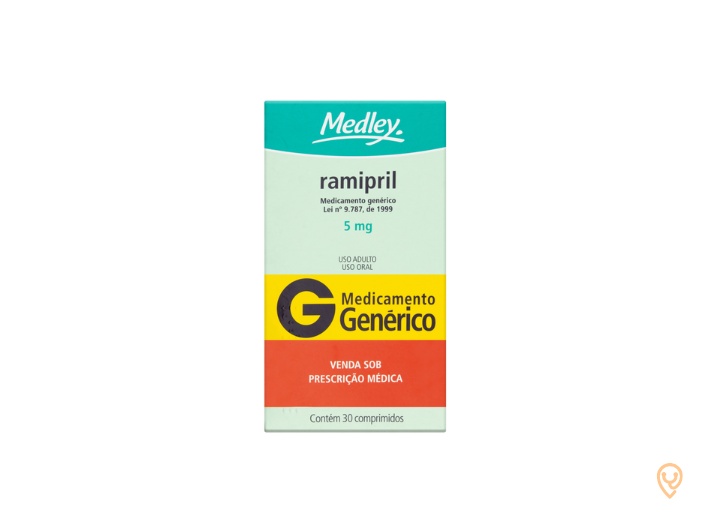
- Country of registration
- Dosage formTABLET, 5 mg
- ATC codeC09AA05
- Average pharmacy price4.84 EUR
- Active substance
- Prescription requiredYes
- Manufacturer
- CompositionFUMARATO DE ESTEARILO Y SODIO (1,00 mg mg)
- This information is for reference only and does not constitute medical advice. Always consult a doctor before taking any medication. Oladoctor is not responsible for medical decisions based on this content.
- Alternatives to RAMIPRIL KRKA 5 mg TABLETSDosage form: TABLET, 10 mgActive substance: ramiprilManufacturer: Sanofi Aventis S.A.Prescription requiredDosage form: TABLET, 2.5 mgActive substance: ramiprilManufacturer: Sanofi Aventis S.A.Prescription requiredDosage form: TABLET, 5 mgActive substance: ramiprilManufacturer: Sanofi Aventis S.A.Prescription required
Online doctors for RAMIPRIL KRKA 5 mg TABLETS
Discuss questions about RAMIPRIL KRKA 5 mg TABLETS, including use, safety considerations and prescription review, subject to medical assessment and local regulations.
Get RAMIPRIL KRKA 5 mg TABLETS Prescription Online
Fill in a 2-min form
Tell us your symptoms, history, and what medicine you're requesting.
Pick a doctor or let us assign
Choose a specialist or we'll match you with the next available doctor.
Doctor reviews your case
Usually within 30 minutes. They may ask follow-up questions via chat.
Collect from any pharmacy
Electronic prescription sent to your email — valid across Spain.
Frequently Asked Questions
RAMIPRIL KRKA 5 mg TABLETS requires a prescription in Spain. You can check with a doctor online whether this medicine may be appropriate for your situation.
The active ingredient in RAMIPRIL KRKA 5 mg TABLETS is ramipril. This information helps identify medicines with the same composition but different brand names.
The average pharmacy price for RAMIPRIL KRKA 5 mg TABLETS is around 4.84 EUR. Prices may vary depending on the manufacturer and dosage form.
RAMIPRIL KRKA 5 mg TABLETS is manufactured by Krka D.D. Novo Mesto. Pharmacy brands and packaging may differ depending on the distributor.
Doctors such as Family doctors, Psychiatrists, Dermatologists, Cardiologists, Endocrinologists, Gastroenterologists, Pulmonologists, Nephrologists, Rheumatologists, Hematologists, Infectious disease physicians, Allergists, Geriatricians, Paediatricians, Oncologists may assess whether RAMIPRIL KRKA 5 mg TABLETS is appropriate, depending on your situation and local regulations. You can book an online consultation to discuss your symptoms and possible next steps.
Spain has a well-developed healthcare infrastructure across major cities such as Madrid, Barcelona, Valencia, and Seville. Pharmacies are widely available and operate under strict regulations, ensuring access to prescribed medications.
You can buy RAMIPRIL KRKA 5 mg TABLETS in Madrid, Barcelona, Seville, or Valencia at any local pharmacy with a valid prescription.
To obtain a prescription, you can use Oladoctor:
Other medicines with the same active substance (ramipril) include ACOVIL 10 mg TABLETS, ACOVIL 2.5 mg TABLETS, ACOVIL 5 mg TABLETS. These may have different brand names or formulations but contain the same therapeutic ingredient. Always consult a doctor before switching or starting a new medicine.
