


PRAVASTATINA 10 mg Tablets





How to use PRAVASTATIN VIATRIS 10 mg TABLETS
Translated with AI
This page provides general information and does not replace a doctor’s consultation. Always consult a doctor before taking any medication. Seek urgent medical care if symptoms are severe.
Show originalContents of the leaflet
- Introduction
- What is Pravastatina Viatris and what is it used for
- What you need to know before you take Pravastatina Viatris
- If you take pravastatin, along with other medicines, the effect of pravastatin, the effect of the other medicine, or the effect of both may be altered, and the risk of muscle problems may increase.
- Tell your doctor or pharmacist, especially if you are taking or have recently taken any of the following medicines:
- How to take Pravastatina Viatris
- Possible Adverse Effects
- Storage of Pravastatin Viatris
- Package Contents and Additional Information
Introduction
Patient Information Leaflet
Pravastatina Viatris 10 mg tablets EFG
pravastatin sodium
Read all of this leaflet carefully before you start taking this medicine because it contains important information for you.
- Keep this leaflet, you may need to read it again.
- If you have any further questions, ask your doctor or pharmacist.
- This medicine has been prescribed for you only. Do not pass it on to others. It may harm them, even if their signs of illness are the same as yours.
- If you get any side effects, talk to your doctor or pharmacist. This includes any possible side effects not listed in this leaflet. See section 4.
Contents of the pack:
- What is Pravastatina Viatris and what is it used for
- What you need to know before you take Pravastatina Viatris
- How to take Pravastatina Viatris
- Possible side effects
- Storage of Pravastatina Viatris
- Contents of the pack and other information
1. What is Pravastatina Viatris and what is it used for
The active substance, pravastatin sodium, belongs to a group of medicines known as statins (or HMG-CoA reductase inhibitors). It prevents the production of cholesterol by the liver and, as a result, reduces the levels of cholesterol and other fats (triglycerides) in your body. When there are excessive levels of cholesterol in the blood, cholesterol accumulates in the walls of blood vessels, obstructing them.
This situation is known as hardening of the arteries or atherosclerosis and can cause:
- Chest pain (angina pectoris), when a blood vessel of the heart is partially obstructed.
- Heart attack (myocardial infarction), when a blood vessel of the heart is completely obstructed.
- Stroke (cerebrovascular accident), when a blood vessel of the brain is completely obstructed.
Pravastatin sodium is used in three situations:
- Treatment of high levels of cholesterol and fats in the blood
Pravastatin sodium is indicated to decrease high levels of "bad" cholesterol and increase levels of "good" cholesterol in the blood when diet and exercise have not been effective.
- Prevention of heart and blood vessel diseases
- If you have high levels of cholesterol in the blood and risk factors that favor these diseases (if you smoke, are overweight, have high blood sugar or high blood pressure, or do not exercise regularly), pravastatin sodium is indicated to reduce the risk of you suffering from a heart or blood vessel problem, and decreases the risk of dying from these diseases.
- If you have already suffered a stroke or have unstable angina, and even with normal cholesterol levels, pravastatin sodium is indicated to reduce the risk of you suffering from another heart attack or stroke in the future, and decreases the risk of dying from these diseases.
- After an organ transplant
If you have undergone an organ transplant and are taking medication to prevent your body from rejecting the transplant, pravastatin sodium is indicated to reduce high levels of fat in the blood.

2. What you need to know before you take Pravastatina Viatris
Do not takePravastatina Viatris
- If you are allergic to pravastatin or any of the other ingredients of this medicine (listed in section 6).
- If you have liver disease or if liver function tests show high values without any identifiable reason (your doctor will advise you on this).
- If you are pregnant, plan to become pregnant, or are breast-feeding (see Pregnancy and breast-feeding).
Warnings and precautions
Consult your doctor or pharmacist before starting to take Pravastatina Viatris:
- If you have or have had myasthenia (a disease that causes generalized muscle weakness that, in some cases, affects the muscles used for breathing) or ocular myasthenia (a disease that causes weakness of the eye muscles), as statins can sometimes worsen the disease or cause myasthenia (see section 4).
- If you have kidney disease or a history of liver disease.
- If you regularly drink large amounts of alcohol.
- If you have a decreased function of the thyroid gland.
- If you are taking other medicines (e.g., fibrates) to lower blood fat levels.
- If you have had muscle problems during previous treatment to lower blood fat levels or if you or a family member has a hereditary muscle disease, especially if you are over 65 years old.
Your doctor will perform a blood test before you start taking pravastatin and if you have any symptoms or liver problems during treatment. This is to check if your liver is working properly.
Your doctor may also need to perform a blood test after starting treatment with pravastatin to check liver function.
The risk of muscle failure is higher in some patients. Consult your doctor in the following cases:
- If you are taking, or have taken in the last 7 days, a medicine that contains fusidic acid (used to treat bacterial infections) orally or by injection. The combination of fusidic acid and pravastatin can cause serious muscle problems (rhabdomyolysis).
- If you have severe respiratory failure.
If you have suffered from any of these problems, your doctor will need to perform a blood test before and possibly during treatment with pravastatin to assess your risk of muscle-related side effects. Your doctor may also need this blood test if you are 70 years or older.
Consult your doctor immediately if, while taking pravastatin, you experience unexplained muscle pain, muscle weakness, cramps, or muscle sensitivity, especially in combination with fatigue, fever, and changes in urine color to brown-red (rhabdomyolysis), which can be a sign of kidney problems. These symptoms may be caused by the use of pravastatin.
If you have diabetes or are at risk of developing it, your doctor will monitor you during treatment with pravastatin. You are at higher risk of developing diabetes if you have high levels of sugar or fat in the blood, are overweight, or have high blood pressure.
Also, inform your doctor or pharmacist if you experience constant muscle weakness. Additional tests and medications may be necessary to diagnose and treat this problem.
Children
This medicine is not recommended for children under 8 years old.
Other medicines and Pravastatina Viatris
Tell your doctor or pharmacist if you are taking, have recently taken, or might take any other medicines, including those obtained without a prescription.
If you take pravastatin, along with other medicines, the effect of pravastatin, the effect of the other medicine, or the effect of both may be altered, and the risk of muscle problems may increase.

Tell your doctor or pharmacist, especially if you are taking or have recently taken any of the following medicines:
- Medicines known as fibrates (e.g., gemfibrozil and fenofibrate), which lower blood fat levels, or nicotinic acid (Vitamin B). Taking these medicines with pravastatin can cause serious muscle disorders.
- Medicines such as colestyramine and colestipol used to lower high cholesterol levels may reduce the effectiveness of pravastatin. Pravastatin should be taken at least 1 hour before or 4 hours after taking these medicines.
- Cyclosporin (a medicine used to suppress the immune system), as the effect of pravastatin may be increased, and your doctor may need to change your dose.
- Antibiotics such as erythromycin, clarithromycin, roxithromycin, and rifampicin, as they increase the effect of pravastatin.
- If you need to take oral fusidic acid to treat a bacterial infection, you will need to stop using this medicine. Your doctor will tell you when you can restart treatment with pravastatin. The use of pravastatin with fusidic acid can rarely cause muscle weakness, sensitivity, or pain (rhabdomyolysis). For more information on rhabdomyolysis, see section 4.
- If you are taking a medicine used to treat and prevent blood clots called a vitamin K antagonist, inform your doctor before taking pravastatin, as the simultaneous use of vitamin K antagonists with pravastatin may increase the results of blood tests used to monitor treatment with vitamin K antagonists.
- Colchicine (used to treat gout).
- Lenalidomide (used to treat a blood cancer called multiple myeloma).
Pravastatina Viatriswith food, drinks, and alcohol
This treatment can be taken with or without food, with a half glass of water.
You should always keep your alcohol consumption to a minimum. If you are concerned about how much alcohol you can drink while taking this medicine, you should consult your doctor.
Pregnancy and breast-feeding
You should not take pravastatin during pregnancy or breast-feeding, as pravastatin may harm your baby.
Before starting to take pravastatin, you must tell your doctor if you are pregnant or plan to become pregnant. If you become pregnant during treatment, you must stop taking pravastatin and consult your doctor.
Women of childbearing age must use a reliable contraceptive while taking this medicine.
Consult your doctor or pharmacist before using any medicine.
Driving and using machines
Pravastatina Viatris does not usually affect the ability to drive or use machines. However, you may feel a little dizzy or your vision may be affected. Avoid driving or using machines if you feel unwell after taking pravastatin.
Pravastatina Viatris contains lactoseand sodium
If you have an intolerance to certain sugars, contact your doctor before taking this medicine. This medicine also contains less than 1 mmol of sodium (23 mg) per dose, so it is considered essentially "sodium-free.
3. How to take Pravastatina Viatris
Your doctor will advise you on a low-fat diet, which you should continue until the end of treatment.
Follow exactly the administration instructions of this medicine given by your doctor or pharmacist. Ask your doctor or pharmacist if you have any doubts.
To lower high cholesterol levels in the blood
The recommended dose is 10-40 mg of pravastatin once a day, preferably in the evening. The maximum daily dose is 40 mg of pravastatin.
To prevent heart and blood vessel diseases
The recommended dose is 40 mg of pravastatin once a day, preferably in the evening.
After a transplant
The recommended dose is 20 mg of pravastatin once a day. The dose can be adjusted up to 40 mg of pravastatin. Your doctor will tell you what dose you should take.
Use in children and adolescents with high cholesterol levels in the blood (heterozygous familial hypercholesterolemia)
The recommended dose is 10-20 mg of pravastatin once a day in children aged 8-13 years and 10-40 mg of pravastatin once a day in adolescents aged 14-18 years.
Elderly patients
No dose adjustment is required for this group. The same dose as for adult patients can be taken. Your doctor will tell you what dose you should take.
Dose adjustment in renal or hepatic disorders
The usual dose is 10 mg of pravastatin once a day, but it may be higher. Your doctor will tell you what dose you should take.
Use with other medicines
If you take pravastatin and other medicines that contain colestyramine or colestipol (medicines also used to treat high cholesterol levels), you should take pravastatin at least 1 hour before or 4 hours after taking these medicines.
If you are also taking a medicine that suppresses the immune system (cyclosporin), your doctor may prescribe a starting dose of 20 mg once a day. The dose can be adjusted by your doctor up to 40 mg. Your doctor will tell you what dose you should take.
Take pravastatin once a day, preferably in the evening, with or without food. Swallow the tablets with a sufficient amount of liquid (e.g., a glass of water).
The 20 mg and 40 mg tablets can be divided into equal doses.
Your doctor will indicate the duration of treatment with pravastatin. This depends on the type of disease for which you are taking this medicine.
If you consider that the effect of pravastatin is too strong or too weak, consult your doctor or pharmacist.
If you take morePravastatina Viatristhan you should
In case of overdose or accidental ingestion, consult your doctor or pharmacist immediately or call the Toxicology Information Service, telephone 91 562 04 20 (indicating the medicine and the amount ingested).
If you forget to takePravastatina Viatris
If you forget a dose, do not worry. Simply take your normal dose when it is time for your next dose. Do not take a double dose to make up for forgotten doses.
If you stop takingPravastatina Viatris
Take pravastatin for as long as your doctor has told you. If you stop taking pravastatin, your cholesterol levels may increase again.
If you have any further questions on the use of this medicine, ask your doctor or pharmacist.
4. Possible Adverse Effects
Like all medicines, this medicine can cause adverse effects.
Contact your doctor immediately if you develop one of these adverse effects while using pravastatin:
Very Rare (may affect up to 1 in 10,000 people)
- Hypersensitivity reactions:
- Severe allergic reaction, which causes swelling of the face, lips, throat, tongue, and excessive fluid in the body, which can cause difficulty swallowing or breathing (angioedema, anaphylaxis).
- Skin rash, possibly with joint pain (pseudolupus erythematosus).
- Degeneration of muscle fibers (rhabdomyolysis) that may be associated with acute kidney failure (see also section 2. "What you need to know before taking Pravastatin Viatris"), inflammation of a muscle or several muscles (myositis/polymyositis). This can cause muscle pain, muscle weakness not caused by exercise, decreased urine production, dark urine, and increased creatine kinase, observed through blood tests. Presence of myoglobin in the urine observed through urine tests (myoglobinuria).
- Severe liver problems, including yellowing of the skin or eyes (jaundice), tissues, and body fluids, liver inflammation (hepatitis), rapid and sudden destruction of liver tissue (fulminant hepatic necrosis). This can cause nausea or vomiting, loss of appetite, feeling of general discomfort, fever, itching of the skin, dark urine, or pale stools.
- Pancreas inflammation. This produces moderate to severe pain in the stomach, which spreads to the back (pancreatitis).
- There may be problems with touch, including burning/tingling sensation, numbness, or tingling (paresthesia); this can be a sign of damage to nerve endings (peripheral neuropathy).
- Disease characterized by inflammation of the muscles and skin (dermatomyositis).
Frequency Not Known (cannot be estimated from the available data)
- Diabetes. This is more likely if you have high levels of sugar or fat in the blood, are overweight, or have high blood pressure. Your doctor will monitor you while you are taking this medicine.
- Respiratory problems, such as persistent cough with shortness of breath or fever (interstitial lung disease).
- Constant muscle weakness (necrotizing autoimmune myopathy).
- Severe myasthenia (a disease that causes generalized muscle weakness that, in some cases, affects the muscles used for breathing).
- Myasthenic ocular (a disease that causes weakness of the eye muscles).
- Muscle strains, tears, and ruptures.
Consult your doctor if you experience weakness in your arms or legs that worsens after periods of activity, double vision, or drooping eyelids, difficulty swallowing, or difficulty breathing.
Other possible adverse effects could be:
Common (may affect up to 1 in 10 people)
- Joint pain (arthralgia).
- Increased production of liver enzymes (observed through blood tests).
Uncommon (may affect up to 1 in 100 people)
- Dizziness, headache, sleep disorders, difficulty sleeping.
- Vision problems, blurred vision, or double vision.
- Digestive problems or slow digestion, indigestion/heartburn, abdominal pain, feeling of discomfort/vomiting, difficulty or delayed emptying of the intestine, diarrhea, gas.
- Itching, rash, hives, scalp and hair problems (including hair loss).
- Abnormal urination, such as pain, frequency, or frequent urination at night.
- Sexual function problems.
- Fatigue.
- Tendon inflammation, sometimes associated with tears.
Rare (may affect up to 1 in 1,000 people)
- Increased sensitivity to light (photosensitivity).
The following adverse effects have been observed with other medicines similar to pravastatin and may be observed with this medicine.
Frequency Not Known (cannot be estimated from the available data)
- Nightmares.
- Memory loss.
- Depression.
Reporting of Adverse Effects:
If you experience any type of adverse effect, consult your doctor or pharmacist, even if it is a possible adverse effect that is not listed in this prospectus. You can also report them directly through the Spanish Pharmacovigilance System for Human Use Medicines: https://www.notificaram.es. By reporting adverse effects, you can contribute to providing more information on the safety of this medicine.
5. Storage of Pravastatin Viatris
Keep this medicine out of the sight and reach of children.
Do not use this medicine after the expiration date that appears on the packaging after CAD. The expiration date is the last day of the month indicated.
Store in the original packaging to protect it from moisture.
Medicines should not be thrown down the drain or into the trash. Deposit the packaging and medicines you no longer need at the SIGRE point in the pharmacy. If in doubt, ask your pharmacist how to dispose of the packaging and medicines you no longer need. This way, you will help protect the environment.
6. Package Contents and Additional Information
Composition of Pravastatin Viatris
- The active ingredient is pravastatin sodium. Each tablet contains 10 mg of pravastatin sodium.
- The other ingredients are: lactose monohydrate (see section 2 "Pravastatin Viatris contains lactose"), sodium dihydroxyaluminum carbonate, sodium stearyl fumarate, red iron oxide (E172).
Appearance of the Product and Package Contents
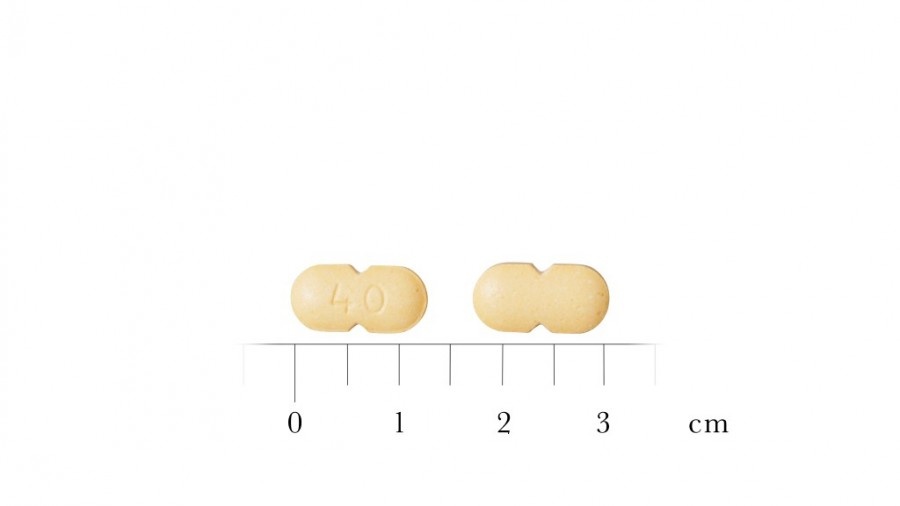
Pink, speckled, round, flat tablets, marked with the inscription "10" on one side and smooth on the other.
Pravastatin Viatris is available in packages of 10, 14, 20, 28, 30, 50, 60, 84, 90, 98, or 100 tablets.
Only some package sizes may be marketed.
Marketing Authorization Holder and Manufacturer
Marketing Authorization Holder:
Viatris Limited
Damastown Industrial Park
Mulhuddart, Dublin 15
Dublin
Ireland
Manufacturer:
McDermott Laboratories Ltd. trading as Gerard Laboratories
35/36 Baldoyle Industrial Estate
Grange Road, Dublin 13
Ireland
or
Mylan Hungary Kft.
H-2900 Komárom
Mylan utca 1
Hungary
You can request more information about this medicine by contacting the local representative of the marketing authorization holder:
Viatris Pharmaceuticals, S.L.U.
C/ General Aranaz, 86
28027 - Madrid
Spain
This medicine is authorized in the member states of the European Economic Area under the following names:
BelgiumPravastatine Viatris 10 mg tablets
SpainPravastatina Viatris 10 mg tablets EFG
FrancePravastatine Mylan Pharma 10 mg scored tablets
NetherlandsPravastatinenatrium Mylan 10 mg tablets
IrelandPravastatin Mylan 10 mg Tablets
PortugalPravastatina Mylan
United KingdomPravastatin Sodium 10 mg Tablets
Date of the Last Revision of this Prospectus:July 2024
Detailed information about this medicine is available on the website of the Spanish Agency for Medicines and Health Products (AEMPS) https://www.aemps.gob.es/
- Country of registration
- Dosage formTABLET, 10 mg.
- ATC codeC10AA03
- Average pharmacy price4.07 EUR
- Availability in pharmacies
Supply issue reported
Data from the Spanish Agency of Medicines (AEMPS) indicates a supply issue affecting this medicine.
Availability may be limited in some pharmacies.
For updates or alternatives, consult your pharmacist. - Active substance
- Prescription requiredYes
- Manufacturer
- CompositionLACTOSA MONOHIDRATO (76.775 mg mg), DIHIDROXIALUMINIO CARBONATO SODICO (0.90 mg mg), FUMARATO DE ESTEARILO Y SODIO (2.25 mg mg)
- This information is for reference only and does not constitute medical advice. Always consult a doctor before taking any medication. Oladoctor is not responsible for medical decisions based on this content.
- Alternatives to PRAVASTATIN VIATRIS 10 mg TABLETSDosage form: TABLET, 10 mgActive substance: pravastatinManufacturer: Esteve Pharmaceuticals S.A.Prescription requiredDosage form: TABLET, 20 mgActive substance: pravastatinManufacturer: Esteve Pharmaceuticals S.A.Prescription requiredDosage form: TABLET, 40 mgActive substance: pravastatinManufacturer: Esteve Pharmaceuticals S.A.Prescription required
Online doctors for PRAVASTATIN VIATRIS 10 mg TABLETS
Discuss questions about PRAVASTATIN VIATRIS 10 mg TABLETS, including use, safety considerations and prescription review, subject to medical assessment and local regulations.
Get PRAVASTATIN VIATRIS 10 mg TABLETS Prescription Online
Fill in a 2-min form
Tell us your symptoms, history, and what medicine you're requesting.
Pick a doctor or let us assign
Choose a specialist or we'll match you with the next available doctor.
Doctor reviews your case
Usually within 30 minutes. They may ask follow-up questions via chat.
Collect from any pharmacy
Electronic prescription sent to your email — valid across Spain.
Frequently Asked Questions
Is a prescription required for PRAVASTATIN VIATRIS 10 mg TABLETS?
PRAVASTATIN VIATRIS 10 mg TABLETS requires a prescription in Spain. You can check with a doctor online whether this medicine may be appropriate for your situation.
What is the active substance in PRAVASTATIN VIATRIS 10 mg TABLETS?
The active ingredient in PRAVASTATIN VIATRIS 10 mg TABLETS is pravastatin. This information helps identify medicines with the same composition but different brand names.
How much does PRAVASTATIN VIATRIS 10 mg TABLETS cost in pharmacies?
The average pharmacy price for PRAVASTATIN VIATRIS 10 mg TABLETS is around 4.07 EUR. Prices may vary depending on the manufacturer and dosage form.
Who manufactures PRAVASTATIN VIATRIS 10 mg TABLETS?
PRAVASTATIN VIATRIS 10 mg TABLETS is manufactured by Viatris Limited. Pharmacy brands and packaging may differ depending on the distributor.
Which doctors can assess the use of PRAVASTATIN VIATRIS 10 mg TABLETS online?
Doctors such as Family doctors, Psychiatrists, Dermatologists, Cardiologists, Endocrinologists, Gastroenterologists, Pulmonologists, Nephrologists, Rheumatologists, Hematologists, Infectious disease physicians, Allergists, Geriatricians, Paediatricians, Oncologists may assess whether PRAVASTATIN VIATRIS 10 mg TABLETS is appropriate, depending on your situation and local regulations. You can book an online consultation to discuss your symptoms and possible next steps.
How to buy PRAVASTATIN VIATRIS 10 mg TABLETS in Spain?
Spain has a well-developed healthcare infrastructure across major cities such as Madrid, Barcelona, Valencia, and Seville. Pharmacies are widely available and operate under strict regulations, ensuring access to prescribed medications.
You can buy PRAVASTATIN VIATRIS 10 mg TABLETS in Madrid, Barcelona, Seville, or Valencia at any local pharmacy with a valid prescription.
To obtain a prescription, you can use Oladoctor:
What are the alternatives to PRAVASTATIN VIATRIS 10 mg TABLETS?
Other medicines with the same active substance (pravastatin) include LIPLAT 10 mg TABLETS, LIPLAT 20 mg TABLETS, LIPLAT 40 mg TABLETS. These may have different brand names or formulations but contain the same therapeutic ingredient. Always consult a doctor before switching or starting a new medicine.
