



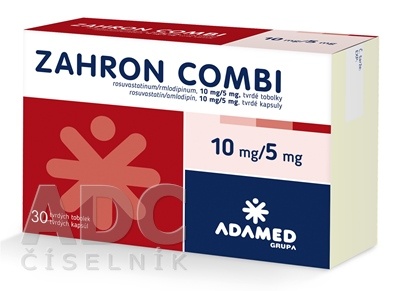
ZAHRON 10 mg + 5 Mg Capsules

Prescription review online
A doctor will review your case and decide whether a prescription is medically appropriate.

Talk to a doctor about this medicine
Discuss your symptoms and possible next steps in a quick online consultation.



How to use Zahron Combi
Contents of the leaflet
- Leaflet accompanying the packaging: patient information
- Zahron Combi, 10 mg + 5 mg, hard capsules
- Zahron Combi, 10 mg + 10 mg, hard capsules
- Zahron Combi, 20 mg + 5 mg, hard capsules
- Zahron Combi, 20 mg + 10 mg, hard capsules
- What is Zahron Combi and what is it used for
- Important information before taking Zahron Combi
- How to take Zahron Combi
- Possible side effects
- How to store Zahron Combi
- Package contents and other information
Leaflet accompanying the packaging: patient information
Zahron Combi, 10 mg + 5 mg, hard capsules

Not sure if this medicine is right for you?
Discuss your symptoms and treatment with a doctor online.
Zahron Combi, 10 mg + 10 mg, hard capsules
Zahron Combi, 20 mg + 5 mg, hard capsules

Started taking the medicine and have questions?
Discuss your symptoms and treatment with a doctor online.
Zahron Combi, 20 mg + 10 mg, hard capsules
Rosuvastatinum + Amlodipinum
Read the leaflet carefully before taking the medicine, as it contains important information for the patient.
- Keep this leaflet, so you can read it again if you need to.
- If you have any doubts, consult your doctor or pharmacist.
- This medicine has been prescribed specifically for you. Do not pass it on to others. The medicine may harm another person, even if their symptoms are the same.
- If the patient experiences any side effects, including any side effects not listed in this leaflet, they should tell their doctor or pharmacist. See section 4.
Table of contents of the leaflet
- 1. What is Zahron Combi and what is it used for
- 2. Important information before taking Zahron Combi
- 3. How to take Zahron Combi
- 4. Possible side effects
- 5. How to store Zahron Combi
- 6. Package contents and other information
1. What is Zahron Combi and what is it used for
Zahron Combi contains two active substances - rosuvastatin and amlodipine.
Zahron Combi is indicated for the treatment of high blood pressure and high cholesterol in adult patients, when diet and physical activity have not been sufficient to achieve a reduction in cholesterol levels and (or) prevention of cardiovascular events, if other risk factors are present that increase the risk of heart attack, stroke, or related health disorders.
Zahron Combi is indicated for patients who are already taking rosuvastatin and amlodipine in the same doses as in Zahron Combi. Patients already taking rosuvastatin and amlodipine in separate tablets may take one tablet of Zahron Combi, containing both active substances in the same doses.
During treatment with Zahron Combi, a cholesterol-lowering diet and physical exercise should be continued.
2. Important information before taking Zahron Combi
When not to take Zahron Combi:
- if the patient is allergic to rosuvastatin, amlodipine, another calcium channel blocker, or any of the other ingredients of this medicine (listed in section 6);
- if the patient is pregnant or breastfeeding, if the patient becomes pregnant while taking Zahron Combi, they should stop taking the medicine and consult their doctor; women of childbearing age taking Zahron Combi should use effective methods of contraception;
- if the patient has liver disease;
- if the patient has severe kidney problems;
- if the patient has recurring or unexplained muscle pain;
- if the patient is taking cyclosporine (a medicine used to prevent organ rejection);
- if the patient has very low blood pressure (severe hypotension);
- if the patient has narrowing of the aortic valve in the heart (aortic stenosis) or cardiogenic shock (a condition in which the heart is unable to supply the body with enough blood);
- if the patient has heart failure after a heart attack.
Warnings and precautions
Before starting treatment with Zahron Combi, the patient should discuss the following with their doctor or pharmacist:
- if the patient has kidney problems;
- if the patient has liver problems;
- if the patient has recurring or unexplained muscle pain, if muscle pain has occurred in the patient or their family in the past, or if muscle disorders have occurred in the past while taking other cholesterol-lowering medicines; if unexplained muscle pain occurs, especially if accompanied by malaise or fever, the patient should immediately consult their doctor; the patient should also consult their doctor or pharmacist if they experience persistent muscle weakness;
- if the patient regularly consumes large amounts of alcohol;
- if the patient has thyroid problems;
- if the patient is taking other cholesterol-lowering medicines, called fibrates; the patient should carefully read the leaflet, even if they have taken other cholesterol-lowering medicines in the past;
- if the patient is taking medicines used to treat HIV, such as ritonavir with lopinavir and (or) atazanavir, see section "Zahron Combi and other medicines";
- if the patient is taking or has taken within the last 7 days a medicine containing fusidic acid (used to treat bacterial infections) orally or by injection; taking Zahron Combi with fusidic acid may lead to serious muscle problems (rhabdomyolysis);
- if the patient has severe respiratory failure;
- if the patient has recently had a heart attack;
- if the patient has heart failure;
- if the patient has had a significant increase in blood pressure (hypertensive crisis);
- if the patient is elderly;
- if the patient is of Asian origin: Japanese, Chinese, Filipino, Vietnamese, Korean, or Indian; the doctor must choose an appropriate initial dose of Zahron Combi for the patient.
In a small number of people, statins may affect the liver. This can be determined by a simple test that shows increased liver enzyme activity in the blood. For this reason, the doctor usually performs a blood test (liver function tests) before and during treatment with Zahron Combi.
Patients with diabetes or at risk of developing diabetes will be closely monitored by their doctor while taking this medicine. People with high blood sugar and fat levels, overweight, and high blood pressure may be at risk of developing diabetes.
Children and adolescents
Zahron Combi should not be taken by children and adolescents.
Zahron Combi and other medicines
The patient should tell their doctor or pharmacist about all medicines they are currently taking or have recently taken, as well as any medicines they plan to take.
Zahron Combi may change the effect of the following medicines or these medicines may change the effect of Zahron Combi:
- warfarin or clopidogrel (or any other medicine used to thin the blood);
- fibrates (e.g., gemfibrozil, fenofibrate) or any other medicine used to lower cholesterol levels (e.g., ezetimibe);
antacids (used to neutralize stomach acid);
- oral contraceptives;
- hormone replacement therapy;
- ritonavir with lopinavir and (or) atazanavir, indinavir, nelfinavir (medicines used to treat HIV infection, see section "Warnings and precautions");
- ketoconazole, itraconazole (antifungal medicines);
- rifampicin, erythromycin, clarithromycin (antibiotics);
- medicines containing St. John's Wort (Hypericum perforatum);
- verapamil, diltiazem (heart medicines);
- dantrolene (used in infusion for severe body temperature disorders);
- temsirolimus or other medicines used to treat cancer (chemotherapy);
- everolimus, tacrolimus, cyclosporine, or other medicines (used to control the patient's immune system, allowing the acceptance of a transplanted organ);
- simvastatin (a medicine used to lower cholesterol levels);
- regorafenib (used to treat cancer);
- any of the following medicines used to treat viral infections, including HIV or hepatitis C, given alone or in combination with other medicines (see "Warnings and precautions"): ritonavir, lopinavir, atazanavir, simeprevir, ombitasvir, paritaprevir, dasabuvir, velpatasvir, grazoprevir, elbasvir, glecaprevir, pibrentasvir.
If it is necessary to take fusidic acid to treat a bacterial infection, the patient should stop taking Zahron Combi during this time. The doctor will inform the patient when it is safe to restart taking Zahron Combi. Taking Zahron Combi with fusidic acid may rarely lead to muscle weakness, sensitivity, or pain (rhabdomyolysis). More information on rhabdomyolysis can be found in section 4.
Zahron Combi may further lower blood pressure in patients already taking other antihypertensive medicines.
Zahron Combi with food and drink
Zahron Combi can be taken with or without food.
Patients taking Zahron Combi should not drink grapefruit juice or eat grapefruits, as grapefruits and grapefruit juice may increase the levels of the active substance amlodipine in the blood, which may lead to an unexpected increase in the blood pressure-lowering effect of Zahron Combi.
Pregnancy and breastfeeding
Zahron Combi should not be taken during pregnancy or breastfeeding. If the patient becomes pregnant while taking Zahron Combi, they should stop taking the medicine and consult their doctor. Women of childbearing age taking Zahron Combi should use effective methods of contraception.
Driving and using machines
Zahron Combi may affect the ability to drive and use machines. Some patients may experience dizziness while taking Zahron Combi. If the medicine causes nausea, dizziness, fatigue, or headache, the patient should not drive or operate machinery and should consult their doctor immediately.
3. How to take Zahron Combi
This medicine should always be taken as directed by the doctor or pharmacist. If the patient has any doubts, they should consult their doctor or pharmacist.
The recommended dose is one tablet per day.
The medicine can be taken before or after a meal. The medicine should be taken at the same time every day, with a glass of water. Zahron Combi should not be taken with grapefruit juice.
Use in children and adolescents
Zahron Combi should not be taken by children and adolescents.
Regular cholesterol level checks
It is essential to visit the doctor for regular cholesterol level checks to ensure that the levels have been reduced and are being maintained.
The doctor may decide to increase the dose to ensure the patient is taking the correct amount of Zahron Combi.
Taking a higher dose of Zahron Combi than recommended
The patient should consult their doctor or the nearest hospital for advice. Taking too many tablets may cause low or even dangerously low blood pressure. The patient may experience dizziness, fainting, or weakness. If the blood pressure drop is significant, it may lead to shock. The patient's skin may become cold and clammy, and they may lose consciousness. If the patient is hospitalized or being treated for another condition, they should inform the medical staff that they are taking Zahron Combi.
Missing a dose of Zahron Combi
There is no need to worry. If the patient forgets to take a tablet, they should skip that dose and take the next dose at the usual time. The patient should not take a double dose to make up for the missed dose.
Stopping treatment with Zahron Combi
The doctor will determine how long the patient should take the medicine. Stopping treatment with Zahron Combi may cause cholesterol levels to rise again. If the patient stops taking the medicine earlier than recommended by their doctor, the condition may return.
If the patient has any further doubts about taking this medicine, they should consult their doctor or pharmacist.
4. Possible side effects
Like all medicines, Zahron Combi can cause side effects, although not everybody gets them.
If the patient experiences any of the following very rare, serious side effects, they should immediately consult their doctor:
- sudden, wheezing breath, chest pain, shortness of breath, or difficulty breathing;
- swelling of the eyelids, face, or lips;
- swelling of the tongue or throat, causing severe difficulty in breathing and (or) swallowing;
- severe skin reactions, including severe rash, hives, redness of the skin all over the body, severe itching, blistering, peeling, or swelling of the skin, inflammation of the mucous membranes (Stevens-Johnson syndrome) or other allergic reactions;
- heart attack, abnormal heartbeat;
- pancreatitis, which may cause severe abdominal and back pain, with very poor general health.
In addition, the patient should stop taking Zahron Combi and immediately consult their doctor if they experience any unusual muscle pain,
which lasts longer than expected. As with other statins, very rare, unpleasant muscle symptoms have occurred, which have rarely developed into a potentially life-threatening muscle injury called rhabdomyolysis.
If any of the following common side effects are troublesome or persist for more than a week, the patient should consult their doctor.
ROSUVASTATIN
Common side effects(may affect up to 1 in 10 people):
- headache
- abdominal pain
- constipation
- nausea
- muscle pain
- feeling weak
- dizziness
- small amounts of protein in the urine - usually returns to normal on its own, without the need to stop taking Zahron Combi
- diabetes. The risk of developing diabetes is higher if the patient has high blood sugar and fat levels, is overweight, and has high blood pressure. During treatment with this medicine, the doctor will monitor the patient.
Uncommon side effects(may affect up to 1 in 100 people):
- rash, itching, or other skin reactions
- increased levels of protein in the urine - usually returns to normal on its own, without the need to stop taking Zahron Combi (applies to doses of 5-20 mg)
Rare side effects(may affect up to 1 in 1,000 people):
- severe allergic reaction - symptoms include swelling of the face, lips, tongue, and (or) throat, difficulty swallowing and breathing, severe itching of the skin (with hives), if the patient thinks they have had an allergic reaction, they should immediately stop taking Zahron Combiand seek medical help
- muscle damage in adults - as a precaution, the patient should stop taking Zahron Combi and immediately consult their doctor if they experience any unusual muscle painthat lasts longer than expected
- severe abdominal pain (pancreatitis)
- increased liver enzyme activity in the blood
- decreased platelet count, which may increase the risk of bruising and bleeding (thrombocytopenia)
Very rare side effects(may affect up to 1 in 10,000 people):
- jaundice (yellowing of the skin and eyes)
- liver inflammation
- trace amounts of blood in the urine
- nerve damage in the arms and legs (e.g., numbness)
- joint pain
- memory loss
- gynecomastia (breast enlargement in men)
Frequency not known(frequency cannot be estimated from the available data):
- diarrhea (loose stools)
- Stevens-Johnson syndrome (a severe skin condition with blisters on the skin, mouth, eyes, and genitals)
- cough
- shortness of breath
- swelling
- sleep disorders, including insomnia and nightmares
- breathing difficulties, including prolonged cough and (or) shortness of breath or fever
- tendon damage
- nerve damage that can cause weakness, numbness, and tingling
AMLODIPINE
Very common side effects(may affect more than 1 in 10 people):
- swelling (fluid retention)
Common side effects(may affect up to 1 in 10 people):
- headache, dizziness, drowsiness (especially at the start of treatment)
- palpitations (feeling of a strong heartbeat), sudden flushing, especially of the face
- abdominal pain, nausea
- swelling of the ankles, rapid fatigue
- diarrhea or constipation
- indigestion
- muscle cramps
- feeling weak
- vision disturbances, double vision
If the patient experiences any of the following other side effects, or if any side effect becomes troublesome or persists for more than a week, they should consult their doctor or pharmacist.
Uncommon side effects(may affect up to 1 in 100 people):
- mood changes, anxiety, depression, insomnia
- tremors, taste disturbances, fainting, feeling of fainting
- numbness or tingling in the limbs, loss of pain sensation
- ringing in the ears
- low blood pressure
- coughing or runny nose due to nasal inflammation (rhinitis)
- dry mouth, vomiting
- hair loss, increased sweating, itching, skin rash, skin discoloration
- urination disorders, increased need to urinate at night, frequent urination
- impotence, discomfort, or breast enlargement in men
- abnormal heart rhythm
- shortness of breath
- cough
- rash, itching, hives
- pain, chest pain, malaise
- joint or muscle pain, back pain
- weight gain or loss
Rare side effects(may affect up to 1 in 1,000 people):
- disorientation
Very rare side effects(may affect up to 1 in 10,000 people):
- decreased white blood cell count, decreased platelet count, which may increase the risk of bruising and bleeding (bone marrow depression)
- increased blood sugar levels (hyperglycemia)
- nerve damage that can cause weakness, numbness, and tingling
- gum swelling
- abdominal bloating (gastritis)
- liver function disorders, liver inflammation, jaundice, increased liver enzyme activity, which may affect the results of some laboratory tests
- increased muscle tension
- blood vessel inflammation, often with a skin rash
- sensitivity to light
- disorders including stiffness, tremors, and (or) movement disorders
- heart attack
- allergic reaction
- severe abdominal pain (pancreatitis)
- severe skin reactions, including severe rash, hives, redness of the skin all over the body, severe itching, blistering, peeling, or swelling of the skin, inflammation of the mucous membranes (Stevens-Johnson syndrome) or other allergic reactions
If the patient experiences any side effects not listed in this leaflet, they should consult their doctor or pharmacist.
Reporting side effects
If the patient experiences any side effects, including any side effects not listed in this leaflet, they should tell their doctor or pharmacist, or nurse. Side effects can be reported directly to the Department of Drug Safety Monitoring of the Office for Registration of Medicinal Products, Medical Devices, and Biocidal Products:
Jerozolimskie Avenue 181C, 02-222 Warsaw, tel.: +48 22 49-21-301, fax: +48 22 49-21-309
e-mail: [email protected]
Side effects can also be reported to the marketing authorization holder.
Reporting side effects will help to gather more information on the safety of this medicine.
5. How to store Zahron Combi
The medicine should be stored out of sight and reach of children.
Do not take this medicine after the expiry date stated on the packaging after "EXP".
The expiry date refers to the last day of the month stated.
Store in a temperature below 30°C. Store in the original packaging to protect from light.
Medicines should not be disposed of via wastewater or household waste. The patient should ask their pharmacist how to dispose of medicines they no longer use. This will help protect the environment.
6. Package contents and other information
The active substances of the medicine are rosuvastatin (in the form of rosuvastatin calcium) and amlodipine (in the form of amlodipine besylate).
10 mg + 5 mg: each hard capsule contains 10 mg of rosuvastatin (in the form of rosuvastatin calcium) and 5 mg of amlodipine (in the form of amlodipine besylate).
10 mg + 10 mg: each hard capsule contains 10 mg of rosuvastatin (in the form of rosuvastatin calcium) and 10 mg of amlodipine (in the form of amlodipine besylate).
20 mg + 5 mg: each film-coated tablet contains 20 mg of rosuvastatin (in the form of rosuvastatin calcium) and 5 mg of amlodipine (in the form of amlodipine besylate).
20 mg + 10 mg: each film-coated tablet contains 20 mg of rosuvastatin (in the form of rosuvastatin calcium) and 10 mg of amlodipine (in the form of amlodipine besylate).
The other ingredients are:
Capsule contents:cornstarch, pregelatinized cornstarch, microcrystalline cellulose, crospovidone (type A), sodium stearyl fumarate
Capsule shell: gelatin, titanium dioxide (E171)
Capsule body (red ink): shellac, propylene glycol (E1520), ammonium hydroxide, iron oxide red (E172), potassium hydroxide
Capsule cap (green ink): shellac, titanium dioxide (E171), indigo carmine (E132), iron oxide yellow (E172), ammonium hydroxide, propylene glycol
What Zahron Combi looks like and contents of the pack
10 mg + 5 mg: hard gelatin capsule, size 1, with a white opaque body with red printing "Aml 5 mg" and a white opaque cap with green printing "Rsv 10 mg"
10 mg + 10 mg: hard gelatin capsule, size 00, with a white opaque body with red printing "Aml 10 mg and line" and a white opaque cap with green printing "Rsv 10 mg"
20 mg + 5 mg: hard gelatin capsule, size 00, with a white opaque body with red printing "Aml 5 mg" and a white opaque cap with green printing "Rsv 20 mg and line"
20 mg + 10 mg: hard gelatin capsule, size 00, with a white opaque body with red printing "Aml 10 mg and line" and a white opaque cap with green printing "Rsv 20 mg and line"
Zahron Combi is available in blisters containing 28, 56 hard capsules.
Not all pack sizes may be marketed.
Marketing authorization holder
Adamed Pharma S.A.
Pieńków, ul. M. Adamkiewicza 6A
05-152 Czosnów
Manufacturer
Adamed Pharma S.A.
Pieńków, ul. M. Adamkiewicza 6A
05-152 Czosnów
Date of last revision of the leaflet:02.2019
- Country of registration
- Dosage formCapsules, 10 mg + 5 mg
- ATC codeC10BX09
- Active substance
- Prescription requiredYes
- Manufacturer
- ImporterAdamed Pharma S.A. Belupo lijekovi i kozmetika d.d.
- This information is for reference only and does not constitute medical advice. Always consult a doctor before taking any medication. Oladoctor is not responsible for medical decisions based on this content.
- Alternatives to Zahron CombiDosage form: Capsules, 10 mg + 5 mgActive substance: rosuvastatin and amlodipineManufacturer: Balkanpharma Dupnitsa AD Merckle GmbHPrescription requiredDosage form: Capsules, 10 mg + 10 mgActive substance: rosuvastatin and amlodipineManufacturer: Balkanpharma Dupnitsa AD Merckle GmbHPrescription requiredDosage form: Capsules, 20 mg + 5 mgActive substance: rosuvastatin and amlodipineManufacturer: Balkanpharma Dupnitsa AD Merckle GmbHPrescription required
Online doctors for Zahron Combi
Discuss questions about Zahron Combi, including use, safety considerations and prescription review, subject to medical assessment and local regulations.
Get Zahron Combi Prescription Online
Fill in a 2-min form
Tell us your symptoms, history, and what medicine you're requesting.
Pick a doctor or let us assign
Choose a specialist or we'll match you with the next available doctor.
Doctor reviews your case
Usually within 30 minutes. They may ask follow-up questions via chat.
Collect from any pharmacy
Electronic prescription sent to your email — valid across Spain.
Frequently Asked Questions
Zahron Combi requires a prescription in Poland. You can check with a doctor online whether this medicine may be appropriate for your situation.
The active ingredient in Zahron Combi is rosuvastatin and amlodipine. This information helps identify medicines with the same composition but different brand names.
Zahron Combi is manufactured by Adamed Pharma S.A. BELUPO lijekovi i kozmetika, d.d.. Pharmacy brands and packaging may differ depending on the distributor.
Doctors such as Family doctors, Psychiatrists, Dermatologists, Cardiologists, Endocrinologists, Gastroenterologists, Pulmonologists, Nephrologists, Rheumatologists, Hematologists, Infectious disease physicians, Allergists, Geriatricians, Paediatricians, Oncologists may assess whether Zahron Combi is appropriate, depending on your situation and local regulations. You can book an online consultation to discuss your symptoms and possible next steps.
Spain has a well-developed healthcare infrastructure across major cities such as Madrid, Barcelona, Valencia, and Seville. Pharmacies are widely available and operate under strict regulations, ensuring access to prescribed medications.
You can buy Zahron Combi in Madrid, Barcelona, Seville, or Valencia at any local pharmacy with a valid prescription.
To obtain a prescription, you can use Oladoctor:
Other medicines with the same active substance (rosuvastatin and amlodipine) include Rosuvastatin/amlodipine Teva, Rosuvastatin/amlodipine Teva, Rosuvastatin/amlodipine Teva. These may have different brand names or formulations but contain the same therapeutic ingredient. Always consult a doctor before switching or starting a new medicine.
