



FLUCONAZOLE 150 mg Capsules

Prescription review online
A doctor will review your case and decide whether a prescription is medically appropriate.

Talk to a doctor about this medicine
Discuss your symptoms and possible next steps in a quick online consultation.



How to use Fluconazole Pph
Contents of the leaflet
- Leaflet attached to the packaging: patient information
- Fluconazole PPH, 150 mg, hard capsules
- What is Fluconazole PPH and what is it used for
- Important information before taking Fluconazole PPH
- How to take Fluconazole PPH
- For doses that cannot be achieved with the help of capsules of this strength, other medicines containing fluconazole in the appropriate strength are available on the market.
- For children who cannot swallow a capsule and for small children, for whom precise dosing based on body weight is necessary, fluconazole is available in a syrup form on the market.
- Adults
- Adolescents from 12 to 17 years old
- Children up to 11 years old
- Dosing in children up to 4 weeks old
- Elderly patients
- Patients with kidney function disorders
- Method of administration
- Taking more than the recommended dose of Fluconazole PPH
- Missing a dose of Fluconazole PPH
- Possible side effects
- If the patient experiences any of the following symptoms, they should stop taking Fluconazole PPH and seek medical help immediately:
- Fluconazole PPH
- If any of the above symptoms occur, the patient should stop taking Fluconazole PPH and immediately contact their doctor.
- Other side effects
- Reporting side effects
- How to store Fluconazole PPH
- Contents of the packaging and other information
Leaflet attached to the packaging: patient information
Fluconazole PPH, 150 mg, hard capsules
Fluconazole
It is essential to carefully read the contents of the leaflet before taking the medicine, as it contains important information for the patient.
- The leaflet should be kept in case it needs to be read again.
- In case of any doubts, the patient should consult a doctor or pharmacist.
- This medicine has been prescribed to a specific person. It should not be given to others. The medicine may harm another person, even if the symptoms of their illness are the same.
- If the patient experiences any side effects, including any side effects not listed in this leaflet, they should inform their doctor or pharmacist. See section 4.
Table of contents of the leaflet
- 1. What is Fluconazole PPH and what is it used for
- 2. Important information before taking Fluconazole PPH
- 3. How to take Fluconazole PPH
- 4. Possible side effects
- 5. How to store Fluconazole PPH
- 6. Contents of the packaging and other information

Not sure if this medicine is right for you?
Discuss your symptoms and treatment with a doctor online.
1. What is Fluconazole PPH and what is it used for
Fluconazole PPH belongs to a group of antifungal medicines. The active substance is fluconazole.
Fluconazole PPH is used to treat infections caused by pathogenic fungi
and can also be used to prevent yeast infections. The most common cause of fungal infections
is yeast of the genus Candida.
Adults
The doctor may recommend taking this medicine for the following fungal infections:
- Cryptococcal meningitis - fungal infection of the brain,
- Coccidioidomycosis - a respiratory system disease,
- Candida yeast infections detected in the blood, internal organs (e.g., heart, lungs), or urinary tract,
- Mucosal candidiasis (thrush) - infection of the mucous membrane of the mouth, throat, and mouth ulcers related to the use of dental prostheses,
- Genital candidiasis - vaginal or penile infections,
- Skin fungi - e.g., athlete's foot, body fungus, groin fungus, nail fungus.
Fluconazole PPH can also be used to:
- prevent relapses of cryptococcal meningitis,
- prevent relapses of mucosal candidiasis,
- prevent relapses of vaginal candidiasis,
- prevent yeast infections (in patients with a weakened, improperly functioning immune system).
Children and adolescents (from 0 to 17 years old)
The doctor may recommend taking this medicine to treat the following fungal infections:
- Mucosal candidiasis (thrush) - infection of the mucous membrane of the mouth or throat,
- Candida yeast infections detected in the blood, internal organs (e.g., heart, lungs), or urinary tract,
- Cryptococcal meningitis - fungal infection of the brain.
Fluconazole PPH can also be used to:
- prevent yeast infections (if the patient's immune system is weak and does not function properly),
- prevent relapses of cryptococcal meningitis.
2. Important information before taking Fluconazole PPH
When not to take Fluconazole PPH
Warnings and precautions
Before starting to take Fluconazole PPH, the patient should discuss it with their doctor or pharmacist,
if:
- the patient has kidney or liver function disorders,
- the patient has heart disease, including heart rhythm disorders,
- the patient has blood potassium, calcium, or magnesium level disorders,
- the patient experiences severe skin reactions (itching, skin redness, difficulty breathing),
- the patient has ever had a severe skin rash or skin peeling after taking Fluconazole PPH,
- the patient develops symptoms of "adrenal insufficiency", where the adrenal glands do not produce enough certain steroid hormones, such as cortisol (chronic or prolonged fatigue, muscle weakness, loss of appetite, weight loss, abdominal pain),
- the fungal infection does not improve, other antifungal treatment may be necessary.
In patients treated with Fluconazole PPH, there have been cases of severe skin reactions,
including drug reaction with eosinophilia and systemic symptoms (DRESS). If the patient experiences any of the severe skin reaction symptoms described in section 4, they should stop taking Fluconazole PPH
and seek medical help immediately.
Fluconazole PPH and other medicines
The patient should tell their doctor or pharmacist about all medicines they are taking,
currently or recently, and about medicines they plan to take.
The patient should immediatelytell their doctor about taking astemizole, terfenadine (antihistamines used to treat allergies),
cisapride (used to treat stomach disorders), pimozide (used to treat mental disorders), quinidine (used to treat heart rhythm disorders), or erythromycin (an antibiotic used to treat infections), as they should not be taken with Fluconazole PPH (see "When not to take Fluconazole PPH").
There are also other medicines that may interact with Fluconazole PPH.
If the patient is taking any of the following medicines, they should make sure their doctor is informed:
- rifampicin, rifabutin, azithromycin (antibiotics used to treat infections),
- alfentanil, fentanyl (anesthetics),
- amitriptyline, nortriptyline (antidepressants),
- amphotericin B, voriconazole (antifungal medicines),
- blood thinners, medicines that prevent blood clots (warfarin or similar medicines),
- benzodiazepines (midazolam, triazolam, or other similar medicines) that help with sleep or have a calming effect,
- carbamazepine, phenytoin (used to treat epilepsy),
- nifedipine, isradipine, amlodipine, felodipine, and losartan (used to treat high blood pressure),
- cyclosporine, everolimus, sirolimus, or tacrolimus (used to prevent transplant rejection),
- cyclophosphamide, vincristine (used to treat cancer),
- halofantrine (used to treat malaria),
- statins (atorvastatin, simvastatin, and fluvastatin or other similar medicines) used to lower cholesterol levels,
- methadone (a pain reliever),
- celecoxib, flurbiprofen, naproxen, ibuprofen, lornoxicam, meloxicam, diclofenac (non-steroidal anti-inflammatory medicines - NSAIDs),
- oral contraceptives,
- prednisone (a steroid),
- zidovudine, also known as AZT; saquinavir (used in HIV patients),
- antidiabetic medicines, such as chlorpropamide, glibenclamide, glipizide, or tolbutamide,
- theophylline (used to treat asthma),
- vitamin A (dietary supplement),
- ivacaftor (used to treat cystic fibrosis),
- hydrochlorothiazide (a diuretic),
- amiodarone (used to treat heart rhythm disorders).
Pregnancy and breastfeeding
If the patient is pregnant or breastfeeding, thinks they may be pregnant, or plans to have a child, they should consult their doctor or pharmacist before taking this medicine.
If the patient plans to become pregnant, it is recommended to wait for a week after taking a single dose of fluconazole before becoming pregnant. In case of longer treatment cycles with fluconazole, the patient should discuss the need for proper contraception during treatment and for a week after the last dose with their doctor.
If the patient is pregnant, thinks they may be pregnant, or is trying to conceive, they should not take fluconazole unless their doctor recommends it. If the patient becomes pregnant or thinks they may be pregnant while taking this medicine or within a week of the last dose, they should contact their doctor.
Fluconazole taken during the first or second trimester of pregnancy may increase the risk of miscarriage. Fluconazole taken during the first trimester of pregnancy may increase the risk of birth defects of the heart, bones, and/or muscles.
There have been cases of children with birth defects of the skull, ears, and femur or ulna, born to mothers treated for coccidioidomycosis with high doses of fluconazole (400-800 mg per day) for at least 3 months. The relationship between fluconazole use and these cases is unclear.
Fluconazole PPH should not be taken by breastfeeding women unless their doctor recommends it. Breastfeeding can be continued after taking a single dose of Fluconazole PPH of 200 mg or less. Breastfeeding should not be done in case of taking multiple doses of Fluconazole PPH.
Driving and using machines
While driving or operating machines, the patient should consider that dizziness or seizures may occasionally occur.
Fluconazole PPH, 150 mg, contains lactose monohydrate and sodium
If the patient has previously been diagnosed with intolerance to some sugars, they should contact their doctor before taking the medicine.
The medicine contains less than 1 mmol (23 mg) of sodium per capsule, which means the medicine is considered "sodium-free".

Started taking the medicine and have questions?
Discuss your symptoms and treatment with a doctor online.
3. How to take Fluconazole PPH
This medicine should always be taken as recommended by the doctor or pharmacist. In case of doubts, the patient should consult their doctor or pharmacist.
Recommended dosing, depending on the type of infection, is presented below.
For doses that cannot be achieved with the help of capsules of this strength, other medicines containing fluconazole in the appropriate strength are available on the market.
For children who cannot swallow a capsule and for small children, for whom precise dosing based on body weight is necessary, fluconazole is available in a syrup form on the market.
Adults
| Indication | Dosage |
| Treatment of cryptococcal meningitis | 400 mg on the first day, then 200 mg to 400 mg once a day for 6 to 8 weeks or longer if necessary. Sometimes the dose is increased to 800 mg. |
| Prevention of relapses of cryptococcal meningitis | 200 mg once a day until the doctor recommends stopping treatment. |
| Treatment of coccidioidomycosis | 200 mg to 400 mg once a day for 11 months to 24 months or longer if necessary. Sometimes the dose may be increased to 800 mg. |
| Treatment of Candida yeast infections of internal organs | 800 mg on the first day, then 400 mg once a day until the doctor recommends stopping treatment. |
| Treatment of mucosal candidiasis of the mouth, throat, and mouth ulcers related to the use of dental prostheses | 200 mg to 400 mg on the first day, then 100 mg to 200 mg until the doctor recommends stopping treatment. |
Mucosal candidiasis (thrush)
| 50 mg to 400 mg once a day for 7 to 30 days, until the doctor recommends stopping treatment. |
| Prevention of mucosal candidiasis of the mouth and throat | 100 mg to 200 mg once a day, or 200 mg 3 times a week if the patient is at increased risk of relapse. |
| Treatment of genital candidiasis | A single dose of 150 mg. |
| Prevention of relapses of vaginal candidiasis | 150 mg every third day, for a total of 3 doses (days 1, 4, and 7), and then once a week for 6 months (if the patient is at increased risk of relapse). |
| Treatment of fungal skin and nail infections | Depending on the location of the infection, 50 mg once a day, 150 mg once a week, 300 mg to 400 mg once a week for 1 to 4 weeks (in athlete's foot, treatment may be necessary for up to 6 weeks, in nail infections, treatment should be continued until the infected nail is replaced by a new one). |
| Prevention of yeast infections (if the patient's immune system is weak and does not function properly) | 200 mg to 400 mg once a day if the patient is at increased risk of relapse. |
Adolescents from 12 to 17 years old
The dose prescribed by the doctor should be taken (as for adult patients or as for children).
Children up to 11 years old
The maximum dose in children is 400 mg per day.
The dose will be determined based on the child's body weight in kilograms.
| Indication | Daily dose |
| Mucosal candidiasis of the mouth and throat - dose and duration of treatment depend on the severity and location of the infection | 3 mg/kg body weight (on the first day, a dose of 6 mg/kg body weight can be given). |
| Cryptococcal meningitis or Candida yeast infections of internal organs | 6 to 12 mg/kg body weight. |
| Prevention of yeast infections in children (if the immune system does not function properly) | 3 to 12 mg/kg body weight. |
Dosing in children up to 4 weeks old
Children from 3 to 4 weeks old
The same dose as above, but given every other day. The maximum dose is 12 mg/kg body weight every 48 hours.
Children under 2 weeks old
The same dose as above, given every 3 days. The maximum dose is 12 mg/kg body weight every 72 hours.
For children who cannot swallow a capsule and for small children, for whom precise dosing based on body weight is necessary, fluconazole is available in a syrup form on the market.
Elderly patients
The usual adult dose is given, unless the patient has kidney function disorders.
Patients with kidney function disorders
The doctor may recommend changing the dose, depending on kidney function.
Method of administration
The capsule should be swallowed whole, with a glass of water. Capsules are best taken at the same time every day.
The medicine can be taken regardless of meals.
Taking more than the recommended dose of Fluconazole PPH
Taking too many capsules at once can cause discomfort. The patient should immediately contact the emergency department of the nearest hospital. Symptoms of possible overdose may include hearing, vision, or sensation disorders, thinking about untrue things (hallucinations and paranoid behavior). Symptomatic treatment (life-supporting treatment and stomach flushing, if necessary) may be indicated.
Missing a dose of Fluconazole PPH
The patient should not take a double dose to make up for a missed dose. If a dose is missed, it should be taken as soon as remembered. If it is almost time for the next dose, the missed dose should not be taken.
In case of any further doubts about taking this medicine, the patient should consult their doctor or pharmacist.
4. Possible side effects
Like all medicines, this medicine can cause side effects, although not everybody gets them.
Some patients may experience allergic reactions, but severe allergic reactions are rare. If any of the following symptoms occur, the patient should immediatelytell their doctor:
- sudden wheezing, difficulty breathing, or chest tightness,
- swelling of the eyelids, face, or lips,
- itching all over the body, skin redness, or red or itchy blisters,
- rash on the skin,
- severe skin reactions, such as blistering rash (which may also affect the mouth and tongue).
If the patient experiences any of the following symptoms, they should stop taking Fluconazole PPH and seek medical help immediately:
Fluconazole PPH
- widespread rash, high fever, and swollen lymph nodes (DRESS or hypersensitivity syndrome).
Fluconazole PPH may affect the liver. Liver-related symptoms include:
- feeling tired,
- loss of appetite,
- nausea,
- yellowing of the skin or whites of the eyes (jaundice).
Fluconazole PPH may affect the adrenal glands and the production of steroid hormones. Symptoms of adrenal disorders include:
- fatigue,
- muscle weakness,
- loss of appetite,
- weight loss,
- abdominal pain.
If any of the above symptoms occur, the patient should stop taking Fluconazole PPH and immediately contact their doctor.
Other side effects
Frequent(occurring in no more than 1 in 10 patients)
- headache,
- abdominal pain, diarrhea, nausea, vomiting,
- increased liver function test values,
- rash.
Infrequent(occurring in no more than 1 in 100 patients)
- decreased red blood cell count, causing pallor, weakness, and shortness of breath,
- decreased appetite,
- insomnia, drowsiness,
- seizures, dizziness, balance disorders (feeling of spinning), sensation disorders, most often in the form of tingling, numbness, or prickling, taste changes,
- constipation, indigestion, bloating, dry mouth,
- muscle pain,
- liver damage and yellowing of the skin and eyes (jaundice),
- blisters, hives, itching, increased sweating,
- feeling tired, malaise, fever.
Rare(occurring in less than 1 in 1,000 patients)
- decreased white blood cell count and platelet count,
- red or purple skin discoloration, which may be a sign of decreased platelet count or changes in other blood cells,
- changes in blood biochemical parameters (high cholesterol, lipids in the blood),
- decreased potassium levels in the blood,
- tremors,
- ECG changes, heart rhythm disorders,
- liver failure,
- allergic reactions (sometimes severe), including widespread blistering rash and skin peeling, severe skin reactions, swelling of the lips or face,
- hair loss.
Reporting side effects
If any side effects occur, including any side effects not listed in this leaflet, the patient should tell their doctor or pharmacist. Side effects can be reported directly to the Department of Adverse Reaction Monitoring of Medicinal Products, Medical Devices, and Biocidal Products
Al. Jerozolimskie 181C
02-222 Warsaw
Phone: +48 22 49 21 301
Fax: +48 22 49 21 309
Website: https://smz.ezdrowie.gov.pl
Side effects can also be reported to the marketing authorization holder.
Reporting side effects will help gather more information on the safety of the medicine.
5. How to store Fluconazole PPH
Store in a temperature below 25°C.
Store in the original packaging to protect from light.
The medicine should be stored out of sight and reach of children.
Do not use this medicine after the expiry date stated on the carton and blister. The expiry date refers to the last day of the month.
The inscription on the packaging after the abbreviation EXP means the expiry date, and after the abbreviation Lot/LOT means the batch number.
Medicines should not be disposed of via wastewater or household waste. The patient should ask their pharmacist how to dispose of medicines that are no longer needed. This will help protect the environment.
6. Contents of the packaging and other information
What Fluconazole PPH contains
- The active substance of the medicine is fluconazole. Each capsule contains 150 mg of fluconazole.
- Other ingredients are: capsule contents: lactose monohydrate, cornstarch, colloidal anhydrous silica, magnesium stearate, sodium lauryl sulfate; capsule shell: gelatin, titanium dioxide (E 171).
What Fluconazole PPH looks like and contents of the packaging
Fluconazole PPH, 150 mg, are hard capsules with a white body and cap, size ‘1’.
The packaging contains 1 capsule in a cardboard box.
Marketing authorization holder
Zakłady Farmaceutyczne POLPHARMA S.A.
ul. Pelplińska 19, 83-200 Starogard Gdański
tel. +48 22 364 61 01
Manufacturer
Zakłady Farmaceutyczne POLPHARMA S.A.
Production Plant in Nowa Dęba
ul. Metalowca 2, 39-460 Nowa Dęba
Date of last update of the leaflet:
- Country of registration
- Dosage formCapsules, 150 mg
- ATC codeJ02AC01
- Active substance
- Prescription requiredYes
- Manufacturer
- ImporterZakłady Farmaceutyczne POLPHARMA S.A. Oddział Produkcyjny w Nowej Dębie
- This information is for reference only and does not constitute medical advice. Always consult a doctor before taking any medication. Oladoctor is not responsible for medical decisions based on this content.
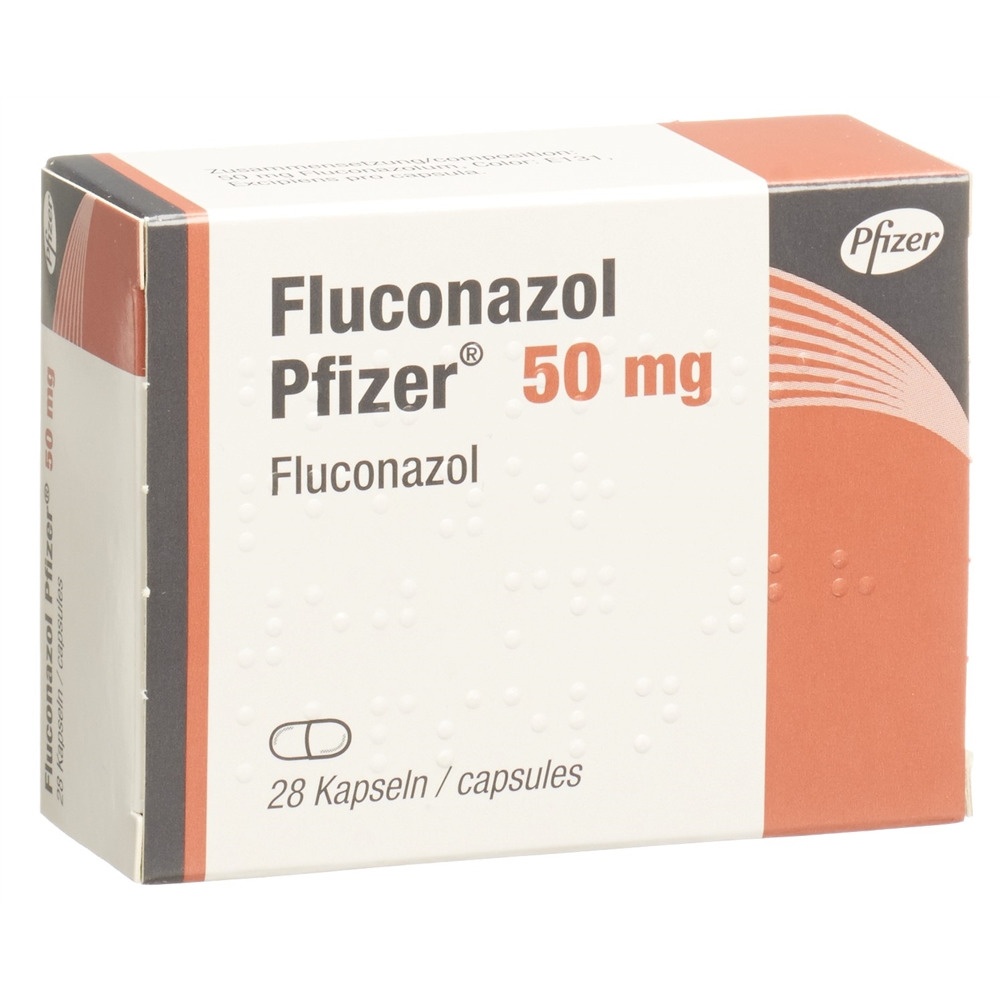
- Alternatives to Fluconazole PphDosage form: Capsules, 150 mgActive substance: fluconazolePrescription not requiredDosage form: Solution, 2 mg/mlActive substance: fluconazoleManufacturer: Fareva AmboisePrescription not requiredDosage form: Capsules, 50 mgActive substance: fluconazolePrescription required
Online doctors for Fluconazole Pph
Discuss questions about Fluconazole Pph, including use, safety considerations and prescription review, subject to medical assessment and local regulations.









Get Fluconazole Pph Prescription Online
Fill in a 2-min form
Tell us your symptoms, history, and what medicine you're requesting.
Pick a doctor or let us assign
Choose a specialist or we'll match you with the next available doctor.
Doctor reviews your case
Usually within 30 minutes. They may ask follow-up questions via chat.
Collect from any pharmacy
Electronic prescription sent to your email — valid across Spain.
Frequently Asked Questions
Fluconazole Pph requires a prescription in Poland. You can check with a doctor online whether this medicine may be appropriate for your situation.
The active ingredient in Fluconazole Pph is fluconazole. This information helps identify medicines with the same composition but different brand names.
Fluconazole Pph is manufactured by Zakłady Farmaceutyczne POLPHARMA S.A. Oddział Produkcyjny w Nowej Dębie. Pharmacy brands and packaging may differ depending on the distributor.
Doctors such as Family doctors, Psychiatrists, Dermatologists, Cardiologists, Endocrinologists, Gastroenterologists, Pulmonologists, Nephrologists, Rheumatologists, Hematologists, Infectious disease physicians, Allergists, Geriatricians, Paediatricians, Oncologists may assess whether Fluconazole Pph is appropriate, depending on your situation and local regulations. You can book an online consultation to discuss your symptoms and possible next steps.
Spain has a well-developed healthcare infrastructure across major cities such as Madrid, Barcelona, Valencia, and Seville. Pharmacies are widely available and operate under strict regulations, ensuring access to prescribed medications.
You can buy Fluconazole Pph in Madrid, Barcelona, Seville, or Valencia at any local pharmacy with a valid prescription.
To obtain a prescription, you can use Oladoctor:
Other medicines with the same active substance (fluconazole) include Candifluc, Diflucan, Flucofast. These may have different brand names or formulations but contain the same therapeutic ingredient. Always consult a doctor before switching or starting a new medicine.
