






How to use PLENIGRAF 165 MG IODO/ML INJECTABLE SOLUTION
Translated with AI
This page provides general information and does not replace a doctor’s consultation. Always consult a doctor before taking any medication. Seek urgent medical care if symptoms are severe.
Show originalContents of the leaflet
- Introduction
- What is PLENIGRAF 165 mg iodine/ml injectable solution and what is it used for
- What you need to know before using PLENIGRAF 165 mg iodine/ml injectable solution
- How to use PLENIGRAF 165 mg iodine/ml injectable solution
- Possible side effects
- Storage of PLENIGRAF 165 mg iodine/ml injectable solution
- Package contents and additional information
Introduction
Package Leaflet: Information for the User
PLENIGRAF 165 mg iodine/ml injectable solution
(sodium amidotrizoate, meglumine amidotrizoate, and calcium amidotrizoate)
Read the entire package leaflet carefully before starting to use this medicine, as it contains important information for you.
- Keep this package leaflet, as you may need to read it again.
- If you have any questions, consult your doctor or pharmacist.
- This medicine has been prescribed to you only, and you should not give it to others, even if they have the same symptoms as you, as it may harm them.
- If you experience side effects, consult your doctor or pharmacist, even if they are not listed in this package leaflet. See section 4.
Contents of the Package Leaflet
- What is PLENIGRAF 165 mg iodine/ml injectable solution and what is it used for
- What you need to know before using PLENIGRAF 165 mg iodine/ml injectable solution
- How to use PLENIGRAF 165 mg iodine/ml injectable solution
- Possible side effects
- Storage of PLENIGRAF 165 mg iodine/ml injectable solution
- Package contents and additional information
1. What is PLENIGRAF 165 mg iodine/ml injectable solution and what is it used for
This medicine is for diagnostic use only.
It belongs to a group of medicines called diagnostic agents.
Plenigraf is an injectable contrast medium that facilitates the visualization of the renal system using certain radiological techniques: intravenous urography by perfusion, nephrotomography, and retrograde cystography.

2. What you need to know before using PLENIGRAF 165 mg iodine/ml injectable solution
Do not use Plenigraf 165 mg iodine/ml injectable solution:
- If you are allergic to the active substances or to any of the other components of this medicine (listed in section 6).
- If you have overt hyperthyroidism (increased thyroid function with clinical manifestations).
- If you have compensated heart failure.
- If you have multiple myeloma.
Warnings and precautions
Consult your doctor or pharmacist before starting to use Plenigraf 165 mg iodine/ml injectable solution.
- If you suffer from any allergy (e.g., allergy to seafood, hay fever, urticaria) or bronchial asthma.
- If you suspect that you may be allergic to iodinated contrast media, in which case you should be closely monitored and some radiologists may administer antihistamine and glucocorticoid treatment in advance, which should not be administered together with the contrast medium.
- If you have severe liver or kidney dysfunction.
- If you have any cardiac or circulatory disease.
- If you are diabetic.
- If you have pulmonary emphysema.
- If you suffer from seizures due to brain disease.
- If you have any cerebrovascular problems; e.g., history of stroke.
- If you have latent hyperthyroidism (increased thyroid function without clinical manifestations).
- If you have nodular goiter (enlarged thyroid gland with nodules, which often results in an enlarged neck).
- If you suffer from multiple myeloma (a type of blood cell cancer) or produce excessive amounts of certain proteins (paraproteinemia).
- If you are in a very poor general state of health.
If you have any of the above conditions, your doctor will decide whether you can undergo the planned examination using a contrast medium.
Consult your doctor, even if any of the above circumstances have occurred to you in the past.
Other medicines and Plenigraf 165 mg iodine/ml injectable solution
Tell your doctor or pharmacist if you are using, have recently used, or might use any other medicines.
If you are being treated with metformin (a biguanide: a medicine used to treat some forms of diabetes mellitus), the administration of contrast media may cause lactic acidosis due to altered renal function. Treatment with biguanides (metformin) should be suspended 48 hours before the administration of the contrast medium and not resumed until 48 hours after, and only when normal renal function has been restored.
If you are being treated with beta-blockers, allergic reactions to contrast media may be exacerbated.
If you are being treated with interleukin, you should be aware that the prevalence of delayed reactions to contrast media (e.g., fever, rash, flu-like symptoms, joint pain, and itching) is higher.
As a pharmacological incompatibility, the subsequent administration of radioactive iodine preparations for thyroid studies can be considered, as the uptake of iodine by the thyroid tissue is reduced for several days after the administration of contrast media.
Your doctor will explain how to take these medicines before the examination.
Pregnancy, breastfeeding, and fertility
If you are pregnant or breastfeeding, think you may be pregnant, or plan to become pregnant, consult your doctor or pharmacist before using this medicine.
It is recommended to suspend breastfeeding for 12-24 hours after the examination.
It has not been sufficiently demonstrated that the use of contrast media (such as Plenigraf) in pregnant patients is safe. Since any exposure to X-rays should be avoided during pregnancy, if you are pregnant, the radiological examination with Plenigraf should only be performed after your doctor has carefully weighed the benefits against the potential risks.
Patients on low-sodium diets should note that this medicine contains 700 mg (30.43 mmol) of sodium per 100 ml.
3. How to use PLENIGRAF 165 mg iodine/ml injectable solution
Follow your doctor's instructions for administering this medicine exactly. If in doubt, consult your doctor again.
Plenigraf injectable solution is a contrast medium used for a diagnostic test, which should be performed in the presence of qualified personnel, preferably under the supervision of a doctor, who will indicate the instructions to follow at all times.
In general, you should avoid eating for 2 hours before undergoing the study.
In renal explorations, better images are obtained when the intestine is free of residues and gases. Therefore, in the 24 hours prior to the examination, food should be scarce and low in residues. Gas-producing foods, such as legumes, salads, fruit, whole wheat bread, or recently cooked foods, as well as all types of raw vegetables, should be avoided. On the eve of the examination, the last meal should not be taken after 6 pm. It is recommended to administer a bowel evacuant afterwards.
Adequate hydration should be ensured before and after the administration of the contrast medium, especially in infants, young children, and elderly patients or those with renal insufficiency, multiple myeloma (a type of blood cell cancer), or long-standing diabetes. In normal patients, fluid intake can be suppressed for a few hours before the examination.
Food should be withheld before the examination to avoid aspiration of gastric contents in case of vomiting.
The recommended dose is:
In general, the dose may vary depending on age, body weight, and overall patient condition.
It also depends on the clinical problem, the diagnostic technique to be performed, and the region to be studied.
The average recommended dose in adults is 3-4 ml of Plenigraf per kg of body weight, up to a maximum of 400 ml per slow intravenous perfusion.
Use in children and adolescents:
The necessary dose will be evaluated by the doctor, as the available data on the use of Plenigraf in the pediatric population do not allow for a posological recommendation to be established.
If you use more PLENIGRAF 165 mg iodine/ml injectable solution than you should:
Overdose of this medicine is rare. If it occurs, the doctor will treat any symptoms that appear (see section 6).
In case of overdose or accidental ingestion, consult the Toxicology Information Service; Telephone 91 562 04 20

4. Possible side effects
Like all medicines, this medicine can cause side effects, although not everyone gets them.
Both children and the elderly may be more likely to experience side effects, as they are particularly sensitive to this type of medicine.
Reactions that may accompany the use of contrast media depend directly on the concentration, volume used, technique employed, and existing pathology.
The most common adverse reactions to iodinated contrast media, usually mild and transient, are:
- Nervous system disorders: confusion, seizures, dizziness, vertigo.
- Cardiovascular disorders: cases of cardiac arrhythmias, hypertension, and vasodilation with flushing may occur.
- Respiratory disorders: dyspnea, cyanosis, cough, asthma attacks.
- Gastrointestinal disorders: nausea and vomiting.
- Renal and urinary disorders: occasional transient proteinuria and rarely oliguria, anuria, and transient renal insufficiency.
- Skin disorders: cutaneous reactions such as urticaria.
- General disorders: feeling of heat, headaches. Anaphylactic shock has occasionally occurred.
If you observe any other reaction not described in this package leaflet, consult your doctor or pharmacist.
Reporting of side effects
If you experience any type of side effect, consult your doctor or pharmacist, even if it is a possible side effect not listed in this package leaflet. You can also report them directly through the Spanish Medicines and Healthcare Products Agency (AEMPS) website: https://www.notificaram.es.
By reporting side effects, you can help provide more information on the safety of this medicine.
5. Storage of PLENIGRAF 165 mg iodine/ml injectable solution
Keep this medicine out of the sight and reach of children.
Store protected from light and X-rays.
Do not store above 25°C.
Do not use this medicine after the expiration date stated on the package. The expiration date is the last day of the month indicated.
Plenigraf is supplied as a clear, colorless solution. Upon cooling, crystals may form, which are easily redissolved by warming the solution in a water bath.
Medicines should not be disposed of via wastewater or household waste. Ask your pharmacist how to dispose of the package and any unused medicines. This will help protect the environment.
6. Package contents and additional information
Composition of Plenigraf 165 mg iodine/ml injectable solution
The active substances are sodium amidotrizoate, meglumine amidotrizoate, and calcium amidotrizoate.
Each ml of Plenigraf contains:
Sodium amidotrizoate 0.1928 g
Meglumine amidotrizoate 0.0964 g
Calcium amidotrizoate 0.0082 g
Equivalent to 165 mg/ml of iodine.
The other components are disodium edetate and water for injectable preparations.
Appearance of the product and package contents
Plenigraf is presented as a clear, colorless solution in 250 ml vials containing 250 ml of injectable solution.
The package includes an intravenous perfusion set.
Marketing Authorization Holder and manufacturer
JUSTE FARMA S.L.U
Avda. de San Pablo, 27
28823 Coslada (Madrid)
Spain
Manufacturer:
Sanochemia Pharmazeutika GmbH
Landegger Straße 7
2491 Neufeld an der Leitha
Austria
Date of the last revision of this package leaflet: July 2023
Detailed and updated information on this medicine is available on the website of the Spanish Agency for Medicines and Healthcare Products (AEMPS) http://www.aemps.gob.es
This information is intended only for healthcare professionals:
Administration guidelines
Allergic reactions have been observed after the use of radiological contrast media such as Plenigraf injectable solution. Patients suspected of being hypersensitive to iodinated contrast media should be closely monitored. In these patients or in others who have previously manifested allergic reactions to other products, some radiologists may initiate antihistamine and glucocorticoid treatment in advance, which should not be administered together with the contrast medium.
Suitable time for radiography:
Image acquisition will be taken 10, 20, and 30 minutes after the start of perfusion.
The solution is administered at body temperature by slow intravenous perfusion over a period of 5 to 10 minutes. In elderly patients or those with known or suspected cardiac decompensation, a slower perfusion rate is recommended.
Measures to be taken in case of contrast reaction
During the use of contrast media, it is necessary to have the necessary medications and instruments for emergency treatment and trained personnel with the measures to be taken.
- Intravenous injection of a water-soluble corticosteroid at a high dose over 2-3 minutes. In severe cases, injection will continue for the next 3-4 minutes. The cannula should be left in the vein for rapid access to the vascular system.
- Inhalation of oxygen; if necessary, artificial respiration should be initiated.
Depending on the patient's condition and/or predominant symptoms, the following measures may be taken:
- Circulatory failure and shock:
- Slow intravenous injection of a peripheral circulatory stimulant.
- Constant monitoring of pulse and blood pressure.
- Avoid the use of adrenaline and analeptics.
- Cardiac arrest:
- Rapid and energetic compression of the chest wall, followed by extrathoracic massage and artificial respiration if necessary.
- 0.5 mg of orciprenaline intracardially.
- Calcium gluconate, 0.5-1.0 g intravenously.
- Ventricular fibrillation:
- Cardiac massage and artificial respiration.
- Use of a cardiac defibrillator or administration of 0.5 g of procainamide intracardially.
- Sodium bicarbonate solution intravenously (to combat hypoxic acidosis)
- Monitoring of blood pH.
- Pulmonary edema:
- White bleeding; in adults, if necessary, blood bleeding.
- Rapid-acting diuretic intravenously. In adults, 40% glucose solution.
- Digitalization, if possible, with an appropriate cardiac glycoside.
- Except in case of shock, pressure breathing.
- Cerebral symptoms:
- Slow intramuscular or intravenous tranquilizers, if there is restlessness.
- Neuroleptics in case of agitation.
- Phenobarbital intramuscularly, in case of organic seizures.
- Short-acting narcotic intravenously, in epileptic states.
- Allergic manifestations:
- Severe urticaria: corticosteroids, antihistamines intravenously, and eventually calcium compounds will be administered.
- Asthmatic attack: slow intravenous theophylline; if necessary, orciprenaline intravenously slowly.
- Laryngeal edema: antihistamines intravenously.
- Upper airway obstruction: a tracheotomy may be necessary.
Incompatibilities
Plenigraf injectable solution should not be mixed with any medicine or substance, as changes in its pH or the introduction of metal salts may cause the contrast medium to precipitate. It can be diluted, if desired, with saline or glucose solution.
Perfusion equipment
Drip-by-drip injection equipment, made of sterile and apyrogenic plastic material (disposable), included in the package.
Instructions for using the equipment:
- Move the regulating clamp, leaving it approximately in the middle third of the tube.
- Close the clamp by moving the wheel.
- Remove the cap from the upper end (where the dropper is), exposing the needle.
- Puncture the vial stopper with the needle, inserting it as far as possible, using aseptic technique.
- Hang the vial in the injection position.
- Remove the cap from the other end.
- Purge the air from the equipment by opening the clamp and allowing the necessary amount of liquid to flow.
-

- Country of registration
- Dosage formINJECTABLE, 165 mg/ml
- ATC codeV08AA01
- Active substance
- Prescription requiredYes
- Manufacturer
- This information is for reference only and does not constitute medical advice. Always consult a doctor before taking any medication. Oladoctor is not responsible for medical decisions based on this content.
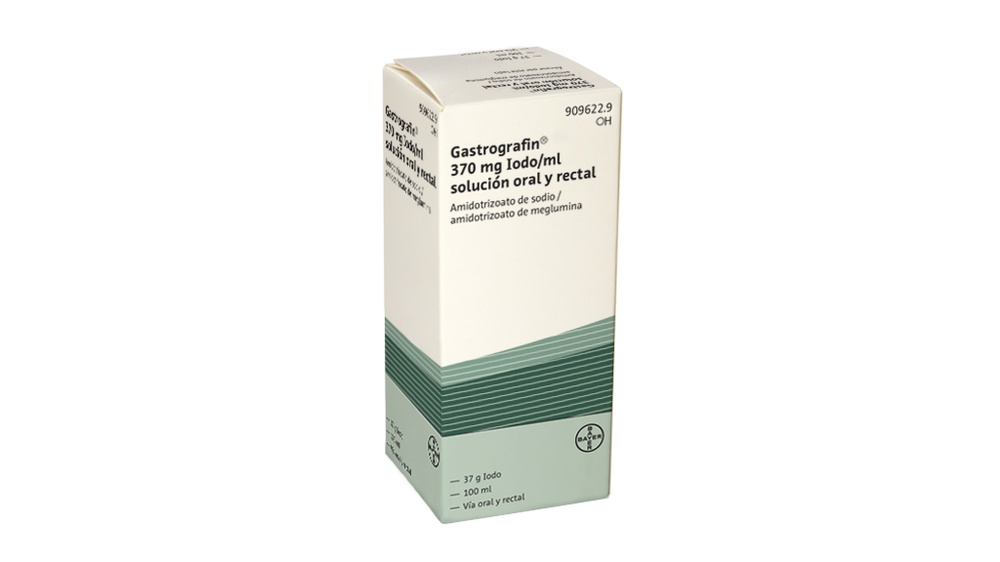
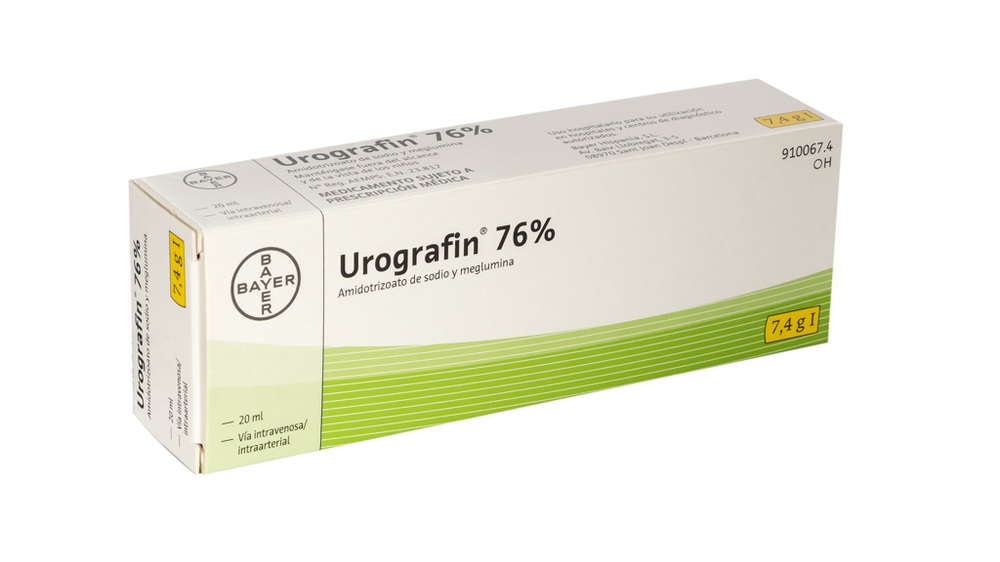
- Alternatives to PLENIGRAF 165 MG IODO/ML INJECTABLE SOLUTIONDosage form: ORAL/RECTAL SOLUTION/SUSPENSION, amidotrizoic acid 597.3mg; meglumine 159.24mg/mlActive substance: diatrizoic acidManufacturer: Bayer Hispania S.L.Prescription requiredDosage form: INJECTABLE, 100+660 mg/ml+mg/mlActive substance: diatrizoic acidManufacturer: Bayer Hispania S.L.Prescription requiredDosage form: INJECTABLE, 480 mg/mlActive substance: ethyl esters of iodised fatty acidsManufacturer: GuerbetPrescription required

Online doctors for PLENIGRAF 165 MG IODO/ML INJECTABLE SOLUTION
Discuss questions about PLENIGRAF 165 MG IODO/ML INJECTABLE SOLUTION, including use, safety considerations and prescription review, subject to medical assessment and local regulations.









Get PLENIGRAF 165 MG IODO/ML INJECTABLE SOLUTION Prescription Online
Fill in a 2-min form
Tell us your symptoms, history, and what medicine you're requesting.
Pick a doctor or let us assign
Choose a specialist or we'll match you with the next available doctor.
Doctor reviews your case
Usually within 30 minutes. They may ask follow-up questions via chat.
Collect from any pharmacy
Electronic prescription sent to your email — valid across Spain.
Frequently Asked Questions
PLENIGRAF 165 MG IODO/ML INJECTABLE SOLUTION requires a prescription in Spain. You can check with a doctor online whether this medicine may be appropriate for your situation.
The active ingredient in PLENIGRAF 165 MG IODO/ML INJECTABLE SOLUTION is diatrizoic acid. This information helps identify medicines with the same composition but different brand names.
PLENIGRAF 165 MG IODO/ML INJECTABLE SOLUTION is manufactured by Juste Farma. S.L.U.. Pharmacy brands and packaging may differ depending on the distributor.
Doctors such as Family doctors, Psychiatrists, Dermatologists, Cardiologists, Endocrinologists, Gastroenterologists, Pulmonologists, Nephrologists, Rheumatologists, Hematologists, Infectious disease physicians, Allergists, Geriatricians, Paediatricians, Oncologists may assess whether PLENIGRAF 165 MG IODO/ML INJECTABLE SOLUTION is appropriate, depending on your situation and local regulations. You can book an online consultation to discuss your symptoms and possible next steps.
Spain has a well-developed healthcare infrastructure across major cities such as Madrid, Barcelona, Valencia, and Seville. Pharmacies are widely available and operate under strict regulations, ensuring access to prescribed medications.
You can buy PLENIGRAF 165 MG IODO/ML INJECTABLE SOLUTION in Madrid, Barcelona, Seville, or Valencia at any local pharmacy with a valid prescription.
To obtain a prescription, you can use Oladoctor:
Other medicines with the same active substance (diatrizoic acid) include GASTROGRAFIN 370 MG IODO/ML ORAL AND RECTAL SOLUTION, UROGRAFIN 370 MG IODINE/ML INJECTABLE SOLUTION AND PERFUSION SOLUTION, HEVASCOL 480 MG IODO/ML INJECTABLE SOLUTION. These may have different brand names or formulations but contain the same therapeutic ingredient. Always consult a doctor before switching or starting a new medicine.
