







How to use PLANGAMMA 100 mg/ml SOLUTION FOR INFUSION
Translated with AI
This page provides general information and does not replace a doctor’s consultation. Always consult a doctor before taking any medication. Seek urgent medical care if symptoms are severe.
Show originalContents of the leaflet
Introduction
Package Leaflet: Information for the User
Plangamma 100 mg/ml Solution for Infusion
Human Normal Immunoglobulin (IgIV)
Read all of this leaflet carefully before you start using this medicine because it contains important information for you.
- Keep this leaflet, you may need to read it again.
- If you have any further questions, ask your doctor, pharmacist, or nurse.
- This medicine has been prescribed for you only. Do not pass it on to others. It may harm them, even if their signs of illness are the same as yours.
- If you get any side effects, talk to your doctor, pharmacist, or nurse. This includes any possible side effects not listed in this leaflet. See section 4.
Contents of the Package Leaflet:
- What is Plangamma and what is it used for
- What you need to know before you use Plangamma
- How to use Plangamma
- Possible side effects
- Storage of Plangamma
- Contents of the pack and other information
1. What is Plangamma and what is it used for
What is Plangamma
Plangamma contains human normal immunoglobulin. This medicine belongs to a group of medicines called intravenous immunoglobulins. These are used to treat conditions where the immune system does not work properly against diseases.
What Plangamma is used for
Treatment in adults, children, and adolescents (2-18 years) who lack sufficient antibodies (replacement therapy). There are two groups:
- Patients with Primary Immunodeficiency Syndrome (PIS), a congenital deficiency of antibodies (group 1).
- Patients with Secondary Immunodeficiency Syndrome (SIS) in patients who suffer from severe or recurrent infections, who do not respond to antimicrobial treatment and who have demonstrated a specific antibody deficiency (PSAF)*or a serum level of <4 g/l (group 2).
*PSAF = inability to double the antibody titre against pneumococcal polysaccharide and polypeptide vaccines.
Treatment of adults, children, and adolescents (2-18 years) who are susceptible and in whom active vaccination against measles is contraindicated or not recommended.
Treatment in adults, children, and adolescents (2-18 years) with certain autoimmune conditions (immunomodulation). These are classified into five groups:
- Primary immune thrombocytopenia, when the number of platelets in the bloodstream is drastically reduced. Platelets are an important part of the blood clotting process, and a reduced number of platelets can cause bleeding and bruising. This product is also used in patients with a high risk of bleeding or before surgery, to increase the number of platelets.
- Guillain-Barré syndrome, in which the immune system attacks the nerves and prevents them from working properly.
- Kawasaki disease (in this case, together with acetylsalicylic acid), a childhood disease in which the blood vessels (arteries) in the body become enlarged.
- Chronic inflammatory demyelinating polyradiculoneuropathy (CIDP), a rare and progressive disease that causes weakness in the limbs, numbness, pain, and fatigue.
- Multifocal motor neuropathy (MMN), a rare disease that causes progressive asymmetric weakness in the limbs without sensory loss.

2. What you need to know before you use Plangamma
Do not use Plangamma
- If you are allergic to human immunoglobulins or to any other component of this medicine (included in section 6).
- If you have IgA deficiency in blood or have developed antibodies to IgA.
- If you have fructose intolerance, a rare genetic disease that consists of not producing the enzyme responsible for breaking down fructose. In babies and young children (0-2 years), hereditary fructose intolerance (HFI) may not have been diagnosed and could be fatal, so they should not receive this medicine. (See special precautions regarding excipients at the end of this section).
Warnings and precautions
Consult your doctor, pharmacist, or nurse before starting to use Plangamma.
Some adverse reactions may occur more frequently:
- if administered at a high infusion rate.
- if you have hypogammaglobulinemia or agammaglobulinemia (a condition that involves low levels of immunoglobulin in the blood) with or without IgA deficiency.
- if you receive Plangamma for the first time, or have changed from another human normal immunoglobulin product (IgIV), or a long period of time has passed (e.g., several weeks) since the last infusion. You will be closely monitored for up to one hour after the infusion to detect possible adverse reactions.
Allergic reactions are rare. These may occur in isolated cases if you do not have sufficient IgA immunoglobulins in your blood or if you have developed anti-IgA antibodies.
Patients with pre-existing risk factors
Please inform your doctor if you have any other medical condition and/or disease, as greater caution is required in patients with pre-existing risk factors for thrombotic events. In particular, inform your doctor if you have:
- diabetes
- high blood pressure
- history of vascular disease or thrombotic events
- overweight
- decreased blood volume
- diseases that increase blood viscosity
- over 65 years of age
Patients with kidney problems
If you have kidney problems, your doctor should consider whether to suspend treatment, as cases of acute renal failure have been reported in patients who received IgIV treatment, usually in patients with risk factors.
Consult your doctor, even if any of the above circumstances have occurred to you.
Effects on blood tests
After receiving Plangamma, the results of certain blood tests (serological tests) may be altered for some time. If you have a blood test after receiving Plangamma, please inform the analyst or your doctor that you have received this medication.
Special safety precautions
When medicines are prepared from human blood or plasma, a series of measures must be taken to prevent possible transmission of infections to patients. These measures include:
- careful selection of blood and plasma donors to ensure the exclusion of donors at risk of having infections,
- analysis of each donation and plasma pool to detect possible viruses or infections,
- inclusion of a series of stages in the processing of blood or plasma that can inactivate or eliminate viruses.
Despite these measures, when medicines prepared from human blood or plasma are administered, the possibility of transmission of infections cannot be totally excluded. This also applies to unknown or emerging viruses and other types of infections.
The measures taken are considered effective for enveloped viruses such as human immunodeficiency virus (HIV), hepatitis B virus, and hepatitis C virus, and for non-enveloped viruses such as hepatitis A virus and parvovirus B19.
Immunoglobulins have not been associated with hepatitis A or parvovirus B19 infections, possibly because the antibodies against these infections, such as those contained in the medicine, are protective.
It is highly recommended that each time Plangamma is administered to a patient, a record is kept of the name of the medicine and the batch number administered, in order to maintain a relationship between the patient and the product batch.
Children and adolescents
Vital signs (body temperature, blood pressure, heart rate, and respiratory rate) should be monitored during Plangamma infusion.
Using Plangamma with other medicines
? Inform your doctor or pharmacist if you are taking or have recently taken other medicines.
? Effects on vaccines: Plangamma may reduce the effectiveness of certain types of vaccines (live attenuated vaccines). In the case of rubella, mumps, and chickenpox, a period of up to 3 months should pass after receiving this medicine and before receiving these vaccines. In the case of measles, the period is up to 1 year.
- Concomitant use of medicines that increase water excretion from the body (loop diuretics) should be avoided during treatment with Plangamma.
Pregnancy and breastfeeding
If you are pregnant or breastfeeding, think you may be pregnant, or are planning to have a baby, ask your doctor or pharmacist for advice before taking this medicine.
Driving and using machines
Patients may experience reactions (such as dizziness or nausea) during treatment that could affect their ability to drive and use machines.
Plangamma contains sorbitol
Sorbitol is a source of fructose. If you (or your child) have hereditary fructose intolerance (HFI), a rare genetic disease, you must not receive this medicine. Patients with HFI cannot break down fructose, which can cause serious adverse effects.
Consult your doctor before receiving this medicine if you (or your child) have HFI or if your child cannot take sweet foods or drinks because they cause unpleasant effects such as bloating, stomach cramps, or diarrhea.
Plangamma contains sodium
This medicine contains less than 7.35 mg of sodium (main component of table/cooking salt) per 100 ml. This is equivalent to 0.37% of the maximum daily intake of 2 g of sodium recommended for an adult.
3. How to use Plangamma
Plangamma is for intravenous administration (injection into a vein). You can administer it yourself if you have previously received complete training from hospital staff or a healthcare professional. You must perform the infusion exactly as you have been taught to avoid the presence of germs. You should never administer an injection if you are alone; a healthcare professional with experience in preparing medicines, cannulation, administration, and monitoring of adverse reactions should always be present.
The dose you receive will depend on your disease and weight and will be calculated by your doctor (see section "Instructions for healthcare professionals" at the end of the package leaflet).
At the start of the infusion, you will receive Plangamma at a low rate (0.01 ml/kg/min). If you tolerate it well, your doctor may gradually increase the infusion rate (up to 0.08 ml/kg/min).
Use in children
The dose in children is not considered to be different from that in adults, as it depends on the disease and the child's weight.
If you receive more Plangamma than you should
If you receive more Plangamma than you should, your body may suffer from fluid overload. This can occur especially if you are a high-risk patient, for example, if you are elderly or have heart or kidney problems. Consult your doctor immediately.
If you forget to use Plangamma
Consult your doctor or pharmacist immediately and follow their instructions.
You should not take a double dose to make up for a forgotten dose.
If you have any further questions on the use of this medicine, ask your doctor, pharmacist, or nurse.

4. Possible side effects
Like all medicines, Plangamma can cause side effects, although not everybody gets them.
In some isolated cases, the following adverse reactions have been described with immunoglobulin preparations. Tell your doctor if you suffer from any of the following adverse reactions during or after the infusion:
- Sudden drop in blood pressure and, in isolated cases, anaphylactic shock (whose symptoms are skin rash, hypotension, palpitations, wheezing, cough, sneezing, and difficulty breathing, among others), even in patients who have not presented hypersensitivity to previous administrations.
- Cases of temporary non-infectious meningitis (whose symptoms are headache, fear or sensitivity to light, neck stiffness).
- Cases of temporary reduction in the number of red blood cells in the blood (reversible hemolytic anemia/hemolysis).
- Cases of transient skin reactions (adverse reactions on the skin).
- Increased levels of serum creatinine (test that measures kidney function) and/or acute renal failure (whose symptoms are pain in the lumbar area, fatigue, decreased urine output).
- Thromboembolic reactions such as myocardial infarction (pressure in the chest area with a feeling of a rapid heartbeat), stroke (weakness in the muscles of the face, arms, or legs, difficulty speaking or understanding others when they speak), pulmonary embolism (shortness of breath, chest pain, and fatigue), and deep vein thrombosis (pain and swelling in a limb).
- Cases of transfusion-related acute lung injury (TRALI) that cause hypoxia (lack of oxygen), dyspnea (difficulty breathing), tachypnea (agitated breathing), cyanosis (lack of oxygen in the blood), fever, and decreased blood pressure.
Other side effects:
Very common (may affect more than 1 in 10 people):
- headache
Common (may affect up to 1 in 10 people):
- tachycardia (increased heart rate)
- hypotension (decreased blood pressure)
- nausea
- back pain
- myalgia (muscle pain)
- pain
- fever (increased body temperature)
- chills (feeling of shivering)
Uncommon (may affect up to 1 in 100 people):
- cold (flu)
- urinary tract infection
- decrease in red and white blood cells
- anorexia (loss of appetite)
- dizziness
- radicular syndrome (pain in the neck or back and other symptoms such as numbness, tingling, and weakness in arms and legs)
- vasovagal syncope (temporary loss of consciousness)
- chills
- conjunctivitis (inflammation of the conjunctiva of the eyes)
- maculopathy (disease of the macula, in the retina of the eyes)
- photophobia (excessive sensitivity to light)
- ear pain
- vertigo
- increased or decreased blood pressure
- flushing (redness of the skin)
- hematoma
- thrombosis
- runny nose (excess mucus)
- nasal pain
- wheezing
- abdominal pain (including upper abdominal pain and abdominal distension)
- diarrhea
- flatulence
- vomiting
- acne
- bruising (hematoma on the skin)
- erythema (redness of the skin)
- pruritus
- skin rash
- arthralgia (joint pain)
- muscle spasms or stiffness
- neck pain
- limb pain
- chest discomfort/pain
- feeling of cold
- fatigue
- chills
- reaction associated with injection and reaction at the injection site (including erythema, pain, itching, and swelling at the infusion site)
- fatigue
- nervousness
- pseudogripal syndrome
- discomfort
- peripheral edema
- decrease in hemoglobin
- increased heart rate
Frequency not known (cannot be estimated from the available data):
- dyspnea (difficulty breathing)
- rubefaction (redness of the skin)
Other side effects in children and adolescents
It was observed that the proportion of headache, chills, fever, nausea, vomiting, decreased blood pressure, increased heart rate, and back pain was higher in children than in adults. Cyanosis (lack of oxygen in the blood) was reported in one child, but not in adults.
The side effects may decrease if Plangamma 50 mg/ml is administered instead of Plangamma 100 mg/ml. Consult your doctor if side effects increase.
Reporting of side effects
If you experience any side effects, talk to your doctor, pharmacist, or nurse, even if it is possible side effects not listed in this leaflet. You can also report them directly through the Spanish Pharmacovigilance System for Human Use Medicines: www.notificaRAM.es. By reporting side effects, you can help provide more information on the safety of this medicine.
5. Storage of Plangamma
Keep this medicine out of the sight and reach of children.
Do not use this medicine after the expiry date which is stated on the label and carton after EXP.
Do not store above 30 ºC. Do not freeze.
The solution should be clear or slightly opalescent. Do not use this medicine if the solution is cloudy or has sediment.
Medicines should not be disposed of via wastewater or household waste. Ask your pharmacist how to dispose of medicines no longer required. This will help protect the environment.
6. Container Contents and Additional Information
Composition ofPlangamma
- The active ingredient is normal human immunoglobulin (IgIV). One ml contains 100 mg of normal human immunoglobulin, of which at least 97% is IgG.
Each 50 ml vial contains: 5 g of normal human immunoglobulin
Each 100 ml vial contains: 10 g of normal human immunoglobulin
Each 200 ml vial contains: 20 g of normal human immunoglobulin
The percentage of IgG subclasses is approximately 66.6% IgG1, 27.9% IgG2, 3.0% IgG3, and 2.5% IgG4. The IgA content is less than 100 micrograms/ml.
- The remaining components are sorbitol and water for injectable preparations (see section 2 for more information on components).
Product Appearance and Container Contents
Plangamma is a solution for infusion. The solution is transparent or slightly opalescent, colorless or pale yellow.
Plangamma is presented in vials of 5 g/50 ml, 10 g/100 ml, and 20 g/200 ml.
Container size: 1 vial
Only some container sizes may be marketed.
Marketing Authorization Holder and Manufacturer
Instituto Grifols, S.A.
Can Guasc, 2 - Parets del Vallès
08150 Barcelona - Spain
Date of Last Revision of thisProspectus 06/2025
Detailed and updated information on this medication is available on the website of the Spanish Agency for Medicines and Health Products (AEMPS) http://www.aemps.es/
This information is intended only for healthcare professionals (see section 3 for more information):
Posology and Method of Administration
The dose and dosing regimen depend on the indication.
It may be necessary to individualize the dosing regimen for each patient based on the clinical response. The dose based on body weight may require adjustment in patients with low weight or overweight. The following dosing regimen can be used as a guideline.
The recommended posology is described in the following table:
Indication | Dose | Infusion Frequency |
Treatment Replacement: | ||
Primary Immunodeficiency Syndromes | Initial dose: 0.4-0.8 g/kg Maintenance dose: 0.2-0.8 g/kg | every 3-4 weeks |
Secondary Immunodeficiencies | 0.2-0.4 g/kg | every 3-4 weeks |
Pre-/Post-Exposure Prophylaxis to Measles: | ||
Post-Exposure Prophylaxis in Susceptible Patients | 0.4 g/kg | as soon as possible and within 6 days, and may be repeated once after 2 weeks to maintain serum antibody levels against measles > 240 mUI/ml |
Post-Exposure Prophylaxis in Patients with PID/IDS | 0.4 g/kg | In addition to maintenance therapy, administered as an extra dose within 6 days of exposure |
Pre-Exposure Prophylaxis in Patients with PID/IDS | 0.53 g/kg | If a patient receives a maintenance dose of less than 0.53 g/kg every 3-4 weeks, this dose should be increased once to at least 0.53 g/kg |
Immunomodulation: | ||
Primary Immune Thrombocytopenia | 0.8-1 g/kg or 0.4 g/kg/day | on the 1st day, and may be repeated once within 3 days for 2-5 days |
Guillain-Barré Syndrome | 0.4 g/kg/day | for 5 days |
Kawasaki Disease | 2 g/kg | in a single dose, along with acetylsalicylic acid |
Chronic Inflammatory Demyelinating Polyneuropathy (CIDP) | Initial dose: 2 g/kg Maintenance dose: 1 g/kg | in several doses over 2-5 days every 3 weeks in divided doses over 1-2 days |
Multifocal Motor Neuropathy (MMN) | Initial dose: 2 g/kg Maintenance dose: 1 g/kg or 2 g/kg | in several doses over 2-5 consecutive days every 2-4 weeks every 4-8 weeks in several doses over 2-5 days |
Plangamma should be administered intravenously at an initial rate of 0.01 ml/kg/min for the first 30 minutes. If well tolerated, increase the rate to 0.02 ml/kg/min for the next 30 minutes. Again, if well tolerated, increase the rate to 0.04 ml/kg/min for the next 30 minutes. If the patient tolerates the administration well, the rate can be further increased by 0.02 ml/kg/min at 30-minute intervals, up to a maximum of 0.08 ml/kg/min.
It has been shown that the frequency of adverse reactions to IgIV increases with the infusion rate. The administration rate should be slow in initial infusions. If no adverse reactions occur, the rate for subsequent infusions can be gradually increased to reach the maximum rate. For patients who have experienced adverse reactions, it is advisable to reduce the administration rate in subsequent infusions, limiting the maximum rate to 0.04 ml/kg/min or administering IgIV at a concentration of 5%.
Pediatric Population
Since the posology for each indication is based on body weight and adjusted according to the clinical outcome of the conditions indicated above, the posology in children does not differ from that indicated for adults.
Incompatibilities
Plangamma should not be mixed with other medications or intravenous solutions and should be administered using a separate intravenous line.
Special Precautions
Sorbitol
Patients with hereditary fructose intolerance (HFI) should not receive this medication unless it is strictly necessary. Babies and children (under 2 years) may not be diagnosed with hereditary fructose intolerance (HFI). Medications (containing sorbitol/fructose) administered intravenously can be potentially fatal and should be contraindicated for this population unless there is an absolute clinical need and no alternative is available.
Before receiving this medication, the patient's medical history should be thoroughly reviewed for symptoms of HFI.
It is highly recommended that each time Plangamma is administered to a patient, the name of the medication and the batch number administered should be recorded to maintain a relationship between the patient and the product batch.
Handling and Disposal Instructions
The product should reach room temperature (not above 30 °C) before use.
The solution should be transparent or slightly opalescent. Do not use Plangamma if the solution is turbid or contains sediment.
Disposal of unused medication and all materials that have come into contact with it should be carried out in accordance with local regulations.
- Country of registration
- Dosage formINJECTABLE PERFUSION, 100 mg/mL
- ATC codeJ06BA02
- Active substance
- Prescription requiredYes
- Manufacturer
- This information is for reference only and does not constitute medical advice. Always consult a doctor before taking any medication. Oladoctor is not responsible for medical decisions based on this content.
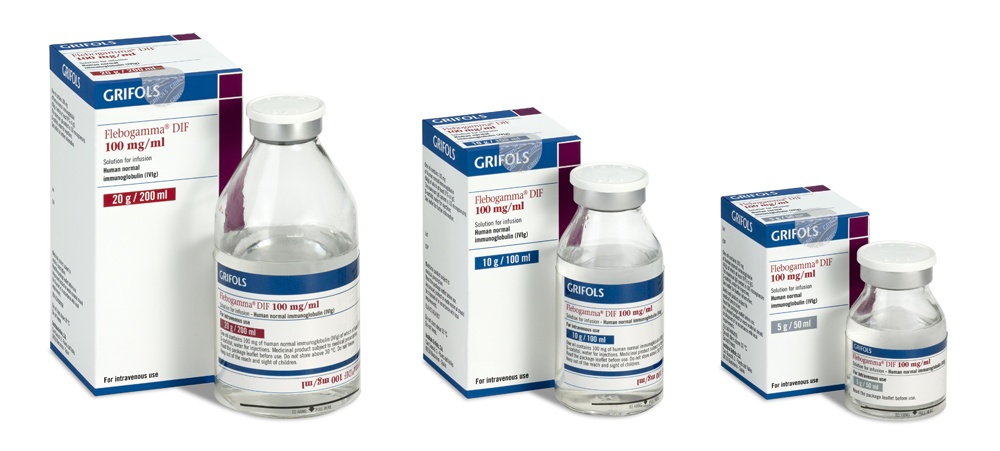
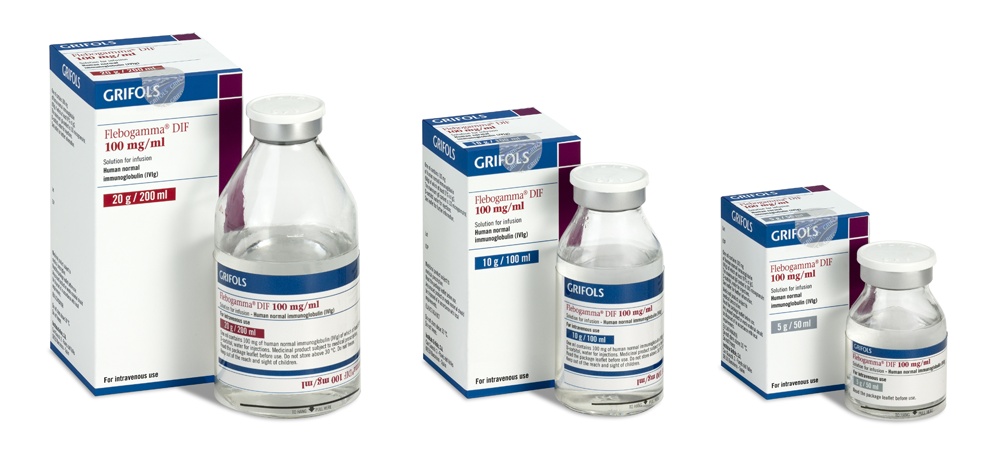
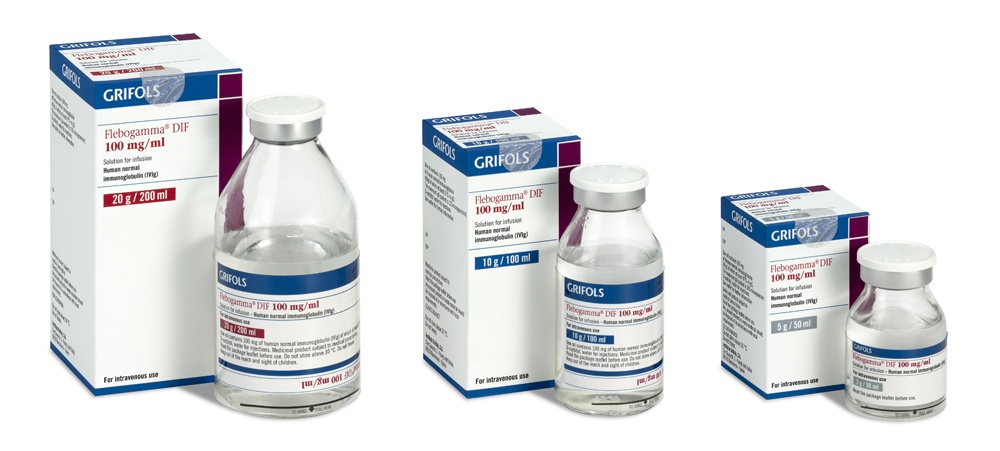
- Alternatives to PLANGAMMA 100 mg/ml SOLUTION FOR INFUSIONDosage form: INJECTABLE PERFUSION, 100 mg/mlActive substance: immunoglobulins, normal human, for intravascular adm.Manufacturer: Instituto Grifols S.A.Prescription requiredDosage form: INJECTABLE PERFUSION, 100 mg/mlActive substance: immunoglobulins, normal human, for intravascular adm.Manufacturer: Instituto Grifols S.A.Prescription requiredDosage form: INJECTABLE PERFUSION, 100 mg/mlActive substance: immunoglobulins, normal human, for intravascular adm.Manufacturer: Instituto Grifols S.A.Prescription required
Online doctors for PLANGAMMA 100 mg/ml SOLUTION FOR INFUSION
Discuss questions about PLANGAMMA 100 mg/ml SOLUTION FOR INFUSION, including use, safety considerations and prescription review, subject to medical assessment and local regulations.









Get PLANGAMMA 100 mg/ml SOLUTION FOR INFUSION Prescription Online
Fill in a 2-min form
Tell us your symptoms, history, and what medicine you're requesting.
Pick a doctor or let us assign
Choose a specialist or we'll match you with the next available doctor.
Doctor reviews your case
Usually within 30 minutes. They may ask follow-up questions via chat.
Collect from any pharmacy
Electronic prescription sent to your email — valid across Spain.
Frequently Asked Questions
PLANGAMMA 100 mg/ml SOLUTION FOR INFUSION requires a prescription in Spain. You can check with a doctor online whether this medicine may be appropriate for your situation.
The active ingredient in PLANGAMMA 100 mg/ml SOLUTION FOR INFUSION is immunoglobulins, normal human, for intravascular adm.. This information helps identify medicines with the same composition but different brand names.
PLANGAMMA 100 mg/ml SOLUTION FOR INFUSION is manufactured by Instituto Grifols S.A.. Pharmacy brands and packaging may differ depending on the distributor.
Doctors such as Family doctors, Psychiatrists, Dermatologists, Cardiologists, Endocrinologists, Gastroenterologists, Pulmonologists, Nephrologists, Rheumatologists, Hematologists, Infectious disease physicians, Allergists, Geriatricians, Paediatricians, Oncologists may assess whether PLANGAMMA 100 mg/ml SOLUTION FOR INFUSION is appropriate, depending on your situation and local regulations. You can book an online consultation to discuss your symptoms and possible next steps.
Spain has a well-developed healthcare infrastructure across major cities such as Madrid, Barcelona, Valencia, and Seville. Pharmacies are widely available and operate under strict regulations, ensuring access to prescribed medications.
You can buy PLANGAMMA 100 mg/ml SOLUTION FOR INFUSION in Madrid, Barcelona, Seville, or Valencia at any local pharmacy with a valid prescription.
To obtain a prescription, you can use Oladoctor:
Other medicines with the same active substance (immunoglobulins, normal human, for intravascular adm.) include FLEBOGAMMA DIF 100 mg/ml SOLUTION FOR INFUSION, FLEBOGAMMA DIF 100 mg/ml SOLUTION FOR INFUSION, FLEBOGAMMA DIF 100 mg/ml SOLUTION FOR INFUSION. These may have different brand names or formulations but contain the same therapeutic ingredient. Always consult a doctor before switching or starting a new medicine.
