






How to use PHARMAGRIP CONGESTION 600 mg/10 mg GRANULES
Translated with AI
This page provides general information and does not replace a doctor’s consultation. Always consult a doctor before taking any medication. Seek urgent medical care if symptoms are severe.
Show originalContents of the leaflet
Introduction
Package Leaflet: Information for the User
Pharmagrip Congestion 600mg/10mg Granules
Paracetamol/Phenylephrine Hydrochloride
Read the entire package leaflet carefully before starting to use this medication, as it contains important information for you.
Follow the administration instructions for the medication contained in this package leaflet or as indicated by your doctor or pharmacist exactly.
- Keep this package leaflet, as you may need to read it again. - If you need advice or more information, consult your pharmacist.
- If you experience side effects, consult your doctor or pharmacist, even if they are side effects not listed in this package leaflet. See section 4.
- You should consult a doctor if your symptoms worsen or do not improve, or if the fever persists for more than 3 days or the pain or other symptoms persist for more than 5 days.
Contents of the Package Leaflet
- What is Pharmagrip Congestion and what is it used for
- What you need to know before taking Pharmagrip Congestion
- How to take Pharmagrip Congestion
- Possible side effects
- Storage of Pharmagrip Congestion
- Contents of the pack and further information
1. What is Pharmagrip Congestion and what is it used for
Pharmagrip Congestion is a medication that contains the active ingredients paracetamol (an analgesic that reduces pain and fever) and phenylephrine (which acts by reducing nasal congestion).
This medication is indicated for the relief of symptoms of catarrhal or flu-like processes that occur with pain (mild or moderate), fever, and nasal congestion in adults and adolescents over 12 years of age.
You should consult a doctor if your symptoms worsen or do not improve, or if the fever persists for more than 3 days or the pain or other symptoms persist for more than 5 days.

2. What you need to know before taking Pharmagrip Congestion
Do not take Pharmagrip Congestion
- If you are allergic to phenylephrine, paracetamol, or any of the other components of this medication (listed in section 6).
- If you are being treated with beta-blocker medications (used to treat high blood pressure or heart disease).
- If you are taking tricyclic antidepressants (medications used to treat depression).
- If you are being treated with any monoamine oxidase inhibitor (MAOI) medication (medications used to treat depression) or have taken them in the last two weeks.
- If you have bronchial asthma.
- If you have a pheochromocytoma (tumor in the adrenal glands).
- If you have glaucoma (elevated eye pressure often associated with high blood pressure).
- If you are being treated with sympathomimetic medications (such as decongestants, appetite suppressants, and psychostimulants similar to amphetamines).
- If you have severe liver or kidney disease (severe hepatic insufficiency, severe renal insufficiency).
- If you have diabetes.
- If you have any thyroid disease (hyperthyroidism).
- If you have high blood pressure, circulatory problems, or heart problems.
- If you have glucose-6-phosphate dehydrogenase deficiency (a hereditary disease that causes a decrease in the number of red blood cells).
- If you have severe hemolytic anemia (abnormal breakdown of red blood cells).
- Do not use this medication in children under 12 years of age.
Warnings and Precautions
Consult your doctor or pharmacist before starting to take Pharmagrip Congestion:
- If you are taking any other medication (see also "Other medications and Pharmagrip Congestion").
- If you have an enlarged prostate.
- If you have a vascular occlusive disease (obstruction of the arteries, e.g., Raynaud's syndrome).
- If you have kidney disease (renal insufficiency).
- If you have liver, heart, or lung disease.
- If you have anemia.
If you have severe diseases, such as severe renal insufficiency or sepsis (when bacteria and their toxins circulate in the blood, causing damage to organs), or if you have malnutrition, chronic alcoholism, or are also taking flucloxacillin (an antibiotic), a serious disease called metabolic acidosis (an anomaly in the blood and fluids) has been reported in patients in these situations when paracetamol is used at regular doses for a prolonged period or when paracetamol is taken with flucloxacillin. The symptoms of metabolic acidosis may include: severe breathing difficulties with deep and rapid breathing, drowsiness, feeling of discomfort (nausea) and vomiting.
Do not take Pharmagrip Congestion for more than 3 consecutive days without consulting your doctor.
While being treated with Pharmagrip Congestion, you should not consume alcoholic beverages.
Do not take this medication in combination with other medications that contain paracetamol. If paracetamol is taken at high doses, serious side effects can occur, including severe liver disease and changes in the kidneys and blood.
Children and Adolescents
Children under 12 years of age cannot take this medication.
Other Medications and Pharmagrip Congestion
Inform your doctor or pharmacist if you are taking, have recently taken, or may need to take any other medication.
The simultaneous use of this medication with other medications that contain paracetamol should be avoided, such as medications for flu and colds, as high doses can lead to liver damage. Do not use more than one medication that contains paracetamol without consulting your doctor.
In particular, if you are using any of the following medications, it may be necessary to modify the dose of some of them or separate the administration by a minimum of 15 days or interrupt treatment:
- Medications that can alter liver function, such as isoniazid, which can increase the harmful effect of paracetamol on the liver.
- Medications for treating epilepsy: Antiepileptics (lamotrigine, phenytoin, or other hydantoins, phenobarbital, methylphenobarbital, primidone, carbamazepine).
- Medications for treating tuberculosis (isoniazid, rifampicin).
- Medications for treating convulsions and depression (barbiturates), used as hypnotics, sedatives, and anticonvulsants.
- Medications used to increase urine elimination (diuretics of the loop type, such as those in the furosemide group, or other diuretics) and other diuretics that cause potassium loss (such as diuretics for treating hypertension or other conditions).
- Medications for preventing blood clots: Oral anticoagulants (acenocoumarol, warfarin), as paracetamol taken at high doses can increase the risk of bleeding.
- Medications used to prevent nausea and vomiting (metoclopramide and domperidone), which can increase the absorption rate of paracetamol.
- Medications used for treating gout (probenecid and sulfinpyrazone).
- Medications containing beta-blockers, used in treating high blood pressure (hypertension) and heart rhythm disorders (cardiac arrhythmias) (propranolol) (see also the section "Do not take Pharmagrip Congestion").
- Medications for reducing cholesterol levels in the blood (cholestyramine).
- Medications used for treating depression, Parkinson's disease, or other diseases that are monoamine oxidase inhibitors (MAOIs). The administration of Pharmagrip Congestion should be separated by a minimum of 15 days after finishing treatment (see also the section "Do not take Pharmagrip Congestion").
- Medications used for treating migraines, such as ergotamine and methysergide; medications taken for childbirth; medications taken for treating blood pressure or other diseases (alpha-adrenergic blocking medications).
- Alpha and beta-adrenergic blockers, such as labetalol and carvedilol (used for the heart or for treating arterial diseases).
- Medications for treating depression that contain tricyclic and tetracyclic antidepressants.
- General anesthetic medications.
- Antihypertensive medications (medications for lowering blood pressure).
- Medications for the heart, such as cardiac glycosides (digoxin) and antiarrhythmics.
- Medications containing thyroid hormones (used for treating thyroid diseases).
- Medications used for heart diseases and digestive diseases of the type of atropine sulfate.
- Flucloxacillin (antibiotic), due to a serious risk of alteration of blood and fluids (called metabolic acidosis with high anion gap) that must be treated urgently (see section 2).
Interference with Analytical Tests
If you are going to have any analytical tests (including blood tests, urine tests, etc.), inform your doctor that you are taking/using this medication, as it may alter the results.
Pregnancy and Breastfeeding
If you are pregnant or breastfeeding, think you may be pregnant, or plan to become pregnant, consult your doctor or pharmacist before using this medication.
The use of this medication is not recommended during pregnancy and breastfeeding.
Driving and Using Machines
Pharmagrip Congestion does not affect your ability to drive and use machines. However, if you experience dizziness, you should not drive or use machines.
Pharmagrip Congestion contains Sorbitol (E-420), Aspartame (E-951), and Sodium:
This medication contains 42 mg of sorbitol in each sachet.
This medication contains 25 mg of aspartame in each sachet. Aspartame contains a source of phenylalanine that may be harmful in case of phenylketonuria (PKU), a rare genetic disease in which phenylalanine accumulates because the body is unable to eliminate it properly.
This medication contains less than 1 mmol of sodium (23 mg) per sachet, which is essentially "sodium-free".
3. How to Take Pharmagrip Congestion
Follow the administration instructions for this medication contained in this package leaflet or as indicated by your doctor or pharmacist exactly. If in doubt, ask your doctor or pharmacist.
The recommended dose is:
Adults and children over 12 years: 1 sachet every 6-8 hours, up to a maximum of 3 sachets in 24 hours.
Patient with liver insufficiency: before taking this medication, they must consult their doctor.
These patients can only take 1 sachet every 8-12 hours as needed.
You must take the amount of medication prescribed by your doctor with a minimum interval between each intake of 8 hours.
Do not take more than 3 sachets in 24 hours, divided into 3 doses.
Patient with renal insufficiency:
These patients cannot take this medication due to the dose of paracetamol.
Elderly:
Elderly people should not use this medication without consulting their doctor, as some side effects of the medication, such as the appearance of slow heartbeats (bradycardia) or reduction of cardiac output, due to the content of phenylephrine and chlorphenamine, may affect them especially. They are also more likely to experience side effects such as sedation, confusion, hypotension, or excitement, and may be more sensitive to effects such as dry mouth and urinary retention.
Use in Children
This medication is contraindicated in children under 12 years of age.
Method of administration
Place the granules directly on the tongue and swallow. Pharmagrip Congestion dissolves with saliva, allowing it to be used without water.
You can also dissolve the contents of a sachet in a glass of hot (but not boiling) water, stirring with a spoon. If you prefer, add cold water to cool it down and add sugar. Once prepared, drink the solution over the next few minutes.
Duration of treatment
The intake of this medication is subject to the appearance of symptoms. As they disappear, treatment should be discontinued.
This medication should be used for a short period.
Do not take it for more than 3 consecutive days without consulting your doctor.
Consult your doctor if symptoms persist or if you notice any change in their characteristics.
If you take more Pharmagrip Congestion than you should
If you or someone else has taken more Pharmagrip Congestion than you should, or if you think a child has swallowed the contents of a sachet, go to the nearest hospital or contact your doctor immediately, even if you feel well. Bring this package leaflet, any remaining sachets, and the box with you. In case of accidental ingestion of this medication at high doses, pallor, nausea, vomiting, loss of appetite (anorexia), abdominal pain, alteration of blood sugar levels (glucose metabolism disorders), and accumulation of acids in the body (metabolic acidosis) can occur.
In case of severe poisoning, liver failure can be complicated with brain damage (encephalopathy, cerebral edema), bleeding (hemorrhage), reduction of blood glucose (hypoglycemia), and death. Even in the absence of severe liver damage, a reduction in renal function (acute renal failure) can occur, which manifests as kidney damage (acute tubular necrosis), blood in the urine (hematuria), and protein loss in the urine (proteinuria). Changes in heart rhythm (cardiac arrhythmia) and pancreatitis (inflammation of the pancreas) can also occur.
Irritability, headache, high blood pressure can also occur. In the most severe cases, confusion, hallucinations, and convulsions can appear. High doses of the medication can cause short-term liquid diarrhea (transitory osmotic diarrhea).
If you have any other questions about the use of this medication, ask your doctor or pharmacist.
In case of overdose or accidental ingestion, consult your doctor or pharmacist immediately or call the Toxicology Information Service, phone 91 562 04 20, indicating the medication and the amount ingested.
If you forget to take Pharmagrip Congestion
Do not take a double dose to make up for forgotten doses.

4. Possible Adverse Effects
Like all medicines, this medicine can cause adverse effects, although not all people suffer from them.
Stop taking Pharmagrip congestion immediately and consult your doctor or go to the hospital immediately if you experience any of the following adverse effects:
- Allergic reactions or hypersensitivity, anaphylactic shock (severe allergic reactions that cause difficulty breathing or dizziness).
- Very rare cases of severe skin reactions have been reported: severe skin rash or peeling or oral ulcers (toxic epidermal necrolysis, Stevens-Johnson syndrome, erythema multiforme).
- Respiratory problems (bronchospasm) in patients with hypersensitivity to acetylsalicylic acid and other non-steroidal anti-inflammatory drugs (NSAIDs).
During the period of use of paracetamol and phenylephrine, the following adverse effects have been reported, whose frequency has not been established with precision:
- The adverse effects that may appear with low frequency (rare) are:
- Discomfort
- Low blood pressure (hypotension)
- Myocardial infarction, ventricular arrhythmia (irregular heartbeats), and cerebral hemorrhage (at high doses or in sensitive patients).
- Pulmonary edema (increase in lung fluid volume) at high doses, generally, or in susceptible individuals.
- Abnormal liver function (increase in liver transaminases).
- The adverse effects that may appear with very low frequency (very rare) are:
- Kidney disease, cloudy urine.
- Liver disease (jaundice: yellowish coloration of the skin or eyes).
- Blood disorders (changes in the formula of blood cells, such as agranulocytosis, leucopenia, neutropenia, hemolytic anemia, thrombocytopenia) with symptoms such as unusual bleeding, sore throat, or fatigue;
- Hypoglycemia (low blood sugar).
- Hypersensitivity, including skin rash, angioedema (sudden swelling of the skin and mucous membranes).
- Very rare cases of severe skin reactions have been reported.
Paracetamol can damage the liver when taken in high doses or in prolonged treatments.
- The adverse effects whose frequency of appearance is not known are:
- A serious disease that can make the blood more acidic (called metabolic acidosis) in patients with severe disease using paracetamol (see section 2).
- Insomnia (difficulty sleeping), nervousness, anxiety, agitation, confusion, irritability.
- Tremors (shaking), dizziness, headache (with high doses and may be a symptom of hypertension).
- Increased blood pressure (hypertension, generally with high doses and in sensitive patients), reduction of blood vessel caliber (peripheral vasoconstriction, cold in the extremities (legs or arms).
- Very slow heartbeats (severe bradycardia), reduction of blood vessel caliber (peripheral vasoconstriction), reduction of heart performance that affects especially elderly patients and patients with poor cerebral or coronary circulation, possible production or worsening of heart disease, palpitations (with high doses).
- Flushing, feeling of fainting (hypotension).
- Increased blood sugar (hyperglycemia).
- Decrease in potassium in the blood, metabolic acidosis (alteration of metabolism).
- Pallor of the skin, goosebumps, increased sweating.
- Difficulty breathing
- Difficulty urinating (anuria, urinary retention), more likely to occur in people with obstruction of the bladder outlet, such as prostatic hypertrophy.
With high doses, the following may occur: vomiting, palpitations, psychotic states with hallucinations; with prolonged use, a decrease in blood volume may occur.
Reporting of Adverse Effects
If you experience any type of adverse effect, consult your doctor or pharmacist, even if it is a possible adverse effect that does not appear in this prospectus. You can also report them directly through the Spanish Pharmacovigilance System for Human Use Medicines: www.notificaram.es. By reporting adverse effects, you can contribute to providing more information on the safety of this medicine.
5. Conservation of Pharmagrip Congestion
Keep this medicine out of sight and reach of children.
Do not use this medicine after the expiration date that appears on the packaging after CAD. The expiration date is the last day of the month indicated.
It is essential to always have the product information with you. Keep the box and the prospectus.
This medicine does not require any special storage temperature.
Keep in the original packaging to protect it from light and moisture.
Medicines should not be thrown away through the sewers or in the trash. Deposit the packaging and medicines you no longer need in the SIGRE Point of the pharmacy. In case of doubt, ask your pharmacist how to dispose of the packaging and medicines you no longer need. This way, you will help protect the environment.
6. Package Contents and Additional Information
Composition of Pharmagrip Congestion
The active ingredients are: paracetamol 600 mg and phenylephrine hydrochloride 10 mg (equivalent to 8.2 mg of phenylephrine).
The other components are: mannitol (E-421), Xylitab 200 (which contains xylitol and sodium carboxymethylcellulose), lemon flavor (which contains flavoring substances, corn maltodextrin, and citric acid), sorbitol (E-420), ascorbic acid, citric acid, colloidal hydrated silica, aspartame (E-951), and sodium saccharin.
Appearance of the Product and Package Contents
Pharmagrip congestion is packaged in sachets containing white or almost white granules.
Pharmagrip congestion is presented in boxes of 10 and 16 sachets.
Marketing Authorization Holder and Manufacturer
Marketing Authorization Holder:
Laboratorios Cinfa, S.A.
Carretera Olaz-Chipi, 10. Polígono Industrial Areta
31620 Huarte (Navarra) – Spain.
Manufacturer:
E-Pharma Trento S.p.A.
Via Provina 2,
38123 Trento (TN), Italy.
or
Laboratorios Cinfa, S.A.
Carretera Olaz-Chipi, 10. Polígono Industrial Areta
31620 Huarte (Navarra) – Spain.
Date of the Last Revision of this Prospectus:January 2025
Other Sources of Information
Detailed information about this medicine is available on the website of the Spanish Agency for Medicines and Health Products (AEMPS) http://www.aemps.gob.es/
You can access detailed information about this medicine by scanning the QR code included in the prospectus and packaging with your mobile phone (smartphone). You can also access this information at the following internet address: https://cima.aemps.es/cima/dochtml/p/89542/P_89542.html
QR code to: https://cima.aemps.es/cima/dochtml/p/89542/P_89542.html
-

- Country of registration
- Dosage formORAL SOLUTION/SUSPENSION, 600 mg/10 mg
- ATC codeN02BE51
- Active substance
- Prescription requiredNo
- Manufacturer
- This information is for reference only and does not constitute medical advice. Always consult a doctor before taking any medication. Oladoctor is not responsible for medical decisions based on this content.
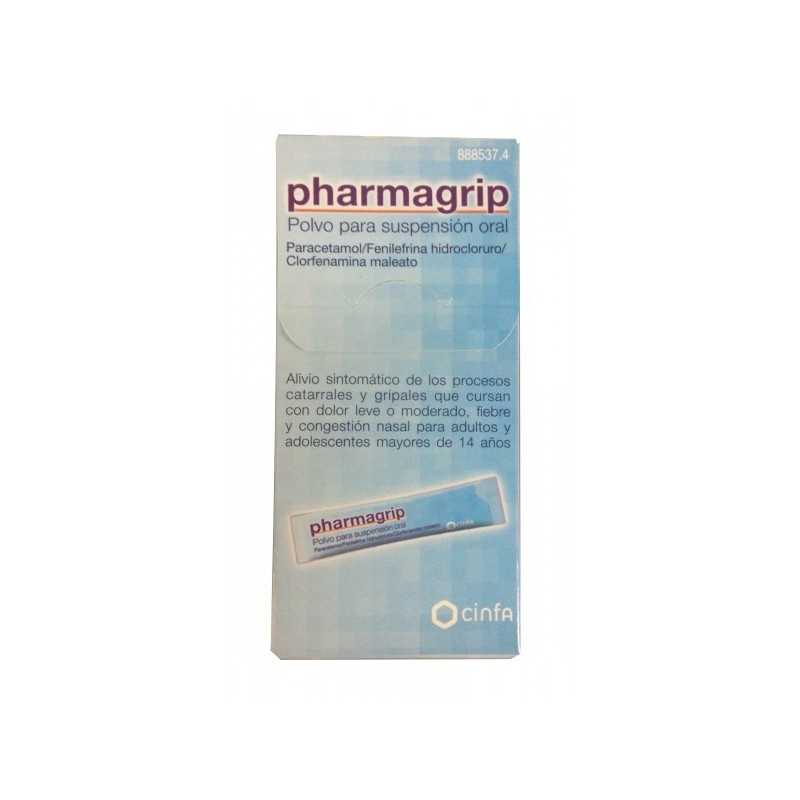
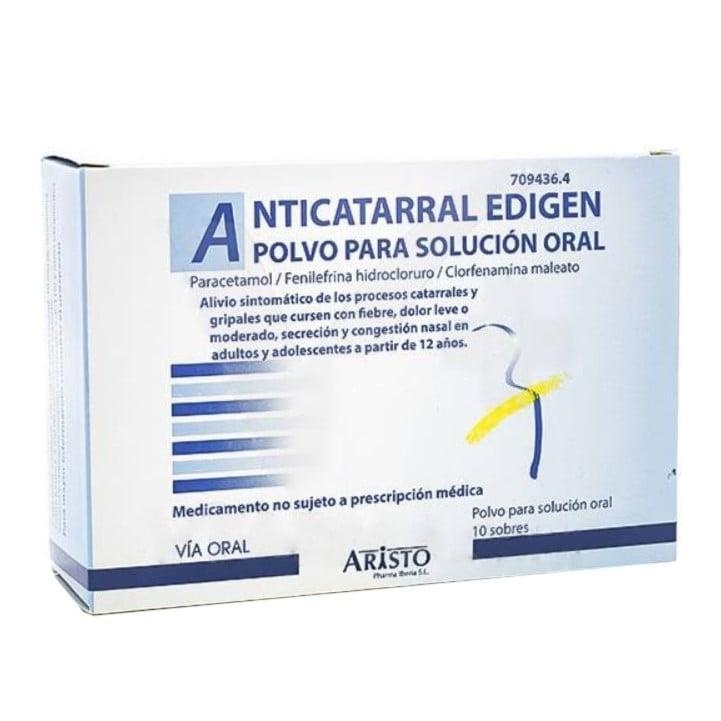
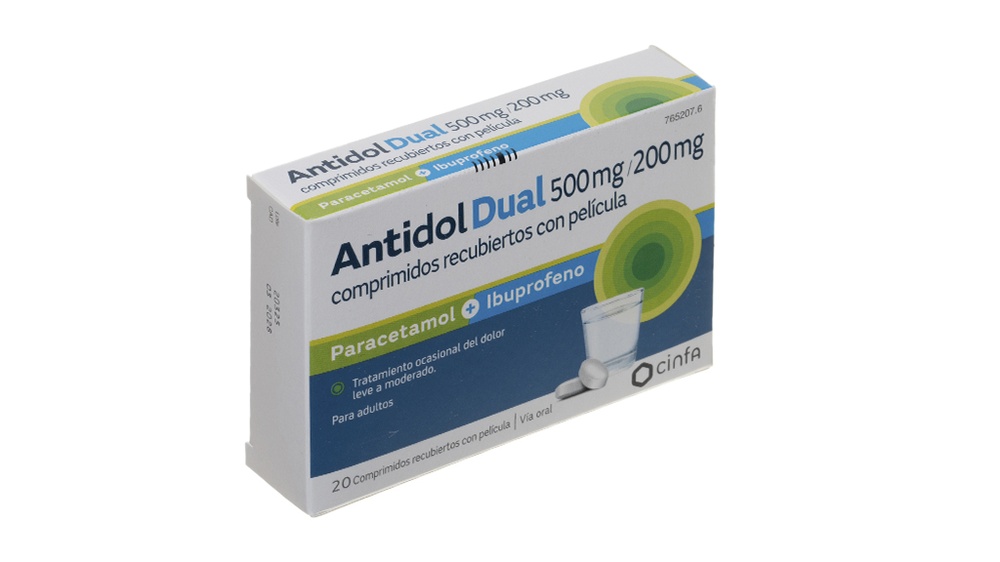
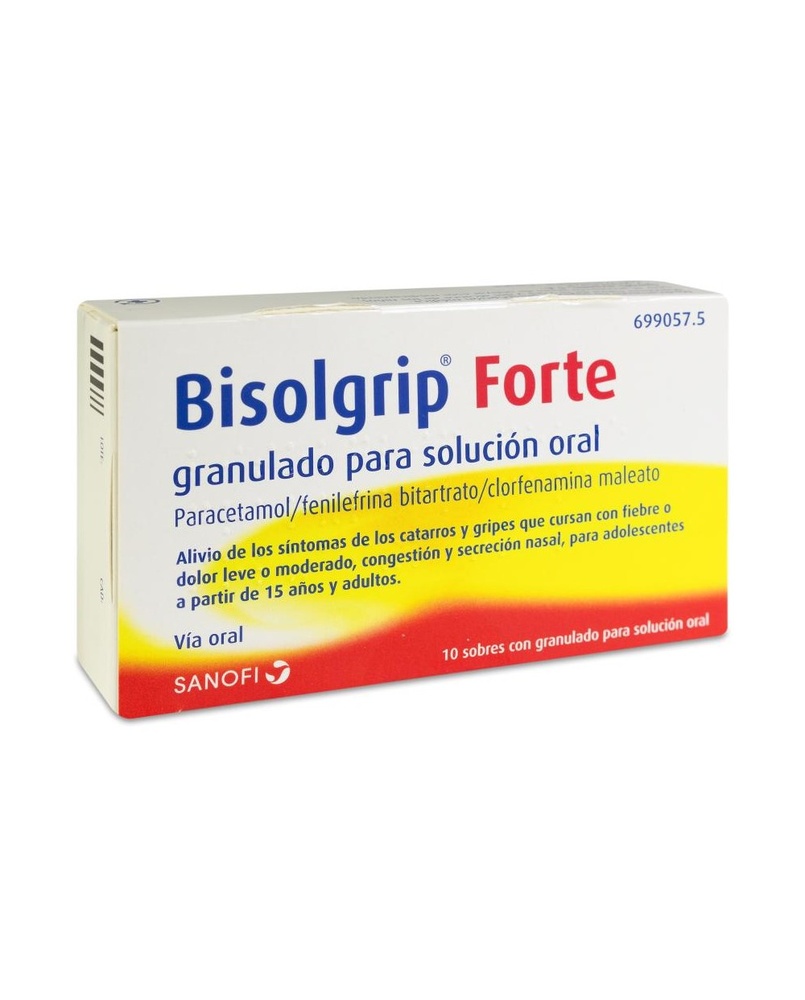
- Alternatives to PHARMAGRIP CONGESTION 600 mg/10 mg GRANULESDosage form: ORAL SOLUTION/SUSPENSION, 500 mg; 4 mg; 10 mgActive substance: paracetamol, combinations excl. psycholepticsManufacturer: Aristo Pharma Iberia S.L.Prescription not requiredDosage form: TABLET, 500 mg/200 mgActive substance: paracetamol, combinations excl. psycholepticsManufacturer: Laboratorios Cinfa S.A.Prescription not requiredDosage form: ORAL SOLUTION/SUSPENSION, 650 mg/2.8 mg/8.21 mgActive substance: paracetamol, combinations excl. psycholepticsManufacturer: Opella Healthcare Spain S.L.Prescription not required
Online doctors for PHARMAGRIP CONGESTION 600 mg/10 mg GRANULES
Discuss questions about PHARMAGRIP CONGESTION 600 mg/10 mg GRANULES, including use, safety considerations and prescription review, subject to medical assessment and local regulations.









Get PHARMAGRIP CONGESTION 600 mg/10 mg GRANULES Prescription Online
Fill in a 2-min form
Tell us your symptoms, history, and what medicine you're requesting.
Pick a doctor or let us assign
Choose a specialist or we'll match you with the next available doctor.
Doctor reviews your case
Usually within 30 minutes. They may ask follow-up questions via chat.
Collect from any pharmacy
Electronic prescription sent to your email — valid across Spain.
Frequently Asked Questions
PHARMAGRIP CONGESTION 600 mg/10 mg GRANULES does not require a prescription in Spain. You can check with a doctor online whether this medicine may be appropriate for your situation.
The active ingredient in PHARMAGRIP CONGESTION 600 mg/10 mg GRANULES is paracetamol, combinations excl. psycholeptics. This information helps identify medicines with the same composition but different brand names.
PHARMAGRIP CONGESTION 600 mg/10 mg GRANULES is manufactured by Laboratorios Cinfa S.A.. Pharmacy brands and packaging may differ depending on the distributor.
Doctors such as Family doctors, Psychiatrists, Dermatologists, Cardiologists, Endocrinologists, Gastroenterologists, Pulmonologists, Nephrologists, Rheumatologists, Hematologists, Infectious disease physicians, Allergists, Geriatricians, Paediatricians, Oncologists may assess whether PHARMAGRIP CONGESTION 600 mg/10 mg GRANULES is appropriate, depending on your situation and local regulations. You can book an online consultation to discuss your symptoms and possible next steps.
Spain has a well-developed healthcare infrastructure across major cities such as Madrid, Barcelona, Valencia, and Seville. Pharmacies are widely available and operate under strict regulations, ensuring access to prescribed medications.
You can buy PHARMAGRIP CONGESTION 600 mg/10 mg GRANULES in Madrid, Barcelona, Seville, or Valencia at any local pharmacy with a valid prescription.
To obtain a prescription, you can use Oladoctor:
Other medicines with the same active substance (paracetamol, combinations excl. psycholeptics) include ANTICATARRAL EDIGEN ORAL SOLUTION POWDER, ANTIDOL DUAL 500 mg/200 mg FILM-COATED TABLETS, BISOLGRIP FORTE GRANULES FOR ORAL SOLUTION. These may have different brand names or formulations but contain the same therapeutic ingredient. Always consult a doctor before switching or starting a new medicine.
