


Pentacarinat 300 mg injectable solution

Prescription request online
A doctor will review your case and decide whether a prescription is medically appropriate.

Talk to a doctor about this medicine
Discuss your symptoms and possible next steps in a quick online consultation.



How to use PENTACARINAT 300 mg POWDER FOR INJECTABLE SOLUTION
Contents of the leaflet
- Introduction
- What is Pentacarinat and what is it used for
- What you need to know before you use Pentacarinat
- How to use Pentacarinat
- Possible side effects
- Storage of Pentacarinat
- Contents of the pack and further information
Introduction
Package Leaflet: Information for the User
Pentacarinat 300 mg Powder for Solution for Injection
Pentamidine isethionate
Read all of this leaflet carefully before you start using this medicine because it contains important information for you.
- Keep this leaflet, you may need to read it again.
- If you have any further questions, ask your doctor, pharmacist, or nurse.
- This medicine has been prescribed for you only. Do not pass it on to others. It may harm them, even if their signs of illness are the same as yours.
- If you get any side effects, talk to your doctor, pharmacist, or nurse. This includes any possible side effects not listed in this leaflet. See section 4.
Contents of the Package Leaflet:
- What is Pentacarinat and what is it used for
- What you need to know before you use Pentacarinat
- How to use Pentacarinat
- Possible side effects
- Storage of Pentacarinat
- Contents of the pack and further information
1. What is Pentacarinat and what is it used for
Pentacarinat 300 mg Powder for Solution for Injection is a powder for injection to be administered by intramuscular or intravenous route.
The active substance of Pentacarinat is pentamidine isethionate, which is an antiprotozoal that acts in a lethal manner against the microorganisms Pneumocystis jirovecii(previously known as Pneumocystis carinii), Trypanosoma gambiense, and Leishmania, possibly by inhibiting protein synthesis.
It is indicated for the treatment of:
- Pneumocystis jiroveciipneumonia (previously known as Pneumocystis cariniipneumonia),
- cutaneous leishmaniasis,
- early stage of African sleeping sickness caused by Trypanosoma gambiense.

Not sure if this medicine is right for you?
Discuss your symptoms and treatment with a doctor online.
2. What you need to know before you use Pentacarinat
Do not use Pentacarinat
- if you are allergic to pentamidine isethionate or to any of the other ingredients of this medicine (listed in section 6).
Warnings and precautions
Consult your doctor, pharmacist, or nurse before starting treatment with Pentacarinat:
- If your liver and/or kidney function is altered, you have high or low blood pressure, your blood sugar levels are high or low, or you have a decreased number of white, red, or platelet cells in your blood.
- Due to the possibility of serious adverse reactions, sometimes with a fatal outcome, such as low blood pressure (hypotension), low blood sugar (hypoglycemia), pancreatitis, and cardiac arrhythmias.
- After a dose of Pentacarinat, your blood pressure may drop suddenly to very low levels. Therefore, your doctor will monitor your blood pressure before and during administration, as well as at regular intervals during treatment. The medicine will be administered with you in a lying position, face up.
- Due to the possibility of QT interval prolongation. Cases of serious cardiac arrhythmias (sometimes with a fatal outcome) have been reported, such as "Torsades de Pointes". Therefore, your doctor will consider the possibility of performing an electrocardiogram before starting treatment. Therefore, special care should be taken when administering Pentacarinat if you have conditions that increase the risk of arrhythmias, including patients with long QT syndrome, heart disease, history of arrhythmias, low potassium and/or low magnesium levels in the blood, bradycardia (slow heart rate), or during concomitant administration with medications that prolong the QT interval (see "Using Pentacarinat with other medicines").
- Due to the possible alteration of certain blood, urine, or liver function parameters. These should be monitored through laboratory tests, performed before, during, and after treatment:
- daily during treatment: blood urea, serum nitrogen, and creatinine, complete blood and platelet count, urine analysis, and serum electrolyte levels,
- fasting blood sugar levels, daily during treatment and at regular intervals after completion of treatment. Increased sugar levels and diabetes mellitus, with or without previous hypoglycemia, may appear even several months after treatment completion,
- calcium levels, weekly, and magnesium levels, twice a week,
- electrocardiogram at regular intervals,
- liver function tests, including bilirubin, alkaline phosphatase, aspartate aminotransferase (AST/SGOT), and alanine aminotransferase (ALT/SGPT). If baseline values are normal and remain normal during treatment, controls will be performed weekly.
If the baseline liver function test values are elevated or increase during treatment, they will be monitored weekly, unless you are being treated with drugs that may damage the liver, in which case they will be monitored every 3-5 days.
Using Pentacarinat with other medicines
Tell your doctor or pharmacist if you are using, have recently used, or might use any other medicines.
Caution is advised if you are using, at the same time as Pentacarinat:
- medicines known to prolong the QT interval, including:
- certain medicines for the treatment of arrhythmias (such as quinidine, disopyramide, and procainamide or amiodarone and sotalol),
- medicines for depression (tricyclic antidepressants or certain tetracyclic antidepressants like maprotiline),
- certain medicines for the treatment of psychoses (such as phenothiazines and pimozide),
- certain medicines for allergy (such as astemizole and terfenadine),
- antibiotics (such as quinolones, intravenous erythromycin),
- medicines for the treatment of malaria (such as halofantrine, mefloquine),
- bepridil (for the treatment of angina pectoris),
- cisapride (medicine to improve gastric motility).
- foscarnet (medicine used to treat certain viral infections), due to the risk of decreased calcium levels.
Pregnancy and breastfeeding
If you are pregnant or breastfeeding, think you may be pregnant, or are planning to have a baby, ask your doctor or pharmacist for advice before using this medicine.
Pregnancy
If you are pregnant or think you may be pregnant, do not use Pentacarinat, as the safety of using Pentacarinat during pregnancy has not been studied.
Breastfeeding
If you are breastfeeding, it is not recommended to use Pentacarinat.
Driving and using machines
Pentacarinat has no known influence on the ability to drive or use machines.
However, cases of dizziness have been reported, so this should be taken into account when driving or using machines.
3. How to use Pentacarinat
Follow exactly the administration instructions of this medicine given by your doctor.
In case of doubt, consult your doctor or pharmacist again.
If you think that the action of Pentacarinat is too strong or too weak, tell your doctor, pharmacist, or nurse.
The recommended dose for:
- Adults, children, and infants:
- Pneumocystis jirovecipneumonia: 4 mg/kg body weight of pentamidine isethionate, once a day, for at least 14 days, preferably by slow intravenous infusion. Intramuscular administration is not recommended in these cases. The IV route is the preferred route of administration for the treatment of Pneumocystis jirovecipneumonia.
- Cutaneous leishmaniasis: 4 mg/kg body weight of pentamidine isethionate, three doses on alternate days, by intramuscular or intravenous injection.
- Trypanosomiasis: 4 mg/kg body weight of pentamidine isethionate, once a day, or every other day, up to a total of 7-10 doses. The intramuscular or intravenous route can be used.
- Patient with altered renal function:
- In Pneumocystispneumonia:
- in life-threatening cases, administer 4 mg/kg body weight once a day for 7-10 days and then 4 mg/kg body weight on alternate days until completion of at least 14 doses.
- in less severe cases: administer 4 mg/kg body weight on alternate days until completion of at least 14 doses.
Intramuscular administration is not recommended in these cases. The IV route is the preferred route of administration for the treatment of Pneumocystis jirovecipneumonia.
- In cases of leishmaniasis and trypanosomiasis, it is not necessary to reduce the doses.
- Elderly patients and patients with altered liver function:
There are no special dosage recommendations for elderly patients or those with altered liver function.
Pentacarinat is administered by deep intramuscular injection or slow intravenous infusion (see "Instructions for the correct administration of the preparation by healthcare professionals").
It should always be administered with the patient in a horizontal position, both for deep intramuscular injection and for slow intravenous infusion.
The dose to be administered should be reconstituted in water for injections (see "Instructions for the correct administration of the preparation by healthcare professionals").
Your doctor will indicate the duration of your treatment with Pentacarinat. Do not stop your treatment before this, as it should continue until your doctor considers it necessary.
If you use more Pentacarinat than you should
Consult your doctor immediately. Alterations in heart rhythm, including the so-called "Torsade de Pointes", have been reported after overdose of pentamidine isethionate.
In case of overdose or accidental ingestion, consult your doctor or pharmacist immediately or call the Toxicological Information Service, telephone 91 562 04 20, indicating the medicine and the amount administered or ingested.
If you forget to use Pentacarinat
A double dose will not be administered to make up for forgotten doses.

Started taking the medicine and have questions?
Discuss your symptoms and treatment with a doctor online.
4. Possible side effects
Like all medicines, this medicine can cause side effects, although not everybody gets them.
The following side effects have been reported according to the frequencies detailed below:
Very common: may affect more than 1 in 10 people
Common: may affect up to 1 in 10 people
Uncommon: may affect up to 1 in 100 people
Rare: may affect up to 1 in 1,000 people
Very rare: may affect up to 1 in 10,000 people
Frequency not known: cannot be estimated from the available data.
Blood and lymphatic system disorders
Common:decrease in the number of white cells (leucopenia), decrease in the number of red cells (anemia), decrease in the number of platelets (thrombocytopenia)
Immune system disorders
Frequency not known: hypersensitivity reactions, including anaphylactic reactions and severe allergic reactions (anaphylactic shock), generalized urticaria accompanied by inflammation of the feet, hands, throat, lips, and respiratory tract (angioedema)
Metabolism and nutrition disorders
Very common: presence of urea or other nitrogenous substances in the blood (azotemia)
Common:low blood sugar (hypoglycemia), high blood sugar (hyperglycemia), diabetes mellitus with or without previous low blood sugar (hypoglycemia), high potassium levels in the blood (hyperkalemia), low calcium levels (hypocalcemia), low magnesium levels (hypomagnesemia)
Nervous system disorders
Common: fainting (syncope), dizziness
Frequency not known: cases of tingling, numbness (paresthesia) in the limbs, and decreased sensation (hypoesthesia) in the face or around the mouth, in children and adults, with intravenous administration of pentamidine. These effects occurred during or shortly after intravenous infusion and disappeared after completion or interruption of the infusion
Cardiac disorders
Rare:prolongation of the QT interval, alteration in heart rhythm (cardiac arrhythmia)
Frequency not known: type of tachycardia ("Torsade de Pointes"), slow heart rate (bradycardia)
Vascular disorders
Common: low blood pressure (hypotension), flushing of the skin (rubefaction)
Gastrointestinal disorders
Common: nausea and vomiting, alteration of taste
Rare:pancreatitis
Hepatobiliary disorders
Common: abnormal liver function test results
Skin and subcutaneous tissue disorders
Common: skin rash
Frequency not known: a set of symptoms known as Stevens-Johnson syndrome may appear, characterized by skin flushing accompanied by severe vesicular skin and mucous membrane reactions
Renal and urinary disorders
Very common: blood in the urine (macroscopic hematuria), decreased kidney function (acute renal failure)
General disorders and administration site conditions
Very common: local reactions ranging from simple discomfort and pain to abscesses, induration, and muscle necrosis
Frequency not known: after intramuscular administration, cases of muscle fiber destruction accompanied by myoglobin excretion in the urine (rhabdomyolysis) have been reported.
Reporting of side effects
If you experience any side effects, talk to your doctor or pharmacist. This includes any possible side effects not listed in this leaflet. You can also report side effects directly to the Spanish Medicines and Healthcare Products Agency (AEMPS) at https://www.notificaram.es. By reporting side effects, you can help provide more information on the safety of this medicine.
5. Storage of Pentacarinat
Store below 25°C.
After reconstitution, store the solution in the refrigerator between 2°C and 8°C.
Discard any unused amount if 24 hours have passed after reconstitution.
Keep this medicine out of the sight and reach of children.
Expiry date
Do not use this medicine after the expiry date which is stated on the carton. The expiry date refers to the last day of the month shown.
Medicines should not be disposed of via wastewater or household waste. Ask your pharmacist how to dispose of medicines no longer required. This will help protect the environment.
6. Contents of the pack and further information
Composition of Pentacarinat 300 mg Powder for Solution for Injection
- The active substance is pentamidine isethionate. Each vial contains 300 mg of pentamidine isethionate.
Appearance of the product and pack contents
The vial contains a white to off-white powder.
It is available in packs containing 1 vial.
Marketing authorisation holder and manufacturer
Marketing authorisation holder
The Simple Pharma Company Limited
Ground Floor, 71 Lower Baggot Street
Dublin, D02 P593
Ireland
Manufacturer
SANOFI S.r.l.
Via Valcanello, 4
03012 Anagni (FR)
Italy
Date of last revision of this leaflet: February 2021
Detailed and updated information on this medicine is available on the website of the Spanish Agency for Medicines and Healthcare Products (AEMPS) http://www.aemps.gob.es/
INSTRUCTIONS FOR THE CORRECT ADMINISTRATION OF THE PREPARATION BY HEALTHCARE PROFESSIONALS
The pentamidine isethionate powder should be reconstituted with water for injections (3 ml of water for injections). For intravenous administration, the required dose of pentamidine isethionate should be diluted, after reconstitution, in 50-250 ml of glucose solution (5%) for infusion or in 150-300 ml of sodium chloride 0.9%.
For the initial reconstitution of the pentamidine isethionate solution, saline solutions should not be used because they may cause precipitation of the medicine. The resulting solution from reconstitution should not be mixed with other injectable solutions except glucose solution (intravenous infusion) or sodium chloride 0.9%.
Illustrative image - Country of registration
- Dosage formINJECTABLE, 300 mg pentamidine isethionate
- ATC codeP01CX01
- Active substance
- Prescription requiredYes
- Manufacturer
- This information is for reference only and does not constitute medical advice. Always consult a doctor before taking any medication. Oladoctor is not responsible for medical decisions based on this content.
- Alternatives to PENTACARINAT 300 mg POWDER FOR INJECTABLE SOLUTION
 GLUCANTIME 1500 MG/5 ML INJECTABLE SOLUTIONIllustrative imageDosage form: INJECTABLE, 1.5 g meglumine antimonate/5 mlActive substance: meglumine antimonateManufacturer: Sanofi Aventis S.A.Prescription required
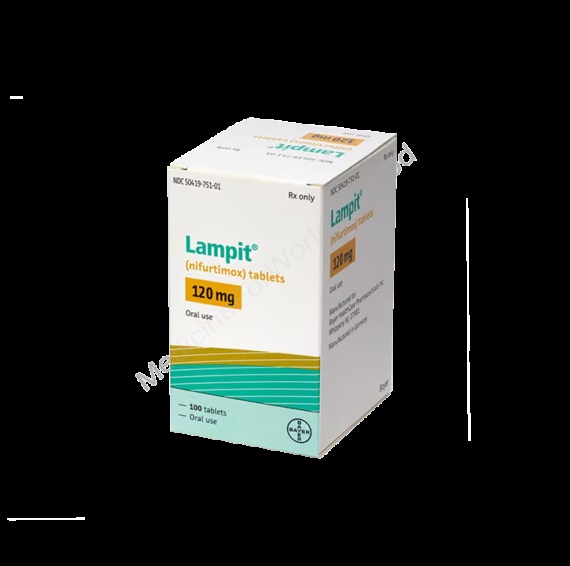 LAMPIT 120 mg TABLETSIllustrative imageDosage form: TABLET, 120 mgActive substance: nifurtimoxManufacturer: Bayer Hispania S.L.Prescription required
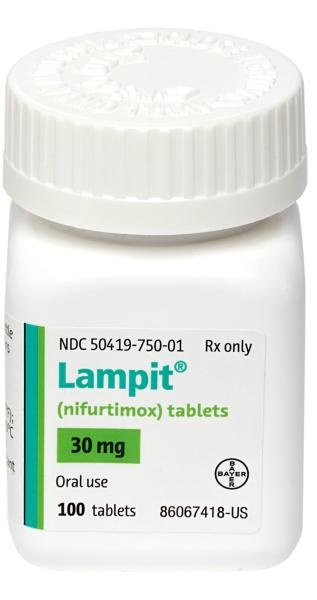 LAMPIT 30 mg TABLETSIllustrative imageDosage form: TABLET, 30 mgActive substance: nifurtimoxManufacturer: Bayer Hispania S.L.Prescription required
Online doctors for PENTACARINAT 300 mg POWDER FOR INJECTABLE SOLUTION
Discuss questions about PENTACARINAT 300 mg POWDER FOR INJECTABLE SOLUTION, including use, safety considerations and whether a prescription is appropriate, subject to medical assessment and local regulations.









Frequently Asked Questions
PENTACARINAT 300 mg POWDER FOR INJECTABLE SOLUTION requires a prescription in Spain. You can check with a doctor online whether this medicine may be appropriate for your situation.
The active ingredient in PENTACARINAT 300 mg POWDER FOR INJECTABLE SOLUTION is pentamidine isethionate. This information helps identify medicines with the same composition but different brand names.
PENTACARINAT 300 mg POWDER FOR INJECTABLE SOLUTION is manufactured by The Simple Pharma Company Limited. Pharmacy brands and packaging may differ depending on the distributor.
Doctors such as Family doctors, Dermatologists, General medicine doctors may assess whether PENTACARINAT 300 mg POWDER FOR INJECTABLE SOLUTION is appropriate, depending on your situation and local regulations. You can book an online consultation to discuss your symptoms and possible next steps.
The prescription is issued by a doctor after assessing your health. In Spain, PENTACARINAT 300 mg POWDER FOR INJECTABLE SOLUTION is then dispensed in pharmacies with that prescription. An online consultation does not guarantee that a prescription will be issued: the decision always rests with the doctor.
To request an assessment, you can use Oladoctor:
Other medicines with the same active substance (pentamidine isethionate) include GLUCANTIME 1500 MG/5 ML INJECTABLE SOLUTION, LAMPIT 120 mg TABLETS, LAMPIT 30 mg TABLETS. These may have different brand names or formulations but contain the same therapeutic ingredient. Always consult a doctor before switching or starting a new medicine.
