






How to use PAROXETINE VIR 20 mg FILM-COATED TABLETS
Translated with AI
This page provides general information and does not replace a doctor’s consultation. Always consult a doctor before taking any medication. Seek urgent medical care if symptoms are severe.
Show originalContents of the leaflet
Introduction
Paroxetina Vir 20 mg film-coated tablets EFG
Paroxetine
Read the entire leaflet carefully before starting to take the medicine.
- Keep this leaflet. You may need to read it again.
- If you have any doubts, consult your doctor or pharmacist.
- This medicine has been prescribed to you only and you should not give it to others, even if they have the same symptoms as you, as it may harm them.
- If you experience side effects, consult your doctor or pharmacist, even if they are side effects not listed in this leaflet. See section 4.
Contents of the leaflet
- What Paroxetina Vir is and what it is used for
- What you need to know before taking Paroxetina Vir
- How to take Paroxetina Vir
- Possible side effects
- Storage of Paroxetina Vir
- Package contents and additional information
1. What Paroxetina Vir is and what it is used for
Paroxetina Vir belongs to the group of medicines called antidepressants and acts on the central nervous system.
Paroxetina Vir is indicated for:
- Treatment of depression.
- Treatment of obsessive-compulsive disorders.
- Treatment of anxiety disorder.
- Treatment of social phobia.
- Treatment of generalized anxiety disorder.

2. What you need to know before taking Paroxetina Vir
Do not take Paroxetina Vir:
- If you are allergic to paroxetine or any of the components of this medicine listed in section 6.
- If you are being treated with a drug called thioridazine or with a type of medicine for the treatment of depression called monoamine oxidase inhibitors (MAOIs) or if you have been under such treatment in the last two weeks.
Warnings and precautions
Consult your doctor or pharmacist before starting to take Paroxetina Vir:
- If you have any kidney, liver, or heart problems.
- If you have had manic episodes.
- If you have epilepsy or if you have seizures.
- If you have diabetes.
- If you have any disease that causes high eye pressure (glaucoma).
- If you have bruises or bleed easily, are being treated with any medicine that may increase bleeding, or if you are pregnant (see "Pregnancy").
- If you are taking neuroleptics (for the treatment of mental illnesses).
- If you are taking any product that contains St. John's Wort.
Be especially careful with Paroxetina Vir if you are over 65 years old, as this medicine may reduce the amount of sodium in the blood and cause drowsiness and muscle weakness. If you experience these symptoms, please consult your doctor as soon as possible.
Some medicines in the group to which Paroxetina Vir belongs (called SSRIs/SNRIs) may cause symptoms of sexual dysfunction (see section 4). In some cases, these symptoms persist after treatment is discontinued.
Like other medicines of this type, relief from your symptoms will not occur immediately. Improvement usually begins to be noticed in a few weeks. Sometimes, symptoms of depression or other psychiatric conditions may include thoughts of self-harm or suicide. It is possible that these symptoms will continue or increase until the full antidepressant effect of the medicine is achieved. Inform your doctor immediately or go to the nearest hospital if you have dangerous thoughts or feelings during the initial treatment period or at any other time during treatment.
Children and adolescents
Paroxetine should not be used in the treatment of children and adolescents under 18 years of age.
Also, you should know that in patients under 18 years of age, there is a greater risk of adverse effects such as suicidal attempts, suicidal thoughts, and hostility (mainly aggression, confrontational behavior, and irritation) when taking paroxetine. Nevertheless, the doctor may prescribe paroxetine to patients under 18 years of age when they decide it is most convenient for the patient. If your doctor has prescribed paroxetine to you or your child under 18 years of age and you want to discuss this decision, consult your doctor. You should inform your doctor if any of the symptoms mentioned above appear or begin when you or your child under 18 years of age are taking paroxetine. The long-term effects of paroxetine on safety, related to growth, maturity, and cognitive and behavioral development in this age group, have not yet been demonstrated.
In studies conducted with paroxetine in patients under 18 years of age, frequent adverse effects that affected less than 1 in 10 children or adolescents were: increased thoughts and attempts of suicide, self-harm, hostile, aggressive, or unfriendly behavior, loss of appetite, tremors, abnormal sweating, hyperactivity (having too much energy), agitation, unstable emotions (including crying and mood changes), and appearance of bruises or bleeding (such as nosebleeds). These effects were also observed in patients included in these studies who did not take paroxetine, although with less frequency.
When discontinuing treatment with paroxetine, some patients under 18 years of age reported having adverse effects. These effects were very similar to those observed in adults who discontinued treatment with paroxetine (see section 3). Additionally, patients under 18 years of age frequently experienced (affecting less than 1 in 10) stomach pain, nervousness, and unstable emotions (including crying, mood changes, self-harm, suicidal thoughts, and attempts).
Suicidal thoughts and worsening of your depression or anxiety disorder
If you are depressed and/or have anxiety disorders, you may sometimes have thoughts of harming yourself or committing suicide. These may increase at the beginning of treatment with antidepressants, as all these medicines take time to work, which is usually a few weeks but can sometimes be longer.
It is more likely to happen to you:
- If you have previously had thoughts of suicide or self-harm.
- If you are a young adult. There is information from clinical trials that shows an increased risk of suicidal behavior in adults under 25 years of age with psychiatric illnesses who were being treated with some antidepressant.
- If you have thoughts of self-harm or suicide at any time, consult your doctor or go to the hospital immediately.
It may be helpful for you to explain to a family member or close friend that you are depressed or have anxiety disorders and ask them to read this leaflet. You can also ask them to tell you if they think your depression or anxiety is getting worse, or if they are concerned about changes in your behavior.
Important side effects observed with paroxetine
Some patients who take paroxetine develop a disorder called akathisia and feel restless and unable to sit or stay still. Other patients develop the so-called "serotonin syndrome" and may have some or all of the following symptoms: confusion, restlessness, sweating, tremors, chills, hallucinations (strange visions or sounds), sudden jerky movements, or increased heart rate. Consult your doctor if you have any of these symptoms. For more information on this or other side effects of paroxetine, see section 4.
Other medicines and Paroxetina Vir
Tell your doctor or pharmacist if you are taking, have recently taken, or may take any other medicine, including those obtained without a prescription.
Especially, Paroxetina Vir may alter the effect of the following medicines:
- Other antidepressants.
- Those for treating mental illnesses (neuroleptics).
- Those for treating epilepsy.
- Lithium, which is used for the treatment of manias.
- Cimetidine (for the treatment of stomach discomfort).
- Procyclidine, for the treatment of Parkinson's disease.
- Those that contain tryptophan.
- Those that may increase the risk of bleeding or alter blood coagulation (e.g., oral anticoagulants, acetylsalicylic acid, and others).
- Some medicines used to treat patients with irregular heartbeats (arrhythmias).
- Metoprolol, which is used for the treatment of high blood pressure, irregular heartbeats (arrhythmias), and angina.
- Migraine treatments
- Tramadol (used for pain)
- Antibiotics (linezolid)
- Metabolism inhibitors.
Taking Paroxetina Vir with food and drinks
As with all medicines of this type, it is advisable to avoid consuming alcohol while taking Paroxetina Vir.
Take your medicine in the morning, preferably with breakfast. The tablets should be swallowed whole, with water, and preferably with food. The tablets should not be chewed.
Pregnancy and breastfeeding
Consult your doctor or pharmacist before taking a medicine. Do not take Paroxetina Vir while pregnant or breastfeeding, unless your doctor advises you to do so.
Pregnancy
Inform your doctor immediately if you discover that you are pregnant or if you plan to become pregnant. Your doctor may recommend gradually stopping treatment with Paroxetina Vir or continuing with it. Some studies have suggested a possible increase in the risk of heart defects in newborns whose mothers received Paroxetina Vir in the first months of pregnancy. These studies showed that less than 2% of children whose mothers received paroxetine at the beginning of their pregnancy had some heart problems, compared to 1% observed in the general population.
If you take Paroxetina Vir in the final stage of pregnancy, there may be a greater risk of abundant vaginal bleeding shortly after delivery, especially if you have a history of bleeding disorders. Your doctor or midwife should know that you are taking Paroxetina Vir to advise you.
Driving and using machines
During treatment with Paroxetina Vir, you may feel drowsy or dizzy. Do not drive or operate tools or machines until you know how the treatment with Paroxetina Vir affects you.
3. How to take Paroxetina Vir
Follow the administration instructions of the medicine contained in this leaflet or as indicated by your doctor or pharmacist. In case of doubt, ask your doctor or pharmacist.
Do not forget to take your medicine.
Your doctor will indicate whether you should increase or decrease the dose of the medicine during the treatment period, as well as the duration of the treatment.
It is recommended to administer Paroxetina Vir once a day, in the morning, with breakfast. The tablets should be swallowed whole, with water, and preferably with food. The tablets should not be chewed.
You should continue taking your medicine even if you do not notice improvement, as it may take several weeks for the medicine to start working.
Adults
Depression
The recommended dose is 1 tablet (20 milligrams) per day in adults, and the dose may be increased up to 50 milligrams per day.
Obsessive-compulsive disorder
The recommended dose is 2 tablets (40 milligrams) per day, starting with 20 milligrams per day, up to a maximum of 60 milligrams per day.
Anxiety disorder
The recommended dose is 2 tablets (40 milligrams) per day, starting with 10 milligrams per day, up to a maximum of 60 milligrams per day.
Social phobia
The recommended dose is 1 tablet (20 milligrams) per day in adults, and the dose may be increased up to 50 milligrams per day.
Generalized anxiety disorder
The recommended dose is 1 tablet (20 milligrams) per day, and the dose may be increased up to 50 milligrams per day.
Elderly patients
The recommended initial doses are the same as for adults. In this group of patients, the maximum dose is 40 milligrams per day.
Children and adolescents
The use of Paroxetina Vir is not recommended in children under 18 years of age (see section 2).
Patient with renal or hepatic insufficiency
If you have renal or hepatic insufficiency, you should take smaller doses than usual. Inform your doctor if you have any kidney or liver disorder before starting treatment.
If you think the effect of Paroxetina Vir is too strong or too weak, tell your doctor or pharmacist.
If you take more Paroxetina Vir than you should
If you have taken more Paroxetina Vir than you should, consult your doctor or pharmacist immediately or contact the Toxicology Information Service, phone: 915 620 420, indicating the medicine and the amount used.
Follow the dosage regimen set by your doctor. It is unlikely that taking more than one dose will be dangerous, even if the entire contents of a package are consumed. If this happens, go to your doctor without delay or contact the emergency department of the nearest hospital.
Treatment includes the usual general measures used in case of overdose with any antidepressant. Gastric content evacuation will be performed by inducing vomiting, gastric lavage, or both. After gastric evacuation, 20 to 30 grams of activated charcoal will be administered every 4-6 hours during the first 24 hours after ingestion. Conservative treatment with monitoring of vital signs and observation of the patient is also recommended.
If you forget to take Paroxetina Vir
Do not take a double dose to make up for forgotten doses.
If you forget to take Paroxetina Vir, take it as soon as you remember, and the next day, take your usual dose at the corresponding time.
If you forget to take Paroxetina Vir throughout the day, do not take a double dose the next day.
If you stop taking Paroxetina Vir
If you suddenly stop taking Paroxetina Vir, some disorders due to withdrawal may appear, such as dizziness, sensory disturbances, headache, sleep disturbances, agitation, or anxiety, nausea, and sweating, which are mild to moderate and decrease spontaneously. Your doctor will advise you on how to gradually stop treatment to avoid these symptoms.
Children may experience additional symptoms when stopping treatment, such as stomach pain, nervousness, and mood changes.

4. Possible Adverse Effects
Like all medications, this medication can produce adverse effects, although not all people will experience them.
Some patients may experience these effects during treatment or when stopping it.
Possible Adverse Effects During Treatment
Some people may be allergic to some medications, although this occurs very rarely (less than 1 person in every 10,000). If you experience any of the following symptoms while taking Paroxetina Vir, inform your doctor immediately or go to the nearest hospital:
- Swelling of the face, eyelids, lips, mouth, or tongue.
- Skin rashes or hives (itching on the skin) anywhere on the body.
- Difficulty breathing or swallowing.
If any adverse reaction is observed, which may or may not be related to Paroxetina Vir, consult your doctor or pharmacist.
The adverse effects that may appear very frequently (more than 1 person in every 10) when taking Paroxetina Vir are:
- Nausea. This effect may be reduced by taking your medication in the morning after breakfast.
- Sexual dysfunction (lack of orgasm, and in men, abnormal erection and ejaculation).
The following adverse effects may be frequent (more than 1 person in every 100 and less than 1 person in every 10):
- Decreased appetite.
- Insomnia (lack of sleep) or drowsiness.
- Dizziness, tremors.
- Blurred vision.
- Dry mouth, diarrhea, constipation.
- Sweating, weakness.
- Weight gain.
The adverse effects that may appear infrequently (more than 1 person in every 1,000 and less than 1 person in every 100) during treatment with Paroxetina Vir include:
- Ecchymosis (purple discoloration produced by blood accumulation under the skin, bleeding from mucous membranes).
- Confusion.
- Hallucinations.
- Extrapyramidal effects (movement and coordination disorders)
- Sinus tachycardia (alteration of heart rhythm)
- Transient increases or decreases in blood pressure, usually in patients with high blood pressure or anxiety.
- Skin rashes (spots on the skin), itching on the skin.
- Urinary retention
- Decreased white blood cell count.
The adverse effects that may appear rarely (more than 1 person in every 10,000 and less than 1 person in every 1,000) during treatment with Paroxetina Vir include:
- Hyponatremia (decrease in the amount of sodium in the blood), especially in older people, which can lead to symptoms such as weakness and drowsiness (feeling of sleep).
- Seizures.
- Manic reactions (of euphoria).
- Vaginal bleeding, stomach mucosa bleeding. Agitation.
- Anxiety.
- Panic attacks.
- Bradycardia (decrease in heart rate). Increase in liver enzymes.
- Galactorrhea (abundant or excessive secretion of breast milk). Involuntary body movements, including the face.
- Muscle and joint pain.
The adverse effects that may appear very rarely (less than 1 person in every 10,000) are:
- Serotonin syndrome; symptoms may include agitation, confusion, diaphoresis (abnormal sweating), hallucinations, hyperreflexia (increased reflex response), myoclonus (involuntary movements), chills, tachycardia, and tremors.
- Liver effects such as hepatitis (inflammation of the liver), sometimes related to jaundice (yellowing of skin and mucous membranes) and/or liver failure.
- Photosensitivity (sensitivity to sunlight).
- Syndrome of inadequate secretion of antidiuretic hormone (SIADH) (a hormone that produces water and electrolyte imbalance).
- Fluid and water retention, leading to fatigue, weakness, or confusion).
- Acute glaucoma (high pressure inside the eye).
- Peripheral edema (fluid retention in the limbs).
- Stomach mucosa bleeding.
- Thrombocytopenia (decrease in the number of platelets in the blood).
- Priapism (abnormal and prolonged erection of the penis).
Adverse effects of unknown frequency:
- Teeth grinding
- Colon inflammation (causing diarrhea)
- Abundant vaginal bleeding shortly after childbirth (postpartum hemorrhage), see "Pregnancy" in section 2 for more information.
Possible Adverse Effects When Stopping Treatment
Studies have shown that 3 out of every 10 people have reported having symptoms when stopping treatment with Paroxetina Vir, compared to 2 out of every 10 patients when stopping placebo treatment. It is more likely that these symptoms will appear if you have been taking Paroxetina Vir for a long time, are in a dose-increase phase, or if the dose is decreased very quickly. In most cases, the symptoms disappear on their own within two weeks.
When stopping treatment with Paroxetina Vir, your doctor will indicate that you should do it gradually, which will reduce the possibility of having adverse effects. Consult your doctor if you experience severe adverse effects when stopping treatment with Paroxetina Vir; your doctor may recommend continuing treatment and reducing it later in a slower manner. If you experience any adverse effect, it does not mean that you will not be able to stop your treatment.
Among the adverse effects that may appear frequently (more than 1 person in every 100 and less than 1 person in every 10) when stopping treatment are:
- Dizziness, instability.
- Sensory alterations, including sensations of pins and needles, burning, and, less frequently, sensations of electroshock type (even in the head).
- Sleep alterations (including very vivid dreams, nightmares, insomnia). Anxiety.
- Headache.
Among the adverse effects that may appear infrequently (more than 1 person in every 1,000 and less than 1 person in every 100) when stopping treatment are:
- Nausea.
- Sweating (including night sweats).
- Agitation.
- Tremors.
- Confusion.
- Emotional instability.
- Visual alterations.
- Palpitations.
- Diarrhea.
- Irritability.
The adverse effects that are most frequently observed (more than 1 person in every 100 and less than 1 person in every 10) in children and adolescents under 18 years of age are:
- Decreased appetite.
- Tremors (involuntary shaking).
- Abnormal sweating.
- Hyperactivity.
- Hostile/unfriendly behavior (mainly in children under 12 years old with obsessive-compulsive disorders).
- Agitation.
- Emotional instability, including crying, mood changes, self-harm attempts, suicidal thoughts, and attempts (occurred mainly in studies of adolescents with major depression).
The additional adverse effects that are frequently observed in children and adolescents under 18 years of age who stop treatment with Paroxetina Vir are: emotional instability (including crying, mood changes, self-harm attempts, suicidal thoughts, and attempts), abdominal pain, and nervousness.
If any of these symptoms start to become bothersome or worsen, inform your doctor.
If any other adverse reaction not described in this prospectus is observed, consult your doctor or pharmacist.
Reporting Adverse Effects
If you experience any type of adverse effect, consult your doctor, pharmacist, or nurse, even if it is a possible adverse effect that does not appear in this prospectus. You can also report them directly through the Spanish Pharmacovigilance System for Human Use Medications. Website: www.notificaram.es. By reporting adverse effects, you can contribute to providing more information on the safety of this medication.
5. Conservation of Paroxetina Vir
Keep this medication out of the reach and sight of children.
No special storage conditions are required.
Do not use this medication after the expiration date that appears on the packaging after CAD. The expiration date is the last day of the month indicated.
Medications should not be thrown away through the sewers or in the trash. Deposit the packaging and medications that you no longer need in the SIGRE Point of the pharmacy. In case of doubt, ask your pharmacist how to dispose of the packaging and medications that you no longer need. This way, you will help protect the environment.
6. Package Contents and Additional Information
Composition of Paroxetina Vir
- The active ingredient is paroxetine (hydrochloride).
- The other components (excipients) are:
- Core: sodium glycolate starch, microcrystalline cellulose, magnesium stearate, and mannitol.
- Coating: white opadry (partially hydrolyzed polyvinyl alcohol, titanium dioxide (E 171), xanthan gum (E 415), soy lecithin (E 322), talc) and polymethacrylate
Appearance of the Product and Package Contents
Paroxetina Vir is presented in film-coated tablets in packages containing 14, 28, 30, and 56 tablets.
Marketing Authorization Holder and Manufacturer
Industria Química y Farmacéutica VIR, S.A.
C/Laguna 66-70, Polígono Industrial URTINSA II
28923 Alcorcón (Madrid)
Spain
This prospectus was revised in December 2020
Detailed and updated information on this medication is available on the website of the Spanish Agency for Medicines and Health Products (AEMPS) http://www.aemps.gob.es
-

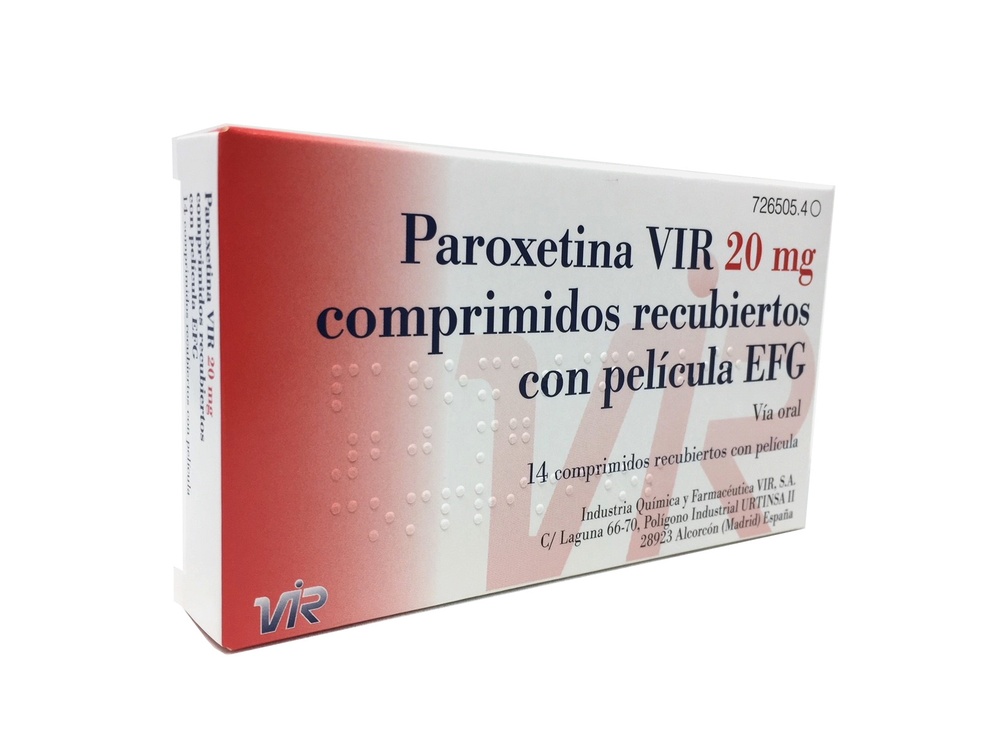
- Country of registration
- Dosage formTABLET, 20 mg paroxetine
- ATC codeN06AB05
- Average pharmacy price3.04 EUR
- Active substance
- Prescription requiredYes
- Manufacturer
- This information is for reference only and does not constitute medical advice. Always consult a doctor before taking any medication. Oladoctor is not responsible for medical decisions based on this content.
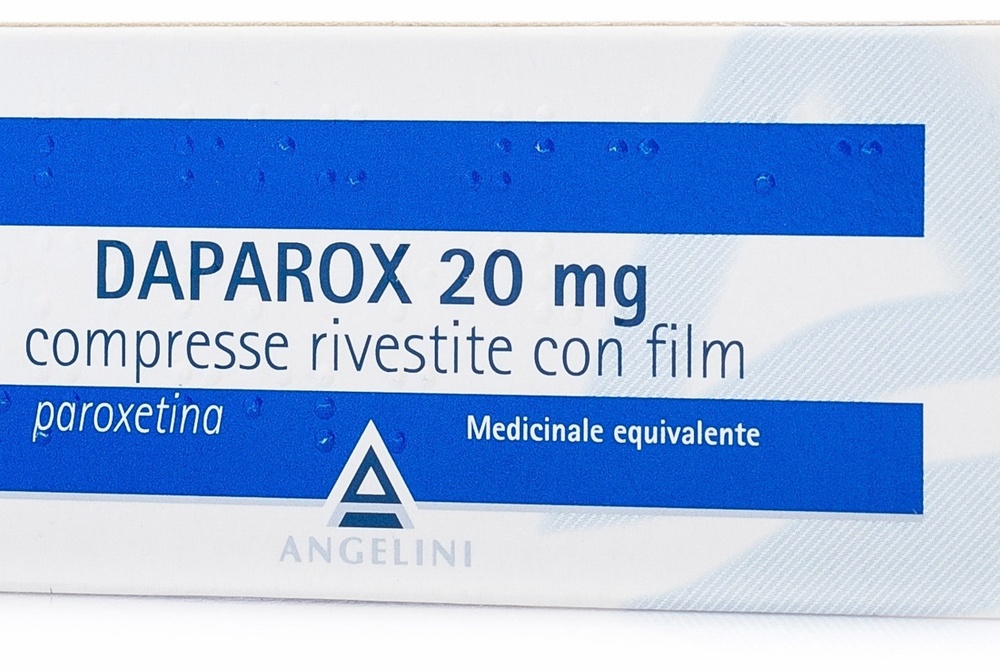
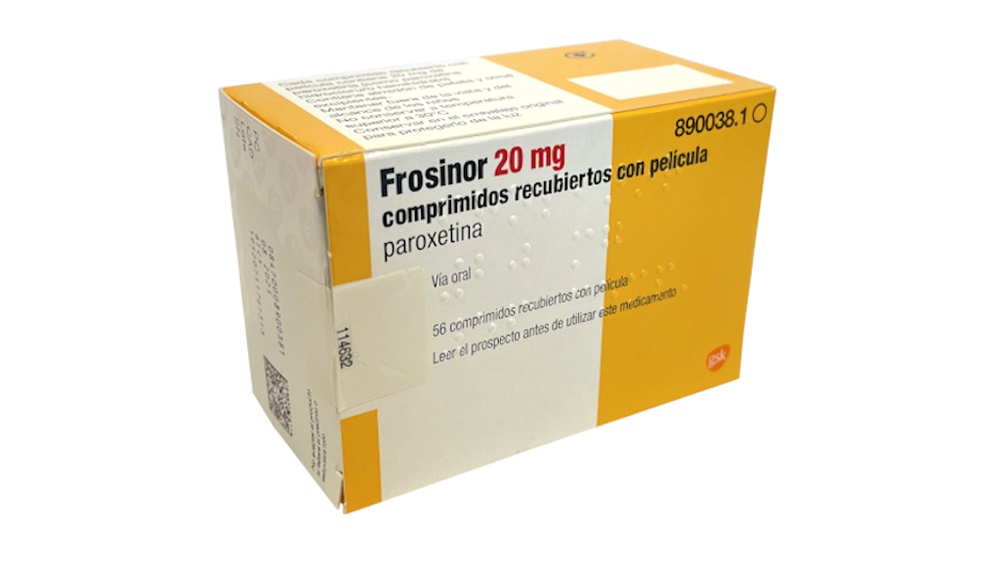
- Alternatives to PAROXETINE VIR 20 mg FILM-COATED TABLETSDosage form: TABLET, 20 mgActive substance: paroxetineManufacturer: Angelini Pharma Espana S.L.Prescription requiredDosage form: ORAL SOLUTION/SUSPENSION DROPS, 33 mg paroxetine/ mlActive substance: paroxetineManufacturer: Angelini Pharma Espana S.L.Prescription requiredDosage form: TABLET, 20 mgActive substance: paroxetineManufacturer: Glaxosmithkline S.A.Prescription required
Online doctors for PAROXETINE VIR 20 mg FILM-COATED TABLETS
Discuss questions about PAROXETINE VIR 20 mg FILM-COATED TABLETS, including use, safety considerations and prescription review, subject to medical assessment and local regulations.






Get PAROXETINE VIR 20 mg FILM-COATED TABLETS Prescription Online
Fill in a 2-min form
Tell us your symptoms, history, and what medicine you're requesting.
Pick a doctor or let us assign
Choose a specialist or we'll match you with the next available doctor.
Doctor reviews your case
Usually within 30 minutes. They may ask follow-up questions via chat.
Collect from any pharmacy
Electronic prescription sent to your email — valid across Spain.
Frequently Asked Questions
PAROXETINE VIR 20 mg FILM-COATED TABLETS requires a prescription in Spain. You can check with a doctor online whether this medicine may be appropriate for your situation.
The active ingredient in PAROXETINE VIR 20 mg FILM-COATED TABLETS is paroxetine. This information helps identify medicines with the same composition but different brand names.
The average pharmacy price for PAROXETINE VIR 20 mg FILM-COATED TABLETS is around 3.04 EUR. Prices may vary depending on the manufacturer and dosage form.
PAROXETINE VIR 20 mg FILM-COATED TABLETS is manufactured by Industria Quimica Y Farmaceutica Vir S.A.. Pharmacy brands and packaging may differ depending on the distributor.
Doctors such as Family doctors, Psychiatrists, Dermatologists, Cardiologists, Endocrinologists, Gastroenterologists, Pulmonologists, Nephrologists, Rheumatologists, Hematologists, Infectious disease physicians, Allergists, Geriatricians, Paediatricians, Oncologists may assess whether PAROXETINE VIR 20 mg FILM-COATED TABLETS is appropriate, depending on your situation and local regulations. You can book an online consultation to discuss your symptoms and possible next steps.
Spain has a well-developed healthcare infrastructure across major cities such as Madrid, Barcelona, Valencia, and Seville. Pharmacies are widely available and operate under strict regulations, ensuring access to prescribed medications.
You can buy PAROXETINE VIR 20 mg FILM-COATED TABLETS in Madrid, Barcelona, Seville, or Valencia at any local pharmacy with a valid prescription.
To obtain a prescription, you can use Oladoctor:
Other medicines with the same active substance (paroxetine) include DAPAROX 20 mg FILM-COATED TABLETS, DAPAROX 33 mg/ml ORAL SOLUTION DROPS, FROSINOR 20 mg FILM-COATED TABLETS. These may have different brand names or formulations but contain the same therapeutic ingredient. Always consult a doctor before switching or starting a new medicine.
