







How to use PANTOMICINA 1g POWDER FOR SOLUTION FOR INFUSION
Translated with AI
This page provides general information and does not replace a doctor’s consultation. Always consult a doctor before taking any medication. Seek urgent medical care if symptoms are severe.
Show originalContents of the leaflet
- Introduction
- What Pantomicina 1g Powder for Solution for Infusion is and what it is used for
- What you need to know before you use Pantomicina 1g Powder for Solution for Infusion
- How to use Pantomicina 1g Powder for Solution for Infusion
- Possible Side Effects
- Storage of Pantomicina 1g Powder for Solution for Infusion
- Container Content and Additional Information
Introduction
Package Leaflet: Information for the User
Pantomicina 1g Powder for Solution for Infusion
erythromycin lactobionate
Read all of this leaflet carefully before you start using this medicine because it contains important information for you.
- Keep this leaflet, you may need to read it again.
- If you have any further questions, ask your doctor, pharmacist, or nurse.
- This medicine has been prescribed for you only. Do not pass it on to others. It may harm them, even if their signs of illness are the same as yours.
- If you get any side effects, talk to your doctor, pharmacist, or nurse. This includes any possible side effects not listed in this leaflet. See section 4.
Contents of the Package Leaflet
- What Pantomicina 1g Powder for Solution for Infusion is and what it is used for
- What you need to know before you use Pantomicina 1g Powder for Solution for Infusion
- How to use Pantomicina 1g Powder for Solution for Infusion
- Possible side effects
- Storage of Pantomicina 1g Powder for Solution for Infusion
- Contents of the pack and other information
1. What Pantomicina 1g Powder for Solution for Infusion is and what it is used for
Pantomicina 1g Powder for Solution for Infusion contains the active substance erythromycin lactobionate, an antibiotic belonging to a group called macrolides.
Antibiotics are used to treat bacterial infections and are not effective against viral infections such as flu or the common cold. It is essential to follow the instructions regarding dosage, administration interval, and treatment duration as indicated by your doctor. Do not store or reuse this medicine. If you have any leftover antibiotic after completing treatment, return it to the pharmacy for proper disposal. Do not throw medicines down the drain or in the trash. |
Pantomicina 1g Powder for Solution for Infusion is indicated for the treatment of:
- Lung infection (such as pneumonia)
- Skin, muscle, tendon, and fat infections
- Inflammation of the digestive tract (enterocolitis) and frequent soft stools (diarrhea)
- Pertussis
- Diphtheria (a severe bacterial infection that causes throat pain, fever, inflammation of the glands, and weakness)
- Urethritis (inflammation of the tube that empties the bladder), cervicitis (inflammation of the cervix), or inflammation of the rectal mucosa (the last part of the digestive tube)
- Conjunctivitis in newborns caused by Chlamydia trachomatis.
- Lymphogranuloma venereum (a sexually transmitted infection caused by a microorganism called Chlamydia trachomatis).

2. What you need to know before you use Pantomicina 1g Powder for Solution for Infusion
Do not use Pantomicina 1g Powder for Solution for Infusion
- If you are allergic to erythromycin or any of the other components of this medicine (listed in section 6).
- If you are allergic to other macrolide antibiotics.
- If you are taking terfenadine or astemizole (antihistamines used to treat allergies), cisapride (used for intestinal movement problems), pimozide (an antipsychotic), and ergotamine or dihydroergotamine (used to treat migraines).
- If you have abnormally low levels of potassium or magnesium in your blood (hypomagnesemia or hypokalemia).
- If you or a family member has a history of heart rhythm disorders (ventricular cardiac arrhythmia or torsades de pointes) or an alteration in the electrocardiogram (heart electrical record) called "prolonged QT interval syndrome".
- If you are currently taking a medicine called Lomitapide (used to reduce increased blood fats, such as cholesterol and triglycerides). Taking this medicine at the same time as erythromycin can cause an increase in liver enzymes (transaminases), which indicates that the liver is under stress and can cause liver problems.
Warnings and Precautions
Consult your doctor, pharmacist, or nurse before starting to use Pantomicina 1g Powder for Solution for Infusion:
- In long-term or repeated treatment, there is a possibility of spread of non-sensitive bacteria or fungi. If this type of infection appears, treatment should be stopped and appropriate measures taken. Local infection areas may require drainage along with antibacterial therapy.
Children
If a baby or child is receiving antibiotics and is irritable or vomits when feeding, you should inform your doctor immediately. There is a risk that the child may develop a severe stomach disorder called pyloric stenosis.
Using Pantomicina 1g Powder for Solution for Infusion with other medicines
Tell your doctor, pharmacist, or nurse if you are using, have recently used, or might use any other medicine.
It is especially important that you inform them if you are taking any of the following medicines and treatments.
This is also important if you are taking medicines called:
- Corticosteroids, administered orally, by injection, or inhaled (used to help inhibit the action of the body's immune system. This is useful for treating a wide variety of diseases).
- Hydroxychloroquine or chloroquine (used to treat diseases such as rheumatoid arthritis or to treat or prevent malaria). Taking these medicines at the same time as erythromycin can increase the chances of suffering from abnormal heart rhythms and other serious side effects that affect the heart.
The administration of Pantomicina 1g Powder for Solution for Infusion may increase the effect of:
- Medicines for treating anxiety (such as benzodiazepines or hexobarbital)
- Ergot alkaloids (medicines for treating migraines)
- Carbamazepine (medicine for treating epileptic seizures)
- Cyclosporin (medicine for treating rheumatic diseases and preventing transplant rejection)
- Medicines for treating allergies (such as terfenadine, astemizole, and mizolastine)
- Medicines for treating fungal infections (such as fluconazole, ketoconazole, and itraconazole)
- Medicines for reducing blood lipid levels (such as lovastatin and simvastatin)
- Rifabutin (medicine for treating tuberculosis)
- Anticoagulants, e.g., warfarin, acenocoumarol, and rivaroxaban (used to thin the blood)
- Digoxin (medicine for treating heart problems)
- Omeprazole (medicine for treating heartburn and indigestion)
- Treatment for reflux (such as cisapride)
- Pimozide (medicine used to treat behavioral problems)
- Theophylline (medicine for treating asthma and other respiratory problems such as chronic obstructive pulmonary disease (COPD))
- Alfentanil (medicine used to anesthetize the patient before surgery)
- Bromocriptine (medicine for treating Parkinson's disease)
- Anti-inflammatory medicines (such as methylprednisolone)
- Cilostazol (medicine for treating leg pain caused by poor circulation)
- Vinblastine (medicine for treating cancer)
- Sildenafil (medicine for treating erectile dysfunction)
- Treatment for heart rhythm disorders or malaria (such as quinidine)
- Colchicine (medicine for treating joint problems, such as gout and arthritis)
- Zopiclone (medicine for treating sleep disorders)
The following medicines may reduce the effect of Pantomicina 1g Powder for Solution for Infusion:
- Rifampicin (for treating some infections),
- Phenytoin, carbamazepine, phenobarbital (treatment of seizures) and
- St. John's Wort (herbal medicine for treating depression)
The administration of Pantomicina 1g Powder for Solution for Infusion may decrease the effect of:
- Contraceptives (medicines used for birth control)
- Anti-HIV treatments called protease inhibitors
- Treatments for infections (such as clindamycin, lincomycin, chloramphenicol, streptomycin, tetracyclines, colistin)
The use of Pantomicina 1g Powder for Solution for Infusion along with calcium channel blockers, such as verapamil, can cause a drop in blood pressure, a decrease in heart rate, or acidification of the blood.
The use of Pantomicina 1g Powder for Solution for Infusion along with cimetidine (a medicine used to treat ulcers) can cause an increase in Pantomicina levels in the blood.
Pregnancy, Breastfeeding, and Fertility
If you are pregnant or breastfeeding, think you may be pregnant, or are planning to have a baby, ask your doctor or pharmacist for advice before using this medicine.
Pantomicina 1g Powder for Solution for Infusion should only be used during pregnancy and breastfeeding if your doctor thinks it is necessary and follows their recommendations. The safety of erythromycin during pregnancy has not been established. Erythromycin crosses the placental membrane and also appears in breast milk.
Information from studies on the risk of congenital anomalies is not consistent, but some studies have reported cardiac anomalies after the use of Pantomicina 1g Powder for Solution for Infusion at the beginning of pregnancy. It is essential to use effective contraceptive methods during treatment with this medicine (see section "Using Pantomicina 1g Powder for Solution for Infusion with other medicines").
Driving and Using Machines
Treatment with Pantomicina has a mild influence on the ability to drive or use machines.
3. How to use Pantomicina 1g Powder for Solution for Infusion
Follow the instructions for administration of this medicine exactly as indicated by your doctor. If you are in doubt, consult your doctor or pharmacist again. This medicine will always be administered by a doctor or nurse.
The recommended dose is
For the treatment of severe infections in adults and children, the recommended intravenous dose is 15 to 20 mg/kg/day. In cases of very severe infections, higher doses may be used, up to 4 g/day.
For the treatment of "Legionnaires' disease", although the optimal doses have not been established, the recommended doses, according to known clinical data, are 1 to 4 g per day in divided doses.
For the treatment of acute inflammatory disease of the pelvis caused by N. gonorrhoeaein women who are hypersensitive to penicillin, administer 500 mg of erythromycin lactobionate every 6 hours for 3 days, followed by 250 mg of erythromycin orally every 6 hours for 7 days.
Elderly Patients
Elderly patients usually require lower doses than adult patients. It is more likely that adverse reactions will occur in these patients. Your doctor will provide you with special information about the necessary precautions, doses, and follow-up.
If you are given more Pantomicina 1g Powder for Solution for Infusion than you should
No type of poisoning has been described with the intravenous administration of erythromycin. If hypersensitivity manifestations occur, treatment should be discontinued and appropriate therapy initiated: administration of adrenaline, steroids, etc.
In case of overdose or accidental ingestion, consult the Toxicology Information Service, phone: 91 562 04 20.
If you have any other questions about the use of this product, ask your doctor or pharmacist.

4. Possible Side Effects
Like all medicines, this medicine can cause side effects, although not everybody gets them.
Contact your doctor or pharmacist as soon as possible if you experience the following side effects:
- Sudden rash, difficulty breathing, and fainting (anaphylactic reaction)
- Pancreatitis, liver inflammation.
- Worsening of a disease called myasthenia gravis.
- Narrowing of the stomach outlet area called pylorus in children**.
- Diarrhea caused by antibiotic use (pseudomembranous colitis).
- Severe skin disorders (conditions known as Stevens-Johnson syndrome, toxic epidermal necrolysis, and erythema multiforme).
- Yellowing of the skin and/or eyes, lack of energy, and loss of appetite (symptoms of liver problems such as hyperbilirubinemia, liver inflammation with cholestasis, jaundice, and liver failure) and alteration of liver function.
- Skin inflammation called angioedema.
- Kidney inflammation.
- Abnormal heart rhythms (such as palpitations, faster heart rate, irregular heartbeat potentially leading to death called torsades de pointes or abnormal ECG tracing);
- Contact a doctor immediately if you experience a severe skin reaction: a red and scaly rash with bumps under the skin and blisters (pustular exanthematous). The frequency of this side effect is considered unknown (cannot be estimated from the available data).
The following side effects have been observed with the administration of this medicine:
Very common (may affect more than 1 in 10 people):
Stomach pain
Nausea
Vomiting
Diarrhea
Lack of appetite (anorexia).
Common (may affect up to 1 in 10 people):
Increased liver enzymes and bilirubin
Skin rash.
Uncommon (may affect up to 1 in 100 people):
Allergic reactions in the form of hives that cause intense itching.
Rare (may affect up to 1 in 1,000 people):
Reversible hearing loss*
Very rare (may affect up to 1 in 10,000 people):
Disorientation
Hallucinations
Seizures
Dizziness
Hearing noises in the ear (tinnitus)
State of confusion
Sensation of rotational movement (vertigo)
Frequency not known (cannot be estimated from the available data):
Low levels of white blood cells (eosinophilia)
Hallucinations
Visual impairment
Deafness
Drop in blood pressure (hypotension)
Itching
Chest pain
Pain at the injection site ***
Fever
Malaise.
- Erythromycin in intravenous infusion at the highest doses (4 g of erythromycin or higher per day) may rarely cause reversible hearing loss.
** Hypertrophic pyloric stenosis in children
*** Sometimes venous irritation and pain have been found; if the infusion is administered slowly, preferably by continuous or intermittent intravenous infusion in no less than 20 to 60 minutes, this effect can be minimized.
If you think any of the side effects you are experiencing are serious or if you notice any side effects not mentioned in this leaflet, tell your doctor or pharmacist.
Reporting of Side Effects
If you experience any side effects, talk to your doctor or pharmacist, even if it is possible side effects not listed in this leaflet. You can also report them directly through the Spanish Pharmacovigilance System for Human Use Medicines: https://www.notificaram.es. By reporting side effects, you can help provide more information on the safety of this medicine.
5. Storage of Pantomicina 1g Powder for Solution for Infusion
Keep this medicine out of the sight and reach of children.
This medicine does not require special storage conditions.
Do not use this medicine after the expiry date which is stated on the packaging after the abbreviation EXP. The expiry date is the last day of the month shown.
Do not use this medicine if you notice that the packaging is damaged or shows signs of tampering.
Medicines should not be disposed of via wastewater or household waste. Place the packaging and any unused medicine in the SIGRE Pointof the pharmacy. If you are unsure, ask your pharmacist how to dispose of the packaging and any unused medicine. This will help protect the environment.
6. Container Content and Additional Information
Composition of Pantomicina 1g powder for solution for perfusion
- The active ingredient is erythromycin (in the form of lactobionate).
Appearance of the Product and Container Content
Liofilized powder for solution for perfusion in 1 sterile vial
Marketing Authorization Holder and Manufacturer
Holder:
Amdipharm Limited
Unit 17
Northwood House
Northwood Crescent
Northwood
Dublin 9
D09 V504
Ireland
Local Representative
Ferrer Internacional, S.A.
Gran Vía Carlos III, 94
08028 Barcelona, Spain
Manufacturer
DELPHARM SAINT REMY
Rue de l'Isle
Saint Remy sur Avre,
28380, – France
Date of the Last Revision of this Leaflet: February 2023
Detailed and updated information on this medicinal product is available on the website of the Spanish Agency for Medicines and Health Products (AEMPS) (http://www.aemps.gob.es/)
- Country of registration
- Dosage formINJECTABLE PERFUSION, 1 g erythromycin
- ATC codeJ01FA01
- Active substance
- Prescription requiredYes
- Manufacturer
- This information is for reference only and does not constitute medical advice. Always consult a doctor before taking any medication. Oladoctor is not responsible for medical decisions based on this content.
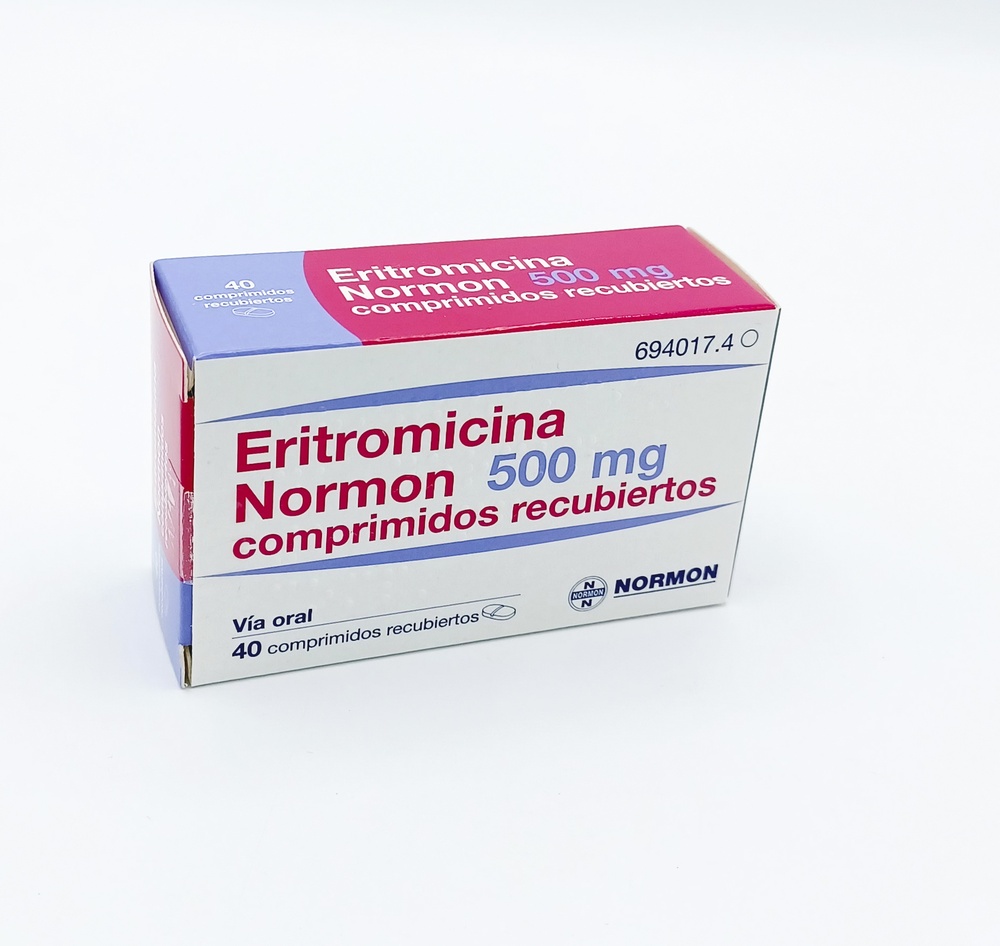
- Alternatives to PANTOMICINA 1g POWDER FOR SOLUTION FOR INFUSIONDosage form: TABLET, Erythromycin Ethylsuccinate 500 mgActive substance: erythromycinManufacturer: Laboratorios Normon S.A.Prescription requiredDosage form: INJECTABLE PERFUSION, 50 mg/mlActive substance: erythromycinManufacturer: PanpharmaPrescription requiredDosage form: ORAL SOLUTION/SUSPENSION, 500 mg erythromycin ethylsuccinate/5 mlActive substance: erythromycinManufacturer: Amdipharm LimitedPrescription required


Online doctors for PANTOMICINA 1g POWDER FOR SOLUTION FOR INFUSION
Discuss questions about PANTOMICINA 1g POWDER FOR SOLUTION FOR INFUSION, including use, safety considerations and prescription review, subject to medical assessment and local regulations.









Get PANTOMICINA 1g POWDER FOR SOLUTION FOR INFUSION Prescription Online
Fill in a 2-min form
Tell us your symptoms, history, and what medicine you're requesting.
Pick a doctor or let us assign
Choose a specialist or we'll match you with the next available doctor.
Doctor reviews your case
Usually within 30 minutes. They may ask follow-up questions via chat.
Collect from any pharmacy
Electronic prescription sent to your email — valid across Spain.
Frequently Asked Questions
PANTOMICINA 1g POWDER FOR SOLUTION FOR INFUSION requires a prescription in Spain. You can check with a doctor online whether this medicine may be appropriate for your situation.
The active ingredient in PANTOMICINA 1g POWDER FOR SOLUTION FOR INFUSION is erythromycin. This information helps identify medicines with the same composition but different brand names.
PANTOMICINA 1g POWDER FOR SOLUTION FOR INFUSION is manufactured by Amdipharm Limited. Pharmacy brands and packaging may differ depending on the distributor.
Doctors such as Family doctors, Psychiatrists, Dermatologists, Cardiologists, Endocrinologists, Gastroenterologists, Pulmonologists, Nephrologists, Rheumatologists, Hematologists, Infectious disease physicians, Allergists, Geriatricians, Paediatricians, Oncologists may assess whether PANTOMICINA 1g POWDER FOR SOLUTION FOR INFUSION is appropriate, depending on your situation and local regulations. You can book an online consultation to discuss your symptoms and possible next steps.
Spain has a well-developed healthcare infrastructure across major cities such as Madrid, Barcelona, Valencia, and Seville. Pharmacies are widely available and operate under strict regulations, ensuring access to prescribed medications.
You can buy PANTOMICINA 1g POWDER FOR SOLUTION FOR INFUSION in Madrid, Barcelona, Seville, or Valencia at any local pharmacy with a valid prescription.
To obtain a prescription, you can use Oladoctor:
Other medicines with the same active substance (erythromycin) include ERYTHROMYCIN NORMON 500 mg FILM-COATED TABLETS, ERYTHROMYCIN PANPHARMA 1 g POWDER FOR SOLUTION FOR INFUSION, PANTOMICINA 100mg/ml ORAL SUSPENSION GRANULES. These may have different brand names or formulations but contain the same therapeutic ingredient. Always consult a doctor before switching or starting a new medicine.
