


Pantecta 40 mg comprimidos gastrorresistentes

Prescription request online
A doctor will review your case and decide whether a prescription is medically appropriate.

Talk to a doctor about this medicine
Discuss your symptoms and possible next steps in a quick online consultation.



How to use PANTECTA 40 mg GASTRO-RESISTANT TABLETS
Contents of the leaflet
- Introduction
- What is Pantecta and what is it used for
- What you need to know before you take Pantecta
- How to take Pantecta
- Possible side effects
- Storage of Pantecta
- Package Contents and Additional Information
Introduction
Package Leaflet: Information for the User
Pantecta 40 mg Gastro-Resistant Tablets
pantoprazole
Read all of this leaflet carefully before you start taking this medicine because it contains important information for you.
- Keep this leaflet, you may need to read it again.
- If you have any further questions, ask your doctor, pharmacist, or nurse.
- This medicine has been prescribed for you only. Do not pass it on to others. It may harm them, even if their signs of illness are the same as yours.
- If you get any side effects, talk to your doctor, pharmacist, or nurse. This includes any possible side effects not listed in this leaflet. See section 4.
Contents of the pack and other information
- What is Pantecta and what is it used for
- What you need to know before you take Pantecta
- How to take Pantecta
- Possible side effects
5 Storage of Pantecta
- Contents of the pack and further information
1. What is Pantecta and what is it used for
Pantecta contains the active substance pantoprazole
- Pantecta is a selective inhibitor of the "proton pump", a medicine that reduces the amount of acid produced in your stomach. It is used for the treatment of diseases related to stomach and intestine acid.
Pantecta is used in adults and adolescents from 12 years of age to treat:
- Reflux esophagitis. It is an inflammation of your esophagus (the tube that connects your throat to your stomach) accompanied by acid regurgitation from the stomach.
Pantecta is used in adults to treat:
- Infection with a bacterium called Helicobacter pylori in patients with stomach and/or duodenal ulcers in combination with two antibiotics (eradication treatment). The goal is to get rid of the bacteria and thus reduce the likelihood of ulcer recurrence
- Stomach and duodenal ulcers,
- Zollinger-Ellison syndrome and other conditions in which too much acid is produced in the stomach.

Not sure if this medicine is right for you?
Discuss your symptoms and treatment with a doctor online.
2. What you need to know before you take Pantecta
Do not take Pantecta
- If you are allergic to pantoprazole or any of the other components of this medicine (listed in section 6).
- If you are allergic to medicines that contain other proton pump inhibitors (e.g., omeprazole, lansoprazole, rabeprazole, esomeprazole).
Warnings and precautions
Consult your doctor, pharmacist, or nurse before starting to take Pantecta:
- If you have severe liver problems. Inform your doctor if you have ever had liver problems in the past. Your doctor will perform more frequent monitoring of liver enzymes, especially when you are on long-term treatment with Pantecta. In case of an increase in liver enzymes, treatment should be discontinued.
- If you have decreased body reserves of vitamin B12 or risk factors for it and receive long-term treatment with pantoprazole. Like all acid-reducing medicines, pantoprazole may reduce the absorption of vitamin B12. Consult your doctor if you notice any of the following symptoms, as they may indicate a vitamin B12 deficiency:
- Extreme fatigue or lack of energy
- Tingling
- Pain in the tongue or red tongue, mouth ulcers
- Muscle weakness
- Vision problems
- Memory problems, confusion, depression
- Consult your doctor if you are taking HIV protease inhibitors such as atazanavir (for HIV infection treatment) at the same time as pantoprazole.
- Taking a proton pump inhibitor like pantoprazole, especially for more than a year, may increase the risk of hip, wrist, or spine fractures. Inform your doctor if you have osteoporosis (reduced bone density) or if you have been told you are at risk of osteoporosis (e.g., if you are taking corticosteroids).
- If you are taking Pantecta for more than three months, it is possible that your blood magnesium levels may decrease. Low magnesium levels can cause fatigue, involuntary muscle contractions, disorientation, convulsions, dizziness, increased heart rate. If you have any of these symptoms, see your doctor immediately. Low magnesium levels can also produce a decrease in blood potassium and calcium levels. Your doctor may decide to perform periodic blood tests to monitor magnesium levels.
- If you have ever had a skin reaction after treatment with a medicine similar to Pantecta to reduce stomach acid.
- If you suffer a skin rash, especially in areas of skin exposed to the sun, consult your doctor as soon as possible, as it may be necessary to discontinue treatment with Pantecta. Remember to mention any other symptoms you may notice, such as joint pain.
- If you are scheduled to have a specific blood test (Chromogranin A).
Tell your doctor immediately,before or after taking this medicine, if you notice any of the following symptoms, which may be signs of more serious diseases:
- unintentional weight loss
- vomiting, particularly if it is repeated
- blood in the vomit: it may appear as a dark coffee grounds-like substance in your vomit
- if you notice blood in your stools, which may appear black or dark
- difficulty swallowing, or pain when swallowing
- pale appearance and feeling of weakness (anemia)
- chest pain
- stomach pain
- severe or persistent diarrhea, as Pantecta has been associated with a small increase in infectious diarrhea.
- serious skin reactions have been reported in relation to treatment with Pantecta, including Stevens-Johnson syndrome, toxic epidermal necrolysis, drug hypersensitivity with eosinophilia and systemic symptoms (DRESS), and erythema multiforme. Stop taking Pantecta and call your doctor immediately if you experience any of the symptoms related to serious skin reactions described in section 4.
Your doctor will decide if you need any additional tests to rule out a malignant disease because pantoprazole may alleviate the symptoms of cancer and could delay its diagnosis. If, despite treatment, your symptoms persist, complementary tests will be performed.
If you take Pantecta for a prolonged period (more than a year), your doctor may perform regular monitoring. You should inform your doctor of any new or unexpected symptoms or events each time you visit your doctor.
Children and adolescents
The use of Pantecta is not recommended in children as it has not been tested in children under 12 years of age.
Taking Pantecta with other medicines
Tell your doctor or pharmacist if you are taking, have recently taken, or might take any other medicines, including those obtained without a prescription.
Pantecta may affect the effectiveness of other medicines. Inform your doctor if you are taking:
- Medicines such as ketoconazole, itraconazole, and posaconazole (used to treat fungal infections) or erlotinib (used to treat certain types of cancer), as Pantecta may make these and other medicines not work properly.
- Warfarin and phenprocoumon, which affect blood coagulation. You may need additional monitoring.
- Medicines used to treat HIV infection, such as atazanavir.
- Methotrexate (used to treat rheumatoid arthritis, psoriasis, and cancer). If you are taking methotrexate, your doctor may temporarily discontinue treatment with Pantecta because pantoprazole may increase methotrexate levels in the blood.
- Fluvoxamine (used to treat depression and other psychiatric disorders). If you are taking fluvoxamine, your doctor may reduce your dose.
- Rifampicin (used to treat infections).
- St. John's Wort (Hypericum perforatum) (used to treat mild depression).
Talk to your doctor before taking Pantecta if you need to have a specific urine test (for THC, tetrahydrocannabinol).
Pregnancy, breastfeeding, and fertility
There is not enough data on the use of pantoprazole in pregnant women. It has been reported that pantoprazole is excreted in human breast milk.
If you are pregnant or breastfeeding, think you may be pregnant, or are planning to have a baby, ask your doctor or pharmacist for advice before taking this medicine.
You should only use this medicine if your doctor considers that the benefit for you is greater than the potential risk to the fetus or baby.
Driving and using machines
Pantecta has no or negligible influence on the ability to drive and use machines.
You should not drive or use machines if you experience side effects such as dizziness or blurred vision.
Pantecta contains sodium
This medicine contains less than 23 mg of sodium (1 mmol) per tablet; this is essentially "sodium-free".
3. How to take Pantecta
Follow the instructions for administration of this medicine exactly as indicated by your doctor or pharmacist. In case of doubt, consult your doctor or pharmacist again.
Method of administration:
Take the tablets 1 hour before meals without chewing or breaking them and swallow them whole with water.
The recommended dose is:
Adults and adolescents from 12 years of age:
For the treatment of reflux esophagitis:
The usual dose is one tablet per day. Your doctor may indicate an increase to 2 tablets per day. The treatment time for reflux esophagitis is usually between 4 and 8 weeks. Your doctor will indicate how long you should take this medicine.
Adults:
For the treatment of an infection with a bacterium called Helicobacter pylori in patients with stomach and/or duodenal ulcers in combination with two antibiotics (eradication treatment)
One tablet twice a day plus the two antibiotic tablets, either amoxicillin, clarithromycin, and metronidazole (or tinidazole), each taken twice a day with your pantoprazole tablet. Take the first pantoprazole tablet one hour before breakfast and the second one hour before dinner. Follow your doctor's instructions and make sure to read the leaflets of the antibiotics.
The duration of treatment is usually one to two weeks.
For the treatment of stomach and duodenal ulcers:
The usual dose is one tablet per day. The dose may be doubled by your doctor.
Your doctor will indicate how long you should take this medicine. The treatment time for stomach ulcers is usually between 4 and 8 weeks. The treatment time for duodenal ulcers is usually between 2 and 4 weeks.
For long-term treatment of Zollinger-Ellison syndrome and other conditions in which there is an increase in stomach acid secretion:
The recommended initial dose is two tablets per day. Take the two tablets one hour before a meal. Later, your doctor may adjust the dose, depending on the amount of acid secretion you produce. If you are prescribed more than two tablets per day, you should take the tablets divided into two doses per day. If you are prescribed more than four tablets per day, you will be told exactly when to stop treatment.
Patients with kidney problems:
If you have kidney problems, you should not take Pantecta for the eradication of Helicobacter pylori.
Patients with liver problems
If you have severe liver problems, you should not take more than one 20 mg pantoprazole tablet per day (for this case, 20 mg pantoprazole tablets are available).
If you have moderate or severe liver problems, you should not take Pantecta for the eradication of Helicobacter pylori.
Use in children and adolescents
The use of these tablets is not recommended in children under 12 years of age.
If you take more Pantecta than you should
Tell your doctor or pharmacist. There are no known symptoms of overdose.
If you forget to take Pantecta
Do not take a double dose to make up for forgotten doses. Take your next dose as usual.
If you stop taking Pantecta
Do not stop taking these tablets without first consulting your doctor or pharmacist.
If you have any further questions on the use of this medicine, ask your doctor or pharmacist or nurse.

Started taking the medicine and have questions?
Discuss your symptoms and treatment with a doctor online.
4. Possible side effects
Like all medicines, this medicine can cause side effects, although not everybody gets them.
If you experience any of the following side effects, stop taking these tablets and inform your doctor immediately, or contact the emergency department of the nearest hospital.
- Severe allergic reactions (rare; may affect up to 1 in 1,000 people): swelling of the tongue and/or throat, difficulty swallowing, rash (urticaria), difficulty breathing, swelling of the face of allergic origin (Quincke's edema/angioedema), intense dizziness with very rapid heartbeats and profuse sweating.
- Severe skin disorders (frequency not known; cannot be estimated from available data): you may notice one or more of the following - blisters on the skin and rapid deterioration of general conditions, erosion (including slight bleeding) of eyes, nose, mouth/lips, or genitals, or sensitivity/skin rash, particularly in areas of skin exposed to light/sun. You may also have joint pain or symptoms similar to those of the flu, fever, swollen glands (e.g., in the armpit), and blood tests may show changes in certain white blood cells or liver enzymes. (Stevens-Johnson syndrome, Lyell syndrome, erythema multiforme, subacute cutaneous lupus erythematosus, drug hypersensitivity with eosinophilia and systemic symptoms (DRESS), photosensitivity). Circular or target-shaped reddish spots on the trunk, often with blisters in the center, peeling, ulcers in the mouth, throat, nose, genitals, and eyes. These severe rashes may be preceded by fever and flu-like symptoms (Stevens-Johnson syndrome, toxic epidermal necrolysis). Generalized rash, elevated body temperature, and lymphadenopathy (DRESS or drug hypersensitivity).
- Other serious conditions (frequency not known; cannot be estimated from available data): yellowing of the skin and whites of the eyes (severe liver cell damage, jaundice), or fever, rash, increased kidney size sometimes with pain when urinating and pain in the lower back (severe kidney inflammation), which may lead to kidney failure.
Other side effects are:
- Frequent (may affect up to 1 in 10 patients): Benign polyps in the stomach.
- Uncommon (may affect up to 1 in 100 patients)
Headache; dizziness; diarrhea; feeling of dizziness, vomiting; swelling and bloating (gas); constipation; dry mouth; abdominal pain and discomfort; skin rash, exanthema, eruption; tingling; feeling of weakness, fatigue, or general malaise; sleep disturbances; hip, wrist, and spine fractures.
- Rare(may affect up to 1 in 1,000 patients)
Alteration or complete loss of taste; vision disturbances such as blurred vision; urticaria; joint pain; muscle pain; weight changes; elevated body temperature; high fever; swelling in the limbs (peripheral edema); allergic reactions; depression; breast enlargement in men.
- Very rare(may affect up to 1 in 10,000 patients)
Disorientation.
- Frequency not known(cannot be estimated from available data)
Hallucinations, confusion (especially in patients with a history of these symptoms), tingling, pinching, numbness, burning sensation, or skin rash, possibly with joint pain.
Side effects identified through blood tests:
- Uncommon(may affect up to 1 in 100 patients)
Increased liver enzymes.
- Rare(may affect up to 1 in 1,000 patients)
Increased bilirubin; increased blood fat levels; sharp drop in white blood cell granulocytes in circulation, associated with high fever.
- Very rare(may affect up to 1 in 10,000 patients)
Reduction of platelet count that could cause bleeding or more bruising than usual; reduction of white blood cell count that could lead to more frequent infections; abnormal reduction of the balance between red and white blood cell count, as well as platelets.
- Frequency not known(cannot be estimated from available data)
Decrease in sodium, magnesium, calcium, or potassium levels in the blood (see section 2).
Reporting of side effects
If you experience any side effects, talk to your doctor, pharmacist, or nurse, even if it is possible side effects not listed in this leaflet. You can also report them directly through the Spanish Pharmacovigilance System for Human Use Medicines: www.notificaRAM.es
By reporting side effects, you can help provide more information on the safety of this medicine.
5. Storage of Pantecta
Keep this medicine out of the sight and reach of children.
Do not use this medicine after the expiry date which is stated on the carton after CAD. The expiry date is the last day of the month indicated.
This medicine does not require any special storage conditions.
Medicines should not be disposed of via wastewater or household waste. Dispose of the packaging and any unused medicine in the SIGRE collection point at your pharmacy. If you are unsure, ask your pharmacist how to dispose of the packaging and any unused medicine. This will help protect the environment.
6. Package Contents and Additional Information
Composition of Pantecta
The active substance is pantoprazol. Each gastro-resistant tablet contains 40 mg of pantoprazol (as sodium sesquihydrate).
The other ingredients are:
Core: sodium carbonate (anhydrous), mannitol, crospovidone, povidone K90, calcium stearate.
Coating: hypromellose, povidone K25, titanium dioxide (E171), yellow iron oxide (E172), propylene glycol (E1520), ethyl acrylate-methacrylic acid copolymer (1:1), polysorbate 80, sodium lauryl sulfate, triethyl citrate.
Printing ink: shellac, red, black, and yellow iron oxide (E172), concentrated ammonia solution.
Appearance and Package Contents of Pantecta
Gastro-resistant tablet (tablet) yellow in color, oval, biconvex, and with the imprint “P40” on one side.
Packages: bottles (high-density polyethylene container with a low-density polyethylene screw cap) and blisters (Alu/Alu blisters) without cardboard reinforcement or with cardboard reinforcement (pocket pack).
Pantecta is available in the following package sizes:
Bottles with 7, 10, 14, 15, 24, 28, 30, 48, 49, 56, 60, 84, 90, 98, 98 (2x49), 100 gastro-resistant tablets.
Clinical packages with 50, 90, 100, 140, 140 (10x14), 150 (10x15), 700 (5x140) gastro-resistant tablets.
Blisters with 7, 10, 14, 15, 24, 28, 30, 48, 49, 56, 60, 84, 90, 98, 98 (2x49), 100, 112, 168 gastro-resistant tablets.
Clinical packages with 50, 90, 100, 140, 50 (50x1), 140 (10x14), 150 (10x15), 500, 700 (5x140) gastro-resistant tablets.
Not all package sizes may be marketed.
Marketing Authorization Holder
Takeda GmbH
Byk Gulden Strasse, 2 (Konstanz)-78467
Germany
Manufacturer
Takeda GmbH. Production site Oranienburg
Lehnitzstrasse, 70-98
(Oranienburg)-16515
Germany
or
Delpharm Novara S.r.l.
Via Crosa, 86
28065 Cerano (NO)
Italy
You can request more information about this medicine by contacting the local representative of the marketing authorization holder:
Local Representative:
Takeda Farmacéutica España, S.A.
Calle Albacete, 5, 9th floor,
Edificio Los Cubos
28027 Madrid
Spain
Phone: +34 91 790 42 22
This medicine is authorized in the Member States of the European Economic Area under the following names:
Member State Name | Medicine Name |
Austria | Pantoloc 40 mg film-coated tablets, |
Belgium | Pantozol, |
Bulgaria, Cyprus, Greece | Controloc |
Czech Republic, Estonia, Hungary, Latvia, Lithuania, Romania, Slovakia, Slovenia | Controloc 40mg |
Sweden | Pantoloc |
Finland, Norway | Somac |
France | Eupantol 40 mg |
Germany | Pantozol 40 mg |
Ireland | Protium 40 mg gastro-resistant tablets |
Italy | Pantorc |
Luxembourg | Pantozol-40 |
Poland | Controloc 40 |
Portugal | Pantoprazol ALTAN 40 mg |
Spain | Pantecta 40 mg gastro-resistant tablets |
Date of the last revision of this leaflet: 04/2023
Detailed information about this medicine is available on the website of the Spanish Agency for Medicines and Health Products (AEMPS) http://www.aemps.gob.es/

Illustrative image - Country of registration
- Dosage formTABLET, 40 mg pantoprazole
- ATC codeA02BC02
- Average pharmacy price17.48 EUR
- Active substance
- Prescription requiredYes
- Manufacturer
- CompositionCARBONATO DE SODIO ANHIDRO (10 mg mg), MANITOL (E-421) (42,7 mg mg), PROPILENGLICOL (4,25 mg mg), LAURILSULFATO DE SODIO (0,10 mg mg), POLISORBATO 80 (0,33 mg mg)
- This information is for reference only and does not constitute medical advice. Always consult a doctor before taking any medication. Oladoctor is not responsible for medical decisions based on this content.
- Alternatives to PANTECTA 40 mg GASTRO-RESISTANT TABLETS
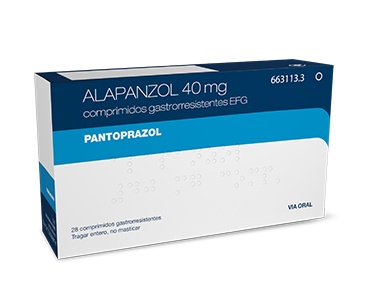 ALAPANZOL 40 mg GASTRO-RESISTANT TABLETSIllustrative imageDosage form: TABLET, 40 mgActive substance: pantoprazoleManufacturer: Especialidades Farmaceuticas Centrum S.A.Prescription required
 ANAGASTRA 20 mg GASTRO-RESISTANT TABLETSIllustrative imageDosage form: TABLET, 20 mg pantoprazoleActive substance: pantoprazoleManufacturer: Takeda GmbhPrescription required
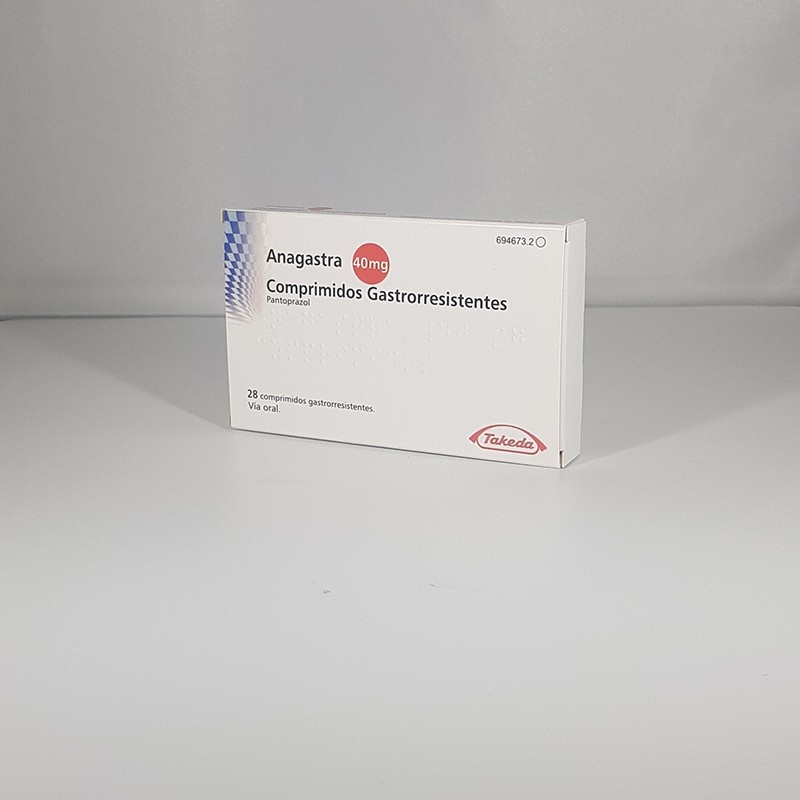 ANAGASTRA 40 mg GASTRO-RESISTANT TABLETSIllustrative imageDosage form: TABLET, 40 mg pantoprazoleActive substance: pantoprazoleManufacturer: Takeda GmbhPrescription required
Online doctors for PANTECTA 40 mg GASTRO-RESISTANT TABLETS
Discuss questions about PANTECTA 40 mg GASTRO-RESISTANT TABLETS, including use, safety considerations and whether a prescription is appropriate, subject to medical assessment and local regulations.









Frequently Asked Questions
PANTECTA 40 mg GASTRO-RESISTANT TABLETS requires a prescription in Spain. You can check with a doctor online whether this medicine may be appropriate for your situation.
The active ingredient in PANTECTA 40 mg GASTRO-RESISTANT TABLETS is pantoprazole. This information helps identify medicines with the same composition but different brand names.
The average pharmacy price for PANTECTA 40 mg GASTRO-RESISTANT TABLETS is around 17.48 EUR. Prices may vary depending on the manufacturer and dosage form.
PANTECTA 40 mg GASTRO-RESISTANT TABLETS is manufactured by Takeda Gmbh. Pharmacy brands and packaging may differ depending on the distributor.
Doctors such as Family doctors, Endocrinologists, Gastroenterologists, Oncologists, Sports medicine specialists, General medicine doctors, Lactation medicine doctors, Intensive care physicians may assess whether PANTECTA 40 mg GASTRO-RESISTANT TABLETS is appropriate, depending on your situation and local regulations. You can book an online consultation to discuss your symptoms and possible next steps.
The prescription is issued by a doctor after assessing your health. In Spain, PANTECTA 40 mg GASTRO-RESISTANT TABLETS is then dispensed in pharmacies with that prescription. An online consultation does not guarantee that a prescription will be issued: the decision always rests with the doctor.
To request an assessment, you can use Oladoctor:
Other medicines with the same active substance (pantoprazole) include ALAPANZOL 40 mg GASTRO-RESISTANT TABLETS, ANAGASTRA 20 mg GASTRO-RESISTANT TABLETS, ANAGASTRA 40 mg GASTRO-RESISTANT TABLETS. These may have different brand names or formulations but contain the same therapeutic ingredient. Always consult a doctor before switching or starting a new medicine.
