


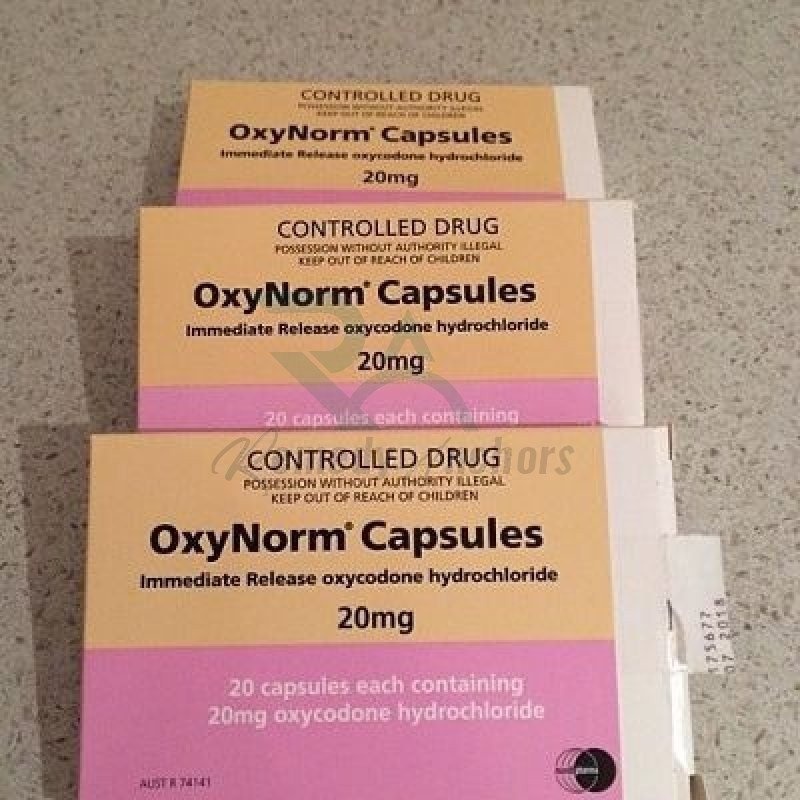
OXYNORM 20 mg HARD CAPSULES



How to use OXYNORM 20 mg HARD CAPSULES
Translated with AI
This page provides general information and does not replace a doctor’s consultation. Always consult a doctor before taking any medication. Seek urgent medical care if symptoms are severe.
Show originalContents of the leaflet
Introduction
Package Leaflet: Information for the User
OxyNorm 20 mg Hard Capsules
Oxycodone, Hydrochloride
Read all of this leaflet carefully before you start taking this medicine because it contains important information for you.
- Keep this leaflet. You may need to read it again.
- If you have any further questions, ask your doctor or pharmacist.
- This medicine has been prescribed for you only. Do not pass it on to others. It may harm them, even if their signs of illness are the same as yours.
- If you get any side effects, talk to your doctor or pharmacist. This includes any possible side effects not listed in this leaflet. See section 4.
Contents of the pack
- What OxyNorm is and what it is used for
- What you need to know before you take OxyNorm
- How to take OxyNorm
- Possible side effects
- Storing OxyNorm
- Contents of the pack and other information
1. What OxyNorm is and what it is used for
OxyNorm is a strong pain-relieving medicine, also known as an opioid, and belongs to a group of medicines called strong analgesics.
OxyNorm is used in adults and adolescents from 12 years of age to relieve severe pain, which can only be adequately managed with strong analgesics such as opioids.

2. What you need to know before you take OxyNorm
Do not take OxyNorm if:
- you are allergic (hypersensitive) to oxycodone or any of the other ingredients of OxyNorm (listed in section 6. Further information) or have had an allergic reaction to other strong painkillers such as morphine or other opioids;
- you have breathing problems, such as chronic obstructive pulmonary disease, severe bronchial asthma or severe respiratory depression. Symptoms may include slow or shallow breathing;
- you have a head injury that causes a severe headache or makes you feel sick, as this medicine may make these symptoms worse or hide the extent of the injury;
- you have a condition where your small bowel does not work properly (paralytic ileus), your stomach empties more slowly than normal (delayed gastric emptying) or you have severe abdominal pain;
- you have heart problems caused by long-term lung disease (cor pulmonale).
Warnings and precautions
Consult your doctor or pharmacist before taking OxyNorm if:
- you are elderly or debilitated;
- you have low thyroid function (hypothyroidism);
- you have myxoedema (a thyroid disorder, with dryness, coldness and swelling of the skin, affecting the face and limbs);
- you have a severe headache or feel sick, as this may indicate that the pressure in your skull is increased;
- you have low blood pressure (hypotension);
- you have pancreatitis (inflammation of the pancreas) or problems with your gall bladder or bile duct;
- you have any obstructive or inflammatory bowel disease;
- you have abdominal pain associated with constipation;
- you have an enlarged prostate gland, which causes difficulty in passing urine (in men);
- you have poor adrenal function (your adrenal gland does not work properly), e.g. Addison's disease;
- you have severe respiratory problems, such as severely impaired respiratory function, chronic obstructive pulmonary disease, severe lung disease or reduced respiratory reserve. Symptoms may include slow or shallow breathing;
- you have kidney or liver problems;
- you have experienced symptoms of withdrawal from alcohol or drugs, such as agitation, anxiety, palpitations, tremors or sweating, when you have stopped taking them;
- you or a member of your family have a history of abuse or dependence on alcohol, prescribed medicines or illegal drugs (“addiction”);
- you smoke;
- you have ever had problems with your mental health, such as depression, anxiety or a personality disorder, or have received treatment for other mental health conditions;
- you have fits or seizures;
- you have dizziness or fainting;
- you need to take increasingly higher doses of OxyNorm to achieve the same level of pain relief (tolerance);
- you experience increased sensitivity to pain;
- you are taking a type of medicine known as a monoamine oxidase inhibitor (such as tranylcypromine, phenelzine, isocarboxazid, moclobemide and linezolid), or you have taken this type of medicine in the last two weeks;
- you have constipation.
Breathing difficulties while sleeping
OxyNorm may cause breathing difficulties while sleeping (sleep apnoea) and low oxygen levels in the blood (sleep-related hypoxemia). Symptoms may include pauses in breathing during sleep, waking up during the night due to difficulty breathing, difficulty staying asleep or excessive sleepiness during the day. If you or another person observes these symptoms, consult your doctor. Your doctor may consider reducing the dose.
If you are going to have surgery, inform your doctor that you are taking these capsules.
You may experience hormonal changes while taking these capsules. Your doctor may want to monitor these changes.
The contents of the capsule should never be injected, as this may lead to serious side effects and can be fatal.
Opioids are not the first choice for treating pain that is not related to cancer and are not recommended as the only treatment. For chronic pain treatment, other medicines should be used together with opioids. Your doctor should closely monitor you and make the necessary adjustments to your dose while you are taking OxyNorm capsules to prevent addiction and abuse.
Tolerance, dependence and addiction
This medicine contains oxycodone, which is an opioid, and can cause dependence and/or addiction. |
This medicine contains oxycodone, which is an opioid medicine. Repeated use of opioid analgesics may make the medicine less effective (you become used to it, known as tolerance). Repeated use of OxyNorm may also lead to dependence, abuse and addiction, which may result in overdose and be life-threatening. The risk of these side effects increases with higher doses and longer treatment duration.
Dependence or addiction can make you feel that you are no longer in control of the amount of medicine you need to take or how often you need to take it. You may feel that you need to keep taking the medicine, even when it no longer helps your pain.
The risk of becoming dependent or addicted varies from person to person. You may have a higher risk of becoming dependent or addicted to OxyNorm:
- if you or a member of your family have a history of abuse or dependence on alcohol, prescribed medicines or illegal drugs (“addiction”);
- if you smoke;
- if you have ever had problems with your mental health, such as depression, anxiety or a personality disorder, or have received treatment from a psychiatrist for other mental health conditions.
If you notice any of the following signs while taking OxyNorm, it could be a sign that you have become dependent or addicted:
- you need to take the medicine for longer than recommended by your doctor;
- you need to take more doses than recommended;
- you are using the medicine for reasons other than those prescribed, e.g. “to feel calm” or “to help you sleep”;
- you have tried to reduce or stop taking the medicine but are unable to do so;
- you do not feel well when you stop taking the medicine and feel better once you take it again (“withdrawal symptoms”).
If you notice any of these signs, talk to your doctor to discuss the best treatment for you, including when it is appropriate to stop taking it and how to do so safely (see section 3, If you stop taking OxyNorm).
Contact your doctor if you experience severe abdominal pain that may radiate to your back, nausea, vomiting or fever, as these may be symptoms associated with pancreatitis and biliary tract disorders.
Using OxyNorm with other medicines
Concomitant use of opioids, including oxycodone, and sedating medicines, such as benzodiazepines or related medicines, increases the risk of drowsiness, breathing difficulties (respiratory depression), coma and may be life-threatening. Therefore, concomitant use should only be considered when other treatment options are not possible.
However, if your doctor prescribes OxyNorm together with sedating medicines, the dose and duration of concomitant treatment should be limited by your doctor.
Please inform your doctor about all sedating medicines you are taking, and follow your doctor's dose recommendations carefully. It may be useful to inform friends or family members to be aware of the signs and symptoms mentioned above. Contact your doctor if you experience such symptoms.
Inform your doctor or pharmacist if you are taking, have recently taken or might take any other medicines, including those obtained without a prescription. If you use these capsules with some medicines, their effect or the effect of the other medicines may be altered.
The risk of side effects increases if you are taking antidepressants (such as citalopram, duloxetine, escitalopram, fluoxetine, fluvoxamine, paroxetine, sertraline, venlafaxine). These medicines may interact with oxycodone and symptoms such as muscle twitching, agitation, excessive sweating, tremors, exaggerated reflexes, increased muscle tone and body temperature above 38°C may occur. Contact your doctor if you experience such symptoms.
Inform your doctor or pharmacist if you are taking:
- monoamine oxidase inhibitors or have taken them in the last two weeks (see section “Warnings and precautions”);
- medicines that help you sleep (e.g. hypnotics or sedatives, including benzodiazepines);
- medicines for treating depression (e.g. paroxetine or fluoxetine);
- medicines for treating psychiatric or mental disorders (such as phenothiazines or neuroleptics);
- medicines for treating epilepsy, pain, anxiety, such as gabapentin and pregabalin;
- other strong painkillers;
- muscle relaxants;
- medicines for treating high blood pressure;
- quinidine (a medicine for treating rapid heart rhythm);
- cimetidine (a medicine for stomach ulcers, indigestion or heartburn);
- medicines for treating fungal infections (such as ketoconazole, voriconazole, itraconazole or posaconazole);
- medicines used for treating bacterial infections (such as clarithromycin, erythromycin or telithromycin);
- a specific type of medicine known as protease inhibitors for treating HIV (such as boceprevir, ritonavir, indinavir, nelfinavir or saquinavir);
- rifampicin for treating tuberculosis;
- carbamazepine (a medicine for treating fits, seizures or certain types of pain);
- phenytoin (a medicine for treating fits or seizures);
- a herbal remedy called St. John's Wort (also known as Hypericum perforatum);
- antihistamines;
- medicines for treating Parkinson's disease.
Also, inform your doctor if you have been given an anaesthetic recently.
Taking OxyNorm with food, drinks and alcohol
These capsules can be taken with or without food.
Drinking alcohol while taking these capsules may cause drowsiness or increase the risk of serious side effects, such as slow or shallow breathing, and risk of respiratory failure and loss of consciousness. It is recommended not to drink alcohol while taking OxyNorm.
You should avoid drinking grapefruit juice during treatment with OxyNorm.
Pregnancy and breast-feeding:
If you are pregnant or breast-feeding, think you may be pregnant or are planning to have a baby, ask your doctor or pharmacist for advice before taking this medicine.
Pregnancy
You should not take these capsules during pregnancy and childbirth unless your doctor has told you to do so. Depending on the dose and duration of treatment with oxycodone, newborns may experience slow or shallow breathing (respiratory depression) or withdrawal symptoms.
Breast-feeding
These capsules should not be used during breast-feeding as the active substance may pass into breast milk.
Driving and using machines
These capsules may cause side effects such as dizziness that can affect your ability to drive or use machines (see section 4, “Possible side effects”). These are more likely to occur when you first start taking the medicine or when your dose is increased. If you are affected, you should not drive or operate machinery.
OxyNorm contains sodium
This medicine contains 0.076 mg of sodium laurilsulfate per capsule, which is less than 1 mmol of sodium (23 mg), i.e. essentially “sodium-free”.
3. How to take OxyNorm
Always take this medicine exactly as your doctor has told you. Check with your doctor or pharmacist if you are not sure. The label on your medicine will tell you how many capsules to take and how often.
Before starting treatment and periodically during treatment, your doctor will discuss with you how you are feeling and what you can expect when taking oxycodone, when and for how long to take it, when to contact your doctor and when to stop taking it (see also “If you stop taking OxyNorm”).
There are different strengths of this medicine available. Your doctor will decide which strength is most suitable for you.
Do not take a higher dose than that recommended by your doctor.
The capsules should be swallowed whole with a little water. You must only take the capsules by mouth.
Adults and adolescents (from 12 years of age)
The usual starting dose is 5 mg every 6 hours. The dosing interval of oxycodone may be reduced to 4 hours if necessary. Oxycodone should not be taken more than 6 times a day. However, your doctor will prescribe the dose needed to treat your pain. If you continue to have pain despite taking the capsules, talk to your doctor.
Use in children under 12 years of age
The safety and efficacy of oxycodone have not been sufficiently studied in children under 12 years of age. Therefore, treatment with oxycodone is not recommended in children under 12 years of age.
Patients with liver or kidney problems
Inform your doctor if you have liver or kidney problems, as your doctor may prescribe a different medicine or reduce the dose depending on your condition.
If you take more OxyNorm than you should or if someone accidentally takes your capsules,
In case of overdose or accidental ingestion, consult your doctor or pharmacist immediately or call the Toxicology Information Service, Telephone 91 562 04 20, indicating the medicine and the amount taken, or go to the hospital immediately.
An overdose may cause:
- a decrease in the size of your pupils
- slower and shallower breathing than normal (respiratory depression)
- drowsiness or loss of consciousness
- a decrease in muscle tone (hypotonia)
- a decrease in heart rate
- a decrease in blood pressure
- difficulty breathing due to fluid in the lungs (pulmonary oedema)
- a brain disorder (known as toxic leucoencephalopathy)
In severe cases of overdose, loss of consciousness or even death may occur. When you need medical attention, make sure to bring this leaflet with you and to have the capsules available to show your doctor.
If you have taken many capsules, never put yourself in a situation that requires you to be alert, such as driving a car.
If you forget to take OxyNorm
Do not take a double dose to make up for a forgotten dose. If you forget to take a dose, take the next dose as soon as you remember and then continue your treatment as usual. Do not take two doses in a 4-hour interval.
If you stop taking OxyNorm
Do not stop taking these capsules suddenly unless your doctor has told you to do so. If you want to stop taking this medicine, talk to your doctor first. Your doctor will tell you how to do this, by gradually reducing the dose, to avoid unpleasant withdrawal symptoms. Withdrawal symptoms such as yawning, dilated pupils, tears, runny nose, restlessness, anxiety, seizures, difficulty sleeping, palpitations, tremors or sweating may occur if you stop taking this medicine abruptly.
If you have any further questions on the use of this medicine, ask your doctor or pharmacist.

4. Possible Adverse Effects
Like all medicines, OxyNorm can cause adverse effects, although not all people suffer from them.
This medicine may cause allergic reactions, although serious allergic reactions reported are rare. Inform your doctor immediately if you suffer from sudden shortness of breath, difficulty breathing, swelling of the eyelids, face or lips, rash or itching of the skin, especially if it covers your entire body.
The most serious adverse effect is when your breathing becomes slower or weaker than normal (respiratory depression, a typical reaction to an opioid overdose).
Like all strong analgesics, there is a risk of addiction or dependence on this medicine.
Very Common
(May affect more than 1 in 10 patients)
- Constipation (your doctor may prescribe a laxative to treat this problem).
- Feeling dizzy or nauseous (these symptoms usually disappear within a few days; however, your doctor may prescribe medication to prevent vomiting if the problem continues).
- Drowsiness (it is more frequent when you start taking this medicine or when the dose is increased, but it will disappear within a few days).
- Dizziness.
- Headache.
- Itching of the skin.
Common
(May affect up to 1 in 10 patients)
- Dry mouth, loss of appetite, indigestion, abdominal pain or discomfort, diarrhea.
- Confusion, depression, feeling of unusual weakness, tremor, lack of energy, fatigue, anxiety, nervousness, difficulty sleeping, abnormal dreams and thoughts.
- Difficulty breathing, wheezing, shortness of breath.
- Difficulty urinating.
- Rash.
- Sweating, high temperature.
Uncommon
(May affect up to 1 in 100 patients)
- A disorder in which your breathing is slower and weaker than normal (respiratory depression).
- Difficulty swallowing, belching, hiccups, gas, intestinal disorders in which the intestine does not function properly (ileus), stomach inflammation, alteration of taste, ulcers or sores in the mouth.
- A disorder that can cause abnormal production of antidiuretic hormone (inappropriate antidiuretic hormone secretion syndrome).
- Feeling of dizziness or "spinning" (vertigo), hallucinations, mood changes, a feeling of extreme happiness, agitation, feeling of general malaise, memory loss, difficulty speaking, decreased sensitivity to pain or touch, tingling or numbness, seizures, epileptic fits or convulsions, abnormal gait or walking style, feeling of being outside oneself, being exceptionally hyperactive, dizziness, reduced level of consciousness, abnormal muscle rigidity or laxity.
- Impotence, decreased sexual desire, low levels of sex hormones in the blood (hypogonadism, seen in blood tests).
- Redness of the skin.
- Dehydration, weight change, thirst, swelling of the hands, ankles, or feet.
- Dryness of the skin.
- Disorders of tear production, blurred vision, reduction of pupil size.
- Need to increase the dose to achieve the same level of pain relief (tolerance).
- Ringing or buzzing in the ears.
- Swelling and irritation inside the nose, nosebleeds, alteration of voice.
- Chills.
- Chest pain.
- Inability to empty the bladder completely.
- Worsening of liver function tests (observed in blood tests).
- Withdrawal symptoms (see section 3 If you stop treatment with OxyNorm).
Rare
(May affect up to 1 in 1,000 patients)
- Feeling of "weakness" especially when standing.
- Low blood pressure.
- Hives.
Not Known
(Frequency cannot be estimated from the available data)
- Sudden wheezing, difficulty breathing, swelling of the eyelids, face or lips, skin rash or itching, especially those that cover the entire body.
- Dental alterations.
- Abdominal colic-type pain or discomfort.
- A problem that affects a valve in the intestine, which can cause intense pain in the upper abdomen (Oddi's sphincter dysfunction).
- Blockage of bile flow from the liver. This can cause itching of the skin, yellowish skin, very dark urine, and very pale stools.
- Absence of menstrual periods.
- Increased sensitivity to pain.
- Sleep apnea (interruptions of breathing during sleep).
- Aggression.
- Prolonged treatment with OxyNorm during pregnancy may produce withdrawal syndrome in newborns with a threat to their life. The symptoms seen in babies included irritability, hyperactivity, and abnormal sleep pattern, crying with high-pitched screams, tremors, sickly appearance, diarrhea, and failure to gain weight.
Reporting of Adverse Effects
If you experience any type of adverse effects, consult your doctor, pharmacist, or nurse, even if it is a possible adverse effect that does not appear in this leaflet. You can also report them directly through the Spanish Pharmacovigilance System for Human Use Medicines: www.notificaRAM.es.
By reporting adverse effects, you can contribute to providing more information on the safety of this medicine.
5. Storage of OxyNorm
Keep out of sight and reach of children. Accidental overdose in a child is dangerous and can be fatal. Store this medicine in a safe and closed place, where other people cannot access it. It can cause serious harm and be fatal to people when not prescribed to them.
Do not use the medicine after the expiration date that appears on the blister pack and carton. The expiration date is the last day of the month indicated. For example, CAD 08 2020 means that you should not take the medicine after the last day of that month, i.e., August 2020.
Do not store the capsules at a temperature above 25°C.
Medicines should not be thrown away through wastewater or household waste. Deposit the packaging and medicines you no longer need at the SIGRE point in the pharmacy. In case of doubt, ask your pharmacist how to dispose of the packaging and medicines you no longer need. This way, you will help protect the environment.
6. Package Contents and Additional Information
OxyNorm Composition
The active ingredient is oxicodone hydrochloride. Each hard capsule (capsule) contains 20 mg of oxicodone hydrochloride.
The other components are:
- microcrystalline cellulose,
- magnesium stearate,
- titanium dioxide (E171),
- iron oxide (E172),
- carmine indigo (E132),
- sodium lauryl sulfate,
- gelatin.
The printing ink contains Shellac lacquer, iron oxide (E172), and propylene glycol.
Product Appearance and Package Contents
The capsules have a hard gelatin shell marked with ONR and the concentration 20.
The color of the 20 mg capsule is pink/beige.
The capsules are packaged in blisters and then inserted into boxes. Each package contains 10, 28, 30, 56, or 112 capsules.
Only some package sizes may be marketed.
Marketing Authorization Holder and Manufacturer
Marketing Authorization Holder:Mundipharma Pharmaceuticals S.L.
Bahía de Pollensa, 11
28042 Madrid, Spain
Phone: 91 382 1870
Fax: 91 382 1871
Manufacturer:Mundipharma DC B.V.
Leusderend 16
3832 RC Leusden
Netherlands
or
Fidelio Healthcare Limburg GmbH
Mundipharmastrasse 2,
65549 Limburg
Germany
This medicine is authorized in the Member States of the European Economic Area under the following names:
Austria OxyNorm Kapseln
Republic of Ireland OxyNorm Capsules
Spain OxyNorm 20 mg hard capsules
Date of the Last Revision of this Leaflet:March 2025.
Detailed information about this medicine is available on the website of the Spanish Agency for Medicines and Health Products (AEMPS) (http://www.aemps.gob.es/)
- Country of registration
- Dosage formCAPSULE, 20 mg
- ATC codeN02AA05
- Average pharmacy price15.17 EUR
- Active substance
- Prescription requiredYes
- Manufacturer
- This information is for reference only and does not constitute medical advice. Always consult a doctor before taking any medication. Oladoctor is not responsible for medical decisions based on this content.
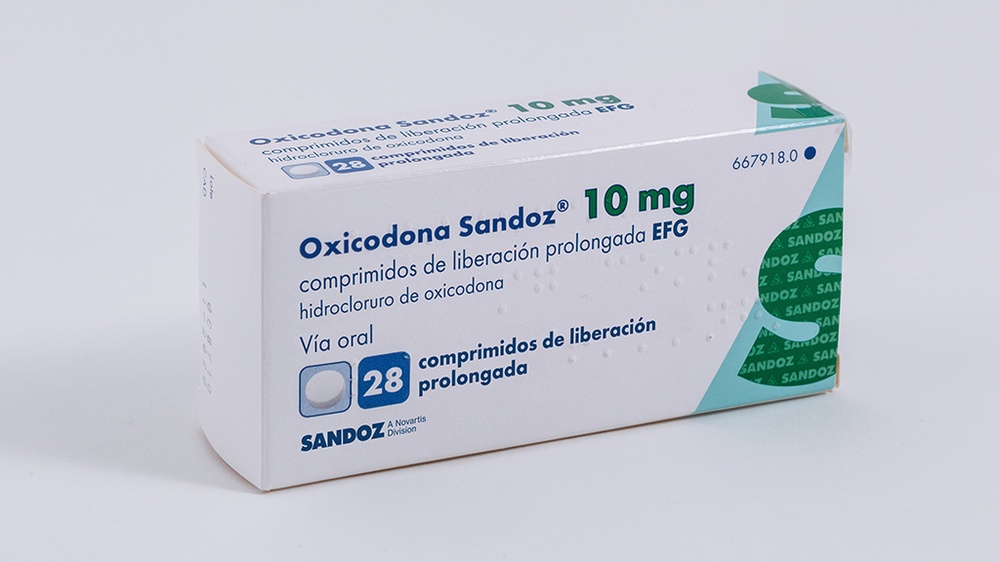
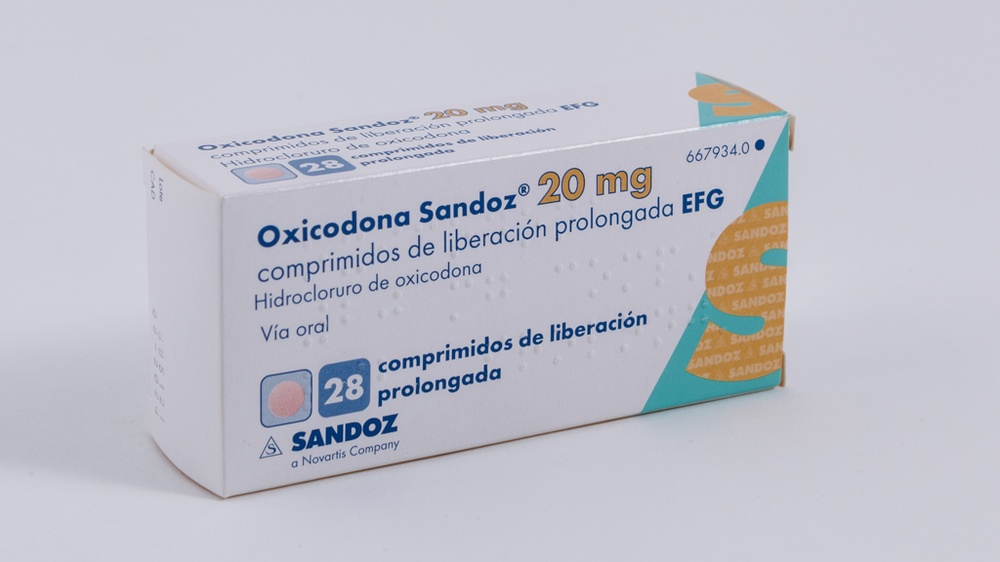
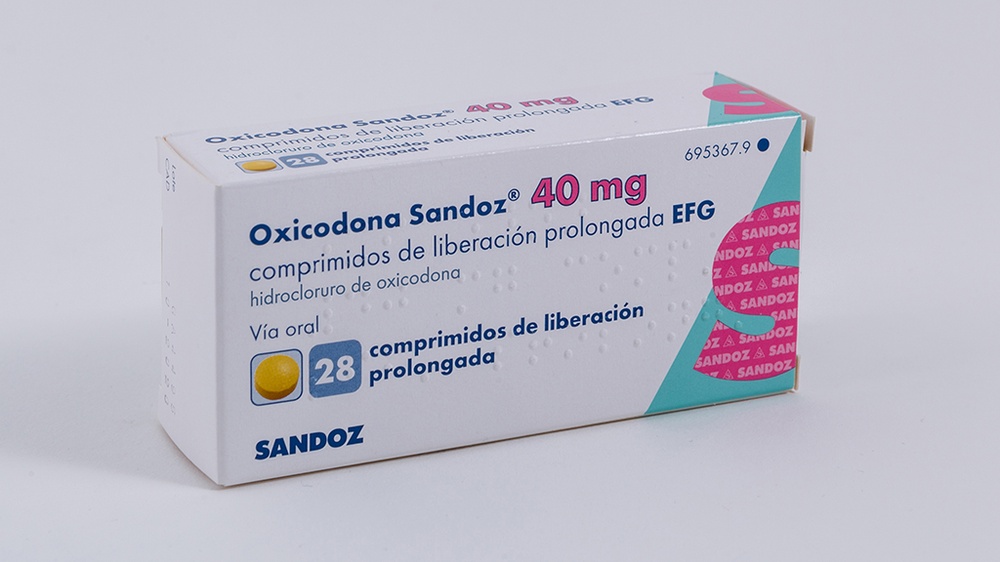
- Alternatives to OXYNORM 20 mg HARD CAPSULESDosage form: MODIFIED-RELEASE TABLET, 10 mgActive substance: oxycodoneManufacturer: Sandoz Farmaceutica S.A.Prescription requiredDosage form: MODIFIED-RELEASE TABLET, 20 mgActive substance: oxycodoneManufacturer: Sandoz Farmaceutica S.A.Prescription requiredDosage form: MODIFIED-RELEASE TABLET, 40 mgActive substance: oxycodoneManufacturer: Sandoz Farmaceutica S.A.Prescription required
Online doctors for OXYNORM 20 mg HARD CAPSULES
Discuss questions about OXYNORM 20 mg HARD CAPSULES, including use, safety considerations and prescription review, subject to medical assessment and local regulations.
.jpg)










Frequently Asked Questions
