


Oxigeno 100% pulmonary inhalation

Prescription review online
A doctor will review your case and decide whether a prescription is medically appropriate.

Talk to a doctor about this medicine
Discuss your symptoms and possible next steps in a quick online consultation.



How to use MEDICAL LIQUID OXYGEN AIR LIQUIDE 99.5% V/V MEDICINAL CRYOGENIC GAS IN MOBILE CONTAINERS
Contents of the leaflet
- Introduction
- What Medicinal Liquid Oxygen Air Liquide 99.5% v/v cryogenic medicinal gas, in mobile cryogenic containers is and what it is used for.
- What you need to know before starting to use Medicinal Liquid Oxygen Air Liquide
- How to use Medicinal Liquid Oxygen Air Liquide
- Possible side effects
- Storage of Medicinal Liquid Oxygen Air Liquide 99.5% v/v cryogenic medicinal gas, in mobile cryogenic containers
- Container Content and Additional Information
Introduction
Leaflet: Information for the User
MEDICINAL LIQUID OXYGENAIR LIQUIDE99.5% v/v cryogenic medicinal gas, in mobile cryogenic containers
Medicinal oxygen
Read this leaflet carefully before starting to use this medicine, as it contains important information for you.
- Keep this leaflet, as you may need to read it again.
- If you have any questions, ask your doctor or pharmacist.
- This medicine has been prescribed for you only and you should not give it to others, even if they have the same symptoms as you, as it may harm them.
- If you experience side effects, consult your doctor or pharmacist, even if they are not listed in this leaflet. See section 4.
Contents of the leaflet:
- What Medicinal Liquid Oxygen Air Liquide 99.5% v/v cryogenic medicinal gas, in mobile cryogenic containers is and what it is used for.
- What you need to know before starting to use Medicinal Liquid Oxygen Air Liquide 99.5% v/v cryogenic medicinal gas, in mobile cryogenic containers.
- How to use Medicinal Liquid Oxygen Air Liquide 99.5% v/v cryogenic medicinal gas, in mobile cryogenic containers.
- Possible side effects.
- Storage of Medicinal Liquid Oxygen Air Liquide 99.5% v/v cryogenic medicinal gas, in mobile cryogenic containers.
- Package contents and additional information.
1. What Medicinal Liquid Oxygen Air Liquide 99.5% v/v cryogenic medicinal gas, in mobile cryogenic containers is and what it is used for.
Medicinal Liquid Oxygen Air Liquide 99.5% v/v cryogenic medicinal gas, in mobile cryogenic containersis an inhalation gas packaged in a liquid state in mobile cryogeniccontainers.
Oxygen is an essential element for the body. Oxygen therapy is indicated in the following cases:
- Correction of oxygen deficiency of various origins that require the administration of oxygen at normal or high pressure.
- Feeding of respirators in anesthesia – resuscitation.
Administration of inhalation medications via a nebulizer.

Not sure if this medicine is right for you?
Discuss your symptoms and treatment with a doctor online.
2. What you need to know before starting to use Medicinal Liquid Oxygen Air Liquide
Do not useMedicinal Liquid Oxygen Air Liquide:
Oxygen at a pressure greater than atmospheric pressure (Hyperbaric Oxygen Therapy) should not be used in cases of untreated or undrained pneumothorax. A pneumothorax is caused by the accumulation of air in the thoracic cavity between the two lung membranes. If you have ever had a pneumothorax, inform your doctor.
Warnings and precautions
Consult your doctor, pharmacist, or nurse before starting to use Medicinal Liquid Oxygen Air Liquide.
Before starting oxygen therapy, you should know the following:
- Oxygen can have harmful effects at high concentrations. This can cause lung damage (alveolar collapse, lung inflammation), which will make it difficult to supply oxygen to the blood.
- If you have severe chronic obstructive pulmonary disease (COPD) that causes insufficient blood oxygenation, oxygen will be supplied at a low flow rate. The doctor will adjust the adequate flow rate of oxygen therapy.
- Adverse events such as eye damage in newborns, both full-term and premature, may occur. If your baby requires oxygen, the doctor will determine the appropriate concentration of oxygen to be administered.
Hyperbaric Oxygen Therapy requires precautions in cases of:
- Chronic obstructive pulmonary disease(COPD)
- Pulmonary emphysema: a lung disorder due to the loss of elasticity of lung tissue accompanied by a severe lack of air.
- Upper respiratory tract infections
- Asthmathat is not well controlled.
- Recent middle ear surgery
- Recent thoracic surgery
- Uncontrolled high fever
- History of epilepsy or seizures
- Fear of enclosed spaces(claustrophobia)
- If you have ever had a pneumothorax(accumulation of air or gas in the thoracic cavity between the two lung membranes).
- Heart problems
Recommendations related to the increased risk of fire in the presence of oxygen:
- Oxygen is an oxidizing product and favors combustion. Do not smoke or have open flames (e.g., pilot lights, stoves, ovens, gas burners, sparks, candles...) in the rooms where Medicinal Liquid Oxygen Air Liquide is used, as this increases the risk of fire.
- Do not smoke or use electronic cigarettes during oxygen therapy.
- Do not use toasters, hair dryers, or similar electrical equipment during oxygen therapy.
- Do not apply greasy substances (e.g., oils, creams, ointments) to surfaces in contact with oxygen. Only water-based products should be used on hands and face or inside the nose while using oxygen.
- The pressure regulator should be opened slowly and carefully to avoid the risk of fire.
Thermal burns can occur due to accidental fires in the presence of oxygen.
Recommendations for caregivers:
- Handle the tank with care. Make sure there is no risk of the tank falling and that it is not exposed to shocks.
- Damage to the equipment can cause obstruction in the outlet and/or incorrect information displayed on the manometer regarding the remaining oxygen content and the supplied flow, leading to insufficient or lack of oxygen administration.
- Oxygen becomes liquid at around -183°C. There is a risk of burns at such low temperatures. Always wear gloves and protective glasses when working with medicinal liquid oxygen.
Children
In premature and newborn babies, oxygen therapy can cause eye damage (retinopathy of prematurity). The doctor will determine the appropriate concentration of oxygen to be administered to ensure optimal treatment for your baby.
Other medications and Medicinal Liquid Oxygen Air Liquide
Tell your doctor or pharmacist if you are using, have recently used, or may need to use any other medication.
If you are using or have used bleomycin (to treat cancer), amiodarone (to treat heart disease), or nitrofurantoin (to treat an infection), inform your doctor before using oxygen, as there is a possibility of toxic effects on the lungs.
Prior lung damage caused by the pesticide Paraquat may worsen with oxygen administration. In case of Paraquat poisoning, oxygen supply should be avoided as much as possible.
Pregnancy and breastfeeding
Medicinal Liquid Oxygen Air Liquide can be used during pregnancy, but only if necessary.
Medicinal Liquid Oxygen Air Liquide can be used during breastfeeding.
In all situations, inform your doctor if you are pregnant or think you may be pregnant.
If you are pregnant or breastfeeding, think you may be pregnant, or plan to become pregnant, consult your doctor or pharmacist before using this medicine.
Driving and using machines
You can drive and use machines while using Medicinal Liquid Oxygen Air Liquide, provided your doctor considers you able to do so.
3. How to use Medicinal Liquid Oxygen Air Liquide
Follow exactly the administration instructions of this medicineindicated by your doctor. In case of doubt, consult your doctor again.
The doctor will determine the correct dose of Medicinal Liquid Oxygen Air Liquide 99.5% v/v cryogenic medicinal gas, in mobile cryogenic containersand will administer it through a system suitable for your needs, ensuring the supply of the correct amount of oxygen.
If you think the effect of Medicinal Liquid Oxygen Air Liquide 99.5% v/v cryogenic medicinal gas, in mobile cryogenic containersis too strong or too weak, tell your doctor.
If you use more Medicinal Liquid Oxygen Air Liquide than you should
If you have used more Medicinal Liquid Oxygen Air Liquide 99.5% v/v cryogenic medicinal gas, in mobile cryogenic containersthan you should, consult your doctor, pharmacist, or call the Toxicology Information Service, phone 91 562 04 20, immediately.
The oxygen concentration inhaled should be reduced, and treatment of symptoms is recommended.
In situations of vulnerability, excessive administration of Medicinal Liquid Oxygen Air Liquide can affect respiratory function and, in exceptional cases, cause adverse neurological effects that can lead to loss of consciousness in extreme situations.
Prolonged use of Medicinal Liquid Oxygen Air Liquide in excess can cause pain associated with breathing, dry cough, and even difficulty breathing. If these symptoms of overdose appear, consult your doctor or go to the nearest hospital.
If you have any other questions about the use of this product, ask your doctor or pharmacist.

Started taking the medicine and have questions?
Discuss your symptoms and treatment with a doctor online.
4. Possible side effects
Like all medicines, this medicine can cause side effects, although not everybody gets them.
Side effects usually appear at high concentrations and after prolonged treatment:
Very common (may affect more than 1 in 10 people):
In newborns exposed to high concentrations of oxygen: eye damage, which can result in vision problems.
With hyperbaric treatment: ear pain, myopia, barotrauma (damage caused to body tissues or organs by a change in pressure).
Common (may affect up to 1 in 10 people):
With hyperbaric treatment: seizures.
Uncommon (may affect up to 1 in 100 people):
Lung collapse.
With hyperbaric treatment: rupture of the eardrum.
Rare (may affect up to 1 in 1,000 people):
With hyperbaric treatment: shortness of breath, abnormally low blood sugar levels in diabetic patients.
Frequency not known (cannot be estimated from the available data):
Breathing-related pain and dry cough, dryness in the mucous membranes, local irritation, and inflammation of the mucosa.
With hyperbaric treatment: difficulty breathing, involuntary muscle contraction, dizziness, hearing impairment, acute serous otitis, nausea, abnormal behavior, decreased peripheral vision, visual changes, clouding of the lens (cataract).
Contact with liquid oxygen causes frostbite.
Reporting of side effects
If you experience any side effects, consult your doctor, pharmacist, or nurse, even if they are not listed in this leaflet. You can also report them directly through the Spanish Medicines Monitoring System: www.notificaRAM.es. By reporting side effects, you can help provide more information on the safety of this medicine.
5. Storage of Medicinal Liquid Oxygen Air Liquide 99.5% v/v cryogenic medicinal gas, in mobile cryogenic containers
Keep this medicine out of the sight and reach of children.
Do not use this medicine after the expiration date stated on the label. The expiration date is the last day of the month indicated.
Special storage precautions:
- Mobile cryogenic containers must be installed in clean, well-ventilated areas without flammable materials. The storage of gases intended for medicinal use must be separate from gases intended for other uses.
- Mobile cryogenic containers will be protected from shocks and falls, particularly the filling, emptying, and safety elements, from ignition or heat sources, from temperatures above 50°C, and from combustible materials.
- During the transportation of mobile cryogenic containers, possible risks caused by over-oxygenation must be monitored and controlled.
No parking should be done in the area where the mobile cryogenic containers are filled.
6. Container Content and Additional Information
Composition of Medicinal Oxygen Liquid Air Liquide 99.5% v/v Cryogenic Medical Gas, in Mobile Cryogenic Containers
The active ingredient is medicinal oxygen. The concentration of medicinal oxygen is greater than 99.5% v/v.
It does not contain other components.
Appearance of the Product and Container Content
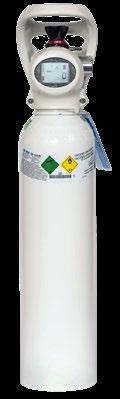
Medicinal Oxygen Liquid Air Liquide 99.5% v/v Cryogenic Medical Gas, in Mobile Cryogenic Containersis an inhalation gas that is packaged in a liquid state in mobile cryogenic containers. The containers can be made of stainless steel with the following volumes:
Container Type | Size (liters) | Water Capacity (liters) | Oxygen Gas Released at 1 Atmosphere and 15°C (m3) | Product Weight (kg) |
29-liter Mobile Cryogenic Container | 29 | 31 | 25 | 31 |
30-liter Mobile Cryogenic Container | 30 | 31 | 25 | 34 |
31-liter Mobile Cryogenic Container | 31 | 31 | 24 | 33 |
32-liter Mobile Cryogenic Container | 32 | 33 | 26 | 35 |
41-liter Mobile Cryogenic Container | 41 | 41 | 33 | 44 |
45-liter Mobile Cryogenic Container | 45 | 47 | 37 | 50 |
46-liter Mobile Cryogenic Container | 46 | 46 | 37 | 50 |
180-liter Mobile Cryogenic Container | 180 | 196 | 156 | 212 |
240-liter Mobile Cryogenic Container | 240 | 261 | 208 | 282 |
650-liter Mobile Cryogenic Container | 650 | 707 | 563 | 765 |
Marketing Authorization Holder and Manufacturer
Marketing Authorization Holder
AIR LIQUIDE Santé INTERNATIONAL – 75, Quai D`Orsay
75007 Paris (FRANCE)
Manufacturer
Air Liquide Healthcare España, S.L.
Polígono Industrial A Uceira, Vial 7, parcela B12-13, 32500
O Carballiño, Ourense – Spain
Air Liquide Healthcare España, S.L.
Polígono Industrial Son Llaüt, calle Guillem Bujosa i Rosselló, nº 26, 07320
Santa María del Camí, Baleares – Spain
Air Liquide Healthcare España, S.L.
Polígono Industrial El Prado, C/ Zaragoza, nº 43, 06800
Mérida, Badajoz – Spain
Air Liquide Healthcare España, S.L.
Polígono Industrial Güimar, Manzana III, Parcela 16-17, 38509
Candelaria, Sta. Cruz de Tenerife – Spain
Air Liquide Healthcare España, S.L.
Polígono Industrial Moncada III, C/ Moroder, 1, 46113
Moncada, Valencia – Spain
Air Liquide Healthcare España, S.L.
Polígono Industrial El Sabinar, Parcela 19, 50290
Épila, Zaragoza – Spain
Air Liquide Medicinal S.A.
Avenida Vasco da Gama nº 7375, 4430-755
Avintes - Portugal
Air Liquide Healthcare España, S.L.
C/ Eduardo Maristany, 107-117, 08930
San Adríán del Besós, Barcelona – Spain
Air Liquide Healthcare España, S.L.
Polígono Industrial La Polvorista C/ Calasparra sn, 30500
Molina de Segura, Murcia – Spain
Air Liquide Healthcare España, S.L.
Parque Tecnológico de Andalucía, C/ Severo Ochoa, 17, Parcela 8-1 y 8-2, 29590
Campanillas, Málaga – Spain
Air Liquide Healthcare España, S.L.
C/ San Norberto, 23, 28021
Villaverde, Madrid - Spain
Air Liquide Healthcare España, S.L.
P.I. de Arinaga Manzana 2, Fase I
C/ Las Mimosas nº 29 B, Agüimes, 35118
Las Palmas – Spain
S.E. de Carburos Metálicos S.A.
Polígono Industrial Son Rubiol,
C/ Celleters, 142, 07141
Marratxi, Baleares - Spain
Additional Information for the Patient
To avoid accidents, follow these instructions:
- Never modify the flow rate without a new prescription from your doctor.
- Verify the correct external condition of the containers before use.
- Make sure your hands are clean and free of grease before handling the mobile cryogenic containers and their accessories.
- Never force any part of the mobile cryogenic container. If you have problems, contact the manufacturer immediately. Any manipulation by the user can compromise safety.
- Do not smoke near the containers.
- Do not place the containers near sparks or heat (kitchen, radiator, etc.).
- Use Oxygen in a well-ventilated or spacious room. Never place the mobile cryogenic containers, even when empty, in closets, car trunks, etc.
- Never use a container with leaks.
- If you transport a mobile cryogenic container in a car, keep a window slightly open.
- Do not leave the mobile container in the car for longer than necessary to complete the journey.
- Secure the mobile cryogenic containers in the car to prevent them from shifting.
- Never expose the containers to a temperature above 50°C.
- Do not heat the mobile cryogenic containers.
- Do not place the mobile cryogenic container in the sun behind glass.
- Avoid storing an excessive number of containers.
- Never use it if you observe any anomaly in the functioning of the container or if, at the time of delivery, you observe that the tamper-evident system (seal) is not intact; reject the containers and notify the manufacturer immediately.
- Do not touch the cold or frosty parts of the container.
- If your clothing is saturated with oxygen, move away from the oxygen liquid source and areas that present a risk of inflammation, and remove the clothing.
- To perform any manipulation on the mobile cryogenic containers of liquid oxygen, wear protective glasses and clean gloves intended for this use.
- Verify the condition of the area where the mobile cryogenic containers will be placed.
- In case of cryogenic burns, rinse with plenty of water.
- Use specific oxygen intermediate connections.
- Provide safety devices against overpressure in each oxygen liquid circuit area where oxygen liquid may remain between two valves.
- Keep the area of use well-ventilated.
Date of the last revision of this prospectus: 06/2023
--------------------------------------------------------------------------------------------------------------------
This information is intended solely for healthcare professionals:
Instructions for Use and Handling
General safety precautions when using mobile cryogenic containers conditioned with Medicinal Oxygen Liquid:
- Use materials in good condition.
- Use suitable fittings for Oxygen.
- Verify the compatibility of materials in contact with Medicinal Oxygen, particularly those used in the joints prior to said gas.
- Never use intermediate connections that allow the connection of devices that do not fit.
- Indicate to patients that Oxygen should never be administered with creams on the face or Vaseline in the nasal passages and lips.
“Detailed and updated information on this medication is available on the website of the Spanish Agency for Medicines and Health Products (AEMPS) http://www.aemps.es/”
- Country of registration
- Dosage formPULMONARY INHALATION, 100%
- ATC codeV03AN01
- Active substance
- Prescription requiredYes
- Manufacturer
- This information is for reference only and does not constitute medical advice. Always consult a doctor before taking any medication. Oladoctor is not responsible for medical decisions based on this content.
- Alternatives to MEDICAL LIQUID OXYGEN AIR LIQUIDE 99.5% V/V MEDICINAL CRYOGENIC GAS IN MOBILE CONTAINERSDosage form: PULMONARY INHALATION, 21-22.5% v/vActive substance: oxygenManufacturer: Nippon Gases Espana SluPrescription requiredDosage form: PULMONARY INHALATION, Oxygen 21.0% v/v to 22.5% v/vActive substance: oxygenManufacturer: Oxigen Salud S.A.Prescription requiredDosage form: PULMONARY INHALATION, 100% oxygenActive substance: oxygenManufacturer: Linde Gas Espana S.A.U.Prescription required
Online doctors for MEDICAL LIQUID OXYGEN AIR LIQUIDE 99.5% V/V MEDICINAL CRYOGENIC GAS IN MOBILE CONTAINERS
Discuss questions about MEDICAL LIQUID OXYGEN AIR LIQUIDE 99.5% V/V MEDICINAL CRYOGENIC GAS IN MOBILE CONTAINERS, including use, safety considerations and prescription review, subject to medical assessment and local regulations.









Frequently Asked Questions
MEDICAL LIQUID OXYGEN AIR LIQUIDE 99.5% V/V MEDICINAL CRYOGENIC GAS IN MOBILE CONTAINERS requires a prescription in Spain. You can check with a doctor online whether this medicine may be appropriate for your situation.
The active ingredient in MEDICAL LIQUID OXYGEN AIR LIQUIDE 99.5% V/V MEDICINAL CRYOGENIC GAS IN MOBILE CONTAINERS is oxygen. This information helps identify medicines with the same composition but different brand names.
MEDICAL LIQUID OXYGEN AIR LIQUIDE 99.5% V/V MEDICINAL CRYOGENIC GAS IN MOBILE CONTAINERS is manufactured by Air Liquide Sante International. Pharmacy brands and packaging may differ depending on the distributor.
Doctors such as Family doctors, Psychiatrists, Dermatologists, Cardiologists, Endocrinologists, Gastroenterologists, Pulmonologists, Nephrologists, Rheumatologists, Hematologists, Infectious disease physicians, Allergists, Geriatricians, Paediatricians, Oncologists may assess whether MEDICAL LIQUID OXYGEN AIR LIQUIDE 99.5% V/V MEDICINAL CRYOGENIC GAS IN MOBILE CONTAINERS is appropriate, depending on your situation and local regulations. You can book an online consultation to discuss your symptoms and possible next steps.
The prescription is issued by a doctor after assessing your health. In Spain, MEDICAL LIQUID OXYGEN AIR LIQUIDE 99.5% V/V MEDICINAL CRYOGENIC GAS IN MOBILE CONTAINERS is then dispensed in pharmacies with that prescription. An online consultation does not guarantee that a prescription will be issued: the decision always rests with the doctor.
To request a review, you can use Oladoctor:
Other medicines with the same active substance (oxygen) include SYNTHETIC MEDICAL AIR NIPPON GASES 200 BAR, COMPRESSED MEDICAL GAS, SYNTHETIC MEDICINAL AIR OXYGEN HEALTH 22% V/V COMPRESSED MEDICINAL GAS, CONOXIA 99.5% (v/v) MEDICINAL CRYOGENIC GAS IN FIXED TANK. These may have different brand names or formulations but contain the same therapeutic ingredient. Always consult a doctor before switching or starting a new medicine.
