







How to use NITROUS OXIDE MEDICINAL AIR LIQUIDE 98% V/V MEDICINAL CRYOGENIC GAS
Translated with AI
This page provides general information and does not replace a doctor’s consultation. Always consult a doctor before taking any medication. Seek urgent medical care if symptoms are severe.
Show originalContents of the leaflet
- Introduction
- What is Nitrous Oxide Medicinal Air Liquide and what is it used for
- What you need to know before you use Nitrous Oxide Medicinal Air Liquide
- How to use Nitrous Oxide Medicinal Air Liquide
- Possible side effects
- Storage of Nitrous Oxide Medicinal Air Liquide
- Contents of the pack and other information
Introduction
Package Leaflet: Information for the User
Nitrous OxideMedicinal Air Liquide 98% v/v, Cryogenic Medical Gas
Read all of this leaflet carefully before you start using this medicine because it contains important information for you.
- Keep this leaflet. You may need to read it again.
- If you have any further questions, ask your doctor or pharmacist.
- If you get any side effects, talk to your doctor or pharmacist. This includes any possible side effects not listed in this leaflet.
Contents of the Package Leaflet
- What is Nitrous Oxide Medicinal Air Liquide and what is it used for
- What you need to know before you use Nitrous Oxide Medicinal Air Liquide
- How to use Nitrous Oxide Medicinal Air Liquide
- Possible side effects
- Storage of Nitrous Oxide Medicinal Air Liquide
- Contents of the pack and other information
1. What is Nitrous Oxide Medicinal Air Liquide and what is it used for
Nitrous Oxide Medicinal belongs to the group of general anesthetics (central nervous system) and is an inhalation gas.
This medicinal product is for hospital use only.
The use of this medicinal product is indicated in the following cases:
- As an adjunct to general anesthesia, in association with all anesthetic agents administered intravenously or by inhalation.
- As an adjunct to analgesia (pain relief) in the operating room or delivery room

2. What you need to know before you use Nitrous Oxide Medicinal Air Liquide
Do not use nitrous oxide:
- In patients who require ventilation with 100% oxygen.
- Patient who have received a recent intraocular gas injection (such as SF6, C3F8, C2F6) as long as an intraocular gas bubble persists or during the 3 months following the last intraocular gas injection. The expansion of an intraocular gas bubble by nitrous oxide can cause severe visual impairment (see Section 4).
- If you have pneumothorax (air in the pulmonary space), if you have air in the intracranial space, if you suffer from severe bullous emphysema (obstruction of the bronchi), if you have maxillofacial injuries, decompression sickness, after a recent dive, after an air encephalogram, or in case of intestinal obstruction and after head injuries with loss of consciousness.
- It should not be used for more than 24 hours or with a frequency of more than 4 days without medical supervision and hematological monitoring.
- If you have gas embolism, after a recent dive, if you have been injected with air into the epidural space to determine the placement of the needle for epidural anesthesia, or during surgery in the middle ear, inner ear, and nasal sinuses.
- Any altered state of consciousness that prevents the patient from cooperating when using nitrous oxide in analgesia
Warnings and Precautions
Consult your doctor before starting to use nitrous oxide Medicinal.
- Nitrous oxide is a combustible gas that facilitates and accelerates combustion.
- As with all anesthetic gases, good ventilation is necessary in the place of use of Nitrous Oxide.
- Nitrous oxide should not be administered with less than 21% Oxygen.
- Nitrous oxide is heavier than air, can accumulate in low areas, and make the atmosphere hazardous.
- In patients with heart failure, if during the administration of nitrous oxide hypotension (low blood pressure) or heart failure (the heart cannot pump enough blood to the body) occurs, stop the administration of the gas immediately.
- In patients who have undergone nasal and inner ear surgery.
- Prolonged and frequent use of nitrous oxide can cause serious blood disorders.
- It should not be used for more than a total of 24 hours or with a frequency of more than 4 days without specialized clinical supervision.
- Vitamin B12 levels should be evaluated in patients with risk factors such as alcoholic patients, patients with anemia or gastrointestinal problems, elderly patients, or patients with a poor or vegetarian diet.
Vitamin B12 levels should be considered in patients with risk factors for vitamin B12 deficiency before using anesthesia with nitrous oxide. Risk factors include alcoholic patients, patients suffering from anemia, atrophic gastritis, elderly patients, and those with a vegetarian diet or who have used medication that may interfere with Vitamin B12 and/or folate metabolism. Vitamin B12 supplements should be given in case of repeated or prolonged administration.
In patients with undiagnosed subclinical vitamin B12 deficiency, neurological toxicity has occurred after a single exposure to nitrous oxide during general anesthesia. Ear pain, and/or middle ear disorders, and/or eardrum rupture may occur in case of Eustachian tube obstruction due to increased pressure in the tympanic cavity.
Patients diagnosed with and/or at risk of increased intracranial pressure should be monitored, as an increase in intracranial pressure has been observed during the administration of nitrous oxide in some patients with intracranial disorders.
Use ofNitrous Oxidewith other medicines
Tell your doctor that you are using, have recently used, or may need to use any other medicine.
The administration of nitrous oxide is contraindicated in patients in whom an intraocular gas bubble persists after having received an intraocular gas injection and/or patients who have received a recent intraocular gas injection in the previous 3 months, as significant vision disorders can be caused by the expansion of the intraocular gas.
Nitrous oxide potentiates the hypnotic effects (drowsiness, sleep) of central nervous system depressant drugs (intravenous or inhaled anesthetics, tiopental, benzodiazepines, morphinics, halogenated and psychotropic drugs), so the dose of these should be reduced when administered at the same time.
Medicines that interfere with Vitamin B12 and/or folate metabolism may potentiate the inactivation of Vitamin B12 by nitrous oxide.
Pregnancy, breastfeeding, and fertility:
Nitrous oxide may be used during pregnancy if it is clinically necessary.
When nitrous oxide is used near birth, newborns should be monitored for possible adverse effects.
Nitrous oxide can be used during breastfeeding.
If you are pregnant or breastfeeding, think you may be pregnant, or are planning to have a baby, ask your doctor for advice before taking this medicine.
3. How to use Nitrous Oxide Medicinal Air Liquide
Nitrous Oxide Medicinal is for hospital use only.
Nitrous oxide should only be administered in the operating room or delivery room, mixed with oxygen.
During pregnancy, it is recommended not to exceed a concentration of 50% nitrous oxide in the inhaled mixture.
Your doctor will determine the necessary dose of nitrous oxide, which will be administered through a system suitable for your needs, ensuring the supply of the correct amount of oxygen.
If you have been given too muchNitrous Oxide:
In case of overdose, there is a risk of cyanosis (bluish discoloration of the skin and mucous membranes due to lack of oxygen in the blood) and hypoxia (lack of oxygen in the blood). In these cases, the administration of nitrous oxide should be interrupted and the patient should be given air and oxygen.
If in doubt, ask your doctor.

4. Possible side effects
Like all medicines, Nitrous Oxide Medicinal can cause side effects, although not everybody gets them.
The possibility of presenting a side effect is described through the following categories:
Frequent (> 1/100 to < 1/10):
Gastrointestinal disorders: Nausea, vomiting.
Uncommon (> 1/1,000 to < 1/100):
Nervous system disorders: Paresthesia
Psychiatric disorders: Euphoria
Unknown (cannot be estimated from the available data):
Nervous system disorders: Dizziness, myelopathies, neuropathies, increased intracranial pressure, generalized convulsions. Blood and lymphatic system disorders: Megaloblastic anemia, pancytopenia (observed in prone circumstances (cobalamin deficiencies, substance abuse)), leukopenia/agranulocytosis (observed after very high and prolonged exposures to tetanus treatment in the 1950s).
Eye disorders: Severe visual impairment (caused by the expansion of an intraocular gas).
Ear and labyrinth disorders: Ear pain, middle ear disorders, eardrum rupture (in case of Eustachian tube obstruction).
Respiratory, thoracic, and mediastinal disorders: Respiratory depression (in the newborn, when nitrous oxide is used during delivery).
Metabolic and nutritional disorders: Vitamin B12 deficiency.
Psychiatric disorders: Disorientation.
Specific to analgesia:
Uncommon (> 1/1,000 to < 1/100):
Nervous system disorders: Excessive sedation
Psychiatric disorders: Agitation, anxiety, hallucinations, dreams.
Unknown (cannot be estimated from the available data):
Nervous system disorders: Headache.
Reporting of side effects
If you experience any side effects, talk to your doctor or pharmacist. This includes any possible side effects not listed in this leaflet. You can also report side effects directly through the national reporting system, Spanish Pharmacovigilance System for Human Use Medicines: www.notificaRAM.es. By reporting side effects, you can help provide more information on the safety of this medicine.
5. Storage of Nitrous Oxide Medicinal Air Liquide
Fixed containers:
- Must be installed outdoors in a clean area, without flammable materials, reserved for the storage of medicinal gases.
- Smoking, greasing equipment, and making fire are prohibited in the area where the fixed containers are located.
- Parking is not allowed in the area of the fixed containers.
- The risk of asphyxiation must be monitored.
- The fixed containers must be protected from the risks of shock, particularly the filling, emptying, and safety elements (valves, manometers), heat sources or ignition, temperatures above 50°C, and combustible materials.
- The pressure inside the distribution pipelines from the fixed container must not exceed 10 bar.
NOTE: Any theft or diversion of the product must be reported immediately to the authorities, the manufacturer, and the Spanish Agency for Medicines and Health Products.
6. Contents of the pack and other information
Composition ofNitrous OxideMedicinal Air Liquide
- The active substance is nitrous oxide. Each dose contains 98% nitrous oxide Medicinal.
- It does not contain other components (excipients).
Appearance of the product and contents of the pack
The fixed containers are cryogenic fixed tanks of the following volumes:
A fixed container of 3,000 liters contains 3,669 kg of gas
A fixed container of 3,135 liters contains 3,834 kg of gas
A fixed container of 3,200 liters contains 3,913 kg of gas
A fixed container of 3,424 liters contains 4,187 kg of gas
A fixed container of 3,600 liters contains 4,402 kg of gas
A fixed container of 7,761 liters contains 9,491 kg of gas
A fixed container of 9,970 liters contains 12,193 kg of gas
A fixed container of 9,900 liters contains 12,217 kg of gas
A fixed container of 10,000 liters contains 12,230 kg of gas
Marketing authorization holder and manufacturer
Marketing authorization holder
AIR LIQUIDE SANTÉ INTERNATIONAL
75 Quai d’Orsay
75341 PARIS Cedex 07
FRANCE
Manufacturer
AIR LIQUIDE SANTÉ FRANCE
75 Quai d’Orsay
75341 PARIS Cedex 07
FRANCE
Or
S.E. de Carburos Metálicos S.A.
C/ Aragón, 300
08009 – Barcelona
SPAIN
Or
AIR LIQUIDE HEALTHCARE ESPAÑA, S.L.
P.I. El sabinar, Parcela 19
50290 Épila. Zaragoza
SPAIN
Date of last revision of this leaflet:July 2019
Detailed and updated information on this medicine is available on the website of the Spanish Agency for Medicines and Health Products (AEMPS) http://www.aemps.gob.es.
Instructions for use and handling intended for healthcare professionals
To avoid accidents, the following instructions will be respected:
- Liquid projection causes severe cryogenic burns (very cold). In case of burns, rinse abundantly with water.
. Ventilate the area of use if possible.
. Check the good condition of the materials before use.
. Perform any handling of nitrous oxide containers wearing clean gloves adapted to this use and protective glasses.
. Never touch the cold or frosted parts of the material.
. Handle the material with clean and grease-free hands.
. For fixed containers: use specific nitrous oxide Medicinal fittings.
. Check the compatibility of materials in contact with nitrous oxide Medicinal, in particular use connection gaskets to the manoreducer provided for this gas. Check the condition of the gaskets.
. Do not smoke, do not approach a flame, and do not grease.
IMPORTANT:
- Never introduce this gas into a device that may be suspected of containing combustible bodies, and in particular greasy bodies.
- Never clean the containers that contain this gas, the valves, gaskets, closing devices, as well as the circuits with combustible products, and in particular greasy bodies.
- Do not apply greasy substances (vaseline, ointments, etc.) to the face of patients.
- Do not use aerosol generators (lacquer, deodorants, etc.), solvents (alcohol, gasoline, etc.) on the material or in its proximity.
. Never use nitrous oxide Medicinal for tightness tests, for powering pneumatic equipment, and for blowing pipes.
- The average exposure limit value (for 8 hours) to nitrous oxide is set at 50 ppm for personnel exposure.
- Systematically ventilate the area of use, evacuating the exhaled gases to the outside and avoiding areas where they could accumulate.
. It is advisable, before any use, to ensure the possibility of evacuating the gases in case of an accident or unexpected leak.
- Country of registration
- Dosage formPULMONARY INHALATION, 100%
- ATC codeN01AX13
- Active substance
- Prescription requiredYes
- Manufacturer
- This information is for reference only and does not constitute medical advice. Always consult a doctor before taking any medication. Oladoctor is not responsible for medical decisions based on this content.
- Alternatives to NITROUS OXIDE MEDICINAL AIR LIQUIDE 98% V/V MEDICINAL CRYOGENIC GASDosage form: PULMONARY INHALATION, 98% V/VActive substance: nitrous oxideManufacturer: Sociedad Española De Carburos Metalicos S.A.Prescription requiredDosage form: PULMONARY INHALATION, 98% V/VActive substance: nitrous oxideManufacturer: Sociedad Española De Carburos Metalicos S.A.Prescription requiredDosage form: PULMONARY INHALATION, 100%Active substance: nitrous oxideManufacturer: Air Liquide Sante InternationalPrescription required
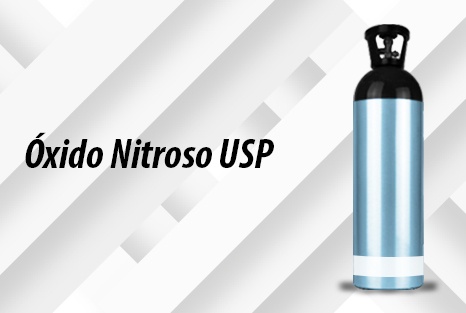
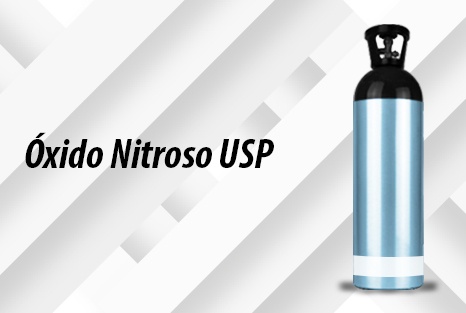
Online doctors for NITROUS OXIDE MEDICINAL AIR LIQUIDE 98% V/V MEDICINAL CRYOGENIC GAS
Discuss questions about NITROUS OXIDE MEDICINAL AIR LIQUIDE 98% V/V MEDICINAL CRYOGENIC GAS, including use, safety considerations and prescription review, subject to medical assessment and local regulations.



Get NITROUS OXIDE MEDICINAL AIR LIQUIDE 98% V/V MEDICINAL CRYOGENIC GAS Prescription Online
Fill in a 2-min form
Tell us your symptoms, history, and what medicine you're requesting.
Pick a doctor or let us assign
Choose a specialist or we'll match you with the next available doctor.
Doctor reviews your case
Usually within 30 minutes. They may ask follow-up questions via chat.
Collect from any pharmacy
Electronic prescription sent to your email — valid across Spain.
Frequently Asked Questions
NITROUS OXIDE MEDICINAL AIR LIQUIDE 98% V/V MEDICINAL CRYOGENIC GAS requires a prescription in Spain. You can check with a doctor online whether this medicine may be appropriate for your situation.
The active ingredient in NITROUS OXIDE MEDICINAL AIR LIQUIDE 98% V/V MEDICINAL CRYOGENIC GAS is nitrous oxide. This information helps identify medicines with the same composition but different brand names.
NITROUS OXIDE MEDICINAL AIR LIQUIDE 98% V/V MEDICINAL CRYOGENIC GAS is manufactured by Air Liquide Sante International. Pharmacy brands and packaging may differ depending on the distributor.
Doctors such as Family doctors, Psychiatrists, Dermatologists, Cardiologists, Endocrinologists, Gastroenterologists, Pulmonologists, Nephrologists, Rheumatologists, Hematologists, Infectious disease physicians, Allergists, Geriatricians, Paediatricians, Oncologists may assess whether NITROUS OXIDE MEDICINAL AIR LIQUIDE 98% V/V MEDICINAL CRYOGENIC GAS is appropriate, depending on your situation and local regulations. You can book an online consultation to discuss your symptoms and possible next steps.
Spain has a well-developed healthcare infrastructure across major cities such as Madrid, Barcelona, Valencia, and Seville. Pharmacies are widely available and operate under strict regulations, ensuring access to prescribed medications.
You can buy NITROUS OXIDE MEDICINAL AIR LIQUIDE 98% V/V MEDICINAL CRYOGENIC GAS in Madrid, Barcelona, Seville, or Valencia at any local pharmacy with a valid prescription.
To obtain a prescription, you can use Oladoctor:
Other medicines with the same active substance (nitrous oxide) include NITROUS OXIDE MEDICAL METAL CARBIDES 98.0% V/V LIQUEFIED MEDICINAL GAS IN FIXED CRYOGENIC CONTAINER, NITROUS OXIDE FOR MEDICAL USE, 98.0% V/V LIQUEFIED MEDICINAL GAS IN GAS CYLINDER, NITROUS OXIDE MEDICINAL GAS AIR LIQUIDE 98.0 V/V LIQUEFIED MEDICINAL GAS IN GAS CYLINDER. These may have different brand names or formulations but contain the same therapeutic ingredient. Always consult a doctor before switching or starting a new medicine.
