






How to use ONDANSETRON FRESENIUS KABI 2 mg/ml INJECTABLE SOLUTION
Translated with AI
This page provides general information and does not replace a doctor’s consultation. Always consult a doctor before taking any medication. Seek urgent medical care if symptoms are severe.
Show originalContents of the leaflet
Introduction
Package Leaflet: Information for the Patient
Ondansetron Fresenius Kabi 2 mg/ml Solution for Injection EFG
Read all of this leaflet carefully before you start using this medicine because it contains important information for you:
- Keep this leaflet, you may need to read it again.
- If you have any further questions, ask your doctor or pharmacist.
- If you experience any side effects, talk to your doctor, nurse or pharmacist. This includes any possible side effects not listed in this leaflet. See section 4.
Contents of the pack:
- What Ondansetron Fresenius Kabi is and what it is used for.
- What you need to know before you use Ondansetron Fresenius Kabi.
- How to use Ondansetron Fresenius Kabi.
- Possible side effects
- Storage of Ondansetron Fresenius Kabi.
- Contents of the pack and further information.
1. What Ondansetron Fresenius Kabi is and what it is used for
Ondansetron Fresenius Kabi belongs to a group of medicines called anti-emetics, which are used to prevent nausea and vomiting. Some medical treatments, such as chemotherapy or radiotherapy, can make you feel sick or be sick. You may also feel sick or be sick after surgery. Ondansetron Fresenius Kabi can help prevent or stop these effects.

2. What you need to know before you use Ondansetron Fresenius Kabi
Do not use Ondansetron Fresenius Kabi
- if you are allergic to ondansetron, to other selective 5HT3 receptor antagonists (e.g. granisetron, dolasetron), or to any of the other ingredients of this medicine (listed in section 6).
- if you are being treated with apomorphine (a medicine used to treat Parkinson's disease)
Warnings and Precautions
Talk to your doctor, nurse or pharmacist before you start using Ondansetron Fresenius Kabi
- if you have had an allergy to other medicines for nausea or vomiting, such as granisetron or palonosetron.
- if you have had a blockage in your intestine or have severe constipation. Ondansetron may prevent movement of the small intestine.
- if you have liver damage.
- if you are going to have surgery to remove your tonsils, which are located at the back of your nose (adenotonsillectomy).
- if you have ever had heart problems, including irregular heartbeat (arrhythmias).
- ondansetron prolongs the QT interval in a dose-dependent manner (a signal of late repolarization of the heart after a beat, with a risk of arrhythmias that can be life-threatening).
- if you have problems with the levels of salts in your blood, such as potassium, sodium, and magnesium.

Using Ondansetron Fresenius Kabi with other medicines
Tell your doctor, nurse or pharmacist if you are taking, have recently taken or might take any other medicines, including those obtained without a prescription.
If you are taking tramadol (a pain reliever): ondansetron may reduce the pain-relieving effect of tramadol.
If you are taking phenytoin, carbamazepine (an antiepileptic) or rifampicin (an antibiotic for tuberculosis): they decrease the blood levels of ondansetron.
If you are taking cardiotoxic medicines (e.g. anthracyclines (anticancer antibiotics such as doxorubicin, daunorubicin) or trastuzumab, an anticancer medicine), antibiotics (such as erythromycin), antifungals (such as ketoconazole), antiarrhythmics (e.g. amiodarone) and beta-blockers (medicines that slow down the heart rate, such as atenolol or timolol): the use of ondansetron with other medicines that prolong the QT interval may lead to a further prolongation of the QT interval, i.e. increase the risk of arrhythmias.
If you are taking other serotonergic medicines such as selective serotonin reuptake inhibitors (SSRIs) or serotonin and noradrenaline reuptake inhibitors (SNRIs) such as sertraline or duloxetine (both are antidepressants): cases of patients with the so-called serotonin syndrome (e.g. excessive alertness and agitation, increased heart rate and blood pressure, tremors and involuntary movements) have been reported after concomitant use of ondansetron with other serotonergic medicines.
If you are taking apomorphine (a medicine for Parkinson's disease): apomorphine should not be used with ondansetron, as cases of profound hypotension (low blood pressure) and loss of consciousness have been reported when both medicines are administered together.
Pregnancy and Breastfeeding
Ondansetron should not be used during the first trimester of pregnancy. This is because ondansetron may slightly increase the risk of a baby being born with a cleft lip and/or cleft palate (openings or gaps in the upper lip or in the roof of the mouth).
If you are already pregnant, think you may be pregnant or are planning to have a baby, ask your doctor or pharmacist for advice before using ondansetron. If you are a woman of childbearing age, you are advised to use an effective method of birth control.
Ondansetron passes into breast milk. Therefore, mothers receiving ondansetron should not breast-feed.
Ask your doctor or pharmacist for advice before taking any medicine.
Driving and Using Machines
Ondansetron does not affect the ability to drive and use machines.
Ondansetron Fresenius Kabi contains Sodium
This medicine contains less than 1 mmol (23 mg) of sodium per ampoule, which is essentially "sodium-free".
3. How to use Ondansetron Fresenius Kabi
Method of Administration
Ondansetron Fresenius Kabi is given as an intravenous injection (into a vein) or, after dilution, as an intravenous infusion (over a longer period). It is usually administered by a doctor or nurse.
Dose
Adults (under 75 years of age)
Your doctor will decide the correct dose of ondansetron for you. The dose varies depending on your medical treatment (chemotherapy or surgery), the functioning of your liver, and whether it is given by injection or infusion.
In the case of chemotherapy or radiotherapy, the normal dose in adults is 8-32 mg of ondansetron per day. For the treatment of post-operative nausea and vomiting, a single dose of 4 mg of ondansetron is usually given. For the prevention of post-operative nausea and vomiting, a single dose of 4 mg of ondansetron is usually given.
Children over 6 months and adolescents
In the case of chemotherapy, the normal dose is a single intravenous dose of 5 mg/m2 (body surface area) immediately before chemotherapy. The intravenous dose should not exceed 8 mg.
Children over 1 month and adolescents
For the treatment of post-operative nausea and vomiting, the normal dose is 0.1 mg/kg (body weight). The maximum dose as an intravenous injection is 4 mg.
For the prevention of post-operative nausea and vomiting, the normal dose is 0.1 mg/kg (body weight). The maximum dose as an intravenous injection is 4 mg. This dose should be given just before the operation.
Dose Adjustment
Elderly
In the case of chemotherapy, the initial dose should not exceed 8 mg in patients 75 years of age or older.
Patient with hepatic insufficiency:
In patients with liver problems, the dose should be adjusted to a maximum daily dose of 8 mg of ondansetron.
Patient with renal insufficiency or slow metabolizers of sparteine/debrisoquine:
No dose adjustment is required.
Duration of Treatment
Your doctor will decide the duration of your treatment with ondansetron.
After an intravenous administration of Ondansetron Fresenius Kabi, treatment should be continued with ondansetron tablets or suppositories for 5 days.
If you have received more Ondansetron Fresenius Kabi than you should
Little is known about overdose with ondansetron. Overdose increases the likelihood of adverse effects described in section 4. In a limited number of patients, the following effects were observed after an overdose: visual disturbances, severe constipation, low blood pressure, changes in heart rhythm, and fainting. In all cases, the symptoms disappeared completely.
Your doctor or nurse will administer Ondansetron Fresenius Kabi to you or your child, so it is unlikely that you or your child will receive too much. If you think you or your child have been given too much, tell your doctor or nurse.
There is no specific antidote for ondansetron, so in case of suspected overdose, only the symptoms should be treated.
If any of these symptoms occur, tell your doctor.
4. Possible Side Effects
Like all medicines, Ondansetron Fresenius Kabi can cause side effects, although not everybody gets them.
Tell your doctor or nurse immediately if you notice any of the following:
Uncommon: may affect up to 1 in 100 people.
- Chest pain, slow or irregular heartbeat
Rare: may affect up to 1 in 1,000 people
- Immediate allergic reactions such as itchy rash, swelling of the eyelids, face, lips, mouth, and tongue.
Not known
- Myocardial ischemia
The signs include:
- sudden chest pain or
- chest tightness
Other side effects include:
Very common: may affect more than 1 in 10 people
- headache.
Common: may affect up to 1 in 10 people
- constipation
- feeling of warmth or flushing.
- irritation and redness at the injection site
Uncommon: may affect up to 1 in 100 people
- low blood pressure, which can make you feel weak or dizzy.
- slow or irregular heartbeat
- chest pain
- seizures
- unusual body movements or agitation
- hypo
- interference with liver function tests
Rare: may affect up to 1 in 1,000 people
- feeling of dizziness or lightheadedness
- blurred vision
- allergic reactions such as itchy rash, swelling of the eyelids, face, lips, mouth, and tongue
- changes in heart rhythm (sometimes leading to sudden loss of consciousness)
Very rare: may affect up to 1 in 10,000 people
- temporary blindness, which usually resolves within 20 minutes.
- skin rash, e.g. red spots or lumps under the skin (urticaria) anywhere on the body that can transform into large blisters.
Children and adolescents
The side effects seen in children and adolescents were similar to those seen in adults.
Reporting of Side Effects:
If you experience any side effects, talk to your doctor or nurse, even if it is possible that they are not listed in this leaflet. You can also report side effects directly to the Spanish Medicines Agency (AEMPS) via their website: https://www.notificaram.es. By reporting side effects, you can help provide more information on the safety of this medicine.
5. Storage of Ondansetron Fresenius Kabi
Keep this medicine out of the sight and reach of children.
Do not use this medicine after the expiry date stated on the ampoule label and carton. The expiry date refers to the last day of the month.
Keep the ampoules in the outer carton, to protect them from light.
Medicines should not be disposed of via wastewater or household waste. Ask your pharmacist how to dispose of medicines no longer required. This will help protect the environment.
6. Contents of the Pack and Further Information
Composition of Ondansetron Fresenius Kabi
The active substance is ondansetron.
Each 2 ml ampoule contains 4 mg of ondansetron.
Each 4 ml ampoule contains 8 mg of ondansetron.
Each milliliter contains 2 mg of ondansetron as ondansetron hydrochloride dihydrate.
The other ingredients are sodium chloride, sodium citrate dihydrate, citric acid monohydrate, and water for injection.
Appearance of Ondansetron Fresenius Kabi and Contents of the Pack
Ondansetron Fresenius Kabi is a clear and colorless solution in clear glass ampoules containing 2 or 4 ml of injectable solution.
Pack sizes: 1, 5, and 10 ampoules.
Not all pack sizes may be marketed.
Marketing Authorisation Holder and Manufacturer
Marketing Authorisation Holder:
Fresenius Kabi España, S.A.U.
C/ Marina 16-18
08005 Barcelona
Manufacturer:
Labesfal Laboratorios Almiro S.A.,
Lagedo, 3465-157 Santiago de Besterios, Portugal.
This Medicinal Product is Authorized in the Member States of the European Economic Area under the Following Names:
BE | Ondansetron Fresenius Kabi 2 mg/ml Injektionslösung/oplossing voor injectie/solution injectable |
CZ | Ondansetron Kabi |
DE | Ondasetron Kabi 2 mg/ml Injektionslösung |
DK | Ondansetron Fresenius Kabi injektionsvæske, opløsning |
EL | Ondansetron Kabi 2 mg/ml Εν?σιμο δι?λυμα |
ES | Ondansetrón Fresenius Kabi 2 mg/ml solución inyectable EFG |
FI | Ondansetron Fresenius Kabi 2 mg/ml injektioneste, liuos |
HU | Ondansetron Kabi 2 mg/ml oldatos injekció |
IE | Ondansetron Kabi 2 mg/ml solution for injection |
IT | Ondansetron Kabi |
NL | Ondansetron Kabi 2 mg/ml oplossing voor injectie |
NO | Ondansetron Fresenius Kabi 2 mg/ml injeksjonsvæske, oppløsning |
PL | Ondansetron Kabi 2 mg/ml roztwór do wstrzykiwan |
SE | Ondansetron Fresenius Kabi 2 mg/ml injektionsvätska, lösning |
SK | ONDANSETRON KABI 2 mg/ml injekcný roztok |
UK | Ondansetron Kabi 2 mg/ml, solution for injection |
Date of Last Revision of this Leaflet: September 2020
Detailed and up-to-date information on this medicine is available on the website of the Spanish Medicines Agency (AEMPS) http://www.aemps.gob.es/
-----------------------------------------------------------------------------------------------------------------------------
This information is intended only for healthcare professionals:
Use only clear and transparent solutions.
For single use only. Any unused solution and the ampoule should be discarded properly, in accordance with local requirements.
For immediate use once the ampoule is opened.
Ondansetron Fresenius Kabi can be diluted with infusion solutions containing: Sodium chloride 9 mg/ml (0.9% w/v) solution
Glucose 50 mg/ml (5% w/v) solution
Mannitol 100 mg/ml (10% w/v) solution
Lactated Ringer's solution
The chemical and physical stability in use has been demonstrated for 48 hours at 25°C with these solutions. Although compatibility has been demonstrated, the infusion solution should always be administered separately.
Diluted solutions should be protected from light.
-

- Country of registration
- Dosage formINJECTABLE, 8 mg
- ATC codeA04AA01
- Active substance
- Prescription requiredYes
- Manufacturer
- This information is for reference only and does not constitute medical advice. Always consult a doctor before taking any medication. Oladoctor is not responsible for medical decisions based on this content.
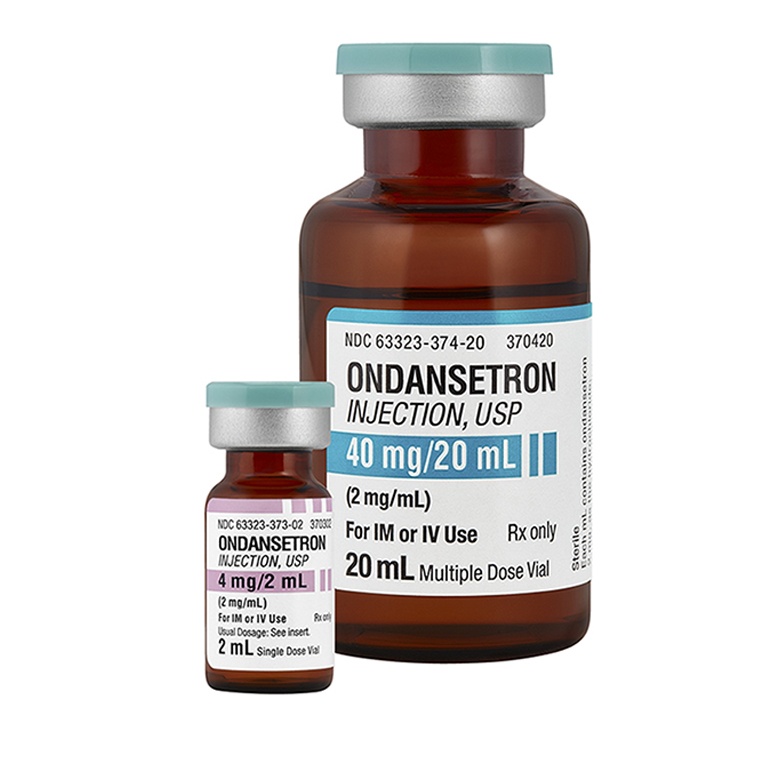
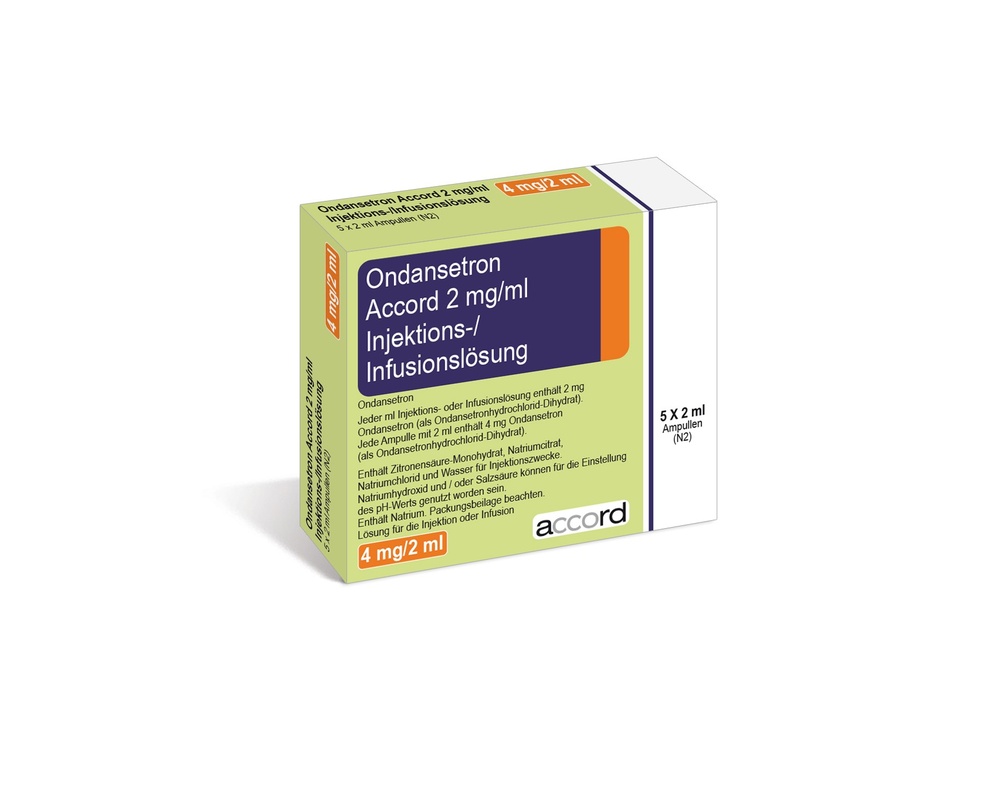
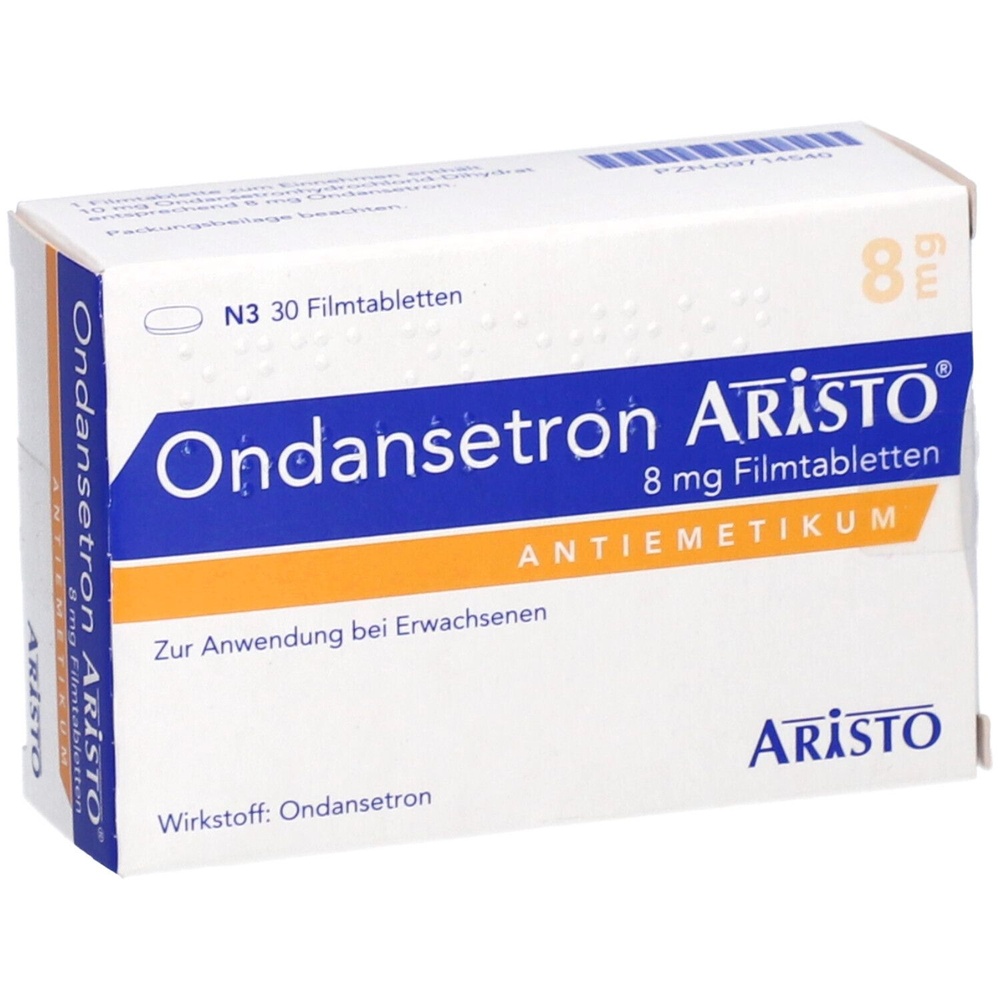
- Alternatives to ONDANSETRON FRESENIUS KABI 2 mg/ml INJECTABLE SOLUTIONDosage form: INJECTABLE, 2 mg/mLActive substance: ondansetronManufacturer: Accord Healthcare S.L.U.Prescription requiredDosage form: ORALLY DISINTEGRATING TABLET/LIOTAB, 4 mgActive substance: ondansetronManufacturer: Aristo Pharma Iberia S.L.Prescription requiredDosage form: ORALLY DISINTEGRATING TABLET/LIOTAB, 8 mgActive substance: ondansetronManufacturer: Aristo Pharma Iberia S.L.Prescription required
Online doctors for ONDANSETRON FRESENIUS KABI 2 mg/ml INJECTABLE SOLUTION
Discuss questions about ONDANSETRON FRESENIUS KABI 2 mg/ml INJECTABLE SOLUTION, including use, safety considerations and prescription review, subject to medical assessment and local regulations.









Get ONDANSETRON FRESENIUS KABI 2 mg/ml INJECTABLE SOLUTION Prescription Online
Fill in a 2-min form
Tell us your symptoms, history, and what medicine you're requesting.
Pick a doctor or let us assign
Choose a specialist or we'll match you with the next available doctor.
Doctor reviews your case
Usually within 30 minutes. They may ask follow-up questions via chat.
Collect from any pharmacy
Electronic prescription sent to your email — valid across Spain.
Frequently Asked Questions
ONDANSETRON FRESENIUS KABI 2 mg/ml INJECTABLE SOLUTION requires a prescription in Spain. You can check with a doctor online whether this medicine may be appropriate for your situation.
The active ingredient in ONDANSETRON FRESENIUS KABI 2 mg/ml INJECTABLE SOLUTION is ondansetron. This information helps identify medicines with the same composition but different brand names.
ONDANSETRON FRESENIUS KABI 2 mg/ml INJECTABLE SOLUTION is manufactured by Fresenius Kabi España, S.A.U.. Pharmacy brands and packaging may differ depending on the distributor.
Doctors such as Family doctors, Psychiatrists, Dermatologists, Cardiologists, Endocrinologists, Gastroenterologists, Pulmonologists, Nephrologists, Rheumatologists, Hematologists, Infectious disease physicians, Allergists, Geriatricians, Paediatricians, Oncologists may assess whether ONDANSETRON FRESENIUS KABI 2 mg/ml INJECTABLE SOLUTION is appropriate, depending on your situation and local regulations. You can book an online consultation to discuss your symptoms and possible next steps.
Spain has a well-developed healthcare infrastructure across major cities such as Madrid, Barcelona, Valencia, and Seville. Pharmacies are widely available and operate under strict regulations, ensuring access to prescribed medications.
You can buy ONDANSETRON FRESENIUS KABI 2 mg/ml INJECTABLE SOLUTION in Madrid, Barcelona, Seville, or Valencia at any local pharmacy with a valid prescription.
To obtain a prescription, you can use Oladoctor:
Other medicines with the same active substance (ondansetron) include ONDANSETRON ACCORD 2 mg/ml INJECTABLE SOLUTION, ONDANSETRON ARISTO 4 mg ORALLY DISINTEGRATING TABLETS, ONDANSETRON ARISTO 8 mg ORALLY DISINTEGRATING TABLETS. These may have different brand names or formulations but contain the same therapeutic ingredient. Always consult a doctor before switching or starting a new medicine.
