







How to use NORVECTAN 600 MG ORAL SUSPENSION POWDER
Translated with AI
This page provides general information and does not replace a doctor’s consultation. Always consult a doctor before taking any medication. Seek urgent medical care if symptoms are severe.
Show originalContents of the leaflet
Introduction
Package Leaflet: Information for the User
Norvectan 600 mg Powder for Oral Suspension
Ibuprofen (Lysine)
Read all of this leaflet carefully before you start taking this medicine because it contains important information for you.
- Keep this leaflet, you may need to read it again.
- If you have any further questions, ask your doctor or pharmacist.
- This medicine has been prescribed for you only. Do not pass it on to others. It may harm them, even if their signs of illness are the same as yours.
- If you get any side effects, talk to your doctor or pharmacist. This includes any possible side effects not listed in this leaflet. See section 4.
Contents of the Package Leaflet
- What is Norvectan and what is it used for
- What you need to know before you take Norvectan
- How to take Norvectan
- Possible side effects
- Storage of Norvectan
- Contents of the pack and other information
1. What is Norvectan and what is it used for
Norvectan belongs to a group of medicines called analgesics. The active substance of this medicine, ibuprofen, is an analgesic, antipyretic, and non-steroidal anti-inflammatory drug that comes in the form of a soluble salt (Ibuprofen Lysine).
This medicine is used for the symptomatic treatment of pain, of mild to moderate intensity, and non-chronic inflammatory processes, such as headache, toothache, post-operative pain, musculoskeletal pain, and menstrual pain.

2. What you need to know before you take Norvectan
Do not take Norvectan if
- You are allergic (hypersensitive) to ibuprofen, to any other non-steroidal anti-inflammatory drug, to acetylsalicylic acid, or to any of the excipients of this medicine.
- You have had a stomach or duodenal hemorrhage or have suffered a perforation of the digestive tract while taking a non-steroidal anti-inflammatory drug.
- You have worsening of an inflammatory disease of the intestines (ulcerative colitis).
- You have severe liver or kidney disease.
- You have severe heart failure.
- You are in the third trimester of pregnancy.
Warnings and precautions:
Ibuprofen has been reported to cause signs of allergic reaction to this medicine, such as respiratory problems, swelling of the face and neck area (angioedema), and chest pain. Stop using Norvectan immediately and contact your doctor or emergency services immediately if you notice any of these signs.
Consult your doctor or pharmacist before starting to take this medicine.
Gastrointestinal precautions
- If you have had or developed an ulcer, hemorrhage, or perforation in the stomach or duodenum, which may be manifested by intense or persistent abdominal pain and/or black stools, or even without previous warning symptoms.
- This risk is higher when high doses and prolonged treatments are used, in patients with a history of peptic ulcer and in elderly patients. In these cases, your doctor will consider the possibility of associating a stomach-protecting medicine.
- Inform your doctor if you have Crohn's disease (a chronic disease in which the immune system attacks the intestine, causing inflammation that usually produces diarrhea with blood) or ulcerative colitis, as this medicine may worsen these conditions.
Precautions with other medicines
- If you are taking medicines that alter blood coagulation, such as oral anticoagulants, antiplatelet agents of the acetylsalicylic acid type. You should also discuss the use of other medicines that could increase the risk of such hemorrhages, such as corticosteroids and selective serotonin reuptake inhibitor antidepressants.
Cardiovascular precautions
Anti-inflammatory/analgesic medicines like ibuprofen may be associated with a small increased risk of having a heart attack or stroke, especially when used in high doses. Do not exceed the recommended dose or treatment duration.
You should discuss your treatment with your doctor or pharmacist before taking this medicine if:
- You have heart problems, including heart failure, angina (chest pain), or if you have had a heart attack, bypass surgery, peripheral arteriopathy (circulation problems in the legs or feet due to narrowing or blockage of the arteries), or any type of stroke (including a "mini-stroke" or transient ischemic attack "TIA").
- You have high blood pressure, diabetes, high cholesterol, a family history of heart disease or stroke, or if you are a smoker.
Similarly, this type of medicine may cause fluid retention, especially in patients with heart failure and/or high blood pressure (hypertension).
Precautions during pregnancy and in women of childbearing age
Because the administration of ibuprofen has been associated with an increased risk of congenital anomalies/abortions, it is not recommended during the first and second trimester of pregnancy unless strictly necessary. In these cases, the dose and duration will be limited to the minimum possible.
In the third trimester, the administration of ibuprofen is contraindicated.
For women of childbearing age, it should be taken into account that ibuprofen has been associated with a decrease in fertility.
Other disorders and considerations
If you have had kidney or liver disease.
If you have asthma or any other respiratory disorder.
In other conditions that predispose to fluid retention, ibuprofen should be administered with caution and under medical supervision. In elderly patients, in patients with blood disorders, tendency to hemorrhages, systemic lupus erythematosus (a chronic disease that affects the immune system and can affect various vital organs, the nervous system, blood vessels, skin, and joints), or mixed connective tissue disease, as meningitis (inflammation of the meninges that protect the brain and spinal cord, not caused by bacteria) may occur.
Cutaneous Reactions
Severe cutaneous reactions, such as exfoliative dermatitis, erythema multiforme, Stevens-Johnson syndrome, toxic epidermal necrolysis, drug reaction with eosinophilia and systemic symptoms (DRESS syndrome), and acute generalized exanthematous pustulosis (AGEP), have been reported in association with ibuprofen treatment. Discontinue treatment with this medicine and seek medical attention immediately if you notice any of the symptoms related to these severe cutaneous reactions described in section 4.
- If you have an infection, see the "Infections" heading later.
Infections
Ibuprofenmay hide the signs of an infection, such as fever and pain. Consequently, this medicinemay delay the appropriate treatment of the infection, which may increase the risk of complications. This has been observed in bacterial pneumonia and in bacterial skin infections related to chickenpox. If you take this medicine while having an infection and the symptoms of the infection persist or worsen, consult a doctor without delay.
Other medicines and Norvectan
Tell your doctor or pharmacist if you are taking or have recently taken any other medicines, including those obtained without a prescription, especially furosemide, thiazide diuretics, digoxin, phenytoin, lithium, methotrexate, oral hypoglycemics, insulin, zidovudine, corticosteroids, bisphosphonates, or oxypentifylline. The use of this medicine together with salicylates, phenylbutazone, indomethacin, or other non-steroidal anti-inflammatory drugs may potentiate gastrointestinal lesions, so concomitant therapy is not recommended.
This medicine may affect or be affected by other medicines. For example:
- Anticoagulant medicines (e.g., to treat coagulation problems/prevent coagulation, e.g., acetylsalicylic acid, warfarin, ticlopidine)
- Medicines that lower high blood pressure (e.g., ACE inhibitors like captopril, beta-blockers like atenolol, and angiotensin-II receptor antagonists like losartan).
Other medicines may also affect or be affected by treatment with this medicine. Therefore, you should always consult your doctor or pharmacist before using it with other medicines.
Taking Norvectan with food, drinks, and alcohol
This medicine can be administered independently of meals.
Consuming alcohol during treatment may increase the risk of adverse gastrointestinal reactions.
Pregnancy, breastfeeding, and fertility
Consult your doctor or pharmacist before using any medicine.
Do not take ibuprofen during the third trimester (see section "Precautions during pregnancy and in women of childbearing age").
It is recommended to avoid using this medicine during breastfeeding.
Therefore, if you become pregnant or are breastfeeding, consult your doctor.
Use in elderly patients
Generally, no dose adjustment is required, although in some cases a dose reduction may be necessary.
Use in children
The use of this medicine is not recommended in children under 12 years of age due to the active substance dose it contains.
Driving and using machines
Ibuprofen may cause, as a rare side effect, somnolence or dizziness, which can interfere with the ability to drive or use machines.
Norvectan contains cyclodextrin (betadex) (E-459), tartrazine (E-102), sucrose, and sodium.
- This medicine contains 3 g of cyclodextrin in each sachet.
- This medicine may cause allergic reactions because it contains tartrazine (E-102). It can cause asthma, especially in patients allergic to acetylsalicylic acid.
- This medicine contains sucrose. If your doctor has told you that you have an intolerance to certain sugars, consult with them before taking this medicine. It may cause cavities.
- This medicine contains less than 1 mmol (23 mg) per sachet, which is essentially "sodium-free".
3. How to take Norvectan
Follow exactly the administration instructions of this medicine indicated by your doctor. In case of doubt, consult your doctor or pharmacist again.
The lowest effective dose should be used during the shortest necessary time to alleviate the symptoms. If you have an infection, consult a doctor without delay if the symptoms (such as fever and pain) persist or worsen (see section 2).
Adults
In adults and adolescents from 14 years of age, it is recommended to take one sachet (600 mg of ibuprofen) every 6-8 hours, according to the intensity of the symptoms and the evolution of the treatment.
Generally, the recommended daily dose is 1200 mg of ibuprofen, divided into 3 or 4 doses. In some treatments, higher doses may be required, but in any case, it is recommended not to exceed the maximum daily dose of 2400 mg of ibuprofen in adults and 1600 mg in adolescents from 12 to 18 years of age.
Children
The use of this medicine is not recommended in children under 14 years of age due to the active substance dose it contains.
Elderly patients
It is possible that your doctor will prescribe a lower dose than usual. If so, it can only be increased once your doctor has checked that you tolerate the medicine well.
Patient with kidney and/or liver disease:
If you have kidney and/or liver disease, it is possible that your doctor will prescribe a lower dose than usual. If so, take the exact dose that your doctor has prescribed.
Method of administration
For oral administration.
Pour the contents of one sachet into a half glass of water, stir, and take immediately.
Patients with stomach discomfort should take the medicine during meals.
Your doctor will indicate the duration of your treatment with this medicine. Do not stop treatment before the indicated time.
If you take more Norvectan than you should:
If you have taken more medicine than you should, or if a child has accidentally ingested the medicine, consult a doctor or pharmacist immediately, go to the nearest hospital, or call the Toxicology Information Service (telephone 91 562 04 20), indicating the medicine and the amount ingested, to find out about the risk and ask for advice on the measures to be taken.
Symptoms of overdose may include nausea, stomach pain, vomiting (which may contain blood), headache, ringing in the ears, confusion, and involuntary eye movement. At high doses, symptoms such as somnolence, chest pain, palpitations, loss of consciousness, convulsions (mainly in children), weakness, and dizziness, blood in the urine, chills, and breathing problems have been reported.
In cases of ingestion of significant amounts, activated charcoal should be administered. Gastric lavage will be considered if significant amounts have been ingested and within 60 minutes after ingestion.
If you forget to take Norvectan
Do not take a double dose to make up for forgotten doses.
If you forget a dose, take it as soon as you remember. However, if the time for the next dose is near, skip the missed dose and take the next dose at the usual time.

4. Possible Adverse Effects
Like all medicines, this medicine can have adverse effects, although not all people suffer from them.
The observed adverse effects are described below according to their frequency of presentation: very frequent (may affect more than 1 in 10 patients); frequent (may affect up to 1 in 10 patients); infrequent (may affect up to 1 in 100 patients); rare (may affect up to 1 in 1,000 patients); very rare (may affect up to 1 in 10,000 patients); frequency not known (cannot be estimated from the available data).
Gastrointestinal:
The most frequent adverse effects that occur with ibuprofen are gastrointestinal: nausea, vomiting, diarrhea, and dyspepsia. Infrequently, peptic ulcers, gastrointestinal bleeding, perforations (in some cases fatal), especially in the elderly. Also, flatulence, constipation, heartburn, abdominal pain, gastritis, blood in stools, oral ulcers, worsening of ulcerative colitis, and Crohn's disease have been observed (frequency not known).
Cardiovascular:
This medicine may be associated with a moderate increase in the risk of suffering a heart attack ("myocardial infarction") or stroke.
Rarely, edema (fluid retention), arterial hypertension, and heart failure (frequency not known) have been observed in association with treatments with ibuprofen-type medications.
Frequency not known: Chest pain, which can be a symptom of a potentially severe allergic reaction called Kounis syndrome.
Cutaneous:
Immune System:
This medicine may be associated, in very rare cases, with severe blistering reactions such as Stevens-Johnson Syndrome (a clinical picture that affects the skin, mucous membranes, and other internal organs) and Toxic Epidermal Necrolysis (a skin disease that manifests with the appearance of blisters and exfoliative lesions of the skin).
Rarely, hypersensitivity reactions (exaggerated immune system reaction) may be observed, which manifest as a skin rash with more or less itching, and anaphylactic reaction.
Very rarely, and in any case in predisposed patients, it can lead to bronchospasm (contraction of the bronchi).
Frequency not known: a severe skin reaction known as DRESS syndrome may occur. The symptoms of DRESS syndrome include: skin rash, inflammation of the lymph nodes, and elevated eosinophils (a type of white blood cell). Generalized red scaly rash, with bumps under the skin and blisters, mainly located in skin folds, trunk, and upper limbs, accompanied by fever at the start of treatment (acute generalized exanthematous pustulosis). Stop taking this medicine if you experience these symptoms and seek immediate medical attention. See also section 2. The skin becomes sensitive to light.
Central Nervous System:
Rarely, a sensation of headache and drowsiness may be observed. Neurological reactions such as depression, confusion, and dizziness.
Very rarely, aseptic meningitis (inflammation of the meninges not caused by bacteria) has been described.
Auditory:
Rarely, tinnitus may appear.
Ocular:
Very rarely, visual disturbances such as blurred vision, decreased visual acuity, or changes in color perception that resolve spontaneously may be observed.
Haematological:
Rarely, it can lead to hematological disorders such as thrombocytopenia (decrease in platelet count), agranulocytosis (decrease in neutrophil count, a type of white blood cell), aplastic anemia (decrease in red blood cells produced by a deficit in their formation), and hemolytic anemia (decrease in red blood cells produced by premature destruction).
Hepatic:
This medicine may be associated, in rare cases, with liver damage.
If any of the following adverse effects occur, discontinue treatment and seek immediate medical attention:
- Red patches, not elevated, in a target or circular shape on the trunk, often with blisters in the center, skin peeling, mouth, throat, nose, genital, and eye ulcers. These severe skin rashes can be preceded by fever and flu-like symptoms (exfoliative dermatitis, erythema multiforme, Stevens-Johnson syndrome, toxic epidermal necrolysis).
- Generalized skin rash, elevated body temperature, and hypertrophic lymph nodes (DRESS syndrome).
- Generalized red scaly rash, with bumps under the skin and blisters, accompanied by fever. Symptoms usually appear at the start of treatment (acute generalized exanthematous pustulosis).
Reporting of Adverse Effects
If you experience any type of adverse effect, consult your doctor, pharmacist, or nurse, even if it is a possible adverse effect that does not appear in this prospectus. You can also report them directly through the Spanish Pharmacovigilance System for Human Use Medicines: https://www.notificaram.es. By reporting adverse effects, you can contribute to providing more information on the safety of this medicine.
5. Storage of Norvectan
No special storage conditions are required.
Keep this medicine out of sight and reach of children.
Do not use this medicine after the expiration date indicated on the packaging after (CAD). The expiration date is the last day of the month indicated.
Medicines should not be thrown away through the sewers or in the trash. Deposit the packaging and medicines you no longer need in the SIGRE Point of the pharmacy. Ask your pharmacist how to dispose of the packaging and medicines you no longer need. This way, you will help protect the environment.
6. Package Contents and Additional Information
Norvectan Composition
- The active ingredient is Ibuprofen (lysine). Each sachet contains 600 mg of Ibuprofen (supplied by 1025 mg of Ibuprofen lysine).
- The other components (excipients) are betadex (E-459), lemon flavor (contains tartrazine (E-102), corn starch, and corn maltodextrin), sodium saccharin, sodium cyclamate, sodium citrate, and sucrose.
Norvectan Appearance and Package Contents
It is presented in the form of a white powder, packaged in sachets.
Each package contains 20 single-dose sachets.
Marketing Authorization Holder and Manufacturer
LABORATORIO DE APLICACIONES FARMACODINÁMICAS, S.A.
Grassot, 16 - 08025 Barcelona (Spain).
Date of the Last Revision of this Prospectus:January 2024
Detailed and updated information on this medicine is available on the website of the Spanish Agency for Medicines and Health Products (AEMPS) http://www.aemps.gob.es/
- Country of registration
- Dosage formORAL SOLUTION/SUSPENSION, 600 mg ibuprofen
- ATC codeM01AE01
- Active substance
- Prescription requiredYes
- Manufacturer
- This information is for reference only and does not constitute medical advice. Always consult a doctor before taking any medication. Oladoctor is not responsible for medical decisions based on this content.
- Alternatives to NORVECTAN 600 MG ORAL SUSPENSION POWDERDosage form: ORAL SOLUTION/SUSPENSION, 600 mg ibuprofenActive substance: ibuprofenManufacturer: Laboratorio De Aplicaciones Farmacodinamicas S.A.Prescription requiredDosage form: ORAL SOLUTION/SUSPENSION, 200 mgActive substance: ibuprofenManufacturer: Laboratorio De Aplicaciones Farmacodinamicas S.A.Prescription requiredDosage form: ORAL SOLUTION/SUSPENSION, 20 mg/mlActive substance: ibuprofenManufacturer: Laboratorio De Aplicaciones Farmacodinamicas S.A.Prescription required
Online doctors for NORVECTAN 600 MG ORAL SUSPENSION POWDER
Discuss questions about NORVECTAN 600 MG ORAL SUSPENSION POWDER, including use, safety considerations and prescription review, subject to medical assessment and local regulations.









Get NORVECTAN 600 MG ORAL SUSPENSION POWDER Prescription Online
Fill in a 2-min form
Tell us your symptoms, history, and what medicine you're requesting.
Pick a doctor or let us assign
Choose a specialist or we'll match you with the next available doctor.
Doctor reviews your case
Usually within 30 minutes. They may ask follow-up questions via chat.
Collect from any pharmacy
Electronic prescription sent to your email — valid across Spain.
Frequently Asked Questions
NORVECTAN 600 MG ORAL SUSPENSION POWDER requires a prescription in Spain. You can check with a doctor online whether this medicine may be appropriate for your situation.
The active ingredient in NORVECTAN 600 MG ORAL SUSPENSION POWDER is ibuprofen. This information helps identify medicines with the same composition but different brand names.
NORVECTAN 600 MG ORAL SUSPENSION POWDER is manufactured by Laboratorio De Aplicaciones Farmacodinamicas S.A.. Pharmacy brands and packaging may differ depending on the distributor.
Doctors such as Family doctors, Psychiatrists, Dermatologists, Cardiologists, Endocrinologists, Gastroenterologists, Pulmonologists, Nephrologists, Rheumatologists, Hematologists, Infectious disease physicians, Allergists, Geriatricians, Paediatricians, Oncologists may assess whether NORVECTAN 600 MG ORAL SUSPENSION POWDER is appropriate, depending on your situation and local regulations. You can book an online consultation to discuss your symptoms and possible next steps.
Spain has a well-developed healthcare infrastructure across major cities such as Madrid, Barcelona, Valencia, and Seville. Pharmacies are widely available and operate under strict regulations, ensuring access to prescribed medications.
You can buy NORVECTAN 600 MG ORAL SUSPENSION POWDER in Madrid, Barcelona, Seville, or Valencia at any local pharmacy with a valid prescription.
To obtain a prescription, you can use Oladoctor:
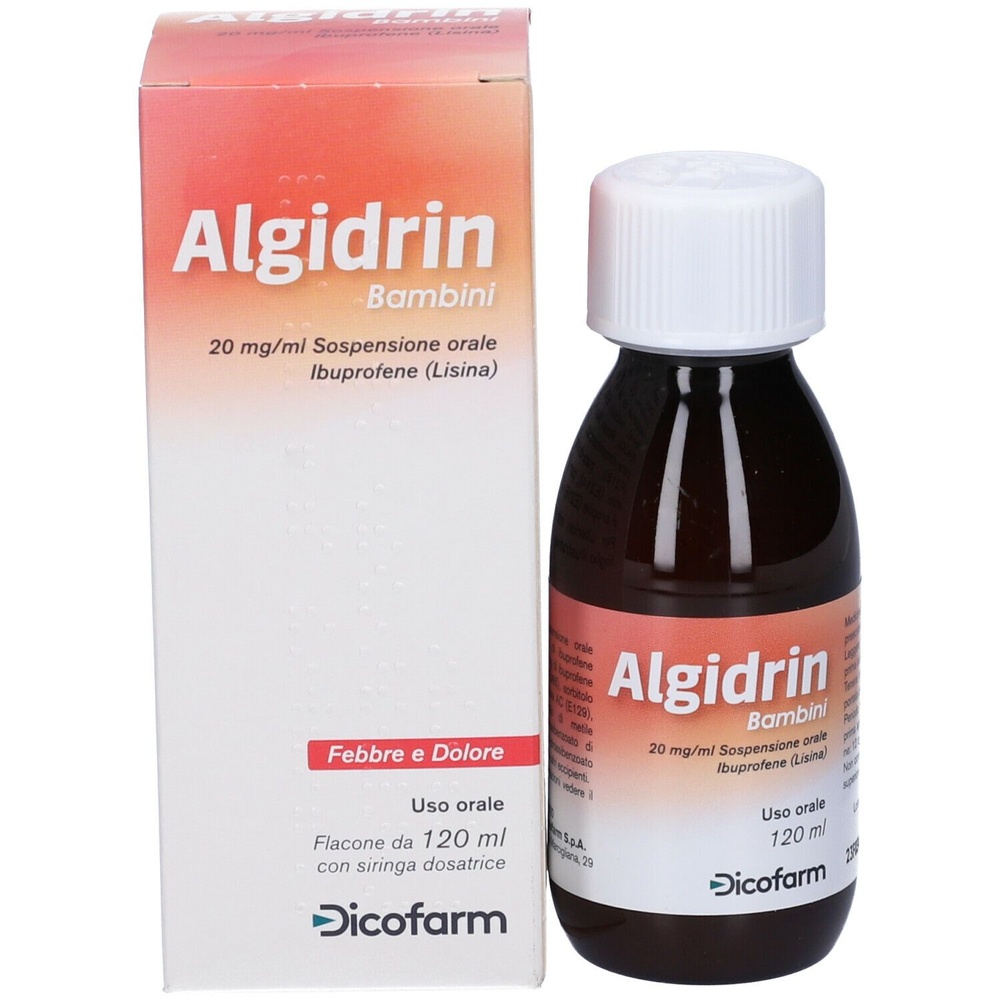
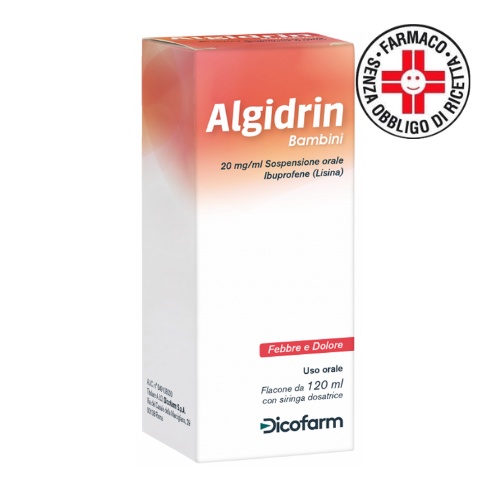
Other medicines with the same active substance (ibuprofen) include ALGIDRIN 600 POWDER FOR ORAL SUSPENSION, ALGIDRIN INFANTIL 200 mg POWDER FOR ORAL SUSPENSION, ALGIDRIN PEDIATRIC 20 mg/mL ORAL SUSPENSION. These may have different brand names or formulations but contain the same therapeutic ingredient. Always consult a doctor before switching or starting a new medicine.
