


NORFLOXACIN PENSA 400 mg FILM-COATED TABLETS
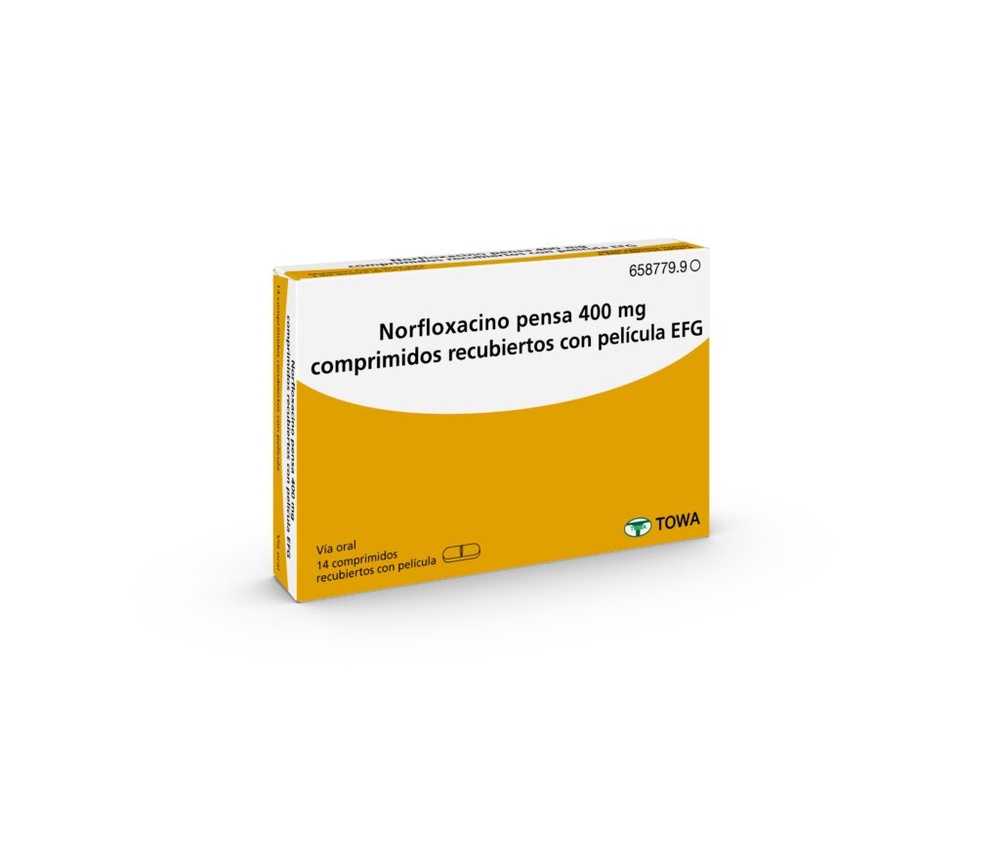



How to use NORFLOXACIN PENSA 400 mg FILM-COATED TABLETS
Translated with AI
This page provides general information and does not replace a doctor’s consultation. Always consult a doctor before taking any medication. Seek urgent medical care if symptoms are severe.
Show originalContents of the leaflet
- Introduction
- What is Norfloxacin Pensa 400 mg tablets and what is it used for
- What you need to know before taking Norfloxacin Pensa 400 mg tablets
- How to take Norfloxacin Pensa 400 mg tablets
- Possible Adverse Effects
- Storage of Norfloxacino pensa 400 mg tablets
- Package Contents and Additional Information
Introduction
Package Leaflet: Information for the User
Norfloxacin Pensa 400 mg Film-Coated Tablets EFG
Read the entire package leaflet carefully before starting to take this medication, as it contains important information for you.
- Keep this package leaflet, as you may need to read it again.
- If you have any questions, consult your doctor or pharmacist.
- This medication has been prescribed to you only, and you should not give it to others, even if they have the same symptoms as you, as it may harm them.
- If you experience side effects, consult your doctor or pharmacist, even if they are not listed in this package leaflet. See section 4.
Contents of the Package Leaflet
1. What is Norfloxacin Pensa 400 mg tablets and what is it used for
2. What you need to know before taking Norfloxacin Pensa 400 mg tablets
3. How to take Norfloxacin Pensa 400 mg tablets
4. Possible side effects
5. Storage of Norfloxacin Pensa 400 mg tablets
6. Package contents and additional information
1. What is Norfloxacin Pensa 400 mg tablets and what is it used for
Norfloxacin Pensa is a medication used to treat various infections caused by gram-positive and gram-negative germs.
It belongs to the pharmacotherapeutic group of urinary antiseptics and anti-infectives.
Antibiotics are used to treat bacterial infections and are not effective against viral infections such as the flu or the common cold. It is essential to follow the instructions regarding dosage, administration interval, and treatment duration as indicated by your doctor. Do not store or reuse this medication. If you have any leftover antibiotic after completing treatment, return it to the pharmacy for proper disposal. Do not throw away medications down the drain or in the trash. |
Norfloxacin Pensa is indicated for:
- Treatment of upper and lower urinary tract infections, including cystitis (inflammation of the urinary bladder), pyelitis (inflammation of the renal pelvis), and cystopyelitis (inflammation of the urinary bladder and renal pelvis), caused by bacteria sensitive to norfloxacin.

2. What you need to know before taking Norfloxacin Pensa 400 mg tablets
Do not take Norfloxacin Pensa:
if you are allergic to norfloxacin, any other quinolone antibacterial, such as pipemidic acid, or any of the other components of this medication (listed in section 6).
Warnings and precautions
Before starting to take this medication
Do not take antibacterial medications containing fluoroquinolones or quinolones, including Norfloxacin Pensa, if you have experienced any severe adverse reaction in the past when taking a quinolone or fluoroquinolone. If this is the case, inform your doctor as soon as possible.
Consult your doctor before starting to take Norfloxacin Pensa:
- if you have a history of seizures or factors that may trigger their occurrence.
- if you have been diagnosed with an aneurysm of a large blood vessel (aortic aneurysm or peripheral large vessel aneurysm).
- if you have had a previous episode of aortic dissection (tear in the aortic wall).
- if you have a family history of aortic aneurysm or aortic dissection, congenital heart valve disease, or other risk factors or predisposing conditions (e.g., connective tissue disorders such as Marfan syndrome or Ehlers-Danlos vascular syndrome, Turner syndrome, or Sjögren's syndrome (an autoimmune inflammatory disease), or vascular disorders such as Takayasu arteritis, giant cell arteritis, Behçet's disease, hypertension, atherosclerosis, rheumatoid arthritis (a joint disease), or endocarditis (a heart infection).
- if you have been diagnosed with cardiac valve insufficiency (regurgitation of the heart valves).
During treatment with this medication
- If you experience severe and sudden pain in the abdomen, chest, or back, which may be symptoms of aortic dissection or aneurysm, seek immediate medical attention. The risk may increase if you are receiving systemic corticosteroid treatment.
- If you start to experience sudden onset of shortness of breath, especially when lying down, or if you notice swelling in the ankles, feet, or abdomen, or the appearance of heart palpitations (feeling of rapid or irregular heartbeat), inform your doctor immediately.
- Consult an ophthalmologist immediately if you experience any vision changes or eye problems.
- Avoid exposure to sunlight or ultraviolet rays during treatment due to potential risks of photosensitivity.
In rare cases, joint pain and swelling, and tendon inflammation or rupturemay occur. The risk is higher if you are an elderly person (over 60 years old), have received an organ transplant, have kidney problems, or are being treated with corticosteroids. Tendon inflammation and rupture can occur within the first 48 hours of treatment and even several months after stopping treatment with Norfloxacin Pensa. At the first sign of pain or inflammation of a tendon (e.g., in the ankle, wrist, elbow, shoulder, or knee), stop taking Norfloxacin Pensa, contact your doctor, and rest the affected area. Avoid any unnecessary exercise, as it may increase the risk of tendon rupture.
In rare cases, you may experience symptoms of nerve damage (neuropathy)such as pain, burning, tingling, numbness, and/or weakness, especially in the feet and legs or hands and arms. If this occurs, stop taking Norfloxacin Pensa and inform your doctor immediately to prevent the development of a potentially irreversible condition.
Severe, disabling, long-lasting, and potentially irreversible side effects
Antibacterial medications containing fluoroquinolones or quinolones, including Norfloxacin Pensa, have been associated with very rare but severe side effects, some of which were long-lasting (persistent for months or years), disabling, or potentially irreversible. These include tendon pain, muscle and joint pain in the upper and lower limbs, difficulty walking, abnormal sensations such as pins and needles, tingling, prickling, numbness, or burning (paresthesia), sensory disorders such as decreased vision, taste, smell, and hearing, depression, decreased memory, intense fatigue, and severe sleep disorders.
If you experience any of these side effects after taking Norfloxacin Pensa, contact your doctor immediately before continuing treatment. You and your doctor will decide whether to continue or stop treatment, considering the use of an antibiotic from a different class.
Other medications and Norfloxacin Pensa
Inform your doctor or pharmacist if you are using, have recently used, or may need to use any other medication.
It is not recommended to administer this medication with:
- Probenecid (decreases the elimination of norfloxacin in urine).
- Theophylline and cyclosporine (possible increase in adverse reactions to these medications if administered with norfloxacin).
- Oral anticoagulants (norfloxacin may increase the effect of warfarin or its derivatives, which may alter blood coagulation).
- Antacids, sucralfate, and preparations containing zinc and iron (reduce the absorption of norfloxacin. Therefore, Norfloxacin Pensa should only be taken 3 or 4 hours before or 2 hours after the administration of these preparations).
- Nitrofurantoin (since antagonism with norfloxacin has been demonstrated).
Taking Norfloxacin Pensa with food, drinks, and alcohol
Avoid consuming alcohol while taking this medication.
Milk and yogurt reduce the absorption of norfloxacin. Therefore, Norfloxacin Pensa should be taken 1 hour before or 2 hours after these foods.
Pregnancy and breastfeeding
If you are pregnant, breastfeeding, think you may be pregnant, or plan to become pregnant, consult your doctor or pharmacist before using this medication.
The safety of Norfloxacin Pensa during pregnancy has not been established. Norfloxacin Pensa should only be used during pregnancy when the doctor considers that the potential benefits justify the risk to the fetus.
Norfloxacin Pensa passes into breast milk, so it is not recommended to take this medication during breastfeeding.
Driving and using machines
No effects on the ability to drive and use machines have been reported.
Important information about some of the components of this medication
Norfloxacin Pensa contains hydrogenated castor oil.
This medication may cause stomach upset and diarrhea because it contains hydrogenated castor oil.
Norfloxacin Pensa contains lactose.
This medication contains lactose. If your doctor has told you that you have an intolerance to certain sugars, consult with them before taking this medication.
Norfloxacin Pensa contains sodium.
This medication contains less than 23 mg of sodium (1 mmol) per tablet; it is essentially "sodium-free."
3. How to take Norfloxacin Pensa 400 mg tablets
Follow the administration instructions for this medication as indicated by your doctor. If you have any doubts, consult your doctor or pharmacist again.
Remember to take your medication.
Your doctor will indicate the duration of your treatment with Norfloxacin Pensa. Do not stop treatment before completing it, as the expected results may not be achieved.
The tablets should be swallowed whole, with a little water, on an empty stomach or during meals.
Adults:
- For the treatment of urinary tract infections, the recommended dose is 1 tablet (400 mg of norfloxacin) twice a day (every 12 hours), which means a maximum daily dose of 2 tablets (800 mg of norfloxacin). The treatment duration will be 7 to 10 days, even if symptoms have disappeared earlier.
- In women with acute uncomplicated cystitis (inflammation of the urinary bladder), the dose is 1 tablet (400 mg of norfloxacin) twice a day (every 12 hours), which means a maximum daily dose of 2 tablets (800 mg of norfloxacin). The treatment duration is 3 days.
Patient with renal insufficiency:
- In patients with a creatinine clearance of less than 30 ml/minute, the recommended dose is 1 tablet (400 mg of norfloxacin) once a day.
- If the renal insufficiency is advanced, your doctor will assess the convenience of treatment on a case-by-case basis.
Children:
Norfloxacin Pensa should not be used in children due to the possible occurrence of joint diseases (arthropathies).
If you take more Norfloxacin Pensa than you should
If you have taken more Norfloxacin Pensa than you should, consult your doctor or pharmacist immediately or call the Toxicology Information Service. Telephone 915 62 04 20, indicating the medication and the amount ingested.
If you forget to take Norfloxacin Pensa
Do not take a double dose to make up for forgotten doses.
If you have any other questions about the use of this medication, ask your doctor or pharmacist.

4. Possible Adverse Effects
Like all medicines, Norfloxacino pensa can have adverse effects, although not all people suffer from them.
The following adverse effects have been reported:
Stop taking the medicine and consult your doctorimmediatelyif you have:
- Symptoms of angioedema (potentially life-threatening reaction) such as:
- Swelling of the face, tongue, or throat
- Difficulty swallowing
- Hives and difficulty breathing
- A severe skin reaction
- Yellowing of the whites of the eyes or skin, which can be a symptom of liver inflammation (hepatitis) or liver failure.
Other side effects include:
Frequent (may affect up to 1 in 10 people)
- Leukopenia (low white blood cell count)
- Neutropenia (low white blood cell count, called neutrophils)
- Eosinophilia (elevated white blood cell count, called eosinophils)
- Elevation of liver enzymes (AST, ALT, alkaline phosphatase). These are blood tests that indicate changes in liver function.
- Headache
- Dizziness
- Drowsiness
- Somnolence
- Abdominal pain and spasms
- Nausea (discomfort)
- Rash
Infrequent (may affect up to 1 in 100 people):
- Thrombocytopenia (decrease in platelet count in the blood)
- Reduction of hematocrit (low red blood cell count)
- Crystalluria (crystals that appear in the urine)
- Prolonged prothrombin time (when your blood takes longer to clot)
- Hemolytic anemia (decrease in red blood cell count in the blood due to abnormal destruction, which can lead to pale skin, weakness, and difficulty breathing). This is sometimes related to having low levels of the enzyme glucose-6-phosphate dehydrogenase.
- Hypersensitivity reactions (allergic), such as:
- Anaphylaxis (severe allergic reaction, see section 2. "Warnings and Precautions")
- Angioedema (severe allergic reaction that causes swelling of the face, tongue, or throat, which can be life-threatening)
- Urticaria (hives)
- Interstitial nephritis (kidney inflammation)
- Petechiae (small red or purple spots on the body)
- Hemorrhagic bullae (bleeding blisters)
- Papules with vasculitis (small bumps on the skin with blood vessel inflammation)
- Fatigue
- Mood changes
- Paresthesia (tingling, numbness)
- Insomnia (difficulty sleeping)
- Sleep disturbances
- Depression (feeling sad)
- Anxiety
- Nervousness
- Irritability
- Euphoria (feeling of extreme happiness)
- Disorientation
- Hallucinations (seeing or hearing things that do not exist)
- Confusion
- Polyneuropathy (when the nervous system does not function correctly in the arms and legs), including Guillain-Barré syndrome (characterized by weakness that affects the limbs, which can cause numbness and paralysis, see section 2 "Warnings and Precautions").
- Seizures (attacks)
- Psychiatric disorders, disorders, and psychotic reactions (severe mental disorders)
- Myasthenia gravis (disease that causes muscle weakness) may appear or worsen (see section 2 "Warnings and Precautions").
- Vision disorders
- Increased tearing (tear production)
- Tinnitus (ringing in the ears)
- Palpitations (feeling of heartbeats)
- Acidity
- Diarrhea
- Vomiting
- Anorexia (loss of appetite)
- Pancreatitis (inflammation of the pancreas)
- Hepatitis (inflammation of the liver)
- Increased bilirubin (chemical in the blood)
- Severe skin reactions:
- Exfoliative dermatitis (inflammation, pityriasis)
- Lyell syndrome (severe skin disease with intense redness, blisters, and skin peeling, similar to a burn)
- Stevens-Johnson syndrome (severe disease with blisters on the skin, mouth, eyes, and genitals)
- Photosensitivity (increased sensitivity to sunlight)
- Pruritus (itching)
- Arthritis (inflamed joints)
- Myalgia (muscle pain)
- Arthralgia (joint pain)
- Tendinitis (tendon inflammation)
- Tendovaginitis (inflammation of the tendon and tendon sheath)
- Increased urea and creatinine (indicators of worsening kidney function)
- Vaginal candidiasis (thrush)
Rare (may affect up to 1 in 1,000 people)
- Pseudomembranous colitis (inflammation of the intestine that causes fever, abdominal pain, or diarrhea - see section 2 "Warnings and Precautions")
- In some cases, inflammation of the Achilles tendon has been observed. This can lead to tendon rupture (see section 2 "Warnings and Precautions").
Very rare (may affect up to 1 in 10,000 people)
- Abnormal ECG (long QT syndrome)
- Cholestatic hepatitis (inflammation of the liver, where bile does not flow correctly)
- Liver necrosis (death of liver tissue)
- Rhabdomyolysis (muscle disease caused by the rupture of muscle cells that can lead to kidney problems)
- Vasculitis (inflammation of blood vessels)
Unknown (cannot be estimated from available data)
- Heart problems: abnormally fast heart rate, irregular heart rate that can be life-threatening, alteration of heart rhythm (called "prolongation of the QT interval", seen in the ECG, record of the heart's electrical activity)
- Reduced sense of touch (hypoesthesia)
- Liver failure, including fatal cases (see section 2 "Warnings and Precautions").
The administration of antibiotics containing quinolones and fluoroquinolones has been associated with very rare cases of long-term (even months or years) or permanent adverse reactions, such as tendon inflammation, tendon rupture, joint pain, pain in the limbs, difficulty walking, abnormal sensations such as pinching, tingling, burning, numbness, or pain (neuropathy), fatigue, decreased memory and concentration, effects on mental health (which can include sleep disorders, anxiety, panic attacks, depression, and suicidal ideation), decreased hearing, vision, taste, and smell, in some cases regardless of the presence of pre-existing risk factors.
Cases of increased size and weakening or tearing of the aortic wall (aneurysms and dissections) have been reported, which could lead to rupture and be fatal, and cardiac valve insufficiency in patients who have received fluoroquinolones. See also section 2.
Reporting of Adverse Effects
If you experience any type of adverse effect, consult your doctor or pharmacist, even if it is an adverse effect that does not appear in this prospectus. You can also report them directly through the national reporting system included in the Spanish Pharmacovigilance System for Human Use Medicines: www.notificaRAM.es. By reporting adverse effects, you can contribute to providing more information on the safety of this medicine.
5. Storage of Norfloxacino pensa 400 mg tablets
Keep in the original package, protected from light and moisture.
Keep this medicine out of the sight and reach of children.
Do not use this medicine after the expiration date that appears on the package. The expiration date is the last day of the month indicated.
Medicines should not be thrown away through the sewers or in the trash. Deposit the packages and medicines that you no longer need in the SIGRE Point of the pharmacy. In case of doubt, ask your pharmacist how to dispose of the packages and medicines that you no longer need. This way, you will help protect the environment.
6. Package Contents and Additional Information
Composition of Norfloxacino pensa 400 mg tablets
The active ingredient is norfloxacin. Each film-coated tablet contains 400 mg of norfloxacin.
The other components (excipients) are: hydrogenated ricin oil, sodium carboxymethyl starch (potato starch Type A), microcrystalline cellulose, anhydrous colloidal silica, crospovidone, magnesium stearate, hydroxypropylcellulose (E463), and lactose monohydrate, hypromellose, titanium dioxide, and macrogol 4000.
Appearance of the Product and Package Contents
Norfloxacino pensa 400 mg are film-coated tablets, white, oblong, biconvex, and scored on one side.
Each package contains 1, 14, or 500 tablets.
Only some package sizes may be marketed.
Marketing Authorization Holder
Towa Pharmaceutical, S.A.
C/ de Sant Martí, 75-97
08107 Martorelles (Barcelona)
Spain
Manufacturer
Laboratorios Cinfa, S.A.
Olaz-Chipi, 10 – Polígono Areta
31620 Huarte-Pamplona (Navarra)
Spain
Date of the last revision of this prospectus: June 2025
Detailed and updated information on this medicine is available on the website of the Spanish Agency for Medicines and Health Products (AEMPS) http://www.aemps.gob.es/
- Country of registration
- Dosage formTABLET, 400 mg per coated tablet
- ATC codeJ01MA06
- Average pharmacy price4.67 EUR
- Active substance
- Prescription requiredYes
- Manufacturer
- This information is for reference only and does not constitute medical advice. Always consult a doctor before taking any medication. Oladoctor is not responsible for medical decisions based on this content.
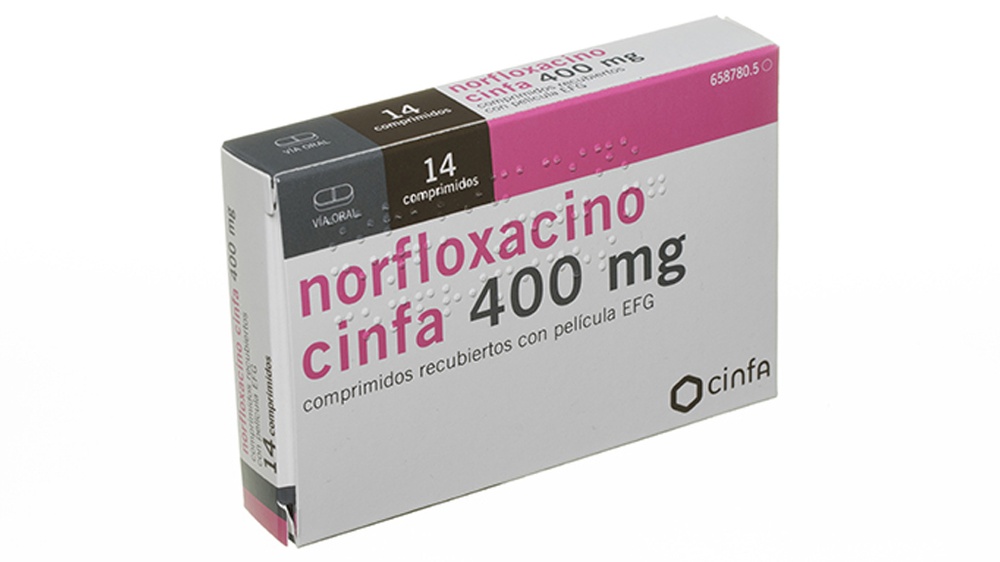
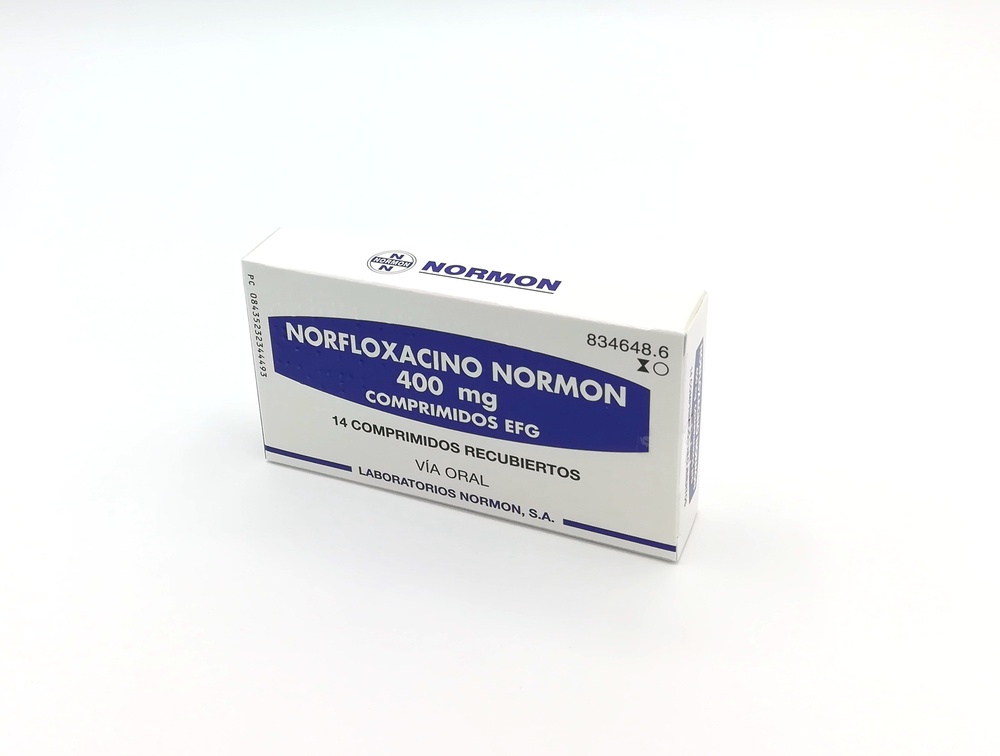
- Alternatives to NORFLOXACIN PENSA 400 mg FILM-COATED TABLETSDosage form: TABLET, 400 mg norfloxacinActive substance: norfloxacinManufacturer: Laboratorios Cinfa S.A.Prescription requiredDosage form: TABLET, 400 mgActive substance: norfloxacinManufacturer: Dari Pharma S.L.Prescription requiredDosage form: TABLET, 400 mg norfloxacinActive substance: norfloxacinManufacturer: Laboratorios Normon S.A.Prescription required

Online doctors for NORFLOXACIN PENSA 400 mg FILM-COATED TABLETS
Discuss questions about NORFLOXACIN PENSA 400 mg FILM-COATED TABLETS, including use, safety considerations and prescription review, subject to medical assessment and local regulations.







.jpg)



Frequently Asked Questions
