



NEVIRAPINA 400 mg Modified-Release Tablet

Prescription review online
A doctor will review your case and decide whether a prescription is medically appropriate.

Talk to a doctor about this medicine
Discuss your symptoms and possible next steps in a quick online consultation.



How to use NEVIRAPINE AUROVITAS 400 mg PROLONGED-RELEASE TABLETS
Contents of the leaflet
- Introduction
- What is Nevirapine Aurovitas and what is it used for
- What you need to know before you take Nevirapine Aurovitas
- How to take Nevirapine Aurovitas
- Possible Adverse Effects
- Storage of Nevirapina Aurovitas
- Package Contents and Additional Information
Introduction
Package Leaflet: Information for the User
Nevirapine Aurovitas 400 mg prolonged-release tablets EFG
Read all of this leaflet carefully before you start taking this medicine because it contains important information for you.
- Keep this leaflet, you may need to read it again.
- If you have any further questions, ask your doctor or pharmacist.
- This medicine has been prescribed for you only. Do not pass it on to others. It may harm them, even if their signs of illness are the same as yours.
- If you experience any side effects, talk to your doctor or pharmacist. This includes any possible side effects not listed in this leaflet. See section 4.
Contents of the pack
- What is Nevirapine Aurovitas and what is it used for
- What you need to know before you take Nevirapine Aurovitas
- How to take Nevirapine Aurovitas
- Possible side effects
- Storing Nevirapine Aurovitas
- Contents of the pack and other information
1. What is Nevirapine Aurovitas and what is it used for
This medicine belongs to a group of medicines called antiretrovirals, which are used to treat Human Immunodeficiency Virus (HIV) infection.
The active substance in this medicine is called nevirapine. Nevirapine belongs to a class of anti-HIV medicines called non-nucleoside reverse transcriptase inhibitors (NNRTIs). Reverse transcriptase is an enzyme that HIV needs to multiply. Nevirapine stops this enzyme from working. By stopping the enzyme from working, nevirapine helps to control the HIV-1 infection.
Nevirapine is indicated for the treatment of adults, adolescents, and children aged 3 years or older who can swallow tablets, infected with HIV-1. You should take nevirapine in combination with other antiretroviral medicines. Your doctor will recommend the appropriate medicines for you.
This medicine should only be used after a 2-week treatment with another type of nevirapine medicine (suspension or immediate-release tablets) unless you are already being treated with nevirapine and are switching to the prolonged-release form.

Not sure if this medicine is right for you?
Discuss your symptoms and treatment with a doctor online.
2. What you need to know before you take Nevirapine Aurovitas
Do not take Nevirapine Aurovitas
- If you are allergic to nevirapine or any of the other ingredients of this medicine (listed in section 6 “Contents of the pack and other information”).
- If you have previously taken nevirapine and had to stop treatment because you had:
- Severe skin rash.
- Skin rash with other symptoms such as:
- fever
- blistering
- mouth sores
- eye inflammation
- facial swelling
- general swelling
- difficulty breathing
- muscle or joint pain
- general feeling of being unwell
- abdominal pain
- Allergic reactions (hypersensitivity reactions).
- Liver inflammation (hepatitis).
Warnings and precautions
Talk to your doctor or pharmacist before you start taking Nevirapine Aurovitas.
During the first 18 weeks of treatment with nevirapine, it is very important that you and your doctor monitor for signs of liver or skin reactions. These reactions can be severe and even life-threatening. The risk of these reactions is higher during the first 6 weeks of treatment.
If you experience a severe rash or hypersensitivity reaction (allergic reactions that can appear as a rash) along with other side effects such as:
- fever,
- blistering,
- mouth sores,
- eye inflammation,
- facial swelling,
- general swelling,
- difficulty breathing,
- muscle or joint pain,
- general feeling of being unwell,
- or abdominal pain
YOU MUST STOP TAKING NEVIRAPINE AND CONTACT YOUR DOCTOR IMMEDIATELY, as these reactions can be life-threatening or cause death.
If you experience only mild rash symptoms without any other reaction, inform your doctor immediately, who will advise you whether to stop taking nevirapine.
If you experience symptoms suggesting liver damage, such as:
- loss of appetite,
- general feeling of being unwell (nausea),
- vomiting,
- yellowing of the skin (jaundice),
- abdominal pain
you must stop taking nevirapine and contact your doctor immediately.
If you experience severe liver, skin, or hypersensitivity reactions while taking nevirapine, DO NOT TAKE NEVIRAPINE AGAIN without consulting your doctor first.
You must take your nevirapine dose as directed by your doctor. This is especially important during the first 14 days of treatment (see more information in “How to take Nevirapine Aurovitas”).
The following patients are at higher risk of developing liver problems:
- Women.
- Patients infected with hepatitis B or C.
- Abnormal liver function tests.
- Patients who have never received treatment and have high CD4 cell counts at the start of nevirapine treatment (women with more than 250 cells/mm3, men with more than 400 cells/mm3).
- Patients who have been previously treated with detectable HIV-1 viral load in plasma and high CD4 cell counts at the start of nevirapine treatment (women with more than 250 cells/mm3, men with more than 400 cells/mm3).
In some patients with advanced HIV infection (AIDS) and a history of opportunistic infections (AIDS-defining illnesses), signs and symptoms of inflammation from previous infections may appear after starting anti-HIV treatment. It is believed that these symptoms are due to an improvement in the body's immune response, allowing it to fight off infections that were present but not showing any symptoms. If you notice any symptoms of infection, inform your doctor immediately.
In addition to opportunistic infections, autoimmune disorders (a condition that occurs when the immune system attacks healthy body tissue) may also appear after starting treatment for your HIV infection. Autoimmune disorders may appear many months after starting treatment. If you notice any symptoms of infection or other symptoms, such as muscle weakness, weakness starting in the hands and feet and moving up towards the trunk of the body, palpitations, tremors, or hyperactivity, inform your doctor immediately to receive the necessary treatment.
Changes in body fat may occur in patients receiving combined antiretroviral therapy. Talk to your doctor if you notice changes in body fat (see section 4 “Possible side effects”).
In some patients receiving combined antiretroviral therapy, a bone disease called osteonecrosis (death of bone tissue caused by loss of blood supply to the bone) may develop. The duration of combined antiretroviral therapy, the use of corticosteroids, alcohol consumption, severe immune system weakness, and high body mass index may be some of the many risk factors for developing this disease. The symptoms of osteonecrosis are: joint stiffness, pain, and discomfort (especially in the hip, knee, and shoulder) and difficulty moving. If you notice any of these symptoms, inform your doctor.
If you are taking nevirapine and zidovudine together, inform your doctor because you may need to have your white blood cell count checked.
Do not take nevirapine after being exposed to HIV unless you have been diagnosed with HIV and your doctor has told you to do so.
Prednisone should not be used to treat nevirapine-associated rashes.
If you are taking oral contraceptives (e.g., “the pill”) or other hormonal methods of birth control while being treated with nevirapine, you should also use a barrier method of birth control (e.g., condoms) to prevent pregnancy and transmission of HIV. If you are receiving postmenopausal hormone replacement therapy, talk to your doctor before taking this medicine.
If you are taking or are prescribed rifampicin to treat tuberculosis, inform your doctor before taking this medicine with nevirapine.
Some patients taking other formulations of nevirapine prolonged-release tablets reported finding tablet residues in their stools that may appear as whole tablets. According to available data, this has not been shown to affect the therapeutic response of these other formulations. Inform your doctor if you find tablet pieces in your stools.
Children and adolescents
This medicine can be used in children if:
- they are ≥ 8 years old and weigh 43.8 kg or more.
- they are more than 3 years old and less than 8 years old and weigh 25 kg or more.
- they have a body surface area of 1.17 square meters or greater.
For younger children, a liquid suspension is available.
Other medicines and Nevirapine Aurovitas
Tell your doctor or pharmacist if you are taking, have recently taken, or might take any other medicines. Before starting nevirapine, tell your doctor about all other medicines you are taking. Your doctor may need to check if your other medicines are still working and adjust the doses. Read carefully the package leaflet of all other anti-HIV medicines you are taking with nevirapine.
It is especially important that you inform your doctor if you are taking or have recently taken:
- St. John's Wort (Hypericum perforatum, a herbal remedy for depression).
- Rifampicin (a medicine for treating tuberculosis).
- Rifabutin (a medicine for treating tuberculosis).
- Macrolides, e.g., clarithromycin (a medicine for treating bacterial infections).
- Fluconazole (a medicine for treating fungal infections).
- Ketoconazole (a medicine for treating fungal infections).
- Itraconazole (a medicine for treating fungal infections).
- Methadone (a medicine used for treating opioid addiction).
- Warfarin (a medicine for reducing blood clot formation).
- Hormonal contraceptives (e.g., “the pill”).
- Atazanavir (another medicine for treating HIV infection).
- Lopinavir/ritonavir (another medicine for treating HIV infection).
- Fosamprenavir (another medicine for treating HIV infection).
- Efavirenz (another medicine for treating HIV infection).
- Etravirine (another medicine for treating HIV infection).
- Rilpivirine (another medicine for treating HIV infection).
- Zidovudine (another medicine for treating HIV infection).
- Elvitegravir/cobicistat (another medicine for treating HIV infection).
Your doctor will carefully monitor the effect of nevirapine and any of these medicines if you are using them at the same time.
Taking Nevirapine Aurovitas with food and drink
There are no restrictions on taking nevirapine with food and drink.
Pregnancy and breastfeeding
If you are pregnant or breastfeeding, think you may be pregnant, or are planning to have a baby, ask your doctor or pharmacist for advice before taking this medicine.
It is not recommendedthat HIV-positive women breastfeed their babies because HIV infection can be passed on to the baby through breast milk.
If you are breastfeeding or thinking of breastfeeding, you must consult your doctor as soon as possible.
Driving and using machines
When taking nevirapine, you may experience fatigue. Be careful when taking part in activities such as driving or using tools or machines. If you experience fatigue, you should avoid hazardous tasks such as driving and using tools or machines.
Nevirapine Aurovitas contains lactose
This medicine contains lactose. If your doctor has told you that you have an intolerance to some sugars, talk to your doctor before taking this medicine.
Nevirapine Aurovitas contains sodium
This medicine contains less than 23 mg of sodium (1 mmol) per prolonged-release tablet; this is essentially “sodium-free”.
3. How to take Nevirapine Aurovitas
Do not take nevirapine on your own. You must take it with at least two other antiretroviral medicines. Your doctor will recommend the appropriate medicines for you.
Follow exactly the instructions for taking this medicine given by your doctor. If you are unsure, talk to your doctor or pharmacist.
Dose:
Adults
The dose is one 200 mg nevirapine tablet per day for the first 14 days of treatment (the “lead-in” period). A starter pack with nevirapine 200 mg tablets is available for this lead-in period. After 14 days, the usual dose is one 400 mg prolonged-release tablet once a day.
It is very important that you take only one nevirapine tablet per day during the first 14 days (the “lead-in” period). If you experience a rash during this period, do not start taking the prolonged-release tablets and talk to your doctor.
The 14-day “lead-in” period has been shown to reduce the risk of skin rash.
Patients who are already being treated with immediate-release tablets or oral suspension may be switched to prolonged-release tablets without the lead-in period.
As nevirapine must always be taken in combination with other antiretroviral medicines, you must follow the instructions for your other medicines carefully. These are provided in the package leaflets of those medicines.
Nevirapine is also available as an oral suspension (for all age groups, weights, and body surface areas).
You must keep taking nevirapine for as long as your doctor tells you.
As explained earlier in the section “Warnings and precautions”, your doctor will monitor you with liver tests and check for side effects such as rash. Depending on the results, your doctor may decide to stop or interrupt treatment with nevirapine. Your doctor may also decide to restart treatment at a lower dose.
If you have kidney or liver problems of any degree, take only nevirapine 200 mg tablets or nevirapine 50 mg/5 ml oral suspension.
Take the prolonged-release tablets of nevirapine by mouth only. Do not chew the prolonged-release tablets. You can take nevirapine with or without food.
If you take more Nevirapine Aurovitas than you should
Do not take more nevirapine than your doctor has prescribed and is described in this leaflet. There is currently little information on the effects of an overdose of nevirapine. Talk to your doctor if you have taken more nevirapine than you should.
In case of overdose or accidental ingestion, talk to your doctor or pharmacist immediately or call the Toxicology Information Service, telephone 91 562 04 20, stating the medicine and the amount taken.
If you forget to take Nevirapine Aurovitas
Try to avoid missing any dose. If you realize you have missed a dose within 12 hours of the scheduled time, take the missed dose as soon as possible. If more than 12 hours have passed since the scheduled time, only take the next dose at the usual time.
If you stop taking Nevirapine Aurovitas
Taking your doses at the right times:
- greatly increases the effectiveness of your combination of antiretroviral medicines.
- reduces the chances of your HIV infection becoming resistant to the antiretroviral medicines.
It is important that you continue taking nevirapine correctly, as described above, unless your doctor tells you to stop.
If you stop taking nevirapine for more than 7 days, your doctor will advise you to start again with the 14-day lead-in period with nevirapine tablets (as described above) before going back to taking one prolonged-release tablet of nevirapine per day.
If you have any further questions on the use of this medicine, ask your doctor or pharmacist.

Started taking the medicine and have questions?
Discuss your symptoms and treatment with a doctor online.
4. Possible Adverse Effects
During HIV treatment, there may be an increase in body weight and levels of glucose and lipids in the blood. This may be partly related to the recovery of health and lifestyle, and in the case of increased blood lipids, it may sometimes be due to HIV medications themselves. Your doctor will monitor these changes.
Like all medications, this medication may produce adverse effects, although not all people experience them.
As already mentioned in "Warnings and Precautions", the most important adverse effects of nevirapine are severe skin reactions and life-threatening liver damage. These reactions occur mainly during the first 18 weeks of nevirapine treatment. This is, therefore, an important period that requires close monitoring by your doctor.
If you observe any symptoms of a rash, inform your doctor immediately.
When a rash occurs, it is usually mild to moderate. However, in some patients, a rash appears in the form of a blistering skin reaction that can be severe or life-threatening (Stevens-Johnson syndrome and toxic epidermal necrolysis), with reported fatalities. Most cases of rash, both severe and mild/moderate, occur during the first six weeks of treatment.
If a rash appears and you also feel unwell, you should stop treatment and see your doctor immediately.
Hypersensitivity reactions (allergic reactions) may occur. These reactions can appear as anaphylaxis (a severe allergic reaction), with symptoms such as:
- rash.
- facial swelling.
- difficulty breathing (bronchospasm).
- anaphylactic shock.
Hypersensitivity reactions can also present as a rash with other adverse effects, such as:
- fever.
- blistering of the skin.
- mouth sores.
- eye inflammation.
- facial swelling.
- generalized swelling.
- difficulty breathing.
- muscle or joint pain.
- decrease in white blood cell count (granulocytopenia).
- general malaise.
- severe liver or kidney problems (liver or kidney failure).
If you experience a rash and any of the other adverse effects of a hypersensitivity reaction (allergic reaction), inform your doctor immediately. These reactions can be fatal.
Abnormalities in liver function have been described with the use of nevirapine. This includes some cases of liver inflammation (hepatitis), which can be sudden and severe (fulminant hepatitis) and liver failure, both of which can be fatal.
Inform your doctor if you experience any of the following clinical symptoms of liver damage:
- loss of appetite.
- general malaise (nausea).
- vomiting.
- yellowing of the skin (jaundice).
- abdominal pain.
The following adverse effects have been reported in patients who received nevirapine 200 mg tablets during the initial 14-day phase:
Frequent (may affect up to 1 in 10 people):
- rash.
- fever.
- headache.
- abdominal pain.
- general malaise (nausea).
- diarrhea.
- fatigue.
Infrequent (may affect up to 1 in 100 people):
- allergic reactions (hypersensitivity).
- allergic reactions characterized by rash, facial swelling, difficulty breathing (bronchospasm), or anaphylactic shock.
- drug reaction with systemic symptoms (drug reaction with eosinophilia and systemic symptoms).
- sudden and severe liver inflammation (fulminant hepatitis).
- severe and potentially fatal skin rashes (Stevens-Johnson syndrome/toxic epidermal necrolysis).
- yellowing of the skin (jaundice).
- hives.
- fluid under the skin (angioedema).
- vomiting.
- muscle pain (myalgia).
- joint pain (arthralgia).
- decrease in white blood cell count (granulocytopenia).
- abnormalities in liver function tests.
- decrease in blood phosphorus levels.
- increase in blood pressure.
Rare (may affect up to 1 in 1,000 people):
- liver inflammation (hepatitis).
- decrease in red blood cell count (anemia).
The following adverse effects have been reported in patients who received nevirapine extended-release tablets once daily in the maintenance phase:
Frequent (may affect up to 1 in 10 people):
- rash.
- headache.
- abdominal pain.
- general malaise (nausea).
- liver inflammation (hepatitis).
- fatigue.
- abnormalities in liver function tests.
- fever.
- vomiting.
- diarrhea.
Infrequent (may affect up to 1 in 100 people):
- allergic reactions (hypersensitivity).
- allergic reactions characterized by rash, facial swelling, difficulty breathing (bronchospasm), or anaphylactic shock.
- drug reaction with systemic symptoms (drug reaction with eosinophilia and systemic symptoms).
- sudden and severe liver inflammation (fulminant hepatitis).
- severe and potentially fatal skin rashes (Stevens-Johnson syndrome/toxic epidermal necrolysis).
- decrease in red blood cell count (anemia).
- decrease in white blood cell count (granulocytopenia).
- yellowing of the skin (jaundice).
- hives.
- fluid under the skin (angioedema).
- muscle pain (myalgia).
- joint pain (arthralgia).
- decrease in blood phosphorus levels.
- increase in blood pressure.
When nevirapine is used in combination with other antiretroviral medications, the following events have also been reported:
- decrease in red or white blood cell count.
- pancreatitis.
- decrease or abnormalities in skin sensations.
These effects are generally associated with other antiretroviral agents and may occur when nevirapine is used in combination with other agents; however, it is unlikely that these effects are due to nevirapine treatment.
Other Adverse Effects in Children and Adolescents
A decrease in white blood cell count (granulocytopenia) may occur, which is more frequent in children. A decrease in red blood cell count (anemia), which may be related to nevirapine treatment, is also more frequent in children. As with rash symptoms, inform your doctor of any adverse effect.
Reporting Adverse Effects
If you experience any adverse effect, consult your doctor or pharmacist, even if it is a possible adverse effect not listed in this leaflet. You can also report them directly through the Spanish Medicines Agency's online platform: https://www.notificaram.es. By reporting adverse effects, you can contribute to providing more information on the safety of this medication.
5. Storage of Nevirapina Aurovitas
Keep this medication out of sight and reach of children.
Do not use this medication after the expiration date stated on the blister pack and carton after EXP. The expiration date is the last day of the month indicated.
This medication does not require special storage conditions.
Medications should not be disposed of via wastewater or household waste. Deposit the packaging and any unused medication in the pharmacy's SIGRE collection point. Ask your pharmacist how to dispose of the packaging and any unused medication. This will help protect the environment.
6. Package Contents and Additional Information
Composition of NevirapinaAurovitas
- The active ingredient is nevirapine. Each extended-release tablet contains 400 mg of nevirapine.
- The other ingredients are: lactose monohydrate, hypromellose (4000 mPa·s, controlled-release grade), yellow iron oxide (E172), colloidal anhydrous silica, sodium stearyl fumarate.
Appearance and Package Contents
Extended-release tablet.
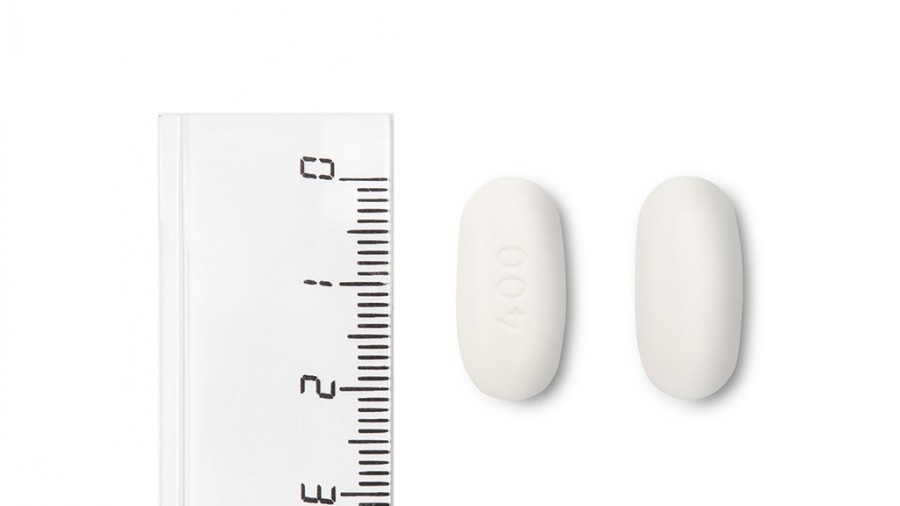
Tablets are light yellow or yellow, oval, biconvex, with the mark "N" on one side and "400" on the other.
Nevirapina Aurovitas extended-release tablets are available in blister packs.
Package sizes:
Blister pack:10, 30, 50, 60, and 90 tablets.
Not all package sizes may be marketed.
Marketing Authorization Holder and Manufacturer
Marketing Authorization Holder:
Aurovitas Spain, S.A.U.
Avenida de Burgos, 16-D
28036 Madrid
Spain
Manufacturer:
APL Swift Services (Malta) Limited
HF26, Hal Far Industrial Estate, Hal Far
Birzebbugia, BBG 3000
Malta
Or
Generis Farmacêutica, S.A.
Rua João de Deus, 19
2700-487 Amadora
Portugal
Or
Arrow Génériques
26 Avenue Tony Garnier
69007 Lyon
France
This medication is authorized in the Member States of the European Economic Area under the following names:
Germany: Nevirapin Aurobindo 400 mg Retardtabletten
Spain: Nevirapina Aurovitas 400 mg comprimidos de liberación prolongada EFG
France: NEVIRAPINE ARROW LP 400 mg, comprimé à libération prolongée
Netherlands: Nevirapine Aurobindo 400 mg, tabletten met verlengde afgifte
Portugal: Nevirapina Generis
Date of the last revision of this leaflet: January 2023
Detailed information on this medication is available on the website of the Spanish Agency for Medicines and Health Products (AEMPS) (http://www.aemps.gob.es/).
- Country of registration
- Dosage formMODIFIED-RELEASE TABLET, 400 mg
- ATC codeJ05AG01
- Active substance
- Prescription requiredYes
- Manufacturer
- CompositionLACTOSA MONOHIDRATO (383,7 mg mg), FUMARATO DE ESTEARILO Y SODIO (20 mg mg)
- This information is for reference only and does not constitute medical advice. Always consult a doctor before taking any medication. Oladoctor is not responsible for medical decisions based on this content.
- Alternatives to NEVIRAPINE AUROVITAS 400 mg PROLONGED-RELEASE TABLETSDosage form: TABLET, 200 mgActive substance: nevirapineManufacturer: Kern Pharma S.L.Prescription requiredDosage form: TABLET, 200 mgActive substance: nevirapineManufacturer: Laboratorios Normon S.A.Prescription requiredDosage form: MODIFIED-RELEASE TABLET, 400 mgActive substance: nevirapineManufacturer: Tarbis Farma S.L.Prescription required
Online doctors for NEVIRAPINE AUROVITAS 400 mg PROLONGED-RELEASE TABLETS
Discuss questions about NEVIRAPINE AUROVITAS 400 mg PROLONGED-RELEASE TABLETS, including use, safety considerations and prescription review, subject to medical assessment and local regulations.









Get NEVIRAPINE AUROVITAS 400 mg PROLONGED-RELEASE TABLETS Prescription Online
Fill in a 2-min form
Tell us your symptoms, history, and what medicine you're requesting.
Pick a doctor or let us assign
Choose a specialist or we'll match you with the next available doctor.
Doctor reviews your case
Usually within 30 minutes. They may ask follow-up questions via chat.
Collect from any pharmacy
Electronic prescription sent to your email — valid across Spain.
Frequently Asked Questions
NEVIRAPINE AUROVITAS 400 mg PROLONGED-RELEASE TABLETS requires a prescription in Spain. You can check with a doctor online whether this medicine may be appropriate for your situation.
The active ingredient in NEVIRAPINE AUROVITAS 400 mg PROLONGED-RELEASE TABLETS is nevirapine. This information helps identify medicines with the same composition but different brand names.
NEVIRAPINE AUROVITAS 400 mg PROLONGED-RELEASE TABLETS is manufactured by Aurovitas Spain, S.A.U.. Pharmacy brands and packaging may differ depending on the distributor.
Doctors such as Family doctors, Psychiatrists, Dermatologists, Cardiologists, Endocrinologists, Gastroenterologists, Pulmonologists, Nephrologists, Rheumatologists, Hematologists, Infectious disease physicians, Allergists, Geriatricians, Paediatricians, Oncologists may assess whether NEVIRAPINE AUROVITAS 400 mg PROLONGED-RELEASE TABLETS is appropriate, depending on your situation and local regulations. You can book an online consultation to discuss your symptoms and possible next steps.
Spain has a well-developed healthcare infrastructure across major cities such as Madrid, Barcelona, Valencia, and Seville. Pharmacies are widely available and operate under strict regulations, ensuring access to prescribed medications.
You can buy NEVIRAPINE AUROVITAS 400 mg PROLONGED-RELEASE TABLETS in Madrid, Barcelona, Seville, or Valencia at any local pharmacy with a valid prescription.
To obtain a prescription, you can use Oladoctor:
Other medicines with the same active substance (nevirapine) include NEVIRAPINE KERN PHARMA 200 mg TABLETS, NEVIRAPINE NORMON 200 mg TABLETS, NEVIRAPINE TARBIS FARMA 400 mg PROLONGED-RELEASE TABLETS. These may have different brand names or formulations but contain the same therapeutic ingredient. Always consult a doctor before switching or starting a new medicine.
