


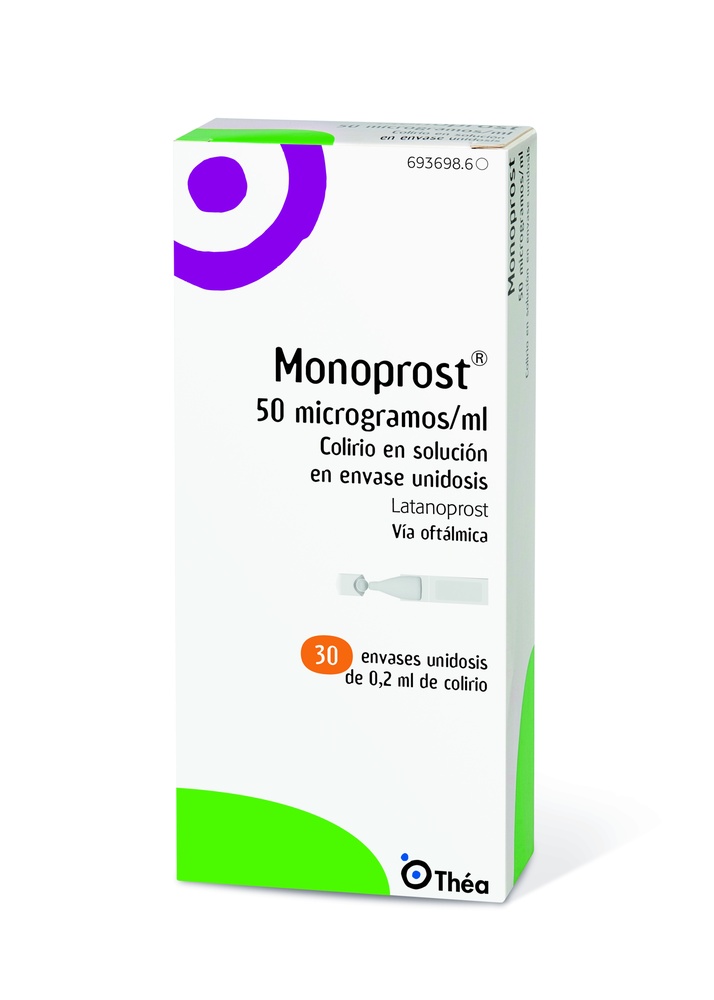
MONOPROST 50 micrograms/ml eye drops in solution



How to use MONOPROST 50 micrograms/ml eye drops in solution
Translated with AI
This page provides general information and does not replace a doctor’s consultation. Always consult a doctor before taking any medication. Seek urgent medical care if symptoms are severe.
Show originalContents of the leaflet
Introduction
Leaflet: information for the user
Monoprost 50 micrograms/ml eye drops solution
Latanoprost
Read the entire leaflet carefully before starting to use this medicine, as it contains important information for you.
- Keep this leaflet, as you may need to read it again.
- If you have any doubts, consult your doctor, pharmacist, or nurse.
- This medicine has been prescribed to you only, and you should not give it to others, even if they have the same symptoms as you, as it may harm them.
- If you experience side effects, consult your doctor, pharmacist, or nurse, even if they are side effects not listed in this leaflet. See section 4.
Contents of the leaflet:
- What is Monoprost and what is it used for
- What you need to know before starting to use Monoprost
- How to use Monoprost
- Possible side effects
- Storage of Monoprost
- Package contents and additional information
1. What is Monoprost and what is it used for
Monoprost belongs to a group of medicines known as prostaglandins. It reduces the pressure inside the eye by increasing the natural flow of fluid from the inside of the eye to the bloodstream.
Monoprost is used to treat diseases known as open-angle glaucoma and ocular hypertensionin adults. Both diseases are related to an increase in pressure inside the eye, which can affect vision.
Monoprost is a preservative-free eye drop solution.

2. What you need to know before starting to use Monoprost
Do not use Monoprost
- If you are allergic (hypersensitive) to latanoprost or any of the other components of this medicine (listed in section 6).
Warnings and precautions
Consult your doctor, pharmacist, or nurse before starting to use Monoprost if you think any of the following situations apply to you:
- If you have had or are going to have eye surgery (including cataract surgery).
- If you have eye problems (such as eye pain, irritation, or inflammation, blurred vision).
- If you have severe asthma or uncontrolled asthma.
- If you use contact lenses. You can continue to use Monoprost, but you must follow the instructions included in section 3 for contact lens users.
If you have had or are having a viral eye infection caused by the herpes simplex virus (HSV) Children and adolescents
Do not give this medicine to children and adolescents under 18 years of age. Monoprost has not been investigated in this population.
Using Monoprost with other medicines
Monoprost may interact with other medicines. Inform your doctor or pharmacist about any other medicines you are using, have recently used, or may need to use.
Pregnancy, breastfeeding, and fertility
Do not use Monoprostif you are pregnant or breastfeeding.
If you are pregnant or breastfeeding, think you may be pregnant, or plan to become pregnant, consult your doctor or pharmacist before using this medicine.
Driving and using machines
When using Monoprost, blurred vision may occur for a short period. If this happens, do not driveor use tools or machines until your vision is clear again.
Important information about some of the components of Monoprost
Monoprost contains macrogolglycerol hydroxystearate (derived from castor oil), which may cause skin allergic reactions.
3. How to use Monoprost
Usual dose
- Follow your doctor's instructions for using Monoprost exactly. If in doubt, consult your doctor or pharmacist again.
- The usual dose for adults (including elderly patients) is one drop in the affected eye(s) once a day. It is preferable to administer it at night.
- Do not use Monoprost more than once a day, as the effectiveness of the treatment may decrease if it is administered more frequently.
- Follow the administration instructions for the medicine contained in this leaflet or as indicated by your doctor, until your doctor tells you to stop the treatment. If in doubt, ask your doctor, pharmacist, or nurse.
- This medicine is a preservative-free eye drop solution. Do not let the tip of the bottle touch the eyes or the surrounding areas. It may become contaminated with bacteria that can cause eye infections, leading to serious damage to the eyes, including vision loss. To avoid possible contamination of the bottle, avoid letting the tip of the bottle come into contact with any surface.
Contact lens users
If you use contact lenses, you must remove them before using Monoprost. After applying Monoprost, wait 15 minutes before putting your contact lenses back in.
Instructions for use
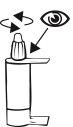
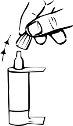
It is essential to follow the following instructions when using this product:
| Before using this medicine for the first time:
|
|
|
|
|
|
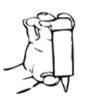
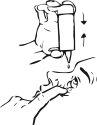
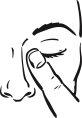
To apply one drop to the lower conjunctival sac of the affected eye(s), briefly but firmly pressthe bottle. Thanks to the automatic dosing, exactly one drop is released with each pump. |
If the drop does not fall, gently shake the bottle to extract the remaining drop from the end of the dropper. In this case, repeat step 3. | |
|
|
|
If you use Monoprost with other eye drops
Wait at least 5 minutes between applying Monoprost and administering other eye drops.
If you use more Monoprost than you should
If you have applied more drops in the eye than you should, you may feel mild irritation in the eye, and your eyes may also become red and tear; this situation should disappear, but if you are concerned, contact your doctor.
In case of accidental ingestion of Monoprost, consult your doctor as soon as possible.
In case of overdose or accidental ingestion, consult your doctor or pharmacist immediately or call the Toxicological Information Service, phone: 91 562 04 20, indicating the medicine and the amount ingested.
If you forget to use Monoprost
Continue with the administration of the next dose as usual. Do not apply an extra drop in the eye to make up for the missed dose. If you have doubts, consult your doctor or pharmacist.
If you stop using Monoprost
If you want to stop using Monoprost, you must consult your doctor.
If you have any other doubts about using this medicine, ask your doctor, pharmacist, or nurse.

4. Possible side effects
Like all medicines, this medicine can cause side effects, although not everyone gets them.
The following adverse reactions are known with the use of Monoprost:
Very common: may affect more than 1 in 10 patients.
- Gradual change in eye color due to the increase in the amount of brown pigment in the colored part of the eye known as the iris.
- If you have mixed-color eyes (blue-brown, gray-brown, yellow-brown, or green-brown), you are more likely to notice this change than if your eyes are a single color (blue, gray, green, or brown).
- The change in eye color may take years to develop, although it can usually be noticed after 8 months of treatment.
- The change in eye color may be permanent and may be more noticeable if Monoprost is used only in one eye.
- The change in eye color does not seem to be associated with the appearance of any problems.
- The change in eye color does not progress once treatment with Monoprost has been stopped.
- Redness of the eye.
- Eye irritation (feeling of stinging, feeling of grit in the eye, itching, pain, and feeling of a foreign body in the eye).
- Gradual change in the eyelashes of the treated eye and the fine hair around the treated eye, observed in most patients of Japanese origin. These changes include an increase in color (darkening), length, thickness, and number of eyelashes.
Common: may affect up to 1 in 10 patients
- Irritation or erosion of the eye surface, eyelid inflammation (blepharitis), eye pain, and sensitivity to light (photophobia), conjunctivitis.
Uncommon: may affect up to 1 in 100 patients
- Swelling of the eyelids, dry eye, inflammation or irritation of the eye surface (keratitis), blurred vision, inflammation of the colored part of the eye (uveitis), swelling of the retina (macular edema).
- Skin rash.
- Chest pain (angina), feeling the heartbeat (palpitations).
- Asthma, difficulty breathing (dyspnea).
- Chest pain.
- Headache, dizziness.
- Muscle pain, joint pain.
- Nausea, vomiting.
Rare: may affect up to 1 in 1,000 patients
- Inflammation of the iris (iritis), symptoms of swelling or injury/damage to the eye surface, swelling around the eye (periorbital edema), misdirected eyelashes or an additional row of eyelashes, accumulation of fluid in the colored part of the eye (iris cyst).
- Skin reactions on the eyelids, darkening of the eyelid skin.
- Worsening of asthma.
- Severe itching of the skin.
- Development of a viral eye infection caused by the herpes simplex virus (HSV).
Very rare: may affect up to 1 in 10,000 patients
- Worsening of angina in patients who also have heart problems.
- Sunken appearance of the eye (deepening of the eye groove).
Reporting side effects
If you experience any side effects, consult your doctor, pharmacist, or nurse, even if they are side effects not listed in this leaflet. You can also report them directly through the Spanish Medicines Monitoring System: https//: notificaram.es. By reporting side effects, you can help provide more information on the safety of this medicine.
5. Storage of Monoprost
Keep this medicine out of the sight and reach of children.
Do not use this medicine after the expiration date shown on the box and bottle. The expiration date is the last day of the month indicated.
Before the first opening of the bottle: Do not store above 25°C.
After the first opening of the bottle: Monoprost can be used for up to 1 month for the 2.5 ml bottle and up to 3 months for the 6 ml bottle, without special storage conditions.
Note the date of first opening on the box.
Medicines should not be disposed of through wastewater or household waste. Deposit the packaging and any unused medicines in the SIGRE collection point at the pharmacy. If in doubt, ask your pharmacist how to dispose of the packaging and any unused medicines. This will help protect the environment.
6. Package contents and additional information
Composition of Monoprost
The active ingredient is latanoprost.
1 ml of eye drops contains 50 micrograms of latanoprost.
The other components (excipients) are: macrogolglycerol hydroxystearate 40, sorbitol, carbomer 974P, macrogol 4000, disodium edetate, sodium hydroxide (for pH adjustment), water for injectable preparations.
Appearance of the product and package contents
Monoprost is a slightly yellowish, opalescent solution without preservatives.
Monoprost is available in the following package sizes:
- 2.5 ml multidose bottle (at least 70 preservative-free drops) for 1 month of treatment, which includes a pump equipped with an Easygrip device with ergonomic supports.
- 6 ml multidose bottle (at least 190 preservative-free drops) for 3 months of treatment, which includes a pump equipped with an Easygrip device with ergonomic supports.
Not all package sizes may be marketed.
Marketing authorization holder and manufacturer
Marketing authorization holder
LABORATOIRES THEA
12 RUE LOUIS BLERIOT
63017 CLERMONT-FERRAND CEDEX 2
FRANCE
Manufacturer
DELPHARM TOURS
RUE PAUL LANGEVIN
37170 CHAMBRAY LES TOURS
FRANCE
Or
LABORATOIRES THEA
12 RUE LOUIS BLERIOT
63017 CLERMONT-FERRAND CEDEX 2
FRANCE
Local representative
Laboratorios Thea, S.A.
C/ Enric Granados nº 86-88, 2ª planta
08008 – BARCELONA
This medicine is authorized in the Member States of the European Economic Area under the following names:
Germany, Belgium, Bulgaria, Cyprus, Denmark, Spain, Finland, France, Greece, Netherlands, Iceland, Italy, Luxembourg, Norway, Poland, Portugal, Sweden
Monoprost
Austria, Slovenia, Czech Republic, Slovakia, Romania
Monopost
Date of the last revision of this leaflet: February 2024
Detailed and updated information about this medicine is available on the website of the Spanish Agency for Medicines and Health Products (AEMPS) http://www.aemps.gob.es/.
- Country of registration
- Dosage formEYE DROP, 50 micrograms/ml
- ATC codeS01EE01
- Active substance
- Prescription requiredYes
- Manufacturer
- This information is for reference only and does not constitute medical advice. Always consult a doctor before taking any medication. Oladoctor is not responsible for medical decisions based on this content.
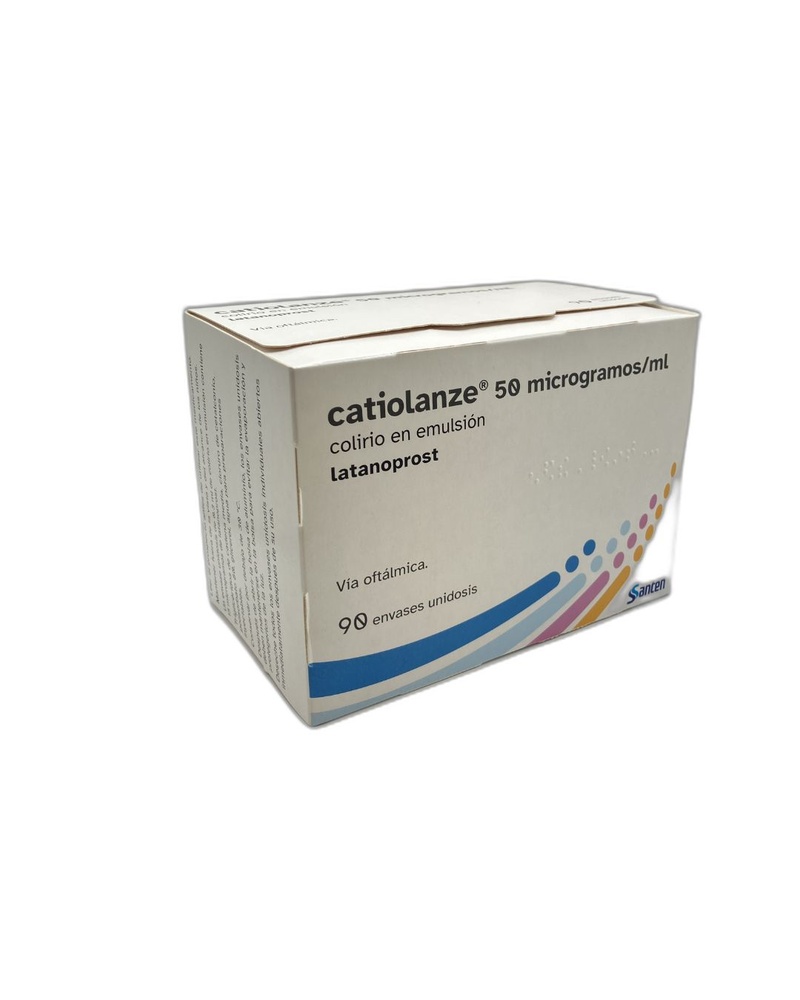
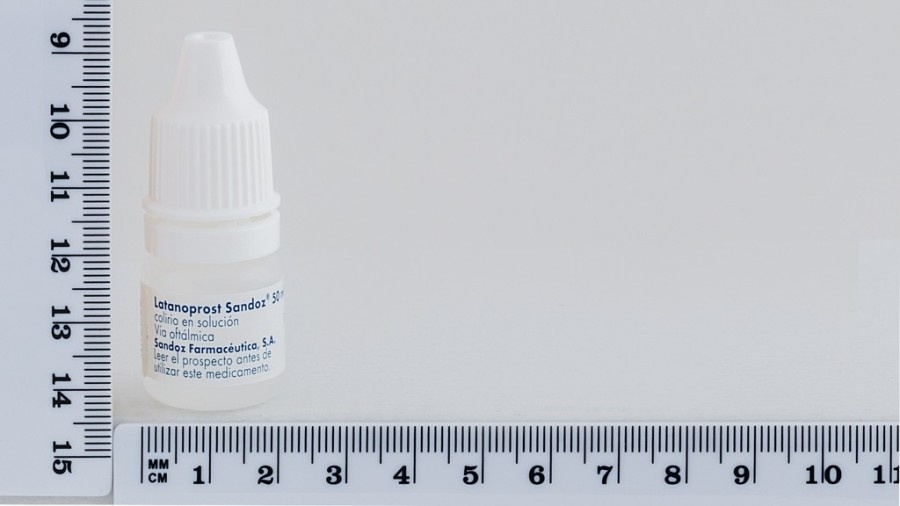
- Alternatives to MONOPROST 50 micrograms/ml eye drops in solutionDosage form: EYE DROP, 50 micrograms/mlActive substance: latanoprostManufacturer: Santen OyPrescription requiredDosage form: EYE DROP, 50 µg/mlActive substance: latanoprostManufacturer: Esteve Pharmaceuticals S.A.Prescription requiredDosage form: EYEDROP, 50 MG/MLActive substance: latanoprostManufacturer: Aurovitas Spain, S.A.U.Prescription required

Online doctors for MONOPROST 50 micrograms/ml eye drops in solution
Discuss questions about MONOPROST 50 micrograms/ml eye drops in solution, including use, safety considerations and prescription review, subject to medical assessment and local regulations.











Frequently Asked Questions
