


MINUSTOSAN 1.5 mg/ml SYRUP



How to use MINUSTOSAN 1.5 mg/ml SYRUP
Translated with AI
This page provides general information and does not replace a doctor’s consultation. Always consult a doctor before taking any medication. Seek urgent medical care if symptoms are severe.
Show originalContents of the leaflet
Introduction
Package Leaflet: Information for the User
Minustosan 1.5 mg/ml Syrup EFG
Dextromethorphan hydrobromide
Read all of this leaflet carefully before you start taking this medicine because it contains important information for you.
Follow exactly the administration instructions of the medicine contained in this leaflet or as indicated by your doctor or pharmacist.
- Keep this leaflet, you may need to read it again.
- If you need advice or more information, consult your pharmacist.
- If you experience side effects, consult your doctor or pharmacist, even if it is a side effect not listed in this leaflet. See section 4.
- You should consult a doctor if it worsens or does not improve after 3-5 days.
Contents of the Package Leaflet
- What is Minustosan and what is it used for
- What you need to know before taking Minustosan
- How to take Minustosan
- Possible side effects
- Storage of Minustosan
- Contents of the pack and further information
1. What is Minustosan and what is it used for
Minustosan is a medicine used to help relieve dry and irritating cough. The syrup contains dextromethorphan hydrobromide, which is a cough suppressant that inhibits the cough reflex.
The medicine is for use in adults and children over 12 years of age.
You should consult a doctor if it worsens or does not improve after 3-5 days of treatment.

2. What you need to know before taking Minustosan
This medicine can cause dependence. Therefore, treatment should be of short duration.
Do not takeMinustosanif:
- you are allergic to dextromethorphan hydrobromide or any of the other components of this medicine (listed in section 6);
- you have a lung disease;
- you are being treated or have been treated in the last 2 weeks with a monoamine oxidase inhibitor (MAOI) used to treat depression;
- you are being treated with selective serotonin reuptake inhibitors (used to treat depression and anxiety, such as fluoxetine, paroxetine, and sertraline)
Do not use Minustosan in children under 12 years of age (see section 3).
Warnings and precautions
Consult your doctor or pharmacist before taking Minustosan:
- if you have liver or kidney problems;
- if you have bronchitis, emphysema, or asthma, or have had a cough for several weeks or a cough that produces a lot of mucus (phlegm);
- if you have alcohol dependence;
- if you have intolerance to some sugars;
- if you are taking other cough and cold medicines that contain dextromethorphan;
- if your child is prone to developing certain allergic reactions (e.g., atopic reactions);
- if you have a history of drug abuse;
- if your doctor has told you that you are a slow metabolizer of CYP2D6.
- If you are taking other medicines such as antidepressants or antipsychotics, Minustosan may interact with these medicines and you may experience changes in your mental state (e.g., agitation, hallucinations, coma) and other effects such as body temperature above 38°C, increased heart rate, unstable blood pressure, and exaggerated reflexes, muscle stiffness, lack of coordination, and/or gastrointestinal symptoms (e.g., nausea, vomiting, and diarrhea).
If the cough persists for more than a week or is accompanied by high fever, skin rash, or persistent headache, you should consult a doctor.
Taking Minustosan with other medicines
Tell your doctor or pharmacist if you are taking, have recently taken, or might take any other medicines, including:
- Certain medicines for depression, such as noradrenaline-dopamine reuptake inhibitors (NDRIs), which include bupropion.
- Antipsychotics (medicines used to treat mood disorders, such as haloperidol, thioridazine, perphenazine).
- Antiarrhythmic agents (medicines used to treat irregular heartbeat, such as amiodarone, propafenone, quinidine, and flecainide).
- Calcimimetic (medicines used to treat secondary hyperparathyroidism, high levels of parathyroid hormone, such as cinacalcet).
- Metoprolol (medicine used to treat high blood pressure, chest pain, or rapid heartbeat).
- Antifungals (terbinafine, isavuconazole).
- Opioid analgesics (medicines used to relieve pain, for example, codeine, tramadol, morphine, methadone).
- Antihistamines (medicines used to treat symptoms of allergic reactions).
- Hypnotics (sleeping pills that include barbiturates).
- Tranquilizers (medicines to relax muscles or reduce anxiety).
If you are not sure about any of the medicines you are taking, show the bottle or packaging to your pharmacist.
If any of these points apply to you now or in the past, talk to a doctor or pharmacist.
Consuming alcohol during treatment with Minustosan may increase the appearance of unwanted effects. Therefore, alcohol consumption should be avoided during this period.
Pregnancy and breastfeeding
If you are pregnant or breastfeeding, think you may be pregnant, or plan to become pregnant, consult your doctor or pharmacist before using this medicine.
Driving and using machines
This medicine may cause drowsiness or dizziness. If you are affected, do not drive or operate machinery. Avoid alcoholic beverages.
Important information about some of the excipients of Minustosan
Minustosan contains sucrose, liquid sorbitol, liquid glucose, ethanol, sodium, sodium benzoate, propylene glycol, and benzyl alcohol.
This medicine contains 3.25 g of sucrose per dose (10 ml). If your doctor has told you that you have an intolerance to certain sugars, consult with them before taking this medicine. This should be taken into account by patients with diabetes mellitus.
This medicine contains 0.65 g of sorbitol per dose (10 ml). Sorbitol is a source of fructose. If your doctor has told you that you (or your child) have an intolerance to some sugars or have been diagnosed with hereditary fructose intolerance (HFI), a rare genetic disorder in which a person cannot break down fructose, talk to your doctor before you (or your child) take or receive this medicine.
This medicine contains 3.95 g of glucose per dose of 10 ml. If your doctor has told you that you have an intolerance to certain sugars, consult with them before taking this medicine. This should be taken into account by patients with diabetes mellitus.
This medicine contains 503 mg of alcohol (ethanol) in each 10 ml, which corresponds to a volume of 5.03% per dose. The amount in 10 ml of this medicine is equivalent to less than 10 ml of beer or 4.5 ml of wine. The small amount of alcohol in this medicine will not have a noticeable effect.
This medicine contains less than 1 mmol of sodium (23 mg) per dose, so it is considered essentially "sodium-free".
This medicine contains 6 mg of sodium benzoate in each 10 ml.
This medicine contains 26.52 mg of propylene glycol (E1520) in each 10 ml.
This medicine contains an insignificant amount of benzyl alcohol as part of the flavoring agents in each 10 ml. Benzyl alcohol may cause allergic reactions. Consult your doctor or pharmacist if you are pregnant or breastfeeding or have liver or kidney disease. This is because large amounts of benzyl alcohol can accumulate in the body and cause adverse effects (metabolic acidosis).
3. How to take Minustosan
Follow exactly the administration instructions of the medicine contained in this leaflet or as indicated by your doctor or pharmacist. In case of doubt, ask your doctor or pharmacist.
See below for the amount of medicine you should take.
- For oral use only.
- Do not take more than the indicated dose shown below.
- Do not take more than 4 doses in 24 hours.
- The maximum treatment duration without medical advice is one week.
- If your symptoms persist or worsen after 3-5 days, talk to your doctor or pharmacist.
The recommended dose is:
Adults
10 ml of syrup (15 mg of dextromethorphan) 3-4 times a day.
Use in children and adolescents
Children 12 years and older: as for adults.
Children under 12 years: do not administer Minustosan to children under 12 years.
Elderly patients (over 65 years)
As for adults.
If you take more Minustosan than you should
If you take more Minustosan than you should, you may experience the following symptoms: nausea and vomiting, involuntary muscle contractions, agitation, confusion, drowsiness, changes in consciousness, rapid and involuntary eye movements, heart problems (rapid heartbeat), coordination problems, psychosis with visual hallucinations, and hyperexcitability.
Additionally, other types of hallucinations, clumsiness, dizziness, speech problems, lack of energy, high blood pressure, tremors, constricted or dilated pupils, difficulty urinating, sudden abdominal pain, or rectal bleeding due to colon inflammation (ischemic colitis) may occur.
Other symptoms in case of massive overdose may be: coma, severe respiratory problems, and convulsions.
Contact your doctor or hospital immediately if you experience any of the above symptoms. Contact your doctor or hospital immediately if you experience any of the mentioned symptoms or call the Toxicology Information Service, phone 91 562 04 20, indicating the medicine and the amount ingested.
If you forget to take Minustosan
You should only take this medicine as needed, carefully following the dosing instructions above. If you forget to take a dose, take the next dose when needed.
Do not take a double dose to make up for forgotten doses.
If you have any doubts about the use of this medicine, consult your doctor or pharmacist.

4. Possible side effects
Like all medicines, this medicine can cause side effects, although not everybody gets them.
If you experience any of the following symptoms, stop taking the medicine and seek immediate medical attention:
- Swelling of the face, lips, mouth, tongue, or throat that can cause difficulty swallowing or breathing.
- Convulsions
If you experience any of the following symptoms, stop taking the medicine and talk to your doctor:
- Itching, skin rash, hives.
Other effects that may occur include:
- Dizziness, drowsiness.
- Nausea, vomiting, diarrhea.
- Stomach discomfort or stomach pain.
- Difficulty sleeping or feeling restless or confused.
- Shallow breathing.
Reporting of side effects
If you experience any side effects, consult your doctor or pharmacist, even if it is a side effect not listed in this leaflet. You can also report them directly through the Spanish Medicines Monitoring System: www.notificaRAM.es. By reporting side effects, you can help provide more information on the safety of this medicine.
5. Storage of Minustosan
Keep this medicine out of the sight and reach of children.
No special storage conditions are required.
Do not use this medicine after the expiry date stated on the bottle after EXP. The expiry date is the last day of the month indicated.
After opening the bottle for the first time, the medicine can be used until the expiry date indicated on the label.
Medicines should not be disposed of via wastewater or household waste. Place the packaging and any unused medicines in the pharmacy's SIGRE collection point. Ask your pharmacist how to dispose of the packaging and any medicines you no longer need. This will help protect the environment.
6. Contents of the pack and further information
Composition of Minustosan
- The active substance is dextromethorphan hydrobromide. Each ml contains 1.5 mg of dextromethorphan hydrobromide.
- The other ingredients are: sodium saccharin (E 954), sodium benzoate (E 211), sucrose, liquid glucose (atomized), liquid sorbitol (E 420) (without crystallization), glycerol (E 422), anhydrous ethanol, levomenthol, citric acid, caramel flavor (contains propylene glycol (E 1520), benzyl alcohol), peach flavor (contains propylene glycol (E 1520), sodium citrate, benzyl alcohol, limonene), purified water (see section 2).
Appearance of the product and contents of the pack
Light yellow, transparent syrup with a peach flavor.
Brown glass bottles of 150 ml or 200 ml Type III (Ph.Eur) closed with one of the following caps:
- Aluminum cap. As part of the packaging, a plastic dosing spoon with 2.5 ml and 5 ml graduations is provided.
- Tamper-evident plastic cap. As part of the packaging, a plastic measuring cup with 5 ml, 10 ml, 15 ml, and 20 ml graduations is provided.
- Child-resistant plastic cap. As part of the packaging, a plastic measuring cup with 2 ml, 2.5 ml, 3 ml, 4 ml, 5 ml, 6 ml, 7 ml, 7.5 ml, 8 ml, 9 ml, 10 ml, 11 ml, 12 ml, 12.5 ml, and 15 ml graduations is provided.
Marketing Authorization Holder
Medochemie Ltd
1-10 Constantinoupoleos Street
3011, Limassol
Cyprus
Manufacturer
Medochemie Ltd
1-10 Constantinoupoleos Street
3011, Limassol
Cyprus
Date of the last revision of this leafletJanuary 2023.
Detailed information about this medicine is available on the website of the Spanish Agency for Medicines and Health Products (AEMPS) (http://www.aemps.gob.es/).
- Country of registration
- Active substance
- Prescription requiredNo
- Manufacturer
- This information is for reference only and does not constitute medical advice. Always consult a doctor before taking any medication. Oladoctor is not responsible for medical decisions based on this content.
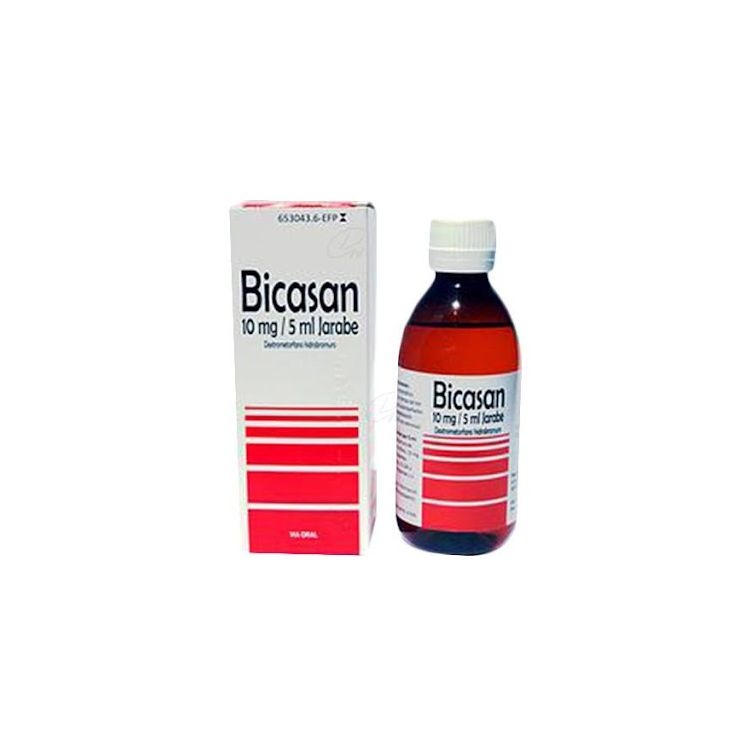
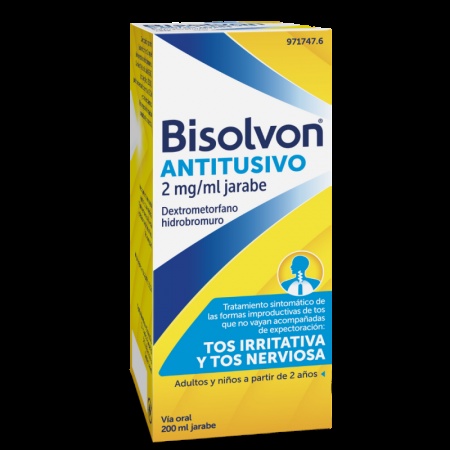
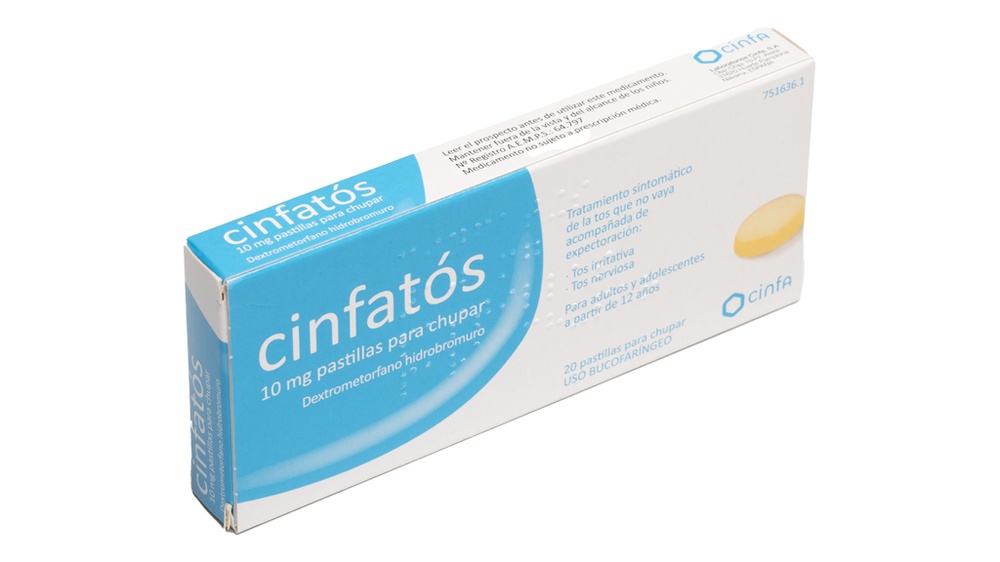
- Alternatives to MINUSTOSAN 1.5 mg/ml SYRUPDosage form: ORAL SOLUTION/SUSPENSION, 500 mg dextromethorphan hydrobromideActive substance: dextromethorphanManufacturer: Pharminicio S.L.Prescription not requiredDosage form: ORAL SOLUTION/SUSPENSION, 10 mg dextromethorphan hydrobromide/5 mlActive substance: dextromethorphanManufacturer: Opella Healthcare Spain S.L.Prescription not requiredDosage form: BUCCAL/SUCKING TABLET, 10 mgActive substance: dextromethorphanManufacturer: Laboratorios Cinfa S.A.Prescription not required
Online doctors for MINUSTOSAN 1.5 mg/ml SYRUP
Discuss questions about MINUSTOSAN 1.5 mg/ml SYRUP, including use, safety considerations and prescription review, subject to medical assessment and local regulations.











Frequently Asked Questions
