


Linezolid Eugia Pharma 2 mg/ml injectable perfusión

Prescription review online
A doctor will review your case and decide whether a prescription is medically appropriate.

Talk to a doctor about this medicine
Discuss your symptoms and possible next steps in a quick online consultation.



How to use LINEZOLID AUROVITAS 2 mg/ml SOLUTION FOR INFUSION
Contents of the leaflet
- Introduction
- What is Linezolid Aurovitas and what is it used for
- What you need to know before you use Linezolid Aurovitas
- How to use Linezolid Aurovitas
- Possible side effects
- Storage of Linezolid Aurovitas
- Container Contents and Additional Information
Introduction
Package Leaflet: Information for the User
Linezolid Aurovitas 2 mg/ml Solution for Infusion EFG
Read all of this leaflet carefully before you start using this medicine because it contains important information for you.
- Keep this leaflet, you may need to read it again.
- If you have any further questions, ask your doctor, pharmacist, or nurse.
- This medicine has been prescribed for you only. Do not pass it on to others. It may harm them, even if their signs of illness are the same as yours.
- If you get any side effects, talk to your doctor, pharmacist, or nurse. This includes any possible side effects not listed in this leaflet. See section 4.
Contents of the Package Leaflet
- What is Linezolid Aurovitas and what is it used for
- What you need to know before you use Linezolid Aurovitas
- How to use Linezolid Aurovitas
- Possible side effects
- Storage of Linezolid Aurovitas
- Contents of the pack and other information
1. What is Linezolid Aurovitas and what is it used for
Linezolid is an antibiotic of the oxazolidinone group that works by preventing the growth of certain bacteria (germs) that cause infections.
Antibiotics are used to treat bacterial infections and do not work for viral infections such as the flu or the common cold.
It is essential that you follow the instructions regarding the dose, administration interval, and treatment duration indicated by your doctor.
Do not store or reuse this medicine. If you have any leftover antibiotic after finishing the treatment, return it to the pharmacy for proper disposal. Do not throw away medicines via wastewater or household waste.
It is used for the treatment of pneumonia and some skin or subcutaneous tissue infections. Your doctor will have decided if linezolid is suitable for treating your infection.

Not sure if this medicine is right for you?
Discuss your symptoms and treatment with a doctor online.
2. What you need to know before you use Linezolid Aurovitas
Do not use Linezolid Aurovitas
- if you are allergic to linezolid or any of the other ingredients of this medicine (listed in section 6).
- if you are taking or have taken in the last 2 weeks any medicine called monoamine oxidase inhibitors (MAOIs, such as phenelzine, isocarboxazid, selegiline, moclobemide). These medicines are usually used to treat depression or Parkinson's disease.
- if you are breastfeeding. This medicine passes into breast milk and could affect your baby.
Warnings and Precautions
Consult your doctor, pharmacist, or nurse before starting to use Linezolid Aurovitas.
Linezolid may not be suitable for you if you answer yesto any of the following questions. In that case, tell your doctor, as he/she will need to monitor your general health and blood pressure before and during treatment or may decide that another treatment is better for you.
Ask your doctor if you are not sure if any of the following applies to you:
- You have high blood pressure, whether or not you are taking medicines to treat it.
- You have been diagnosed with hyperthyroidism.
- You have a tumor of the adrenal glands (pheochromocytoma) or carcinoid syndrome (caused by tumors in the hormonal system that cause symptoms of diarrhea, skin flushing, wheezing).
- You suffer from manic depression, schizophrenic disorder, mental confusion, or other mental problems.
- You have a history of hyponatremia (low sodium levels in the blood) or take medicines that decrease sodium levels in the blood, e.g., some diuretics, such as hydrochlorothiazide.
- You take any opioid.
The use of certain medicines, including antidepressants and opioids, together with linezolid may cause a serotonin syndrome, a potentially life-threatening disease (see "Other medicines and Linezolid Aurovitas").
Be careful with Linezolid Aurovitas
Tell your doctor before using this medicine if:
- you are elderly.
- you bruise easily and bleed.
- you have anemia (low red blood cell count).
- you are prone to infections.
- you have a history of seizures.
- you have liver or kidney problems, especially if you are on dialysis.
- you have diarrhea.
Tell your doctor immediately if the following appear during treatment:
- vision problems such as blurred vision, changes in color vision, difficulty seeing clearly, or if you notice that your field of vision is reduced.
- loss of sensation in your arms or legs or a feeling of tingling or burning in your arms or legs.
- diarrhea may occur while you are taking or after taking antibiotics, including linezolid. If diarrhea becomes severe, lasts a long time, or if you notice that your stool contains blood or mucus, you should stop taking this medicine immediately and consult your doctor. In this situation, do not take medicines that stop or reduce bowel movements.
- repeated nausea or vomiting, abdominal pain, or rapid breathing.
- a feeling of dizziness and discomfort with muscle weakness, headache, confusion, and memory impairment, which may be indicative of hyponatremia (low sodium levels in the blood).
Other medicines and Linezolid Aurovitas
Occasionally, linezolid may interact with some medicines and produce adverse effects such as changes in blood pressure, body temperature, or heart rate.
Tell your doctor or pharmacist if you are taking or have recently taken any other medicines.
Tell your doctor if you are taking or have taken in the last 2 weeksthe following medicines, as you must notuse linezolid if you are still taking them or have taken them recently (see also section 2 above "Do not use Linezolid Aurovitas"):
- monoamine oxidase inhibitors (MAOIs, such as phenelzine, isocarboxazid, selegiline, moclobemide). These medicines are usually used to treat Parkinson's disease.
Also, tell your doctor if you are taking the following medicines. Your doctor may decide to treat you with linezolid, but will need to assess your general condition and blood pressure before and during treatment. In other cases, your doctor may decide that another treatment is better for you.
- Cold remedies containing pseudoephedrine or phenylpropanolamine.
- Some medicines for asthma such as salbutamol, terbutaline, fenoterol.
- Certain antidepressants called tricyclics or SSRIs (selective serotonin reuptake inhibitors). There are many medicines of this type, including amitriptyline, citalopram, clomipramine, dosulepin, doxepin, fluoxetine, fluvoxamine, imipramine, lofepramine, paroxetine, or sertraline.
- Medicines used to treat migraines such as sumatriptan or zolmitriptan.
- Medicines used to treat severe allergic reactions such as adrenaline (epinephrine).
- Medicines that increase blood pressure such as noradrenaline (norepinephrine), dopamine, and dobutamine.
- Opioids (e.g., pethidine) used to treat moderate to severe pain.
- Medicines used to treat anxiety disorders such as buspirone.
- Medicines that prevent blood clotting such as warfarin.
- An antibiotic called rifampicin.
Using Linezolid Aurovitas with food, drinks, and alcohol
- You can use this medicine before, during, or after meals.
- Avoid eating excessive amounts of mature cheese, yeast extracts, or soybean extracts (e.g., soy sauce) and alcoholic beverages, especially beer and wine. The reason is that this medicine may react with a substance called tyramine that is naturally present in some foods. This interaction can cause an increase in your blood pressure.
- If you start to get a headache after eating or drinking, tell your doctor, pharmacist, or nurse immediately.
Pregnancy, breastfeeding, and fertility
The effect of linezolid on pregnant women is unknown. Therefore, pregnant women should not use this medicine unless advised by their doctor. If you are pregnant or breastfeeding, think you may be pregnant, or plan to become pregnant, consult your doctor or pharmacist before using this medicine.
Do not breastfeed while using linezolid because this medicine passes into breast milk and could affect your baby.
Driving and using machines
Linezolid may cause dizziness or vision problems. If this happens, do not drive or use machines. Remember that if you are not feeling well, your ability to drive or use machines may be affected.
Linezolid Aurovitas contains glucose
This medicine contains glucose. Patients with diabetes mellitus should note that this medicine contains 45.7 mg of glucose per ml of solution (13.7 g of glucose per bag).
Linezolid Aurovitas contains sodium
Patients on low-sodium diets should note that this medicine contains 0.38 mg (0.02 mmol) of sodium per ml of solution (114 mg of sodium per bag).
3. How to use Linezolid Aurovitas
Adults
Follow the instructions for administration of this medicine contained in this leaflet or indicated by your doctor, pharmacist, or nurse. If you are unsure, consult your doctor, pharmacist, or nurse again.
This medicine will be administered to you by a doctor or other healthcare professional through a drip (by infusion into a vein).
The recommended dose for adults (18 years or older) is 300 ml (600 mg of linezolid) twice a day administered directly into the bloodstream (intravenously) through a drip over a period of 30 to 120 minutes.
If you are on a dialysis program, use linezolid after each session.
The normal duration of treatment is 10 to 14 days, but it can be extended up to 28 days. The safety and efficacy of this medicine have not been established for treatment periods longer than 28 days. Your doctor will decide the duration of your treatment.
While you are using linezolid, your doctor will perform regular blood tests to monitor your blood count.
If you use linezolid for more than 28 days, your doctor will need to monitor your vision.
Use in children and adolescents
Linezolid is not normally used in children or adolescents (under 18 years).
If you use more Linezolid Aurovitas than you should
If you think you have been given more linezolid than you should, tell your doctor or nurse.
In case of overdose or accidental ingestion, consult your doctor or pharmacist immediately or call the Toxicology Information Service, telephone 91 562 04 20, indicating the medicine and the amount administered.
If you miss a dose of Linezolid Aurovitas
Since this medicine is administered under close supervision, it is very unlikely that you will miss a dose. If you think a dose of your treatment has been missed, tell your doctor or nurse. Do not use a double dose to make up for missed doses.

Started taking the medicine and have questions?
Discuss your symptoms and treatment with a doctor online.
4. Possible side effects
Like all medicines, this medicine can cause side effects, although not everybody gets them.
Tell your doctor, nurse, or pharmacist immediatelyif you notice any of the following side effects while you are being treated with linezolid.
The most serious side effects of linezolid (whose frequency is between parentheses) are:
- Severe skin reactions (uncommon), swelling particularly around the face and neck (uncommon), wheezing and/or difficulty breathing (rare). This may be a sign of an allergic reaction and may require discontinuation of treatment with linezolid. Skin reactions such as a purple raised rash due to inflammation of blood vessels (rare), red, painful, and scaly skin (dermatitis) (uncommon), skin rash (frequent), itching (frequent).
- Vision problems (uncommon), such as blurred vision (uncommon), changes in color perception (not known), difficulty seeing clearly (not known), or if you notice that your field of vision is reduced (rare).
- Severe diarrhea that contains blood and/or mucus (antibiotic-associated colitis, including pseudomembranous colitis), which in rare circumstances may lead to life-threatening complications (uncommon).
- Repeated nausea or vomiting, abdominal pain, or rapid breathing (rare).
- There have been reports of epileptic seizures or convulsions (uncommon) in patients treated with linezolid.
- Serotonin syndrome (unknown). You should tell your doctor if you experience agitation, confusion, delirium, rigidity, tremor, incoordination, convulsions, rapid heartbeat, serious breathing problems, and diarrhea (suggestive of serotonin syndrome) while you are also being treated with antidepressants called SSRIs or opioids (see section 2).
- Bleeding or unexplained bruising, which may be due to an alteration in the number of certain blood cells that can affect blood clotting or cause anemia (frequent).
- Reduction in the number of blood cells that can affect the ability to fight infections (uncommon). Some signs of infection include: fever (frequent), sore throat (uncommon), mouth ulcers (uncommon), and fatigue (uncommon).
- Pancreatitis (uncommon).
- Convulsions (uncommon).
- Transient ischemic attacks (temporary alteration of blood flow to the brain that causes short-term symptoms such as loss of vision, weakness in arms and legs, difficulty speaking, and loss of consciousness) (uncommon).
- "Ringing" in the ears (tinnitus) (uncommon).
There have been reports of numbness, tingling, or blurred vision in patients who have taken linezolid for more than 28 days. If you experience vision difficulties, consult your doctor as soon as possible.
Other side effects include:
Frequent: may affect up to 1 in 10 people
- Fungal infections, especially in the vagina or mouth.
- Headache.
- Metallic taste.
- Diarrhea, nausea, or vomiting.
- Alteration of some blood test results, including protein, salt, or enzyme tests that measure liver, kidney, or blood sugar function.
- Difficulty sleeping.
- Increased blood pressure.
- Anemia (reduction in the number of red blood cells).
- Dizziness.
- Abdominal pain, localized or generalized.
- Constipation.
- Indigestion.
- Localized pain.
- Reduced platelet count.
Uncommon: may affect up to 1 in 100 people
- Vaginal or genital inflammation in women.
- A feeling like tingling or numbness.
- Swelling, discomfort, color changes of the tongue.
- Dry mouth.
- Pain at the injection site (vein) or around it.
- Venous inflammation (including the site where the infusion line is placed).
- Need to urinate more frequently.
- Chills.
- Feeling of thirst.
- Increased sweating.
- Hyponatremia (low sodium levels in the blood).
- Kidney failure.
- Abdominal swelling.
- Pain at the injection site.
- Increased creatinine.
- Stomach pain.
- Changes in heart rhythm (e.g., increased heart rate).
- Decrease in blood cell count.
- Weakness and/or sensory changes.
Rare: may affect up to 1 in 1,000 people
- Change in tooth surface color, which disappears with professional dental cleaning procedures.
The following side effects have also been reported (frequency not known: cannot be estimated from the available data)
- Alopecia (hair loss).
Reporting of side effects
If you experience any side effects, talk to your doctor, pharmacist, or nurse, even if it is possible side effects not listed in this leaflet. You can also report them directly through the Spanish Pharmacovigilance System for Human Use Medicines: www.notificaram.es. By reporting side effects, you can help provide more information on the safety of this medicine.
5. Storage of Linezolid Aurovitas
Keep this medicine out of the sight and reach of children.
Hospital staff will ensure that this medicine is not used after the expiration date printed on the bag and that it is administered immediately after breaking the seal. They will also visually inspect the solution before use and will only use it if it is a clear solution without particles. They will also ensure that the solution is stored correctly in its original packaging to protect it from light.
This medicine does not require any special storage temperature.
After opening:
From a microbiological point of view, unless the opening method excludes the risk of bacterial contamination, the product should be used immediately. If not used immediately, the in-use storage times and conditions are the responsibility of the user.
Medicines should not be disposed of via wastewater or household waste. Ask your pharmacist how to dispose of the packaging and any unused medicines. This will help protect the environment.
6. Container Contents and Additional Information
Composition of Linezolid Aurovitas
- The active ingredient is linezolid.
Each ml contains 2 mg of linezolid.
Each 300 ml infusion bag contains 600 mg of linezolid.
- The other components are: glucose monohydrate, sodium citrate, citric acid monohydrate, hydrochloric acid (for pH adjustment), sodium hydroxide (for pH adjustment), and water for injectable preparations.
Appearance of the Product and Container Contents
Linezolid Aurovitas infusion solution is an isotonic, transparent, colorless to slightly yellow solution, without visible particles, with a pH range of 4.4 to 5.2.
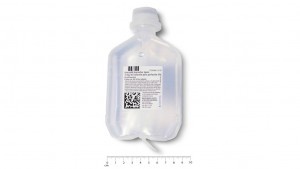
Linezolid Aurovitas is a transparent solution presented in individual infusion bags containing 300 ml of solution (600 mg of linezolid).
The bags are presented in boxes of 1, 5, 10, and 25 bags.
Only some pack sizes may be marketed.
Marketing Authorization Holder and Manufacturer
Marketing Authorization Holder
Eugia Pharma (Malta) Limited
Vault 14, Level 2, Valletta Waterfront
Floriana, FRN 1914
Malta
Manufacturer
APL Swift Services (Malta) Limited
HF26, Hal Far Industrial Estate, Hal Far
Birzebbugia, BBG 3000
Malta
Or
Arrow Génériques
26 Avenue Tony Garnier
69007 Lyon
France
Or
Generis Farmacêutica, S.A.
Rua João de Deus, 19
2700-487 Amadora
Portugal
For further information on this medicinal product, please contact the local representative of the marketing authorization holder:
Aurovitas Spain, S.A.U.
Avda. de Burgos, 16-D
28036 Madrid
Spain
This medicinal product is authorized in the Member States of the European Economic Area under the following names:
Germany: | Linezolid PUREN 2 mg/ml Infusionslösung |
Spain: | Linezolid Aurovitas 2 mg/ml solution for infusion EFG |
France: | Linezolide Arrow 2 mg/ml, solution pour perfusion |
Italy: | Linezolid Aurobindo |
Poland: | Linezolid Eugia |
Portugal: | Linezolida Aurobindo |
Date of last revision of this leaflet: February 2024
Detailed information on this medicinal product is available on the website of the Spanish Agency for Medicines and Health Products (AEMPS) (http://www.aemps.gob.es/).
This information is intended only for healthcare professionals:
Linezolid Aurovitas 2 mg/ml solution for infusion EFG
IMPORTANT:Consult the summary of product characteristics before prescribing.
Linezolid is not active against infections caused by Gram-negative pathogens. Treatment against Gram-negative pathogens should be initiated concurrently if co-infection with Gram-negative pathogens is confirmed or suspected.
Posology and Method of Administration
Treatment with linezolid should be initiated only in the hospital setting and after evaluation by a specialist physician, such as a microbiologist or an infectious disease specialist.
Patients who initiate treatment with the parenteral formulation may switch to any of the oral formulations when clinically indicated. In this case, no dose adjustment is required, as the oral bioavailability of linezolid is approximately 100%.
The infusion solution should be administered over a period of 30 to 120 minutes.
The recommended dose of linezolid should be administered intravenously (IV) twice daily.
Duration and Recommended Dosage for Treatment in Adults:
The duration of treatment depends on the microorganism, the site of infection, the severity, and the patient's clinical response.
The recommendations on the duration of treatment indicated below reflect those used in clinical trials. For some types of infection, it may be convenient to prescribe shorter treatment courses, although this has not been evaluated in clinical trials.
The maximum duration of treatment is 28 days. The safety and efficacy of linezolid have not been established when administered for periods exceeding 28 days.
Infections associated with bacteremia do not require an increase in the recommended dose or duration of treatment. The recommended doses are identical for the infusion solution, tablets, and oral suspension, and are as follows:
Infections | Dose | Duration of Treatment |
Nosocomial pneumonia | 600 mg twice daily | 10-14 consecutive days |
Community-acquired pneumonia | ||
Complicated skin and soft tissue infections |
Pediatric Population:The safety and efficacy of linezolid have not been established in children under 18 years of age. The currently available data are described in sections 4.8, 5.1, and 5.2 of the summary of product characteristics; however, no posological recommendation can be made.
Elderly Patients:No dose adjustment is required.
Renal Impairment:No dose adjustment is required.
Severe Renal Impairment (i.e., CLCR<30 ml/min):No dose adjustment is required in these patients. However, since the clinical significance of the exposure of these patients to high concentrations (up to 10 times) of the two main metabolites of linezolid is unknown, this medicinal product should be used with special caution in patients with severe renal impairment and only if the expected benefit outweighs the potential risk.
Since approximately 30% of the linezolid dose is eliminated during 3 hours of hemodialysis, linezolid should be administered after dialysis in patients undergoing such treatment. The main metabolites of linezolid are partially eliminated by hemodialysis, but their concentrations are considerably higher after dialysis than those observed in patients with normal renal function or mild to moderate renal impairment. Therefore, linezolid should be used with special caution in patients with severe renal impairment undergoing dialysis and only if the expected benefit outweighs the potential risk.
There is currently no experience with the administration of linezolid in patients undergoing continuous ambulatory peritoneal dialysis (CAPD) or alternative treatments for renal impairment (other than hemodialysis).
Hepatic Impairment:Patients with mild to moderate hepatic impairment (Child-Pugh Class A or B): No dose adjustment is required.
Severe Hepatic Impairment (Child-Pugh Class C):As linezolid is metabolized through a non-enzymatic process, it is not expected that hepatic function impairment will significantly alter its metabolism, and therefore, no dose adjustment is recommended. However, there are no clinical data available, and it is recommended to use linezolid in these patients only if the expected benefit outweighs the theoretical risk (see sections 4.4 and 5.2).
Overdose
No specific antidote is known.
No cases of overdose have been reported. However, the following information may be useful:
Supportive measures should be instituted, along with maintenance of glomerular filtration. Approximately 30% of the linezolid dose is eliminated during 3 hours of hemodialysis, but there are no data on the elimination of linezolid by peritoneal dialysis or hemoperfusion.
Instructions for Use and Handling
For single use. Remove the outer packaging only at the time of use, checking for minor leaks by firmly squeezing the bag. In case of leaks, it should not be used because it may have lost its sterility. The solution should be visually inspected before use, and only transparent and particle-free solutions should be used. Do not use these bags in serial connections. Discard any remaining solution. Do not reuse used bags.
Linezolid 2 mg/ml solution for infusion is compatible with the following solutions: 5% glucose for intravenous infusion, 0.9% sodium chloride for intravenous infusion, lactated Ringer's solution for injection (Hartmann's solution for injection).
For information on storage, see section 5 of the Linezolid Aurovitas summary of product characteristics.
Incompatibilities
No additives should be added to this solution. If linezolid is administered with other medicinal products simultaneously, each should be administered separately according to their instructions for use. Similarly, if the same intravenous line is used for the sequential infusion of several medicinal products, it should be flushed before and after the administration of linezolid with a compatible solution.
It is known that linezolid solution for infusion is physically incompatible with the following compounds: amphotericin B, chlorpromazine hydrochloride, diazepam, pentamidine isethionate, erythromycin lactobionate, phenytoin sodium, and sulfamethoxazole/trimethoprim. Additionally, it is chemically incompatible with ceftriaxone sodium.
- Country of registration
- Dosage formINJECTABLE PERFUSION, 2 mg/ml
- ATC codeJ01XX08
- Availability in pharmaciesSupply issue reported
- Active substance
- Prescription requiredYes
- Manufacturer
- CompositionCITRATO DE SODIO (E-331) (1,64 mg mg), GLUCOSA MONOHIDRATO (50,24 mg mg), HIDROXIDO DE SODIO (E 524) (0-0,12 ml mg)
- This information is for reference only and does not constitute medical advice. Always consult a doctor before taking any medication. Oladoctor is not responsible for medical decisions based on this content.
- Alternatives to LINEZOLID AUROVITAS 2 mg/ml SOLUTION FOR INFUSIONDosage form: TABLET, 600 mgActive substance: linezolidManufacturer: Medochemie LimitedPrescription requiredDosage form: INJECTABLE PERFUSION, 2 mg/mlActive substance: linezolidManufacturer: Altan Pharmaceuticals SaPrescription requiredDosage form: TABLET, 600 mgActive substance: linezolidManufacturer: Aurovitas Spain, S.A.U.Prescription required
Online doctors for LINEZOLID AUROVITAS 2 mg/ml SOLUTION FOR INFUSION
Discuss questions about LINEZOLID AUROVITAS 2 mg/ml SOLUTION FOR INFUSION, including use, safety considerations and prescription review, subject to medical assessment and local regulations.









Frequently Asked Questions
LINEZOLID AUROVITAS 2 mg/ml SOLUTION FOR INFUSION requires a prescription in Spain. You can check with a doctor online whether this medicine may be appropriate for your situation.
The active ingredient in LINEZOLID AUROVITAS 2 mg/ml SOLUTION FOR INFUSION is linezolid. This information helps identify medicines with the same composition but different brand names.
LINEZOLID AUROVITAS 2 mg/ml SOLUTION FOR INFUSION is manufactured by Eugia Pharma (Malta) Limited. Pharmacy brands and packaging may differ depending on the distributor.
Doctors such as Family doctors, Psychiatrists, Dermatologists, Cardiologists, Endocrinologists, Gastroenterologists, Pulmonologists, Nephrologists, Rheumatologists, Hematologists, Infectious disease physicians, Allergists, Geriatricians, Paediatricians, Oncologists may assess whether LINEZOLID AUROVITAS 2 mg/ml SOLUTION FOR INFUSION is appropriate, depending on your situation and local regulations. You can book an online consultation to discuss your symptoms and possible next steps.
The prescription is issued by a doctor after assessing your health. In Spain, LINEZOLID AUROVITAS 2 mg/ml SOLUTION FOR INFUSION is then dispensed in pharmacies with that prescription. An online consultation does not guarantee that a prescription will be issued: the decision always rests with the doctor.
To request a review, you can use Oladoctor:
Other medicines with the same active substance (linezolid) include APEL 600 mg FILM-COATED TABLETS, LINEZOLID ALTAN 2 mg/ml SOLUTION FOR INFUSION, LINEZOLID AUROVITAS SPAIN 600 mg FILM-COATED TABLETS. These may have different brand names or formulations but contain the same therapeutic ingredient. Always consult a doctor before switching or starting a new medicine.
