






How to use KLACID 500 mg LYOPHILIZED POWDER FOR INFUSION SOLUTION
Translated with AI
This page provides general information and does not replace a doctor’s consultation. Always consult a doctor before taking any medication. Seek urgent medical care if symptoms are severe.
Show originalContents of the leaflet
- Introduction
- What Klacid 500 mg lyophilized powder for solution for infusion is and what it is used for
- What you need to know before you use Klacid 500 mg lyophilized powder for solution for infusion
- How to use Klacid 500 mg lyophilized powder for solution for infusion
- Possible Adverse Effects
- Storage of KLACID 500 mg lyophilized for solution for infusion
- Container Content and Additional Information
Introduction
PACKAGE LEAFLET: INFORMATION FOR THE USER
KLACID 500 mg lyophilized powder for solution for infusion
Clarithromycin
Read all of this leaflet carefully before you start using this medicine because it contains important information for you.
- Keep this leaflet, you may need to read it again.
- If you have any further questions, ask your doctor, pharmacist, or nurse.
- This medicine has been prescribed for you only. Do not pass it on to others. It may harm them, even if their signs of illness are the same as yours.
- If you get any side effects, talk to your doctor, pharmacist, or nurse. This includes any possible side effects not listed in this leaflet. See section 4.
Contents of the pack:
- What Klacid 500 mg lyophilized powder for solution for infusion is and what it is used for
- What you need to know before you use Klacid 500 mg lyophilized powder for solution for infusion
- How to use Klacid 500 mg lyophilized powder for solution for infusion
- Possible side effects
- Storage of Klacid 500 mg lyophilized powder for solution for infusion
- Contents of the pack and other information

1. What Klacid 500 mg lyophilized powder for solution for infusion is and what it is used for
Klacid 500 mg lyophilized powder is an antibiotic belonging to a group of substances called macrolides. Antibiotics interrupt the growth of bacteria (germs) that cause infections.
“Antibiotics are used to treat bacterial infections and do not work for viral infections such as flu or common cold. It is important that you follow the instructions regarding dose, administration interval, and treatment duration as indicated by your doctor. Do not store or reuse this medicine. If you have any leftover antibiotic after finishing the treatment, return it to the pharmacy for proper disposal. Do not throw medicines down the drain or in the trash” |
Klacid 500 mg lyophilized powder is indicated when parenteral therapy is required for the treatment of infections caused by susceptible organisms in adults and adolescents (12 to 18 years) in the following conditions:
- Pharyngitis (infection of the pharynx that causes sore throat) or streptococcal tonsillitis (infection of the tonsils): only in cases where first-line treatment with beta-lactams is not possible or when Streptococcus pyogeneshas shown sensitivity to clarithromycin.
- Acute bacterial sinusitis (infection of the paranasal sinuses that are around the forehead, cheeks, and eyes) (adequately diagnosed).
- Community-acquired pneumonia (inflammation of the lungs caused by different germs and originating outside a hospital).
- Acute exacerbation of chronic bronchitis (worsening of prolonged or repetitive lung inflammation).
- Mild to moderate skin and soft tissue infections when beta-lactam antibiotics are not appropriate.
2. What you need to know before you use Klacid 500 mg lyophilized powder for solution for infusion
Do not use Klacid 500 mg lyophilized powder for solution for infusion
- If you are allergic to clarithromycin, other macrolide antibiotics such as erythromycin or azithromycin, or any of the other components of this medicine (listed in section 6).
- If you have a creatinine clearance of less than 30 ml/min.
- If you have an irregular heartbeat.
- If you have severe kidney or liver problems.
- If you are taking ergotamine or dihydroergotamine or use ergotamine inhalers for migraine while taking clarithromycin. Consult your doctor for alternative medications.
- If you are taking medications called terfenadine, astemizole (medication for hay fever or allergies), cisapride, or domperidone (used for stomach problems) or pimozide (medication used to treat certain psychiatric disorders) as taking these medications with clarithromycin can cause serious heart rhythm disturbances. Consult your doctor for alternative medications.
- If you are taking ticagrelor (to prevent blood clots in your veins and used in heart attacks and other heart problems), ivabradine, or ranolazine (for angina pectoris).
- If you are taking other medications known to cause serious heart rhythm disturbances.
- If you are undergoing treatment with midazolam oral (for anxiety or to help fall asleep)
- If you have abnormally low levels of potassium or magnesium in your blood (hypokalemia or hypomagnesemia).
- If you or a family member have a history of heart rhythm disorders (ventricular arrhythmia, including Torsade de Pointes) or electrocardiogram (ECG) abnormalities called “QT prolongation syndrome”.
- If you are taking medications called lovastatin or simvastatin (to lower cholesterol levels), as the combination of these medications can increase the risk of side effects. Consult your doctor for alternative medications.
- If you are taking colchicine (for gout)
- If you are taking a medication containing lomitapide
Warnings and precautions
Consult your doctor or pharmacist before starting to receive Klacid
- If you have heart, kidney, or liver problems.
- If you have or are prone to fungal infections (e.g., thrush).
- If you are pregnant or breastfeeding
- If you are taking medications known as colchicine, triazolam, midazolam (for anxiety or insomnia), lovastatin, simvastatin.
- If you are diabetic and taking hypoglycemic agents (medications to lower blood sugar levels such as nateglinide, pioglitazone, rosiglitazone, and repaglinide, sulfonylureas, or insulin) and clarithromycin may lower blood sugar levels too much. Careful monitoring of blood sugar is recommended.
- If you are taking a medication called warfarin (blood thinner).
- If you have myasthenia gravis, a condition where your muscles weaken and tire easily.
- If you develop severe or prolonged diarrhea during or after taking clarithromycin, consult your doctor immediately.
If any of these situations apply to you, consult your doctor before receiving clarithromycin.
Using Klacid 500 mg lyophilized powder for solution for infusion with other medications
Tell your doctor or pharmacist if you are taking, have recently taken, or might take any other medications, including those obtained without a prescription.
Klacid should not be used with ergot alkaloids, astemizole, terfenadine, cisapride, domperidone, pimozide, ticagrelor, ranolazine, colchicine, certain medications for high cholesterol, and medications known to cause serious heart rhythm disturbances (see “Do not use Klacid”).
This is especially important if you are taking medications for:
- Heart problems (e.g., digoxin, verapamil, quinidine, or disopyramide).
- Blood thinning (e.g., warfarin or other anticoagulants such as dabigatran, rivaroxaban, apixaban, edoxaban).
- Migraine (e.g., ergotamine or dihydroergotamine).
- Epilepsy or bipolar disorder (carbamazepine, valproate, phenobarbital, or phenytoin).
- High cholesterol (e.g., simvastatin or lovastatin).
Or if you are taking any medication called:
- Theophylline (used in patients with breathing difficulties, such as asthma).
- Triazolam, alprazolam, or midazolam (sedatives).
- Cilostazol (for poor circulation).
- Methylprednisolone (a corticosteroid).
- Ibrutinib or vinblastine (for cancer treatment).
- Cyclosporine (immunosuppressant).
- Rifabutin (for treatment of certain infections).
- Tacrolimus or sirolimus (for organ transplants and severe eczema).
- Sildenafil, tadalafil, or vardenafil (for treating impotence in adult men or for pulmonary arterial hypertension).
- Zidovudine (for treating viruses).
- St. John's Wort (herbal product for treating depression).
- Phenobarbital (medication for treating epilepsy).
- Nevirapine and efavirenz may decrease clarithromycin levels.
- Rifampicin or rifapentine (for treating tuberculosis).
- Omeprazole (for treating stomach acid and stomach or intestinal ulcers).
- Ritonavir (antiviral medication used in HIV treatment) may increase clarithromycin levels. The concomitant use of atazanavir, etravirine, and saquinavir (also antiviral medications used in HIV treatment) with clarithromycin may increase both atazanavir (or saquinavir) and clarithromycin levels.
- Itraconazole (an antifungal) taken with clarithromycin may increase the levels of both medications.
- Fluconazole, another antifungal medication, may increase clarithromycin levels.
- Tolterodine (for treating overactive bladder symptoms). In some patients, tolterodine levels may increase when taken with clarithromycin.
- Quetiapine (for schizophrenia or other psychiatric conditions).
- Beta-lactam antibiotics (certain penicillins and cephalosporins)
- Aminoglycosides (used as antibiotics to treat infections).
- Calcium channel blockers (medications for treating high blood pressure).
- Hydroxychloroquine or chloroquine (used for treating diseases such as rheumatoid arthritis or for treating or preventing malaria). Taking these medications at the same time as clarithromycin may increase the risk of abnormal heart rhythms and other serious adverse reactions affecting the heart.
- Corticosteroids, administered orally, by injection, or inhaled (used to suppress the immune system; this is useful in treating a wide range of diseases).
Pregnancy, breastfeeding, and fertility
If you are pregnant or breastfeeding, think you may be pregnant, or are planning to have a baby, ask your doctor or pharmacist for advice before using this medicine.
The safety of clarithromycin during pregnancy has not been established, so your doctor will carefully weigh the benefits against the potential risks, especially during the first three months of pregnancy.
Clarithromycin passes into breast milk, so breastfeeding should be interrupted during treatment with clarithromycin.
Driving and using machines
Since clarithromycin can cause dizziness, vertigo, confusion, and disorientation, you should be cautious when driving or using hazardous machinery during treatment with clarithromycin.
Klacid 500 mg lyophilized powder for solution for infusion contains sodium
This medicine contains less than 23 mg of sodium (1 mmol) per vial; it is essentially “sodium-free”

3. How to use Klacid 500 mg lyophilized powder for solution for infusion
Klacid 500 mg lyophilized powder is administered intravenously.
Follow exactly the administration instructions for Klacid 500 mg lyophilized powder as indicated by your doctor. If in doubt, consult your doctor, pharmacist, or nurse again.
The recommended daily dose of intravenous clarithromycin for adults 18 years of age and older is 1 g, divided into two equal doses and infused over a period of 60 minutes after appropriate dilution.
Treatment can be administered for 2-5 days and should be switched to oral clarithromycin treatment when indicated by your doctor.
In patients with renal insufficiency and a creatinine clearance of less than 30 ml/min, the dose of clarithromycin should be reduced to half, i.e., 250 mg once daily, or 250 mg twice daily in more severe infections. In these patients, treatment should be discontinued after 14 days.
Intravenous clarithromycin should not be administered as a bolus injection or intramuscularly.
Use in children and adolescents
Children and adolescents (under 12 years) should not use this medicine. Your doctor will prescribe another suitable medication for your child.
For adolescents 12 to 18 years of age, the same dose as for adults is used.
Suitable formulations for children from 6 months and adolescents under 12 years are: Klacid 25 mg/ml granules for oral suspension and Klacid 50 mg/ml granules for oral suspension.
If you use more Klacid 500 mg lyophilized powder for solution for infusion than you should
If you use more Klacid 500 mg lyophilized powder than you should, you can expect the appearance of gastrointestinal disorders, and consult your doctor or pharmacist immediately, as they will try to eliminate the clarithromycin that your body has not yet absorbed. Hemodialysis or peritoneal dialysis is not effective.
In case of overdose or accidental ingestion, consult the Toxicology Information Service, phone 91.562.04.20, indicating the medication and the amount ingested.
If you forget to use Klacid 500 mg lyophilized powder for solution for infusion
If you think you may have forgotten a dose, consult your doctor or nurse. You should not be given a double dose to make up for forgotten doses.
If you stop using Klacid 500 mg lyophilized powder for solution for infusion
If you have any further questions on the use of this product, ask your doctor or pharmacist.
4. Possible Adverse Effects
Like all medicines, this medicine can cause adverse effects, although not all people suffer from them.
Adverse effects are classified as very frequent (may affect more than 1 in 10 patients), frequent (may affect up to 1 in 10 patients), infrequent (may affect up to 1 in 100 patients), and of unknown frequency (cannot be estimated from available data).
The frequent and very frequent adverse reactions related to treatment with clarithromycin, in both adults and children, are abdominal pain, diarrhea, nausea, vomiting, and alteration of taste. These adverse reactions are usually mild and coincide with the known safety profile of macrolide antibiotics (see below).
There were no significant differences in the incidence of these gastrointestinal adverse reactions during clinical trials between the patient population with or without pre-existing mycobacterial infections.
Summary of Adverse Effects
Adverse effects are described in order of decreasing severity within the same body system:
? Very frequently observed (may affect more than 1 in 10 patients, with the intravenous injection formulation): phlebitis (inflammation of the vein) at the injection site.
? With all medicines containing clarithromycin, the following have been frequently observed (may affect up to 1 in 10 patients):
- Digestive system: diarrhea, vomiting, gastric disorder that makes digestion difficult (dyspepsia), nausea, abdominal pain.
- Nervous system: alteration of taste, headache, alteration of taste.
- Skin: mild skin rashes, excessive sweating.
- Psychiatric disorders: insomnia.
- Vascular disorders: dilation of blood vessels in the body (vasodilation).
- Liver disorders: abnormal liver function tests.
- Disorders at the administration site: pain and inflammation at the injection site (only with the intravenous injection formulation).
? Infrequently observed (may affect up to 1 in 100 patients) are the following:
- Infections: cellulitis (only with the intravenous injection formulation), candidiasis (infection caused by a type of fungus), gastroenteritis (only with prolonged-release tablets), infection (only with the oral suspension granule), vaginal infection.
- Blood disorders: decrease in white blood cells, decrease in neutrophils (a type of white blood cell, only with immediate-release tablets), increase in platelets and, to a lesser extent, red and white blood cells in blood (only with the oral suspension granule), increase in eosinophils (a type of white blood cell, only with immediate-release tablets).
- Immune system: anaphylactoid reaction (generalized allergic reaction, only with the intravenous injection formulation), hypersensitivity (exaggerated allergic reaction to external agents).
- Eating disorders: anorexia, decreased appetite.
- Psychiatric disorders: anxiety and nervousness (the latter only with the oral suspension granule).
- Nervous system: loss of consciousness and difficulty moving (both effects, only with the intravenous injection formulation), dizziness, somnolence, tremors.
- Ear and balance: vertigo, hearing problems, tinnitus.
- Heart disorders: cardiac arrest and alteration of heart rhythm (atrial fibrillation) (both effects, only with the intravenous injection formulation), prolongation of the QT interval (indicator of the electrocardiogram that may produce ventricular arrhythmias), extrasystoles (anticipation of a heartbeat with respect to the normal heart rate, only with the intravenous injection formulation), palpitations (alterations in heartbeats).
- Respiratory disorders: asthma (difficulty breathing, chest oppression, and nocturnal or early morning cough, only with the intravenous injection formulation), nasal bleeding (only with prolonged-release tablets), pulmonary embolism (blockage of the pulmonary artery that causes chest pain on one side, cough, and difficulty breathing, only with the intravenous injection formulation).
- Gastrointestinal disorders: esophagus inflammation (only with the intravenous injection formulation), gastroesophageal reflux disease (damage to the esophagus that causes a burning sensation, chronic cough, shortness of breath, and difficulty swallowing, only with prolonged-release tablets), stomach mucosa inflammation (gastritis), pain in the anus and rectum (only with prolonged-release tablets), oral mucosa inflammation, tongue inflammation, abdominal distension (only with immediate-release tablets), constipation, dry mouth, belching, flatulence.
- Liver disorders: decrease or suppression of bile flow to the intestine and liver inflammation (hepatitis) (both effects, only with immediate-release tablets), increase in alanine aminotransferase (liver enzyme), aspartate aminotransferase (another liver enzyme), and gamma-glutamyltransferase (another liver enzyme, only with immediate-release tablets).
- Skin: bullous dermatitis (bullous rashes, only with the intravenous injection formulation), itching, urticaria (edematous, red, and very itchy skin lesions), maculopapular rash (skin lesion with a papule or wart on a patch, only with the oral suspension granule).
- Muscle disorders: muscle spasms (only with the oral suspension granule), musculoskeletal stiffness (only with the intravenous injection formulation), muscle pain (only with prolonged-release tablets).
- Kidney disorders: increase in serum creatinine and urea, (both effects, which indicate poorer kidney function, only with the intravenous injection formulation).
- General disorders: discomfort (only with immediate-release tablets), chest pain, chills, and fatigue (the last three, only with immediate-release tablets).
- Laboratory tests: abnormal albumin-globulin ratio (only with the intravenous injection formulation), increase in serum alkaline phosphatase and increase in lactate dehydrogenase in blood (the last two, only with immediate-release tablets).
With unknown frequency (frequency cannot be determined with available data) the following have been observed:
- Infections: pseudomembranous colitis (diarrhea that can become severe), erysipelas (redness of the skin of variable extent that can cause pain, itching, and fever).
- Blood disorders: decrease in neutrophils (a type of white blood cell), decrease in platelets.
- Immune system: anaphylactic reaction (generalized allergic reaction), angioedema (swelling under the skin).
- Psychiatric disorders: psychotic disorder, confusion, depersonalization, depression, disorientation, hallucinations, daydreaming (attenuated perceptions of external stimuli).
- Nervous system: convulsions, decrease or loss of taste, alteration of smell, loss or decrease of smell, tingling sensation, numbness or tingling in hands, feet, arms, or legs.
- Ear: deafness.
- Heart disorders: torsades de pointes (a type of ventricular tachycardia), ventricular tachycardia (acceleration of heartbeats with more than 100 beats/minute with at least 3 consecutive irregular beats).
- Vascular disorders: hemorrhage.
- Digestive disorders: acute pancreatitis (acute inflammation of the pancreas), tongue discoloration, tooth discoloration.
- Liver disorders: liver failure, hepatocellular jaundice (yellowing of the skin and eyes).
- Skin: Stevens-Johnson syndrome (generalized rash with blisters and peeling of the skin, mainly affecting genital, oral, and trunk areas), acute generalized exanthematous pustulosis (generalized scaly red rash with bumps under the skin and blisters, accompanied by fever, mainly located in skin folds, trunk, and upper limbs) and toxic epidermal necrolysis (generalized rash with blisters and peeling of the skin, particularly around the mouth, nose, eyes, and genitals, causing generalized skin peeling (more than 30% of the body surface) symptoms of a flu-like nature with skin rash, fever, gland inflammation, and abnormal blood test results (such as increased leukocytes (eosinophilia) and elevated liver enzymes) [drug reaction with eosinophilia and systemic symptoms (DRESS)], acne. In the event of such reactions, treatment with clarithromycin should be immediately discontinued and a doctor consulted to establish appropriate treatment.
- Muscle disorders: rhabdomyolysis (muscle breakdown that can cause kidney damage), myopathy (muscle disease of multiple causes).
- Kidney disorder: kidney failure, interstitial nephritis (inflammation of the renal tubules).
- Laboratory tests: increase in international normalized ratio (calculation to detect blood coagulation), prolongation of prothrombin time (indicates a deficit in blood coagulation) and abnormal urine color.
Specific Adverse Effects
Phlebitis at the injection site, pain at the injection site, pain at the venipuncture site, and inflammation at the injection site are specific to the intravenous formulation of clarithromycin.
After the marketing of the medicine, reports of effects on the central nervous system (e.g., somnolence and confusion) with the simultaneous use of clarithromycin and triazolam have been received. It is suggested to monitor the patient.
In some reports of rhabdomyolysis, clarithromycin was administered concomitantly with statins, fibrates, colchicine, or allopurinol (see Do not take Klacid 500 mg lyophilized for solution for infusionand Warnings and precautions).
There have been rare reports that prolonged-release clarithromycin tablets appear in the feces, many of these cases have occurred in patients with gastrointestinal anatomical disorders [including ileostomy or colostomy (surgery to expel intestinal waste artificially from the ileum or colon)] or functional disorders (disorders caused by a defect in the body) with shortened gastrointestinal transit time. In several reports, tablet residues have appeared in the context of diarrhea. It is recommended that patients who present with tablet residues in the feces and who do not experience any improvement change to another formulation of clarithromycin (e.g., suspension) or to another antibiotic.
Adverse Effects in Children and Adolescents:
Clinical trials have been conducted with pediatric clarithromycin suspension in children from 6 months to 12 years of age. Therefore, children under 12 years of age should take the pediatric suspension of clarithromycin. There is insufficient data to recommend a dosing regimen for the intravenous formulation of clarithromycin in patients under 18 years of age.
It is expected that the frequency, type, and severity of adverse reactions in children will be the same as in adults.
Immunocompromised Patients
In patients with AIDS and in other patients with a damaged immune system, treated with the highest doses of clarithromycin for long periods of time for mycobacterial infections, it is often difficult to distinguish adverse effects possibly associated with the administration of clarithromycin from the effects caused by the disease or by other diseases that the patient may have along with AIDS.
In adult patients treated with total daily doses of 1,000 mg and 2,000 mg of clarithromycin, the most frequent adverse reactions that appeared were: nausea, vomiting, alteration of taste, abdominal pain, diarrhea, skin rash, flatulence, headache, constipation, hearing disturbances, and elevations in transaminases (which may indicate liver, pancreas, heart, or muscle involvement). Less frequently, difficulty breathing, insomnia, and dry mouth appeared. The incidences were similar in patients treated with 1,000 mg and 2,000 mg, but in general, they were 3 to 4 times more frequent in those who received a total daily dose of 4,000 mg of clarithromycin.
In these patients with a damaged immune system, around 2% to 3% of those who received 1,000 mg or 2,000 mg of clarithromycin daily presented severely abnormal elevated transaminase levels, as well as abnormally low white blood cell and platelet counts. A smaller percentage of patients in both dosage groups had increased blood urea nitrogen levels (which may indicate decreased renal function). In patients who received 4,000 mg daily, slightly higher incidences of abnormal values were observed in all parameters, except for the white blood cell count.
Contact a doctor as soon as possible if you experience a severe skin reaction: a red and scaly rash with bumps under the skin and blisters (pustulosis). The frequency of this adverse effect is considered unknown (cannot be estimated from available data).
Reporting of Adverse Effects
If you experience any type of adverse effect, consult your doctor, pharmacist, or nurse, even if it is a possible adverse effect that does not appear in this prospectus. You can also report them directly through the Spanish Pharmacovigilance System for Human Use Medicines: https://www.notificaram.es. By reporting adverse effects, you can contribute to providing more information on the safety of this medicine.
5. Storage of KLACID 500 mg lyophilized for solution for infusion
Keep this medicine out of sight and reach of children.
No special storage conditions are required.
- Reconstituted solution (500 mg in 10 ml of water for injectable preparations): can be stored for 24 hours at 25°C and for 48 hours at 2°C-8°C.
- The final reconstituted solution (reconstituted infusion solution added to 250 ml of diluent, respectively, for each diluent mentioned) can be stored for 6 hours at room temperature (25°C) or for 48 hours in the refrigerator (2°C-8°C).
Do not use Klacid 500 mg lyophilized after the expiration date that appears on the packaging after CAD. The expiration date is the last day of the month indicated.
Medicines should not be thrown away through the drains or into the trash. In case of doubt, ask your pharmacist how to dispose of the packaging and medicines that are no longer needed. This way, you will help protect the environment.
6. Container Content and Additional Information
Composition ofKlacid 500 mg Lyophilizedfor Solution for Infusion
The active ingredient of Klacid 500 mg Lyophilized is clarithromycin. Each vial contains 739.5 mg of clarithromycin lactobionate, equivalent to 500 mg of clarithromycin.
The other components are: lactobionic acid and sodium hydroxide (for pH adjustment).
Appearance of the Product and Container Content
White or off-white lyophilized powder in the form of a cake with a slight aromatic odor in a glass vial. Each container contains 1 vial of 15 ml.
Marketing Authorization Holder and Manufacturer
Holder:
Viatris Healthcare Limited
Damastown Industrial Park
Mulhuddart, Dublin 15
Dublin
Manufacturer:
Delpharm Saint Remy
Rue de l´Isle
28380 Saint-Remy-sur-Avre
France
Further information on this medicinal product can be obtained from the local representative of the marketing authorization holder:
Viatris Pharmaceuticals, S.L.
C/ General Aranaz, 86
28027 - Madrid
Spain
Date of the last revision of this leaflet: March 2024
“Detailed information on this medicinal product is available on the website of the Spanish Agency for Medicines and Health Products (AEMPS) http://www.aemps.gob.es/”
-----------------------------------------------------------------------------------------------------------------
INFORMATION FOR HEALTHCARE PROFESSIONALS:
Adults:
The recommended dose in adults and adolescents (from 12 to 18 years) is 1 g per day, divided into two equal doses, each infused after subsequent dilution with a suitable intravenous diluent, over a period of 60 minutes. To date, there are no data that justify the intravenous use of clarithromycin in children. Clarithromycin should not be administered by bolus injection or intramuscularly.
Elderly Patients:
Same dose as adults.
Dosage in Patients with Mycobacterial Infections:
Although there are currently no data related to the use of intravenous clarithromycin in immunocompromised patients, there are data on the use of oral clarithromycin in HIV-infected patients. In disseminated or localized infections (M. avium, M. intracellulare, M. chelonae, M. fortuitum, M. kansasii), the recommended treatment in adults is 1000 mg/day divided into two doses.
Intravenous treatment may be administered for 2-5 days in severely ill patients and should be switched to oral clarithromycin treatment as soon as possible when indicated by the doctor.
Renal Impairment:
In patients with renal impairment, who have a creatinine clearance of less than 30 ml/min, the dose of clarithromycin should be reduced to half of the recommended dose.
Hepatic Impairment:
Clarithromycin should not be administered to patients with severe hepatic impairment combined with renal impairment. (see section 4.3)
Pediatric Population:
There are insufficient data to recommend a dosing regimen for the intravenous clarithromycin formulation in patients under 18 years of age.
Instructions for Preparation/Handling
- Prepare the initial clarithromycin solution (reconstituted solution) by adding 10 ml of sterile water for injectable preparations to the 500 mg vial. Gently swirl until completely dissolved without any visible residue of undissolved macroparticles (may take up to 5 minutes). Only sterile water for injectable preparations should be used, as other diluents may cause precipitation during reconstitution. Do not use diluents containing preservatives or inorganic salts.
Note: When the product is reconstituted as mentioned above, each ml of reconstituted solution contains 50 mg of clarithromycin.
The resulting solution contains an effective antimicrobial preservative. If stored at room temperature (25°C), the reconstituted product should be used within 24 hours, and if stored at 2-8°C, within 48 hours.
- Prior to administration, the reconstituted solution (500 mg in 10 ml of water for injectable preparations) will be added to 250 ml of the following diluents:
. Sodium chloride 0.9%.
. Glucose 5%.
. Glucose 5% in sodium chloride 0.3%.
. Glucose 5% in sodium chloride 0.45%.
. Glucose 5% in Lactated Ringer's solution or
. Lactated Ringer's solution
The final diluted solution (the reconstituted solution to which 250 ml of the mentioned diluents have been added) can be stored for 6 hours at room temperature (25°C) or for 48 hours in the refrigerator (2-8°C).
No other medications or chemical agents should be added to the final mixture, unless their effect on physical or chemical stability has been demonstrated.
Pharmaceutical Incompatibilities
None have been described.
Overdose
In case of overdose, treatment should be discontinued and appropriate supportive measures should be initiated.
Adverse reactions accompanying overdose should be treated by rapid elimination of the unabsorbed drug and supportive measures.
It is not expected that clarithromycin levels will be significantly affected by hemodialysis or peritoneal dialysis.
-

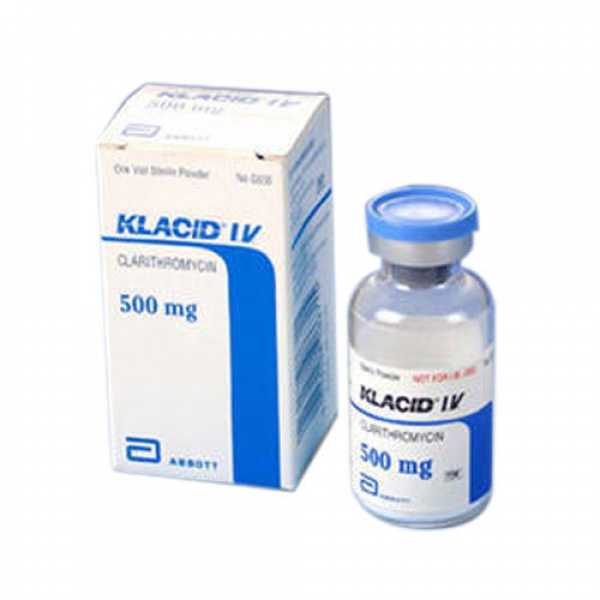
- Country of registration
- Dosage formINJECTABLE PERFUSION, 500 mg clarithromycin
- ATC codeJ01FA09
- Active substance
- Prescription requiredYes
- Manufacturer
- This information is for reference only and does not constitute medical advice. Always consult a doctor before taking any medication. Oladoctor is not responsible for medical decisions based on this content.
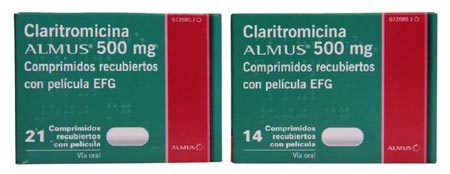
- Alternatives to KLACID 500 mg LYOPHILIZED POWDER FOR INFUSION SOLUTIONDosage form: TABLET, 500 mgActive substance: clarithromycinManufacturer: Accord Healthcare S.L.U.Prescription requiredDosage form: TABLET, 500 mg clarithromycinActive substance: clarithromycinManufacturer: Almus Farmaceutica S.A.U.Prescription requiredDosage form: INJECTABLE INFUSION, 500 mgActive substance: clarithromycinManufacturer: Altan Pharmaceuticals SaPrescription required


Online doctors for KLACID 500 mg LYOPHILIZED POWDER FOR INFUSION SOLUTION
Discuss questions about KLACID 500 mg LYOPHILIZED POWDER FOR INFUSION SOLUTION, including use, safety considerations and prescription review, subject to medical assessment and local regulations.









Get KLACID 500 mg LYOPHILIZED POWDER FOR INFUSION SOLUTION Prescription Online
Fill in a 2-min form
Tell us your symptoms, history, and what medicine you're requesting.
Pick a doctor or let us assign
Choose a specialist or we'll match you with the next available doctor.
Doctor reviews your case
Usually within 30 minutes. They may ask follow-up questions via chat.
Collect from any pharmacy
Electronic prescription sent to your email — valid across Spain.
Frequently Asked Questions
KLACID 500 mg LYOPHILIZED POWDER FOR INFUSION SOLUTION requires a prescription in Spain. You can check with a doctor online whether this medicine may be appropriate for your situation.
The active ingredient in KLACID 500 mg LYOPHILIZED POWDER FOR INFUSION SOLUTION is clarithromycin. This information helps identify medicines with the same composition but different brand names.
KLACID 500 mg LYOPHILIZED POWDER FOR INFUSION SOLUTION is manufactured by Viatris Healthcare Limited. Pharmacy brands and packaging may differ depending on the distributor.
Doctors such as Family doctors, Psychiatrists, Dermatologists, Cardiologists, Endocrinologists, Gastroenterologists, Pulmonologists, Nephrologists, Rheumatologists, Hematologists, Infectious disease physicians, Allergists, Geriatricians, Paediatricians, Oncologists may assess whether KLACID 500 mg LYOPHILIZED POWDER FOR INFUSION SOLUTION is appropriate, depending on your situation and local regulations. You can book an online consultation to discuss your symptoms and possible next steps.
Spain has a well-developed healthcare infrastructure across major cities such as Madrid, Barcelona, Valencia, and Seville. Pharmacies are widely available and operate under strict regulations, ensuring access to prescribed medications.
You can buy KLACID 500 mg LYOPHILIZED POWDER FOR INFUSION SOLUTION in Madrid, Barcelona, Seville, or Valencia at any local pharmacy with a valid prescription.
To obtain a prescription, you can use Oladoctor:
Other medicines with the same active substance (clarithromycin) include CLARITHROMYCIN ACCORD 500 mg FILM-COATED TABLETS, CLARITHROMYCIN ALMUS 500 mg FILM-COATED TABLETS, CLARITHROMYCIN ALTAN 500 mg LYOPHILIZED POWDER FOR SOLUTION FOR INFUSION. These may have different brand names or formulations but contain the same therapeutic ingredient. Always consult a doctor before switching or starting a new medicine.
