






How to use GENTA GOBENS 40 mg/ml INJECTABLE SOLUTION AND PERFUSION SOLUTION
Translated with AI
This page provides general information and does not replace a doctor’s consultation. Always consult a doctor before taking any medication. Seek urgent medical care if symptoms are severe.
Show originalContents of the leaflet
Introduction
Package Leaflet: Information for the Patient
GentaGobens 40 mg/ml Solution for Injection and Infusion
gentamicin (sulfate)
Read all of this leaflet carefully before you start using this medicine because it contains important information for you.
- Keep this leaflet, you may need to read it again.
- If you have any further questions, ask your doctor or pharmacist.
- This medicine has been prescribed for you only. Do not pass it on to others. It may harm them, even if their symptoms are the same as yours.
- If you experience any side effects, talk to your doctor or pharmacist. This includes any possible side effects not listed in this leaflet. See section 4.
Contents of the pack:
- What Genta Gobens is and what it is used for
- What you need to know before you use Genta Gobens
- How to use Genta Gobens
- Possible side effects
5 Storage of Genta Gobens
- Contents of the pack and further information
1. What Genta Gobens is and what it is used for
Genta Gobens belongs to a group of medicines called antibiotics, which are used to treat serious infections caused by bacteria that can be eliminated by the active substance gentamicin.
Antibiotics are used to treat bacterial infections and are not effective against viral infections such as the flu or the common cold.
It is essential to follow the instructions regarding dosage, administration interval, and treatment duration as indicated by your doctor.
Do not store or reuse this medicine. If you have any leftover antibiotic after completing the treatment, return it to the pharmacy for proper disposal. Do not dispose of medicines via wastewater or household waste.
Genta Gobens should only be used in combination with other antibiotics for the treatment of the following diseases, except for complicated kidney, urinary tract, and bladder infections.
You may receive Genta Gobens to treat the following diseases:
- Complicated and recurrent kidney, urinary tract, and bladder infections.
- Lung and respiratory tract infections that occur during hospital treatment.
- Abdominal infections, such as peritonitis.
- Skin and soft tissue infections, such as severe burns.
- Sepsis (whole-body infection), bacteria in the blood.
- Inflammation of the heart lining (to treat infections).
- To treat post-surgical infections.

2. What you need to know before you use Genta Gobens
Do not use Genta Gobens
- If you are allergic to gentamicin or any of the other components of this medicine (listed in section 6).
- If you have myasthenia gravis.
Warnings and precautions
Consult your doctor or pharmacist before using Genta Gobens if:
- You are pregnant or breastfeeding.
- You have impaired kidney function or inner ear deafness.
- If you have, or have a maternal history of mitochondrial mutation disease (a genetic disease), or hearing loss due to antibiotic medications, it is recommended that you inform your doctor or pharmacist before taking an aminoglycoside; certain mitochondrial mutations may increase the risk of hearing loss with this medicine. Your doctor may recommend a genetic test before administering Genta Gobens.
You will receive gentamicin only if your doctor considers it essential for the treatment of your disease. Your doctor will be especially careful when adjusting your gentamicin dose correctly.
Your doctor will be especially careful if you have any disease that affects nerve and muscle function, such as Parkinson's disease, or if you receive a muscle relaxant during an operation, because gentamicin can have a blocking effect on nerve and muscle function.
You must inform your doctor immediately if you experience severe diarrhea.
It is possible that your infection will not respond to gentamicin if you did not respond to other aminoglycosides, and you may show an allergic reaction to gentamicin if you are already allergic to another aminoglycoside.
Experience with the administration of gentamicin once a day in elderly patients is limited.
To reduce the risk of nerve and kidney damage, your doctor will be especially careful when evaluating the following:
- Monitoring of hearing, balance, and kidney function before, during, and after treatment.
- Dosage strictly according to kidney function.
- If you have impaired kidney function, the total dose will take into account any additional antibiotics administered directly to the infection site.
- Monitoring of gentamicin serum concentrations during treatment if the details of your case require it.
- If you already have nerve damage in the ear (hearing loss or balance impairment), or if the treatment is long-term, additional monitoring of balance and hearing function is required.
- In any case, you will receive gentamicin treatment for no more than 10-14 days (normally 7-10 days).
- A sufficient amount of time, 7-14 days, must pass between individual gentamicin treatments and other closely related antibiotics.
- Avoid administering other substances with potential harmful effects on the auditory nerve or kidneys in combination with gentamicin. If this is unavoidable, careful monitoring of kidney function is required.
- Body fluid levels and urine production must be within the normal range.
Other medicines and Genta Gobens
Inform your doctor or pharmacist if you are taking, have recently taken, or might take any other medicines.
Attention should be paid to the following medicines:
Ether, muscle relaxants
The blocking effect of aminoglycosides on nerve and muscle function is reinforced by ether and muscle relaxants. Therefore, you will be monitored with special care while receiving these substances.
Methoxyflurane anesthesia
The anesthesiologist should know if you have received or are receiving aminoglycosides before performing methoxyflurane anesthesia (an anesthetic gas) and should avoid using this agent if possible, due to a higher risk of kidney damage.
Other medicines with potential harmful effects on the auditory nerve and kidneys
You will be closely monitored if you receive gentamicin before, during, or after treatment with medicines containing the following substances:
- amphotericin B (against fungal infections),
- colistin (for intestinal decontamination),
- cyclosporin (for suppressing undesirable immune reactions),
- cisplatin (anticarcinogenic agent),
- vancomycin, streptomycin, viomycin, carbenicillin, other aminoglycosides, cephalosporins (antibiotics).
You will also be closely monitored if you receive medicines to increase urine flow that contain, for example, ethacrynic acid and furosemide.
Pregnancy and breastfeeding
Pregnancy
If you are pregnant or breastfeeding, think you may be pregnant, or plan to become pregnant, consult your doctor before using this medicine. This medicine should not be used during pregnancy unless it is absolutely necessary.
Breastfeeding
Inform your doctor if you are breastfeeding. Your doctor will carefully assess whether you should interrupt breastfeeding or gentamicin therapy.
Driving and using machines
Caution is recommended when driving and using machines due to possible side effects such as dizziness and vertigo.
Genta Gobensmay causeallergic reactions (possibly delayed) and, exceptionally, bronchospasm (sudden feeling of suffocation) because it containsmethyl parahydroxybenzoate (E-218) and propyl parahydroxybenzoate (E-216).
This medicine may cause severe allergic reactions and bronchospasm (sudden feeling of suffocation) because it containssodium metabisulfite (E-223).
This medicine contains less than 23 mg of sodium (1 mmol) per vial, i.e., it is“essentially sodium-free”.
3. How to use Genta Gobens
Follow the instructions for administration of this medicine exactly as indicated by your doctor or pharmacist. If you are unsure, consult your doctor or pharmacist again.
Genta Gobens is presented as a solution ready for intramuscular administration or intravenous administration after dilution.
Dosage for patients with normal kidney function
The recommended daily dose in adolescents and adults with normal kidney function is 3 to 6 mg/kg body weight per day, in 1 (preferably) or up to 2 single doses.
Usually, you will receive gentamicin treatment for no more than 7 to 10 days; treatment may exceed 10 days only in cases of severe and complicated infections.
Your gentamicin blood levels will be carefully monitored by examining blood samples taken at the end of a dosing interval and immediately after the end of the infusion, mainly to monitor kidney function. Your dose will be adjusted carefully to avoid kidney damage.
Use in children
The daily dose in newborns is 4 to 7 mg/kg body weight per day. Newborns will receive the necessary daily dose in a single dose.
The recommended daily dose in breastfed infants after the first month of life is 4.5 to 7.5 mg/kg body weight per day in 1 (preferably) or up to 2 single doses.
The recommended daily dose in older children (2 to 12 years) with normal kidney function is 3 to 6 mg/kg body weight per day, in 1 (preferably) or up to 2 single doses.
Dosage in patients with renal insufficiency
If you have renal insufficiency, you will be monitored to adjust gentamicin blood concentrations correctly, either by reducing the dose or extending the time between individual doses. Your doctor knows how to adjust the dosing regimen in such cases.
Dosage in patients undergoing renal dialysis
In this case, the dose will be carefully adjusted according to your gentamicin blood level.
Elderly patients may require lower maintenance doses than young adults to achieve sufficient gentamicin blood levels.
In patients with obesity, the initial dose should be based on the ideal body weight plus 40% of the excess weight.
In patients with liver insufficiency, no dose adjustment is required.
If you receive more Genta Gobens than you should
In case of accumulation (e.g., as a result of renal insufficiency), more kidney damage and nerve damage may occur.
Treatment in case of overdose
Initially, treatment will be discontinued. There is no specific antidote. Gentamicin can be removed from the blood by renal dialysis. For the treatment of nerve and muscle function blockade, calcium chloride and artificial respiration may be administered if necessary.
If you have any further questions about the use of this medicine, ask your doctor, pharmacist, or nurse.
If you forget to use Genta Gobens:
Do not take a double dose to make up for forgotten doses.
If you stop using Genta Gobens:
If you have any questions about the use of this medicine, ask your doctor or pharmacist.

4. Possible Adverse Effects
Like all medicines, this medicine can cause adverse effects, although not all people suffer from them.
Under certain conditions, gentamicin shows toxic effects on the auditory nerve and kidneys. Renal failure is commonly observed in patients treated with gentamicin, and it usually resolves after withdrawal of the drug. In most cases, renal toxicity is associated with an excessively high dose or prolonged treatment, pre-existing renal anomalies, or other substances that also have a toxic effect on the kidneys. Additional risk factors for renal toxicity are advanced age, low blood pressure, decreased blood volume or shock, or pre-existing liver disease. Risk factors for toxic effects on the auditory nerve are pre-existing liver or hearing impairment, bacteria in the blood, and fever.
The following side effects, which may occur very rarely, i.e., in less than 1 in 10,000 patients treated, may be serious and require immediate treatment:
- acute and severe hypersensitivity (allergic) reactions.
- acute renal failure.
Skin rash, itching, and difficulty breathing may be signs of acute hypersensitivity.
Decreased urine output or complete cessation of urination (oliguria, anuria), excessive urination at night, and generalized swelling (fluid retention) are signs of acute renal failure.
Infections and Infestations: | |
Very rare (may affect up to 1 in 10,000 people) | Infection with other gentamicin-resistant microorganisms, inflammation of the large intestine (usually due to other antibiotics) |
Blood and Lymphatic System Disorders: | |
Uncommon (may affect up to 1 in 100 people) | Abnormal blood composition |
Very rare (may affect up to 1 in 10,000 people) | Abnormally low counts of different types of blood cells, increased eosinophil count (a particular group of white blood cells). |
Immune System Disorders - Allergic Reactions: | |
Very rare (may affect up to 1 in 10,000 people) | Drug fever, acute and severe hypersensitivity reactions |
Metabolic and Nutrition Disorders: | |
Rare (may affect up to 1 in 1,000 people) | Low levels of potassium, calcium, and magnesium in the blood (associated with high doses administered over a prolonged period), loss of appetite, weight loss. |
Very rare (may affect up to 1 in 10,000 people) | Low levels of phosphate in the blood (associated with high doses administered over a prolonged period) |
Psychiatric Disorders: | |
Very rare (may affect up to 1 in 10,000 people) | Confusion, hallucinations, mental depression |
Nervous System Disorders: | |
Rare (may affect up to 1 in 1,000 people) | Peripheral nerve damage, deterioration or loss of sensitivity |
Very rare (may affect up to 1 in 10,000 people) | Organic brain disease, convulsions, blockage of nerve and muscle function, dizziness, balance disorders, headache |
Eye Disorders: | |
Very rare (may affect up to 1 in 10,000 people) | Visual impairment |
Ear and Labyrinth Disorders: | |
Very rare (may affect up to 1 in 10,000 people) | Auditory nerve damage, hearing loss, Meniere's disease, tinnitus, vertigo |
Vascular Disorders: | |
Very rare (may affect up to 1 in 10,000 people) | Decreased blood pressure, increased blood pressure |
Gastrointestinal Disorders: | |
Rare (may affect up to 1 in 1,000 people) | Vomiting, nausea, increased salivation, mouth inflammation |
Liver and Biliary Disorders: | |
Rare (may affect up to 1 in 1,000 people) | Elevated liver enzyme and bilirubin levels in the blood (all reversible) |
Skin and Subcutaneous Tissue Disorders: | |
Uncommon (may affect up to 1 in 100 people) | Allergic skin rash, itching |
Rare (may affect up to 1 in 1,000 people) | Redness of the skin |
Very rare (may affect up to 1 in 10,000 people) | Hair loss, severe allergic reaction of the skin and mucous membranes accompanied by blisters and redness of the skin (erythema multiforme), which in very severe cases can affect internal organs and can be potentially fatal (Stevens-Johnson syndrome, toxic epidermal necrolysis). |
Musculoskeletal and Connective Tissue Disorders: | |
Rare (may affect up to 1 in 1,000 people) | Muscle pain (myalgia) |
Very rare (may affect up to 1 in 10,000 people) | Muscle tremors (causing difficulty standing) |
Renal and Urinary Disorders: | |
Frequent (may affect up to 1 in 10 people) | Renal function impairment (which usually resolves after treatment is discontinued) |
Rare (may affect up to 1 in 1,000 people) | Elevated urea levels in the blood (reversible) |
Very rare (may affect up to 1 in 10,000 people) | Acute renal failure and increased phosphate and amino acid levels in urine (known as acquired Fanconi syndrome, associated with high doses administered over a long period) |
General Disorders and Administration Site Conditions: | |
Rare (may affect up to 1 in 1,000 people) | Increased body temperature |
Very rare (may affect up to 1 in 10,000 people) | Pain at the injection site. |
The following adverse effects have also been reported, although their frequency is unknown: The frequencies cannot be estimated from the available data:
- Irreversible hearing loss, deafness.
Reporting of Adverse Effects
If you experience any type of adverse effect, consult your doctor or pharmacist, even if it is a possible adverse effect that is not listed in this prospectus. You can also report them directly through the Spanish Pharmacovigilance System for Human Use Medicines: https://www.notificaram.es. By reporting adverse effects, you can contribute to providing more information on the safety of this medicine.
5. Storage of Genta Gobens
Keep this medicine out of the sight and reach of children.
Do not use this medicine after the expiration date stated on the vial and packaging after CAD. The expiration date is the last day of the month indicated.
This medicine does not require special storage conditions.
Medicines should not be disposed of via wastewater or household waste. Deposit the packaging and medicines you no longer need at the SIGRE point in the pharmacy. Ask your pharmacist how to dispose of the packaging and medicines you no longer need. This will help protect the environment.
6. Package Contents and Additional Information
Composition of Genta Gobens 40 mg/ml injectable solution:
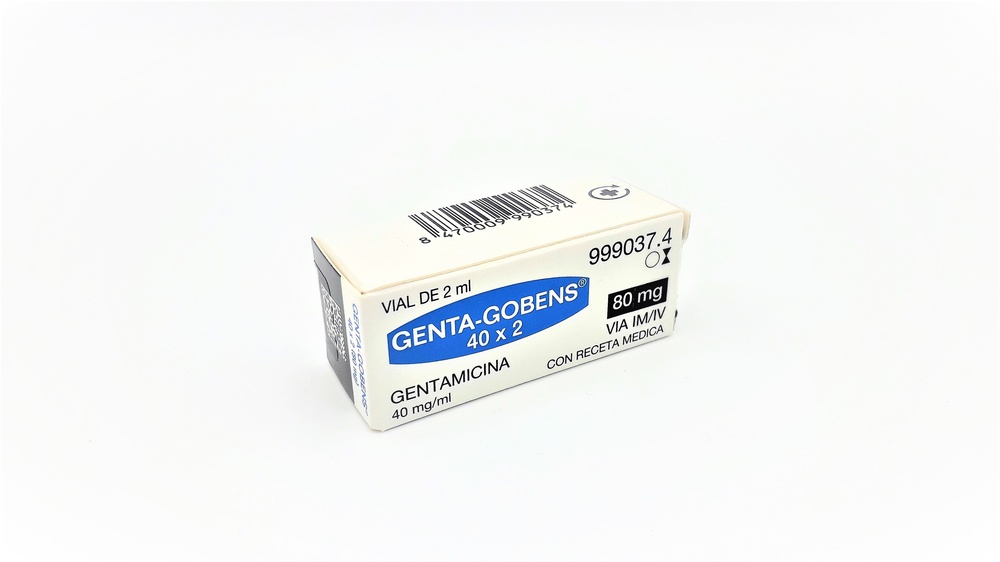
- The active ingredient is gentamicin (sulfate). Each vial contains 80 mg of gentamicin (sulfate).
- The other components (excipients) are sodium metabisulfite (E-223), methylparaben (E-218), propylparaben (E-216), sodium hydroxide (E-524), and water for injectable preparations.
Appearance of the Product and Package Contents
The solution contained in the vials of Genta Gobens 40 mg/ml injectable solution is transparent, colorless, or slightly yellow. Each package contains 1 vial. Each 2 ml vial contains 80 mg of gentamicin (as sulfate).
Marketing Authorization Holder and Manufacturer
LABORATORIOS NORMON, S.A.
Ronda de Valdecarrizo, 6 – 28760 Tres Cantos – Madrid (SPAIN)
Other Presentations:
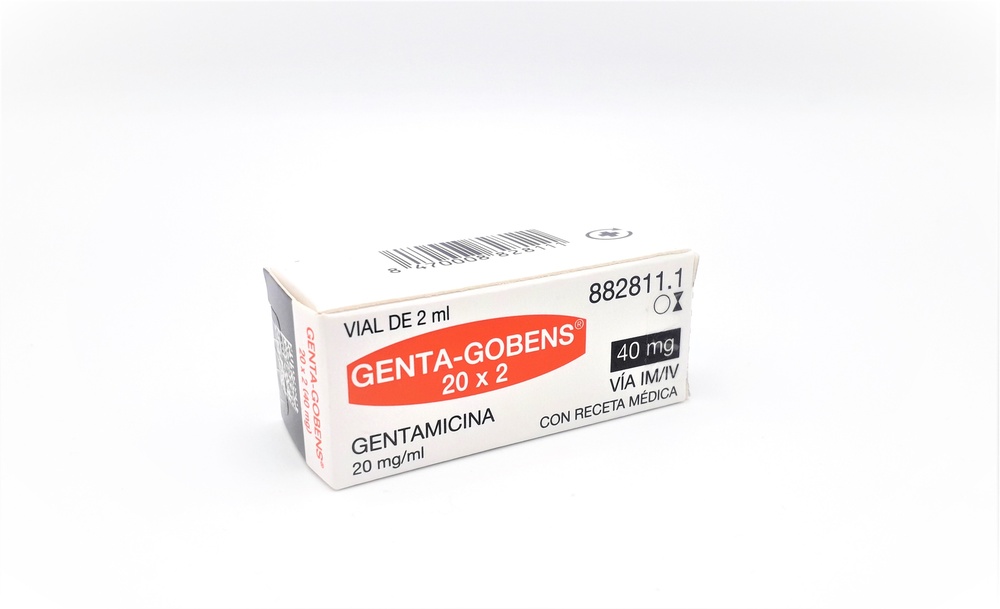
Genta Gobens 20 mg/ml injectable solution and for perfusion.
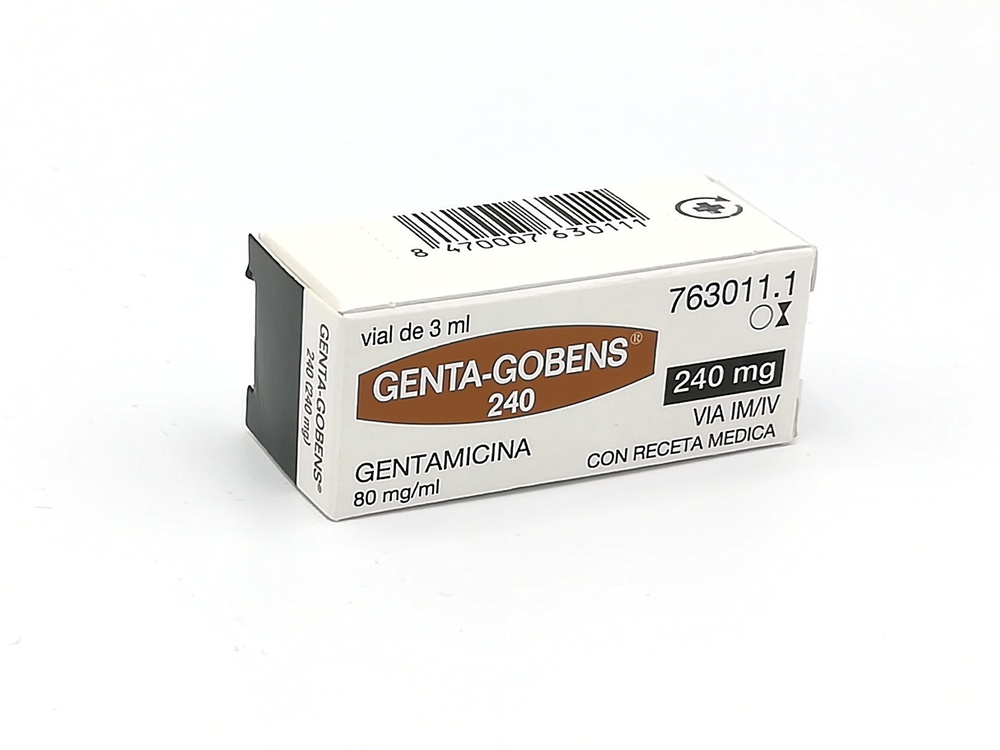
Genta Gobens 80 mg/ml injectable solution and for perfusion.
Date of the Last Revision of this Prospectus:March 2024.
Detailed and updated information on this medicine is available on the website of the Spanish Agency for Medicines and Health Products (AEMPS) http://www.aemps.gob.es/.
-

- Country of registration
- Dosage formINJECTABLE, Gentamicin Sulfate 80 mg
- ATC codeJ01GB03
- Average pharmacy price0.58 EUR
- Active substance
- Prescription requiredYes
- Manufacturer
- This information is for reference only and does not constitute medical advice. Always consult a doctor before taking any medication. Oladoctor is not responsible for medical decisions based on this content.
- Alternatives to GENTA GOBENS 40 mg/ml INJECTABLE SOLUTION AND PERFUSION SOLUTIONDosage form: INJECTABLE, Gentamicin Sulfate 40 mgActive substance: gentamicinManufacturer: Laboratorios Normon S.A.Prescription requiredDosage form: INJECTABLE, 240 mg of gentamicin (sulfate)Active substance: gentamicinManufacturer: Laboratorios Normon S.A.Prescription requiredDosage form: INJECTABLE PERFUSION, 300 mgActive substance: gentamicinManufacturer: B Braun Medical S.A.Prescription required
Online doctors for GENTA GOBENS 40 mg/ml INJECTABLE SOLUTION AND PERFUSION SOLUTION
Discuss questions about GENTA GOBENS 40 mg/ml INJECTABLE SOLUTION AND PERFUSION SOLUTION, including use, safety considerations and prescription review, subject to medical assessment and local regulations.









Get GENTA GOBENS 40 mg/ml INJECTABLE SOLUTION AND PERFUSION SOLUTION Prescription Online
Fill in a 2-min form
Tell us your symptoms, history, and what medicine you're requesting.
Pick a doctor or let us assign
Choose a specialist or we'll match you with the next available doctor.
Doctor reviews your case
Usually within 30 minutes. They may ask follow-up questions via chat.
Collect from any pharmacy
Electronic prescription sent to your email — valid across Spain.
Frequently Asked Questions
GENTA GOBENS 40 mg/ml INJECTABLE SOLUTION AND PERFUSION SOLUTION requires a prescription in Spain. You can check with a doctor online whether this medicine may be appropriate for your situation.
The active ingredient in GENTA GOBENS 40 mg/ml INJECTABLE SOLUTION AND PERFUSION SOLUTION is gentamicin. This information helps identify medicines with the same composition but different brand names.
The average pharmacy price for GENTA GOBENS 40 mg/ml INJECTABLE SOLUTION AND PERFUSION SOLUTION is around 0.58 EUR. Prices may vary depending on the manufacturer and dosage form.
GENTA GOBENS 40 mg/ml INJECTABLE SOLUTION AND PERFUSION SOLUTION is manufactured by Laboratorios Normon S.A.. Pharmacy brands and packaging may differ depending on the distributor.
Doctors such as Family doctors, Psychiatrists, Dermatologists, Cardiologists, Endocrinologists, Gastroenterologists, Pulmonologists, Nephrologists, Rheumatologists, Hematologists, Infectious disease physicians, Allergists, Geriatricians, Paediatricians, Oncologists may assess whether GENTA GOBENS 40 mg/ml INJECTABLE SOLUTION AND PERFUSION SOLUTION is appropriate, depending on your situation and local regulations. You can book an online consultation to discuss your symptoms and possible next steps.
Spain has a well-developed healthcare infrastructure across major cities such as Madrid, Barcelona, Valencia, and Seville. Pharmacies are widely available and operate under strict regulations, ensuring access to prescribed medications.
You can buy GENTA GOBENS 40 mg/ml INJECTABLE SOLUTION AND PERFUSION SOLUTION in Madrid, Barcelona, Seville, or Valencia at any local pharmacy with a valid prescription.
To obtain a prescription, you can use Oladoctor:
Other medicines with the same active substance (gentamicin) include GENTA GOBENS 20 mg/ml INJECTABLE SOLUTION AND PERFUSION SOLUTION, GENTA GOBENS 80 mg/ml INJECTABLE SOLUTION AND PERFUSION SOLUTION, GENTAMICIN BRAUN 3 mg/ml SOLUTION FOR INFUSION. These may have different brand names or formulations but contain the same therapeutic ingredient. Always consult a doctor before switching or starting a new medicine.
