


Gabapentina Almus 300 mg cápsulas duras

Prescription request online
A doctor will review your case and decide whether a prescription is medically appropriate.

Talk to a doctor about this medicine
Discuss your symptoms and possible next steps in a quick online consultation.



How to use GABAPENTINA ALMUS 300 mg HARD CAPSULES
Contents of the leaflet
- Introduction
- What Gabapentina Almus is and what it is used for
- What you need to know before taking Gabapentina Almus
- How to take Gabapentina Almus
- Possible Adverse Effects
- Storage of Gabapentina Almus
- Package Contents and Additional Information
Introduction
Package Leaflet: Information for the User
GABAPENTINA ALMUS 300 MG HARD CAPSULES EFG
Read the entire package leaflet carefully before starting to take this medication, as it contains important information for you.
- Keep this package leaflet, as you may need to read it again.
- If you have any questions, consult your doctor or pharmacist.
- This medication has been prescribed to you only, and you should not give it to others, even if they have the same symptoms as you, as it may harm them.
- If you experience side effects, consult your doctor or pharmacist, even if they are side effects not listed in this package leaflet. See section 4.
Contents of the Package Leaflet
- What Gabapentina Almus is and what it is used for
- What you need to know before taking Gabapentina Almus
- How to take Gabapentina Almus
- Possible side effects
- Storage of Gabapentina Almus
- Package contents and additional information
1. What Gabapentina Almus is and what it is used for
Gabapentina Almus belongs to a group of medications used to treat epilepsy and neuropathic pain.
Epilepsy: Gabapentina is used to treat various forms of epilepsy (seizures or attacks that initially are limited to certain parts of the brain, although the attack may spread to other parts of the brain or not). Your doctor will prescribe Gabapentina Almus to help you treat your epilepsy when your current treatment does not completely control your condition. You should take Gabapentina Almus in addition to your current treatment, unless otherwise indicated. Gabapentina Almus can be used alone to treat adults and children over 12 years of age.
Peripheral neuropathic pain: Gabapentina Almus is used to treat long-lasting pain caused by damage to the nerves. A wide range of diseases can cause this type of peripheral neuropathic pain, which mainly occurs in the legs and/or arms, such as diabetes or herpes zoster. The pain sensations can be described as heat, burning, pulsations, stabbing, pinching, pressure, tingling, numbness, sensation of pinpricks or needles, etc.

Not sure if this medicine is right for you?
Discuss your symptoms and treatment with a doctor online.
2. What you need to know before taking Gabapentina Almus
Do not take Gabapentina Almus:
If you are allergic to gabapentina or any of the other components of this medication.
Warnings and precautions:
Consult your doctor or pharmacist before taking Gabapentina Almus:
- Before taking this medication, inform your doctor if you have ever abused or been dependent on alcohol, prescribed medications, or illegal drugs; you may have a higher risk of developing dependence on Gabapentina Almus.
Dependence:
Some people may develop dependence (need to continue taking the medication) on Gabapentina Almus. They may experience withdrawal symptoms when they stop taking Gabapentina Almus (see section 3, "How to take Gabapentina Almus" and "If you stop treatment with Gabapentina Almus"). If you are concerned about developing dependence on Gabapentina Almus, it is essential that you consult your doctor.
If you experience any of the following signs while taking Gabapentina Almus, it may indicate that you have developed dependence:
- You feel that you need to take the medication for a longer period than prescribed.
- You feel that you need to take a higher dose than recommended.
- You are taking the medication for reasons other than its prescription.
- You have tried several times to stop taking the medication or control how you take it, without success.
- When you stop taking the medication, you feel unwell and feel better when you take it again.
If you notice any of the above, talk to your doctor to decide on the best course of treatment for you, including when it is appropriate to stop treatment and how to do it safely.
Be careful with Gabapentina Almus:
If you have kidney problems.
If you develop symptoms such as persistent stomach pain, discomfort, and feeling sick, contact your doctor immediately.
If you have a nervous system disorder or a respiratory disorder, or if you are over 65 years old, your doctor may prescribe a different dose.
A small number of people who were being treated with antiepileptics like Gabapentina Almus have had thoughts of self-harm or suicide. If you ever have these thoughts, contact your doctor immediately.
Additional information about potentially serious reactions:
Severe skin reactions have been reported with the use of gabapentina, including Stevens-Johnson syndrome, toxic epidermal necrolysis, and drug rash with eosinophilia and systemic symptoms (DRESS). Stop taking gabapentina and seek medical attention immediately if you notice any of the symptoms related to these severe skin reactions described in section 4.
Read the description of these symptoms in section 4 of this package leaflet in "Call your doctor immediately if you experience any of the following symptoms after taking this medication, as it may be serious".
Taking Gabapentina Almus with other medications:
Tell your doctor or pharmacist if you are taking, have recently taken, or may take any other medication. In particular, inform your doctor (or pharmacist) if you are taking or have recently taken any medication for seizures, sleep disorders, depression, anxiety, or any other neurological or psychiatric problem.
If you are using other medications that contain morphine, please tell your doctor, as morphine may increase the effect of gabapentina.
It is not expected that gabapentina will interact with other antiepileptic medications or with the contraceptive pill.
Gabapentina may interfere with some laboratory tests. If you need to have a urine test, inform your doctor or analyst that you are using gabapentina.
If gabapentina and antacids containing aluminum and magnesium are used at the same time, the absorption of gabapentina in the stomach may be reduced, so it is recommended that gabapentina be taken at least two hours after taking the antacid.
Taking Gabapentina Almus with food and drinks:
Gabapentina can be taken with or without food.
Pregnancy and breastfeeding:
If you are pregnant or breastfeeding, think you may be pregnant, or plan to become pregnant, consult your doctor or pharmacist before using any medication.
Gabapentina should not be used during pregnancy, unless your doctor has told you otherwise. Appropriate contraceptive measures should be taken when the woman has the possibility of becoming pregnant.
If taken during pregnancy, gabapentina may cause withdrawal symptoms in newborns. This risk may be higher when gabapentina is taken with opioid analgesics (medications for intense pain treatment).
There are no specific studies with gabapentina in pregnant women, but other medications used to treat seizures have caused an increased risk of harm to the fetus, mainly when more than one medication for seizures is taken at the same time. Therefore, whenever possible and only following the recommendations of your doctor, during pregnancy, you should use only one medication for seizures.
Do not stop treatment with this medication abruptly, as it may cause a rebound seizure, which could have serious consequences for you and your baby.
Tell your doctor immediately if you become pregnant, think you may be pregnant, or plan to become pregnant while using gabapentina.
Gabapentina is excreted in breast milk. Since the effect on the baby is unknown, it is recommended not to start breastfeeding while using gabapentina.
Driving and using machines:
Gabapentina may cause dizziness, drowsiness, and fatigue. Do not drive or use machinery or perform potentially hazardous activities until you know if this medication affects your ability to perform these activities.
Important information about some of the components of Gabapentina Almus
This medication contains lactose. If your doctor has told you that you have an intolerance to certain sugars, consult with them before using this medication.
3. How to take Gabapentina Almus
Follow the administration instructions for this medication exactly as indicated by your doctor. If in doubt, consult your doctor or pharmacist again. Do not take a higher dose of medication than prescribed.
Your doctor will determine the appropriate dose for you.
If you think the effect of Gabapentina Almus is too strong or too weak, consult your doctor or pharmacist.
If you are elderly (over 65 years old), you should take gabapentina normally, unless you have kidney problems.
Your doctor may prescribe a different dose if you have kidney problems.
Swallow the capsules whole with enough water.
Continue taking gabapentina until your doctor tells you to stop.
Peripheral neuropathic pain:
Take the number of capsules indicated by your doctor. Your doctor will gradually increase the dose. The initial dose will normally be between 300 and 900 mg per day. Then, the dose will be gradually increased to a maximum of 3600 mg per day. Your doctor will indicate that you should take it in three divided doses, for example: one in the morning, one in the afternoon, and one at night.
Epilepsy:
Adults and adolescents:
Take the number of capsules indicated by your doctor. Your doctor will gradually increase the dose. The initial dose will normally be between 300 and 900 mg per day. Then, the dose will be gradually increased to a maximum of 3600 mg per day. Your doctor will indicate that you should take it in three divided doses, for example: one in the morning, one in the afternoon, and one at night.
Children over 6 years old:
The dose to be given to the child will be decided by their doctor based on the child's weight. The treatment starts with a low initial dose that will be gradually increased over a period of approximately 3 days. The usual dose to control epilepsy is 25-35 mg/kg/day. It is usually given in 3 divided doses, for example: one in the morning, one in the afternoon, and one at night.
Gabapentina is not recommended for use in children under 6 years old.
If you take more Gabapentina Almus than you should:
In case of overdose or accidental ingestion, consult your doctor or pharmacist immediately or call the Toxicology Information Service, telephone 915 620 420.
If you or someone else has taken many capsules accidentally, or you think your child has swallowed some, contact your doctor or go immediately to the emergency department of the nearest hospital. Since gabapentina can cause drowsiness, it is recommended that you ask someone to take you to the doctor or hospital or call an ambulance. The symptoms of an overdose are dizziness, double vision, slurred speech, loss of consciousness, drowsiness, and moderate diarrhea.
Bring any unused capsules and the package or package leaflet with you so that the doctor or the person attending you in the emergency department can easily identify the medication you have taken.
If you forget to take Gabapentina Almus:
If you forget to take a dose, take it as soon as you remember, unless it is already time to take the next dose. Do not take a double dose to make up for the forgotten dose; wait for the next dose.
If you stop treatment with Gabapentina Almus
Do not stop taking gabapentina suddenly. If you want to stop taking Gabapentina Almus, talk to your doctor first. Your doctor will indicate how to proceed. If you are going to stop treatment, you must do it gradually over a minimum of one week. You should know that you may experience certain side effects, called withdrawal syndrome, after interrupting short-term or long-term treatment with Gabapentina Almus. These include seizures, anxiety, difficulty sleeping, feeling unwell (nausea), pain, sweating, tremors, headache, depression, abnormal sensation, dizziness, and general feeling of discomfort. These effects usually occur within the first 48 hours after stopping treatment with Gabapentina Almus. If you experience this withdrawal syndrome, you should contact your doctor.
If you have any other questions about the use of this medication, ask your doctor or pharmacist.
Started taking the medicine and have questions?
Discuss your symptoms and treatment with a doctor online.
4. Possible Adverse Effects
Like all medicines, Gabapentina Almus can cause adverse effects, although not all people suffer from them. Stop taking Gabapentina Almus and seek immediate medical attention if you notice any of these symptoms:
- Red patches without relief, target-like or circular in shape on the torso, often with blisters in the center; skin peeling, ulcers in the mouth, throat, nose, genitals, and eyes. These severe skin eruptions can be preceded by fever and flu-like symptoms (Stevens-Johnson syndrome, toxic epidermal necrolysis).
- Expanded rash, high body temperature, and enlarged lymph nodes (DRESS or drug hypersensitivity syndrome).
Very Common Adverse Effects that may Affect 1 or more than 1 person out of 10:
- Viral infection
- Feeling of dizziness, drowsiness, lack of coordination
- Feeling of fatigue, fever
Common Adverse Effects that may Affect less than 1 person out of 100:
- Pneumonia, respiratory infection, urinary tract infection, ear infection and inflammation
- Low blood cell count
- Anorexia, increased appetite
- Feelings of anger towards others, confusion, mood changes, depression, anxiety, nervousness, difficulty concentrating
- Seizures, rapid movements, difficulty speaking, memory loss, tremors, difficulty sleeping, headache, sensitive skin, decreased sensitivity, difficulty coordinating, unusual eye movements, increased, decreased, or absent reflexes
- Blurred or double vision
- Dizziness
- Increased blood pressure, dilation of blood vessels
- Difficulty breathing, bronchitis, sore throat, dry nose, cold
- Vomiting, nausea, dental problems, inflamed gums, diarrhea, stomach pain, indigestion, constipation, dry mouth or throat, flatulence
- Swelling of the face, acne, itching, redness
- Pain in the joints, muscles, or back, muscle spasms
- Incontinence
- Difficulty achieving an erection
- Swelling of the legs, arms, or even the face, neck, and lips, difficulty walking, weakness, pain, and general discomfort, and flu-like symptoms
- Decreased white blood cell count, weight gain
- Accidental injury, fracture, abrasion
Uncommon (may affect up to 1 in 100 people):
- Fall
- Difficulty thinking
- Agitation (a state of chronic restlessness and involuntary, purposeless movements)
- Increased blood glucose levels (more frequently observed in patients with diabetes)
- Difficulty swallowing
Rare Adverse Effects that may Affect less than 1 person out of 1000:
- Decreased platelet count (a type of blood cell)
- Allergic reaction
- Hallucinations
- Problems with abnormal movements, such as twisting, spasms, and stiffness
- Ringing in the ears
- Rapid heartbeat
- Pancreatitis
- Hepatitis, yellowing of the skin and eyes
- Severe skin reactions that require immediate medical attention, such as swelling of the lips and face, itching, and redness of the skin, and hair loss
- Acute kidney failure
- Adverse reactions after sudden discontinuation of gabapentina treatment (anxiety, difficulty sleeping, general discomfort, pain, swelling), chest pain
- Abnormal blood test results for liver problems
- Decreased blood glucose levels (more frequently observed in patients with diabetes)
- Loss of consciousness
- Breathing problems, shallow breathing (respiratory depression)
Frequency Not Known (cannot be estimated from the available data):
- Low sodium levels in the blood
- Anaphylaxis (a severe, potentially life-threatening allergic reaction that includes difficulty breathing, swelling of the lips, throat, and tongue, and hypotension that requires urgent treatment)
- Suicidal thoughts
- Developing dependence on Gabapentina Almus ("drug dependence")
You should know that you may experience certain adverse effects, called withdrawal syndrome, after interrupting short-term or long-term treatment with Gabapentina Almus (see "If you stop taking Gabapentina Almus").
Additionally, in clinical trials in children, aggressive behavior and excessive movement were frequently reported.
Gabapentina Almus may cause a severe or potentially life-threatening allergic reaction that can affect the skin or other parts of the body, such as the liver or blood cells. When this type of reaction occurs, it may or may not be accompanied by a rash. If this type of allergic reaction appears, you may need to be hospitalized or stop taking Gabapentina Almus.
Inform your doctor immediately if you have any of the following symptoms.
- Skin rashes
- Hives
- Fever
- Persistent swelling of the glands
- Swelling of the lips and tongue
- Yellowing of the skin or whites of the eyes
- Unusual bleeding or bruising
- Severe fatigue or weakness
- Unexpected muscle pain
- Frequent infections
- Breathing problems that, if severe, may require urgent medical attention to breathe normally
These symptoms may be the first signs of a severe reaction. Your doctor will examine you to decide if you can continue taking Gabapentina Almus.
Reporting Adverse Effects
If you experience any type of adverse effect, consult your doctor or pharmacist, even if it is an adverse effect that is not listed in this leaflet. You can also report them directly through the Spanish Pharmacovigilance System for Human Use Medicines, Website: www.notificaRAM.es
5. Storage of Gabapentina Almus
Keep out of the reach and sight of children.
Do not store above 30°C. Store in the original package, tightly closed.
Do not use this medicine after the expiration date stated on the package. The expiration date is the last day of the month indicated.
Medicines should not be disposed of via wastewater or household waste. Deposit the packages and medicines you no longer need at the SIGRE collection point in your pharmacy. If in doubt, ask your pharmacist how to dispose of packages and medicines you no longer need. This will help protect the environment.
6. Package Contents and Additional Information
Composition of Gabapentina Almus 300 mg capsules
- The active ingredient is gabapentina. Each hard capsule contains 300 mg of gabapentina.
- The other ingredients (excipients) are: Lactose, cornstarch, and talc. The No. 0 capsule contains: Carmine (E132), Titanium dioxide (E171), Yellow iron oxide (E172), and Gelatin.
Appearance of the Product and Package Contents
Gabapentina Almus is presented in the form of hard capsules. The capsules are dark green and white in color.
The capsules are packaged in PVC/PVD/Aluminum blisters.
The packages contain 90 hard capsules.
Marketing Authorization Holder and Manufacturer
Marketing Authorization Holder:
Almus Farmacéutica, S.A.U.
Marie Curie, 54
08840 Viladecans (Barcelona), Spain
Phone: 93 739 71 80
Email: [email protected]
Manufacturer:
Atlantic Pharma – Produções Farmacêuticas, S.A.
Rua De Tapada Grande 2
Abrunheira, Sintra, 2710-228
Portugal
O
Medinfar Manufacturing, S.A.
Parque Industrial Armando Martins Tavares,
Rua Outeiro da Armada, 5, Condeixa-a-Nova
3150-194 Sebal
Portugal
This leaflet was approved in July 2023
Detailed and updated information on this medicine is available on the website of the Spanish Agency for Medicines and Health Products (AEMPS) http://www.aemps.gob.es/
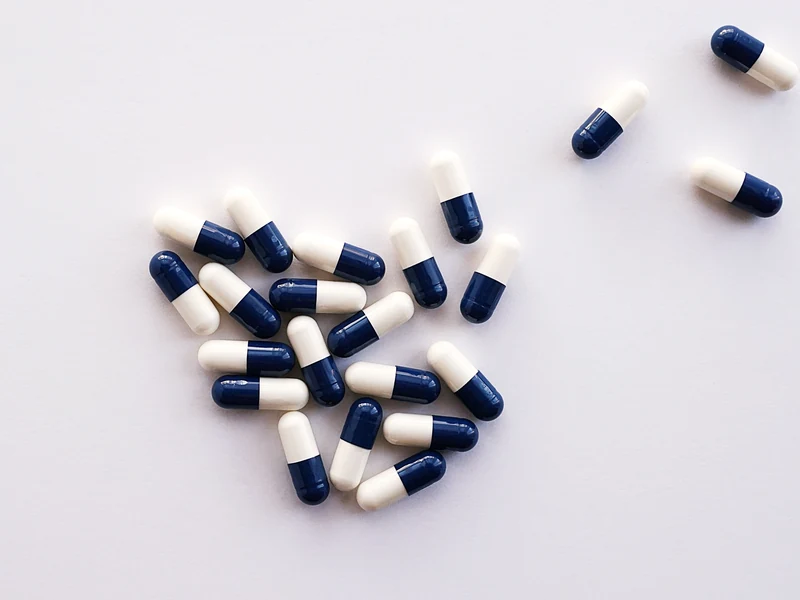
Illustrative image - Country of registration
- Dosage formCAPSULE, 300 mg
- ATC codeN02BF01
- Average pharmacy price9.23 EUR
- Active substance
- Prescription requiredYes
- Manufacturer
- CompositionLACTOSA MONOHIDRATO (42,750 mg mg)
- This information is for reference only and does not constitute medical advice. Always consult a doctor before taking any medication. Oladoctor is not responsible for medical decisions based on this content.
- Alternatives to GABAPENTINA ALMUS 300 mg HARD CAPSULES
 GABAPENTINA ALMUS 400 mg HARD CAPSULESIllustrative imageDosage form: CAPSULE, 400 mgActive substance: gabapentinManufacturer: Almus Farmaceutica S.A.U.Prescription required
 GABAPENTINA ALMUS 600 mg FILM-COATED TABLETSIllustrative imageDosage form: TABLET, 600 mgActive substance: gabapentinManufacturer: Almus Farmaceutica S.A.U.Prescription requiredGABAPENTINA ALMUS 800 mg FILM-COATED TABLETSIllustrative imageDosage form: TABLET, 800 mgActive substance: gabapentinManufacturer: Almus Farmaceutica S.A.U.Prescription required
Online doctors for GABAPENTINA ALMUS 300 mg HARD CAPSULES
Discuss questions about GABAPENTINA ALMUS 300 mg HARD CAPSULES, including use, safety considerations and whether a prescription is appropriate, subject to medical assessment and local regulations.









Frequently Asked Questions
GABAPENTINA ALMUS 300 mg HARD CAPSULES requires a prescription in Spain. You can check with a doctor online whether this medicine may be appropriate for your situation.
The active ingredient in GABAPENTINA ALMUS 300 mg HARD CAPSULES is gabapentin. This information helps identify medicines with the same composition but different brand names.
The average pharmacy price for GABAPENTINA ALMUS 300 mg HARD CAPSULES is around 9.23 EUR. Prices may vary depending on the manufacturer and dosage form.
GABAPENTINA ALMUS 300 mg HARD CAPSULES is manufactured by Almus Farmaceutica S.A.U.. Pharmacy brands and packaging may differ depending on the distributor.
Doctors such as Psychiatrists, Neurologists, General medicine doctors, Pain medicine doctors, Anaesthesiologists may assess whether GABAPENTINA ALMUS 300 mg HARD CAPSULES is appropriate, depending on your situation and local regulations. You can book an online consultation to discuss your symptoms and possible next steps.
The prescription is issued by a doctor after assessing your health. In Spain, GABAPENTINA ALMUS 300 mg HARD CAPSULES is then dispensed in pharmacies with that prescription. An online consultation does not guarantee that a prescription will be issued: the decision always rests with the doctor.
To request an assessment, you can use Oladoctor:
Other medicines with the same active substance (gabapentin) include GABAPENTINA ALMUS 400 mg HARD CAPSULES, GABAPENTINA ALMUS 600 mg FILM-COATED TABLETS, GABAPENTINA ALMUS 800 mg FILM-COATED TABLETS. These may have different brand names or formulations but contain the same therapeutic ingredient. Always consult a doctor before switching or starting a new medicine.
