






How to use FERBISOL 100 mg GASTRO-RESISTANT CAPSULES
Translated with AI
This page provides general information and does not replace a doctor’s consultation. Always consult a doctor before taking any medication. Seek urgent medical care if symptoms are severe.
Show originalContents of the leaflet
Introduction
Package Leaflet: Information for the Patient
Ferbisol 100 mg Hard Gastro-Resistant Capsules
Iron (Fe2+)
Read the entire package leaflet carefully before starting to take this medication, as it contains important information for you.
- Keep this package leaflet, as you may need to read it again.
- If you have any questions, consult your doctor or pharmacist.
- This medication has been prescribed to you only, and you should not give it to others, even if they have the same symptoms as you, as it may harm them.
people, even if they have the same symptoms as you, as it may harm them.
- If you experience side effects, consult your doctor or pharmacist, even if they are not listed in this package leaflet. See section 4.
Contents of the Package Leaflet
- What is Ferbisol and what is it used for
- What you need to know before taking Ferbisol
- How to take Ferbisol
- Possible side effects
- Storage of Ferbisol
- Contents of the pack and further information
1. What is Ferbisol and what is it used for
Ferbisol is a form of iron that can be taken orally to treat or prevent iron deficiency. Iron is essential for oxygen transport and energy transfer in the body. The capsules are called gastro-resistant because they do not release their contents in the stomach. They release iron in the intestine where it is absorbed.
Ferbisol is used to treat iron deficiency.

2. What you need to know before taking Ferbisol
Do not take Ferbisol
- If you are allergic to the iron complex or any of the other components of this medication (listed in section 6),
- If you have a narrowing in your throat (esophagus),
- If you suffer from a disease called hereditary iron storage disease (hemochromatosis),
- If you suffer from an iron accumulation disease (chronic hemolysis, thalassemia, other hemoglobinopathies),
- If you suffer from a disorder in the use of iron (e.g., sideroblastic anemia (defective red blood cells can be produced), lead anemia),
- If you receive periodic blood transfusions.
Children
- Children under 6 years of age should not take Ferbisol.
- Children aged 6 and over, whose body weight is less than 20 kg, should not take Ferbisol.
Warnings and precautions
Consult your doctor or pharmacist before starting to take Ferbisol.
Special care should be taken with Ferbisol.
- If you already suffer from a digestive system disease such as chronic inflammatory bowel disease, esophageal and intestinal narrowing, intestinal protrusions (diverticula), gastritis, gastric and intestinal ulcers.
- If you suffer from chronic kidney disease that requires erythropoietin, iron should be administered intravenously since oral iron is poorly absorbed in uremic individuals.
- If you suffer from liver failure and/or suffer from alcoholism.
- If you are an elderly person, with blood or iron loss of unknown origin. In this case, the cause of anemia/blood loss should be carefully studied.
- Your teeth may become discolored during treatment with Ferbisol (this discoloration may disappear when you stop taking Ferbisol. If not, it can be removed with an abrasive toothpaste or a professional dental cleaning).
Children
- Be careful when administering Ferbisol to children, as an overdose can lead to poisoning in children.
Other medications and Ferbisol
Tell your doctor or pharmacist if you are using, have recently used, or may need to use any other medication.
Increased efficacy and possible side effects
- Pain relievers (analgesics) and anti-rheumatics (e.g., salicylates and phenylbutazone): may worsen any stomach mucosa irritation that Ferbisol may cause.
- Concomitant administration of intravenous iron with oral iron may induce a decrease in blood pressure (hypotension) or even collapse due to the very rapid release of iron and possible overload. This combination is not recommended.
Decreased efficacy and possible increased side effects
- Certain antibiotics (tetracyclines) or medications (bisphosphonates) used to treat weakened bones (osteoporosis): if you are taking Ferbisol, the absorption of iron and tetracyclines or bisphosphonates is reduced. This means that the effects of all these medications will be reduced. Ask your doctor if you need to increase the dose of these medications.
- Medications containing calcium, magnesium, or aluminum, e.g., antacids, calcium and magnesium salts for substitution: these medications reduce or prevent the absorption of iron from Ferbisol. You may need to increase the amount of Ferbisol you take.
- Medications for arthritis, such as penicillamine and gold compounds administered orally, medications for Parkinson's disease, such as L-methyldopa and levodopa, and L-thyroxine, used in the treatment of thyroxine deficiency: these medications are poorly absorbed when taking Ferbisol with iron. You should consult your doctor if you need to increase your dose of these medications.
- Treatments for infections (antibiotics) from the group known as fluoroquinolones, such as ciprofloxacin, levofloxacin, norfloxacin, and ofloxacin: iron reduces the amount of these drugs absorbed. You should consult your doctor if you are taking Ferbisol before starting treatment with these medications.
The time interval between the administration of Ferbisol and any of the aforementioned medications should be at least 2 hours.
The interval between the administration of Ferbisol and tetracyclines and other doxycyclines (see below) should be at least 3 hours.
- You should not take doxycycline and Ferbisol together, as doxycycline may inhibit the absorption and circulation of Ferbisol.
Other possible side effects
- False positives in blood tests for fecal occult blood may occur frequently.
Taking Ferbisolwith food and drinks
Ferbisol should not be taken with food. Some substances contained in plant-based foods (e.g., cereals and vegetables) can form complexes with iron (e.g., phytates, oxalates, and phosphates). These complexes interrupt iron absorption. The ingredients in coffee, tea, milk, and cola drinks can also reduce iron absorption in the blood.
The interval between the administration of these compounds and Ferbisol should be at least 2 hours.
Pregnancy, breastfeeding, and fertility
There are no known risks when using Ferbisol during pregnancy and breastfeeding.
If you are pregnant or breastfeeding, think you may be pregnant, or plan to become pregnant, consult your doctor or pharmacist before using this medication.
Driving and using machines
Ferbisol does not affect your ability to drive or operate machinery.
Ferbisol contains sodium lauryl sulfate
This medication contains less than 23 mg of sodium (1 mmol) per capsule; that is, it is essentially "sodium-free".
3. How to take Ferbisol
Follow the administration instructions for this medication exactly as indicated by your doctor. If in doubt, consult your doctor or pharmacist again.
You should not take more than 5 mg of Ferbisol per kilogram of body weight. For example, if you weigh 60 kg, the maximum daily dose should be 5 x 60 = 300 mg (3 capsules).
Unless your doctor prescribes otherwise, the usual dose is:
Children over 6 years of age (with a minimum body weight of 20 kg), adolescents, and adults
Body weight (kg) | Capsules per intake | Frequency of intakes | Total dose of Fe2+ (mg) |
≥ 20 | 1 | 1 time a day | 100 |
Adolescents over 15 years of age (with a body weight over 50 kg) and adults.
The following doses are recommended at the start of treatment in cases of pronounced iron deficiency.
Body weight (kg) | Capsules per intake | Frequency of intakes | Total dose of Fe2+ (mg) |
50 - < 60 | 1 | 2 times a day | 200 |
≥ 60 | 1 | 2 - 3 times a day distributed throughout the day | 200 - 300 |
Use inchildren and adolescents
Ferbisol should not be used in children under 6 years of age (with a body weight of less than 20 kg) (see section 2).
Children over 6 years of age (minimum body weight of 20 kg) (see section 2) may be administered one capsule per day. For other doses, see the table.
Method of administration
Take the Ferbisol capsules with enough water. DO NOT chew the capsule. The capsules are taken with a sufficient time interval from meals (e.g., on an empty stomach in the morning or between main meals), as absorption may be reduced by food ingredients.
Note
If you cannot swallow the capsules or do not like them, you can empty the capsule and swallow the contents. When doing this, carefully separate the two parts of the capsule over a bowl. Gently shake the contents, collect with a spoon, and ingest. You should drink some water after ingesting the capsule contents.

Duration of treatment
Your doctor will decide the duration of your treatment.
Treatment should continue until you reach normal iron levels in the blood, which requires between 10 to 20 weeks, or longer if the underlying condition persists.
The duration of treatment to prevent iron deficiency varies depending on the situation (pregnancy, blood donation, chronic hemodialysis, planned autologous transfusion).
If you take more Ferbisol than you should
After an intentional or accidental overdose, the symptoms described in section 4 "Possible side effects" are the ones that occur most frequently and will be more severe.
If you have taken too much Ferbisol, you should inform your doctor immediately.
Overdose can cause poisoning, especially in children.
Iron poisoning can present symptoms such as agitation, stomach pain, nausea, vomiting, and diarrhea. The stools show a tar-like color, and the vomit may contain blood. Shock, metabolic changes such as an increase in the amount of acid in the body, and coma may occur. Death may occur after convulsions, Cheyne-Stokes respiration (an abnormal pattern of breathing, characterized by alternating periods of shallow and deep breathing), coma, and pulmonary edema.
In case of overdose or accidental ingestion, consult the Toxicology Information Service, phone 91 562 04 20.
If you forget to take Ferbisol
Do not take a double dose to make up for forgotten doses. If you have forgotten to take one or several doses of Ferbisol, continue taking it for a little longer.
If you stop treatment with Ferbisol
You do not need to take special precautions before stopping treatment with Ferbisol.
If you have any other questions about the use of this medication, ask your doctor or pharmacist.
4. Possible side effects
Like all medications, this medication can cause side effects, although not everyone will experience them.
Ferbisol may, in some cases (for which the frequency cannot be calculated), cause a severe allergic reaction (anaphylactic reaction). If you experience a severe rash, itching, and difficulty breathing, you should consult your doctor immediately.
Common side effects(affect 1 to 10 patients out of 100)
- stomach or intestinal discomfort (abdominal),
- heartburn,
- vomiting,
- liquid stools (diarrhea),
- nausea,
- constipation,
- dark stools (feces).
Rare side effects(affect 1 to 10 patients out of 10,000)
- tooth discoloration (see also "Special care with Ferbisol" in section 2),
- skin hypersensitivity (e.g., skin manifestations, exanthema, rash, urticaria).
Unknown frequency(cannot be estimated from available data)
- abdominal pain and upper abdominal pain,
- gastrointestinal bleeding,
- tongue discoloration,
- discoloration inside the mouth.
Other effects in children
In children under 6 years of age, iron capsules can cause poisoning (see sections 2 and 3).
Reporting side effects
If you experience any side effects, consult your doctor or pharmacist, even if they are not listed in this package leaflet. You can also report them directly through the Spanish Pharmacovigilance System for Human Use Medicines: http://www.notificaram.es. By reporting side effects, you can contribute to providing more information on the safety of this medication.
5. Storage of Ferbisol
Keep this medication out of the sight and reach of children.
Do not use this medication after the expiration date shown on the packaging and blister after EXP. The expiration date is the last day of the month indicated.
Do not store above 25°C.
Medications should not be disposed of through wastewater or household waste. Deposit the packaging and medications you no longer need at the SIGRE Point in the pharmacy. Ask your pharmacist how to dispose of the packaging and medications you no longer need. This will help protect the environment.
6. Contents of the pack and further information
Composition of Ferbisol
- The active ingredient is ferroglycine (II) sulfate complex. One capsule contains: 567.7 mg of ferroglycine (II) sulfate complex (equivalent to 100 mg of Fe2+).
- The other components are:
Pellets with ferroglycine (II) sulfate complex:
Ascorbic acid, microcrystalline cellulose, hypromellose, hydroxypropylcellulose, ethyl acrylate/methacrylic acid copolymer (1:1) dispersion 30% (Eudragit L30 D-55) (contains ethyl acrylate/methacrylic acid copolymer, sodium lauryl sulfate, polysorbate 80), acetyl triethyl citrate, and talc.
Capsule:
Body: gelatin, titanium dioxide (E 171), red iron oxide (E 172), yellow iron oxide (E 172).
Cap: gelatin, titanium dioxide (E 171), red iron oxide (E 172), black iron oxide (E 172).
Appearance of the product and contents of the pack
Ferbisol is a hard gastro-resistant gelatin capsule, approximately 21.7 mm x 7.5 mm in size, with a brown chocolate-colored cap, without engraving, and an orange-colored body, without engraving. It contains enteric-coated, grayish-brown pellets.
Ferbisol is available in packs containing 50 gastro-resistant capsules.
Marketing authorization holder and manufacturer
Marketing authorization holder
UCB Pharma, S.A.
Plaza de Manuel Gómez Moreno, s/n
Edificio Bronce, Planta 5,
28020 Madrid
Spain
Local representative
Laboratorios BIAL, S.A.
C/Alcalá 265, Edificio 2, Planta 2ª
28027 Madrid
Spain
Manufacturer
Aesica Pharmaceuticals GmbH
Alfred-Nobel-Strasse 10
40789 Monheim
Germany
Date of the last revision of this package leaflet:01/2024
Detailed information about this medication is available on the website of the Spanish Agency for Medicines and Health Products (AEMPS) http://www.aemps.gob.es
-

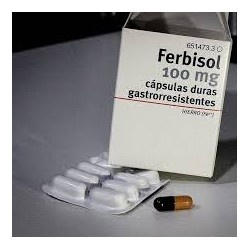
- Country of registration
- Dosage formCAPSULE, 100 mg ferrous glycinate sulfate
- ATC codeB03AA01
- Average pharmacy price13.57 EUR
- Active substance
- Prescription requiredYes
- Manufacturer
- This information is for reference only and does not constitute medical advice. Always consult a doctor before taking any medication. Oladoctor is not responsible for medical decisions based on this content.
- Alternatives to FERBISOL 100 mg GASTRO-RESISTANT CAPSULESDosage form: CAPSULE, 100 mgActive substance: ferrous glycine sulfateManufacturer: Ucb Pharma S.A.Prescription requiredDosage form: ORAL SOLUTION/SUSPENSION DROPS, 170 mg ferrous glycinate sulfate/mlActive substance: ferrous glycine sulfateManufacturer: Medix S.A.Prescription requiredDosage form: MODIFIED-RELEASE TABLET, 105 mgActive substance: ferrous sulfateManufacturer: Teofarma S.R.L.Prescription required

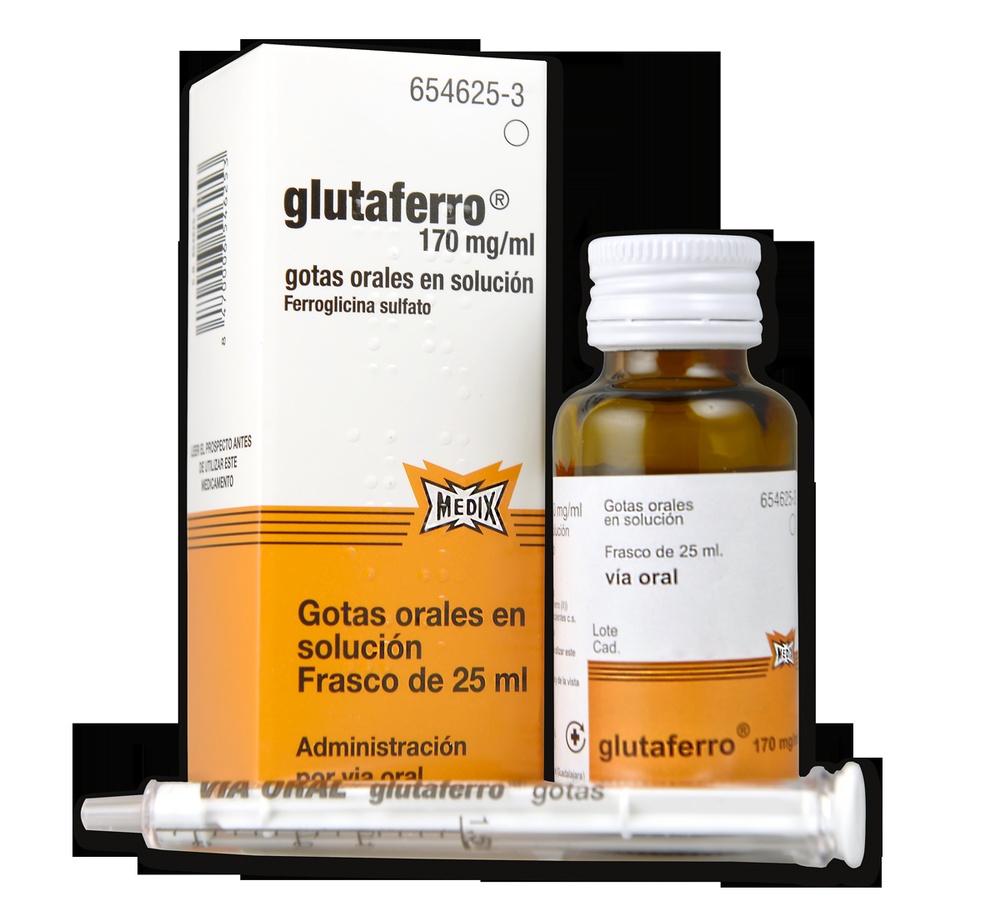
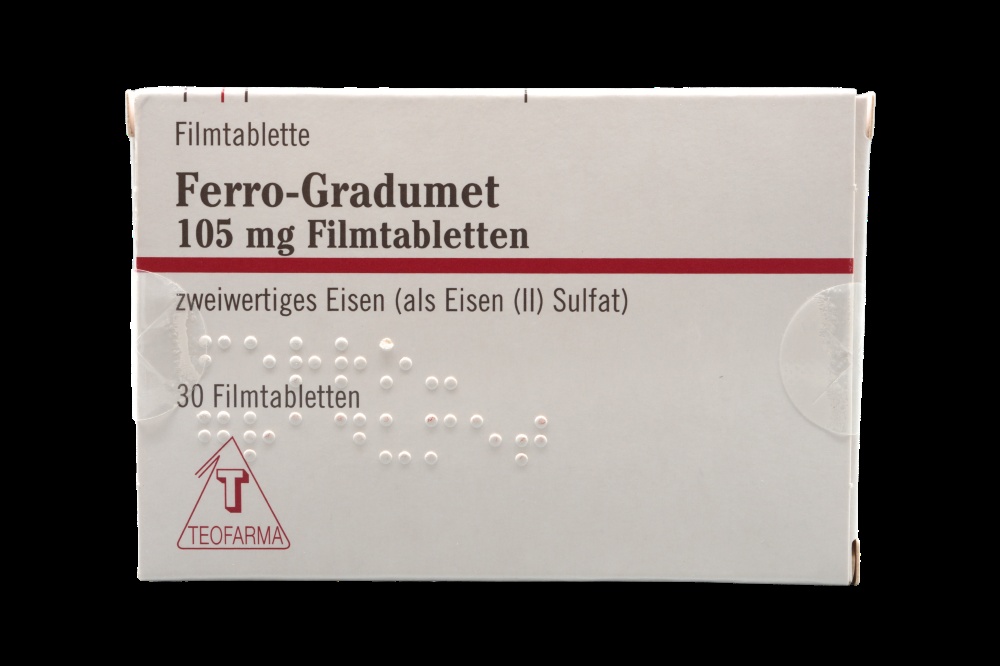
Online doctors for FERBISOL 100 mg GASTRO-RESISTANT CAPSULES
Discuss questions about FERBISOL 100 mg GASTRO-RESISTANT CAPSULES, including use, safety considerations and prescription review, subject to medical assessment and local regulations.









Get FERBISOL 100 mg GASTRO-RESISTANT CAPSULES Prescription Online
Fill in a 2-min form
Tell us your symptoms, history, and what medicine you're requesting.
Pick a doctor or let us assign
Choose a specialist or we'll match you with the next available doctor.
Doctor reviews your case
Usually within 30 minutes. They may ask follow-up questions via chat.
Collect from any pharmacy
Electronic prescription sent to your email — valid across Spain.
Frequently Asked Questions
FERBISOL 100 mg GASTRO-RESISTANT CAPSULES requires a prescription in Spain. You can check with a doctor online whether this medicine may be appropriate for your situation.
The active ingredient in FERBISOL 100 mg GASTRO-RESISTANT CAPSULES is ferrous glycine sulfate. This information helps identify medicines with the same composition but different brand names.
The average pharmacy price for FERBISOL 100 mg GASTRO-RESISTANT CAPSULES is around 13.57 EUR. Prices may vary depending on the manufacturer and dosage form.
FERBISOL 100 mg GASTRO-RESISTANT CAPSULES is manufactured by Ucb Pharma S.A.. Pharmacy brands and packaging may differ depending on the distributor.
Doctors such as Family doctors, Psychiatrists, Dermatologists, Cardiologists, Endocrinologists, Gastroenterologists, Pulmonologists, Nephrologists, Rheumatologists, Hematologists, Infectious disease physicians, Allergists, Geriatricians, Paediatricians, Oncologists may assess whether FERBISOL 100 mg GASTRO-RESISTANT CAPSULES is appropriate, depending on your situation and local regulations. You can book an online consultation to discuss your symptoms and possible next steps.
Spain has a well-developed healthcare infrastructure across major cities such as Madrid, Barcelona, Valencia, and Seville. Pharmacies are widely available and operate under strict regulations, ensuring access to prescribed medications.
You can buy FERBISOL 100 mg GASTRO-RESISTANT CAPSULES in Madrid, Barcelona, Seville, or Valencia at any local pharmacy with a valid prescription.
To obtain a prescription, you can use Oladoctor:
Other medicines with the same active substance (ferrous glycine sulfate) include FERRO SANOL 100 mg GASTRO-RESISTANT CAPSULES, GLUTAFERRO 170 mg/ml ORAL SOLUTION DROPS, FERO-GRADUMET 105 mg PROLONGED-RELEASE TABLETS. These may have different brand names or formulations but contain the same therapeutic ingredient. Always consult a doctor before switching or starting a new medicine.
