






How to use FENTANYL BASE 50 micrograms/mL Injectable Solution
Translated with AI
This page provides general information and does not replace a doctor’s consultation. Always consult a doctor before taking any medication. Seek urgent medical care if symptoms are severe.
Show originalContents of the leaflet
Introduction
Package Leaflet: Information for the User
Fentanilo Basi 50 micrograms/ml solution for injection EFG
Read all of this leaflet carefully before you start using this medicine because it contains important information for you.
- Keep this leaflet, you may need to read it again.
- If you have any further questions, ask your doctor or nurse.
- This medicine has been prescribed for you only. Do not pass it on to others. It may harm them, even if their signs of illness are the same as yours.
- If you get any side effects, talk to your doctor or nurse. This includes any possible side effects not listed in this leaflet. See section 4.
Contents of the pack
- What is Fentanilo Basi and what is it used for
- What you need to know before you are given Fentanilo Basi
- How Fentanilo Basi is given
- Possible side effects
- Storage of Fentanilo Basi
- Contents of the pack and further information
1. What is Fentanilo Basi and what is it used for
Fentanilo Basi solution for injection contains the active substance fentanyl (as citrate). It belongs to a group of medicines called opioid analgesics. These medicines prevent and relieve pain.
Fentanyl is used:
- as a narcotic analgesic supplement in general or local anesthesia;
- in combination with a neuroleptic (e.g. droperidol) in neuroleptanalgesia technique;
- for the induction of anesthesia, and as an adjunct in the maintenance of general and local anesthesia.

2. What you need to know before you are given Fentanilo Basi
Do not use Fentanilo Basi
- if you are allergic to fentanyl or any of the other ingredients of this medicine (listed in section 6).
- if you are allergic to medicines called morphinomimetics.
Warnings and precautions
Consult your doctor or nurse before starting to use fentanyl.
Consult your doctor or nurse before receiving Fentanilo Basi if:
- you are pregnant, plan to become pregnant or are breast-feeding,
- you have an underactive thyroid gland,
- you suffer from a lung disease,
- you suffer from a muscle disease known as myasthenia gravis,
- you suffer from liver or kidney disease,
- you are receiving treatment with opioids or have a history of opioid abuse,
- you suffer from alcoholism,
- you have severe, unexplained headaches or have recently suffered a head injury,
- you have been told you have a decreased blood volume,
- you have pain in the upper right side of your abdomen (biliary tract),
- it is administered during labor, injectable fentanyl may affect the breathing of the newborn,
- you or a family member have ever abused or been dependent on alcohol, prescription drugs, or illegal drugs ("addiction"),
- you are a smoker,
•you have ever had problems with your mood (depression, anxiety, or personality disorder) or have been treated for your mood (depression, anxiety, or personality disorder) or have been treated by a psychiatrist for other mental disorders.
Repeated use of opioid analgesics can make the medicine lose its effectiveness (you get used to it). It can also produce dependence and abuse that can result in potentially life-threatening overdose. If you are concerned that you may become dependent on fentanyl, it is important that you consult your doctor.
In particular, inform your doctor or pharmacist if you are taking:
- Some painkillers for nerve pain (gabapentin and pregabalin).
If treatment is interrupted, withdrawal symptoms may occur. Inform your doctor or nurse if you think this is happening to you (see also section 4. Possible side effects).
Special monitoring:
- Your doctor will have to be particularly careful when administering this medicine if you are an elderly person, have a weak general state of health, or are in labor.
- Fentanyl may cause slower than normal breathing or difficulty breathing. This medicine will only be administered where you can be carefully monitored until your breathing returns to normal.
- It is also recommended to monitor blood pressure and heart rate.
Children and adolescents
Techniques involving analgesia in a spontaneously breathing child should only be used as part of an anesthetic technique, or administered as part of a sedation/analgesia technique, with experienced personnel in an environment that can handle sudden stiffness of the chest wall requiring intubation, or apnea requiring airway support.
Other medicines and Fentanilo Basi
Tell your doctor or nurse if you are using, have recently used, or might use any other medicines.
Drugs such as barbiturates, benzodiazepines, neuroleptics, general anesthetics, gabapentinoids (gabapentin and pregabalin), and other non-selective CNS depressants (e.g., alcohol) may enhance the respiratory depression of opioids. When patients have received such medicines, the required dose of fentanyl should be lower than usual.
Tell your doctor if you are using other CNS depressants, such as a selective serotonin reuptake inhibitor (SSRI) or a serotonin and norepinephrine reuptake inhibitor (SNRI).
When patients have received such medicines, the required dose of fentanyl should be lower than usual.
Fentanyl, a high-clearance drug, is rapidly and extensively metabolized mainly by CYP3A4. Itraconazole (a potent CYP3A4 inhibitor) administered orally at 200 mg/day for 4 days had no significant effect on the pharmacokinetics of intravenous fentanyl.
Ritonavir administered orally (one of the most potent CYP3A4 inhibitors) reduced the clearance of intravenous fentanyl by two-thirds. However, the maximum plasma concentrations after a single dose of intravenous fentanyl were not affected.
When fentanyl is used as a single dose, concomitant administration of potent CYP3A4 inhibitors such as ritonavir requires special attention and observation of the patient.
Concomitant administration of fluconazole or voriconazole and fentanyl may result in increased exposure to fentanyl.
With continuous treatment, it may be necessary to reduce the dose of fentanyl to avoid accumulation, which may increase the risk of prolonged or delayed respiratory depression.
It is generally recommended to discontinue the administration of monoamine oxidase inhibitors (MAOIs) two weeks before any surgical or anesthetic procedure.
However, several reports describe the use of fentanyl during surgical or anesthetic procedures in patients with MAOIs without any interaction.
Effects of fentanyl on other medicines
After administration of fentanyl, the dose of other CNS depressants should be reduced.
The total plasma clearance and volume of distribution of etomidate decrease (by a factor of 2-3), without changes in half-life, when combined with fentanyl, resulting in a considerable increase in the plasma concentration of etomidate. The simultaneous administration of fentanyl and intravenous midazolam produces an increase in the terminal plasma half-life and a reduction in the plasma clearance of midazolam. When these medicines are administered with fentanyl, it may be necessary to reduce their dose.
The concomitant use of fentanyl and sedative medicines such as benzodiazepines or related drugs increases the risk of drowsiness, difficulty breathing (respiratory depression), coma, and can be life-threatening. For this reason, concomitant use should only be considered when other treatment options are not possible.
If your doctor still prescribes fentanyl with sedative medicines, they will limit the dose and duration of concomitant treatment.
Tell your doctor about all sedative medicines you are taking and strictly follow your doctor's recommendations regarding the dose. It may be helpful to inform friends or family members so they can recognize the signs and symptoms mentioned above. If you have these symptoms, contact your doctor.
Fentanilo Basi with alcohol
Alcohol may increase or prolong the respiratory depression of fentanyl.
Pregnancy and breast-feeding
If you are pregnant or breast-feeding, think you may be pregnant, or are planning to have a baby, ask your doctor or nurse for advice before using this medicine.
Fentanyl should not be used during labor, as it may affect the breathing of the newborn.
Fentanyl is excreted in breast milk. Do not breast-feed or use expressed breast milk within 24 hours after administration of injectable fentanyl.
Driving and using machines
Do not drive or use machines until a sufficient time has passed after administration of fentanyl.
Use in athletes
Athletes are informed that this medicine contains a component that may result in a positive doping test.
Fentanilo Basi contains sodium
This medicine contains 3.54 mg of sodium (main component of cooking/table salt) in each unit volume of the solution for injection. This is equivalent to 0.18% of the maximum recommended daily intake of sodium for an adult.
3. How Fentanilo Basi is given
Follow exactly the administration instructions of this medicine given by your doctor. In case of doubt, consult your doctor again.
- Fentanyl may be administered as an infusion or injection into a vein or muscle.
- Fentanyl will be injected into a vein just before the operation. This medicine will help you fall asleep and prevent you from feeling pain during the operation.
- You may be given anesthetics and/or other medicines to prevent some of the side effects of fentanyl, such as slower heartbeats and stiff muscles.
- Your doctor will decide how much fentanyl you need. This will depend on your age, body weight, general state of health, existing disease, use of other medicines, the type and duration of the operation you will undergo.
Use in children and adolescents
In children, the dose administered will always depend on their body weight.
If you are given too much Fentanilo Basi
Since the administration of this medicine will be carried out by a doctor or nurse, it is unlikely that you will be given too much. Overdose of fentanyl can cause respiratory depression and brain disorder (known as toxic leucoencephalopathy) (see Warnings and precautions).
If you have any further questions on the use of this medicine, ask your doctor or nurse.

4. Possible side effects
Like all medicines, this medicine can cause side effects, although not everybody gets them.
Possible side effects may occur especially during surgery and will be resolved by your doctor. However, some may also occur shortly after; therefore, post-operative observation will be carried out.
Very common(may affect more than 1 in 10 people):
- Feeling sick (nausea), being sick (vomiting),
- Muscle stiffness (which may involve the chest muscles).
Common(may affect up to 1 in 10 people):
- Involuntary and repetitive movements of the body,
- Drowsiness, dizziness,
- Visual impairment,
- Fast or slow heartbeat,
- Irregular heartbeat,
- Low or high blood pressure,
- Pain in the veins,
- Choking caused by spasm of the throat muscles,
- Difficulty breathing or wheezing,
- Stop of breathing for a short period (apnea) (the doctor has the medicine to prevent it),
- Skin rash,
- Confusion after surgery.
Uncommon(may affect up to 1 in 100 people):
- Elevated mood,
- Headache,
- Inflammation and clotting in a vein (phlebitis),
- Irregular changes in blood pressure,
- Faster than normal breathing,
- Hiccup,
- Drop in body temperature or shivering,
- Respiratory complications due to anesthesia,
- Agitation after surgery.
- Difficulty swallowing.
Frequency not known(cannot be estimated from the available data):
- Severe allergic reaction with a sudden drop in blood pressure, difficulty breathing, or skin rash (anaphylaxis),
- Urticaria,
- Seizures,
- Loss of consciousness,
- Muscle contractions,
- Cardiac arrest (the doctor has the medicine to prevent it),
- Respiratory depression,
- Itching of the skin,
- Delirium (symptoms may consist of a combination of agitation, restlessness, disorientation, confusion, fear, seeing or hearing things that really do not exist, sleep disturbances, nightmares),
- Symptoms of withdrawal syndrome (may be manifested by the appearance of the following side effects: nausea, vomiting, diarrhea, anxiety, shivering, tremor, and sweating).
If fentanyl is used together with other medicines called neuroleptics, which are administered before an operation to induce sleepiness, other effects may be experienced, such as shivering and/or tremors, agitation; after surgery – hallucinations, tremors, pronounced muscle stiffness or spasm, slowness of movement, and excessive saliva.
Reporting of side effects
If you experience any side effects, talk to your doctor or nurse. This includes any possible side effects not listed in this leaflet. You can also report side effects directly through the Spanish Pharmacovigilance System of Medicines for Human Use: www.notificaRAM.es. By reporting side effects, you can help provide more information on the safety of this medicine.
5. Storage of Fentanilo Basi
Keep this medicine out of the sight and reach of children.
Do not store above 25°C.
Keep the ampoules in the outer packaging to protect them from light.
Do not use this medicine after the expiry date which is stated on the label and carton after "EXP". The expiry date is the last day of the month stated.
Once the ampoule is opened, the product should be used immediately.
Chemical and physical stability has been demonstrated during use for 24 hours at 25°C. From a microbiological point of view, the medicine should be used immediately. If not used immediately, the in-use storage times and conditions are the responsibility of the user and normally should not exceed 24 hours at 2-8°C, unless the dilution has taken place in controlled and validated aseptic conditions.
Do not use this medicine if you notice a discoloration or the presence of particles. If only part of the solution is used, the remainder should be discarded.
Medicines should not be disposed of via wastewater or household waste. Ask your pharmacist how to dispose of medicines no longer required. This will help protect the environment.
6. Container Contents and Additional Information
Composition of Fentanilo Basi
- The active ingredient is fentanyl (as citrate).
1 ml of solution contains fentanyl citrate equivalent to 50 micrograms of fentanyl.
A 3 ml ampoule contains fentanyl citrate equivalent to 150 micrograms of fentanyl.
A 5 ml ampoule contains fentanyl citrate equivalent to 250 micrograms of fentanyl.
A 10 ml ampoule contains fentanyl citrate equivalent to 500 micrograms of fentanyl.
- The other components (excipients) are sodium chloride, hydrochloric acid (for pH adjustment), sodium hydroxide (for pH adjustment), and water for injectable preparations (see the end of Section 2 for more information).
Product Appearance and Container Contents
Transparent and colorless injectable solution.
Fentanilo Basi is presented in colorless glass ampoules with 3ml, 5ml, or 10ml.
Package sizes: 10 or 50 ampoules.
Only some package sizes may be marketed.
Marketing Authorization Holder and Manufacturer
Marketing Authorization Holder
Laboratórios Basi – Indústria Farmacêutica, S.A.
Parque Industrial Manuel Lourenço Ferreira, Lote 8, 15 e 16
3450-232 Mortágua, Viseu
Portugal
Tel.: +351 231 920 250
Fax: +351 231 921 055
E-mail: [email protected]
Manufacturer
Laboratórios Basi – Indústria Farmacêutica, S.A.
Parque Industrial Manuel Lourenço Ferreira Lote 8, 15 e 16
3450-232 Mortágua, Viseu
Portugal
Local Representative
Laphysan, S.A.U.
Calle Anabel Segura 11,
Complejo Empresarial Albatros, Edificio A, Planta 4, puerta D,
28108 Alcobendas (Madrid)
This medicinal product is authorized in the Member States of the European Economic Area under the following names:
Denmark: Fentanyl Basi
Finland: Fentanyyli Basi
Norway: Fentanyl Basi
Portugal: Fentanilo Medlink
Spain: Fentanilo Basi 50 micrograms/ml injectable solution EFG
Sweden: Fentanyl Basi
Date of the last revision of this leaflet: May 2024
Detailed information on this medicinal product is available on the website of the Spanish Agency for Medicines and Health Products (AEMPS) http://www.aemps.gob.es/.
-------------------------------------------------------------------------------------------------------------------
This information is intended only for healthcare professionals:
Posology
The dose of the medicinal product should be determined individually according to age, body weight, physical status, underlying pathological condition, concomitant use of other medicinal products, and type of surgical intervention and anesthesia.
- As a complementary analgesic in general anesthesia
Low doses for minor surgical procedures: 2 micrograms/kg of fentanyl.
Moderate dose: 2-20 micrograms/kg of fentanyl.
High doses during major surgery: 20-50 micrograms/kg of fentanyl. The duration of the effect depends on the dose. During major surgery, it has been shown that the administration of 20-50 micrograms/kg of fentanyl with nitrous oxide/oxygen has an attenuating effect.
When using these doses during surgery, it is necessary to provide postoperative ventilation and monitor the patient due to prolonged respiratory depression in the postoperative period.
Supplements of 20-250 micrograms (0.5-5 ml) of fentanyl may be administered according to the patient's needs and the duration of the surgery.
- As an anesthetic agent
When attenuation of the response to surgical stress is especially important, doses of 50-100 micrograms/kg of fentanyl with oxygen and a muscle relaxant may be administered. This technique provides anesthesia without the use of additional anesthetic agents. In certain cases, doses of up to 150 micrograms/kg of fentanyl may be necessary to produce an anesthetic effect. In this way, fentanyl is used in open-heart surgery and other major surgical procedures in patients in whom myocardial protection against excessive oxygen demand is particularly indicated.
Use in elderly or debilitated patients
The initial dose in this group of patients should be reduced. The effect of the initial dose should be taken into account when determining additional doses. It is recommended to administer a small intravenous dose of an anticholinergic agent immediately before induction to prevent bradycardia. Droperidol may be administered to prevent nausea and vomiting.
Use in patients with hepatic impairment
A careful titration of the fentanyl dose is recommended in patients with hepatic impairment.
Use in patients with renal impairment
A careful titration of the fentanyl dose is recommended in patients with renal impairment.
Children from 2 to 11 years old
The usual dosage regimen in children is as follows:
Age | Initial | Supplemental | |
Spontaneous Respiration | 2-11 years | 1-3 micrograms/kg | 1-1.25 micrograms/kg |
Assisted Ventilation | 2-11 years | 1-3 micrograms/kg | 1-1.25 micrograms/kg |
Children from 12 to 17 years old
Follow the adult dosage.
Instructions for opening ampoules with a One-Point-Cut (OPC) break point:
- Hold the ampoule body between the thumb and index finger, with the point facing up;
- Place the index finger of the other hand holding the top of the ampoule. Place the thumb over the point;
- With the index fingers close together, press the area of the point to open the ampoule.
Incompatibilities
If necessary, fentanyl can be mixed with sodium chloride 9 mg/ml (0.9%) or glucose 50 mg/ml (5%) for intravenous infusion. These dilutions are compatible with the plastic material used for infusions.
Overdose
Symptoms
Generally, the manifestations of fentanyl overdose are an extension of its pharmacological actions. Depending on individual sensitivity, the clinical picture is determined by the degree of respiratory depression, which ranges from bradypnea to apnea.
Treatment
Hypoventilation or apnea: administration of oxygen, assisted or controlled respiration.
Respiratory depression: a specific narcotic antagonist (e.g., naloxone) should be administered. This does not exclude the use of immediate countermeasures.
Respiratory depression may persist longer than the effect of the antagonist; therefore, in some cases, it is necessary to administer additional doses of the latter.
Muscle rigidity: an intravenous neuromuscular blocking agent should be administered to facilitate assisted or controlled respiration.
The patient should be carefully monitored; body temperature and fluid intake should be maintained. If hypotension is severe or persists, the possibility of hypovolemia should be considered, and if necessary, controlled by adequate parenteral administration of fluids.
-


- Country of registration
- Dosage formINJECTABLE, 50 micrograms
- ATC codeN01AH01
- Availability in pharmacies
Supply issue reported
Data from the Spanish Agency of Medicines (AEMPS) indicates a supply issue affecting this medicine.<br><br>Availability may be limited in some pharmacies.<br><br>For updates or alternatives, consult your pharmacist. - Active substance
- Prescription requiredYes
- Manufacturer
- This information is for reference only and does not constitute medical advice. Always consult a doctor before taking any medication. Oladoctor is not responsible for medical decisions based on this content.
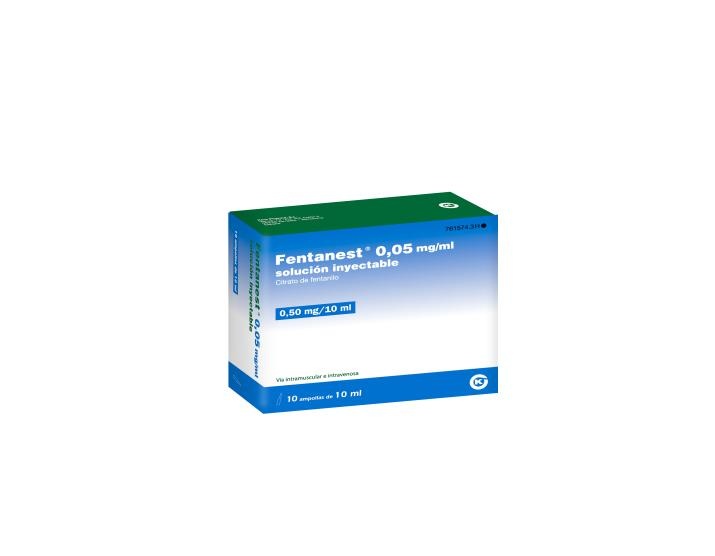
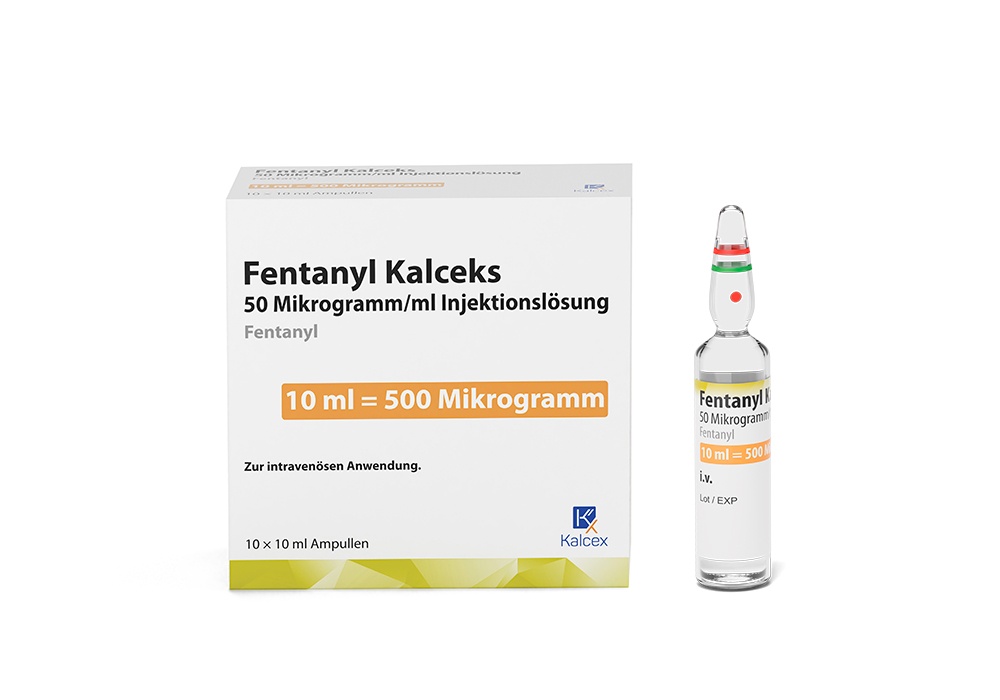
- Alternatives to FENTANYL BASE 50 micrograms/mL Injectable SolutionDosage form: INJECTABLE, 0.0785 mg/mlActive substance: fentanylManufacturer: Kern Pharma S.L.Prescription requiredDosage form: INJECTABLE, 0.05 mg/mlActive substance: fentanylManufacturer: Kalceks AsPrescription requiredDosage form: SUBLINGUAL TABLET, 30 MICROGRAMSActive substance: sufentanilManufacturer: Laboratoire AguettantPrescription required

Online doctors for FENTANYL BASE 50 micrograms/mL Injectable Solution
Discuss questions about FENTANYL BASE 50 micrograms/mL Injectable Solution, including use, safety considerations and prescription review, subject to medical assessment and local regulations.









Get FENTANYL BASE 50 micrograms/mL Injectable Solution Prescription Online
Fill in a 2-min form
Tell us your symptoms, history, and what medicine you're requesting.
Pick a doctor or let us assign
Choose a specialist or we'll match you with the next available doctor.
Doctor reviews your case
Usually within 30 minutes. They may ask follow-up questions via chat.
Collect from any pharmacy
Electronic prescription sent to your email — valid across Spain.
Frequently Asked Questions
FENTANYL BASE 50 micrograms/mL Injectable Solution requires a prescription in Spain. You can check with a doctor online whether this medicine may be appropriate for your situation.
The active ingredient in FENTANYL BASE 50 micrograms/mL Injectable Solution is fentanyl. This information helps identify medicines with the same composition but different brand names.
FENTANYL BASE 50 micrograms/mL Injectable Solution is manufactured by Laboratorios Basi Industria Farmaceutica S.A.. Pharmacy brands and packaging may differ depending on the distributor.
Doctors such as Family doctors, Psychiatrists, Dermatologists, Cardiologists, Endocrinologists, Gastroenterologists, Pulmonologists, Nephrologists, Rheumatologists, Hematologists, Infectious disease physicians, Allergists, Geriatricians, Paediatricians, Oncologists may assess whether FENTANYL BASE 50 micrograms/mL Injectable Solution is appropriate, depending on your situation and local regulations. You can book an online consultation to discuss your symptoms and possible next steps.
Spain has a well-developed healthcare infrastructure across major cities such as Madrid, Barcelona, Valencia, and Seville. Pharmacies are widely available and operate under strict regulations, ensuring access to prescribed medications.
You can buy FENTANYL BASE 50 micrograms/mL Injectable Solution in Madrid, Barcelona, Seville, or Valencia at any local pharmacy with a valid prescription.
To obtain a prescription, you can use Oladoctor:
Other medicines with the same active substance (fentanyl) include FENTANEST 0.05 mg/ml INJECTABLE SOLUTION, FENTANYL KALCEKS 50 micrograms/mL Injectable Solution, DZUVEO 30 micrograms sublingual tablet. These may have different brand names or formulations but contain the same therapeutic ingredient. Always consult a doctor before switching or starting a new medicine.
