







How to use ERNODASA HARD CAPSULES
Translated with AI
This page provides general information and does not replace a doctor’s consultation. Always consult a doctor before taking any medication. Seek urgent medical care if symptoms are severe.
Show originalContents of the leaflet
Introduction
Package Leaflet: Information for the User
Ernodasa Hard Capsules
Streptokinase and Streptodornase
Read all of this leaflet carefully before you start taking this medicine because it contains important information for you.
- Keep this leaflet, you may need to read it again.
- If you have any further questions, ask your doctor or pharmacist.
- This medicine has been prescribed for you only. Do not pass it on to others. It may harm them, even if their signs of illness are the same as yours.
- If you get any side effects, talk to your doctor or pharmacist. This includes any possible side effects not listed in this leaflet. See section 4.
Contents of the pack
- What is Ernodasa and what is it used for
- What you need to know before you take Ernodasa
- How to take Ernodasa
- Possible side effects
- Storage of Ernodasa
- Contents of the pack and other information
1. What is Ernodasa and what is it used for
Ernodasa belongs to a group of medicines called antithrombotics.
Ernodasa is indicated in adults for the treatment of acute or chronic inflammatory processes, whether of infectious or traumatic origin (with edema and/or hematoma).

2. What you need to know before you take Ernodasa
Do not take Ernodasa
- If you are allergic to streptokinase, streptodornase, or any of the other components of this medicine (listed in section 6).
- If you have bleeding disorders (known hemorrhagic diathesis).
- If you have uncontrolled severe hypertension.
- If you have low levels of fibrinogen (a protein involved in blood coagulation).
- If you have low platelet counts in the blood (thrombocytopenia).
Warnings and precautions
Consult your doctor or pharmacist before starting treatment with Ernodasa.
In the event of an allergic reaction, including anaphylactic shock, dyspnea (difficulty breathing), and urticaria, treatment with Ernodasa should be discontinued.
Be particularly careful with Ernodasa in the following situations:
- Recent severe gastrointestinal bleeding.
- Recent major surgery (6th to 10th postoperative day, depending on the severity of the surgery).
- Recent trauma and cardiopulmonary resuscitation.
- Recent biopsy of any organ, punctures in non-compressible vessels, intramuscular injections, or intubation.
- Recent childbirth, abortion.
- Patient undergoing treatment with oral anticoagulants (medicines that prevent blood coagulation).
- Severe liver or kidney damage.
- Lesions in organs that are prone to bleeding (e.g., active peptic ulcer).
- Inflammations of the heart (acute pericarditis and/or subacute bacterial endocarditis).
- Active internal bleeding, existing or recent.
- Recent stroke; intracranial or intraspinal surgery.
- Brain tumor (intracranial neoplasia).
- Recent head trauma (cranioencephalic trauma).
- Known tumor with a risk of bleeding.
- Inflammation of the pancreas (acute pancreatitis).
- Retinal disorders (hypertensive retinopathy grades III/IV).
Ernodasa should be used with caution in patients with a history of decreased liver function.
Children and adolescents
The use of Ernodasa is not recommended in patients under 18 years of age, as its safety and efficacy have not been established in these patients.
Other medicines and Ernodasa
Tell your doctor or pharmacist if you are using, have recently used, or might use any other medicines.
Prior or simultaneous treatment with Ernodasa and anticoagulants or substances that act on platelet formation or function may increase the risk of bleeding:
- oral anticoagulants.
- platelet aggregation inhibitors.
- non-steroidal anti-inflammatory analgesics, especially acetylsalicylic acid, indomethacin, phenylbutazone, and other platelet aggregation inhibitors, especially sulfinpyrazone.
- expansive solutions with antihemostatic effect (dextran).
- antifibrinolytics such as aminocaproic acid, aprotinin, and tranexamic acid.
Pregnancy, breastfeeding, and fertility
If you are pregnant or breastfeeding, think you may be pregnant, or plan to become pregnant, consult your doctor or pharmacist before using this medicine.
The safety and efficacy of Ernodasa during pregnancy, breastfeeding, or fertility have not been demonstrated, so its use is not recommended in these situations.
Driving and using machines
No effects on the ability to drive or use machinery have been described.
Ernodasa contains lactose and azorubine (E-122)
This medicine contains lactose. If your doctor has told you that you have an intolerance to certain sugars, consult with them before taking this medicine.
This medicine contains azorubine. It may cause allergic reactions.
3. How to take Ernodasa
Follow exactly the administration instructions of this medicine indicated by your doctor or pharmacist. In case of doubt, consult your doctor or pharmacist again.
Your doctor will indicate the dose and duration of your treatment with Ernodasa. Do not stop treatment before, as it may not have the desired effect.
Ernodasa capsules are for oral administration. The capsules should be swallowed whole, without chewing, with a little liquid.
The recommended dose is one capsule, four times a day, for 4-6 days.
In acute conditions, higher doses may be used as a therapeutic attack measure, consisting of two capsules three times a day, and if necessary, the dose may be increased to two capsules four times a day.
If you take more Ernodasa than you should
In case of overdose or accidental ingestion, consult your doctor or pharmacist immediately, or call the Toxicology Information Service, phone 91 562 04 20, indicating the medicine and the amount ingested.
If you forget to take Ernodasa
If you forget a dose of the medicine, take the next dose when it is due. Do not take a double dose to make up for forgotten doses.
If you have any other questions about the use of this medicine, ask your doctor or pharmacist.

4. Possible side effects
Like all medicines, this medicine can cause side effects, although not everybody gets them.
The following side effects have been described, according to the frequency categories indicated below:
Frequent(at least 1 in 100 patients):
- Development of antibodies against streptokinase.
Uncommon(at least 1 in 1,000 patients):
- Hypersensitivity and allergic reactions (including anaphylactic shock), dyspnea (difficulty breathing), and urticaria.
- Nausea, diarrhea, epigastric pain, vomiting.
- Transient increase in liver enzymes (transaminases) and bilirubin.
- Headache (cephalalgia), back pain (dorsalgia), muscle pain (myalgia), chills and/or increased body temperature, feeling of weakness (asthenia), general malaise.
Rare(less than 1 in 10,000 patients):
- Inflammatory red skin lesions (erythematous exanthema), dermatitis, itching.
If you think any of the side effects are serious or if you notice any side effects not listed in this leaflet, tell your doctor or pharmacist.
Reporting of side effects
If you experience any side effects, talk to your doctor or pharmacist, even if it is possible side effects not listed in this leaflet. You can also report them directly through the Spanish Medicines and Healthcare Products Agency (AEMPS) website: https://www.notificaram.es. By reporting side effects, you can help provide more information on the safety of this medicine.
5. Storage of Ernodasa
Keep this medicine out of the sight and reach of children.
Store in the original packaging to protect from light and moisture.
Store at room temperature.
Do not use this medicine after the expiry date stated on the packaging. The expiry date is the last day of the month indicated.
Medicines should not be disposed of via wastewater or household waste. Place the packaging and any unused medicines in the pharmacy's SIGRE point. If in doubt, ask your pharmacist how to dispose of the packaging and medicines you no longer need. This will help protect the environment.
6. Contents of the pack and other information
Composition of Ernodasa
- The active substances are streptokinase and streptodornase. Each capsule contains 10,000 International Units of streptokinase and 2,500 International Units of streptodornase.
- The other components are lactose, magnesium stearate, and talc. The gelatin capsule is composed of: gelatin, titanium dioxide (E-171), carmine indigo (E-132), and azorubine (E-122).
Appearance of the product and pack contents
Ernodasa is a medicine that comes in the form of hard capsules, purple and white in color. The packs contain 20, 40, or 500 capsules, depending on the format. Not all pack sizes may be marketed.
Marketing authorization holder
Laboratorios ERN, S.A.
C/Perú, 228
08020 Barcelona, Spain
Manufacturer
Laboratorios ERN, S.A.
C/Gorchs Lladó, 188
Pol. Ind. Can Salvatella
08210 Barberá del Vallés (Barcelona), Spain
Date of the last revision of this leaflet: March 2025
Detailed information on this medicine is available on the website of the Spanish Agency for Medicines and Healthcare Products (AEMPS) http://www.aemps.gob.es/
- Country of registration
- Dosage formCAPSULE, 10000 IU / 2500 IU
- ATC codeB01AD01
- Average pharmacy price2.5 EUR
- Active substance
- Prescription requiredYes
- Manufacturer
- This information is for reference only and does not constitute medical advice. Always consult a doctor before taking any medication. Oladoctor is not responsible for medical decisions based on this content.
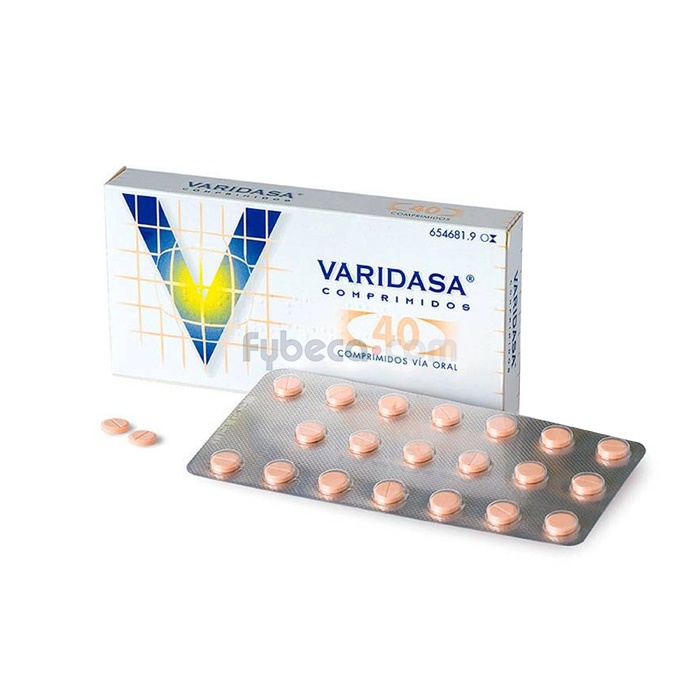
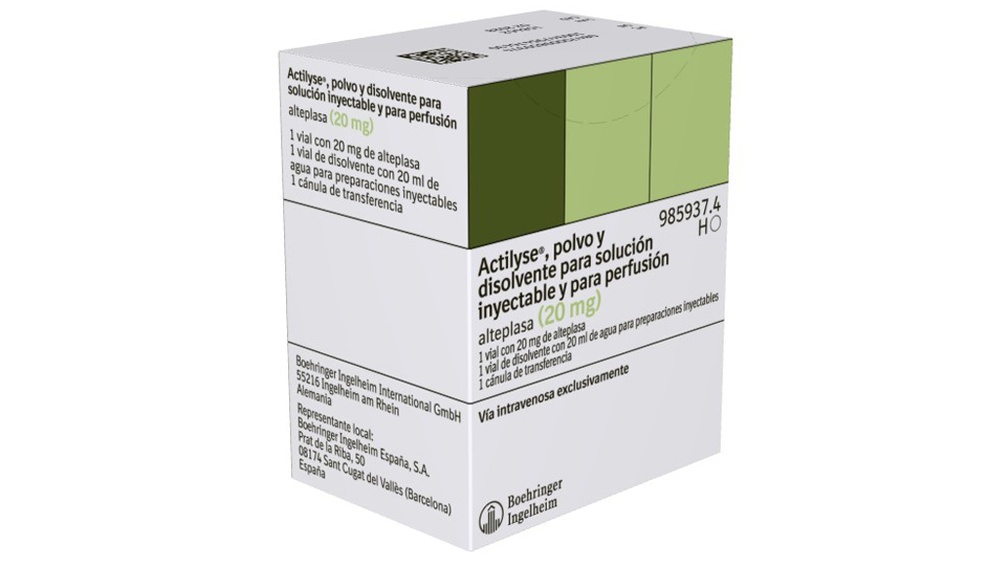
- Alternatives to ERNODASA HARD CAPSULESDosage form: TABLET, streptodornase 2500 U; streptokinase 10000 UActive substance: streptokinaseManufacturer: Industrial Farmaceutica Cantabria S.A.Prescription requiredDosage form: INJECTABLE, 10 mgActive substance: alteplaseManufacturer: Boehringer Ingelheim International GmbhPrescription requiredDosage form: INJECTABLE, 1500 IUActive substance: apadamtase alfa and cinaxadamtase alfaManufacturer: Takeda Manufacturing Austria AgPrescription required

Online doctors for ERNODASA HARD CAPSULES
Discuss questions about ERNODASA HARD CAPSULES, including use, safety considerations and prescription review, subject to medical assessment and local regulations.









Get ERNODASA HARD CAPSULES Prescription Online
Fill in a 2-min form
Tell us your symptoms, history, and what medicine you're requesting.
Pick a doctor or let us assign
Choose a specialist or we'll match you with the next available doctor.
Doctor reviews your case
Usually within 30 minutes. They may ask follow-up questions via chat.
Collect from any pharmacy
Electronic prescription sent to your email — valid across Spain.
Frequently Asked Questions
ERNODASA HARD CAPSULES requires a prescription in Spain. You can check with a doctor online whether this medicine may be appropriate for your situation.
The active ingredient in ERNODASA HARD CAPSULES is streptokinase. This information helps identify medicines with the same composition but different brand names.
The average pharmacy price for ERNODASA HARD CAPSULES is around 2.5 EUR. Prices may vary depending on the manufacturer and dosage form.
ERNODASA HARD CAPSULES is manufactured by Laboratorios Ern S.A.. Pharmacy brands and packaging may differ depending on the distributor.
Doctors such as Family doctors, Psychiatrists, Dermatologists, Cardiologists, Endocrinologists, Gastroenterologists, Pulmonologists, Nephrologists, Rheumatologists, Hematologists, Infectious disease physicians, Allergists, Geriatricians, Paediatricians, Oncologists may assess whether ERNODASA HARD CAPSULES is appropriate, depending on your situation and local regulations. You can book an online consultation to discuss your symptoms and possible next steps.
Spain has a well-developed healthcare infrastructure across major cities such as Madrid, Barcelona, Valencia, and Seville. Pharmacies are widely available and operate under strict regulations, ensuring access to prescribed medications.
You can buy ERNODASA HARD CAPSULES in Madrid, Barcelona, Seville, or Valencia at any local pharmacy with a valid prescription.
To obtain a prescription, you can use Oladoctor:
Other medicines with the same active substance (streptokinase) include VARIDASA COMPRESSES, ACTILYSE powder and solvent for injectable solution and for infusion, ADZYNMA 1500 IU POWDER AND SOLVENT FOR INJECTABLE SOLUTION. These may have different brand names or formulations but contain the same therapeutic ingredient. Always consult a doctor before switching or starting a new medicine.
