






How to use EMTRICITABINE/TENOFOVIR DISOPROXIL AUROVITAS 200 MG/245 MG FILM-COATED TABLETS
Translated with AI
This page provides general information and does not replace a doctor’s consultation. Always consult a doctor before taking any medication. Seek urgent medical care if symptoms are severe.
Show originalContents of the leaflet
- Introduction
- What Emtricitabine/Tenofovir Disoproxil Aurovitas is and what it is used for
- What you need to know before you take Emtricitabine/Tenofovir Disoproxil Aurovitas
- How to take Emtricitabine/Tenofovir Disoproxil Aurovitas
- Possible Adverse Effects
- Storage of Emtricitabine/Tenofovir Disoproxil Aurovitas
- Package Contents and Additional Information
Introduction
Package Leaflet: Information for the User
Emtricitabine/Tenofovir Disoproxil Aurovitas 200 mg/245 mg Film-Coated Tablets EFG
Read all of this leaflet carefully before you start taking this medicine because it contains important information for you.
- Keep this leaflet, you may need to read it again.
- If you have any further questions, ask your doctor or pharmacist.
- This medicine has been prescribed for you only. Do not pass it on to others. It may harm them, even if their signs of illness are the same as yours.
- If you get any side effects, talk to your doctor or pharmacist. This includes any possible side effects not listed in this leaflet. See section 4.
Contents of the pack
- What Emtricitabine/Tenofovir Disoproxil Aurovitas is and what it is used for
- What you need to know before you take Emtricitabine/Tenofovir Disoproxil Aurovitas
- How to take Emtricitabine/Tenofovir Disoproxil Aurovitas
- Possible side effects
- Storage of Emtricitabine/Tenofovir Disoproxil Aurovitas
- Contents of the pack and other information
1. What Emtricitabine/Tenofovir Disoproxil Aurovitas is and what it is used for
Emtricitabine/Tenofovir Disoproxil Aurovitas contains two active substances, emtricitabineand tenofovir disoproxil. Both active substances are antiretroviral medicines used to treat HIV infection. Emtricitabine is a nucleoside analogue reverse transcriptase inhibitorand tenofovir is a nucleotide analogue reverse transcriptase inhibitor. They are usually called NRTIs and act by interfering with the normal working of an enzyme (reverse transcriptase) that is essential for the virus to reproduce.
- Emtricitabine/tenofovir disoproxil is used to treat HIV-1 infection in adults.
- It is also used to treat HIV-1 infection in adolescents from 12 to less than 18 years of age with a body weight of at least 35 kg who have already been treated with other HIV medicines that are no longer effective or have caused side effects.
- Emtricitabine/tenofovir disoproxil must always be used in combination with other medicines to treat HIV infection.
- Emtricitabine/tenofovir disoproxil can be taken instead of emtricitabine and tenofovir disoproxil taken separately at the same doses.
This medicine is not a cure for HIV infection.While you are taking emtricitabine/tenofovir disoproxil, you may still develop infections or other illnesses associated with HIV.
- Emtricitabine/tenofovir disoproxil is also used to reduce the risk of getting HIV-1 infection in adults and adolescents from 12 to less than 18 years of age with a body weight of at least 35 kg when used as a daily treatment, in combination with safer sex practices:
See section 2 for a list of precautions to take against HIV infection.

2. What you need to know before you take Emtricitabine/Tenofovir Disoproxil Aurovitas
Do not take emtricitabine/tenofovir disoproxil to treat HIV or to reduce the risk of getting HIV if you are allergicto emtricitabine, tenofovir, tenofovir disoproxil or any of the other ingredients of this medicine (listed in section 6).
If this happens, contact your doctor immediately.
Before taking emtricitabine/tenofovir disoproxil to reduce the risk of getting HIV:
Emtricitabine/tenofovir disoproxil can only help reduce the risk of getting HIV beforeyou are infected.
- You must not be infected with HIV before you start taking emtricitabine/tenofovir disoproxil to reduce the risk of getting HIV. You will need to have an HIV test to make sure you are not already infected with HIV. Do not take emtricitabine/tenofovir disoproxil to reduce the risk of getting HIV unless you have been confirmed to be HIV-negative. People with HIV should take emtricitabine/tenofovir disoproxil in combination with other medicines.
- Many HIV tests can miss a very recent infection. If you get a flu-like illness, it could mean that you have been recently infected with HIV.
These can be signs of HIV infection:
- fatigue.
- fever.
- joint or muscle pain.
- headache.
- vomiting or diarrhea.
- rash.
- night sweats.
- enlarged lymph nodes in the neck or groin.
Tell your doctor about any flu-like illness, either in the month before starting emtricitabine/tenofovir disoproxil or at any time while taking emtricitabine/tenofovir disoproxil.
Warnings and precautions
When taking emtricitabine/tenofovir disoproxil to reduce the risk of getting HIV:
- Take emtricitabine/tenofovir disoproxil every day to reduce your risk, not just when you think you have been at risk of getting HIV infection. Do not miss any doses of emtricitabine/tenofovir disoproxil or stop taking it. Missed doses can increase the risk of getting HIV infection.
- You must have an HIV test every 3 months.
- If you think you have been infected with HIV, contact your doctor immediately. They may want to do more tests to make sure you are still not infected with HIV.
- Using emtricitabine/tenofovir disoproxil on its own may not prevent you from getting HIV.
- Always practice safer sex. Use condoms to reduce contact with semen, vaginal fluids, or blood.
- Do not share personal items that can contain blood or bodily fluids, such as toothbrushes or razor blades.
- Do not share or reuse needles or other injections or medications.
- You should have tests for other sexually transmitted infections such as syphilis or gonorrhea. These infections can make it easier for you to get HIV.
Ask your doctor if you have any questions about how to prevent getting HIV or passing it on to others.
When taking emtricitabine/tenofovir disoproxil to treat HIV or to reduce the risk of getting HIV:
- Emtricitabine/tenofovir disoproxil can affect your kidneys. Before and during treatment, your doctor may do blood tests to check your kidney function. If you have had kidney disease or if the tests show kidney problems, tell your doctor. Emtricitabine/tenofovir disoproxil should not be given to adolescents with existing kidney problems. If you have kidney problems, your doctor may advise you to stop taking emtricitabine/tenofovir disoproxil or, if you already have HIV, to take emtricitabine/tenofovir disoproxil less often. Emtricitabine/tenofovir disoproxil is not recommended if you have severe kidney disease or are on dialysis.
- Talk to your doctor if you have osteoporosis, a history of bone fractures, or bone problems.
Bone problems (which show up as persistent or worsening bone pain and sometimes result in fractures) may also occur due to damage to kidney tubule cells (see section 4, Possible side effects). Tell your doctor if you have bone pain or fractures.
Tenofovir disoproxil can also cause bone loss. The most pronounced bone loss was seen in clinical studies when patients received treatment for HIV with tenofovir disoproxil in combination with a boosted protease inhibitor.
In general, the effects of tenofovir disoproxil on long-term bone health and the risk of future fractures in adult and pediatric patients are not known.
- Talk to your doctor if you have a history of liver disease, including hepatitis. Patients infected with HIV who also have liver disease (including chronic hepatitis B or C) treated with antiretrovirals have a greater risk of serious and potentially life-threatening liver complications. If you have hepatitis B or C, your doctor will carefully consider the best treatment regimen for you.
- Know your hepatitis B virus (HBV) status before starting emtricitabine/tenofovir disoproxil. If you have HBV, there is a serious risk of liver problems when you stop taking emtricitabine/tenofovir disoproxil, regardless of whether you also have HIV. It is important not to stop taking emtricitabine/tenofovir disoproxil without talking to your doctor: see section 3, Do not stop taking emtricitabine/tenofovir disoproxil.
- If you are over 65 years of age, tell your doctor. Emtricitabine/tenofovir disoproxil has not been studied in patients over 65 years of age.
- Ask your doctor if you are lactose intolerant (see “Emtricitabine/Tenofovir Disoproxil Aurovitas contains lactose” below in this section).
Children and adolescents
Emtricitabine/tenofovir disoproxil should not be given to children under 12 years of age.
Other medicines and Emtricitabine/Tenofovir Disoproxil Aurovitas
Do not take this medicine if you are already taking other medicines that contain the components of Emtricitabine/Tenofovir Disoproxil Aurovitas (emtricitabine and tenofovir disoproxil) or any other antiviral medicine that contains tenofovir alafenamide, lamivudine, or adefovir dipivoxil.
Taking emtricitabine/tenofovir disoproxil with other medicines that can harm your kidneys:it is especially important that you tell your doctor if you are taking any of these medicines, including:
- aminoglycosides (for bacterial infection).
- amphotericin B (for fungal infection).
- foscarnet (for viral infection).
- ganciclovir (for viral infection).
- pentamidine (for infections).
- vancomycin (for bacterial infection).
- interleukin-2 (for cancer treatment).
- cidofovir (for viral infection).
- non-steroidal anti-inflammatory drugs (NSAIDs, for pain relief or to reduce inflammation).
If you are taking another antiviral medicine called a protease inhibitor to treat HIV, your doctor may do blood tests to closely monitor your kidney function.
It is also important that you tell your doctor if you are taking ledipasvir/sofosbuvir, sofosbuvir/velpatasvir, or sofosbuvir/velpatasvir/voxilaprevir to treat hepatitis C infection.
Taking emtricitabine/tenofovir disoproxil with other medicines that contain didanosine (for HIV treatment):
Taking emtricitabine/tenofovir disoproxil with other antiviral medicines that contain didanosine can increase the levels of didanosine in your blood and may reduce the number of CD4 cells. When medicines containing tenofovir disoproxil and didanosine are taken together, rare cases of pancreatitis and lactic acidosis (excess lactic acid in the blood) have been reported, sometimes causing death. Your doctor will carefully consider whether to treat you with combinations of tenofovir and didanosine.
Tell your doctorif you are taking any of these medicines. Tell your doctor or pharmacist if you are taking, have recently taken, or might take any other medicines.
Taking Emtricitabine/Tenofovir Disoproxil Aurovitas with food and drink
- When possible, emtricitabine/tenofovir disoproxil should be taken with food.
Pregnancy and breastfeeding
If you are pregnant or breastfeeding, think you may be pregnant, or are planning to have a baby, ask your doctor or pharmacist for advice before taking this medicine.
If you have taken emtricitabine/tenofovir disoproxil during your pregnancy, your doctor may do regular blood tests and other diagnostic tests to monitor the development of your child. In children whose mothers took NRTIs during pregnancy, the benefit of protecting against HIV outweighed the risk of side effects.
- Do not breastfeed while taking emtricitabine/tenofovir disoproxil. This is because the active substances in this medicine pass into breast milk.
- It is recommended that women with HIV do not breastfeed their babies to avoid passing on the virus through breast milk.
- If you are breastfeeding or thinking about breastfeeding, talk to your doctor first.
Driving and using machines
Emtricitabine/tenofovir disoproxil can cause dizziness. If you feel dizzy while taking emtricitabine/tenofovir disoproxil, do not driveor use tools or machines.
Emtricitabine/Tenofovir Disoproxil Aurovitas contains lactose
If your doctor has told you that you have an intolerance to some sugars, contact them before taking this medicine.
Emtricitabine/Tenofovir Disoproxil Aurovitas contains sodium
This medicine contains less than 1 mmol sodium (23 mg) per tablet, which is essentially “sodium-free”.
3. How to take Emtricitabine/Tenofovir Disoproxil Aurovitas
Always take this medicine exactly as your doctor has told you .If you are not sure, check with your doctor or pharmacist.
The recommended dose of emtricitabine/tenofovir disoproxil for treating HIV is:
- Adults: one tablet once daily, when possible with food.
- Adolescents from 12 to less than 18 years of age with a body weight of at least 35 kg: one tablet once daily, when possible with food.
The recommended dose of emtricitabine/tenofovir disoproxil for reducing the risk of getting HIV is:
- Adults: one tablet once daily, when possible with food.
- Adolescents from 12 to less than 18 years of age with a body weight of at least 35 kg: one tablet once daily, when possible with food.
If you have difficulty swallowing, you can use the tip of a spoon to crush the tablet. Then mix the powder with approximately 100 ml (half a glass) of water, orange juice, or grape juice, and drink it immediately.
- Always take the dose recommended by your doctor. This is to make sure your medicine is fully effective and to reduce the risk of developing resistance to treatment. Do not change the dose unless your doctor tells you to.
- If you are taking emtricitabine/tenofovir disoproxil to treat HIV, your doctor will prescribe emtricitabine/tenofovir disoproxil with other antiretroviral medicines. Check the package leaflets of the other antiretrovirals for instructions on how to take them.
- If you are taking emtricitabine/tenofovir disoproxil to reduce the risk of getting HIV, take emtricitabine/tenofovir disoproxil every day, not just when you think you have been at risk of getting HIV infection.
Ask your doctor if you have any questions about how to prevent getting HIV or passing it on to others.
If you take more Emtricitabine/Tenofovir Disoproxil Aurovitas than you should
If you accidentally take more than the recommended dose of emtricitabine/tenofovir disoproxil, talk to your doctor or go to the nearest hospital emergency department. Take the pack with you.
In case of overdose or accidental ingestion, contact your doctor or pharmacist immediately or call the Toxicology Information Service, telephone 91 562 04 20, stating the medicine and the amount taken.
If you forget to take Emtricitabine/Tenofovir Disoproxil Aurovitas
It is important that you do not miss a dose of emtricitabine/tenofovir disoproxil.
If you miss a dose:
- If you realize within 12 hours of the time you usually take emtricitabine/tenofovir disoproxil, take the tablet as soon as possible, preferably with food, and then take the next dose at the usual time.
- If it is more than 12 hours since the time you usually take emtricitabine/tenofovir disoproxil, do not take the missed dose. Wait and take the next dose at the usual time, preferably with food.
If you vomit within 1 hour of taking emtricitabine/tenofovir disoproxil,take another tablet. You do not need to take another tablet if you vomit more than 1 hour after taking emtricitabine/tenofovir disoproxil.
Do not stop taking Emtricitabine/Tenofovir Disoproxil Aurovitas
- If you are taking emtricitabine/tenofovir disoproxil to treat HIV infection, stopping treatment may reduce the effectiveness of the recommended treatment for your HIV. If you have HIV and stop taking emtricitabine/tenofovir disoproxil, the virus may become resistant to the medicine.
- If you are taking emtricitabine/tenofovir disoproxil to reduce the risk of getting HIV, do not stop taking emtricitabine/tenofovir disoproxil or miss any doses. Stopping emtricitabine/tenofovir disoproxil, or missing doses, may increase the risk of getting HIV infection.
Do not stop taking emtricitabine/tenofovir disoproxil without talking to your doctor.
If you have hepatitis B,it is especially important not to stop your treatment with emtricitabine/tenofovir disoproxil without first talking to your doctor. You may need to have blood tests for several months after stopping treatment. In some patients with advanced liver disease or cirrhosis, it is not recommended to stop treatment as this can cause the hepatitis to get worse, which can be life-threatening.
Talk to your doctor immediatelyabout any new or unusual symptoms after stopping treatment, particularly symptoms that you think may be related to hepatitis B infection.
If you have any further questions on the use of this medicine, ask your doctor or pharmacist.

4. Possible Adverse Effects
Like all medicines, this medicine can cause adverse effects, although not all people suffer from them.
Possible Serious Adverse Effects:
- Lactic acidosis (excess of lactic acid in the blood) is a rare but potentially fatal adverse effect. Lactic acidosis is more frequent in women, especially if they are overweight, and in people with liver disease. The following may be signs of lactic acidosis:
- deep and rapid breathing.
- drowsiness.
- nausea, vomiting.
- stomach pain.
If you think you may have lactic acidosis, contact your doctor immediately.
- Any sign of inflammation or infection. In some patients with advanced HIV infection (AIDS) and a history of opportunistic infections (infections that occur in people with a weak immune system), signs and symptoms of inflammation of previous infections may appear soon after starting HIV treatment. It is believed that these symptoms are due to an improvement in the body's immune response, which allows the body to fight against infections that may be present without any apparent symptoms.
- Autoimmune disorders may also appear when the immune system attacks healthy body tissue after starting HIV treatment. Autoimmune disorders can occur many months after starting treatment. Pay attention to any symptoms of infection or other symptoms such as:
- muscle weakness.
- weakness that starts in the hands and feet and moves up to the trunk of the body.
- palpitations, tremors, or hyperactivity.
If you notice these or any symptoms of inflammation or infection, seek medical attention immediately.
Possible Adverse Effects:
Very Common Adverse Effects(may affect more than 1 in 10 people)
- diarrhea, vomiting, nausea.
- dizziness, headache.
- rash.
- feeling of weakness.
Lab tests may also show:
- decrease in blood phosphate levels.
- increase in creatine kinase.
Common Adverse Effects(may affect up to 1 in 10 people)
- pain, stomach pain.
- difficulty sleeping, abnormal dreams.
- digestive problems with discomfort after meals, feeling bloated (gas), flatulence.
- rash (including red spots or pimples sometimes with blisters and swelling of the skin), which may be allergic reactions, itching, changes in skin color such as darkening of the skin in patches.
- other allergic reactions, such as difficulty breathing, swelling, or feeling slightly dizzy.
- bone mass loss.
Lab tests may also show:
- low white blood cell count (a reduced white blood cell count can make you more prone to infections).
- increase in triglycerides (fatty acids), bile, or blood sugar.
- liver and pancreas problems.
Uncommon Adverse Effects(may affect up to 1 in 100 people)
- abdominal pain (belly pain) caused by pancreas inflammation.
- swelling of the face, lips, tongue, or throat.
- anemia (low red blood cell count).
- muscle rupture, muscle pain, or muscle weakness that may appear in case of damage to the renal tubule cells.
Lab tests may also show:
- decrease in blood potassium levels.
- increase in blood creatinine.
- changes in urine.
Rare Adverse Effects(may affect up to 1 in 1,000 people)
- lactic acidosis (see Possible Serious Adverse Effects).
- fatty liver.
- yellow skin or eyes, itching, or abdominal pain (belly pain) caused by liver inflammation.
- kidney inflammation, increased urine volume, and feeling of thirst, kidney failure, damage to the renal tubule cells.
- bone weakening (with bone pain and sometimes resulting in fractures).
- back pain due to kidney problems.
Damage to the renal tubule cells can be associated with muscle rupture, bone weakening (with bone pain and sometimes resulting in fractures), muscle pain, muscle weakness, and decreased blood potassium or phosphate levels.
If you notice any of the above adverse effects or if any of the adverse effects worsen, talk to your doctor or pharmacist.
The frequency of the following adverse effects is unknown.
- Bone problems. Some patients taking combined antiretroviral medications such as emtricitabine/tenofovir disoproxil may develop a bone disease called osteonecrosis (death of bone tissue caused by loss of blood supply to the bone). Taking this type of medication for a long time, taking corticosteroids, consuming alcohol, having a very weak immune system, and being overweight may be some of the many risk factors for developing this disease. Signs of osteonecrosis include:
- joint stiffness.
- joint pain or discomfort (especially in the hip, knee, and shoulder).
- difficulty moving.
If you notice any of these symptoms, talk to your doctor.
During HIV treatment, there may be an increase in weight and glucose and lipid levels in the blood. This may be partly related to the recovery of health and lifestyle, and in the case of blood lipids, sometimes with HIV medications themselves. Your doctor will monitor these changes.
Other Adverse Effects in Children
- Children who receive emtricitabine often suffer from changes in skin color, including:
- dark spots on the skin
- Children frequently have a low red blood cell count (anemia).
- this can cause fatigue or shortness of breath
If you notice any of these symptoms, inform your doctor.
Reporting Adverse Effects
If you experience any type of adverse effect, consult your doctor or pharmacist, even if it is a possible adverse effect that is not listed in this prospectus. You can also report them directly through the Spanish Pharmacovigilance System for Human Use Medicines: https://www.notificaram.es. By reporting adverse effects, you can contribute to providing more information on the safety of this medicine.
5. Storage of Emtricitabine/Tenofovir Disoproxil Aurovitas
Keep this medicine out of the sight and reach of children.
Do not use this medicine after the expiration date that appears on the blister pack, carton, or bottle after CAD. The expiration date is the last day of the month indicated.
Store below 30°C.
Medicines should not be thrown away in drains or trash. Deposit the packaging and medicines you no longer need in the pharmacy's SIGRE point. Ask your pharmacist how to dispose of the packaging and medicines you no longer need. This will help protect the environment.
6. Package Contents and Additional Information
Composition of Emtricitabine/Tenofovir Disoproxil Aurovitas
- The active ingredients are emtricitabine and tenofovir disoproxil. Each film-coated tablet contains 200 mg of emtricitabine and 245 mg of tenofovir disoproxil (equivalent to 300 mg of tenofovir disoproxil fumarate).
- The other ingredients are:
Tablet core:microcrystalline cellulose, sodium croscarmellose, mannitol, pregelatinized corn starch, and sodium stearyl fumarate.
Tablet coating:white color: hypromellose 2910 (6 cps), triacetin, titanium dioxide (E171), lactose.
Product Appearance and Package Contents
White or off-white film-coated tablets, capsule-shaped, with the mark "EMT" on one side and smooth on the other. The size is 19.1 × 8.6 mm.
Emtricitabine/Tenofovir Disoproxil Aurovitas tablets are available in blister packs and HDPE bottles.
Package sizes:
Blister pack:30, 50, and 90 tablets.
HDPE bottles:30 and 90 tablets.
Not all package sizes may be marketed.
Marketing Authorization Holder and Manufacturer
Marketing Authorization Holder:
Aurovitas Spain, S.A.U.
Avda. de Burgos, 16-D
28036 Madrid
Spain
Manufacturer:
APL Swift Services (Malta) Limited
HF26, Hal Far Industrial Estate, Hal Far
Birzebbugia, BBG 3000
Malta
O
Generis Farmacêutica, S.A.
Rua João de Deus, 19
2700-487 Amadora
Portugal
This medicine is authorized in the Member States of the European Economic Area under the following names:
Germany: Emtricitabin/Tenofovirdisproxil PUREN 200 mg/245 mg Filmtabletten
Belgium: Emtricitabin/Tenofovir disoproxil AB 200/245 mg filmomhulde tabletten
Spain: Emtricitabina/Tenofovir disoproxilo Aurovitas 200 mg/245 mg comprimidos recubiertos con película EFG
Italy: Emtricitabina e Tenofovir disoproxil Aurobindo
Netherlands: Emtricitabine /Tenofovir disoproxil Aurobindo 200/245 mg, filmomhulde tabletten
Poland: Emtricitabine + Tenofovir disoproxil Aurovitas
Portugal: Emtricitabina + Tenofovir Generis
Date of the last revision of this prospectus:May 2024
Detailed information about this medicine is available on the website of the Spanish Agency for Medicines and Health Products (AEMPS) (http://www.aemps.gob.es/).
-

- Country of registration
- Dosage formTABLET, 200 mg/245 mg
- ATC codeJ05AR03
- Active substance
- Prescription requiredYes
- Manufacturer
- This information is for reference only and does not constitute medical advice. Always consult a doctor before taking any medication. Oladoctor is not responsible for medical decisions based on this content.
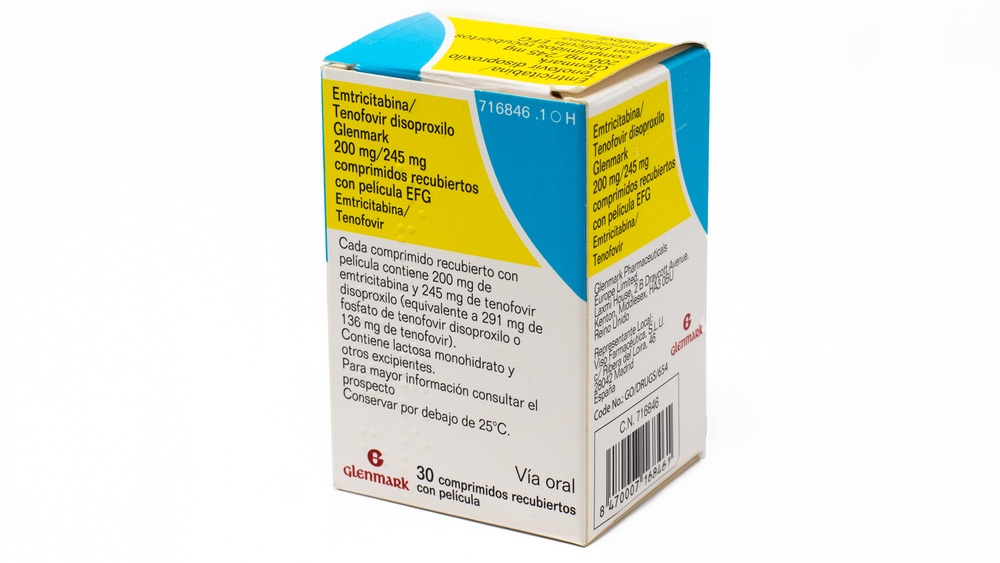
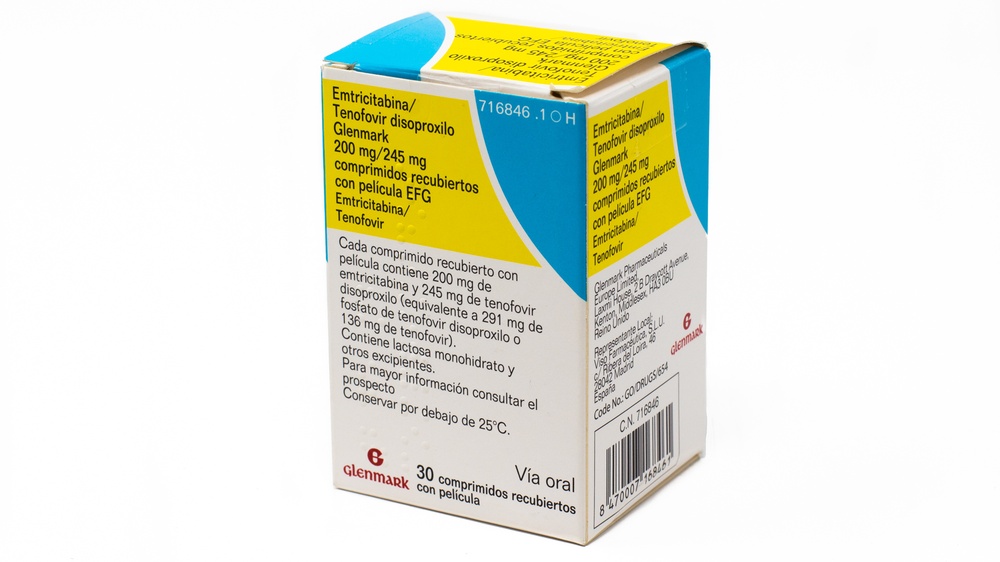
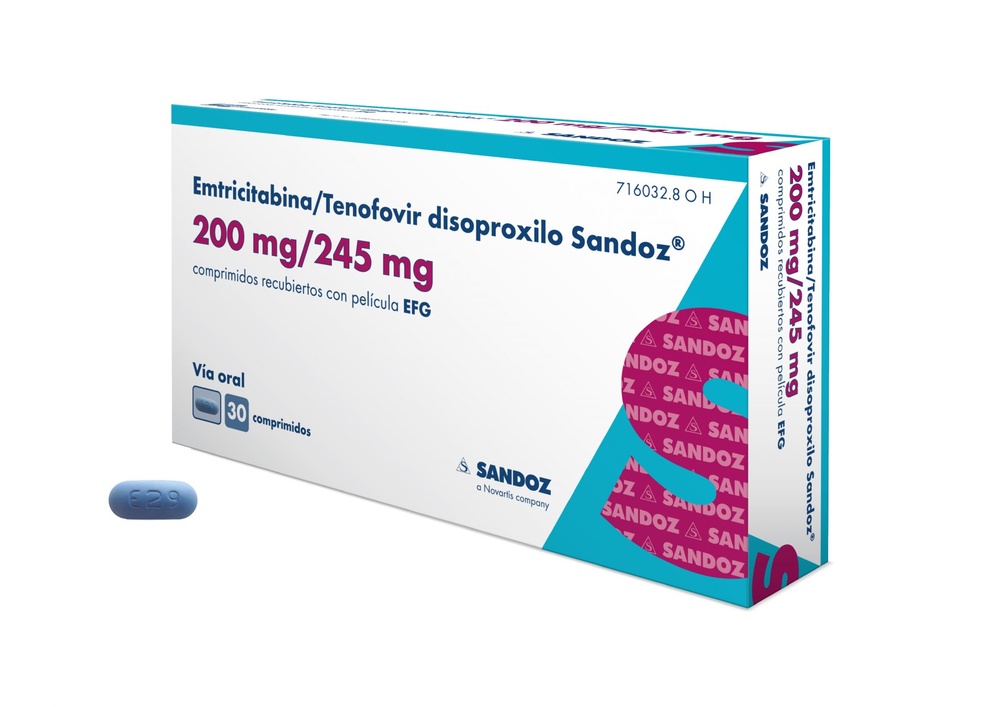
- Alternatives to EMTRICITABINE/TENOFOVIR DISOPROXIL AUROVITAS 200 MG/245 MG FILM-COATED TABLETSDosage form: TABLET, 200/245 mgActive substance: tenofovir disoproxil and emtricitabineManufacturer: Mylan Pharmaceuticals LimitedPrescription requiredDosage form: TABLET, 200 mg/245 mgActive substance: tenofovir disoproxil and emtricitabineManufacturer: Glenmark Arzneimittel GmbhPrescription requiredDosage form: TABLET, 200 mg/245 mgActive substance: tenofovir disoproxil and emtricitabineManufacturer: Krka D.D. Novo MestoPrescription required

Online doctors for EMTRICITABINE/TENOFOVIR DISOPROXIL AUROVITAS 200 MG/245 MG FILM-COATED TABLETS
Discuss questions about EMTRICITABINE/TENOFOVIR DISOPROXIL AUROVITAS 200 MG/245 MG FILM-COATED TABLETS, including use, safety considerations and prescription review, subject to medical assessment and local regulations.









Get EMTRICITABINE/TENOFOVIR DISOPROXIL AUROVITAS 200 MG/245 MG FILM-COATED TABLETS Prescription Online
Fill in a 2-min form
Tell us your symptoms, history, and what medicine you're requesting.
Pick a doctor or let us assign
Choose a specialist or we'll match you with the next available doctor.
Doctor reviews your case
Usually within 30 minutes. They may ask follow-up questions via chat.
Collect from any pharmacy
Electronic prescription sent to your email — valid across Spain.
Frequently Asked Questions
EMTRICITABINE/TENOFOVIR DISOPROXIL AUROVITAS 200 MG/245 MG FILM-COATED TABLETS requires a prescription in Spain. You can check with a doctor online whether this medicine may be appropriate for your situation.
The active ingredient in EMTRICITABINE/TENOFOVIR DISOPROXIL AUROVITAS 200 MG/245 MG FILM-COATED TABLETS is tenofovir disoproxil and emtricitabine. This information helps identify medicines with the same composition but different brand names.
EMTRICITABINE/TENOFOVIR DISOPROXIL AUROVITAS 200 MG/245 MG FILM-COATED TABLETS is manufactured by Aurovitas Spain, S.A.U.. Pharmacy brands and packaging may differ depending on the distributor.
Doctors such as Family doctors, Psychiatrists, Dermatologists, Cardiologists, Endocrinologists, Gastroenterologists, Pulmonologists, Nephrologists, Rheumatologists, Hematologists, Infectious disease physicians, Allergists, Geriatricians, Paediatricians, Oncologists may assess whether EMTRICITABINE/TENOFOVIR DISOPROXIL AUROVITAS 200 MG/245 MG FILM-COATED TABLETS is appropriate, depending on your situation and local regulations. You can book an online consultation to discuss your symptoms and possible next steps.
Spain has a well-developed healthcare infrastructure across major cities such as Madrid, Barcelona, Valencia, and Seville. Pharmacies are widely available and operate under strict regulations, ensuring access to prescribed medications.
You can buy EMTRICITABINE/TENOFOVIR DISOPROXIL AUROVITAS 200 MG/245 MG FILM-COATED TABLETS in Madrid, Barcelona, Seville, or Valencia at any local pharmacy with a valid prescription.
To obtain a prescription, you can use Oladoctor:
Other medicines with the same active substance (tenofovir disoproxil and emtricitabine) include EMTRICITABINE/TENOFOVIR DISOPROXIL MYLAN 200 mg/245 mg FILM-COATED TABLETS, EMTRICITABINE/TENOFOVIR DISOPROXIL GLENMARK 200 mg/245 mg FILM-COATED TABLETS, EMTRICITABINE/TENOFOVIR DISOPROXIL KRKA 200 MG/245 MG FILM-COATED TABLETS. These may have different brand names or formulations but contain the same therapeutic ingredient. Always consult a doctor before switching or starting a new medicine.
