



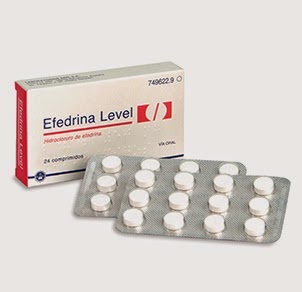
EFEDRINA 50 mg Tablets

Prescription review online
A doctor will review your case and decide whether a prescription is medically appropriate.

Talk to a doctor about this medicine
Discuss your symptoms and possible next steps in a quick online consultation.



How to use EFEDRINE LEVEL 50 mg TABLETS
Contents of the leaflet
- Introduction
- What Efedrina Level is and what it is used for
- What you need to know before you take Efedrina Level
- How to take Efedrina Level
- Possible side effects
- Storage of Efedrina Level
Introduction
Package Leaflet: Information for the User
Efedrina Level 50 mg Tablets
Efedrine Hydrochloride
Read all of this leaflet carefully before you start taking this medicine because it contains important information for you.
- Keep this leaflet, you may need to read it again.
- If you have any further questions, ask your doctor or pharmacist.
- This medicine has been prescribed for you only. Do not pass it on to others. It may harm them, even if their symptoms are the same as yours.
- If you get any side effects, talk to your doctor or pharmacist. This includes any possible side effects not listed in this leaflet. See section 4.
Contents of the pack
- What Efedrina Level is and what it is used for
- What you need to know before you take Efedrina Level
- How to take Efedrina Level
- Possible side effects
- Storage of Efedrina Level
- Contents of the pack and other information
1. What Efedrina Level is and what it is used for
Efedrine hydrochloride belongs to a group of medicines called alpha and beta adrenergic receptor agonists, which act as bronchodilators (widen the airways in the lungs).
This medicine is used to prevent and treat bronchospasm (narrowing of the airways in the lungs) associated with acute attacks of bronchial asthma, spasmodic bronchitis or pulmonary emphysema.

Not sure if this medicine is right for you?
Discuss your symptoms and treatment with a doctor online.
2. What you need to know before you take Efedrina Level
Do not take Efedrina Level
- If you are allergic to efedrine or any of the other ingredients of this medicine (listed in section 6).
- If you have any of the following diseases:
- severe cardiovascular diseases, such as ischemic heart disease (narrowing of the arteries that supply the heart), coronary thrombosis (formation of blood clots in the heart) or severe arterial hypertension,
- hyperthyroidism or thyrotoxicosis (increased production of thyroid hormones),
- angle-closure glaucoma (increased pressure in the eye),
- psychosis (severe mental illness).
- If you are taking or have taken in the last two weeks medicines called MAOIs (including antidepressants such as tranycypromine and moclobemide, medicines for Parkinson's disease such as selegiline, anticancer medicines such as procarbazine, or antibiotics such as linezolid).
- If you are going to take at the same time medicines called indirect sympathomimetics such as phenylpropanolamine, pseudoephedrine, methylphenidate and phenylephrine.
1
Warnings and precautions
Consult your doctor or pharmacist before starting to take Efedrina Level.
This medicine should be administered with caution in patients:
- with a history of heart disease,
- with cardiovascular diseases such as arrhythmias (abnormal heart rhythm), high blood pressure or occlusive vascular diseases (narrowing of the arteries),
- with diabetes (high blood sugar levels),
- with urinary retention (inability and/or difficulty urinating),
- with prostatic hypertrophy (enlargement of the prostate),
- with a predisposition to glaucoma (increased pressure in the eye),
- of advanced age (see section 3 of this leaflet).
Children and adolescents
They may be more sensitive to the adverse effects, including stimulation of the central nervous system (CNS).
Taking Efedrina Level with other medicines
Tell your doctor or pharmacist if you are taking, have recently taken or might take any other medicines.
In particular, if it is one of the following medicines, as it may be necessary to modify the dose and/or have additional monitoring by the doctor:
- tricyclic antidepressants,
- urine alkalinizers (sodium bicarbonate, citrates),
- beta-blockers (act by reducing blood pressure),
- inhalation anesthetics,
- glycosides (used to treat some heart problems),
- medicines to treat migraines such as ergotamine or methysergide,
- atropine sulfate (used in emergency situations when the heart beats too slowly and as an antidote in some cases of poisoning),
- theophylline derivatives (used to treat asthma),
- antihypertensive medicines such as guanethidine, methyldopa, reserpine, alpha-blockers, furosemide or other diuretics,
- CNS stimulants (amphetamines, xanthines),
- dexamethasone (corticosteroid with anti-inflammatory and immunosuppressive activity).
Pregnancy and breastfeeding
If you are pregnant or breastfeeding, think you may be pregnant or are planning to have a baby, ask your doctor or pharmacist for advice before taking this medicine.
Pregnancy
Efedrina Level should not be used during the third trimester of pregnancy unless the woman's situation requires treatment with efedrine hydrochloride and there are no safer therapeutic alternatives.
Breastfeeding
Efedrine hydrochloride is excreted in breast milk. A decision must be made whether to discontinue breastfeeding or discontinue treatment, considering the benefit of breastfeeding for the child and the benefit of treatment for the mother.
Driving and using machines
2
The influence of Efedrina Level on the ability to drive and use machines is moderate.
In case of adverse effects, it is recommended not to drive or use hazardous machinery.
Use in athletes
Athletes are informed that this medicine contains a component that may result in a positive doping test.
3. How to take Efedrina Level
Follow exactly the administration instructions of this medicine given by your doctor or pharmacist. If you are in doubt, consult your doctor or pharmacist again.
The recommended dose in adults is 1 tablet (50 mg of efedrine hydrochloride) 2 to 3 times a day. Elderly patients may need a dose adjustment.
Use in children and adolescents
The safety and efficacy of this medicine in children and adolescents have not been established.
If you take more Efedrina Level than you should
In case of overdose or accidental ingestion, consult your doctor or pharmacist immediately or call the Toxicology Information Service, phone: 91 562 04 20, indicating the medicine and the amount used.
In case of severe poisoning, the stomach should be immediately emptied by aspiration and washing.
Insomnia and other stimulating effects of efedrine on the central nervous system can be counteracted by the administration of hypnotics.
To control excitement, sedatives such as chlorpromazine can be administered at a dose of 50 or 100 mg intramuscularly or a barbiturate.
To control tachycardia, propranolol can be administered intravenously slowly or beta-adrenergic blockers (e.g., acebutolol, atenolol, metoprolol) in asthmatic patients.
The elimination of efedrine can be facilitated by acidifying the urine with ammonium chloride.
If you forget to take Efedrina Level
Do not take a double dose to make up for forgotten doses.
If you have any further questions on the use of this product, ask your doctor or pharmacist.

Started taking the medicine and have questions?
Discuss your symptoms and treatment with a doctor online.
4. Possible side effects
Like all medicines, this medicine can cause side effects, although not everybody gets them.
- Nervous system disorders such as: anxiety, insomnia, headache and dizziness.
- Muscle disorders such as: tremors and muscle weakness.
3
- Cardiovascular disorders such as: tachycardia and palpitations (increased heart rate), precordial pain (pain in the heart area) and paleness, especially in hypersensitive patients.
- Gastrointestinal disorders: nausea, vomiting and dry mouth.
- Renal and urinary disorders: urinary retention.
Reporting of side effects
If you experience any side effects, talk to your doctor or pharmacist, even if it is possible side effects not listed in this leaflet. You can also report side effects directly through the Spanish Pharmacovigilance System for Human Use Medicines: www.notificaram.es. By reporting side effects, you can help provide more information on the safety of this medicine.
5. Storage of Efedrina Level
Keep below 30 ºC.
Keep this medicine out of the sight and reach of children.
Do not use Efedrina Level after the expiry date which is stated on the carton after EXP. The expiry date refers to the last day of the month shown.
Medicines should not be disposed of via wastewater or household waste. Return any unused medicine to your pharmacist. Ask your pharmacist how to dispose of medicines no longer required. This will help protect the environment.
6.
Composition of Efedrina Level
- The active substance is efedrine hydrochloride. Each tablet contains 50 mg of efedrine hydrochloride.
- The other ingredients are: microcrystalline cellulose, talc, magnesium stearate and sodium carboxymethyl starch (type A) (derived from potato starch).
Appearance and packaging
Efedrina Level is presented in PVC-aluminum blisters. Each pack contains 24 tablets.
Marketing authorization holder
LABORATORIOS ERN, S.A.
Perú, 228 - 08020 Barcelona. Spain
Manufacturer
LABORATORIOS ERN, S.A.
Gorgs Lladó, 188 – 08210 Barberá del Vallés, Barcelona. Spain
Date of last revision of this leaflet: May 2020
Detailed and updated information on this medicine is available on the website of the Spanish Agency for Medicines and Health Products (AEMPS) http://www.aemps.gob.es/.
4
- Country of registration
- Dosage formTABLET, -
- ATC codeC01CA26R03CA02
- Active substance
- Prescription requiredYes
- Manufacturer
- CompositionCARBOXIMETILALMIDON SODICO (10 mg mg)
- This information is for reference only and does not constitute medical advice. Always consult a doctor before taking any medication. Oladoctor is not responsible for medical decisions based on this content.
- Alternatives to EFEDRINE LEVEL 50 mg TABLETSDosage form: INJECTABLE, 3 mg/mlActive substance: ephedrineManufacturer: Laboratoire AguettantPrescription requiredDosage form: INJECTABLE, 10 mg/mlActive substance: ephedrineManufacturer: Fresenius Kabi España, S.A.U.Prescription requiredDosage form: INJECTABLE, 3 mg/mlActive substance: ephedrineManufacturer: Fresenius Kabi España, S.A.U.Prescription required
Online doctors for EFEDRINE LEVEL 50 mg TABLETS
Discuss questions about EFEDRINE LEVEL 50 mg TABLETS, including use, safety considerations and prescription review, subject to medical assessment and local regulations.
Get EFEDRINE LEVEL 50 mg TABLETS Prescription Online
Fill in a 2-min form
Tell us your symptoms, history, and what medicine you're requesting.
Pick a doctor or let us assign
Choose a specialist or we'll match you with the next available doctor.
Doctor reviews your case
Usually within 30 minutes. They may ask follow-up questions via chat.
Collect from any pharmacy
Electronic prescription sent to your email — valid across Spain.
Frequently Asked Questions
EFEDRINE LEVEL 50 mg TABLETS requires a prescription in Spain. You can check with a doctor online whether this medicine may be appropriate for your situation.
The active ingredient in EFEDRINE LEVEL 50 mg TABLETS is ephedrine. This information helps identify medicines with the same composition but different brand names.
EFEDRINE LEVEL 50 mg TABLETS is manufactured by Laboratorios Ern S.A.. Pharmacy brands and packaging may differ depending on the distributor.
Doctors such as Family doctors, Psychiatrists, Dermatologists, Cardiologists, Endocrinologists, Gastroenterologists, Pulmonologists, Nephrologists, Rheumatologists, Hematologists, Infectious disease physicians, Allergists, Geriatricians, Paediatricians, Oncologists may assess whether EFEDRINE LEVEL 50 mg TABLETS is appropriate, depending on your situation and local regulations. You can book an online consultation to discuss your symptoms and possible next steps.
Spain has a well-developed healthcare infrastructure across major cities such as Madrid, Barcelona, Valencia, and Seville. Pharmacies are widely available and operate under strict regulations, ensuring access to prescribed medications.
You can buy EFEDRINE LEVEL 50 mg TABLETS in Madrid, Barcelona, Seville, or Valencia at any local pharmacy with a valid prescription.
To obtain a prescription, you can use Oladoctor:
Other medicines with the same active substance (ephedrine) include EFEDRINA AGUETTANT 3 mg/ml INJECTABLE SOLUTION IN PRE-FILLED SYRINGES, EFEDRINA FRESENIUS KABI 10 mg/ml INJECTABLE SOLUTION, EFEDRINE Fresenius Kabi 3 mg/ml Injectable Solution. These may have different brand names or formulations but contain the same therapeutic ingredient. Always consult a doctor before switching or starting a new medicine.
