






How to use DUPHALAC 667 mg/ml ORAL SOLUTION
Translated with AI
This page provides general information and does not replace a doctor’s consultation. Always consult a doctor before taking any medication. Seek urgent medical care if symptoms are severe.
Show originalContents of the leaflet
- Introduction
- What is Duphalac and what is it used for
- Before you take Duphalac
- How to take Duphalac
- Dosing for Constipation or when Softening of the Stools is Necessary
- Dosing for Hepatic Encephalopathy
- Renal and Hepatic Impairment
- Possible Side Effects
- Storage of Duphalac
- Contents of the pack and further information
Introduction
Patient Information: Summary of Product Characteristics
Duphalac 667 mg/ml Oral Solution
Lactulose
Read this leaflet carefully before you start taking this medicine because it contains important information for you.
- Keep this leaflet, you may need to read it again.
- If you have any further questions, ask your doctor, pharmacist, or nurse.
- This medicine has been prescribed for you only. Do not pass it on to others. It may harm them, even if their symptoms are the same as yours.
- If you experience any side effects, talk to your doctor, pharmacist, or nurse. This includes any possible side effects not listed in this leaflet. See section 4.
Contents of the Pack
- What is Duphalac and what is it used for
- Before you take Duphalac
- How to take Duphalac
- Possible side effects
- Storage of Duphalac
- Contents of the pack and further information
1. What is Duphalac and what is it used for
Duphalac contains a laxative called lactulose, which works by softening the stools to improve transit and defecation, pushing water into the intestine. It is not absorbed by the body.
Duphalac is used to treat constipation (infrequent bowel movements, hard and dry stools) to produce semi-solid stools. It is used, for example, when there are hemorrhoids, in anal surgery, or in surgery on the lower part of the intestine. Additionally, it is used to treat and prevent hepatic encephalopathy (a liver disease that causes difficulty thinking, tremors, decreased consciousness, and even coma).
You should consult a doctor if your symptoms worsen or do not improve after several days of treatment.

2. Before you take Duphalac
Do not take Duphalac:
- If you are allergic to lactulose or any of the other ingredients of this medicine (listed in section 6).
- If you have galactosemia (a serious genetic disorder that prevents the digestion of galactose).
- If you have a gastrointestinal obstruction, perforation, or risk of perforation (apart from habitual constipation).
If you have any doubts, consult your doctor or pharmacist.
Warnings and Precautions
Consult your doctor, pharmacist, or nurse before starting to take Duphalac.
This medicine contains lactose, galactose, and fructose from the manufacturing process. If your doctor has told you that you have an intolerance to certain sugars, consult with them before taking this medicine.
This medicine may contain sulfites from the manufacturing process. Rarely, it can cause severe hypersensitivity reactions and bronchospasm.
It is advisable to consult your doctor in the following cases:
- If you present with symptoms of abdominal pain of unknown cause before starting treatment.
- If, after several days of treatment, the effect of the medicine is insufficient.
- If you are lactose intolerant.
- If you are diabetic.
If you are diabetic and are being treated for hepatic encephalopathy, your dose of Duphalac will be higher. This amount of Duphalac contains a large amount of sugar, so you will need to adjust the dose of your antidiabetic treatment.
- Chronic use of unadjusted doses of Duphalac (exceeding 2-3 semi-solid bowel movements per day) or misuse can lead to diarrhea and electrolyte imbalance.
Do not use Duphalac without medical supervision for more than two weeks.
You should be aware that the defecation reflex may deteriorate during treatment.
Children
Duphalac should not be given frequently to babies and children, as it can cause alterations in normal defecation reflexes.
In special conditions, your doctor may prescribe it for babies or children. In those cases, your doctor will closely monitor the treatment.
Using Duphalac with other medicines
Tell your doctor or pharmacist if you are taking, have recently taken, or might take any other medicines.
It is not advisable to use the following medicines with Duphalac:
- Mesalazine (intestinal anti-inflammatory): as it may decrease the effect of mesalazine.
- Antacids (reduce stomach pH): as it may alter the action of Duphalac.
- Diuretics (promote urine elimination): as it may increase potassium loss.
- Corticosteroids (used, for example, in inflammatory processes, immune disorders, etc.): as it may increase potassium loss.
- Amphotericin B (antibiotic): as it may increase potassium loss.
- Cardiac glycosides (medicines for heart disorders): Duphalac may increase the effect of cardiac glycosides if there is a decrease in potassium levels.
Using Duphalac with food, drinks, and alcohol
Duphalac can be taken with or without food. There are no restrictions on what you can eat or drink with Duphalac.

Pregnancy, Breastfeeding, and Fertility
If you are pregnant or breastfeeding, or think you may be pregnant or are planning to have a baby, ask your doctor or pharmacist for advice before taking this medicine.
Duphalaccan be taken during pregnancy and breastfeeding.
No effects of Duphalac on fertility are expected.
Driving and Using Machines
This medicine does not affect your ability to drive or use machines.
3. How to take Duphalac
Oral use.
Follow exactly the administration instructions of this medicine given by your doctor or pharmacist. If in doubt, consult your doctor or pharmacist again.
To facilitate the dosing of this medicine, the following equivalences should be taken into account. One tablespoon contains 15 ml of oral solution. One dessert spoon contains 5 ml of oral solution.
The dose should be assessed based on the clinical response. The duration of treatment should be adapted according to symptoms.
Lactulose can be administered in a single daily dose or divided into two doses. In the case of a single daily dose, it should be taken always at the same time, for example, during breakfast.
The corresponding dose of the oral solution can be taken diluted with liquids or undiluted, swallowing it quickly without keeping it in the mouth.
During treatment with laxatives, such as Duphalac, you should drink a sufficient amount of liquids (approximately 1.5 - 2 liters daily, equivalent to 6 - 8 glasses).
Adults
Dosing for Constipation or when Softening of the Stools is Necessary
The initial dose should be administered once a day, for example, during breakfast, or divided into two doses per day.
The maintenance dose should be adjusted after a few days, based on the response to treatment, which requires several days (2-3).
Initial Daily Dose | Maintenance Daily Dose | |
Adults | 10 – 30 g (corresponding to 15 - 45 ml/day of oral solution) | 10 – 20 g (corresponding to 15 - 30 ml/day of oral solution) |
Dosing for Hepatic Encephalopathy
The recommended initial dose is 20 - 30 g, which corresponds to 30 - 45 ml, equivalent to 2 - 3 tablespoons, administered three to four times a day.
The maintenance dose will be adjusted to achieve two or three semi-solid bowel movements per day.
Special Populations
Renal and Hepatic Impairment
No dose adjustment is necessary in this group of patients.
Elderly Patients
No dose adjustment is necessary in this group of patients since the systemic exposure to lactulose is insignificant.
If you take more Duphalac than you should
In case you have taken more Duphalac than you should, you may experience diarrhea, abdominal pain, and electrolyte loss. In this case, stop the treatment with Duphalac and consult your doctor for appropriate treatment of your symptoms.
In case of overdose or accidental ingestion, consult your doctor or pharmacist immediately or call the Toxicology Information Service, phone 91.562.04.20, indicating the medicine and the amount ingested.
If you have any further questions on the use of this product, ask your doctor or pharmacist.
If you forget to take Duphalac
If you forget to take a dose, take it as soon as you remember and continue with the normal treatment. Do not take a double dose to make up for forgotten doses.
If you stop taking Duphalac
Do not stop the treatment or discontinue it without consulting your doctor.
If you have any further questions on the use of this medicine, ask your doctor, pharmacist, or nurse.
4. Possible Side Effects
Like all medicines, this medicine can cause side effects, although not everybody gets them.
The following side effects have been reported:
- Especially during the first few days of treatment: flatulence (gas), which usually disappears after a few days.
- When taking a higher dose than recommended: abdominal pain and diarrhea. In these cases, the dose should be reduced.
If lactulose is administered at high doses (usually only associated with hepatic encephalopathy) or for a prolonged period, the patient may experience an electrolyte imbalance (minerals present in the blood and other body fluids) due to diarrhea.
In clinical trials of patients treated with lactulose, the following side effects have been found:
Gastrointestinal disorders: very common (may affect more than 1 in 10 patients): diarrhea; common (may affect up to 1 in 10 patients): flatulence, abdominal pain, nausea, and vomiting. Laboratory tests: uncommon (may affect up to 1 in 100 patients): electrolyte imbalance due to diarrhea.
-Immune system disorders: frequency not known (cannot be estimated from the available data): allergic reactions
-Skin and subcutaneous tissue disorders: frequency not known (cannot be estimated from the available data): rash, pruritus, urticaria.
Reporting of side effects
If you experience any side effects, talk to your doctor, pharmacist, or nurse, even if it is possible side effects not listed in this leaflet. You can also report side effects directly through the Spanish Pharmacovigilance System for Human Use Medicines: https://www.notificaram.es. By reporting side effects, you can help provide more information on the safety of this medicine.
5. Storage of Duphalac
Keep this medicine out of the sight and reach of children.
Do not use this medicine after the expiry date which is stated on the carton after EXP. The expiry date refers to the last day of the month.
Do not store above 25°C. Even in the recommended storage conditions, the color may darken, which is characteristic of sugar solutions and does not affect the therapeutic action.
Store in the original package, tightly closed.
Do not freeze. If frozen, the characteristics of the solution may change, becoming almost solid, although it returns to its normal consistency when left at room temperature.
Medicines should not be disposed of via wastewater or household waste. Ask your pharmacist how to dispose of medicines no longer required. These measures will help protect the environment.
6. Contents of the pack and further information
Composition of Duphalac
- The active substance is lactulose. 1 ml of Duphalac oral solution contains 667 mg of lactulose.
Appearance and pack size
Duphalac oral solution is a clear, viscous, colorless or light brown liquid.
It is available in plastic bottles with a screw cap, sealed, white, of 200 ml and 800 ml.
Not all pack sizes may be marketed.
Marketing Authorisation Holder and Manufacturer
Marketing Authorisation Holder:
Cooper Consumer Health B.V.
Verrijn Stuartweg 60,
1112 AX Diemen,
Netherlands
Manufacturer:
Abbott Biologicals B.V.
Veerweg 12, Olst, Netherlands
For further information about this medicine, please contact the local representative of the Marketing Authorisation Holder:
Vemedia Pharma Hispania, S.A.
C/ Aragón, 182, 5ª planta
08011 – Barcelona
Spain
Date of last revision of this leaflet: April 2024
Detailed information on this medicine is available on the website of the Spanish Agency for Medicines and Health Products (AEMPS) https://www.aemps.es/
-

- Country of registration
- Dosage formORAL SOLUTION/SUSPENSION, 10 g lactulose/ 15 ml
- ATC codeA06AD11
- Average pharmacy price4.78 EUR
- Active substance
- Prescription requiredYes
- Manufacturer
- This information is for reference only and does not constitute medical advice. Always consult a doctor before taking any medication. Oladoctor is not responsible for medical decisions based on this content.
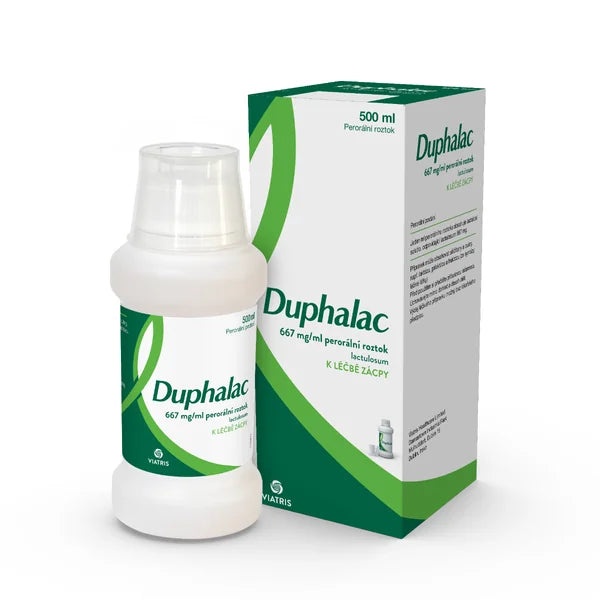
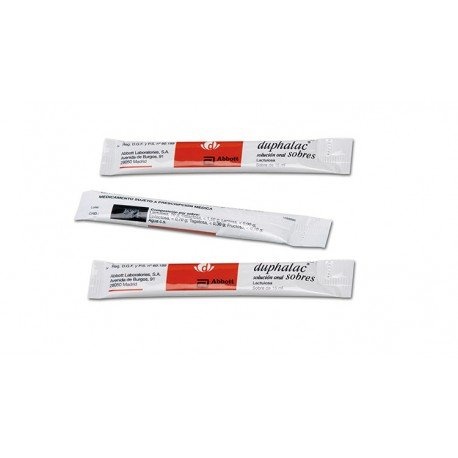
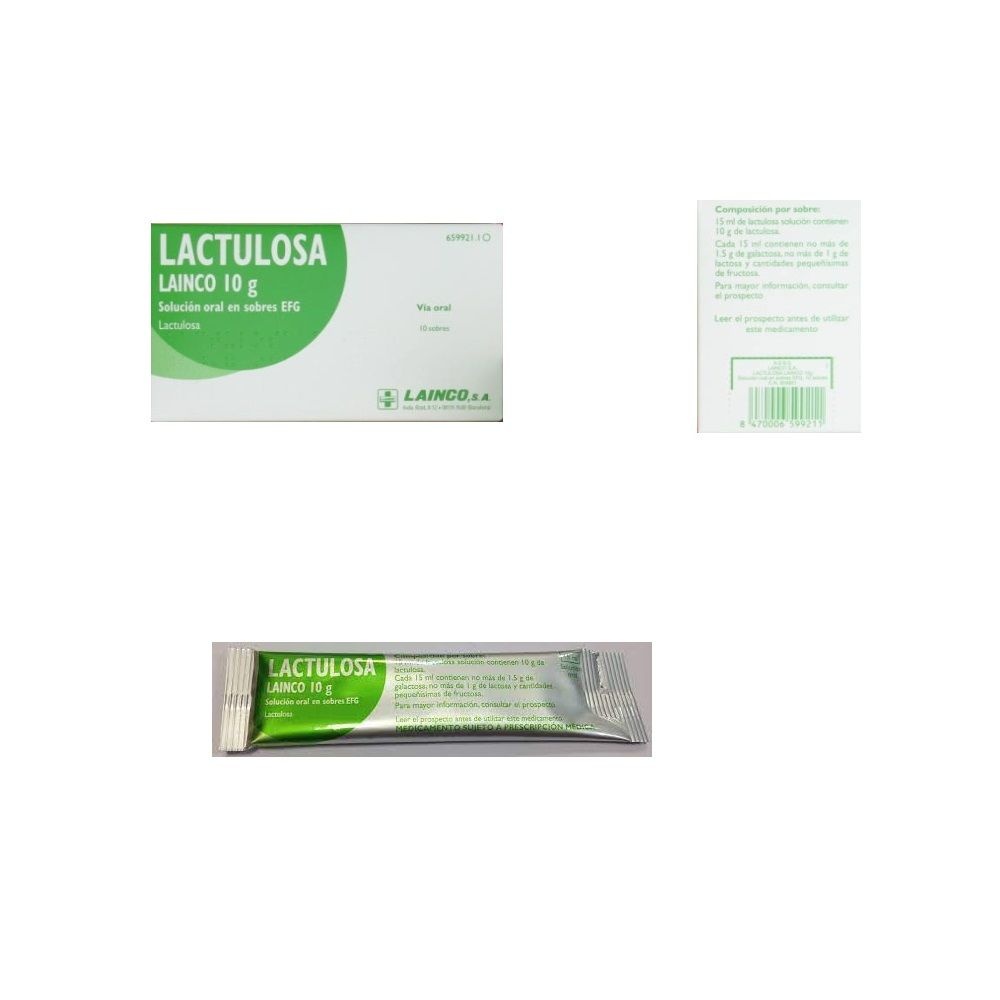
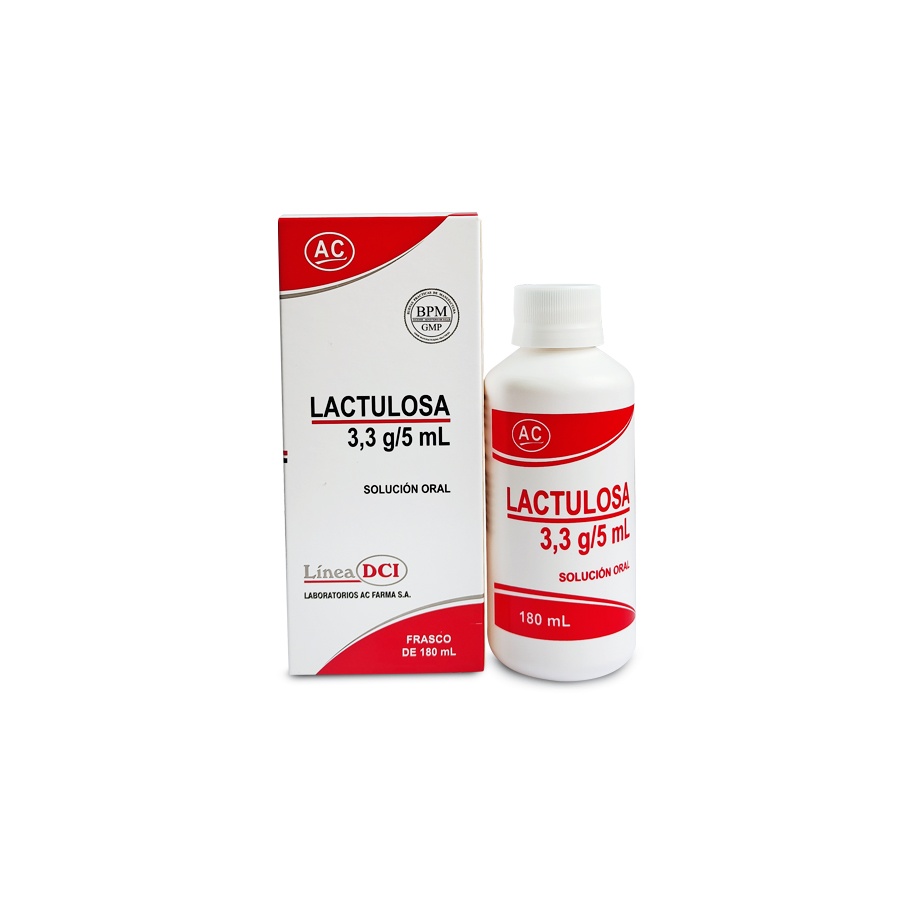
- Alternatives to DUPHALAC 667 mg/ml ORAL SOLUTIONDosage form: ORAL SOLUTION/SUSPENSION, 10 g lactuloseActive substance: lactuloseManufacturer: Cooper Consumer Health B.V.Prescription requiredDosage form: ORAL SOLUTION/SUSPENSION, 0.67 g lactulose/mlActive substance: lactuloseManufacturer: Lainco S.A.Prescription requiredDosage form: ORAL SOLUTION/SUSPENSION, 0.67 g lactulose/mlActive substance: lactuloseManufacturer: Lainco S.A.Prescription required
Online doctors for DUPHALAC 667 mg/ml ORAL SOLUTION
Discuss questions about DUPHALAC 667 mg/ml ORAL SOLUTION, including use, safety considerations and prescription review, subject to medical assessment and local regulations.









Get DUPHALAC 667 mg/ml ORAL SOLUTION Prescription Online
Fill in a 2-min form
Tell us your symptoms, history, and what medicine you're requesting.
Pick a doctor or let us assign
Choose a specialist or we'll match you with the next available doctor.
Doctor reviews your case
Usually within 30 minutes. They may ask follow-up questions via chat.
Collect from any pharmacy
Electronic prescription sent to your email — valid across Spain.
Frequently Asked Questions
DUPHALAC 667 mg/ml ORAL SOLUTION requires a prescription in Spain. You can check with a doctor online whether this medicine may be appropriate for your situation.
The active ingredient in DUPHALAC 667 mg/ml ORAL SOLUTION is lactulose. This information helps identify medicines with the same composition but different brand names.
The average pharmacy price for DUPHALAC 667 mg/ml ORAL SOLUTION is around 4.78 EUR. Prices may vary depending on the manufacturer and dosage form.
DUPHALAC 667 mg/ml ORAL SOLUTION is manufactured by Cooper Consumer Health B.V.. Pharmacy brands and packaging may differ depending on the distributor.
Doctors such as Family doctors, Psychiatrists, Dermatologists, Cardiologists, Endocrinologists, Gastroenterologists, Pulmonologists, Nephrologists, Rheumatologists, Hematologists, Infectious disease physicians, Allergists, Geriatricians, Paediatricians, Oncologists may assess whether DUPHALAC 667 mg/ml ORAL SOLUTION is appropriate, depending on your situation and local regulations. You can book an online consultation to discuss your symptoms and possible next steps.
Spain has a well-developed healthcare infrastructure across major cities such as Madrid, Barcelona, Valencia, and Seville. Pharmacies are widely available and operate under strict regulations, ensuring access to prescribed medications.
You can buy DUPHALAC 667 mg/ml ORAL SOLUTION in Madrid, Barcelona, Seville, or Valencia at any local pharmacy with a valid prescription.
To obtain a prescription, you can use Oladoctor:
Other medicines with the same active substance (lactulose) include DUPHALAC 10 G ORAL SOLUTION IN SACHET, LACTULOSE LAINCO 10 g ORAL SOLUTION IN SACHETS, LACTULOSE LAINCO 3.33 g/5 ml ORAL SOLUTION. These may have different brand names or formulations but contain the same therapeutic ingredient. Always consult a doctor before switching or starting a new medicine.
