



DOXICLAT 100 mg Film-Coated Tablets

Prescription review online
A doctor will review your case and decide whether a prescription is medically appropriate.

Talk to a doctor about this medicine
Discuss your symptoms and possible next steps in a quick online consultation.



How to use DOXICLAT 100 mg FILM-COATED TABLETS
Contents of the leaflet
- Introduction
- DOXICLAT 100 mg Film-Coated Tablets
- What is Doxiclat and what is it used for
- What you need to know before you take Doxiclat
- How to take Doxiclat
- Possible Adverse Effects
- Conservation of Doxiclat
- Package Contents and Additional Information
Introduction
Package Leaflet: Information for the User
DOXICLAT 100 mg Film-Coated Tablets
Doxycycline
Read all of this leaflet carefully before you start taking this medicine because it contains important information for you.
- Keep this leaflet, you may need to read it again.
- If you have any further questions, ask your doctor or pharmacist.
- This medicine has been prescribed for you only. Do not pass it on to others. It may harm them, even if their signs of illness are the same as yours.
- If you get any side effects, talk to your doctor or pharmacist. This includes any possible side effects not listed in this leaflet. See section 4.
Contents of the pack
- What is Doxiclat and what is it used for
- What you need to know before you take Doxiclat
- How to take Doxiclat
- Possible side effects
- Storing Doxiclat
- Contents of the pack and other information

Not sure if this medicine is right for you?
Discuss your symptoms and treatment with a doctor online.
1. What is Doxiclat and what is it used for
Doxycycline belongs to a group of medicines called tetracyclines, which are broad-spectrum antibiotics. It is active against a wide variety of bacteria that cause numerous infections.
Antibiotics are used to treat bacterial infections and do not work for viral infections such as the flu or the common cold. It is important to follow the instructions regarding dosage, administration interval, and treatment duration indicated by your doctor. Do not store or reuse this medication. If you have any leftover antibiotic after finishing treatment, return it to the pharmacy for proper disposal. Do not throw medicines down the drain or into the trash.
Doxiclat is indicated in adults and adolescents for the treatment of certain infections caused by susceptible microorganisms of various origins and locations, such as:
- Atypical pneumonia.
- Psittacosis, a disease transmitted to humans by certain birds that causes fever and cough.
- Sexually transmitted diseases, such as: urethritis (inflammation of the urethra), cervicitis (inflammation of the cervix), proctitis (inflammation of the rectum), pelvic inflammatory disease, uncomplicated non-gonococcal infections, lymphogranuloma venereum (a disease that initially presents with ulcers on the genitals followed by inflammation of the lymph nodes), inguinal granuloma (ulceration of the genitals), acute epididymo-orchitis (inflammation of the testicles), primary and secondary stages of syphilis, as well as late and latent syphilis in patients allergic to penicillin.
- Infections caused by a group of microorganisms known as rickettsias, which include infections such as Rocky Mountain spotted fever, Mediterranean fever, endemic typhus, scrub typhus, and Q fever.
- Brucellosis (Malta fever).
- Cholera (an infectious disease that causes severe diarrhea, dehydration, and vomiting).
- Early stages (stages 1 and 2) of Lyme disease (infection transmitted by ticks).
- Recurring fevers transmitted by lice and ticks.
- Malaria in areas with chloroquine resistance (an infectious disease that causes chills and sweating, transmitted by the bite of an infected mosquito that introduces the malaria parasite into the blood).
In addition, doxycycline may be considered as an alternative treatment for other infections such as anthrax, tularemia (a disease of rodents similar to plague), listeriosis (an infectious disease that can affect the fetus during pregnancy, the newborn, and the adult), bartonellosis (an infectious disease that presents with severe anemia and fever), and actinomycosis (an infectious disease that causes inflammation of the lymph nodes in the mouth along with other internal complications).
Doxiclat is also indicated for the prevention of malaria in areas with resistance to antimalarials and for the prevention of anthrax.
Finally, Doxiclat is indicated for the treatment of severe acne vulgaris along with other medications and rosacea (a chronic inflammatory skin condition that most frequently affects the face).
2. What you need to know before you take Doxiclat
Do not take Doxiclat
- if you are allergic to doxycycline, other tetracyclines, or any of the other ingredients of this medicine (listed in section 6);
- in combination with oral retinoids (a medication used for acne) (see other medicines and Doxiclat);
- if you are pregnant or think you may be pregnant.
- during breastfeeding.
Doxiclat should not be used in children during the tooth development period (pregnancy, breastfeeding, and children under 8 years of age) because it may cause permanent discoloration of the teeth (from gray to yellow) or affect the proper development of the teeth.
There may be circumstances (e.g., life-threatening situations) in which your doctor may decide that the benefits outweigh the risk in children under 8 years of age and Doxiclat should be used.
Warnings and precautions
Consult your doctor or pharmacist before starting to take Doxiclat.
This medicine should be used according to your doctor's instructions:
- During treatment with Doxiclat, direct exposure to the sun or UV radiation should be avoided. Stop taking this medicine if you experience skin redness (photosensitization) (see section 4 possible side effects).
- If you have systemic lupus erythematosus (a chronic disorder of the connective tissue that can cause skin rash, arthritis, kidney problems, and anemia, among other problems), you should avoid using this medicine (see section 4 possible side effects).
- If you have myasthenia gravis (a form of muscle weakness), consult your doctor before taking this medicine.
- If you have liver or kidney disease, consult your doctor, who will perform periodic blood tests and monitor kidney and liver function.
- Due to the presence of lactose, if your doctor has told you that you have an intolerance to certain sugars, consult with them before taking this medicine (see section Doxiclat contains).
- If you experience severe skin reactions, such as blisters on the skin and mucous membranes (mouth, nose, eyes, and genitals) and/or generalized skin peeling, once treatment with doxycycline has started, stop taking this medicine and inform your doctor immediately. These may be symptoms of a condition known as Stevens-Johnson syndrome or toxic epidermal necrolysis and can be severe and potentially life-threatening (see section 4 possible side effects).
- If you experience fever, chills, muscle pain, or worsening of a skin rash. These could be signs of a reaction called Jarisch-Herxheimer that can occur after starting treatment with doxycycline for a specific bacterial infection (e.g., spirochetal infections, such as Lyme disease). Stop taking this medicine and inform your doctor immediately.
- If you experience severe skin reactions, such as the development of rounded/oval, erythematous, well-defined patches on the skin and/or mucous membranes associated with a sensation of itching and burning, once treatment with doxycycline has started, stop taking this medicine and inform your doctor immediately. These may be symptoms of a condition known as fixed drug eruption (see section 4 possible side effects).
- If you experience fever, lymph node inflammation, or skin rash, once treatment with doxycycline has started, stop taking this medicine and inform your doctor immediately. These may be symptoms of a condition known as DRESS (drug reaction with eosinophilia and systemic symptoms) and can be severe and potentially fatal (see section 4 possible side effects).
- If you experience severe and prolonged diarrhea, it may be due to a special type of colitis called pseudomembranous colitis, which can be severe. In these cases, your doctor will decide whether to suspend the administration of doxycycline and initiate appropriate treatment.
- If you experience headache, nausea, and vomiting, dizziness, ringing in the ears, and visual disturbances, once you have started treatment with doxycycline, stop taking this medicine and inform your doctor immediately. If visual disturbances occur during treatment, an ophthalmological evaluation should be performed, as they may be symptoms of benign intracranial hypertension (a process that affects the brain due to an increase in pressure inside the skull). In young children, it may cause bulging of the fontanelles (unossified space in the skull of young children). These disturbances disappear when treatment is discontinued (see section 4 possible side effects).
- Due to the risk of esophageal damage, it is essential to follow the recommendations on how to administer the medicine (see section method of administration and section 4 possible side effects).
- The use of antibiotics can increase the risk of developing infections with microorganisms that are not sensitive to treatment, including fungi, so your doctor will monitor the appearance of any possible signs of infection.
Children and adolescents
(see section 3 How to take Doxiclat)
Doxiclat should not be used in children during the tooth development period (pregnancy, breastfeeding, and children under 8 years of age) because it may cause permanent discoloration of the teeth (from gray to yellow) or affect the proper development of the teeth.
There may be circumstances (e.g., life-threatening situations) in which your doctor may decide that the benefits outweigh the risk in children under 8 years of age and Doxiclat should be used.
The use of doxycycline for the treatment of acute infections in children from 8 to 12 years of age should be carefully justified in situations where other medications are not available, are likely to be ineffective, or are contraindicated.
Other medicines and Doxiclat
Tell your doctor or pharmacist if you are using or have recently used or might use any other medicines.
- Penicillin should be avoided due to possible interference of Doxiclat with the action of penicillin.
- Retinoids should be avoided because they may increase the risk of benign intracranial hypertension.
- Diuretics, methoxyflurane, and other nephrotoxic medications, as they may increase the risk of kidney toxicity. Therefore, it is not recommended to use tetracyclines in preoperative treatments.
- Lithium, as Doxiclat may decrease the elimination of lithium by the kidneys.
- Oral contraceptives, as Doxiclat may decrease their effectiveness.
- Anticonvulsants and rifampicin, as they may reduce the effectiveness of Doxiclat.
- Iron and zinc salts, bismuth, and gastrointestinal topical medications, as they may decrease the absorption of Doxiclat. You should separate the administration of these medications and Doxiclat by at least 2 hours.
- Strontium, due to decreased absorption of strontium, you should separate the administration of this medication and Doxiclat by at least 2 hours.
- Oral anticoagulants, as they may increase the risk of bleeding.
- Digoxin, theophylline, vinca alkaloids, and methotrexate, as tetracycline may increase the potential toxic effects of these products.
Using Doxiclat with food and drinks
The effect of doxycycline may be reduced if you consume alcoholic beverages during treatment.
Therefore, you should avoid consuming alcohol during treatment with doxycycline.
Doxiclat should be taken with food or water to avoid irritating the esophagus (see section 3, How to take Doxiclat).
Pregnancy and breastfeeding
Do not use Doxiclat during pregnancy and breastfeeding (risk of abnormal tooth growth or tooth discoloration in children) (see "do not use Doxiclat").
If you are pregnant or breastfeeding, think you may be pregnant, or are planning to have a baby, ask your doctor or pharmacist for advice before taking this medicine.
Driving and using machines
Doxiclat does not affect your ability to drive or use machines.
Doxiclat contains
Each film-coated tablet contains 60.2 mg of lactose (as monohydrate). If your doctor has told you that you have an intolerance to certain sugars, consult with them before taking this medicine.
This medicine contains less than 1 mmol of sodium (23 mg) per film-coated tablet; this is essentially "sodium-free".

Started taking the medicine and have questions?
Discuss your symptoms and treatment with a doctor online.
3. How to take Doxiclat
Follow exactly the administration instructions of this medicine indicated by your doctor or pharmacist. If in doubt, consult your doctor or pharmacist again.
Your doctor will indicate the most suitable dose and duration of treatment for you, according to your condition and response to treatment. Do not stop treatment before completing it, as your illness may worsen or reappear.
If your condition requires a different dose and/or duration than the recommended dose, your doctor will indicate the dose and/or duration of treatment to follow in your case. As a general rule, the recommended dose of medicine and administration frequency is as follows:
Adults and adolescents (from 12 years to less than 18 years):
The recommended dose of doxycycline is 200 mg on the first day of treatment (one tablet in the morning and one tablet in the evening, taken with an interval of approximately 12 hours) and from the second day, 100 mg (one tablet) per day. For the treatment of more severe infections, 200 mg should be administered per day throughout the treatment period. The duration of treatment depends on the type of infection being treated.
Specific cases:
- Severe acne vulgaris: 100 mg every 24 hours for 12 weeks.
- Rosacea: 100 mg every 24 hours for 12 weeks.
Malaria prophylaxis: 100 mg per day.
Prophylaxis should start 1-2 days before traveling to endemic areas, continue daily during the entire trip to the endemic area, and be maintained for 4 weeks after leaving the endemic area.
Use in children and adolescents
Children from birth to 8 years.
Doxiclat should not be used in children under 8 years of age due to the risk of tooth discoloration or enamel hypoplasia.
In some circumstances (e.g., life-threatening situations), your doctor may decide that the benefits outweigh this risk in children under 8 years of age and Doxiclat should be prescribed.
Children from 8 years to less than 12 years:
In children from 8 years to less than 12 years, Doxiclat should only be used when carefully justified in situations where other medications are not available, are contraindicated, are not effective, or should not be used. In these circumstances, the recommended dose is:
- In children weighing 45 kg or less:
First day: 4.4 mg per kg of body weight (in a single dose or divided into two doses) and then, from the second day, 2.2 mg per kg of body weight (in a single dose or divided into two doses). The duration of treatment depends on the type of infection being treated.
In more severe infections, up to 4.4 mg per kg of body weight should be administered during treatment.
- In children weighing more than 45 kg:
The recommended dose for an adult should be used; 200 mg on the first day, then from the second day, 100 mg per day. For the treatment of more severe infections, 200 mg should be administered per day throughout the treatment period. The duration of treatment depends on the type of infection being treated.
Tablets are not recommended for children weighing less than 45 kg because they do not allow for precise dosing. For administration in children weighing less than 45 kg and in patients who cannot swallow tablets, other pharmaceutical forms may be more suitable.
Malaria prophylaxis:
2.2 mg/kg administered as a single daily dose, not exceeding the adult dose (100 mg per day).
Prophylaxis should start 1-2 days before traveling to endemic areas, continue daily during the entire trip to the endemic area, and be maintained for 4 weeks after leaving the endemic area.
Elderly patients:
No dose adjustment is necessary.
Patients with reduced kidney function:
Unlike other tetracyclines, doxycycline does not require dose adjustment in patients with renal impairment.
Patients with impaired liver function:
Doxycycline should be administered with caution in patients with impaired liver function.
Method of administration
Oral
IMPORTANT:
This medicine should be taken during a meal, accompanied by a large glass of water.
It is essential that, after taking the medicine, you wait at least one hour before lying down or going to bed to sleep.
The above recommendations aim to prevent the appearance of digestive problems, especially esophageal ulcers.
If you take more Doxiclat than you should
Stop treatment immediately and consult your doctor or pharmacist.
In case of overdose or accidental ingestion, consult your doctor or pharmacist immediately or go to a medical center immediately or call the Toxicology Information Service. Tel. 91 562 04 20, indicating the medicine and the amount ingested.
If you forget to take Doxiclat
Do not take a double dose to make up for forgotten doses. If you forget to take a dose, take the next one when it is due.
If you stop treatment with Doxiclat
Do not stop treatment and follow the instructions indicated by your doctor. If you stop it without completing it, you may cause the infection to reappear.
If you have any other questions about the use of this medicine, ask your doctor or pharmacist.
4. Possible Adverse Effects
Like all medicines, this medicine can cause adverse effects, although not all people suffer from them.
Stop taking this medicine and inform your doctor immediatelyif you experience any of the following serious adverse effects after taking this medicine.
Adverse effects with unknown frequency (cannot be estimated from the available data):
- Sudden wheezing, difficulty breathing, chest pain, fever, swelling of the eyelids, face or lips, rash or itching (affecting the whole body) or red spots on the skin associated with arthritis and abdominal pain. These may be symptoms of severe generalized allergic reactions (angioedema, anaphylactic reaction, serum sickness or Henoch-Schonlein purpura).
- Stomach upset, loss of appetite, intense, persistent or bloody diarrhea (this can occur up to two or three months after the last dose and may be associated with stomach pain or fever). This can occur after treatment with antibiotics and may be a sign of severe intestinal inflammation.
- Fever, swollen lymph nodes or skin rash. These may be symptoms of a condition known as DRESS (drug reaction with eosinophilia and systemic symptoms) and can be severe and life-threatening.
- Severe disease with severe generalized blisters on the skin, mouth, eyes and genitals. These may be symptoms of a condition known as Stevens-Johnson syndrome.
- Severe disease with widespread skin rash and peeling (exfoliative dermatitis).
- Appearance of well-defined, round/oval, red patches on the skin and/or mucous membranes associated with a sensation of itching and burning (fixed drug eruption).
- In case of headache, nausea, vomiting, dizziness, tinnitus or visual disturbances, sometimes severe, because there is a risk of benign intracranial hypertension (increased pressure inside the skull) in adults and children.
If any of the following adverse effects occur, inform your doctor as soon as possible:
Adverse effect with unknown frequency (cannot be estimated from the available data):
- Jarisch-Herxheimer reaction causing fever, chills, headache, muscle pain and skin rash that usually subsides spontaneously. This occurs shortly after starting treatment with doxycycline for spirochete infections such as Lyme disease.
- Inflammation and/or ulcers of the throat/esophagus with a higher risk if the patient lies down shortly after taking this medicine or when taken without sufficient water. (See section 3).
- Possible changes in blood count: excessive breakdown of red blood cells (hemolytic anemia), decrease in platelets and white blood cells, increase in eosinophil count.
- Photosensitization (a skin reaction after exposure to sunlight or ultraviolet rays).
- Cutaneous allergic reactions: urticaria, skin rashes, itching.
- Exacerbation of pre-existing lupus erythematosus.
- Photoonycholysis (separation of the nail plate from the nail bed and discoloration of the nails induced by ultraviolet light).
- Hyperpigmentation of the skin (dark spots on the skin).
- Cardiac disorder: inflammation of the membrane surrounding the heart (pericarditis), low blood pressure (hypotension).
- Pancreatitis (inflammation of the pancreas).
- Digestive disorders may occur: difficulty swallowing, esophageal pain, nausea, pain in the upper part of the stomach, diarrhea, loss of appetite, inflammation of the tongue, inflammation of the intestine (enterocolitis), anal or genital thrush (Candida infection) (candidiasis).
- Disorders of liver function and hepatitis (inflammation of the liver).
- Increased urea nitrogen in the blood.
- Arthralgia, myalgia and increased muscle weakness in patients with myasthenia gravis.
- Bronchial obstruction.
- Discoloration of the thyroid tissue when administered for prolonged periods. The medicine does not alter thyroid function.
- Discoloration and/or lack of tooth growth.
Reporting of Adverse Effects:
If you experience any type of adverse effect, consult your doctor or pharmacist, even if it is a possible adverse effect that is not listed in this prospectus. You can also report them directly through the Spanish Pharmacovigilance System for Human Use Medicines: https://www.notificaram.es. By reporting adverse effects, you can contribute to providing more information on the safety of this medicine.
5. Conservation of Doxiclat
Keep this medicine out of the sight and reach of children.
Store below 30 °C.
Do not use Doxiclat after the expiration date shown on the packaging. The expiration date is the last day of the month indicated.
Medicines should not be thrown away through wastewater or household waste. Deposit the packaging and medicines you no longer need at the SIGRE Point in the pharmacy. In case of doubt, ask your pharmacist how to dispose of the packaging and medicines you no longer need. This way, you will help protect the environment.
6. Package Contents and Additional Information
Composition of Doxiclat
- The active ingredient is doxycycline (as monohydrate). Each tablet contains doxycycline monohydrate equivalent to 100 mg of anhydrous doxycycline.
- Other components are:
Core of the tablet: sodium croscarmellose, povidone, talc, magnesium stearate, lactose monohydrate.
Tablet coating: Sepifilm LP 010 (hypromellose, microcrystalline cellulose, stearic acid), titanium dioxide (E171), sodium lauryl sulfate, glycerol (E422).
Appearance of the Product and Package Contents
Coated tablet, round, white and scored.
Doxiclat is available in packages of 14 and 42 tablets.
Marketing Authorization Holder and Manufacturer
Marketing Authorization Holder
PIERRE FABRE IBÉRICA, S.A.
C/ Ramón Trias Fargas, 7-11
08005 Barcelona (Spain).
Manufacturer
PIERRE FABRE MEDICAMENT PRODUCTION,
Site Progipharm,
Rue du Lycée
45500 Gien, France
Date of the Last Revision of this Prospectus: April 2025
“Detailed and updated information on this medicine is available on the website of the Spanish Agency for Medicines and Health Products (AEMPS) https://www.aemps.gob.es”
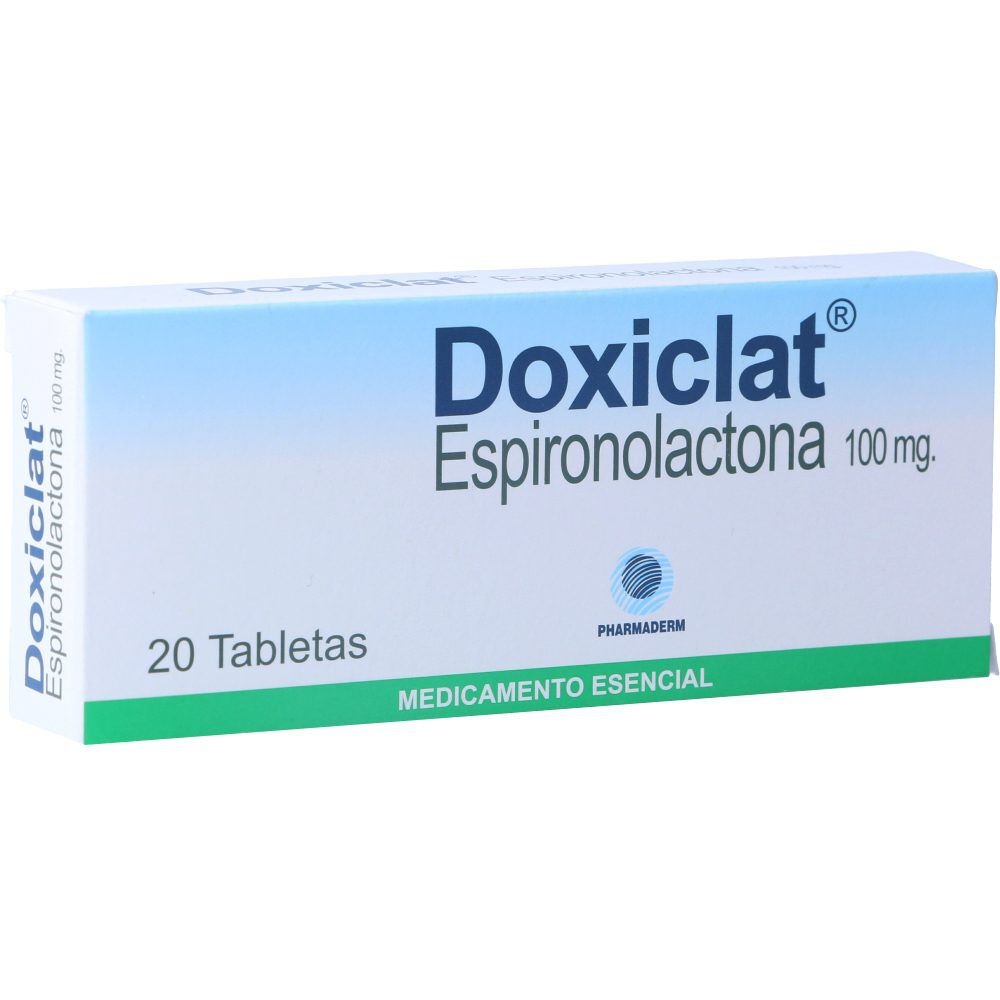
- Country of registration
- Dosage formTABLET, 100 mg
- ATC codeJ01AA02
- Average pharmacy price2.5 EUR
- Active substance
- Prescription requiredYes
- Manufacturer
- CompositionCROSCARMELOSA SODICA (9 mg mg), LACTOSA (c.s. 180 mg mg), LAURILSULFATO DE SODIO (0,03 mg mg), GLICEROL (E 422) (1,4 mg mg)
- This information is for reference only and does not constitute medical advice. Always consult a doctor before taking any medication. Oladoctor is not responsible for medical decisions based on this content.
- Alternatives to DOXICLAT 100 mg FILM-COATED TABLETSDosage form: CAPSULE, 100 mgActive substance: doxycyclineManufacturer: Laboratorios Llorens S.L.Prescription requiredDosage form: TABLET, 100 mgActive substance: doxycyclineManufacturer: Laboratorios Normon S.A.Prescription requiredDosage form: CAPSULE, 100 mgActive substance: doxycyclineManufacturer: Laboratorio Reig Jofre, S.A.Prescription required
Online doctors for DOXICLAT 100 mg FILM-COATED TABLETS
Discuss questions about DOXICLAT 100 mg FILM-COATED TABLETS, including use, safety considerations and prescription review, subject to medical assessment and local regulations.









Get DOXICLAT 100 mg FILM-COATED TABLETS Prescription Online
Fill in a 2-min form
Tell us your symptoms, history, and what medicine you're requesting.
Pick a doctor or let us assign
Choose a specialist or we'll match you with the next available doctor.
Doctor reviews your case
Usually within 30 minutes. They may ask follow-up questions via chat.
Collect from any pharmacy
Electronic prescription sent to your email — valid across Spain.
Frequently Asked Questions
DOXICLAT 100 mg FILM-COATED TABLETS requires a prescription in Spain. You can check with a doctor online whether this medicine may be appropriate for your situation.
The active ingredient in DOXICLAT 100 mg FILM-COATED TABLETS is doxycycline. This information helps identify medicines with the same composition but different brand names.
The average pharmacy price for DOXICLAT 100 mg FILM-COATED TABLETS is around 2.5 EUR. Prices may vary depending on the manufacturer and dosage form.
DOXICLAT 100 mg FILM-COATED TABLETS is manufactured by Pierre Fabre Iberica S.A.. Pharmacy brands and packaging may differ depending on the distributor.
Doctors such as Family doctors, Psychiatrists, Dermatologists, Cardiologists, Endocrinologists, Gastroenterologists, Pulmonologists, Nephrologists, Rheumatologists, Hematologists, Infectious disease physicians, Allergists, Geriatricians, Paediatricians, Oncologists may assess whether DOXICLAT 100 mg FILM-COATED TABLETS is appropriate, depending on your situation and local regulations. You can book an online consultation to discuss your symptoms and possible next steps.
Spain has a well-developed healthcare infrastructure across major cities such as Madrid, Barcelona, Valencia, and Seville. Pharmacies are widely available and operate under strict regulations, ensuring access to prescribed medications.
You can buy DOXICLAT 100 mg FILM-COATED TABLETS in Madrid, Barcelona, Seville, or Valencia at any local pharmacy with a valid prescription.
To obtain a prescription, you can use Oladoctor:
Other medicines with the same active substance (doxycycline) include DOSIL 100 mg HARD CAPSULES, DOXICICLINA NORMON 100 mg FILM-COATED TABLETS, DOXIPIL 100 mg HARD CAPSULES. These may have different brand names or formulations but contain the same therapeutic ingredient. Always consult a doctor before switching or starting a new medicine.
