






How to use DEXKETOPROFEN VIATRIS 25 mg FILM-COATED TABLETS
Translated with AI
This page provides general information and does not replace a doctor’s consultation. Always consult a doctor before taking any medication. Seek urgent medical care if symptoms are severe.
Show originalContents of the leaflet
Introduction
Package Leaflet: Information for the User
Dexketoprofen Viatris 25 mg Film-Coated Tablets EFG
Read the entire package leaflet carefully before starting to take this medication, as it contains important information for you.
- Keep this package leaflet, as you may need to read it again.
- If you have any questions, consult your doctor or pharmacist.
- This medication has been prescribed to you only, and you should not give it to others, even if they have the same symptoms as you, as it may harm them.
- If you experience side effects, consult your doctor or pharmacist, even if they are not listed in this package leaflet. See section 4.
Contents of the Package Leaflet:
- What is Dexketoprofen Viatris and what is it used for
- What you need to know before taking Dexketoprofen Viatris
- How to take Dexketoprofen Viatris
- Possible side effects
- Storage of Dexketoprofen Viatris
- Package Contents and Additional Information

1. What is Dexketoprofen Viatris and what is it used for
Dexketoprofen Viatris is a pain reliever belonging to the group of medications known as non-steroidal anti-inflammatory drugs (NSAIDs). It is used to treat mild or moderate pain, such as muscle or joint pain, menstrual pain (dysmenorrhea), or toothache.
2. What you need to know before taking Dexketoprofen Viatris
Do not takeDexketoprofen Viatris:
- If you are allergic to dexketoprofen or any of the other ingredients of this medication (listed in section 6);
- If you are allergic to acetylsalicylic acid or other non-steroidal anti-inflammatory medications;
- If you have asthma or have suffered from asthma attacks, acute allergic rhinitis (a short period of inflammation of the nasal mucosa), nasal polyps (fleshy growths inside the nose due to allergy), hives (skin rash), angioedema (swelling of the face, eyes, lips, or tongue, or difficulty breathing) or wheezing in the chest after taking acetylsalicylic acid or other non-steroidal anti-inflammatory medications;
- If you have suffered from photoallergic or phototoxic reactions (a special form of redness or sunburn) while taking ketoprofen (a non-steroidal anti-inflammatory medication) or fibrates (medications used to reduce blood fat levels);
- If you have a peptic ulcer, stomach or intestinal bleeding, or if you have had a history of bleeding, ulceration, or perforation of the stomach or intestine;
- If you have chronic digestive problems (e.g., indigestion, heartburn);
- If you have had a history of stomach or intestinal bleeding or perforation due to the use of non-steroidal anti-inflammatory medications (NSAIDs) for pain;
- If you have chronic inflammatory bowel disease (Crohn's disease or ulcerative colitis);
- If you have severe heart failure, moderate to severe kidney failure, or severe liver failure;
- If you have bleeding disorders or blood coagulation disorders;
- If you are severely dehydrated (have lost a lot of body fluid) due to vomiting, diarrhea, or insufficient fluid intake;
- If you are in the third trimester of pregnancy or breastfeeding;
.
Warnings and Precautions:
Consult your doctor or pharmacist before starting to take Dexketoprofen Viatris:
- If you are allergic or have had allergy problems in the past;
- If you have kidney, liver, or heart disease (high blood pressure and/or heart failure), or fluid retention or have had any of these diseases in the past;
- If you are taking diuretics or have insufficient hydration and reduced blood volume due to excessive fluid loss (e.g., due to excessive urination, diarrhea, or vomiting);
- If you have heart problems, a history of strokes, or think you may be at risk of suffering from these disorders (e.g., you have high blood pressure, suffer from diabetes, have high cholesterol, or are a smoker), you should consult your doctor or pharmacist about this treatment. Medications like dexketoprofen may be associated with a small increased risk of suffering from heart attacks ("myocardial infarctions") or strokes. This risk is more likely to occur when high doses and prolonged treatments are used. Do not exceed the recommended dose or treatment duration;
- If you are an elderly patient, you may experience a higher incidence of side effects (see section 4). If these occur, consult your doctor immediately;
- If you are a woman with fertility problems (this medication may reduce your fertility, so you should not take it if you are planning to become pregnant or if you are undergoing fertility studies);
- If you have a blood disorder or blood cell production disorder;
- If you have systemic lupus erythematosus or mixed connective tissue disease (diseases of the immune system that affect connective tissue);
- If you have had chronic inflammatory bowel disease (ulcerative colitis, Crohn's disease) in the past;
- If you have had stomach or intestinal disorders in the past;
- If you have an infection; see the "Infections" section below;
- If you are taking other medications that increase the risk of peptic ulcers or bleeding, such as oral corticosteroids, some antidepressants (of the SSRI type, Selective Serotonin Reuptake Inhibitors), or anticoagulant medications like warfarin. In these cases, consult your doctor before taking this medication: your doctor may prescribe an additional medication to protect your stomach (e.g., misoprostol or other medications that block gastric acid production).
- If you have asthma, combined with chronic rhinitis or sinusitis, and/or nasal polyps, as you are at a higher risk of being allergic to acetylsalicylic acid and/or NSAIDs than the rest of the population. The administration of this medication may cause asthma attacks or bronchospasm, particularly in patients allergic to acetylsalicylic acid or NSAIDs.
Infections
Dexketoprofen may mask the signs of an infection, such as fever and pain. Consequently, this medication may delay the appropriate treatment of the infection, which may increase the risk of complications. This has been observed in bacterial pneumonia and bacterial skin infections related to chickenpox. If you take this medication while having an infection and the symptoms of the infection persist or worsen, consult a doctor without delay.
During chickenpox, it is recommended to avoid using this medication.
Children and Adolescents
This medication has not been studied in children or adolescents. Therefore, safety and efficacy have not been established, and the product should not be used in children or adolescents.
.
Other Medications and Dexketoprofen Viatris:
Inform your doctor or pharmacist if you are using, have recently used, or may need to use any other medication, including those purchased without a prescription. There are some medications that should not be taken together, and others may require a dose change if taken together.
Always inform your doctor, dentist, or pharmacist if, in addition to this medication, you are taking any of the following medications:
Not Recommended Combinations:
- Acetylsalicylic acid, corticosteroids, and other anti-inflammatory medications;
- Warfarin, heparin, and other medications used to prevent blood clot formation;
- Lithium, used to treat some mood disorders;
- Methotrexate (a medication for cancer and immunosuppression), used at high doses of 15 mg/week
- Hydantoins and phenytoin, used for epilepsy;
- Sulfamethoxazole, used for bacterial infections;
- Combinations that Require Precaution:
- ACE inhibitors, diuretics, and angiotensin II antagonists, used for high blood pressure and heart disorders;
- Pentoxifylline and oxpentifylline, used to treat chronic venous ulcers;
- Zidovudine, used to treat viral infections;
- Aminoglycoside antibiotics, used for bacterial infections
- Sulfonylureas (e.g., chlorpropamide and glibenclamide) used for diabetes;
- Methotrexate, used at low doses, less than 15 mg/week
Combinations to be Considered:
- Quinolones (e.g., ciprofloxacin, levofloxacin) used for bacterial infections;
- Cyclosporine or tacrolimus, used to treat immune system diseases and organ transplants;
- Streptokinase and other thrombolytic and fibrinolytic medications; i.e., medications used to dissolve blood clots;
- Probenecid, used for gout;
- Digoxin, used in the treatment of chronic heart failure;
- Mifepristone, used as an abortifacient (for pregnancy termination);
- Antidepressants of the SSRI type (Selective Serotonin Reuptake Inhibitors);
- Antiplatelet agents used to reduce platelet aggregation and blood clot formation.
- Betablockers, used for high blood pressure and heart disorders
- Tenofovir, deferasirox, pemetrexed
If you have any doubts about taking other medications with Dexketoprofen Viatris, consult your doctor or pharmacist.
TakingDexketoprofen Viatriswith Food and Drinks:
Take the tablets with a sufficient amount of water. Take the tablets with food, as this helps reduce the risk of experiencing side effects in the stomach or intestine. However, in case of acute pain, take the tablets on an empty stomach; i.e., at least 30 minutes before meals, as this facilitates the medication's action a bit faster.
Pregnancy, Breastfeeding, and Fertility
If you are pregnant or breastfeeding, think you may be pregnant, or plan to become pregnant, consult your doctor or pharmacist before using this medication.
Do not take this medication during the last three months of pregnancy or during breastfeeding. It may cause kidney and heart problems in your fetus. It may affect your and your baby's tendency to bleed and delay or prolong labor more than expected. You should not take this medication during the first six months of pregnancy unless it is clearly necessary and as indicated by your doctor. If you need treatment during this period or while trying to become pregnant, you should take the minimum dose for the shortest possible time. From the 20th week of pregnancy, this medication may cause kidney problems in your fetus if taken for more than a few days, which may lead to low levels of amniotic fluid surrounding the baby (oligohydramnios) or narrowing of a blood vessel (ductus arteriosus) in the baby's heart. If you need treatment for more than a few days, your doctor may recommend additional monitoring.
The use of this medication is not recommended while trying to conceive or while undergoing fertility studies. Regarding potential effects on female fertility, see also section 2, "Warnings and Precautions".
Driving and Using Machines
This medication may slightly affect your ability to drive and use machines, as it may cause drowsiness or dizziness as side effects. If you notice these effects, do not use machines or drive until these symptoms disappear. Consult your doctor for advice.
Dexketoprofen Viatris Contains Sodium
This medication contains less than 1 mmol of sodium (23 mg) per tablet; i.e., it is essentially "sodium-free".

3. How to Take Dexketoprofen Viatris
Follow the administration instructions for this medication exactly as indicated by your doctor or pharmacist. If in doubt, consult your doctor or pharmacist again.
The dose of dexketoprofen you need may vary, depending on the type, intensity, and duration of the pain. Your doctor will indicate how many tablets you should take per day and for how long.
The lowest effective dose should be used for the shortest duration necessary to relieve symptoms. If you have an infection, consult a doctor without delay if the symptoms (such as fever and pain) persist or worsen (see section 2).
The tablet can be divided into equal doses by breaking it along the score line.
Generally, the recommended dose is half a tablet (12.5 mg) every 4-6 hours or one tablet (25 mg) every 8 hours, not exceeding 3 tablets per day (75 mg).
If you are an elderly patient or have kidney or liver disease, it is recommended to start therapy with a maximum of 2 tablets per day (50 mg).
In elderly patients, this initial dose may be increased later according to the general recommended dose (75 mg of dexketoprofen) if the medication has been well tolerated.
If your pain is intense and you need quick relief, take the tablets on an empty stomach (at least 30 minutes before meals) as they will be absorbed more easily (see section 2 "Taking Dexketoprofen Viatris with Food and Drinks").
Use in Children and Adolescents
This medication should not be used in children and adolescents (under 18 years of age).
If You Take MoreDexketoprofen ViatrisThan You Should
If you have taken too much medication, inform your doctor or pharmacist immediately or go to the emergency department of your nearest hospital. Please remember to always carry the medication packaging or this package leaflet with you. You can also call the Toxicology Information Service, phone 915620420, indicating the medication and the amount taken.
If You Forget to TakeDexketoprofen Viatris
Do not take a double dose to make up for forgotten doses. Take the next dose when scheduled (according to section 3 "How to Take Dexketoprofen Viatris").
If you have any doubts about the use of this medication, consult your doctor or pharmacist.
4. Possible Adverse Effects
Like all medicines, this medicine can cause adverse effects, although not all people suffer from them.
Possible adverse effects are detailed below according to their frequency:
Frequent Adverse Effects(may affect up to 1 in 10 people):
Nausea and/or vomiting, mainly pain in the upper abdominal quadrant, diarrhea, digestive disorders (dyspepsia).
Uncommon Adverse Effects (may affect up to 1 in 100 people):
Dizzy sensation (vertigo), dizziness, drowsiness, sleep disorders, nervousness, headache, palpitations, hot flashes, stomach wall inflammation (gastritis), constipation, dry mouth, flatulence, skin rash, fatigue, pain, febrile sensation, and chills, general malaise.
Rare Adverse Effects (may affect up to 1 in 1,000 people):
Peptic ulcer, peptic ulcer perforation or bleeding (which may manifest with vomiting blood or black stools), fainting, high blood pressure, slow breathing, fluid retention, and peripheral edema (e.g., ankle swelling), laryngeal edema, loss of appetite (anorexia), abnormal sensation, pruritic rash, acne, increased sweating, lower back pain, frequent urination, menstrual disorders, prostate disorders, abnormal liver function tests (blood tests), liver cell damage (hepatitis), acute kidney failure.
Very Rare (may affect up to 1 in 10,000 people):
Anaphylactic reaction (hypersensitivity reaction that can also lead to collapse), ulcers on the skin, mouth, eyes, and genital areas (Stevens-Johnson syndrome and Lyell syndrome), facial swelling or lip and throat swelling (angioedema), difficulty breathing due to narrowing of the airways (bronchospasm), shortness of breath, tachycardia, low blood pressure, pancreatitis, blurred vision, ringing in the ears (tinnitus), sensitive skin, sensitivity to light, itching, kidney problems. Decrease in the number of white blood cells (neutropenia), decrease in the number of platelets (thrombocytopenia).
Inform your doctor immediately if you notice any adverse effect of a gastrointestinal type at the start of treatment (e.g., stomach pain or burning or bleeding), if you have previously suffered from any of these adverse effects due to prolonged treatment with non-steroidal anti-inflammatory drugs, and especially if you are elderly.
Stop taking this medicine immediately if you notice the appearance of a skin rash or any lesion inside the mouth or on the genitals, or any other sign of allergy.
During treatment with non-steroidal anti-inflammatory drugs, cases of fluid retention and swelling (especially in ankles and legs), increased blood pressure, and heart failure have been reported.
Medicines like this may be associated with a small increased risk of suffering a heart attack ("myocardial infarction") or a stroke ("stroke").
In patients with immune system disorders that affect connective tissue (systemic lupus erythematosus or mixed connective tissue disease), non-steroidal anti-inflammatory drugs may rarely cause fever, headache, and neck stiffness.
The most commonly observed adverse effects are of a gastrointestinal type. Peptic ulcers, perforation, or gastrointestinal bleeding may occur, sometimes fatal, especially in elderly patients.
After administration, nausea, vomiting, diarrhea, flatulence, constipation, dyspepsia, abdominal pain, melena, hematemesis, ulcerative stomatitis, worsening of colitis, and Crohn's disease have been reported. Less frequently, stomach wall inflammation (gastritis) has been observed.
As with other non-steroidal anti-inflammatory drugs, hematological reactions (purpura, aplastic anemia, and hemolytic anemia, and more rarely agranulocytosis and bone marrow hypoplasia) may occur.
Reporting of Adverse Effects
If you experience any type of adverse effect, consult your doctor or pharmacist, even if it is a possible adverse effect that is not listed in this leaflet. You can also report them directly through the national reporting system included in the Spanish Pharmacovigilance System for Human Use Medicines: https://www.notificaram.es.
By reporting adverse effects, you can contribute to providing more information on the safety of this medicine.
5. Storage of Dexketoprofeno Viatris
Keep out of sight and reach of children.
Do not use this medicine after the expiration date stated on the packaging and blister. The expiration date is the last day of the month indicated.
Do not store above 30°C. Store the blisters in the original packaging to protect them from light.
Medicines should not be disposed of via wastewater or household waste. Deposit the packaging and medicines you no longer need at the SIGRE Point in the pharmacy. In case of doubt, ask your pharmacist how to dispose of the packaging and medicines you no longer need. This will help protect the environment.
6. Package Contents and Additional Information
Composition of Dexketoprofeno Viatris
The active ingredient is dexketoprofen (as dexketoprofen trometamol). Each coated tablet contains 25 mg of dexketoprofen. The other ingredients are: cornstarch, microcrystalline cellulose, sodium carboxymethyl potato starch, glycerol distearate, hypromellose, titanium dioxide, macrogol 400 (see section 2Dexketoprofeno Viatris contains sodium).
Appearance of Dexketoprofeno Viatris and Package ContentsFilm-coated tablets, scored, white, biconvex, and cylindrical, marked with DT2 on one side.
It is presented in packages containing 20 and 50 film-coated tablets in continuous and unit-dose blisters.
Only some package sizes may be marketed.
Marketing Authorization Holder
Viatris Pharmaceuticals, S.L.U.
C/ General Aranaz, 86
28027 - Madrid
Spain
Manufacturer
Galenicum Health, S.L.U. Sant Gabriel, 50
08950 - Esplugues de Llobregat, Barcelona
Spain
or
SAG Manufacturing, S.L.U.
Ctra N-I, km. 36
28750 San Agustín del Guadalix, Madrid
Spain
Date of the Last Revision of this Leaflet:August 2024.
Detailed information on this medicine is available on the website of the Spanish Agency for Medicines and Health Products (AEMPS) http://www.aemps.gob.es/
-

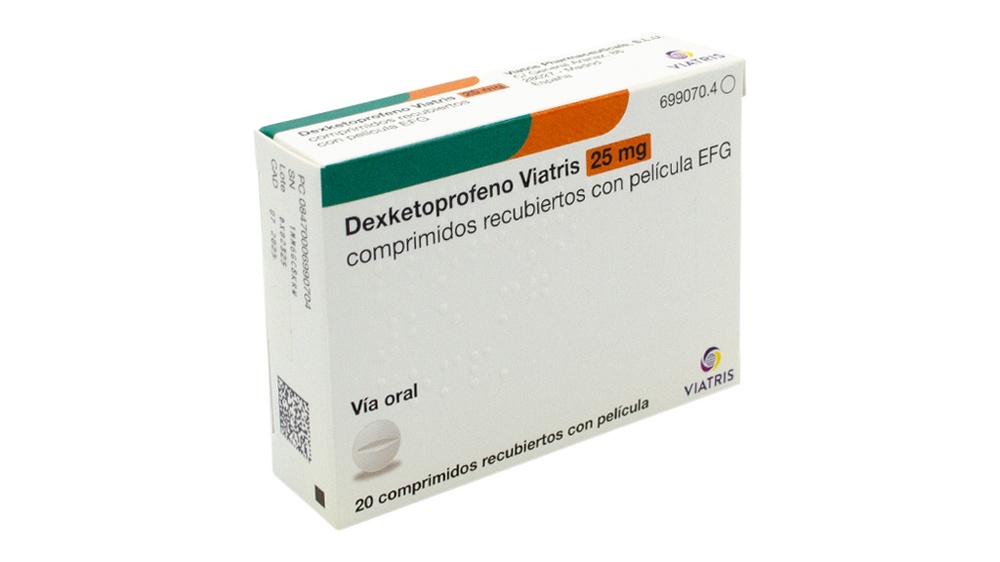
- Country of registration
- Dosage formTABLET, 25 mg
- ATC codeM01AE17
- Average pharmacy price4 EUR
- Active substance
- Prescription requiredYes
- Manufacturer
- This information is for reference only and does not constitute medical advice. Always consult a doctor before taking any medication. Oladoctor is not responsible for medical decisions based on this content.
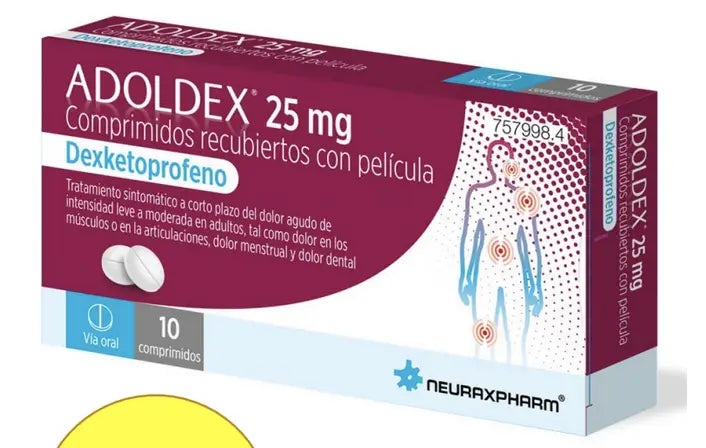
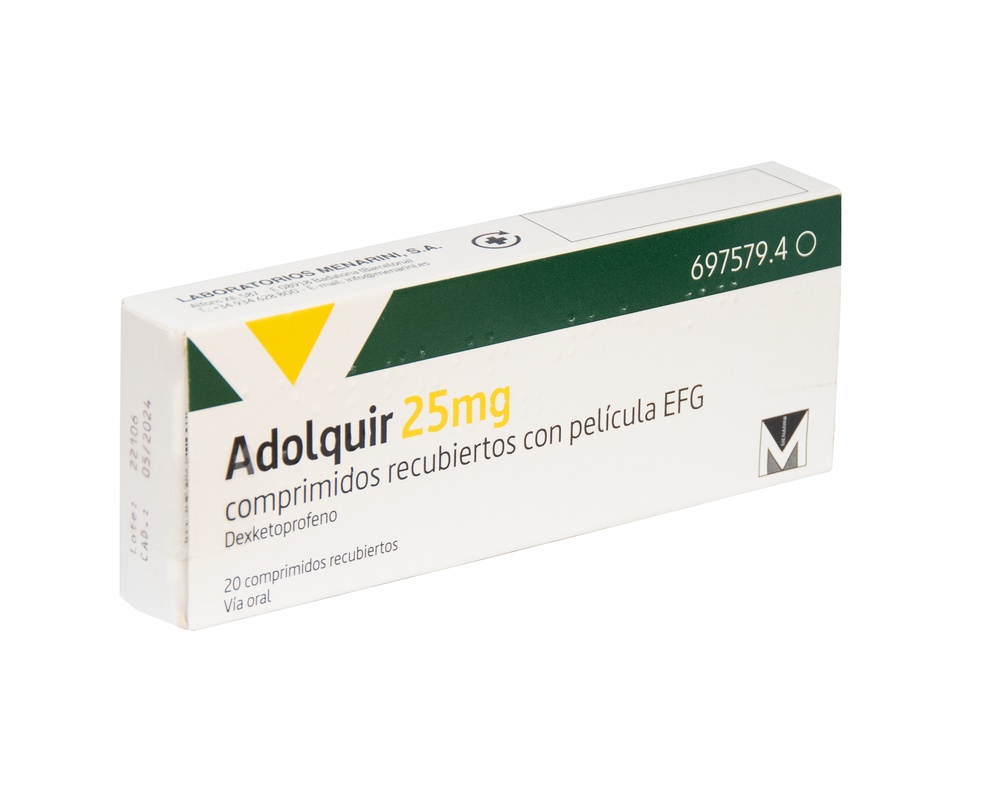
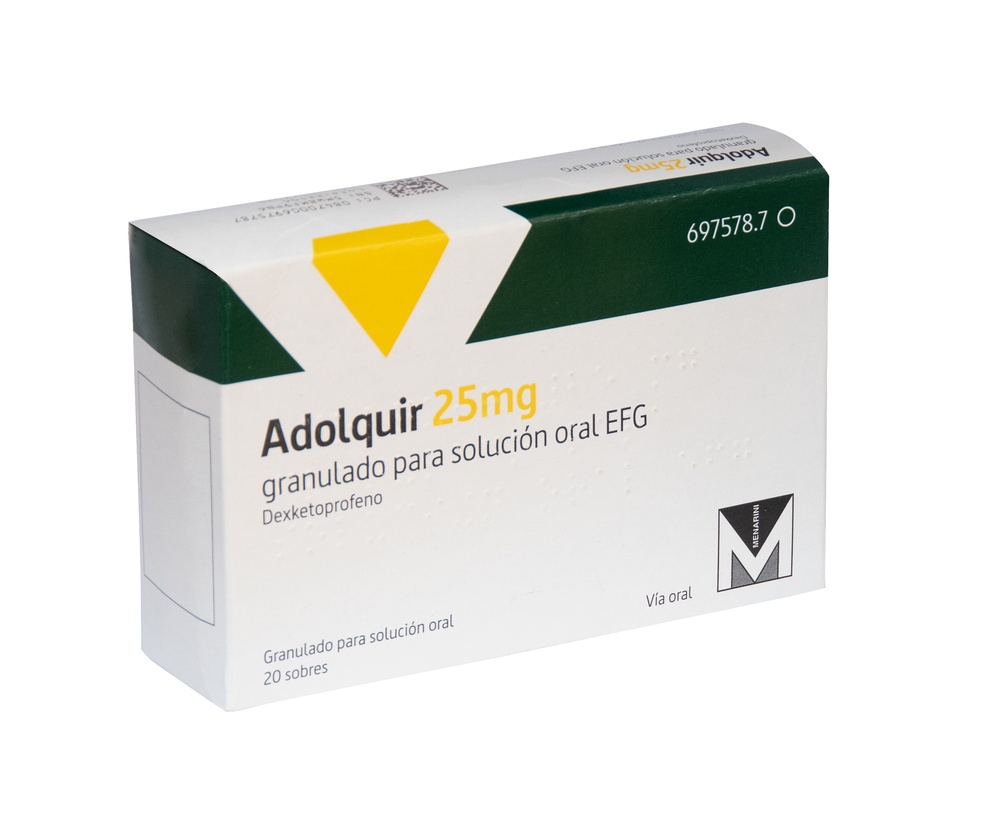
- Alternatives to DEXKETOPROFEN VIATRIS 25 mg FILM-COATED TABLETSDosage form: TABLET, 25 mgActive substance: dexketoprofenManufacturer: Neuraxpharm Spain S.L.Prescription not requiredDosage form: TABLET, 25 mgActive substance: dexketoprofenManufacturer: Laboratorios Menarini S.A.Prescription requiredDosage form: ORAL SOLUTION/SUSPENSION, 25 mgActive substance: dexketoprofenManufacturer: Laboratorios Menarini S.A.Prescription required
Online doctors for DEXKETOPROFEN VIATRIS 25 mg FILM-COATED TABLETS
Discuss questions about DEXKETOPROFEN VIATRIS 25 mg FILM-COATED TABLETS, including use, safety considerations and prescription review, subject to medical assessment and local regulations.




Get DEXKETOPROFEN VIATRIS 25 mg FILM-COATED TABLETS Prescription Online
Fill in a 2-min form
Tell us your symptoms, history, and what medicine you're requesting.
Pick a doctor or let us assign
Choose a specialist or we'll match you with the next available doctor.
Doctor reviews your case
Usually within 30 minutes. They may ask follow-up questions via chat.
Collect from any pharmacy
Electronic prescription sent to your email — valid across Spain.
Frequently Asked Questions
DEXKETOPROFEN VIATRIS 25 mg FILM-COATED TABLETS requires a prescription in Spain. You can check with a doctor online whether this medicine may be appropriate for your situation.
The active ingredient in DEXKETOPROFEN VIATRIS 25 mg FILM-COATED TABLETS is dexketoprofen. This information helps identify medicines with the same composition but different brand names.
The average pharmacy price for DEXKETOPROFEN VIATRIS 25 mg FILM-COATED TABLETS is around 4 EUR. Prices may vary depending on the manufacturer and dosage form.
DEXKETOPROFEN VIATRIS 25 mg FILM-COATED TABLETS is manufactured by Viatris Pharmaceuticals S.L.U.. Pharmacy brands and packaging may differ depending on the distributor.
Doctors such as Family doctors, Psychiatrists, Dermatologists, Cardiologists, Endocrinologists, Gastroenterologists, Pulmonologists, Nephrologists, Rheumatologists, Hematologists, Infectious disease physicians, Allergists, Geriatricians, Paediatricians, Oncologists may assess whether DEXKETOPROFEN VIATRIS 25 mg FILM-COATED TABLETS is appropriate, depending on your situation and local regulations. You can book an online consultation to discuss your symptoms and possible next steps.
Spain has a well-developed healthcare infrastructure across major cities such as Madrid, Barcelona, Valencia, and Seville. Pharmacies are widely available and operate under strict regulations, ensuring access to prescribed medications.
You can buy DEXKETOPROFEN VIATRIS 25 mg FILM-COATED TABLETS in Madrid, Barcelona, Seville, or Valencia at any local pharmacy with a valid prescription.
To obtain a prescription, you can use Oladoctor:
Other medicines with the same active substance (dexketoprofen) include ADOLDEX 25 mg FILM-COATED TABLETS, ADOLQUIR 25 mg FILM-COATED TABLETS, ADOLQUIR 25 MG ORAL SOLUTION GRANULES. These may have different brand names or formulations but contain the same therapeutic ingredient. Always consult a doctor before switching or starting a new medicine.
