






How to use DALSYDOL DUO 500 mg/200 mg FILM-COATED TABLETS
Translated with AI
This page provides general information and does not replace a doctor’s consultation. Always consult a doctor before taking any medication. Seek urgent medical care if symptoms are severe.
Show originalContents of the leaflet
- Introduction
- Follow the administration instructions of the medication contained in this package leaflet or as indicated by your doctor or pharmacist exactly.
- What Dalsydol Duo is and what it is used for
- What you need to know before taking Dalsydol Duo
- Consult your doctor or pharmacist before starting to take this medication if you:
- Tell your doctor or pharmacist if you are taking, have recently taken or may need to take any other medication.
- How to take Dalsydol Duo
- Possible side effects
- Storage of Dalsydol Duo
- Package contents and additional information
Introduction
Package Leaflet: Information for the User
DalsydolDuo 500mg/200mg film-coated tablets
paracetamol/ibuprofen
Read the entire package leaflet carefully before starting to take this medication, as it contains important information for you

Follow the administration instructions of the medication contained in this package leaflet or as indicated by your doctor or pharmacist exactly.
- Keep this package leaflet, as you may need to read it again.
- If you need advice or more information, consult your pharmacist.
- If you experience side effects, consult your doctor or pharmacist, even if they are side effects not listed in this package leaflet. See section 4.
- You should consult a doctor if it worsens or does not improve after 3 days.
Contents of the Package Leaflet
- What Dalsydol Duo is and what it is used for
- What you need to know before taking Dalsydol Duo
- How to take Dalsydol Duo
- Possible side effects
- Storage of Dalsydol Duo
- Package contents and additional information

1. What Dalsydol Duo is and what it is used for
Dalsydol Duo contains two active substances, these are paracetamol and ibuprofen.
Ibuprofen belongs to a group of medications called non-steroidal anti-inflammatory drugs (NSAIDs). NSAIDs work by reducing pain and inflammation.
Paracetamol is an analgesic that works differently from ibuprofen to relieve pain.
This medication is used in adults for the short-term symptomatic treatment of mild to moderate pain, such as headache (not migraines), back pain, menstrual cramps, toothache and muscle pain, flu and cold symptoms, and sore throat.
This medication is especially indicated for pain that requires stronger analgesia than paracetamol or ibuprofen alone.
You should consult a doctor if it worsens or does not improve after 3 days.
2. What you need to know before taking Dalsydol Duo
Do not take DalsydolDuo if you
- are already taking any other medication that contains paracetamol;
- are taking any other analgesic,including ibuprofen, high doses of acetylsalicylic acid(more than 75 mg per day), or other non-steroidal anti-inflammatory drugs(NSAIDs), including selective cyclooxygenase-2 (COX-2) inhibitors;
- are allergic to ibuprofen, paracetamolor to any of the other components of this medication (listed in section 6);
- have previously had an allergic reaction, such as difficulty breathing, asthma attacks, nasal mucosa inflammation, rash and swelling (angioedema) of the face, lips, tongue or throat, or skin reactions after taking acetylsalicylic acid or other NSAID analgesics;
- have or have ever had a stomach or duodenal ulcer or recurrent bleeding(at least two distinct episodes of confirmed bleeding or an ulcer);
- have had previous bleeding, ulcer or gastrointestinal perforation caused by treatment with an NSAID;
- have blood coagulation disorders;
- suffer from severe heart failure, severe liver or kidney failure;
- are in the last trimester of pregnancy.
Warnings and precautions
Consult your doctor or pharmacist before starting to take this medication if you:
- are an elderly patient;
- have an infection(see the "Infections" section below);
- have asthmaor have suffered from asthma;
- have kidney, heart, liver or intestine problems;
- have systemic lupus erythematosus(SLE), a condition of the immune system that affects connective tissue and causes joint pain, skin changes and disorder of other organs, or other mixed connective tissue disease;
- have gastrointestinal disorders or chronic inflammatory bowel disease(e.g., ulcerative colitis, Crohn's disease);
- are in the first 6 months of pregnancyor are breastfeeding;
- are planning to become pregnant.
Anti-inflammatory/analgesic medications like ibuprofen may be associated with a small increased risk of heart attack or stroke, especially when used at high doses. Do not exceed the recommended dose or treatment duration.
During treatment with Dalsydol Duo, inform your doctor immediately if you suffer from a serious illness, including severe kidney failure or sepsis (when bacteria and their toxins circulate in the blood causing organ damage), or if you suffer from malnutrition, chronic alcoholism or if you are taking flucloxacillin (an antibiotic). A serious disorder called metabolic acidosis (a blood and fluid anomaly) has been reported in patients in these situations when paracetamol is used at regular doses for a prolonged period or when paracetamol is taken with flucloxacillin. The symptoms of metabolic acidosis may include: severe breathing difficulties with rapid and deep breathing, drowsiness, feeling of discomfort (nausea) and discomfort (vomiting).
Discuss your treatment with your doctor or pharmacist before starting to take this medication if you:
- have heart problems, such as heart failure, angina pectoris (chest pain) or if you have had a heart attack, bypass surgery, coronary artery disease (poor circulation in the legs or feet due to narrowing or blockage of the arteries), or any type of stroke (such as "mini-stroke" or transient ischemic attack "TIA");
- have high blood pressure, diabetes, high cholesterol, family history of heart disease or stroke, or if you are a smoker.
- Consult your doctor before using this medication if you suffer from any of the aforementioned diseases.
Infections
This medication may hide signs of infection such as fever and pain. Therefore, it is possible that the use of this medication may delay the appropriate treatment of the infection, which may pose a greater risk of complications. This has been observed in cases of bacterial pneumonia and bacterial skin infections related to chickenpox. If you take this medication while having an infection and the symptoms of the infection persist or worsen, consult a doctor immediately.
Skin reactions
- Severe skin reactions have been reported in association with treatment with this medication. You should stop taking this medication and seek medical attention immediately if you develop any skin rash, lesions of the mucous membranes, blisters or other signs of allergy or if you develop a generalized febrile erythema associated with pustules, as these may be the first signs of a very severe skin reaction. See section 4.
- Elderly population
- Elderly patients have a higher risk of side effects when taking NSAIDs, especially those related to the stomach and intestine.
- Patient with a history of gastrointestinal toxicity, in particular elderly patients, should report any unusual abdominal symptoms (especially gastrointestinal bleeding), especially in the initial stages of treatment.
- Children and adolescents
This medication should not be administered to children or adolescents under 18 years of age.
Other medications and DalsydolDuo
Tell your doctor or pharmacist if you are taking, have recently taken or may need to take any other medication.
Do not takeDalsydolDuo with
- other medications that contain paracetamol;
- other medications that contain NSAIDssuch as acetylsalicylic acid (at doses above 75 mg per day), ibuprofen or other NSAIDs including selective cyclooxygenase-2 (COX-2) inhibitors.
Special care is required, as some medications may interact with this medication, for example:
- tablets with corticosteroids, used to relieve inflamed areas of the body (e.g., cortisone, prednisone);
- antibiotics(e.g., chloramphenicol or quinolones);
- antibiotic(flucloxacillin) due to a serious risk of alteration of blood and body fluids (called metabolic acidosis) that should be treated urgently (see above);
- medications for nausea(e.g., metoclopramide, domperidone);
- heart stimulants(e.g., glycosides);
- medications for high cholesterol(e.g., colestyramine);
- diuretics, medications that facilitate the elimination of excess water;
- medications to suppress the immune system(e.g., methotrexate, cyclosporine, tacrolimus);
- medications to treat mania and bipolar disorders or depression(e.g., lithium or ISRS);
- mifepristone(to interrupt pregnancy);
- HIV medications(e.g., zidovudine).
This medication may affect or be affected by other medications.
For example:
- medications that are anticoagulants(i.e., prevent blood clotting, e.g., acetylsalicylic acid, warfarin, ticlopidine);
- medications that lower blood pressure(ACE inhibitors such as captopril, beta blockers such as atenolol, angiotensin II receptor antagonists such as losartan).
Some other medications may also affect or be affected by treatment with this medication. Therefore, you should consult your doctor or pharmacist before using this medication with other medications.
Using DalsydolDuo with food, drinks and alcohol
Do not drink alcohol during treatment, due to the possibility of increased risk of liver damage.
Pregnancy, breastfeeding and fertility
If you are pregnant or breastfeeding, think you may be pregnant or are planning to become pregnant, consult your doctor or pharmacist before using this medication.
Do not take this medication if you are in the last trimester of pregnancy, as it may harm the fetus or cause problems during delivery. It may cause kidney and heart problems in the fetus. It may cause you and your baby to have a tendency to bleed and delay or prolong delivery more than expected.
Be especially careful if you are in the first 6 months of pregnancy. You should not take this medication during the first 6 months of pregnancy, unless it is absolutely necessary and your doctor advises you to do so. If you need treatment during this period or while trying to become pregnant, the lowest doses should be used and for the shortest possible time. If taken during a few days from the 20th week of pregnancy onwards, this medication may cause kidney problems in the fetus, which may lead to low levels of amniotic fluid surrounding the baby (oligohydramnios) or narrowing of a blood vessel (ductus arteriosus) in the baby's heart. If you need treatment for more than a few days, your doctor may recommend additional follow-up.
This medication can be used during breastfeeding if used for short-term treatment at the recommended dose.
This medication may make it difficult to become pregnant.
Ibuprofen belongs to a group of medications that may affect fertility in women. This effect is reversible when treatment with the medication is discontinued. You should inform your doctor if you are planning to become pregnant or if you have problems doing so.
Driving and using machines
This medication may cause dizziness, concentration problems, visual disturbances and drowsiness in some people.
You should take this into account on occasions when a high level of alertness is required, for example, driving. Be careful when driving or using machines until you know how this medication affects you.
3. How to take Dalsydol Duo
Follow the administration instructions of the medication contained in this package leaflet or as indicated by your doctor or pharmacist exactly. In case of doubt, ask your doctor or pharmacist.
For oral use only and for short-term use.
The effective lowest dose should be used for the shortest time necessary to relieve symptoms. Do not take this medication for more than 3 days.If your symptoms worsen or persist, especially if you have an infection with symptoms such as fever and pain, consult your doctor without delay.
Adults: The recommended dose isone tablet with water and food, a maximum of 3 times a day.
Wait at least 6hours between one dose and another.
If a single tablet does not control the symptoms, a maximum of two tablets can be taken no more than three times a day. Due to the presence of paracetamol, the individual dose of two tablets is intended for patients with a body weight of 60 kg or more.
Do not take more than six tablets in a 24-hour period(equivalent to 3000 mg of paracetamol and 1200 mg of ibuprofen per day).
If you have mild to moderate liver or kidney failure or are an elderly patient, your doctor will tell you the correct dose to take, which will be the lowest possible dose. Do not take this medication if you have liver or kidney failure.
Use in children and adolescents
This medication should not be administered to children or adolescents under 18 years of age.
Method of administration
The tablets should be taken with a glass of water.
To reduce the likelihood of side effects, take this medication with food.
If you take more DalsydolDuo than you should
If you have taken more Dalsydol Duo than you should, or if a child has accidentally ingested this medication, consult a doctor or pharmacist immediately, or go to the nearest hospital to find out about the risk and ask for advice on the measures to be taken, or call the Toxicology Information Service, phone 91 562 04 20, indicating the medication and the amount ingested.
The symptoms of overdose may include: nausea, stomach pain, vomiting (which may contain blood clots), headache, ringing in the ears, confusion and involuntary eye movement. At high doses, somnolence, chest pain, palpitations, loss of consciousness, convulsions (mainly in children), weakness and dizziness, blood in the urine, low potassium levels in the blood, chills and breathing problems have been reported.
Consult your doctor immediately if you take too much of this medication, even if you feel well. This is because an excessive amount of paracetamol can cause severe delayed liver damage.
If you forget to take DalsydolDuo
Do not take a double dose to make up for forgotten doses. If you forget to take a dose, take it as soon as you remember and then take the next dose at least 6 hours later.
If you have any other doubts about the use of this medication, ask your doctor or pharmacist.
4. Possible side effects
Like all medications, this medication can cause side effects, although not everyone will experience them.
STOP TAKING the medication and inform your doctor if you experience:
- signs of intestinal bleeding(severe stomach pain, vomiting with blood or liquid with the appearance of coffee grounds, blood in the stool, black tarry stools) (uncommon);
- signs of brain membrane inflammationsuch as: neck stiffness, headache, nausea or vomiting, fever or feeling of disorientation (very rare);
- signs of a severe allergic reaction. The symptoms include swelling of the face, tongue and throat, difficulty breathing, rapid heartbeat and low blood pressure (very rare);
- asthma, wheezing, shortness of breath (very rare);
- severe skin reactions with blisteringsuch as erythema multiforme, Stevens-Johnson syndrome and toxic epidermal necrolysis (very rare);
- severe skin reaction known as DRESS. The symptoms of DRESS include: skin rash, fever, lymph node inflammation and an increase in eosinophils (a type of white blood cell) (frequency not known);
- severe skin reaction known as PEGA (acute generalized exanthematous pustulosis). This is a generalized red and scaly rash with bumps under the skin and blisters located mainly in the skin folds, trunk and upper limbs, accompanied by fever at the start of treatment (very rare).
Other possible side effects
Frequent(may affect up to 1 in 10 people):
- stomach pain or discomfort, indigestion, nausea or vomiting, diarrhea,
- high levels of liver enzymes (evident in blood tests),
- excessive sweating,
- fluid retention with swelling of ankles or legs (edema).
Uncommon(may affect up to 1 in 100 people):
- headache and dizziness,
- gas and constipation,
- reduction in the number of red blood cells or increase in the number of platelets (cells that clot blood), which can cause bleeding, bruising, and unexplained nosebleeds,
- abnormal test results (blood and liver and kidney enzyme test results),
- worsening of colitis and Crohn's disease,
- stomach burning (gastritis),
- pancreatitis accompanied by severe pain in the upper abdomen that radiates to the back, and vomiting,
- skin rash, itching of the skin (pruritus),
- mouth ulcers.
Rare(may affect up to 1 in 1,000 people):
- tingling in hands and feet.
Very rare(may affect up to 1 in 10,000 people):
- reduction in blood cells (which can cause irritated throat, mouth ulcers, flu-like symptoms, severe fatigue, unexplained bleeding and bruising, and nosebleeds),
- visual disturbances, ringing in the ears, sensation of dizziness,
- confusion, depression, hallucinations,
- fatigue, generalized feeling of discomfort,
- skin becomes sensitive to light,
- hypertension,
- liver problems (which can cause yellowing of the skin and whites of the eyes),
- kidney problems (which can cause increased or decreased urination, swelling of the legs),
- heart failure (which can cause shortness of breath, swelling),
- inflammation of the optic nerve and drowsiness.
Not known(cannot be estimated from the available data):
- severe condition that can make the blood more acidic (called metabolic acidosis), in patients with severe diseases using paracetamol (see section 2).
Medicines like paracetamol/ibuprofen may be associated with a small increased risk of heart attack (myocardial infarction) or stroke (see section 2).
Reporting of side effects
If you experience any side effects, consult your doctor or pharmacist, even if it is a possible side effect that is not listed in this leaflet. You can also report them directly through the Spanish Pharmacovigilance System for Human Use Medicines, www.notificaRAM.es.
By reporting side effects, you can help provide more information on the safety of this medicine.
5. Storage of Dalsydol Duo
Keep this medicine out of the sight and reach of children.
Do not use this medicine after the expiry date which is stated on the carton and blister after “CAD” or “EXP”. The expiry date is the last day of the month indicated.
Store in the original packaging to protect from light.
Medicines should not be disposed of via wastewater or household waste. Place the packaging and any unused medicines in the SIGRE collection point at the pharmacy. If in doubt, ask your pharmacist how to dispose of the packaging and any unused medicines. This will help protect the environment.
6. Package contents and additional information
Composition of Dalsydol Duo
The active ingredients are paracetamol and ibuprofen. Each film-coated tablet contains 500 mg of paracetamol and 200 mg of ibuprofen.
The other ingredients are:
Core of the tablet: corn starch, crospovidone (type A) (E1202), colloidal anhydrous silica (E551), povidone K-30 (E1201), pregelatinized corn starch, talc (E553b), stearic acid (50).
Coating material: poly (vinyl alcohol) (E1203), talc (E553b), macrogol 3350 (E1521), titanium dioxide (E171).
Appearance of Dalsydol Duo and package contents
The tablets are white to off-white, oval-shaped, film-coated, and measure 19.7 mm x 9.2 mm.
They are available in cardboard boxes with blisters of 10, 12, 16, or 20 film-coated tablets.
Only some pack sizes may be marketed.
Marketing authorization holder
Viatris Healthcare Limited
Damastown Industrial Park
Mulhuddart, Dublin 15
Dublin
Ireland
Manufacturer
Rontis Hellas Medical and Pharmaceutical Products S.A.
P.O. Box 3012 Larissa Industrial Area,
Larissa, 41500
Greece
You can request more information about this medicine by contacting the local representative of the marketing authorization holder:
Viatris Pharmaceuticals, S.L.
C/ General Aranaz, 86
28027 Madrid
Spain
This medicine is authorized in the Member States of the European Economic Area under the following names:
Czech Republic: Brufen Combi 500 mg/200 mg potahované tablety
Denmark: Paracetamol/Ibuprofen Viatris 200 mg/500 mg filmovertrukne tabletter
Italy: Brufeduo
Norway: Ibuprofen/Paracetamol Viatris 200 mg/500 mg filmdrasjerte tabletter
Slovakia: Brufen Combi 500 mg/200 mg filmom obalené tablety
Spain: Dalsydol Duo 500 mg/200 mg comprimidos recubiertos con película
Date of the last revision of this leaflet:May 2025.
Detailed information on this medicine is available on the website of the Spanish Agency for Medicines and Health Products (AEMPS) http://www.aemps.gob.es/
-


- Country of registration
- Dosage formTABLET, 500 mg/200 mg
- ATC codeN02BE51
- Active substance
- Prescription requiredNo
- Manufacturer
- This information is for reference only and does not constitute medical advice. Always consult a doctor before taking any medication. Oladoctor is not responsible for medical decisions based on this content.
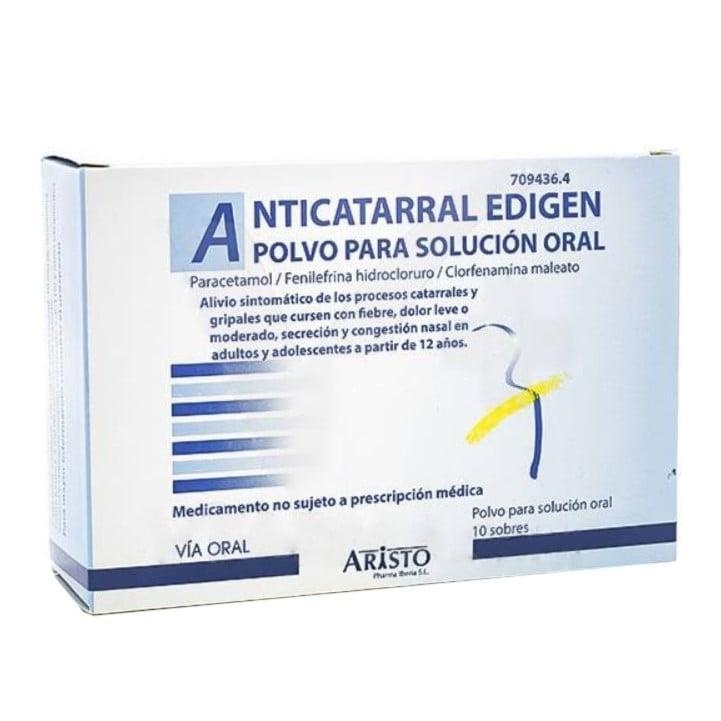
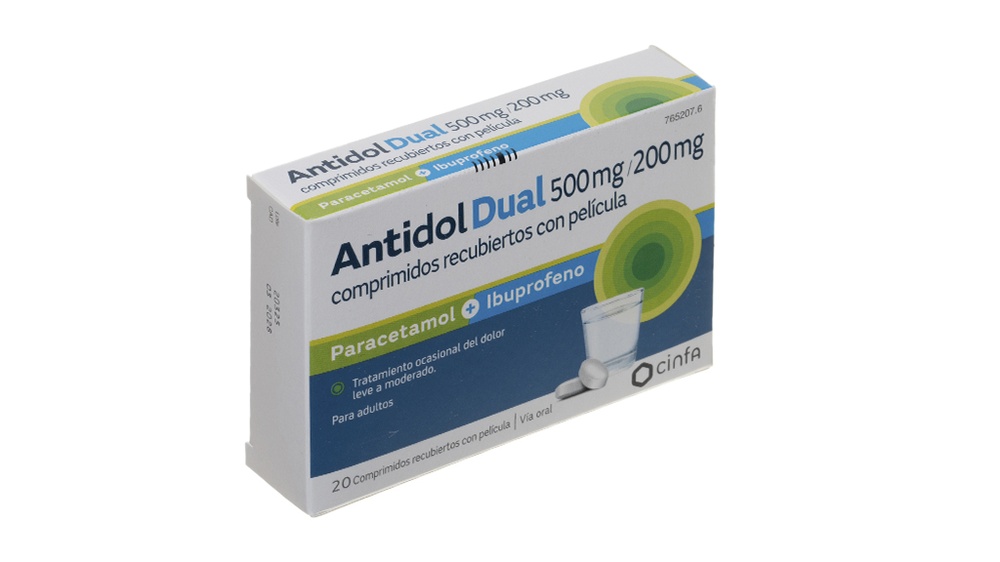
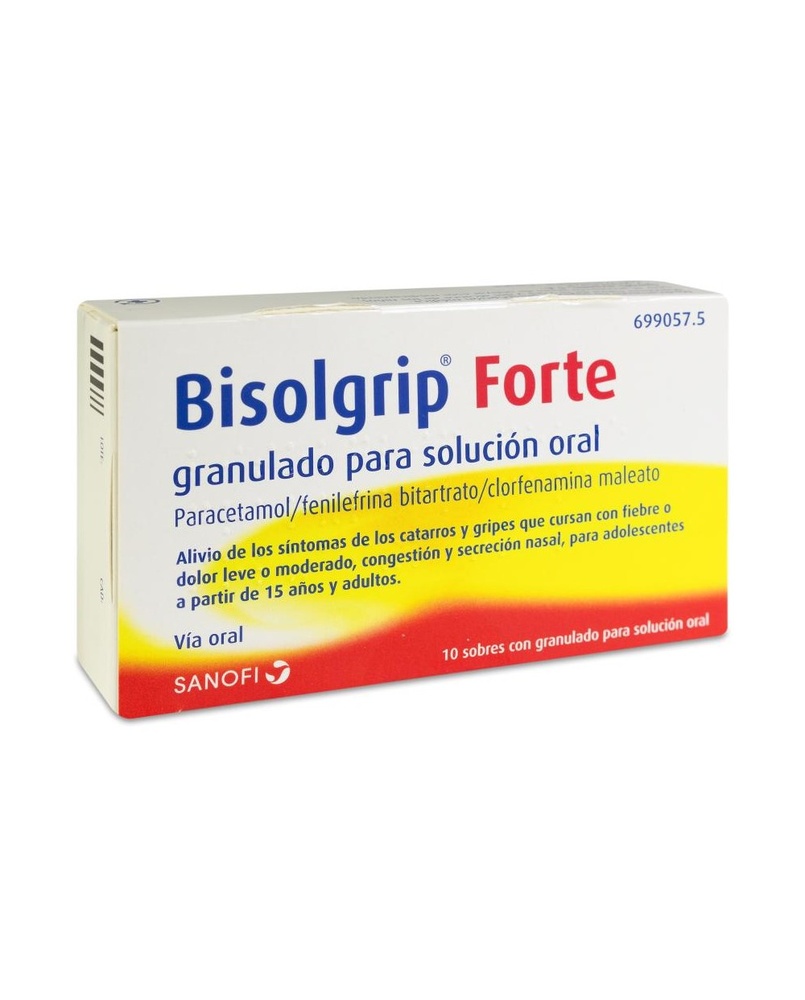
- Alternatives to DALSYDOL DUO 500 mg/200 mg FILM-COATED TABLETSDosage form: ORAL SOLUTION/SUSPENSION, 500 mg; 4 mg; 10 mgActive substance: paracetamol, combinations excl. psycholepticsManufacturer: Aristo Pharma Iberia S.L.Prescription not requiredDosage form: TABLET, 500 mg/200 mgActive substance: paracetamol, combinations excl. psycholepticsManufacturer: Laboratorios Cinfa S.A.Prescription not requiredDosage form: ORAL SOLUTION/SUSPENSION, 650 mg/2.8 mg/8.21 mgActive substance: paracetamol, combinations excl. psycholepticsManufacturer: Opella Healthcare Spain S.L.Prescription not required
Online doctors for DALSYDOL DUO 500 mg/200 mg FILM-COATED TABLETS
Discuss questions about DALSYDOL DUO 500 mg/200 mg FILM-COATED TABLETS, including use, safety considerations and prescription review, subject to medical assessment and local regulations.






Get DALSYDOL DUO 500 mg/200 mg FILM-COATED TABLETS Prescription Online
Fill in a 2-min form
Tell us your symptoms, history, and what medicine you're requesting.
Pick a doctor or let us assign
Choose a specialist or we'll match you with the next available doctor.
Doctor reviews your case
Usually within 30 minutes. They may ask follow-up questions via chat.
Collect from any pharmacy
Electronic prescription sent to your email — valid across Spain.
Frequently Asked Questions
DALSYDOL DUO 500 mg/200 mg FILM-COATED TABLETS does not require a prescription in Spain. You can check with a doctor online whether this medicine may be appropriate for your situation.
The active ingredient in DALSYDOL DUO 500 mg/200 mg FILM-COATED TABLETS is paracetamol, combinations excl. psycholeptics. This information helps identify medicines with the same composition but different brand names.
DALSYDOL DUO 500 mg/200 mg FILM-COATED TABLETS is manufactured by Viatris Healthcare Limited. Pharmacy brands and packaging may differ depending on the distributor.
Doctors such as Family doctors, Psychiatrists, Dermatologists, Cardiologists, Endocrinologists, Gastroenterologists, Pulmonologists, Nephrologists, Rheumatologists, Hematologists, Infectious disease physicians, Allergists, Geriatricians, Paediatricians, Oncologists may assess whether DALSYDOL DUO 500 mg/200 mg FILM-COATED TABLETS is appropriate, depending on your situation and local regulations. You can book an online consultation to discuss your symptoms and possible next steps.
Spain has a well-developed healthcare infrastructure across major cities such as Madrid, Barcelona, Valencia, and Seville. Pharmacies are widely available and operate under strict regulations, ensuring access to prescribed medications.
You can buy DALSYDOL DUO 500 mg/200 mg FILM-COATED TABLETS in Madrid, Barcelona, Seville, or Valencia at any local pharmacy with a valid prescription.
To obtain a prescription, you can use Oladoctor:
Other medicines with the same active substance (paracetamol, combinations excl. psycholeptics) include ANTICATARRAL EDIGEN ORAL SOLUTION POWDER, ANTIDOL DUAL 500 mg/200 mg FILM-COATED TABLETS, BISOLGRIP FORTE GRANULES FOR ORAL SOLUTION. These may have different brand names or formulations but contain the same therapeutic ingredient. Always consult a doctor before switching or starting a new medicine.
