



COMBIGAN 2 mg /Ml + 5 Mg/Ml Eye Drops Solution

Prescription review online
A doctor will review your case and decide whether a prescription is medically appropriate.

Talk to a doctor about this medicine
Discuss your symptoms and possible next steps in a quick online consultation.



How to use COMBIGAN 2 mg/ml + 5 mg/ml EYE DROPS SOLUTION
Contents of the leaflet
- Introduction
- What is Combigan and what is it used for
- What you need to know before you use COMBIGAN
- How to use COMBIGAN
- Possible side effects
- Storing COMBIGAN
- Container contents and additional information
Introduction
Package Leaflet: Information for the User
COMBIGAN 2 mg/ml + 5 mg/ml eye drops, solution.
Brimonidine tartrate and timolol
Read all of this leaflet carefully before you start using this medicine because it contains important information for you.
|
Contents of the pack
- What is COMBIGAN and what is it used for
- What you need to know before you use COMBIGAN
- How to use COMBIGAN
- Possible side effects
- Storing COMBIGAN
- Contents of the pack and other information
1. What is Combigan and what is it used for
COMBIGAN is an eye drop solution that is used to treat glaucoma. It contains two medicines (brimonidine and timolol) that both reduce high pressure in the eye. Brimonidine belongs to a group of medicines called alpha-2 adrenergic receptor agonists. Timolol belongs to a group of medicines called beta-blockers.
COMBIGAN is prescribed to lower high pressure in the eye when using beta-blocker eye drops alone is not enough.
Your eye contains a clear liquid that feeds the inside of the eye. Liquid is constantly being drained from the eye and new liquid is produced to replace it. If the liquid cannot drain out of the eye quickly enough, the pressure inside the eye increases and could harm your sight over time. COMBIGAN works by reducing the production of liquid and increasing the amount of liquid that drains out. This reduces the pressure inside the eye while new liquid is still being produced.

Not sure if this medicine is right for you?
Discuss your symptoms and treatment with a doctor online.
2. What you need to know before you use COMBIGAN
Do not useCOMBIGAN eye drops, solution:
- If you are allergic(hypersensitive) to brimonidine tartrate, timolol, beta-blockersor any of the other ingredientsof this medicine (listed in section 6). The symptoms of an allergic reaction can include swelling of the face, lips, and throat, wheezing, feeling weak, difficulty breathing, itching, or redness around the eye.
- If you have respiratory problemssuch as asthma, severe chronic obstructive pulmonary disease(a serious lung disease that can cause wheezing, difficulty breathing, and/or constant coughing)
- If you have heart problemssuch as slow heart rate, heart failure, irregular heart rhythms(unless you have a pacemaker) If you are taking monoamine oxidase inhibitors (MAOIs) or certain other antidepressants
If you think any of these points apply to you, do not use COMBIGAN until you have spoken to your doctor again.
Warnings and precautions
Talk to your doctor before you start using COMBIGAN,
- if you have or have had
- coronary heart disease (symptoms can include chest pain, difficulty breathing, or shortness of breath), heart failure, low blood pressure
- irregular heart rhythms, such as slow heart rate
- peripheral vascular disease (such as Raynaud's disease or Raynaud's syndrome)
- diabetes, as timolol can mask signs and symptoms of low blood sugar
- hyperthyroidism, as timolol can mask signs and symptoms
- kidney or liver problems
- adrenal gland tumor
- eye surgery to reduce pressure in the eye
- if you suffer or have suffered from any allergy(e.g. hay fever, eczema) or a severe allergic reactionbe aware that you may need to increase the dose of adrenaline used to control a severe reaction.
- tell your doctor that you are using COMBIGAN before you have an operation, as timolol can affect the effects of some medicines used during anesthesia.
Children and adolescents
COMBIGAN should not be used in children under 2 years of age and is not recommended for use in children and adolescents (from 2 to 17 years of age).
Other medicines and COMBIGAN
COMBIGAN can affect or be affected by other medicines you are using, including other eye drops for treating glaucoma.
Tell your doctor or pharmacist if you are taking, have recently taken, or might take any other medicines, including medicines for any other condition, even if they are not related to your eye problem, and even those bought without a prescription.
There are a number of medicines that can interfere with COMBIGAN, so it is very important that you tell your doctor if you are taking:
- Painkillers
- Medicines to help you sleep or for anxiety
- Medicines for high blood pressure (hypertension)
- Medicines for heart problems (such as irregular heartbeat) such as beta-blockers, digoxin, or quinidine (used to treat heart problems and some types of malaria)
- Medicines for diabetes or high blood sugar
- Medicines for depression such as fluoxetine and paroxetine
- Other eye drops used to reduce high pressure in the eye (glaucoma)
- Medicines for severe allergic reactions
- Medicines that affect any of the hormones in your body, such as adrenaline and dopamine
- Medicines that affect the muscles of your blood vessels
- Medicines for stomach ulcers or heartburn
If you change the dose of any of the medicines you are taking or if you drink alcohol regularly, you should tell your doctor.
If you are going to have an anesthetic, you must tell your doctor or dentist that you are using COMBIGAN.
Pregnancy and Breastfeeding
If you are pregnant or breastfeeding, think you may be pregnant, or are planning to have a baby, ask your doctor or pharmacist for advice before using this medicine. Do not use COMBIGAN if you are pregnant unless your doctor considers it necessary.
Do not use COMBIGAN if you are breastfeeding. Timolol can pass into breast milk. Ask your doctor for advice before using any medicine during breastfeeding.
Driving and using machines
COMBIGAN may cause drowsiness, fatigue, or blurred vision in some patients. Do not drive or operate machinery until these symptoms have resolved. If you experience any problems, talk to your doctor.
COMBIGAN contains benzalkonium chloride
This medicine contains 0.25 mg of benzalkonium chloride in each 5 ml of solution, equivalent to 0.05 mg/ml.
Benzalkonium chloride can be absorbed by soft contact lenses, altering their color. Remove contact lenses before using this medicine and wait 15 minutes before putting them back in.
Benzalkonium chloride can cause eye irritation, especially if you have dry eyes or other corneal diseases (diseases of the transparent layer on the front of the eye). Talk to your doctor if you feel any unusual sensation, stinging, or pain in the eye after using this medicine.
COMBIGAN contains phosphates:
This medicine contains 52.9 mg of phosphates in each ml of solution, equivalent to 10.58 mg/ml.
If you have severe corneal damage (the transparent layer on the front of the eye), treatment with phosphates, in very rare cases, can cause blurred vision due to calcium accumulation.
3. How to use COMBIGAN
Use this medicine exactly as your doctor has told you. If you are not sure, ask your doctor or pharmacist. COMBIGAN should not be used in children under 2 years of age and is not recommended for use in children and adolescents (from 2 to 17 years of age).
The recommended dose is one drop of COMBIGAN, twice a day, with a 12-hour interval between doses. Do not change the dose or stop using it without talking to your doctor.
If you use COMBIGAN with other eye drops, wait at least 5 minutes between putting in COMBIGAN and the other eye drops.
Instructions for use
Do not use the container if the security seal is broken when you first open the product.
Wash your hands before opening the container. Tilt your head back and look up at the ceiling.
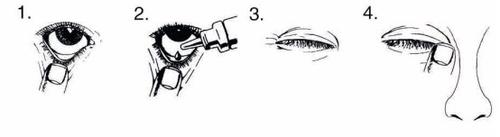
- Gently pull down the lower eyelid until a small pocket is formed.
- Turn the bottle upside down and squeeze it to release onedrop into each eye that needs treatment.
- Release the lower eyelid and close your eye
- Keep your eye closed and press the tear duct (where the eye meets the nose) with your finger for 2 minutes. This helps prevent COMBIGAN from passing into the rest of your body.
If the drop falls out of the eye, try again.
To help prevent infections, avoid touching the tip of the container to the eye or any other surface. Close the container immediately after use.
If you use moreCOMBIGANthan you should
Adults
If you use more COMBIGAN than you should, it is unlikely to cause you any harm. Put in the next drop at the usual time. If you are concerned, talk to your doctor or pharmacist.
Babies and children
There have been some cases of overdose in babies and children treated with brimonidine (one of the ingredients of COMBIGAN) as part of their treatment for glaucoma. Symptoms observed include sleepiness, floppiness, low body temperature, paleness, and breathing difficulties. If this happens, contact your doctor immediately.
Adults and children
In case of accidental ingestion, contact your doctor.
In case of overdose or accidental ingestion, talk to your doctor or pharmacist or call the Toxicology Information Service, telephone 91-562 04 20.
If you forget to useCOMBIGAN,
If you forget to use COMBIGAN, use one drop in each eye that needs treatment as soon as you remember, and then go back to your regular routine. Do not take a double dose to make up for forgotten doses.
If you stop usingCOMBIGAN
For COMBIGAN to work properly, you must use it every day.
If you have any further questions about the use of this product, ask your doctor or pharmacist.

Started taking the medicine and have questions?
Discuss your symptoms and treatment with a doctor online.
4. Possible side effects
Like all medicines, this medicine can cause side effects, although not everybody gets them.
If you notice any of the following side effects, please contact your doctor immediately:
- Heart failure (i.e. chest pain) or irregular heartbeats
- Increased or decreased heart rate or low blood pressure
The following side effects can occur with COMBIGAN
Effects on the eye
Very common (may affect more than 1 in 10 people):
- Redness of the eyes, burning sensation
Common (may affect up to 1 in 10 people):
- Irritation or pain in the eye
- Allergic reaction in the eye or on the skin around it
- Small breaks in the surface of the eye (with or without inflammation)
- Swelling, redness of the eyelids
- Eye irritation or feeling of a foreign body
- Itching of the eye and eyelid
- Follicles or white spots on the layer that covers the surface of the eye, through which we see
- Visual disturbance
- Excessive tearing
- Dry eye
- Sticky eyes
Uncommon (may affect up to 1 in 100 people):
- Difficulty seeing clearly
- Swelling or inflammation of the layer that covers the surface of the eye, through which we see
- Tired eyes
- Sensitivity to light
- Pain in the eyelid
- Whitening of the layer that covers the surface of the eye, through which we see
- Swelling or inflamed areas under the surface of the eye
- Floaters in front of the eyes
Frequency not known (frequency cannot be estimated from the available data):
- Blurred vision
Effects on the body:
Common (may affect up to 1 in 10 people):
- High blood pressure
- Depression
- Drowsiness
- Headache
- Dry mouth
- General weakness
Uncommon (may affect up to 1 in 100 people):
- Heart failure
- Irregular heart rhythm
- Dizziness
- Fainting
- Dry nose
- Altered sense of taste
- Nausea
- Diarrhea
Frequency not known (frequency cannot be estimated from the available data):
- Increased or decreased heart rate
- Low blood pressure
- Redness of the face
Some of these effects may be due to an allergic reaction to one of the components of the product.
Additional adverse reactions have been observed with brimonidine or timolol, and therefore may occur with COMBIGAN.
The following adverse reactions have been observed with brimonidine:
- Inflammation in the eye, small pupils, difficulty sleeping, cold-like symptoms, breathing difficulties, stomach and digestive symptoms, general allergic reactions, skin reactions including redness, swelling of the face, itching, rash, and dilation of blood vessels
As with any other eye medicine, COMBIGAN (brimonidine/timolol) is absorbed into the bloodstream. The absorption of timolol, a beta-blocker component of COMBIGAN, can cause side effects similar to those seen with intravenous and/or oral beta-blockers. The incidence of side effects after topical ophthalmic administration is lower than with oral or injected medicines.
The following side effects have been observed with the use of beta-blockers for the treatment of eye diseases:
- Generalized allergic reactions, including swelling under the skin (which can occur in areas such as the face or limbs and can obstruct the airway and cause difficulty swallowing or breathing), hives (itchy rash), localized or generalized skin rash, itching, severe allergic reaction that can be life-threatening
- Low blood sugar
- Difficulty sleeping (insomnia), nightmares, memory loss, hallucinations
- Stroke, reduced blood flow to the brain, worsening of myasthenia gravis symptoms (muscle disorder), unusual sensations (such as tingling)
- Inflammation of the cornea, detachment of the layer of the retina that contains blood vessels after filtration surgery, which can cause vision problems, decreased corneal sensitivity, corneal erosion (damage to the front layer of the eyeball), drooping eyelid (the eye appears half-closed), double vision
- Chest pain, swelling (fluid buildup), changes in heart rate or rhythm, certain heart rhythm disorders, heart attack, heart failure
- Raynaud's phenomenon, cold hands and feet
- Constriction of the airways in the lungs (mainly in patients with pre-existing disease) difficulty breathing, coughing
- Indigestion, abdominal pain, vomiting
- Hair loss, skin rash with a white-silvery color (psoriasiform rash) or worsening of psoriasis, skin rash
- Muscle pain not caused by exercise
- Sexual dysfunction, decreased libido
- Muscle weakness/fatigue
Other side effects reported with phosphate-containing eye drops:
If you have severe corneal damage (the transparent layer on the front of the eye), treatment with phosphates, in very rare cases, can cause blurred vision due to calcium accumulation.
Reporting of side effects:
If you experience any side effects, talk to your doctor or pharmacist. This includes any possible side effects not listed in this leaflet. You can also report side effects directly through the Spanish Pharmacovigilance System for Human Use Medicines: https://www.notificaRAM.es. By reporting side effects, you can help provide more information on the safety of this medicine.
5. Storing COMBIGAN
Keep this medicine out of the sight and reach of children.
Store the container in the outer carton to protect it from light.
You should not use more than one container at a time.
Do not use this medicine after the expiry date which is stated on the carton and on the container after EXP. The expiry date is the last day of the month stated.
You should throw away the container 4 weeks after you first open it, even if there are still some drops left. This will help prevent infections. To help you remember, write the date you opened it on the space provided on the carton.
Medicines should not be disposed of via wastewater or household waste. Ask your pharmacist how to dispose of medicines no longer required. These measures will help protect the environment.
6. Container contents and additional information
COMBIGAN composition
- The active ingredients are brimonidine tartrate and timolol.
- One milliliter of solution contains 2 milligrams of brimonidine tartrate and timolol maleate equivalent to 5 milligrams of timolol.
- The other components are: benzalkonium chloride (as a preservative), sodium phosphate monobasic monohydrate, sodium phosphate dibasic heptahydrate, and purified water. Small amounts of hydrochloric acid or sodium hydroxide may be added to adjust the pH (determination of the acidity or alkalinity of the solution).
Appearance of COMBIGAN and container contents
COMBIGAN is a clear, slightly yellow-green eye drop solution in a plastic container with a screw cap. Each container is filled to approximately half and contains 5 ml of solution. Boxes are available containing 1 or 3 containers. Only some container sizes may be marketed.
Marketing authorization holder and manufacturer
Marketing authorization holder:
AbbVie Spain, S.L.U.
Avenida de Burgos 91,
28050 Madrid
Spain
Manufacturer:
Allergan Pharmaceuticals Ireland
Castlebar Road
Westport, Co Mayo
Ireland
This medicinal product is authorized in the Member States of the European Economic Area under the following names:
Austria | Combigan 2 mg/ml + 5 mg/ml eye drops |
Belgium | Combigan 2 mg/ml + 5 mg/ml eye drops, solution |
Bulgaria | ???????? 2 mg/ml + 5 mg/ml ????? ?? ???, ??????? Combigan 2 mg/ml + 5 mg/ml eye drops, solution |
Czech Republic | COMBIGAN 2mg/ml + 5 mg/ml eye drops, solution |
Croatia | Combigan 2 mg/ml + 5 mg/ml eye drops, solution |
Denmark | Combigan 2 mg/ml + 5 mg/ml eye drops, solution |
Estonia | Combigan, 2 mg/5 mg/ml eye drops, solution |
Finland | Combigan 2 mg/ml + 5 mg/ml eye drops, solution |
France | COMBIGAN 2 mg/ml + 5 mg/ml, eye drops in solution |
Germany | Combigan 2 mg/ml + 5 mg/ml eye drops |
Greece | COMBIGAN οφθαλμικ?ς σταγ?νες, δι?λυμα, (0,2 + 0,5)% |
Hungary | COMBIGAN 2 mg/ml+5 mg/ml eye drops, solution |
Iceland | Combigan 2 mg/ml + 5 mg/ml eye drops, solution |
Ireland | Combigan 2 mg/ml + 5 mg/ml eye drops, solution |
Italy | COMBIGAN 2 mg/ml + 5 mg/ml eye drops, solution |
Latvia | Combigan2 mg/5 mg/ml eye drops, solution |
Lithuania | Combigan 2 mg/5 mg/ml eye drops, solution |
Luxembourg | Combigan 2 mg/ml + 5 mg/ml, eye drops in solution |
Netherlands | Combigan 2 mg/ml + 5 mg/ml, eye drops, solution |
Norway | Combigan 2 mg/ml + 5 mg/ml eye drops, solution |
Poland | Combigan eye drops, solution, 2 mg/ml + 5 mg/ml |
Portugal | Combigan 2 mg/ml + 5 mg/ml eye drops, solution |
Romania | Combigan 2 mg/ml + 5 mg/ml eye drops, solution |
Slovakia | COMBIGAN 2 mg/ml + 5 mg/ml eye drops, solution |
Slovenia | COMBIGAN 2 mg/ml + 5 mg/ml eye drops, solution |
Spain | Combigan 2mg/ml + 5 mg/ml eye drops in solution |
Sweden | Combigan 2 mg/ml + 5 mg/ml eye drops, solution |
United Kingdom | Combigan 2 mg/ml + 5 mg/ml eye drops, solution |
Date of last revision of this leaflet: 11/2020
Detailed and updated information on this medicinal product is available on the website of the Spanish Agency for Medicines and Health Products (AEMPS) http://www.aemps.gob.es/
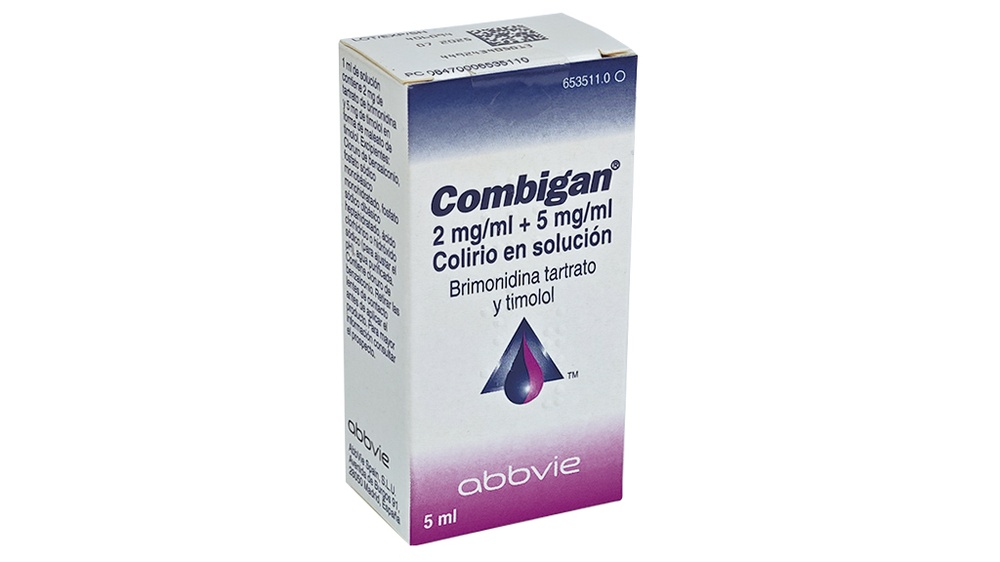
- Country of registration
- Dosage formEYEDROP, 2mg/ml and 5mg/ml respectively
- ATC codeS01ED51
- Average pharmacy price15.67 EUR
- Active substance
- Prescription requiredYes
- Manufacturer
- CompositionBENZALCONIO, CLORURO DE (0.05 mg mg), HIDROGENOFOSFATO DE SODIO HEPTAHIDRATO (21.5 mg mg), FOSFATO SODICO MONOBASICO (4.3 mg mg), HIDROXIDO DE SODIO (E 524) (cs - mg)
- This information is for reference only and does not constitute medical advice. Always consult a doctor before taking any medication. Oladoctor is not responsible for medical decisions based on this content.
- Alternatives to COMBIGAN 2 mg/ml + 5 mg/ml EYE DROPS SOLUTIONDosage form: EYEDROP, 10 mg/ml + 5 mg/mlActive substance: timolol, combinationsManufacturer: Novartis Europharm LimitedPrescription requiredDosage form: EYEDROP, 0.3 mg/ml + 5 mg/mlActive substance: timolol, combinationsManufacturer: Brill Pharma S.L.Prescription requiredDosage form: EYE DROP, 0.3 mg/ml + 5 mg/mlActive substance: timolol, combinationsManufacturer: Laboratorio Stada S.L.Prescription required
Online doctors for COMBIGAN 2 mg/ml + 5 mg/ml EYE DROPS SOLUTION
Discuss questions about COMBIGAN 2 mg/ml + 5 mg/ml EYE DROPS SOLUTION, including use, safety considerations and prescription review, subject to medical assessment and local regulations.









Get COMBIGAN 2 mg/ml + 5 mg/ml EYE DROPS SOLUTION Prescription Online
Fill in a 2-min form
Tell us your symptoms, history, and what medicine you're requesting.
Pick a doctor or let us assign
Choose a specialist or we'll match you with the next available doctor.
Doctor reviews your case
Usually within 30 minutes. They may ask follow-up questions via chat.
Collect from any pharmacy
Electronic prescription sent to your email — valid across Spain.
Frequently Asked Questions
COMBIGAN 2 mg/ml + 5 mg/ml EYE DROPS SOLUTION requires a prescription in Spain. You can check with a doctor online whether this medicine may be appropriate for your situation.
The active ingredient in COMBIGAN 2 mg/ml + 5 mg/ml EYE DROPS SOLUTION is timolol, combinations. This information helps identify medicines with the same composition but different brand names.
The average pharmacy price for COMBIGAN 2 mg/ml + 5 mg/ml EYE DROPS SOLUTION is around 15.67 EUR. Prices may vary depending on the manufacturer and dosage form.
COMBIGAN 2 mg/ml + 5 mg/ml EYE DROPS SOLUTION is manufactured by Abbvie Spain, S.L.U.. Pharmacy brands and packaging may differ depending on the distributor.
Doctors such as Family doctors, Psychiatrists, Dermatologists, Cardiologists, Endocrinologists, Gastroenterologists, Pulmonologists, Nephrologists, Rheumatologists, Hematologists, Infectious disease physicians, Allergists, Geriatricians, Paediatricians, Oncologists may assess whether COMBIGAN 2 mg/ml + 5 mg/ml EYE DROPS SOLUTION is appropriate, depending on your situation and local regulations. You can book an online consultation to discuss your symptoms and possible next steps.
Spain has a well-developed healthcare infrastructure across major cities such as Madrid, Barcelona, Valencia, and Seville. Pharmacies are widely available and operate under strict regulations, ensuring access to prescribed medications.
You can buy COMBIGAN 2 mg/ml + 5 mg/ml EYE DROPS SOLUTION in Madrid, Barcelona, Seville, or Valencia at any local pharmacy with a valid prescription.
To obtain a prescription, you can use Oladoctor:
Other medicines with the same active substance (timolol, combinations) include AZARGA 10 mg/mL + 5 mg/mL EYE DROPS, SUSPENSION, BAPIRI 0.3 mg + 5 mg/mL EYE DROPS SOLUTION, BIMATOPROST/TIMOLOL STADA 0.3 mg/mL + 5 mg/mL eye drops, single-dose containers. These may have different brand names or formulations but contain the same therapeutic ingredient. Always consult a doctor before switching or starting a new medicine.
