


Cloruro de litio 0,15 mmol/ml solucion inyectable



How to use Cloruro de litio 0,15 mmol/ml solucion inyectable
Translated with AI
This page provides general information and does not replace a doctor’s consultation. Always consult a doctor before taking any medication. Seek urgent medical care if symptoms are severe.
Show originalContents of the leaflet
- Introduction
- What is LITHIUM CHLORIDE 0.15 mmol/mL INJECTABLE SOLUTION and what is it used for
- What you need to know before starting to take LITHIUM CHLORIDE 0.15 mmol/ml INJECTABLE SOLUTION
- How to Take LITHIUM CHLORIDE 0.15 mmol/ml INJECTABLE SOLUTION
- Possible Adverse Effects
- Conservation of LITHIUM CHLORIDE 0.15 mmol/ml INJECTABLE SOLUTION
- Contents of the packaging and additional information
Introduction
PROSPECTO: INFORMATION FOR THE USER
LITHIUM CHLORIDE 0.15 mmol/ml INJECTABLE SOLUTION
Lithium Chloride
Read this prospectus carefully before starting to use the medication.
|
Information in this prospectus:
- What Lithium Chloride 0.15 mmol/ml Injectable Solution is and for what it is used.
- Before using Lithium Chloride 0.15 mmol/ml Injectable Solution.
- How to use Lithium Chloride 0.15 mmol/ml Injectable Solution.
- Possible adverse effects.
- Storage of Lithium Chloride 0.15 mmol/ml Injectable Solution.
- Additional information of interest to the supervising healthcare professional.
Lithium Chloride 0.15 mmol/ml Injectable Solution
The active ingredient is lithium chloride.
1 ml of injectable solution contains 6.36 mg of lithium chloride.
The other component is water for injections.
Marketing authorization holder:
LIDCO NETHERLANDS B.V.
Van Heuven Goedhartlaan 935 A
1181 LD Amstelveen
Netherlands
Responsible for manufacture:
Venus Pharma GmbH
Am Bahnhof 1-3
59368 Werne
Germany

1. What is LITHIUM CHLORIDE 0.15 mmol/mL INJECTABLE SOLUTION and what is it used for
Lithium Chloride 0.15 mmol/mL Injectable Solution is a diagnostic agent used exclusively with the LiDCO System for measuringin vivocardiac output, which is the amount of blood the heart pumps per minute.
This product is an injectable solution presented in 10 mL ampoules.
It belongs to the group of diagnostic agents.
This medication is for diagnostic use only.
2. What you need to know before starting to take LITHIUM CHLORIDE 0.15 mmol/ml INJECTABLE SOLUTION
Your doctor will decide if this medication is suitable for measuring your cardiac output.
Do not use LITHIUM CHLORIDE 0.15 mmol/ml INJECTABLE SOLUTION:
- If you are currently being treated with lithium.
- If you weigh less than40 kg.
- If you are in the first trimester of pregnancy.
- If you have hypersensitivity to lithium compounds.
Pregnancy and breastfeeding
Consult your doctor or pharmacist before taking a medication.
If you are fertile (capable of becoming pregnant), and it is necessary to administer LITHIUM CHLORIDE 0.15 mmol/ml INJECTABLE SOLUTION, you must always rule out the possibility of pregnancy. If you experience menstrual delay, consider yourself pregnant until proven otherwise.
If you are in the first trimester of pregnancy, do not use LITHIUM CHLORIDE 0.15 mmol/ml INJECTABLE SOLUTION, as there is available data indicating that normal therapeutic doses of lithium have a teratogenic effect in the first trimester of pregnancy, with a notable increase in the risk of cardiac anomalies, specifically Ebstein's anomaly.
If you are breastfeeding your child, you may continue breastfeeding after administration of LITHIUM CHLORIDE 0.15 mmol/ml INJECTABLE SOLUTION.
Use in children
The use of LITHIUM CHLORIDE 0.15 mmol/ml INJECTABLE SOLUTION is contraindicated in patients weighing less than40 Kg.
Driving and operating machinery
Not applicable.
Taking other medications:
Inform your doctor or pharmacist if you are taking or have recently taken other medications, including those purchased without a prescription.
Avoid using LITHIUM CHLORIDE 0.15 mmol/ml INJECTABLE SOLUTION during the 30 minutes following injections or rapid intravenous infusions of muscle relaxants, e.g., vecuronium bromide, atracurium besylate, and pancuronium bromide. These agents interfere with the performance of the lithium electrode and simultaneous use should be avoided.

3. How to Take LITHIUM CHLORIDE 0.15 mmol/ml INJECTABLE SOLUTION
Lithium Chloride 0.15 mmol/ml Injectable Solution is a medication used for diagnostic testing, which should be performed by qualified personnel or preferably under the supervision of a doctor who will instruct you on the necessary steps at all times.
Your doctor will decide the amount of Lithium Chloride 0.15 mmol/ml Injectable Solution to be used. This will be the minimum amount necessary to determine cardiac output.
The optimal dose of Lithium Chloride 0.15 mmol/ml Injectable Solution is 0.5 ml, 1 ml, or 2 ml.
If you estimate that the action of Lithium Chloride 0.15 mmol/ml Injectable Solution is too strong or too weak, inform your doctor or pharmacist.
Lithium Chloride 0.15 mmol/ml Injectable Solution is administered only intravenously through a central venous catheter.
4. Possible Adverse Effects
No adverse effects are expected to be related to the use of this medication.
5. Conservation of LITHIUM CHLORIDE 0.15 mmol/ml INJECTABLE SOLUTION
Keep Lithium Chloride 0.15 mmol/ml Injectable Solution out of the reach and sight of children.
Do not store at a temperature above25 °C.
Store in the original container.
Expiration Date
Do not use Lithium Chloride 0.15 mmol/ml Injectable Solution after the expiration date indicated on the container.
6. Contents of the packaging and additional information
Dosage and Administration
Optimization of the dose for cardiac output determination
The optimal dose for cardiac output determination is the minimum dose that can achieve a maximum lithium concentration in arterial blood within the range of0.2 mMto0.8 mM, using a dose of 0.075 mmol (0.5 ml), 0.15 mmol (1 ml) or 0.3 mmol (2 ml) of Lithium Chloride 0.15 mmol/ml Injectable Solution.
In patients who are expected to have a large number of cardiac output determinations, it is better to start with a target dose of 0.15 mmol, i.e., 1.0 ml of lithium chloride injectable. The LiDCO system monitor will show 'alert' if the dose produces a curve with a peak height less than0.2 mM. Peaks between 0.1 and0.2 mMare allowed, but the determination may be less accurate. If the peak is not within the desired range, the dose will be adjusted accordingly, remembering that a single dose cannot be greater than 0.3 mmol, i.e., 2.0 ml, or less than 0.075 mmol, i.e., 0.5 ml of the injection.
A minimum period of 5 minutes should be waited before another cardiac output determination with the LiDCO system is performed.
The recommended dosage of Lithium Chloride 0.15 mmol/ml Injectable Solution is based on the assumption that the patient's weight exceeds40 kg.
Please note that a single LiDCO determination within the peak range of the dilution curve chosen as the target is sufficient to provide a cardiac output reading with the same precision and accuracy as the mean of three determinations with thermodilution.
Maximum dose
Each dose is limited to a maximum of 0.3 mmol (2 ml) of lithium chloride. The maximum cumulative dose of lithium chloride should not exceed 3 mmol.
Administration
This product should only be used in accordance with the LiDCO system user manual provided with the monitoring equipment and should only be used in the medical and surgical intensive care unit, operating rooms, and emergency departments.
Lithium is administered by intravenous injection through a central venous catheter.
Warnings and special precautions for use
This medication should only be used with the LiDCO system.
- Follow the recommended dosages. Inaccurate blood levels above0.3 mMmay occur, and lithium is toxic at blood concentrations above1.5 mM.
- All lithium chloride injections should be recorded in the patient's medical history.
- A minimum of 5 minutes should be left between sequential cardiac output determinations with the LiDCO system.
- The discarded blood should not be returned to the patient, as it may coagulate in the bag and/or become contaminated with particles that may be released by contact with the sensor material.
- The use of the LiDCO system should be avoided during the 30 minutes following intravenous injections or rapid infusions of muscle relaxants, e.g., vecuronium bromide, atracurium besylate, and pancuronium bromide. These agents interfere with the performance of the lithium electrode and should be avoided.
- The lithium sensors are also affected by other chemicals, especially detergents/surfactants and solvents. In some cases, there have also been problems with contaminants present in infusion solution products, such as saline solution bags.
- The use of the LiDCO system requires the administration of lithium chloride and saline solution in bolus, followed by the collection of arterial blood samples. Only qualified medical personnel should use the system, and standard precautions should be taken to avoid: patient infection, catheter or vascular disconnection, arterial or venous blood loss, and gas embolism.
- The simultaneous use of electric scalpels, electrocautery equipment, defibrillators, and X-rays will cause a transient interference with the LiDCO system monitor tracing. In these circumstances, determinations should not be made. There is no known interference of this type with infrared radiation or equipment that generates radiofrequency radiation.
- In cases of intracardiac shunt (such as myocardial infarction with septal rupture), cardiac output determination with the LiDCO system will be distorted, as would occur with thermodilution. In such cases, an alternative method for determining cardiac output should be considered.
- Lithium chloride infusion should not be administered through a vein used for the infusion of vasoactive agents or other potent medications.
Measures to be taken in case of overdose
Toxicity from lithium would require exceeding five times the recommended dosages.
The initial manifestations of lithium toxicity often affect the central nervous system and include somnolence, confusion, vertigo, apathy, hand tremors, and dysarthria. Gastrointestinal symptoms such as decreased appetite, nausea, vomiting, or diarrhea may also occur. These are usually followed by muscle stiffness or fasciculations, mild ataxia, tinnitus, increased lethargy, increased tendon reflexes, blurred vision, and vertical nystagmus.
Lithium intoxication may progress to altered consciousness, increased fasciculations and ataxia, irregular limb tremors, and coarse muscle tremors, coreoatetosis, stiffness in ratchet gear, and other local neurological signs. It may cause cardiac arrhythmias, prolonged QRS interval, inverted T waves, myocardial infarction, and death. It may also cause oliguria and anuria, and coma.
The clinical development of lithium intoxication is quite variable, so patients may present with some of the previously described signs and symptoms.
The treatment for lithium intoxication is primarily supportive and depends on the patient's clinical condition and lithium blood concentration. Mild lithium toxicity usually responds to temporary discontinuation of treatment and correction of fluid and electrolyte imbalances. When toxicity is more severe, the patient may require intensive care. It is essential to discontinue lithium administration and any diuretics administered simultaneously.
Initiation of intravenous infusion of 0.9% sodium chloride should be started when it is believed that lithium toxicity is due to total sodium depletion. Rapid administration of large volumes of intravenous solutions or administration of potassium or diuretics does not appear to provide any additional benefit. Although diuretics may increase lithium elimination, it is not sufficient to be useful in lithium intoxication.
Hemodialysis is recommended for 8-12 hours when the lithium blood concentration exceeds3 mM, when the blood concentration is 2-3 mMand the patient's condition deteriorates, when fluid and electrolyte imbalances do not respond to supportive treatment, when creatinine clearance or urine volume significantly decrease, or when lithium blood concentration does not decrease by at least 20% in 6 hours. Lithium blood concentrations usually return to normal within 5-6 hours of hemodialysis due to redistribution, and it is usually necessary to repeat hemodialysis cycles. The goal of hemodialysis is to produce a lithium blood concentration below1 mMafter an 8-hour hemodialysis session. Peritoneal dialysis is less effective in removing lithium and is used only when hemodialysis is not possible.
Instructions for use, handling, and disposal
For use only with the LiDCO system, in accordance with the LiDCO system user manual.
Only transparent solutions that are practically particle-free should be used.
The disposal of unused residues of Lithium Chloride 0.15 mmol/ml Injectable Solution will be established in accordance with local requirements.
Expiration date
The maximum expiration date is 5 years.
This prospectus was approved in April 2003
- Country of registration
- Dosage formSolution for injection, 63.6 mg
- Prescription requiredYes
- Manufacturer
- This information is for reference only and does not constitute medical advice. Always consult a doctor before taking any medication. Oladoctor is not responsible for medical decisions based on this content.
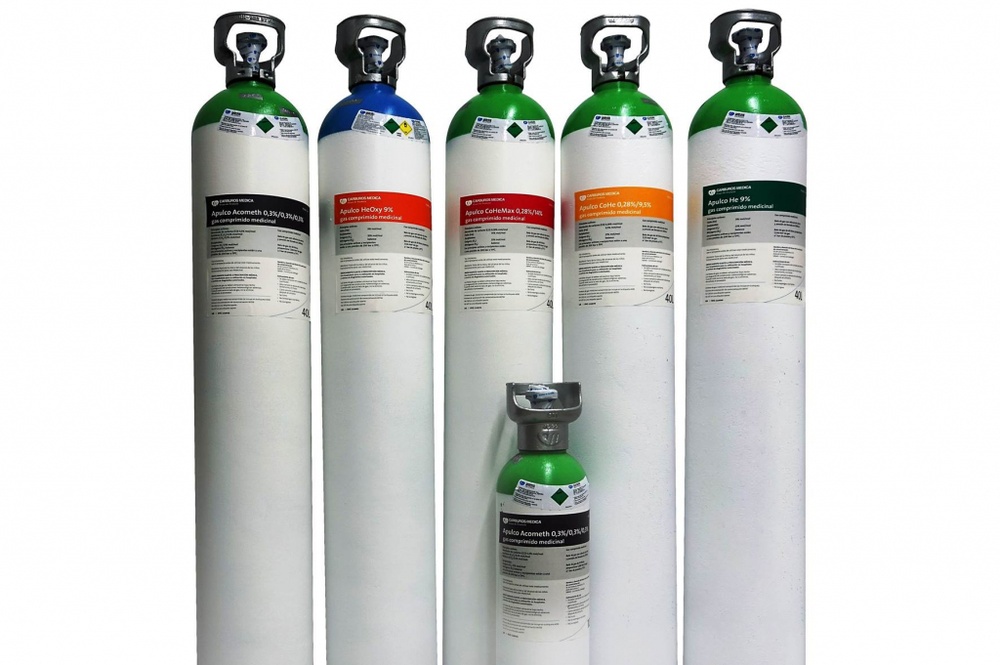
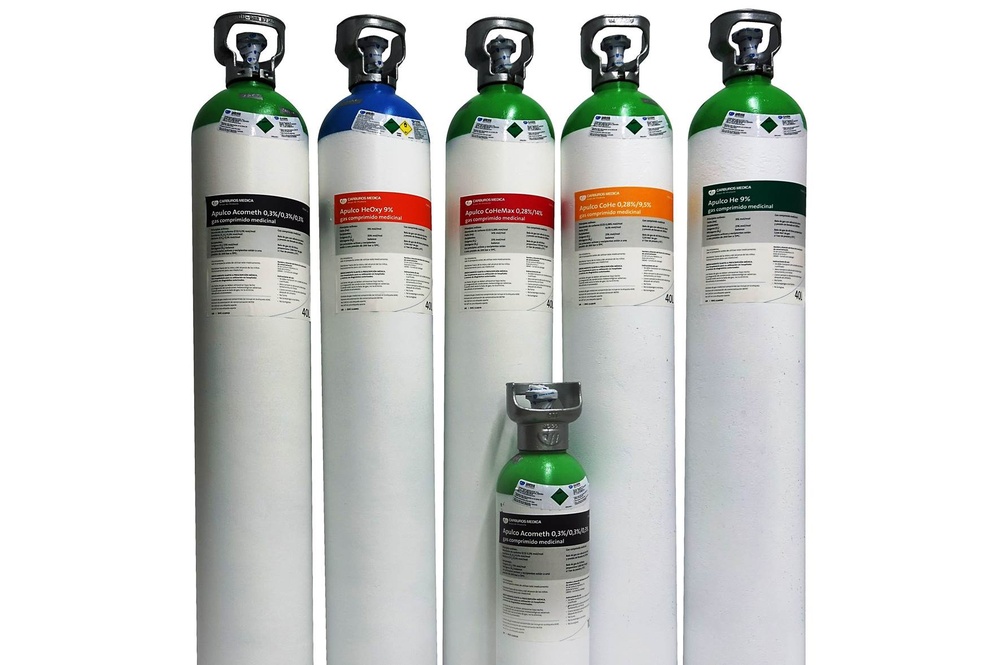
- Alternatives to Cloruro de litio 0,15 mmol/ml solucion inyectableDosage form: INJECTABLE, 25 mg edrophonium bromide/2 mlActive substance: edrophoniumManufacturer: Mana Pharma S.L.Prescription requiredDosage form: PULMONARY INHALATION, 0.3%/0.3%/0.3% mol/molActive substance: Other diagnostic agentsManufacturer: Sociedad Española De Carburos Metalicos S.A.Prescription requiredDosage form: PULMONARY INHALATION, 0.28%/9.5% mol/molActive substance: Other diagnostic agentsManufacturer: Sociedad Española De Carburos Metalicos S.A.Prescription required

Online doctors for Cloruro de litio 0,15 mmol/ml solucion inyectable
Discuss questions about Cloruro de litio 0,15 mmol/ml solucion inyectable, including use, safety considerations and prescription review, subject to medical assessment and local regulations.






.jpg)




Frequently Asked Questions
