







How to use CIFOBAN 136 mmol/L SOLUTION FOR INFUSION
Translated with AI
This page provides general information and does not replace a doctor’s consultation. Always consult a doctor before taking any medication. Seek urgent medical care if symptoms are severe.
Show originalContents of the leaflet
Introduction
Leaflet: information for the patient
Cifoban 136 mmol/l solution for infusion
sodium citrate
Read this leaflet carefully before you are given this medicine, as it contains important information for you.
- Keep this leaflet, as you may need to read it again.
- If you have any further questions, ask your doctor or nurse.
- If you experience any side effects, talk to your doctor or nurse, even if they are not listed in this leaflet. See section 4.
Contents of the leaflet
- What is Cifoban and what is it used for
- What you need to know before you are given Cifoban
- How Cifoban is given
- Possible side effects
5 Storage of Cifoban
- Contents of the pack and further information
1. What is Cifoban and what is it used for
Cifoban is a solution for infusion that contains the active substance sodium citrate.
For extracorporeal use only (outside the body).
This medicine is used as an anticoagulant (to thin the blood) during regional citrate anticoagulation in the following renal replacement and plasma exchange therapies:
- continuous venovenous haemodialysis (CVVHD)
- continuous venovenous haemodiafiltration (CVVHDF)
- sustained low-efficiency dialysis (daily) (SLED)
- therapeutic plasma exchange (TPE) (removes and replaces the patient's blood plasma).
This medicine is intended for use in adults and children of all ages (except premature babies).

2. What you need to know before you are given Cifoban
You must not be givenCifoban
- if you are allergic to sodium citrate
- if you recently stopped treatment with Cifoban because your body was not able to break down the required dose of Cifoban and, as a result, citrate accumulated in your blood.
Warnings and precautions
Talk to your doctor before you start receiving Cifoban.
Your doctor will make sure:
- you have no reduced liver function, decreased oxygen in the blood, or altered oxygen use in body tissues before starting treatment and will start treatment with an adapted dose or another anticoagulation method if necessary.
- any existing hypocalcaemia (low ionised calcium concentration in the blood) is treated before starting therapy.
- calcium, sodium, and magnesium levels, as well as acid-base balance (deviation of blood pH), are correct and closely monitored during your treatment.
- the anticoagulant effect is monitored during treatment and any unexpected coagulation of the filter is detected.
- if you have been immobilised for a longer period, any unusual changes in calcium dose are observed and calcium and other mineral status in your bone (bone mass) are closely monitored.
- citrate regional anticoagulation with Cifoban is stopped, if necessary, in case of citrate accumulation.
Children
This medicine is not recommended in premature babies because there is not enough experience in this patient group.
Other medicines and Cifoban
Tell your doctor if you are using, have recently used, or might use any other medicines.
The following interactions are possible with medicines that contain:
- Calcium administered in an incorrect position in the extracorporeal circuit (outside the body), which may reduce the anticoagulant effect of citrate.
- Sodium-enriched products, which may increase the risk of hypernatraemia (high sodium concentration in the blood).
- Hydrogen carbonate (or precursors such as acetate), which may increase the risk of metabolic alkalosis (high bicarbonate concentration in the blood).
- Haemoderivatives, which are another source of citrate, may increase the risk of hypocalcaemia (low ionised calcium concentration in the blood) and metabolic acidosis (high acid concentration in the blood) when citrate is not broken down sufficiently, or may increase the risk of metabolic alkalosis (high bicarbonate concentration in the blood) once citrate is broken down into bicarbonate.
This medicine must not be mixed with other medicines, as there is not enough data on compatibility.
Pregnancy and breastfeeding
If you are pregnant or breastfeeding, think you may be pregnant, or plan to become pregnant, talk to your doctor before using this medicine.
There is not enough clinical data on the use of Cifoban in pregnant and breastfeeding women. Therefore, this medicine should only be used during pregnancy and breastfeeding if your doctor considers the treatment necessary.
3. How Cifoban is given
Extracorporeal use only. For infusion in the extracorporeal blood circuit only (outside the body).
This medicine must be administered using a specific extracorporeal blood purification device, an adequate anticoagulation protocol, and, if possible, applied dialysis and corresponding volume replacement fluids.
Dose
Your doctor will determine the dose of Cifoban. In summary, Cifoban is administered in a specific dose through the blood flow in the extracorporeal circuit (outside the body) to induce very low local ionised calcium levels, to thin the blood (regional citrate anticoagulation). The blood flow used and the dose of this medicine will depend on your condition and treatment. You can find more information on dosing in the information for healthcare professionals below.
This medicine is administered in hospitals and is given only by trained medical professionals, and can be applied in an intensive care setting where it will be administered under close medical supervision.
Use in children
The equipment used must support treatment in children and low blood flows when neonatal application is desired. Your doctor will ensure that a low blood flow is selected in relation to your child's weight and will prescribe a reduced dose of Cifoban accordingly. This medicine will be prescribed by your doctor only if your doctor has experience in the prescribed renal replacement or plasma exchange therapy in children.
If you are given more Cifoban than you should
Since Cifoban will only be given to you by a doctor, it is unlikely that you will be given more or less than the required amount. However, if you think you have been given too much of this medicine, talk to your doctor or nurse or call the Toxicology Information Service, telephone 91 562 04 20, stating the medicine and the amount taken.
Signs of an overdose may be symptoms of low calcium levels (such as muscle cramps, and abnormal or irregular heartbeats) and symptoms of changes in acid-base balance and sodium balance (such as confusion, dizziness, headache, vomiting).
If you experience any of the above symptoms, inform your doctor or nurse immediately.
If you have any further questions on the use of this medicine, ask your doctor or nurse.

4. Possible side effects
Like all medicines, this medicine can cause side effects, although not everybody gets them.
The following side effects are more common:
- electrolyte imbalances in the blood (e.g. low calcium level in blood, low magnesium level in blood, high sodium level in blood)
- disorders of the acid-base state of the blood (blood pH too high or too low)
The following side effects are less common (the exact frequency is unknown):
- allergic reactions leading to, for example, low blood pressure, feeling unwell, back and abdominal pain, local reaction (itching, skin rash, skin redness)
- too much fluid in your body
- headache, convulsions, unconsciousness
- abnormal heartbeats, cardiac arrest
- excess fluid in the lungs
- low blood pressure
- difficulty breathing, respiratory arrest
- abnormally rapid breathing
- vomiting (being sick)
- muscle cramps
Reporting of side effects
If you experience any side effects, talk to your doctor or nurse, even if they are not listed in this leaflet. You can also report them directly through the national reporting system www.notificaram.es. By reporting side effects, you can help provide more information on the safety of this medicine.
5. Storage of Cifoban
Keep this medicine out of the sight and reach of children.
Do not use this medicine after the expiry date which is stated on the label after CAD. The expiry date is the last day of the month shown.
Do not refrigerate or freeze.
Store the bags in the outer packaging to protect them from light.
The contents of the bag should be used immediately after opening.
The solution is for single use only. Any unused solution or damaged packaging should be discarded.
6. Container Contents and Additional Information
Composition ofCifoban
- The active ingredient is sodium citrate. Each 1000 ml of solution contains 40.0 g of sodium citrate corresponding to 408 mmol of sodium and 136 mmol of citrate.
- The other components are water for injectable preparations and hydrochloric acid.
Appearance of the Product and Container Contents
Cifoban is presented in a bag with 1500 ml of ready-to-use solution.
The solution is transparent and colorless and without visible particles.
This medication is supplied in two identical solution bags that can be separated by a seam in the protective wrapper. Each bag is equipped with a connector tube and a connection piece.
Cifoban is available in the following connector systems and package sizes per carton:
SecuNect | Safe?Lock |
8 bags of 1500 ml | 8 bags of 1500 ml |
Only some package sizes may be marketed.
Marketing Authorization Holder and Manufacturer
Marketing Authorization Holder
Fresenius Medical Care Deutschland GmbH,
Else-Kröner-Straße 1,
61352 Bad Homburg v.d.H.,
Germany
Manufacturer
Fresenius Medical Care Deutschland GmbH,
Frankfurter Straße 6-8,
66606 St. Wendel,
Germany
Local Representative
Fresenius Medical Care España, S.A.,
C/ Ronda de Poniente, 8, ground floor, Parque Empresarial Euronova,
28760 Tres Cantos (Madrid),
Spain
This Medication is Authorized in the Member States of the European Economic Areaand in the United Kingdom (Northern Ireland)with the following names:
AT: Citravyl
BE, LU, PT: Civastyn
BG: ???????
BG, CY, DK, EL, ES, FI, HU, IE, IT, NL, NO, PL, RO, SK, UK(XI): Cifoban
CZ, EE, LT, SI: Cigenta
DE, FR, HR, LV, SE: Civaron
Date of the Last Revision of thisProspectus:02/2023
Detailed and updated information on this medication is available on the website of the Spanish Agency for Medicines and Health Products (AEMPS) http://www.aemps.gob.es/.
-------------------------------------------------------------------------------------------------------------------------
This information is intended only for healthcare professionals:
1000 ml of solution contain:
Sodium Citrate40.0 g
Na+408 mmolCitrate3-136 mmol
Theoretical osmolality: 544 mOsm/l
pH: 7.1 – 7.5
Dosage
The extracorporeal dosing of Cifoban should be assessed proportionally to the blood flow of the extracorporeal circuit (e.g., 4 mmol of citrate per liter of treated blood) to achieve sufficient suppression of ionized calcium, where generally a post-filtered ionized calcium concentration below 0.3-0.35 mmol/l should be achieved. The application volume in adult patients should not exceed 10.4 liters/day. The extracorporeal blood flow should be sufficient to achieve the therapy goals but should be kept low enough to avoid unnecessary perfusion of citrate and promote citrate elimination within the applied filter. In renal replacement and plasma exchange therapies, the composition and volumes of other solutions applied should be considered in the prescription of Cifoban. Further recommendations and limitations for its use in patients with altered citrate metabolism, as well as in geriatric and pediatric populations, apply. For more information, consult the Summary of Product Characteristics or the Product Information Leaflet.
Method of Administration
Extracorporeal use only. For perfusion in the extracorporeal blood circuit only.
Only for perfusion via a pump integrated within the extracorporeal blood purification device, which is designed by its manufacturer for the perfusion of a concentrated citrate solution in the pre-pump segment of the tubing system ("blood access line").
Consult the warnings and special precautions in the Summary of Product Characteristics.
Additionally:
- Cifoban should only be used according to an appropriate protocol for regional citrate anticoagulation (RCA). It should only be used by, or under the direction of, a competent physician experienced in the application of RCA and by healthcare professionals who are sufficiently trained in the indicated therapies and in the application of the products involved.
- The handling instructions for the extracorporeal blood purification device used and the tubing system provided by the manufacturer should be followed.
- Cifoban may be used for RCA in an intensive care unit or under similar conditions, where it should be used under close medical supervision and continuous monitoring.
Elimination
The solution is for single use. Any unused solution or damaged container should be discarded.
Handling
The solution bags are equipped with a SecuNector Safe?Lockconnector.
The following points should be considered before using the solution bag:
Aseptic technique should be used throughout patient administration. The solution should be used immediately after opening to avoid microbiological contamination.
Extracorporeal use only. For perfusion in the extracorporeal blood circuit only.
The solution is not intended for the addition of any medication.
For solution bags equipped with a SecuNect connector (transparent with a green ring):
- Separate the two bags by the torn seam without damaging the integrity of the wrapper.
- Remove the wrapper only immediately before using the solution. Check the solution bag (label, expiration date, transparency of the solution, bag, and wrapper without damage).
On occasion, plastic containers may be damaged during transport from the manufacturing site to the dialysis clinic or hospital clinic or within the clinic itself. This can lead to contamination and the growth of bacteria or fungi in the solution. Therefore, careful inspection of the bag and solution before use is essential. Particular attention should be paid to even the slightest damage to the bag closure, weld seams, and bag corners. The solution should only be used if it is colorless and transparent and if the bag and connector are not damaged and remain intact.
- Place the bag in the specific accessory for its hanging hole.
- Remove the protective cap from the SecuNect connectorwith its green ring and attach the connector only to its corresponding counterpart of the same color to avoid connection errors. Do not touch any internal part, especially do not touch the top part of the connector. The inner part of the connector is delivered sterile and is not intended to be treated with chemical disinfectants. Connect the bag connector with a rotary motion to the connector of the tubing line with your hand, overcoming a protective force until a "click" is heard and the connection is established.
- Before starting treatment and in case of bag changes, break the frangible pin of the bag connector and ensure that the pin is completely broken.
- Continue with the following steps indicated in the ARC protocol of the applied treatment.
For solution bags equipped with a Safe?Lock connector (transparent):
- Separate the two bags by the torn seam without damaging the integrity of the wrapper.
- Remove the wrapper only immediately before using the solution. Check the solution bag (label, expiration date, transparency of the solution, bag, and wrapper without damage).
On occasion, plastic containers may be damaged during transport from the manufacturing site to the dialysis clinic or hospital clinic or within the clinic itself. This can lead to contamination and the growth of bacteria or fungi in the solution. Therefore, careful inspection of the bag and solution before use is essential. Particular attention should be paid to even the slightest damage to the bag closure, weld seams, and bag corners. The solution should only be used if it is colorless and transparent and if the bag and connector are not damaged and remain intact.
- Place the bag in the specific accessory for its hanging hole.
- Remove the protective cap from the transparent Safe?Lock connectorand attach the connector only to its corresponding counterpart to avoid connection errors. Do not touch any internal part, especially do not touch the top part of the connector. The inner part of the connector is delivered sterile and is not intended to be treated with chemical disinfectants. Connect the bag connector with the corresponding piece and turn them.
- Before starting treatment and in case of bag changes, break the frangible pin of the bag connector and ensure that the pin is completely broken.
- Continue with the following steps indicated in the ARC protocol of the applied treatment.
- Country of registration
- Dosage formINJECTABLE PERFUSION, 136 mmol/l
- ATC codeB05ZB91
- Active substance
- Prescription requiredYes
- Manufacturer
- This information is for reference only and does not constitute medical advice. Always consult a doctor before taking any medication. Oladoctor is not responsible for medical decisions based on this content.
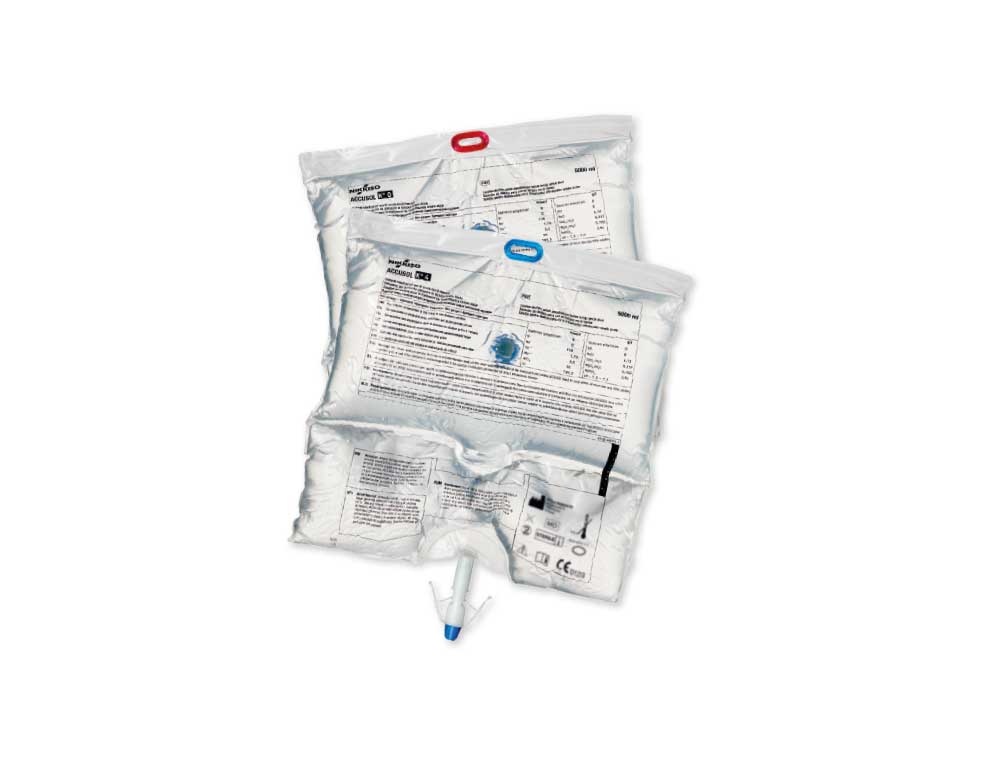
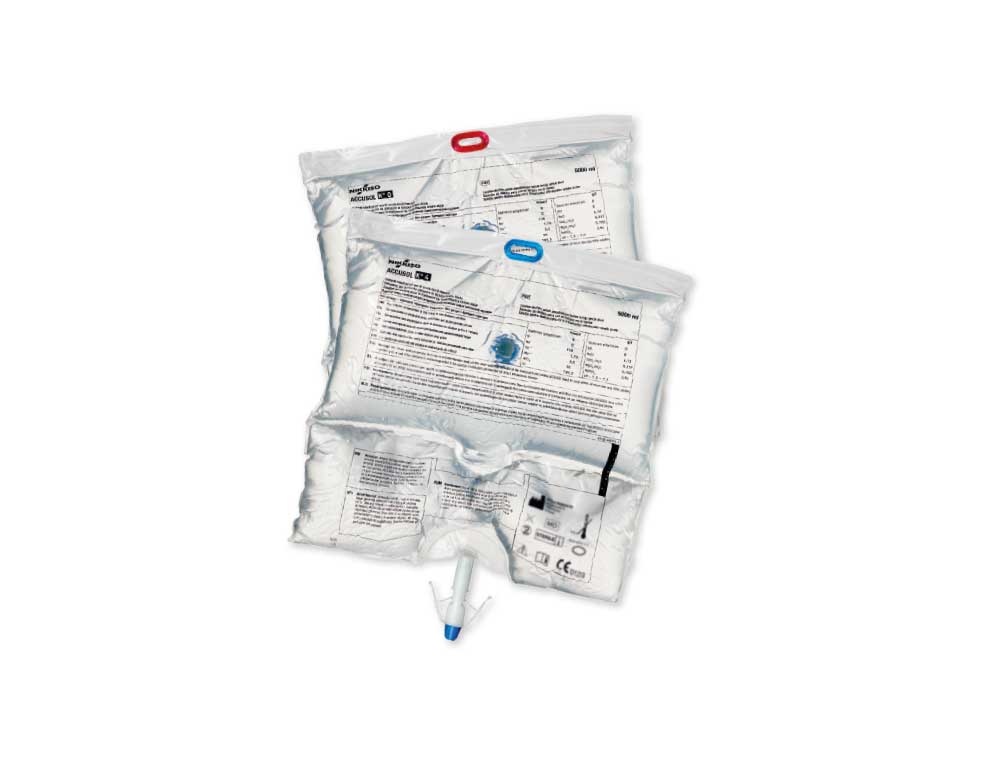
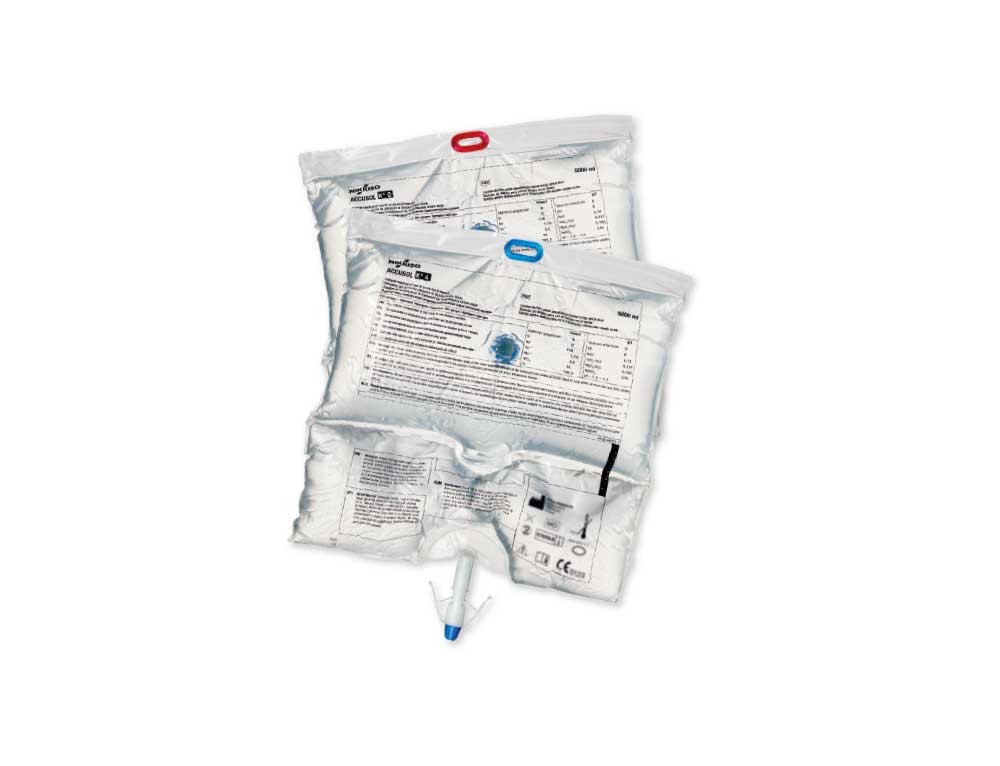
- Alternatives to CIFOBAN 136 mmol/L SOLUTION FOR INFUSIONDosage form: HEMOFILTRATION, 2 mmol potassium/lActive substance: HemofiltratesManufacturer: Nikkiso BelgiumPrescription requiredDosage form: HEMOFILTRATION, 4 mmol potassium/lActive substance: HemofiltratesManufacturer: Nikkiso BelgiumPrescription requiredDosage form: HEMOFILTRATION, -Active substance: HemofiltratesManufacturer: Nikkiso BelgiumPrescription required
Online doctors for CIFOBAN 136 mmol/L SOLUTION FOR INFUSION
Discuss questions about CIFOBAN 136 mmol/L SOLUTION FOR INFUSION, including use, safety considerations and prescription review, subject to medical assessment and local regulations.









Get CIFOBAN 136 mmol/L SOLUTION FOR INFUSION Prescription Online
Fill in a 2-min form
Tell us your symptoms, history, and what medicine you're requesting.
Pick a doctor or let us assign
Choose a specialist or we'll match you with the next available doctor.
Doctor reviews your case
Usually within 30 minutes. They may ask follow-up questions via chat.
Collect from any pharmacy
Electronic prescription sent to your email — valid across Spain.
Frequently Asked Questions
CIFOBAN 136 mmol/L SOLUTION FOR INFUSION requires a prescription in Spain. You can check with a doctor online whether this medicine may be appropriate for your situation.
The active ingredient in CIFOBAN 136 mmol/L SOLUTION FOR INFUSION is Hemofiltrates. This information helps identify medicines with the same composition but different brand names.
CIFOBAN 136 mmol/L SOLUTION FOR INFUSION is manufactured by Fresenius Medical Care Deutschland Gmbh. Pharmacy brands and packaging may differ depending on the distributor.
Doctors such as Family doctors, Psychiatrists, Dermatologists, Cardiologists, Endocrinologists, Gastroenterologists, Pulmonologists, Nephrologists, Rheumatologists, Hematologists, Infectious disease physicians, Allergists, Geriatricians, Paediatricians, Oncologists may assess whether CIFOBAN 136 mmol/L SOLUTION FOR INFUSION is appropriate, depending on your situation and local regulations. You can book an online consultation to discuss your symptoms and possible next steps.
Spain has a well-developed healthcare infrastructure across major cities such as Madrid, Barcelona, Valencia, and Seville. Pharmacies are widely available and operate under strict regulations, ensuring access to prescribed medications.
You can buy CIFOBAN 136 mmol/L SOLUTION FOR INFUSION in Madrid, Barcelona, Seville, or Valencia at any local pharmacy with a valid prescription.
To obtain a prescription, you can use Oladoctor:
Other medicines with the same active substance (Hemofiltrates) include ACCUSOL 35 POTASSIUM 2 mmol/L SOLUTION FOR HEMOFILTRATION, HEMODIALYSIS AND HEMODIAFILTRATION, ACCUSOL 35 POTASSIUM 4 mmol/L SOLUTION FOR HEMOFILTRATION, HEMODIALYSIS AND HEMODIAFILTRATION, ACCUSOL 35 SOLUTION FOR HEMOFILTRATION, HEMODIALYSIS AND HEMODIAFILTRATION. These may have different brand names or formulations but contain the same therapeutic ingredient. Always consult a doctor before switching or starting a new medicine.
