






How to use CARTISORB 1500 mg POWDER FOR ORAL SOLUTION
Translated with AI
This page provides general information and does not replace a doctor’s consultation. Always consult a doctor before taking any medication. Seek urgent medical care if symptoms are severe.
Show originalContents of the leaflet
Introduction
Package Leaflet: Information for the User
CARTISORB 1500 mg powder for oral solution
Glucosamine sulfate
Read this package leaflet carefully before starting to take this medicine, as it contains important information for you.
- Keep this package leaflet, as you may need to read it again.
- If you have any further questions, ask your doctor or pharmacist.
- This medicine has been prescribed for you. Do not pass it on to others, as it may harm them, even if their symptoms are the same as yours.
- If you experience any side effects, talk to your doctor or pharmacist. This includes any possible side effects not listed in this package leaflet. See section 4.
Contents of the package leaflet
- What is Cartisorb and what is it used for
- What you need to know before taking Cartisorb
- How to take Cartisorb
- Possible side effects
- Storage of Cartisorb
- Contents of the pack and further information
1. What is Cartisorb and what is it used for
Cartisorb belongs to a group of medicines called other anti-inflammatory and anti-rheumatic non-steroidal compounds.
Cartisorb is indicated to relieve symptoms produced by mild to moderate knee osteoarthritis.

2. What you need to know before taking Cartisorb
Do not take Cartisorb:
- if you are allergic (hypersensitive) to glucosamine or any of the other ingredients of this medicine (listed in section 6).
- if you are allergic (hypersensitive) to shellfish, as glucosamine is obtained from shellfish.
Warnings and precautions
- if you have altered glucose tolerance. More frequent monitoring of blood sugar levels may be necessary when starting treatment with glucosamine.
- if you have any risk factors for heart or artery disease, as increased cholesterol levels have been observed in some patients treated with glucosamine.
- if you have asthma. When starting treatment with glucosamine, consider that symptoms may worsen.
- if you have kidney or liver problems.
You should consult your doctor to rule out the presence of other joint diseases for which other treatments should be considered.
Children and adolescents
Do not take Cartisorb if you are under 18 years old.
Using Cartisorb with other medicines
Tell your doctor or pharmacist if you are using or have recently used or might use any other medicines, including those obtained without a prescription.
Caution is recommended if Cartisorb is administered in combination with other medicines, especially:
- Certain types of medicines used to prevent blood clotting (e.g., warfarin, dicumarol, fenprocoumon, acenocoumarol, and fluindione). The effect of these medicines may be enhanced if used with glucosamine. Therefore, patients treated with these combinations should be closely monitored at the start or end of treatment with glucosamine.
- Antibiotics such as tetracycline.
Taking Cartisorb with food and beverages
Dissolve the contents of the Cartisorb sachet in a glass of water and take it once a day, preferably with meals.
Pregnancy, breastfeeding, and fertility
Cartisorb should not be used during pregnancy.
The use of glucosamine during breastfeeding is not recommended.
Consult your doctor or pharmacist before using any medicine.
Driving and using machines
No studies have been conducted on how Cartisorb affects the ability to drive and use machines. However, if you experience dizziness or drowsiness when taking Cartisorb, do not drive or use machines (see section 4 "Possible side effects").
Cartisorb contains sodium.This medicine contains 151 mg of sodium (main component of table/cooking salt) per sachet. This is equivalent to 7.6% of the maximum recommended daily sodium intake for an adult.
Cartisorb contains sorbitol. This medicine contains 2,028.5 mg of sorbitol per sachet. Sorbitol is a source of fructose. If your doctor has told you that you have an intolerance to certain sugars, or you have been diagnosed with hereditary fructose intolerance (HFI), a rare genetic disorder in which the patient cannot break down fructose, consult your doctor before taking this medicine. Sorbitol may cause gastrointestinal upset and a mild laxative effect.
3. How to take Cartisorb
Follow exactly the administration instructions of this medicine indicated by your doctor or pharmacist. In case of doubt, consult your doctor or pharmacist again.
Your doctor will adjust the dose according to your condition.
Method of administration and dosage
The normal starting dose is one sachet (dissolved in a glass of water) once a day, preferably with meals.
For oral use.
Duration of treatment
Glucosamine is not indicated for the treatment of acute painful symptoms. Relief of symptoms (especially pain relief) may not be noticeable until after several weeks of treatment and, in some cases, even longer. If you do not experience relief of symptoms in 2-3 months, consult your doctor or pharmacist, as you may need to consider other treatments.
If you take more Cartisorb than you should
If you take more Cartisorb than you should, or if another person or child takes this medicine, tell your doctor or pharmacist.
The signs and symptoms of overdose with glucosamine include headache, dizziness, confusion, joint pain, nausea, vomiting, diarrhea, or constipation. Do not continue taking Cartisorb if you experience any of the above symptoms.
In case of overdose or accidental ingestion, consult your doctor or pharmacist immediately or call the Toxicology Information Service. Phone: (91) 562-04-20, indicating the medicine and the amount taken.
If you forget to take Cartisorb
Do not take a double dose to make up for forgotten doses.
If you stop taking Cartisorb
If you have any further questions about the use of this medicine, ask your doctor or pharmacist.

4. Possible side effects
Like all medicines, this medicine can cause side effects, although not everybody gets them.
You must stop treatment with glucosamine and go immediately to your doctor or the nearest hospital if you experience any of the following symptoms:
- Swelling of lips, face, tongue, or throat.
- Difficulty swallowing or breathing.
- Rash or hives.
These symptoms may indicate that you are suffering a severe allergic reaction to this medicine.
The most frequently observed side effects are:
Common (may affect up to 1 in 10 people)
- Headache.
- Fatigue.
- Nausea.
- Abdominal pain.
- Indigestion.
- Diarrhea.
- Constipation.
Uncommon (may affect up to 1 in 100 people)
- Rash.
- Itching.
- Redness.
- Vomiting.
Frequency not known (cannot be estimated from the available data)
- Dizziness.
- Worsening of asthma symptoms.
- Swelling in ankles, legs, and feet.
- Hives.
- Increased cholesterol levels and worsening of blood sugar (glucose) levels in patients with diabetes mellitus.
If you consider that any of the side effects you are experiencing is serious or if you notice any side effect not mentioned in this package leaflet, tell your doctor or pharmacist.
Reporting of side effects
If you experience any side effects, talk to your doctor or pharmacist. This includes any possible side effects not listed in this package leaflet. You can also report side effects directly through the national reporting system in Spain "Spanish Medicines Monitoring System: www.notificaRAM.es". By reporting side effects, you can help provide more information on the safety of this medicine.
5. Storage of Cartisorb
Store below 30°C. Keep in the original packaging to protect from moisture. Keep this medicine out of the sight and reach of children.
Do not use this medicine after the expiry date stated on the sachet and packaging after the abbreviation "EXP". The expiry date is the last day of the month indicated.
Medicines should not be disposed of via wastewater or household waste. Place the packaging and any unused medicines in the SIGRE collection point at your pharmacy. If in doubt, ask your pharmacist how to dispose of the packaging and any unused medicines. This will help protect the environment.
6. Contents of the pack and further information
Composition of Cartisorb
- The active ingredient is glucosamine. Each Cartisorb sachet contains 1,500 mg of glucosamine sulfate as glucosamine sulfate sodium chloride, equivalent to 1,178 mg of glucosamine.
- The other ingredients are: sucralose, sorbitol (E-420), sodium chloride, citric acid, macrogol 4000, and lemon flavor.
Appearance of the product and packaging contents
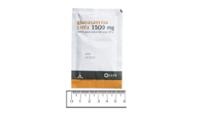
Cartisorb is presented in sachets containing powder for oral solution.
Each pack contains 30 sachets.
Marketing authorization holder and manufacturer
Marketing authorization holder:
LABORATORIO REIG JOFRE, S.A.
Gran Capitán, 10
08970 Sant Joan Despí (Barcelona) Spain.
Manufacturer:
SINCROFARM S.L.
C/Mercurio, 10. Pol. Ind. Almeda
08940 Cornellà de Llobregat (Barcelona) - Spain
Date of the last revision of this package leaflet:May 2019
Detailed information on this medicine is available on the website of the Spanish Medicines Agency: http://www.aemps.gob.es
-

- Country of registration
- Dosage formORAL SOLUTION/SUSPENSION, 1500 mg of glucosamine sulfate
- ATC codeM01AX05
- Average pharmacy price6.14 EUR
- Active substance
- Prescription requiredYes
- Manufacturer
- This information is for reference only and does not constitute medical advice. Always consult a doctor before taking any medication. Oladoctor is not responsible for medical decisions based on this content.
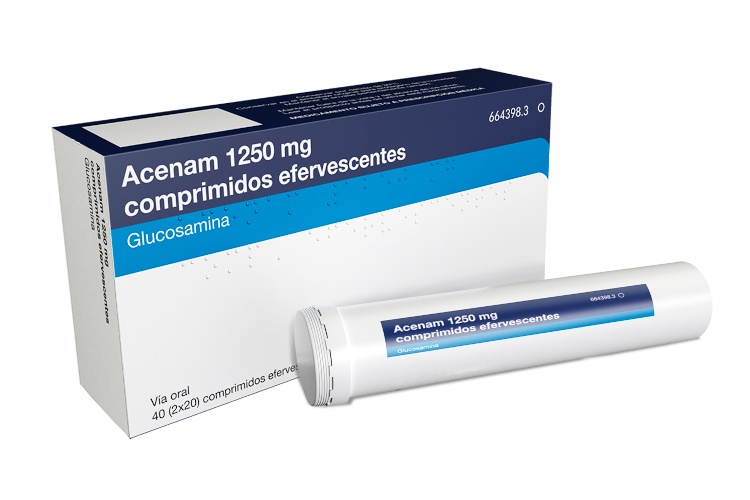
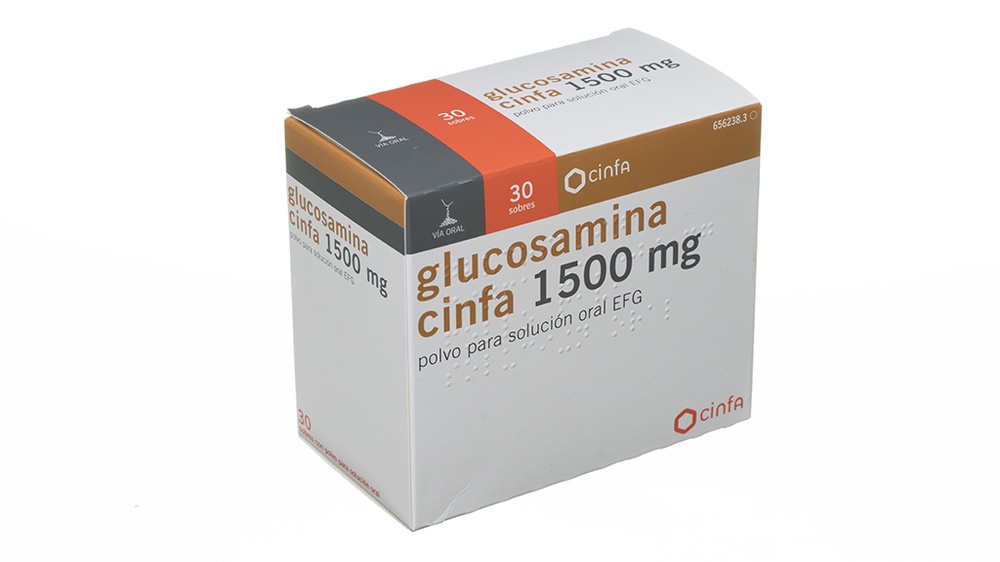
- Alternatives to CARTISORB 1500 mg POWDER FOR ORAL SOLUTIONDosage form: EFFERVESCENT TABLET, 1250 mgActive substance: glucosamineManufacturer: Especialidades Farmaceuticas Centrum S.A.Prescription requiredDosage form: CAPSULE, 625 mgActive substance: glucosamineManufacturer: Laboratorio Reig Jofre, S.A.Prescription requiredDosage form: ORAL SOLUTION/SUSPENSION, 1500 mgActive substance: glucosamineManufacturer: Laboratorios Cinfa S.A.Prescription required

Online doctors for CARTISORB 1500 mg POWDER FOR ORAL SOLUTION
Discuss questions about CARTISORB 1500 mg POWDER FOR ORAL SOLUTION, including use, safety considerations and prescription review, subject to medical assessment and local regulations.




Get CARTISORB 1500 mg POWDER FOR ORAL SOLUTION Prescription Online
Fill in a 2-min form
Tell us your symptoms, history, and what medicine you're requesting.
Pick a doctor or let us assign
Choose a specialist or we'll match you with the next available doctor.
Doctor reviews your case
Usually within 30 minutes. They may ask follow-up questions via chat.
Collect from any pharmacy
Electronic prescription sent to your email — valid across Spain.
Frequently Asked Questions
CARTISORB 1500 mg POWDER FOR ORAL SOLUTION requires a prescription in Spain. You can check with a doctor online whether this medicine may be appropriate for your situation.
The active ingredient in CARTISORB 1500 mg POWDER FOR ORAL SOLUTION is glucosamine. This information helps identify medicines with the same composition but different brand names.
The average pharmacy price for CARTISORB 1500 mg POWDER FOR ORAL SOLUTION is around 6.14 EUR. Prices may vary depending on the manufacturer and dosage form.
CARTISORB 1500 mg POWDER FOR ORAL SOLUTION is manufactured by Laboratorio Reig Jofre, S.A.. Pharmacy brands and packaging may differ depending on the distributor.
Doctors such as Family doctors, Psychiatrists, Dermatologists, Cardiologists, Endocrinologists, Gastroenterologists, Pulmonologists, Nephrologists, Rheumatologists, Hematologists, Infectious disease physicians, Allergists, Geriatricians, Paediatricians, Oncologists may assess whether CARTISORB 1500 mg POWDER FOR ORAL SOLUTION is appropriate, depending on your situation and local regulations. You can book an online consultation to discuss your symptoms and possible next steps.
Spain has a well-developed healthcare infrastructure across major cities such as Madrid, Barcelona, Valencia, and Seville. Pharmacies are widely available and operate under strict regulations, ensuring access to prescribed medications.
You can buy CARTISORB 1500 mg POWDER FOR ORAL SOLUTION in Madrid, Barcelona, Seville, or Valencia at any local pharmacy with a valid prescription.
To obtain a prescription, you can use Oladoctor:
Other medicines with the same active substance (glucosamine) include ACENAM 1250 mg EFFERVSCENT TABLETS, DUARTRON 625 mg HARD CAPSULES, GLUCOSAMINE CINFA 1500 mg POWDER FOR ORAL SOLUTION. These may have different brand names or formulations but contain the same therapeutic ingredient. Always consult a doctor before switching or starting a new medicine.
