






How to use CANEPHRON Coated Tablets
Translated with AI
This page provides general information and does not replace a doctor’s consultation. Always consult a doctor before taking any medication. Seek urgent medical care if symptoms are severe.
Show originalContents of the leaflet
Introduction
PACKAGE LEAFLET: INFORMATION FOR THE USER
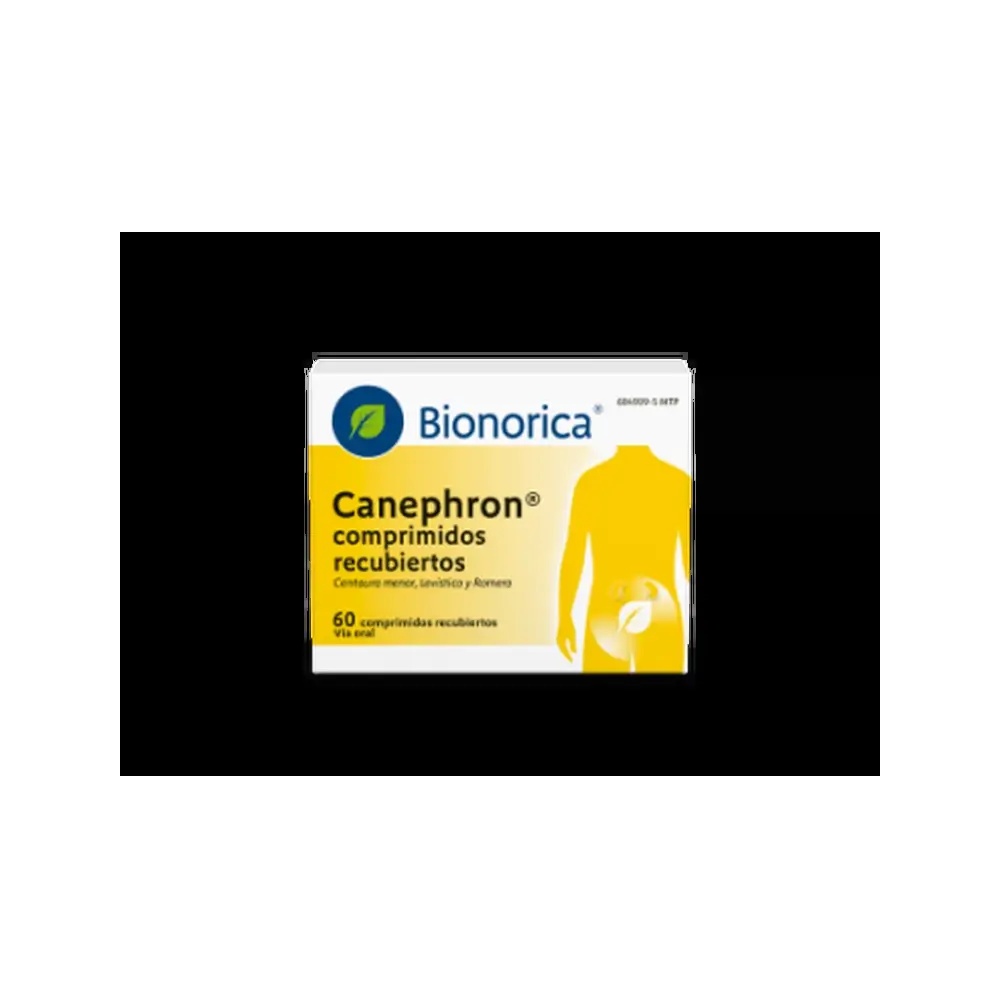
Canephron® Film-Coated Tablets
Centaura minor, Lovage and Rosemary
Read all of this leaflet carefully before you start taking this medicine because it contains important information for you.
|
Contents of the package leaflet:
- What is Canephronand what is it used for
- What you need to know before taking Canephron
- How to take Canephron
- Possible side effects
- Storage of Canephron
- Package contents and further information
1. What is Canephron and what is it used for
Traditional herbal medicinal product used as an adjunct in the relief of symptoms associated with minor lower urinary tract disorders and to increase urine elimination and facilitate the elimination of gravel, based exclusively on traditional use.
You should consult a doctor if it worsens or does not improve after 4 days.

2. Before taking Canephron
Do not take Canephron
- If you are allergic to centaury, lovage, rosemary, or any of the other components of this medicine (listed in section 6).
- If you have been advised to reduce fluid intake (such as in the case of heart or kidney disease).
- If you have active peptic ulcer.
- If you have nephritis or any other disease that reduces renal function.
- In case of edema due to reduced renal or cardiac function.
Warnings and precautions
Consult your doctor or pharmacist before starting to take Canephron
- If urinary tract discomfort worsens or symptoms such as fever, dysuria, spasms, or hematuria appear during product use, you should consult your doctor immediately.
Children and adolescents
Children and adolescents under 18 years of age should not use this medicine.
Warning for diabetic patients
One tablet of this medicine contains approximately 0.020 units of carbohydrate exchange (CEU).
Other medicines and Canephron
Tell your doctor or pharmacist if you are using, have recently used, or might use other medicines.
Taking Canephron with food and drinks
Food and drinks do not affect the effect of the medicine.
Pregnancy and breastfeeding
If you are pregnant or breastfeeding, think you may be pregnant, or plan to become pregnant, consult your doctor or pharmacist before using this medicine.
There are no adequate and well-controlled studies in pregnant or breastfeeding women with this medicine, so its administration is not recommended in these cases.
Driving and using machines
No effects on the ability to drive and use machines have been reported.
Canephron contains lactose monohydrate, glucose syrup, and sucrose
If your doctor has told you that you have an intolerance to certain sugars, consult with them before taking this medicine.
3. How to take Canephron
Follow exactly the administration instructions of the medicine contained in this leaflet or as indicated by your doctor or pharmacist. In case of doubt, ask your doctor or pharmacist.
The recommended dose is:
Adults: Take 2 film-coated tablets, three times a day.
This medicine is administered orally.
The recommended treatment period is 2 weeks; however, if symptoms do not improve after 4 days of treatment, consult your doctor if you should continue with the same treatment.
It is recommended to take the tablets whole, without chewing, with a glass of water or other liquid. (See section "Possible side effects").
Drinking more than 1 liter of water favors treatment.
Use in children and adolescents
Do not use in children and adolescents under 18 years of age.
Consult your doctor or pharmacist if you think the effects of Canephron are too strong or too weak.
If you take more Canephron than you should
No cases of overdose with Canephron have been reported.
In case of overdose or accidental ingestion, consult your pharmacist or doctor immediately or call the Toxicology Information Service, phone 91.562.04.20, indicating the product and the amount ingested.
If you forget to take Canephron
Do not take a double dose to make up for forgotten doses.

4. Possible side effects
Like all medicines, Canephron can cause side effects, although not everybody gets them.
Very rare cases of gastrointestinal discomfort such as nausea, vomiting, and diarrhea (may affect up to 1 in 10,000 people) have been reported.
In very rare cases (may affect up to 1 in 10,000 people), some allergic reactions (such as itching, rash, and urticaria) have been described.
In case you experience the first signs of an allergic reaction, do not continue taking Canephron.
If you think any of the side effects you are experiencing is serious or if you notice any side effect not mentioned in this leaflet, tell your doctor.
Reporting of side effects
If you experience any side effects, consult your doctor or pharmacist, even if they are not listed in this leaflet. You can also report them directly through the Spanish Medicines and Healthcare Products Agency (AEMPS) website: www.notificaRAM.es. By reporting side effects, you can help provide more information on the safety of this medicine.
5. Storage of Canephron
Keep out of sight and reach of children.
Do not store above 30°C.
Expiry date
Do not use this medicine after the expiry date stated on the package after EXP. The expiry date is the last day of the month indicated.
Medicines should not be disposed of via wastewater or household waste. Place the package and any unused medicine in the SIGRE collection point at your pharmacy. If you have any further questions, ask your pharmacist how to dispose of the package and any unused medicine. This will help protect the environment.
6. Package contents and further information
Composition of Canephron:
The active ingredients are: 18 mg of dried aerial parts of Centaury minor (Centaurium erythraeaRafn); 18 mg of dried rhizomes of Lovage (Levisticum officinaleKoch); 18 mg of dried leaves of Rosemary (Rosmarinus officinalisL.).
The other ingredients (excipients) are: lactose monohydrate (45 mg), glucose syrup (1.086 mg), sucrose (60.431 mg), calcium carbonate, magnesium stearate, corn starch, dextrin, glycomontanate wax, virgin castor oil, povidone (25, 30), shellac lacquer, silicon dioxide, talc, iron oxide (E 172), riboflavin (E 101), titanium dioxide (E 171).
Appearance of the product and package contents
Orange-colored tablets. Packages containing 60, 120, and 200 film-coated tablets.
Marketing authorization holder and manufacturer
BIONORICA SE
Kerschensteinerstrasse 11-15
92318 Neumarkt
Germany
Tel +49 / 9181 / 231-90
Fax +49 / 9181 / 231-265
This leaflet was approved in: October 2011
Detailed and updated information on this medicine is available on the website of the Spanish Agency for Medicines and Healthcare Products (AEMPS) http://www.aemps.es/
-

- Country of registration
- Dosage formTABLET, 18/18/18 mg/tablet
- Prescription requiredNo
- Manufacturer
- This information is for reference only and does not constitute medical advice. Always consult a doctor before taking any medication. Oladoctor is not responsible for medical decisions based on this content.
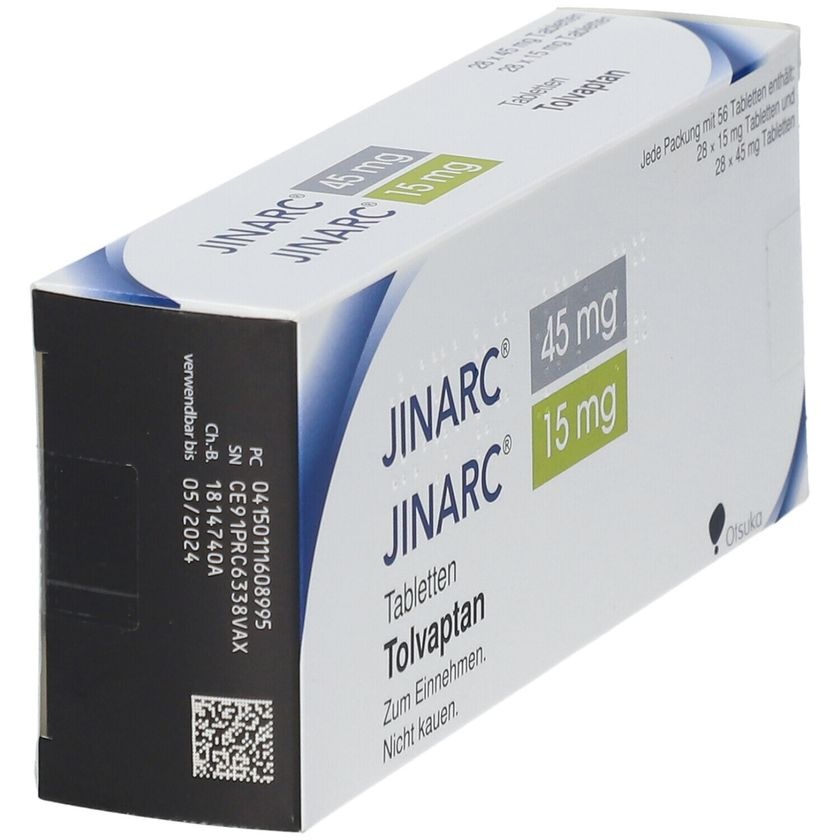
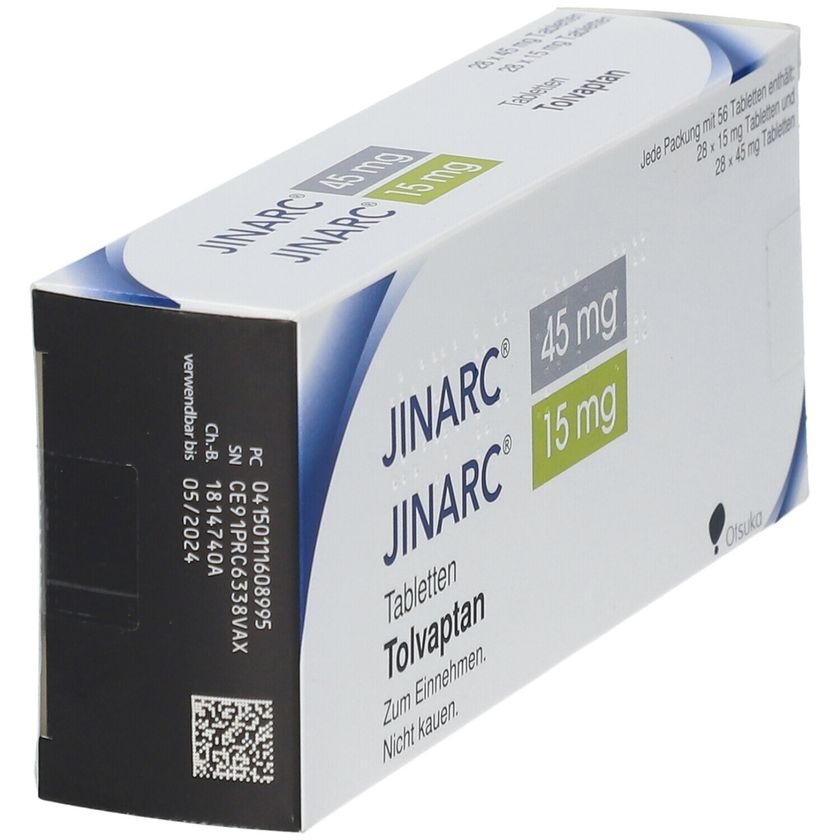
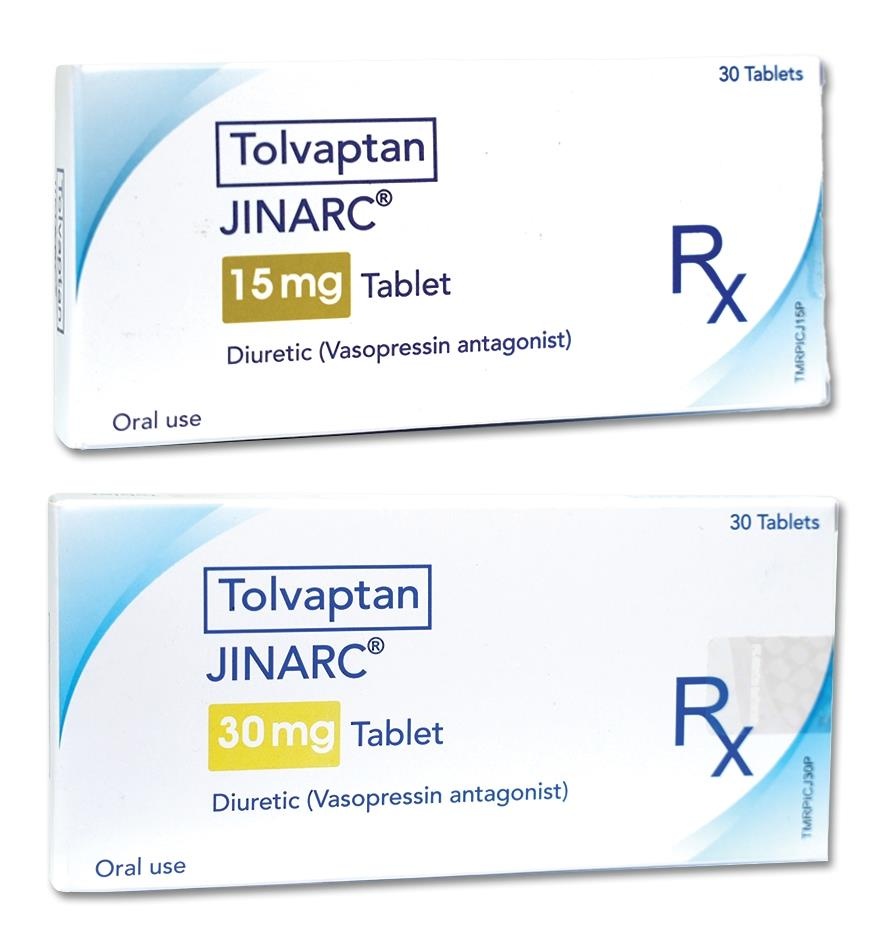
- Alternatives to CANEPHRON Coated TabletsDosage form: TABLET, 45 mg + 15 mgActive substance: tolvaptanManufacturer: Otsuka Pharmaceutical Netherlands B.V.Prescription requiredDosage form: TABLET, 45 mg + 15 mgActive substance: tolvaptanManufacturer: Otsuka Pharmaceutical Netherlands B.V.Prescription requiredDosage form: TABLET, 15 mgActive substance: tolvaptanManufacturer: Otsuka Pharmaceutical Netherlands B.V.Prescription required
Online doctors for CANEPHRON Coated Tablets
Discuss questions about CANEPHRON Coated Tablets, including use, safety considerations and prescription review, subject to medical assessment and local regulations.









Get CANEPHRON Coated Tablets Prescription Online
Fill in a 2-min form
Tell us your symptoms, history, and what medicine you're requesting.
Pick a doctor or let us assign
Choose a specialist or we'll match you with the next available doctor.
Doctor reviews your case
Usually within 30 minutes. They may ask follow-up questions via chat.
Collect from any pharmacy
Electronic prescription sent to your email — valid across Spain.
Frequently Asked Questions
CANEPHRON Coated Tablets does not require a prescription in Spain. You can check with a doctor online whether this medicine may be appropriate for your situation.
CANEPHRON Coated Tablets is manufactured by Bionorica Se. Pharmacy brands and packaging may differ depending on the distributor.
Doctors such as Family doctors, Psychiatrists, Dermatologists, Cardiologists, Endocrinologists, Gastroenterologists, Pulmonologists, Nephrologists, Rheumatologists, Hematologists, Infectious disease physicians, Allergists, Geriatricians, Paediatricians, Oncologists may assess whether CANEPHRON Coated Tablets is appropriate, depending on your situation and local regulations. You can book an online consultation to discuss your symptoms and possible next steps.
Spain has a well-developed healthcare infrastructure across major cities such as Madrid, Barcelona, Valencia, and Seville. Pharmacies are widely available and operate under strict regulations, ensuring access to prescribed medications.
You can buy CANEPHRON Coated Tablets in Madrid, Barcelona, Seville, or Valencia at any local pharmacy with a valid prescription.
To obtain a prescription, you can use Oladoctor:
Other medicines with the same active substance () include JINARC 15 mg + 45 mg TABLETS, JINARC 15 mg + 45 mg TABLETS, JINARC 15 mg TABLETS. These may have different brand names or formulations but contain the same therapeutic ingredient. Always consult a doctor before switching or starting a new medicine.
