






How to use AZITHROMYCIN TECNIGEN 500 MG POWDER FOR SOLUTION FOR INFUSION
Translated with AI
This page provides general information and does not replace a doctor’s consultation. Always consult a doctor before taking any medication. Seek urgent medical care if symptoms are severe.
Show originalContents of the leaflet
Introduction
Package Leaflet: Information for the User
Azithromycin TecniGen 500 mg powder for solution for infusion EFG
Read all of this leaflet carefully before you start taking this medicine because it contains important information for you.
- Keep this leaflet, you may need to read it again.
If you have any further questions, ask your doctor, pharmacist, or nurse.
- This medicine has been prescribed for you only. Do not pass it on to others. It may harm them, even if their signs of illness are the same as yours.
- If you get any side effects, talk to your doctor, pharmacist, or nurse. This includes any possible side effects not listed in this leaflet. See section 4.
Contents of the pack
- What is Azithromycin TecniGen and what is it used for
- What you need to know before you use Azithromycin TecniGen
- How to use Azithromycin TecniGen
- Possible side effects
- Storage of Azithromycin TecniGen
- Contents of the pack and other information
1. What is Azithromycin TecniGen and what is it used for
Azithromycin belongs to a group of antibiotics called macrolides. It is used to treat localized infections caused by bacteria in different parts of the body.
Antibiotics are used to treat bacterial infections and are not effective against viral infections such as the flu or the common cold. It is essential that you follow the instructions regarding dosage, administration interval, and treatment duration indicated by your doctor. Do not store or reuse this medication. If you have any leftover antibiotic after completing treatment, return it to the pharmacy for proper disposal. Do not throw medicines down the drain or into the trash. |
What diseases are treated with azithromycin?
Azithromycin is indicated for the treatment of severe infections or when oral treatment cannot be used. It is used for the treatment of pneumonia (lung infection) caused by susceptible organisms.

2. What you need to know before you use Azithromycin TecniGen
Do not useAzithromycin TecniGen
If you are allergic to azithromycin, erythromycin, another macrolide antibiotic, or ketolide, or any of the other components of this medication (listed in section 6).
Warnings and precautions
Consult your doctor, pharmacist, or nurse before starting to take azithromycin
- if you have an allergic reaction such as red or white spots on the skin, itching, and skin irritation, swelling of the skin, larynx (throat), or tongue, and difficulty breathing, in which case you should discontinue treatment with azithromycin.
- if you have or have had kidney problems
- if you have or have had liver problems: your doctor may need to monitor your liver function or stop treatment
- if you have or have had an abnormal heart rhythm in particular problems such as long QT syndrome (which appears on an electrocardiogram or ECG machine)
- if you feel heart palpitations or have an abnormal heart rhythm, or feel dizzy or faint when taking azithromycin, in which case you should inform your doctor immediately if you are also receiving treatment with:
- medicines used to treat heart rhythm disorders known as class IA and III antiarrhythmics (e.g., amiodarone, quinidine, sotalol, disopyramide, dofetilide, or procainamide)
- cisapride (used to treat stomach acid and gastrointestinal disorders)
- terfenadine (used to treat allergies)
- medicines for treating mental health problems (e.g., pimozide)
- medicines for treating depression (e.g., citalopram)
- antibiotics from a group called fluoroquinolones (e.g., moxifloxacin and levofloxacin)
- if you develop diarrhea or loose stools during or after treatment. In some cases, there is a possibility of developing a severe intestinal inflammation known as pseudomembranous colitis. Do not take any medication to treat diarrhea without consulting your doctor first.
Other important precautions:
- Fungal infections may occur while taking azithromycin
- In rare cases, severe allergic reactions may occur
- Medicines known as ergotamine derivatives, e.g., ergotamine or dihydroergotamine (medicines used for migraines or to reduce blood flow), should not be taken with azithromycin
- Precautions should also be taken if you suffer from neurological or psychiatric diseases
- This medication will not be used to treat infected burn wounds.
- A worsening of symptoms has been observed in patients with severe myasthenia who receive azithromycin.
Using azithromycin TecniGen with other medicines
Tell your doctor or pharmacist if you are using, have recently used, or might use any other medicines.
Medicines can interact with each other or with other substances, causing unexpected medicinal reactions or, in some cases, may cause a decrease or increase in the expected effect. Therefore, you should inform your doctor about all the medicines you are taking or have taken, in particular:
- ergotamine derivatives such as ergotamine (used for migraine treatment)
- digoxin (used for heart failure treatment)
- colchicine (used for gout and familial Mediterranean fever)
- warfarin or any other similar medicine to prevent blood clots
- cyclosporin (used to suppress the immune system to prevent and treat organ rejection or bone marrow transplantation in transplanted patients)
- cisapride (used to treat stomach problems)
- terfenadine (for hay fever or skin allergy)
- nelfinavir (used for the treatment of infections caused by the human immunodeficiency virus (HIV))
- zidovudine (for HIV virus). Azithromycin may reduce zidovudine levels in the blood, and therefore, should be taken at least one or two hours before or after zidovudine
- atorvastatin or other statins (medicines to reduce cholesterol)
- rifabutin (for HIV virus or tuberculosis)
- quinidine (used to treat heart rhythm problems) and other medicines to treat irregular heartbeats (called antiarrhythmics)
- theophylline (for respiratory problems)
Do not use azithromycin with antacids (used for indigestion).
Pregnancy, breastfeeding, and fertility
Consult your doctor or pharmacist before using any medication.
If you are pregnant or breastfeeding, think you may be pregnant, or plan to become pregnant, consult your doctor or pharmacist before using this medication.
Driving and using machines
Side effects may occur that can affect your ability to drive or use machines (see section 4). It is advised not to drive or use machines while taking azithromycin.
Azithromycin TecniGen contains sodium
This medication contains 101.5 mg of sodium (main component of table salt/cooking salt) in each vial. This is equivalent to 5.1% of the maximum recommended daily sodium intake for an adult. This should be taken into account in patients with low-sodium diets.
3. How to use Azithromycin TecniGen
Follow the administration instructions of this medication exactly as indicated by your doctor or pharmacist. In case of doubt, consult your doctor or pharmacist again.
Your doctor will determine the most suitable dose and treatment duration for you.
The following table describes the most commonly used doses in adults for the treatment of pneumonia (lung infection).
Infection | Dose |
Pneumonia | 500 mg administered as a single daily dose by intravenous route for at least two days, followed by oral administration of azithromycin. Your doctor will decide when to switch to oral treatment. |
Form and route of administration
Azithromycin is intended to be administered by intravenous infusion.
This medication must be reconstituted and diluted according to the instructions and administered as an intravenous infusion for no less than 60 minutes.
Average treatment duration
The duration of treatment will depend on the severity of the infection. Your doctor will inform you about this.
Special patient groups
Azithromycin is not recommended for use in children and adolescents in growth.
Patients with kidney or liver problems:
- You should inform your doctor if you have kidney or liver problems, as you may need to modify the normal dose.
For elderly patients, the same dose applies as for adults.
If you use more Azithromycin TecniGen than you should
In case of overdose or accidental ingestion, consult your doctor or pharmacist immediately or call the Toxicology Information Service, phone 91 562 04 20, indicating the medication and the amount ingested.
If you have any further questions on the use of this product, ask your doctor, pharmacist, or nurse.

4. Possible side effects
Like all medicines, this medicine can cause side effects, although not everybody gets them.
The following side effects have been reported:
- Very common (may affect more than 1 in 10 patients)
- Common (may affect up to 1 in 10 patients)
- Uncommon (may affect up to 1 in 100 patients)
- Rare (may affect up to 1 in 1,000 patients)
- Very rare (may affect up to 1 in 10,000 patients)
- Frequency not known (cannot be estimated from the available data)
Contact your doctor immediately if you experience any of the following side effects: you may need urgent medical treatment:
Uncommon:
- allergic reactions, signs may include: itching or rash, swelling of the face, lips, tongue, body, or breathing difficulties. The frequency of severe acute allergic reactions (anaphylactic reactions) is unknown
Rare
- especially caused by the yellowish discoloration of the skin and the whites of the eyes (cholestatic jaundice)
- skin rash characterized by the rapid appearance of red skin areas sprinkled with small blisters (small blisters filled with white/yellow liquid)
Frequency not known
- inflammation of the large intestine (colon) with diarrhea (sometimes with blood), pain, and fever
- severe liver disorders or liver failure may occur, signs may include: rapid development of fatigue associated with yellowish discoloration of the skin or the whites of the eyes (jaundice), dark urine, tendency to bleeding
- severe skin reaction called Stevens-Johnson syndrome. Signs may include: a red or purple skin rash that spreads over hours or days, blisters on the skin and mucous membranes, especially in the mouth, nose, and eyes, skin peeling
- severe skin reactions with swelling of the skin and mucous membranes and peeling of the skin in large areas of the body (erythema multiforme and toxic epidermal necrolysis)
- kidney inflammation or failure, signs may include: increased need to urinate at night, muscle twitching and cramps, loss of appetite, nausea or discomfort, unpleasant taste in the mouth
Other side effects:
Very common:
- diarrhea
Common:
- headache
- vomiting, abdominal pain, feeling of discomfort (nausea)
- changes in blood count (decrease in lymphocyte count, increase in eosinophil count, increase in basophils, increase in monocytes, increase in neutrophils), decrease in bicarbonate in blood
Uncommon:
- fungal infection (candidiasis), vaginal infection, pneumonia, bacterial infection, throat infection, stomach and intestine inflammation, respiratory problems, rhinitis, thrush (oral candidiasis)
- reduction in the number of white blood cells (neutropenia and leucopenia), increase in the number of a type of white blood cells (eosinophilia)
- loss of appetite (anorexia)
- nervousness, insomnia
- dizziness, drowsiness, alteration of taste, abnormal skin sensations, e.g., tingling and numbness in the limbs (paresthesia)
- vision changes
- hearing changes, sensation of spinning or whirling (vertigo)
- heart palpitations
- flushing of the face, neck, or upper chest
- shortness of breath, nosebleeds
- constipation, flatulence, indigestion (dyspepsia), stomach lining inflammation (gastritis), difficulty swallowing, bloating (abdominal distension), dry mouth, belching, mouth ulcers, increased saliva production
- liver inflammation (hepatitis)
- itching, skin rash, hives, skin inflammation, dry skin, excessive sweating
- joint disease (osteoarthritis), muscle pain, back pain, neck pain
- pain when urinating, kidney pain
- uterine bleeding at irregular intervals, alteration in the testicles
- fluid accumulation in tissue (edema), swelling of the face (facial edema) or hands, feet, and legs (peripheral edema), feeling of weakness and tiredness (asthenia), general discomfort, excessive sleepiness, chest pain, fever, pain
- changes in liver enzymes (increase in aspartate aminotransferase, increase in alanine aminotransferases), changes in blood tests (increase in bilirubin in blood, increase in urea in blood, increase in creatinine in blood, potassium anomalies in blood, increase in alkaline phosphatase in blood, increase in chloride, increase in glucose, increase in platelets, decrease in hematocrit, increase in bicarbonate, sodium anomalies)
- complications after intervention
Rare:
- agitation
- liver function changes
- increased sensitivity to sunlight
Frequency not known:
- changes in blood count, such as a reduction in the number of platelets (thrombocytopenia), which are essential for blood clotting, and the abnormal breakdown of red blood cells (hemolytic anemia), characterized by paleness, difficulty breathing, headache, dizziness
- aggressive reactions, anxiety, delirium, hallucinations
- loss of consciousness (syncope), convulsions (seizures), decreased sensitivity (hypoesthesia)
- hyperactivity, loss of sense of smell or taste, alteration of sense of smell, muscle fatigue (myasthenia gravis)
- hearing problems, including deafness and/or ringing in the ears (tinnitus)
- heart rhythm changes, including increased heart rate (ventricular tachycardia); possible risk of changes in the electrocardiogram (prolongation of the QT interval and torsades de pointes), particularly in patients prone to these changes (see "Warnings and precautions")
- decrease in blood pressure
- tongue discoloration, pancreas inflammation (pancreatitis)
- joint pain
Local reactions at the injection site (inflammation/pain) have been reported with intravenous administration of azithromycin.
If you experience any side effects, talk to your doctor, pharmacist, or nurse, even if it is possible side effects not listed in this leaflet.
Reporting of side effects
If you experience any side effects, talk to your doctor or pharmacist, even if it is possible side effects not listed in this leaflet. You can also report them directly through the Spanish Pharmacovigilance System for Human Use Medicines: https://www.notificaram.es. By reporting side effects, you can help provide more information on the safety of this medicine.
5. Storage of Azithromycin TecniGen
Keep this medicine out of the sight and reach of children.
Do not use this medicine after the expiry date which is stated on the carton after EXP. The expiry date refers to the last day of the month shown.
Store the vial in the outer packaging to protect it from light.
Concentrate solution after reconstitution (according to the instructions): azithromycin powder for solution for infusion is chemically and physically stable for 24 hours when stored below 25°C.
The diluted solutions, prepared according to the instructions, are chemically and physically stable for 24 hours at 25°C or less, or for 7 days if stored in refrigeration (5°C).
From a microbiological point of view, the product should be used immediately. If not used immediately, the in-use storage times and conditions are the responsibility of the user and normally should not exceed 24 hours at 2°C to 8°C, unless the reconstitution/dilution has taken place in controlled and validated aseptic conditions.
Do not use this medicine if you notice that the visual appearance has changed (e.g., the solution is not free from visible particles).
Any unused medicinal product or waste material should be disposed of in accordance with local requirements.
Medicines should not be disposed of via wastewater or household waste. Ask your pharmacist how to dispose of medicines no longer required. This will help protect the environment.
6. Container Contents and Additional Information
Composition of Azitromicina TecniGen
- The active ingredient is azithromycin (as dihydrate). Each vial contains 500 mg of azithromycin (equivalent to 524.0 mg of azithromycin dihydrate).
- The other components are: citric acid monohydrate and sodium hydroxide.
Appearance of the Product and Container Contents
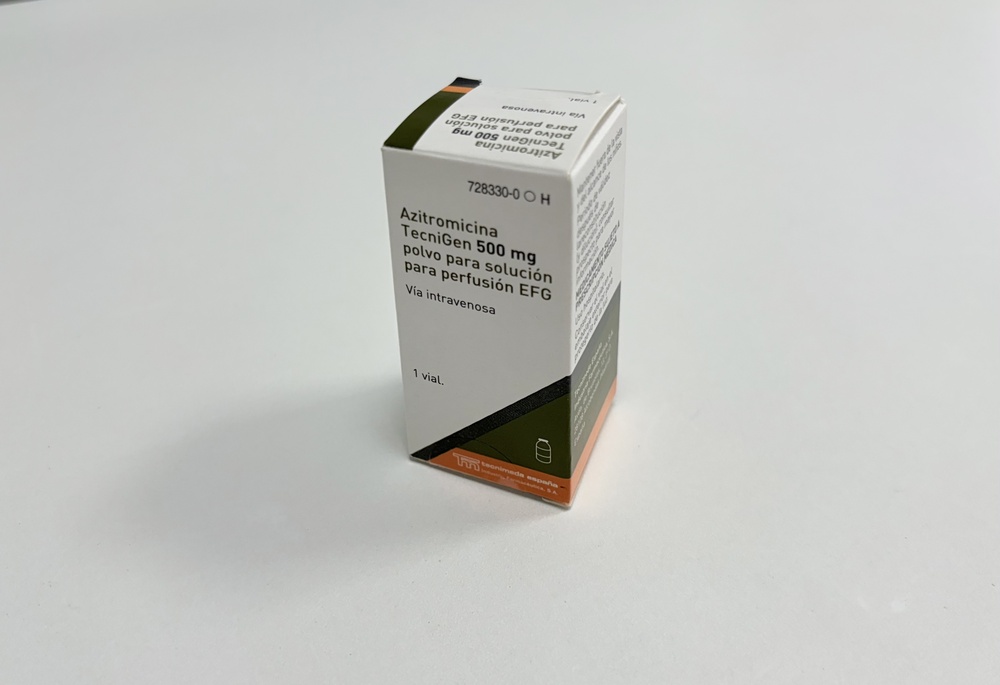
Azitromicina TecniGen is a white powder, with small aggregates, for solution for infusion. It is presented in a 15 ml capacity transparent glass vial, single dose, with a rubber stopper and closed with an aluminum cap with a flip-off device.
The appearance of the product after reconstitution is a clear and transparent solution, and it does not leave any residue of undissolved matter.
Azitromicina TecniGen is available in the following package sizes:
Package with 1 vial
Marketing Authorization Holder and Manufacturer
Marketing Authorization Holder:
Tecnimede España Industria Farmacéutica, S.A.
Avda. Bruselas, 13
28108 Alcobendas (Madrid)
Spain
Manufacturer:
Sofarimex – Indústria Química e Farmacêutica, S.A.
Av. das Indústrias, Alto do Colaride, Cacém
2735-213 Portugal
Local Representative:
Pharmavic Ibérica, S.L.
- Compositor Lehmberg Ruiz, 6. Office 7
29007 Málaga. Spain.
Date of the Last Revision of this Prospectus:March 2022
Detailed information about this medicinal product is available on the website of the Spanish Agency for Medicines and Health Products (AEMPS) http://www.aemps.gob.es/
This information is intended only for healthcare professionals:
Azitromicina TecniGen must be reconstituted and diluted according to the instructions and must be administered as an intravenous infusion over at least 60 minutes.
Do not administer it as an intravenous bolus or as an intramuscular injection.
Azitromicina powder for solution for infusion is presented in single-use vials.
Phase 1: Preparation of the Reconstituted Solution
This medicinal product must be prepared under aseptic conditions.
The initial reconstituted solution is prepared by adding 4.4 ml of sterile water for injectable preparations to the initial contents of the 15 ml vial with a standard 5 ml syringe (not automated) and shaking the vial until all the medicinal product is dissolved. Each ml of reconstituted solution contains azithromycin dihydrate equivalent to 100 mg of azithromycin (100 mg/ml).
The reconstituted solution must be diluted before administration.
Phase 2: Dilution of the Reconstituted Solution
To achieve azithromycin at a concentration of 1.0 mg/ml:
Transfer 5 ml of the azithromycin solution prepared in Phase 1 (100 mg/ml) to 500 ml of the appropriate diluents described below.
To achieve azithromycin at a concentration of 2.0 mg/ml:
Transfer 5 ml of the azithromycin solution prepared in Phase 1 (100 mg/ml) to 250 ml of the appropriate diluents described below.
The reconstituted solution can be diluted with:
Sodium chloride 0.9%
Sodium chloride 0.45%
Dextrose 5% in water
Ringer's lactate solution
Dextrose 5% in sodium chloride 0.3%
Dextrose 5% in sodium chloride 0.45%
The concentrated solution after reconstitution (according to the instructions): azithromycin powder for solution for infusion is chemically and physically stable for 24 hours when stored below 25°C.
The diluted solutions, prepared according to the instructions, are chemically and physically stable for 24 hours at 25°C or less, or for 7 days if stored in refrigeration (5°C).
From a microbiological point of view, the product must be used immediately. If not used immediately, the storage times and conditions before use are the responsibility of the user and will normally not exceed 24 hours at 2°C to 8°C, unless the reconstitution/dilution has taken place in controlled and validated aseptic conditions.
Parenteral medicinal products must be inspected visually for particles in suspension before administration. If particles in suspension are evident in the reconstituted solution, they must be discarded.
Any unused medicinal product must be discarded.
Other intravenous substances, additives, or other medicinal products must not be added to Azitromicina TecniGen or infused simultaneously through the same intravenous line.
-

- Country of registration
- Dosage formINJECTABLE INFUSION, 500 mg
- ATC codeJ01FA10
- Active substance
- Prescription requiredYes
- Manufacturer
- This information is for reference only and does not constitute medical advice. Always consult a doctor before taking any medication. Oladoctor is not responsible for medical decisions based on this content.
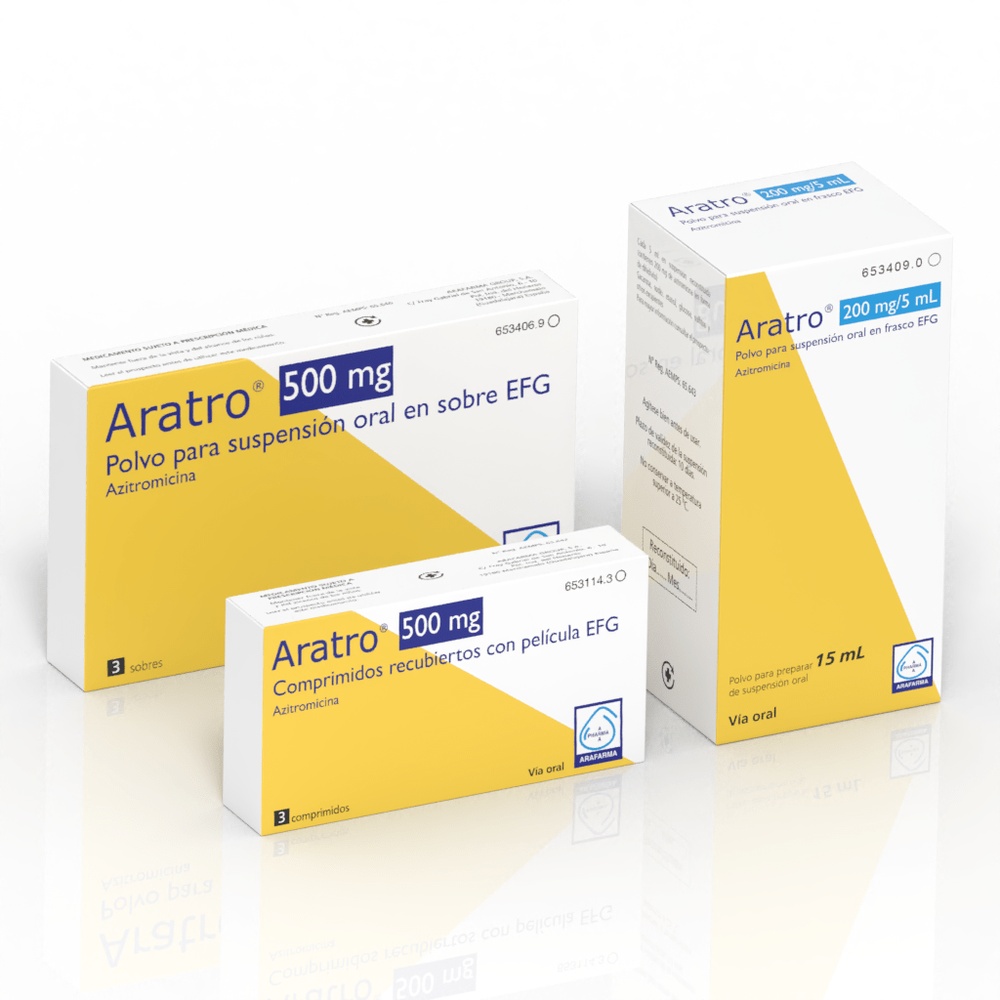
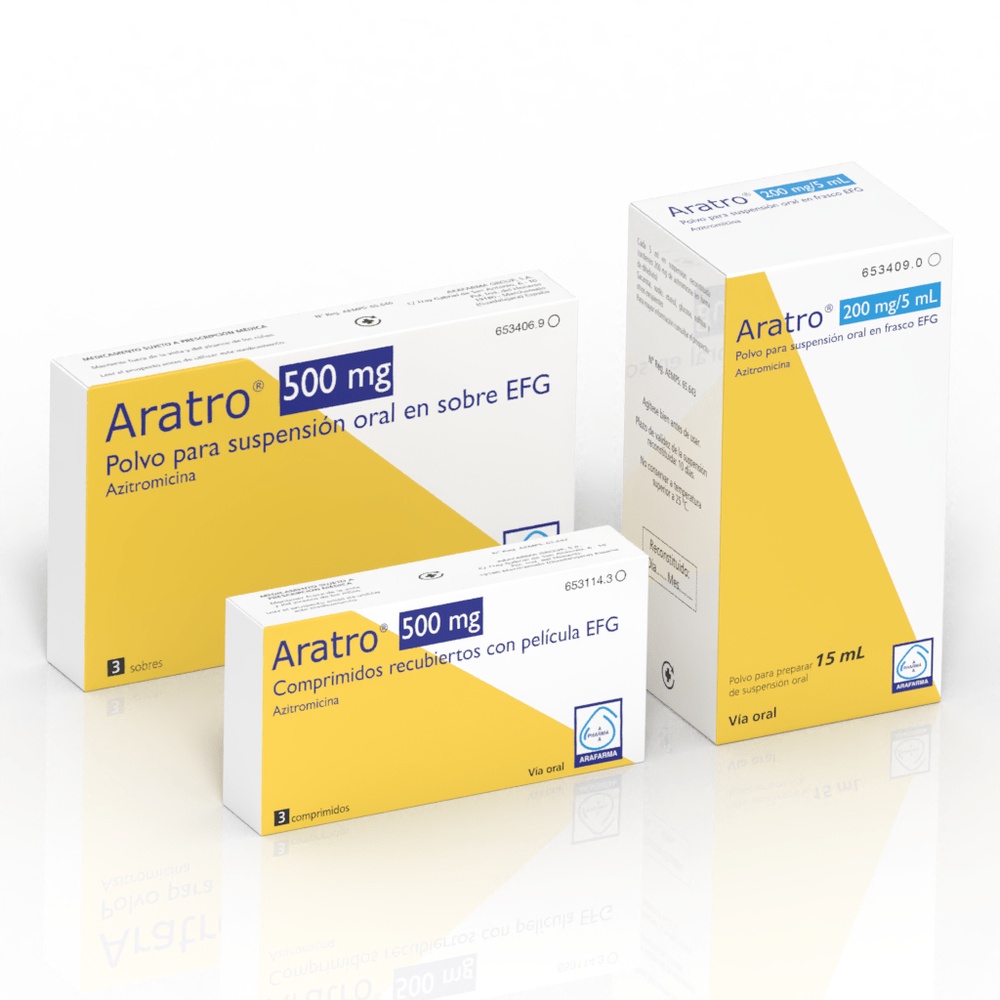
- Alternatives to AZITHROMYCIN TECNIGEN 500 MG POWDER FOR SOLUTION FOR INFUSIONDosage form: ORAL SOLUTION/SUSPENSION, 200 mg azithromycin / 5 mlActive substance: azithromycinManufacturer: Arafarma Group S.A.Prescription requiredDosage form: TABLET, 500 mgActive substance: azithromycinManufacturer: Arafarma Group S.A.Prescription requiredDosage form: ORAL SOLUTION/SUSPENSION, 500 mgActive substance: azithromycinManufacturer: Arafarma Group S.A.Prescription required
Online doctors for AZITHROMYCIN TECNIGEN 500 MG POWDER FOR SOLUTION FOR INFUSION
Discuss questions about AZITHROMYCIN TECNIGEN 500 MG POWDER FOR SOLUTION FOR INFUSION, including use, safety considerations and prescription review, subject to medical assessment and local regulations.









Get AZITHROMYCIN TECNIGEN 500 MG POWDER FOR SOLUTION FOR INFUSION Prescription Online
Fill in a 2-min form
Tell us your symptoms, history, and what medicine you're requesting.
Pick a doctor or let us assign
Choose a specialist or we'll match you with the next available doctor.
Doctor reviews your case
Usually within 30 minutes. They may ask follow-up questions via chat.
Collect from any pharmacy
Electronic prescription sent to your email — valid across Spain.
Frequently Asked Questions
AZITHROMYCIN TECNIGEN 500 MG POWDER FOR SOLUTION FOR INFUSION requires a prescription in Spain. You can check with a doctor online whether this medicine may be appropriate for your situation.
The active ingredient in AZITHROMYCIN TECNIGEN 500 MG POWDER FOR SOLUTION FOR INFUSION is azithromycin. This information helps identify medicines with the same composition but different brand names.
AZITHROMYCIN TECNIGEN 500 MG POWDER FOR SOLUTION FOR INFUSION is manufactured by Tecnimede España Industria Farmaceutica S.A.. Pharmacy brands and packaging may differ depending on the distributor.
Doctors such as Family doctors, Psychiatrists, Dermatologists, Cardiologists, Endocrinologists, Gastroenterologists, Pulmonologists, Nephrologists, Rheumatologists, Hematologists, Infectious disease physicians, Allergists, Geriatricians, Paediatricians, Oncologists may assess whether AZITHROMYCIN TECNIGEN 500 MG POWDER FOR SOLUTION FOR INFUSION is appropriate, depending on your situation and local regulations. You can book an online consultation to discuss your symptoms and possible next steps.
Spain has a well-developed healthcare infrastructure across major cities such as Madrid, Barcelona, Valencia, and Seville. Pharmacies are widely available and operate under strict regulations, ensuring access to prescribed medications.
You can buy AZITHROMYCIN TECNIGEN 500 MG POWDER FOR SOLUTION FOR INFUSION in Madrid, Barcelona, Seville, or Valencia at any local pharmacy with a valid prescription.
To obtain a prescription, you can use Oladoctor:
Other medicines with the same active substance (azithromycin) include ARATRO 200 mg/5 ml POWDER FOR ORAL SUSPENSION IN A BOTTLE, ARATRO 500 mg FILM-COATED TABLETS, ARATRO 500 mg ORAL SUSPENSION POWDER IN SACHET. These may have different brand names or formulations but contain the same therapeutic ingredient. Always consult a doctor before switching or starting a new medicine.
