






How to use ASPIRIN 500 mg GRANULES
Translated with AI
This page provides general information and does not replace a doctor’s consultation. Always consult a doctor before taking any medication. Seek urgent medical care if symptoms are severe.
Show originalContents of the leaflet
Introduction
Package Leaflet: Information for the User
Aspirin 500 mg Granules
Acetylsalicylic Acid
Read all of this leaflet carefully before you start taking this medicine because it contains important information for you. Follow exactly the administration instructions of the medicine contained in this leaflet or as indicated by your doctor or pharmacist.
|
Contents of the Package Leaflet
- What is Aspirin and what is it used for
- What you need to know before taking Aspirin
- How to take Aspirin
- Possible side effects
- Storage of Aspirin
- Contents of the pack and further information
1. What is Aspirin and what is it used for
The active ingredient of this medicine, acetylsalicylic acid, belongs to a group of medicines known as non-steroidal anti-inflammatory drugs (NSAIDs). It relieves pain and reduces fever.
This medicine is used for the symptomatic relief of occasional mild or moderate pain, such as headache, dental, menstrual, muscular (cramps) or back (lumbago) pain and febrile conditions in adults and adolescents over 16 years of age.
You should consult a doctor if your symptoms worsen or do not improve after 5 days for pain or 3 days for fever.

2. What you need to know before taking Aspirin
Do not take Aspirin if
- you are allergic or have had an allergic reaction to acetylsalicylic acid or any other component of this medicine (listed in section 6),
- you have stomach or intestinal ulcers, or recurring gastric discomfort,
- you have had allergic reactions of an asthmatic type (difficulty breathing, shortness of breath, bronchospasm, and in some cases cough or wheezing),
- you have asthma,
- you have nasal polyps associated with asthma that are produced or increased by acetylsalicylic acid,
- you have hemophilia or other blood coagulation problems,
- you are being treated with oral anticoagulant medications,
- you have kidney and/or liver disease (renal and/or hepatic insufficiency),
- you are under 16 years of age, as the use of acetylsalicylic acid has been linked to Reye's Syndrome, a rare but serious disease,
- you are in your third trimester of pregnancy.
Be careful with Aspirin
You should consult your doctor if you need this medicine:
- if you have high blood pressure, or have reduced kidney, heart, or liver function, or have blood coagulation disorders,
- if you have had stomach or intestinal ulcers,
- if you are being treated with anticoagulants, you should consult your doctor before taking this medicine,
- if you are taking anti-inflammatory medications or other types of medications, as certain medications can interact with Aspirin 500 mg granules and produce undesirable effects (see "Use of other medications"),
- if you are allergic to other anti-inflammatory or antirheumatic medications,
- if you have a glucose-6-phosphate dehydrogenase deficiency,
- if you have had rhinitis or urticaria,
- if you have recently undergone or are to undergo surgery in the next 7 days, including dental surgery,
- if you are in your first or second trimester of pregnancy,
- do not systematically administer to prevent possible discomfort caused by vaccinations.
Other medications and Aspirin
Tell your doctor or pharmacist if you are using or have recently used other medications, including those obtained without a prescription, homeopathic, herbal, and other health-related products, as it may be necessary to interrupt treatment or adjust the dose of one of them.
This is especially important in the case of:
- other analgesics or non-steroidal anti-inflammatory medications (medicines used to treat pain and/or muscle inflammation),
- certain antidepressants, such as selective serotonin reuptake inhibitors, as they increase the risk of bleeding,
- anticoagulants (medicines used to "thin" the blood and prevent the formation of clots), such as warfarin,
- oral antidiabetics (medicines to lower blood sugar levels),
- barbiturates (medicines used to treat convulsions),
- beta-blockers (medicines for blood pressure control),
- cimetidine and ranitidine (used for stomach acidity),
- medicines used to prevent transplant rejection (cyclosporine and tacrolimus),
- corticosteroids, as they can increase the risk of gastrointestinal bleeding,
- digoxin (heart medication),
- high blood pressure (diuretics and ACE inhibitors),
- phenytoin and valproic acid (antiepileptics),
- interferon alpha (used to treat certain viral and tumor infections),
- lithium (used in certain psychiatric illnesses),
- cancer or rheumatoid arthritis (methotrexate),
- medicines used to treat gout (probenecid),
- vancomycin (antibiotic used for infections),
- zidovudine (used in the treatment of patients infected with the human immunodeficiency virus, the cause of AIDS).
Interference with diagnostic tests
If you are going to have any diagnostic tests (including blood or urine tests), tell your doctor that you are taking this medicine, as it may alter the results.
Taking Aspirin with food, drinks, and alcohol
Take this medicine after meals or with some food.
If you regularly consume alcohol (three or more alcoholic beverages - beer, wine, liquor, ... - per day), taking Aspirin may cause stomach bleeding.
Pregnancy
Consult your doctor or pharmacist before using any medication.
If you are pregnant or think you may be pregnant, consult your doctor before taking this medicine.
Pregnancy - last trimester
Do not take Aspirin if you are in the last 3 months of pregnancy, as it may harm the fetus or cause problems during delivery. This medicine can cause kidney and heart problems in the fetus. It may affect your tendency to bleed and that of your baby, causing a possible delay in delivery or prolonging it more than expected.
Pregnancy - first and second trimester
Do not take Aspirin during the first 6 months of pregnancy unless it is absolutely necessary and your doctor advises you to do so. If you need treatment during this period or while trying to become pregnant, the dose will be limited to the lowest possible during the shortest time possible.
If you take Aspirin for several days from the 20th week of pregnancy, it may cause kidney problems in the fetus that could lead to low levels of amniotic fluid (oligohydramnios) or narrowing of a blood vessel (ductus arteriosus) in the baby's heart. If you need treatment for several days, your doctor may recommend additional monitoring.
Breastfeeding
Consult your doctor or pharmacist before using any medication.
Women who are breastfeeding should consult their doctor before using this medicine, as acetylsalicylic acid passes into breast milk.
Use in children
Do not administer to children under 16 years of age.
Use in adults over 65 years of age
Older adults should not take this medicine without consulting their doctor, as they are more likely to experience side effects.
Driving and using machines
No effects on the ability to drive or use machines have been described.
Aspirin contains phenylalanine and sodium
This medicine contains 5 mg of aspartame in each sachet. Aspartame is a source of phenylalanine that may be harmful in case of phenylketonuria (PKU), a rare genetic disease in which phenylalanine accumulates because the body is unable to eliminate it properly.
This medicine contains less than 1 mmol of sodium (23 mg) per sachet; it is essentially "sodium-free".
3. How to take Aspirin
Follow exactly the administration instructions of the medicine contained in this leaflet or as indicated by your doctor or pharmacist. In case of doubt, ask your doctor or pharmacist.
This medicine is administered orally.
Adults and adolescents over 16 years of age: 1 sachet (500 mg of acetylsalicylic acid) every 4 or 6 hours, if necessary. Do not exceed 8 sachets (4 g of acetylsalicylic acid) in 24 hours.
Patient with reduced liver or kidney function: consult your doctor, as the dose should be reduced.
The granules should be placed directly on the tongue. They disperse in saliva before swallowing, so it is not necessary to take them with water.
Take the medicine with meals or with some food, especially if you experience digestive discomfort.
Do not take this medicine on an empty stomach.
Always use the lowest effective dose.
The administration of this preparation is subject to the appearance of painful or febrile symptoms. As they disappear, this medication should be discontinued.
If the pain persists for more than 5 days, or the fever for more than 3 days, or the symptoms worsen or other symptoms appear, you should interrupt treatment and consult your doctor.
If you take more Aspirin than you should
The main symptoms of overdose are: headache, dizziness, ringing in the ears, blurred vision, drowsiness, sweating, rapid breathing, mental confusion, nausea, vomiting, and occasionally diarrhea.
It is recommended to take the package and the package leaflet of the medicine to the healthcare professional.
In case of overdose or accidental ingestion, consult your doctor or pharmacist immediately or go to a medical center immediately or call the Toxicology Information Service, phone: 91 562 04 20, indicating the medicine and the amount ingested.

4. Possible side effects
Like all medicines, this medicine can cause side effects, although not everyone gets them.
Frequent side effects (may affect up to 1 in 10 people):
- Gastrointestinal disorders, such as stomach ulcers, intestinal ulcers, gastrointestinal bleeding, abdominal pain, indigestion, heartburn, acidity, gastric discomfort, nausea, and vomiting.
- Respiratory disorders, such as difficulty breathing (asthma, bronchospasm), nasal congestion, and rhinitis.
- Urticaria, skin rashes, angioedema (inflammation and swelling that affects the face, lips, mouth, tongue, or throat, which can cause difficulty swallowing or breathing) and itching.
- Hypoprothrombinemia (coagulation disorder) when administered in high doses.
Uncommon side effects (may affect up to 1 in 100 people):
- Reye's Syndrome in children under 16 years of age with febrile conditions, flu, or chickenpox (see "Before taking Aspirin").
- Liver disorders, especially in patients with juvenile arthritis.
- Anemia.
With prolonged doses of acetylsalicylic acid, the following side effects have been observed, whose frequency cannot be established with precision: dizziness, ringing in the ears, deafness, sweating, headache, confusion, renal insufficiency, and acute interstitial nephritis.
If you notice the appearance of:
- stomach discomfort or pain, gastrointestinal bleeding or black stools,
- skin disorders, such as rashes or redness,
- difficulty breathing,
- unexpected changes in the amount or appearance of urine,
- swelling of the face, feet, or legs,
- deafness, ringing in the ears, or dizziness,
stop taking the medicine and consult your doctor immediately, as they may indicate the appearance of side effects that require urgent medical attention.
Reporting of side effects
If you experience any side effects, consult your doctor or pharmacist, even if they are not listed in this leaflet. You can also report them directly through the Spanish Medicines and Health Products Agency (AEMPS) https://notificaram.es. By reporting side effects, you can contribute to providing more information on the safety of this medicine.
5. Storage of Aspirin
Do not store above 25°C.
Keep this medicine out of the sight and reach of children.
Do not use this medicine after the expiration date stated on the packaging, after the abbreviation CAD. The expiration date is the last day of the month indicated.
Medicines should not be disposed of via wastewater or household waste. Place the packaging and medicines you no longer need in the pharmacy's SIGRE point. If in doubt, ask your pharmacist how to dispose of the packaging and medicines you no longer need. This will help protect the environment.
6. Contents of the pack and further information
Composition of Aspirin
Each sachet contains as active ingredient: acetylsalicylic acid, 500 mg. The other ingredients (excipients) are: mannitol (E-421), aspartame (E-951), sodium hydrogen carbonate, sodium dihydrogen citrate, ascorbic acid (E-300), citric acid, orange flavor, and cola flavor.
Appearance of Aspirin and contents of the pack
White to slightly yellowish granules.
It is presented in packs containing 2, 10, or 20 sachets. Not all pack sizes may be marketed.
Marketing authorization holder
Bayer Hispania, S.L.
Av. Baix Llobregat, 3-5
08970 Sant Joan Despí (Barcelona)
Spain
Manufacturer
Bayer Bitterfeld GmbH
OT Greppin
Salegaster Chausee, 1
06803 Bitterfeld-Wolfen
Germany
Date of last revision of this leaflet:October 2023
Detailed and updated information on this medicine is available on the website of the Spanish Agency for Medicines and Health Products (AEMPS) http://www.aemps.gob.es
-

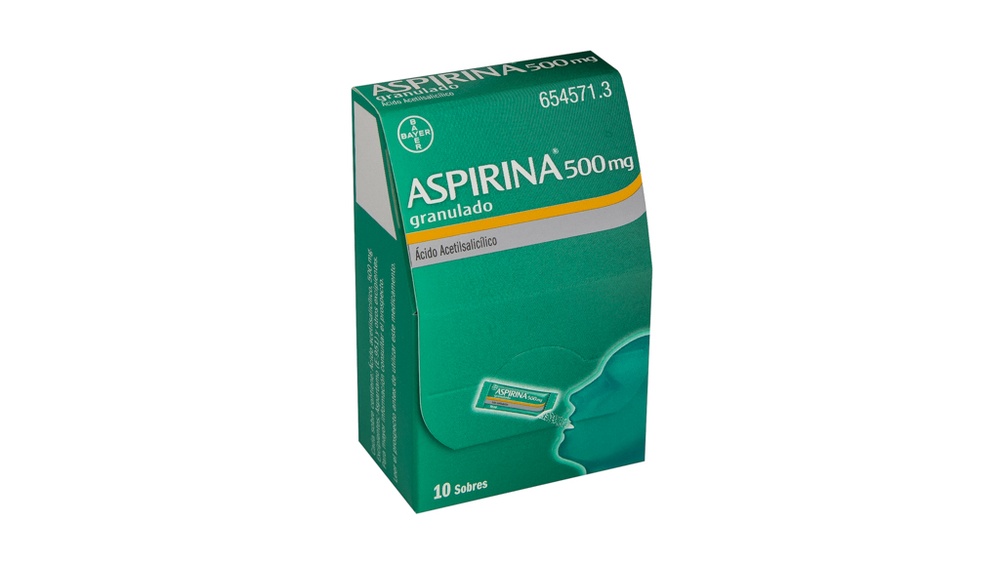
- Country of registration
- Dosage formORAL SOLUTION/SUSPENSION, 500 mg
- ATC codeN02BA01
- Active substance
- Prescription requiredNo
- Manufacturer
- This information is for reference only and does not constitute medical advice. Always consult a doctor before taking any medication. Oladoctor is not responsible for medical decisions based on this content.
- Alternatives to ASPIRIN 500 mg GRANULESDosage form: TABLET, 500 mgActive substance: acetylsalicylic acidManufacturer: Laboratorio Stada S.L.Prescription not requiredDosage form: EFFERVESCENT TABLET, 500 mgActive substance: acetylsalicylic acidManufacturer: Bayer Hispania S.L.Prescription not requiredDosage form: TABLET, 500 mgActive substance: acetylsalicylic acidManufacturer: Bayer Hispania S.L.Prescription not required
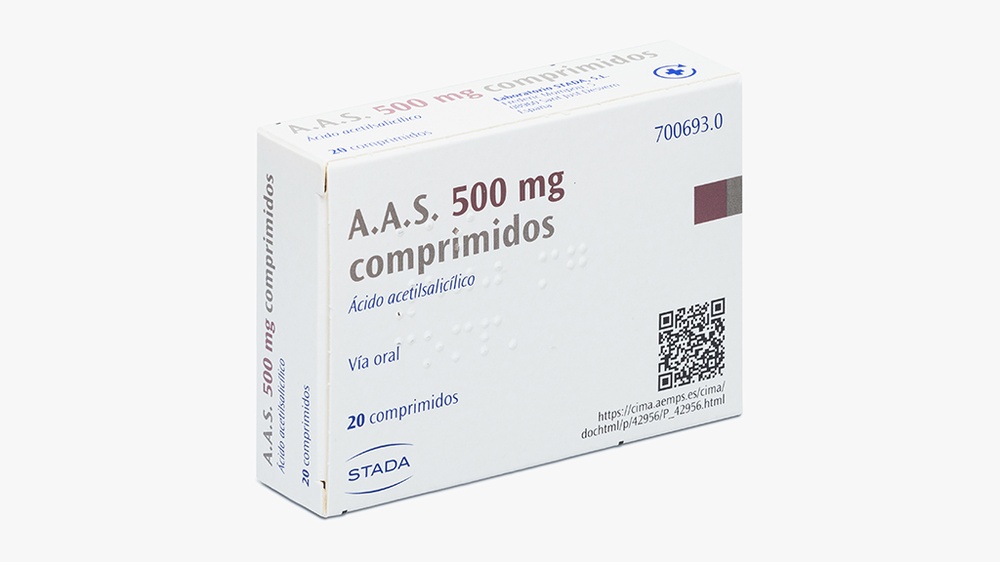
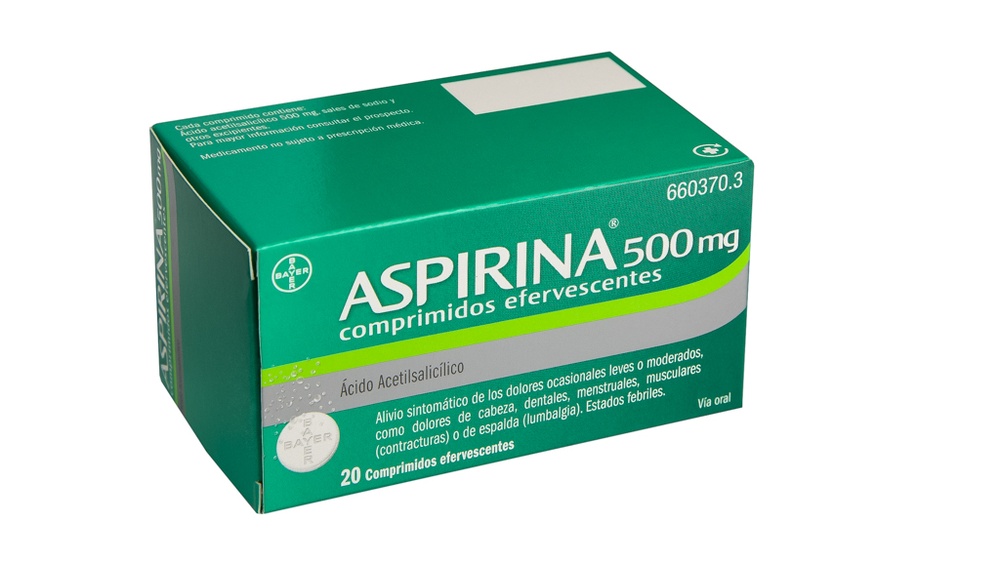
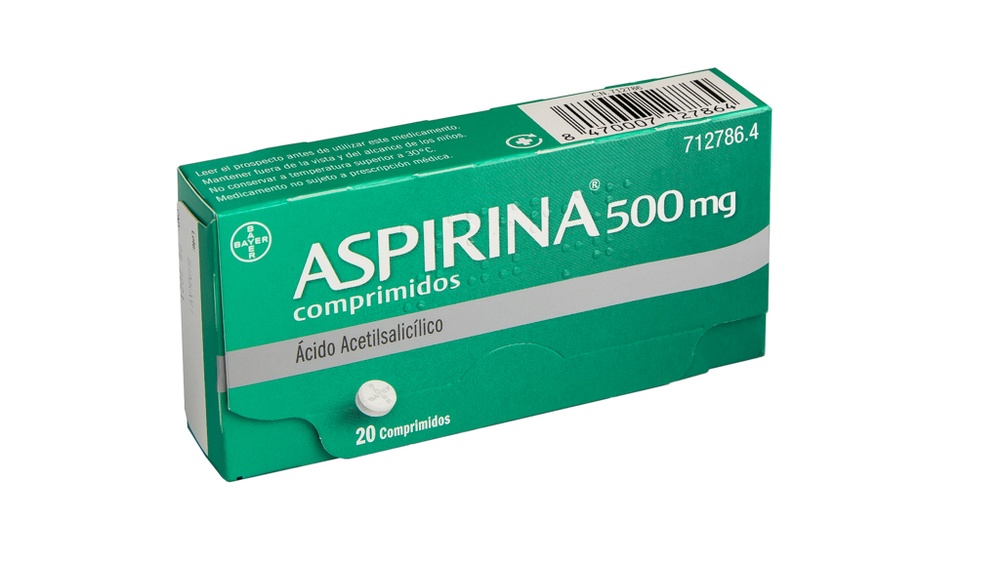
Online doctors for ASPIRIN 500 mg GRANULES
Discuss questions about ASPIRIN 500 mg GRANULES, including use, safety considerations and prescription review, subject to medical assessment and local regulations.






Get ASPIRIN 500 mg GRANULES Prescription Online
Fill in a 2-min form
Tell us your symptoms, history, and what medicine you're requesting.
Pick a doctor or let us assign
Choose a specialist or we'll match you with the next available doctor.
Doctor reviews your case
Usually within 30 minutes. They may ask follow-up questions via chat.
Collect from any pharmacy
Electronic prescription sent to your email — valid across Spain.
Frequently Asked Questions
ASPIRIN 500 mg GRANULES does not require a prescription in Spain. You can check with a doctor online whether this medicine may be appropriate for your situation.
The active ingredient in ASPIRIN 500 mg GRANULES is acetylsalicylic acid. This information helps identify medicines with the same composition but different brand names.
ASPIRIN 500 mg GRANULES is manufactured by Bayer Hispania S.L.. Pharmacy brands and packaging may differ depending on the distributor.
Doctors such as Family doctors, Psychiatrists, Dermatologists, Cardiologists, Endocrinologists, Gastroenterologists, Pulmonologists, Nephrologists, Rheumatologists, Hematologists, Infectious disease physicians, Allergists, Geriatricians, Paediatricians, Oncologists may assess whether ASPIRIN 500 mg GRANULES is appropriate, depending on your situation and local regulations. You can book an online consultation to discuss your symptoms and possible next steps.
Spain has a well-developed healthcare infrastructure across major cities such as Madrid, Barcelona, Valencia, and Seville. Pharmacies are widely available and operate under strict regulations, ensuring access to prescribed medications.
You can buy ASPIRIN 500 mg GRANULES in Madrid, Barcelona, Seville, or Valencia at any local pharmacy with a valid prescription.
To obtain a prescription, you can use Oladoctor:
Other medicines with the same active substance (acetylsalicylic acid) include A.A.S. 500 mg TABLETS, ASPIRIN 500 mg EFFERVESCENT TABLETS, ASPIRIN 500 mg TABLETS. These may have different brand names or formulations but contain the same therapeutic ingredient. Always consult a doctor before switching or starting a new medicine.
