






How to use ALDOCUMAR 10 mg TABLETS
Translated with AI
This page provides general information and does not replace a doctor’s consultation. Always consult a doctor before taking any medication. Seek urgent medical care if symptoms are severe.
Show originalContents of the leaflet
Introduction
Package Leaflet: Information for the User
ALDOCUMAR 10 mg tablets
warfarin sodium
Read all of this leaflet carefully before you start taking this medicine because it contains important information for you.
- Keep this leaflet, you may need to read it again.
- If you have any further questions, ask your doctor or pharmacist.
- This medicine has been prescribed for you only. Do not pass it on to others. It may harm them, even if their signs of illness are the same as yours.
- If you get any side effects, talk to your doctor or pharmacist. This includes any possible side effects not listed in this leaflet. See section 4.
Contents of the package leaflet
- What is ALDOCUMAR and what is it used for
- What you need to know before you take ALDOCUMAR
- How to take ALDOCUMAR
- Possible side effects
- Storage of ALDOCUMAR
- Contents of the pack and other information
1. What is ALDOCUMAR and what is it used for
ALDOCUMARcontains warfarin sodium as the active substance.
Warfarin is an oral anticoagulant that acts by inhibiting the hepatic synthesis of the active forms of coagulation factors (II, VII, IX, X) competing with vitamin K. Administered orally, warfarin induces hypoprothrombinemia within 36 to 72 hours. The anticoagulant action may persist for 4 or 5 days after treatment is stopped.
It is used in the prophylaxis and/or treatment of venous thrombosis, and in pulmonary embolism. Prophylaxis and/or treatment of thromboembolic complications associated with atrial fibrillation and/or cardiac valve replacement. It is also indicated in the reduction of the risk of death from recurrent myocardial infarction as well as from thromboembolic episodes such as stroke or systemic embolization.

2. What you need to know before you take ALDOCUMAR
Do not take ALDOCUMAR
- If you are allergic to warfarin sodium or any of the excipients of the preparation.
- If you are pregnant.
- If you are not willing to take the medication correctly.
- In pathological states in which the risk of hemorrhage is greater than the possible clinical benefit, for example: hemorrhagic diathesis and/or hematic dyscrasia.
- In organic injuries susceptible to bleeding.
- In recent or planned surgical interventions in the central nervous system, ophthalmological operations, and traumatic interventions that expose large tissue surfaces.
- In gastroduodenal ulcer or manifest hemorrhages in the gastrointestinal, urogenital, or respiratory tracts, cerebrovascular hemorrhages, pericarditis, and pericardial effusions, slow endocarditis.
- In severe hypertension; severe damage to the liver and kidney parenchyma.
- In increased fibrinolytic activity (for example, after lung, prostate, etc. operations).
- If you use high doses of NSAIDs, miconazole (general and oral gel), phenylbutazone (general), high doses of acetylsalicylic acid, and by extrapolation, other salicylates at high doses.
Warnings and precautions
Consult your doctor or pharmacist before starting to take ALDOCUMAR:
- If you have moderate to severe renal or hepatic insufficiency.
- If you have infectious diseases or alterations of the intestinal flora.
- If you have trauma that may result in internal hemorrhage.
- If you have surgery or trauma with large exposed surfaces.
- If you use catheters.
- If you have severe to moderate hypertension.
- If you have a known or suspected deficiency in protein C-mediated anticoagulant response, which may cause tissue necrosis.
- If you are a debilitated or elderly patient.
ALDOCUMARhas been prescribed for you for the treatment of your current condition. Do not take this medication for other conditions without your doctor's indication.
- Periodic determination of prothrombin time (INR) is essential. Numerous factors, alone or in combination, physical state, or concomitant medication may modify the patient's response to anticoagulants. It is generally good practice to monitor the patient's response with additional INR determinations in the immediate period after hospital discharge, and when other medications are started, interrupted, or taken irregularly.
- It is necessary to follow the dosage schedule proposed by the doctor exactly.
- Avoid consuming alcohol.
- Do not take ALDOCUMARduring pregnancy.
- Avoid any activity or sport that may result in traumatic damage.
- Carry identification indicating the use of an anticoagulant.
- Contact your doctor if any disease appears, such as diarrhea, infection, or fever, or if an unusual hemorrhage occurs.
- If therapy with ALDOCUMARis interrupted, it should be taken into account that the anticoagulant effects may persist for 2 to 5 days.
Taking ALDOCUMAR with other medicines
It is recommended to monitor INR more closely in patients who replace the 10 mg tablet fractions with 1, 3, and 5 mg tablets, as these allow for more precise dosing. |
Whenever concomitant treatment with ALDOCUMARis started or stopped, repeated prothrombin time determinations should be performed until a stable value is obtained.
If you are going to take any other medication (even those purchased without a prescription), consult your doctor.
- Medicines and products that may increase the response to ALDOCUMAR: allopurinol, analgesics (dextropropoxyphene, tramadol), antiarrhythmics (amiodarone), antibacterials (ciprofloxacin, clarithromycin, erythromycin, norfloxacin, chloramphenicol), antiulcer agents (cimetidine, omeprazole, ranitidine), cisapride, disulfiram, statins (fluvastatin, lovastatin, simvastatin), fluconazole, fluorouracil, fluvoxamine, interferon alpha and beta, itraconazole, metronidazole, tamoxifen, inactivated influenza virus, etacrynic acid, nalidixic acid, non-steroidal anti-inflammatory drugs (diclofenac, phenylbutazone, ibuprofen, ketoprofen, mefenamic acid, sulindac), miconazole, carnitine, thyroid hormones, neomycin, paracetamol, quinidine, vitamin E, cephalosporins (cefamandole), clofibrate, stanozolol, piracetam, propranolol, salicylates (acetylsalicylic acid, diflunisal), tetracyclines, ticlopidine, clindamycin.
- Medicines and products that may decrease the response to ALDOCUMAR: aminoglutethimide, carbamazepine, phenazone, griseofulvin, barbiturates, rifampicin, estrogen-based contraceptives, cholestyramine, corticosteroids, diuretics, mercaptopurine, vitamin K, sucralfate, ginseng, ascorbic acid.
- Other medicines and products that may increase or decrease the response to ALDOCUMAR: alcohol, chloral hydrate, disopyramide.
Taking ALDOCUMAR with food and drinks
Consumption of alcoholic beverages should be avoided during treatment with ALDOCUMAR.
Foods rich in vitamin K (cereals, broccoli, cabbage, carrots, poultry giblets, etc.) may influence the effect of ALDOCUMAR.
Use in children
There are no sufficient clinical data to support the use of the preparation in children.
Pregnancy and lactation
Pregnancy:
Oral anticoagulants derived from coumarin, such as warfarin, cross the placenta and their use is not recommended during pregnancy. Congenital malformations and other adverse effects on fetal development have been described in children born to mothers taking this medication during the first trimester. Oral anticoagulants cross the placenta with a risk of fetal or placental hemorrhage when administered weeks before delivery. In cases where anticoagulant therapy is essential, the use of heparin is recommended, especially during the first trimester, as it does not cross the placenta.
Inform your doctor as soon as you suspect you may be pregnant or if you wish to become pregnant. Consult your doctor or pharmacist before taking a medication.
Breast-feeding:
Warfarin is practically undetectable in breast milk, so no adverse effects are expected in the breast-fed infant.
Inform your doctor if you are breast-feeding. Consult your doctor or pharmacist before taking a medication.
Driving and using machines
Not described.
Important information about some of the components of ALDOCUMAR
This medication contains lactose. If your doctor has told you that you have an intolerance to certain sugars, consult with them before taking this medication.
3. How to take ALDOCUMAR
The dosage and administration of ALDOCUMARshould be individualized for each patient according to the patient's particular response to the drug.
Follow your doctor's instructions carefully, which may differ from the information contained in this leaflet.
Your doctor will indicate the duration of treatment with ALDOCUMAR; do not exceed the recommended treatment duration.
The dosage should be adjusted based on the INR value, which is generally between INR values of 2.0 and 3.5, depending on the clinical condition.
Recommended INR values according to different pathologies:
- Venous thromboembolism (including pulmonary embolism): INR of 2.0-3.0
- Atrial fibrillation: INR of 2.0-3.0
- Post-myocardial infarction treatment: INR of 2.5-3.5
- Mechanical and bioprosthetic heart valves: INR of 2.5-3.5.
- Recurrent systemic embolism: In cases where the risk of thromboembolism is high, a higher INR may be necessary, but not exceeding 4.0.
The doctor will determine the INR review periods.
Initial dosage:
Generally, it is recommended to start therapy with 2 to 5 mg of warfarin per day, making dose adjustments based on INR determination results.
Maintenance:
Most patients are satisfactorily maintained with a daily dose of 2 to 10 mg. The individual dose and interval should be adjusted according to the patient's response.
Duration of therapy:
The duration of therapy in each patient should be individualized. In general, anticoagulant therapy should be continued until the danger of thrombosis and embolism has passed.
If you take more ALDOCUMAR tablets than you should
Consult your doctor or pharmacist for biological follow-up of an overdose without clinical repercussions, as it requires adequate dose reduction and constant monitoring.
The steps to follow are as follows, depending on whether or not there are hemorrhagic complications:
- In case of overdose with INR <6 and in the absence of hemorrhage: temporarily interrupt anticoagulant restart therapy with a lower dose, based on inr.< li>
- In case of overdose with INR > 6 and in the absence of severe hemorrhage: administer 0.5 mg of vitamin K1 injectable in continuous perfusion for 20 to 30 minutes. Increase the dose to 1 mg if INR ? 10.
- In case of overdose with severe hemorrhage: administer 10 to 20 mg of vitamin K1 injectable in slow continuous perfusion for 1 hour, along with a transfusion of fresh frozen plasma or whole blood or a commercial Factor IX complex.
In case of overdose or accidental ingestion, consult the Toxicology Information Service. Phone 91 562 04 20.
If you forget to take ALDOCUMAR
Do not take a double dose to make up for the forgotten dose.
The anticoagulant effect of ALDOCUMARpersists for more than 24 hours. In case of forgetting a dose, you should take the medication as soon as possible, continuing treatment as prescribed. However, when the next administration is near, it is better not to take the forgotten dose and wait for the next administration.
If you have any other questions about the use of this product, ask your doctor or pharmacist.

4. Possible side effects
Like all medicines, ALDOCUMARcan cause side effects, although not everybody gets them.
Inform your doctor immediately if you experience any of these side effects. The adverse reactions that have been reported are:
Frequent (at least 1 in 100 patients)
Hemorrhage from any tissue or organ and other hemorrhagic complications, as a consequence of the anticoagulant effect. The signs and symptoms will vary according to the location and degree or extent of the hemorrhage.
Uncommon (at least 1 in 1000 patients)
Liver problems (hepatic), allergic reactions (hypersensitivity), alopecia, abdominal pain, nausea, vomiting, diarrhea, and fatigue.
Rare (less than 1 in 10,000 patients)
Skin necrosis, dermatitis, and pruritus.
Frequency not known
A painful skin rash. In sporadic cases, warfarin can cause serious skin problems, such as calciphylaxis, which can start with a painful skin rash but can lead to other serious complications. This adverse reaction occurs more frequently in patients with chronic kidney disease.
Renal function impairment that occurs with excessive anticoagulation and presence of blood in the urine (anticoagulant-related nephropathy).
Reporting of side effects
If you experience any type of side effect, consult your doctor or pharmacist, even if it is a possible side effect not listed in this leaflet. You can also report them through the Spanish Medicines Monitoring System. https://notificaram.es. By reporting side effects, you can help provide more information on the safety of ALDOCUMAR.
5. Storage of ALDOCUMAR
Keep ALDOCUMAR out of the sight and reach of children.
Store in the outer packaging to protect it from light.
Expiration date
Do not use ALDOCUMARafter the expiration date (EXP) stated on the packaging. The expiration date is the last day of the month indicated.
Medicines should not be disposed of via wastewater or household waste. Place the packaging and any unused medication in the SIGRE collection point at your usual pharmacy. If in doubt, ask your pharmacist how to dispose of the packaging and any unused medication. This will help protect the environment.
6. Contents of the pack and other information
Composition of ALDOCUMAR 10 mg tablets
The active substance is warfarin sodium.
The other components (excipients) are: lactose monohydrate (151.87 mg/tablet), microcrystalline cellulose, sodium carboxymethyl starch, colloidal silicon dioxide, magnesium stearate.
Appearance of the product and packaging contents
ALDOCUMAR 10 mgis presented in a box containing 2 blister packs with 20 tablets each, white, double-scored.
Marketing authorization holder and manufacturer
Laboratorio Aldo-Unión, S.L.
Baronesa de Maldá, 73
08950 Esplugues de Llobregat
Barcelona - SPAIN
Date of the last revision of this leaflet:November 2021.
Detailed and updated information on this medication is available on the website of the Spanish Agency for Medicines and Health Products (AEMPS) http://www.aemps.es/
-

- Country of registration
- Dosage formTABLET, 10 mg sodium warfarin
- ATC codeB01AA03
- Average pharmacy price8.46 EUR
- Active substance
- Prescription requiredYes
- Manufacturer
- This information is for reference only and does not constitute medical advice. Always consult a doctor before taking any medication. Oladoctor is not responsible for medical decisions based on this content.
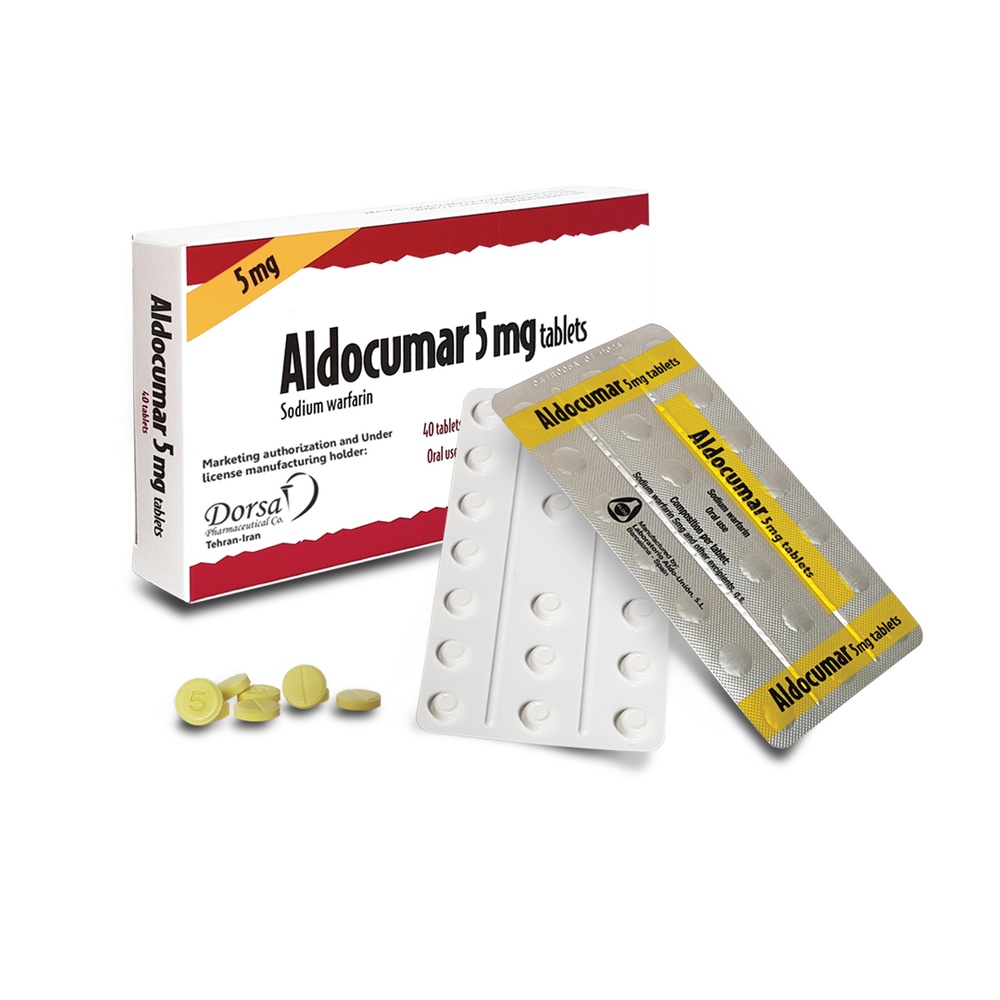
- Alternatives to ALDOCUMAR 10 mg TABLETSDosage form: TABLET, 1 mg sodium warfarinActive substance: warfarinManufacturer: Laboratorio Aldo Union S.L.Prescription requiredDosage form: TABLET, 3 mg sodium warfarinActive substance: warfarinManufacturer: Laboratorio Aldo Union S.L.Prescription requiredDosage form: TABLET, 5 mg sodium warfarinActive substance: warfarinManufacturer: Laboratorio Aldo Union S.L.Prescription required
Online doctors for ALDOCUMAR 10 mg TABLETS
Discuss questions about ALDOCUMAR 10 mg TABLETS, including use, safety considerations and prescription review, subject to medical assessment and local regulations.









Get ALDOCUMAR 10 mg TABLETS Prescription Online
Fill in a 2-min form
Tell us your symptoms, history, and what medicine you're requesting.
Pick a doctor or let us assign
Choose a specialist or we'll match you with the next available doctor.
Doctor reviews your case
Usually within 30 minutes. They may ask follow-up questions via chat.
Collect from any pharmacy
Electronic prescription sent to your email — valid across Spain.
Frequently Asked Questions
ALDOCUMAR 10 mg TABLETS requires a prescription in Spain. You can check with a doctor online whether this medicine may be appropriate for your situation.
The active ingredient in ALDOCUMAR 10 mg TABLETS is warfarin. This information helps identify medicines with the same composition but different brand names.
The average pharmacy price for ALDOCUMAR 10 mg TABLETS is around 8.46 EUR. Prices may vary depending on the manufacturer and dosage form.
ALDOCUMAR 10 mg TABLETS is manufactured by Laboratorio Aldo Union S.L.. Pharmacy brands and packaging may differ depending on the distributor.
Doctors such as Family doctors, Psychiatrists, Dermatologists, Cardiologists, Endocrinologists, Gastroenterologists, Pulmonologists, Nephrologists, Rheumatologists, Hematologists, Infectious disease physicians, Allergists, Geriatricians, Paediatricians, Oncologists may assess whether ALDOCUMAR 10 mg TABLETS is appropriate, depending on your situation and local regulations. You can book an online consultation to discuss your symptoms and possible next steps.
Spain has a well-developed healthcare infrastructure across major cities such as Madrid, Barcelona, Valencia, and Seville. Pharmacies are widely available and operate under strict regulations, ensuring access to prescribed medications.
You can buy ALDOCUMAR 10 mg TABLETS in Madrid, Barcelona, Seville, or Valencia at any local pharmacy with a valid prescription.
To obtain a prescription, you can use Oladoctor:
Other medicines with the same active substance (warfarin) include ALDOCUMAR 1 mg TABLETS, ALDOCUMAR 3 mg TABLETS, ALDOCUMAR 5 mg TABLETS. These may have different brand names or formulations but contain the same therapeutic ingredient. Always consult a doctor before switching or starting a new medicine.
