



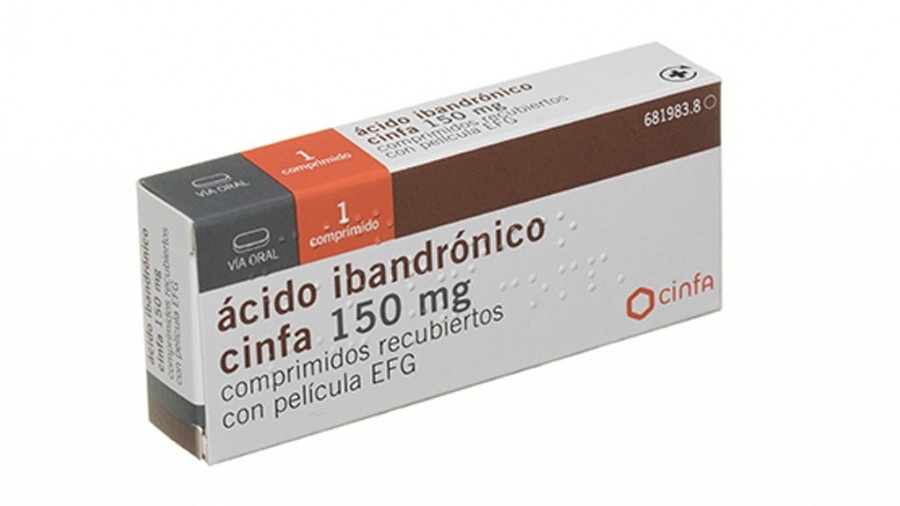
ACIDO 150 mg Film-Coated Tablets

Prescription review online
A doctor will review your case and decide whether a prescription is medically appropriate.

Talk to a doctor about this medicine
Discuss your symptoms and possible next steps in a quick online consultation.



How to use IBANDRONIC ACID PENSA 150 mg FILM-COATED TABLETS
Contents of the leaflet
- Introduction
- What is Ibandronic Acid Pensa and what is it used for
- Before taking Ibandronic Acid Pensa
- How to take Ibandronic Acid Pensa
- Possible side effects
- Storage of Ibandronic Acid Pensa
- Further information
Introduction
Package Leaflet: Information for the User
Ibandronic Acid Pensa150 mg film-coated tablets EFG
Ibandronic acid
Read all of this leaflet carefully before you start taking this medicine.
- Keep this leaflet, you may need to read it again.
- If you have any further questions, ask your doctor or pharmacist.
- This medicine has been prescribed for you only. Do not pass it on to others. It may harm them, even if their signs of illness are the same as yours.
- If you get any side effects, talk to your doctor or pharmacist. This includes any possible side effects not listed in this leaflet.
Contents of the pack
- What is Ibandronic Acid Pensa and what is it used for
- Before you take Ibandronic Acid Pensa
- How to take Ibandronic Acid Pensa
- Possible side effects
- Storage of Ibandronic Acid Pensa
- Further information
1. What is Ibandronic Acid Pensa and what is it used for
Ibandronic Acid Pensa belongs to a group of medicines called bisphosphonates. It does not contain hormones.
Ibandronic Acid Pensa can reverse bone loss as it prevents further bone loss and increases bone mass in most women who take it, even if they cannot see or feel the difference. Ibandronic Acid Pensa can help reduce the risk of bone fractures. This reduction has been shown in spinal fractures but not in hip fractures.
You have been prescribed Ibandronic Acid Pensa to treat your osteoporosis because you are at high risk of fractures. Osteoporosis is a condition where bones become thinner and weaker, often after the menopause in women. During the menopause, the ovaries stop producing the female hormone - oestrogen - which helps to keep bones healthy.
The earlier a woman reaches the menopause, the higher her risk of getting fractures due to osteoporosis. Other factors that increase the risk of fractures include:
- inadequate intake of calcium and vitamin D in the diet
- smoking or excessive alcohol consumption
- little walking or other weight-bearing exercise
- family history of osteoporosis
Many people with osteoporosis do not have symptoms. If you do not have symptoms, it may be difficult to know if you have the condition. However, osteoporosis increases the risk of bone fractures in the event of a fall or injury. Any bone fracture that occurs after the age of 50 may be a sign of osteoporosis. Osteoporosis can also cause back pain, loss of height, and a hunched back.
Ibandronic Acid Pensa prevents bone loss due to osteoporosis and helps to rebuild bone. Therefore, Ibandronic Acid Pensa reduces the risk of fractures.
Healthy lifestyle habitsalso help the beneficial effects of treatment. These include a balanced diet rich in calcium and vitamin D; walking or any other weight-bearing exercise; not smoking; and moderate alcohol consumption.

Not sure if this medicine is right for you?
Discuss your symptoms and treatment with a doctor online.
2. Before taking Ibandronic Acid Pensa
Do not takeIbandronic Acid Pensa
- If you are allergic (hypersensitive) to ibandronic acid or any of the other ingredients of Ibandronic Acid Pensa.
- If you have certain oesophageal problems (the oesophagus is the tube that connects your mouth to your stomach), such as narrowing or difficulty swallowing.
- If you cannot stand or sit upright for at least one hour (60 minutes).
- If you have or think you may have low calcium levels in your blood. Please consult your doctor.
Children and adolescents
Do not give Ibandronic Acid Pensa to children or adolescents.
Be careful withIbandronic Acid Pensa
Some people need special care when taking Ibandronic Acid Pensa. Consult your doctor:
- If you have any disorder of mineral metabolism (e.g. lack of vitamin D).
- If you have any kidney problems.
- If you have any swallowing or digestive problems.
- If you are undergoing dental treatment or are scheduled for dental surgery, inform your dentist that you are being treated with Ibandronic Acid Pensa.
Irritation, inflammation, or ulcers of the oesophagus (the oesophagus is the tube that connects your mouth to your stomach) may occur, often with symptoms of severe chest pain, severe pain after swallowing food or drink, severe nausea or vomiting, especially if patients do not drink a full glass of water and/or if they lie down before one hour has passed after taking Ibandronic Acid Pensa. If you develop these symptoms, stop taking Ibandronic Acid Pensa and inform your doctor immediately.
A rare adverse reaction called osteonecrosis of the jaw (ONJ) (bone damage in the jaw) has been reported during post-marketing experience in patients treated with Ibandronic Acid Pensa for osteoporosis. ONJ can also occur after treatment is stopped.
It is essential to try to prevent the development of ONJ as it is a painful condition that can be difficult to treat. To reduce the risk of developing osteonecrosis of the jaw, certain precautions must be taken.
Before receiving treatment, inform your doctor/nurse (healthcare professional) if:
- You have dental problems or teeth, such as poor dental health, gum disease, or a planned tooth extraction.
- If you do not receive routine dental care or if you have not had a dental check-up for a long time.
- If you are a smoker (as this can increase the risk of dental problems).
- If you have been previously treated with a bisphosphonate (used to treat or prevent bone disorders).
- If you are taking medications called corticosteroids (such as prednisolone or dexamethasone).
- If you have cancer.
Your doctor may ask you to undergo a dental examination before starting treatment with Ibandronic Acid Pensa.
While you are being treated, you must maintain good oral hygiene (including regular tooth brushing) and undergo routine dental check-ups. If you wear dentures, you must ensure they fit properly. If you are undergoing dental treatment or are scheduled for dental surgery (e.g. tooth extraction), inform your doctor about your dental treatment and inform your dentist that you are being treated with Ibandronic Acid Pensa.
Contact your doctor and dentist immediately if you experience any problems in your mouth or teeth, such as tooth loss, pain or swelling, or difficulty healing ulcers or discharge, as these may be signs of osteonecrosis of the jaw.
Use of other medicines
Tell your doctor or pharmacist if you are using or have recently used other medicines, including those obtained without a prescription. Especially:
- Supplements containing calcium, magnesium, iron, or aluminium, as they may affect the action of Ibandronic Acid Pensa.
- Aspirin and other non-steroidal anti-inflammatory drugs (NSAIDs)(such as ibuprofen, diclofenac sodium, and naproxen) which can irritate the stomach and intestines, as can bisphosphonates (such as Ibandronic Acid Pensa). Therefore, be very careful when taking analgesics or anti-inflammatory drugsat the same time as Ibandronic Acid Pensa.
After taking the monthly tablet of Ibandronic Acid Pensa, wait 1 hour before taking any other medicine, including antacids, calcium supplements, or vitamins.
TakingIbandronic Acid Pensawith food and drinks
Do not take Ibandronic Acid Pensa with food.Ibandronic Acid Pensa loses its effectiveness if taken with food.
You can drink tap water but not other liquids(see section 3. HOW TO TAKE IBANDRONIC ACID Pensa).
Pregnancy and breastfeeding
Do not take Ibandronic Acid Pensa if you are pregnant or breastfeeding.
If you are breastfeeding, you may need to stop breastfeeding to take Ibandronic Acid Pensa.
Consult your doctor or pharmacist before using any medicine.
Driving and using machines
It is very unlikely that Ibandronic Acid Pensa will affect your ability to drive or use machines.
Important information about some of the ingredients of Ibandronic Acid Pensa
Ibandronic Acid Pensa contains lactose. If your doctor has told you that you have an intolerance to some sugars, contact them before taking this medicine.
3. How to take Ibandronic Acid Pensa
Follow the instructions for administration of Ibandronic Acid Pensa exactly as your doctor has told you. Consult your doctor or pharmacist if you have any doubts.
The usual dose of Ibandronic Acid Pensa is one tablet per month.
How to take the monthly tablet
It is essential to follow these instructions carefully. They are designed to help Ibandronic Acid Pensa reach the stomach quickly and cause less irritation.
- Take one tablet of Ibandronic Acid Pensa once a month.
- Choose a day of the month that is easy for you to remember. You can choose the same date (e.g. the first day of each month) or always the same day (e.g. the first Sunday of each month). Choose what best fits your routine.
- Take the tablet of Ibandronic Acid Pensa after a minimum of 6 hours of the last meal or drink (except water). During this period, you can only drink water.
- Take the tablet of Ibandronic Acid Pensa
- as soon as you get up, and
- before breakfast or drinking (on an empty stomach)
- Swallow the tablet with a glass of tap water (at least 180 ml).
- Do not take the tablet with mineral water, fruit juice, or other drinks.
- Swallow the tablet whole - do not chew, crush, or dissolve it in your mouth.
- During the next hour (60 minutes) after taking the tablet
- do not lie down; if you do not stay upright (standing or sitting), part of the medicine may come back up into the oesophagus

- do not eat anything

- do not drink anything (except tap water, if needed)
- do not take any other medicine
- After waiting 1 hour, you can have breakfast and your first drink of the day. Once you have eaten, you can lie down and take any other medicines you need.
Do nottake this medicine at bedtime or before getting up.
Continuation of treatment with Ibandronic Acid Pensa
It is essential to take Ibandronic Acid Pensa every month, until your doctor tells you to stop.
Ibandronic Acid Pensa only works to treat osteoporosis while you are taking this medicine.
If you take more Ibandronic Acid Pensa than you should
If you have taken more tablets than you should, drink a full glass of milk and inform your doctor immediately.
Do not induce vomiting or lie down- this could irritate your oesophagus.
If you forget to take Ibandronic Acid Pensa
If you forget to take the tablet on the morning of the day you have chosen, do not take the tablet later. Instead, consult your calendar to see when your last dose was due:
If your next dose is due within 1 to 7 days...
Wait until your next scheduled dose and take it as usual, then continue taking one tablet per month according to the days marked on your calendar.
If your next dose is due in more than 7 days...
Take a tablet the next morning after the day you remember you missed the dose, then continue taking one tablet per month according to the days marked on your calendar.
Never take two tablets of Ibandronic Acid Pensa within the same week.

Started taking the medicine and have questions?
Discuss your symptoms and treatment with a doctor online.
4. Possible side effects
Like all medicines, Ibandronic Acid Pensa can cause side effects, although not everybody gets them.
Tell your doctor or nurse if you notice any of the following serious side effects, as you may need urgent medical treatment:
- Rash, itching, swelling of the face, lips, tongue, and throat with difficulty breathing. You may be having an allergic reaction to the medicine
- Severe chest pain, severe pain after swallowing food or drink, severe nausea or vomiting
- Flu-like symptoms (if any effect starts to be bothersome or lasts more than a couple of days)
- Pain or sensation of pain in the mouth or jaw
- Eye pain and inflammation (if prolonged)
Other possible side effects
Common(affects less than 1 in 10 people)
- Headache
- Heartburn, stomach pain (like "gastroenteritis" or "gastritis"), indigestion, nausea, diarrhoea, or constipation
- Rash
- Pain or stiffness in the muscles, joints, or back
- Flu-like symptoms (including fever, chills, and shivering, feeling unwell, fatigue, pain in bones and muscles and joints)
- Fatigue
Uncommon(affects less than 1 in 100 people)
- Bone pain
- Feeling of weakness
- Dizziness
- Flatulence
- Symptoms of low calcium levels in the blood (hypocalcaemia), including muscle cramps or spasms and/or tingling sensation in the fingers or around the mouth.
Rare(affects less than 1 in 1,000 people)
- Allergic reactions, swelling of the face, lips, and mouth (see allergy)
- Itching
- Eye pain or inflammation
- Atypical fractures of the thigh bone (femur) that can occur rarely, especially in patients on long-term treatment for osteoporosis. Inform your doctor if you notice pain, weakness, or discomfort in the thigh, hip, or groin, as these may be early signs of a possible fracture of the femur.
Very rare(affects less than 1 in 10,000 people)
- A disease in which the bone in the mouth is exposed, called "osteonecrosis of the jaw".
- Tell your doctor if you have ear pain, discharge from the ear, or an ear infection. These could be symptoms of damage to the bones in the ear.
If you notice any side effects not listed in this leaflet, please tell your doctor or pharmacist.
Reporting of side effects:
If you experience any side effects, talk to your doctor or pharmacist. This includes any possible side effects not listed in this leaflet. You can also report side effects directly via the Spanish Medicines Agency's website: https://www.notificaram.es. By reporting side effects, you can help provide more information on the safety of this medicine.
5. Storage of Ibandronic Acid Pensa
Keep out of the reach and sight of children.
No special storage conditions are required.
Do not use Ibandronic Acid Pensa after the expiry date stated on the packaging after EXP. The expiry date is the last day of the month indicated.
Medicines should not be disposed of via wastewater or household waste. Return the packaging and any unused medicine to the pharmacy. If in doubt, ask your pharmacist how to dispose of the packaging and any unused medicine. This will help protect the environment.
6. Further information
Composition of Ibandronic Acid Pensa
- The active ingredient is ibandronic acid. Each tablet contains 150 mg of ibandronic acid (as ibandronate sodium monohydrate)
- The other ingredients are:
tablet core: lactose monohydrate, microcrystalline cellulose, sodium croscarmellose, magnesium stearate, anhydrous colloidal silica
tablet coating: hydroxypropylcellulose (HPC-L), titanium dioxide (E171), macrogol 6000
Appearance of the product and packaging contents
Ibandronic Acid Pensa tablets are film-coated tablets, white in colour, oblong in shape, and marked with the inscription "LC" on one side.
They can be supplied in packs of 1 or 3 tablets.
Not all pack sizes may be marketed.
Marketing authorisation holder and manufacturer
Marketing authorisation holder:
Towa Pharmaceutical, S.A.
C/ de Sant Martí, 75-97
08107 Martorelles (Barcelona)
Spain
Manufacturer:
Laboratorios Liconsa, S.A.
Avda. Miralcampo, Nº7, Polígono Industrial Miralcampo
19200 Azuqueca de Henares (Guadalajara), Spain
This leaflet was approved in March 2022
Detailed and up-to-date information on this medicine is available on the website of the Spanish Agency for Medicines and Health Products (AEMPS) http://www.aemps.gob.es/
- Country of registration
- Dosage formTABLET, 150 mg
- ATC codeM05BA06
- Average pharmacy price13 EUR
- Active substance
- Prescription requiredYes
- Manufacturer
- CompositionLACTOSA MONOHIDRATO (88,60 mg mg), CROSCARMELOSA SODICA (67,50 mg mg)
- This information is for reference only and does not constitute medical advice. Always consult a doctor before taking any medication. Oladoctor is not responsible for medical decisions based on this content.
- Alternatives to IBANDRONIC ACID PENSA 150 mg FILM-COATED TABLETSDosage form: TABLET, 150 mgActive substance: ibandronic acidManufacturer: Especialidades Farmaceuticas Centrum S.A.Prescription requiredDosage form: INJECTABLE PERFUSION, 2 mgActive substance: ibandronic acidManufacturer: Accord Healthcare S.L.U.Prescription requiredDosage form: INJECTABLE PERFUSION, 6 mgActive substance: ibandronic acidManufacturer: Accord Healthcare S.L.U.Prescription required
Online doctors for IBANDRONIC ACID PENSA 150 mg FILM-COATED TABLETS
Discuss questions about IBANDRONIC ACID PENSA 150 mg FILM-COATED TABLETS, including use, safety considerations and prescription review, subject to medical assessment and local regulations.


Get IBANDRONIC ACID PENSA 150 mg FILM-COATED TABLETS Prescription Online
Fill in a 2-min form
Tell us your symptoms, history, and what medicine you're requesting.
Pick a doctor or let us assign
Choose a specialist or we'll match you with the next available doctor.
Doctor reviews your case
Usually within 30 minutes. They may ask follow-up questions via chat.
Collect from any pharmacy
Electronic prescription sent to your email — valid across Spain.
Frequently Asked Questions
IBANDRONIC ACID PENSA 150 mg FILM-COATED TABLETS requires a prescription in Spain. You can check with a doctor online whether this medicine may be appropriate for your situation.
The active ingredient in IBANDRONIC ACID PENSA 150 mg FILM-COATED TABLETS is ibandronic acid. This information helps identify medicines with the same composition but different brand names.
The average pharmacy price for IBANDRONIC ACID PENSA 150 mg FILM-COATED TABLETS is around 13 EUR. Prices may vary depending on the manufacturer and dosage form.
IBANDRONIC ACID PENSA 150 mg FILM-COATED TABLETS is manufactured by Towa Pharmaceutical S.A.. Pharmacy brands and packaging may differ depending on the distributor.
Doctors such as Family doctors, Psychiatrists, Dermatologists, Cardiologists, Endocrinologists, Gastroenterologists, Pulmonologists, Nephrologists, Rheumatologists, Hematologists, Infectious disease physicians, Allergists, Geriatricians, Paediatricians, Oncologists may assess whether IBANDRONIC ACID PENSA 150 mg FILM-COATED TABLETS is appropriate, depending on your situation and local regulations. You can book an online consultation to discuss your symptoms and possible next steps.
Spain has a well-developed healthcare infrastructure across major cities such as Madrid, Barcelona, Valencia, and Seville. Pharmacies are widely available and operate under strict regulations, ensuring access to prescribed medications.
You can buy IBANDRONIC ACID PENSA 150 mg FILM-COATED TABLETS in Madrid, Barcelona, Seville, or Valencia at any local pharmacy with a valid prescription.
To obtain a prescription, you can use Oladoctor:
Other medicines with the same active substance (ibandronic acid) include ABRION 150 mg FILM-COATED TABLETS, Ibandronic Acid Accord 2 mg concentrate for infusion solution, Ibandronic Acid Accord 6 mg concentrate for infusion solution. These may have different brand names or formulations but contain the same therapeutic ingredient. Always consult a doctor before switching or starting a new medicine.
