






How to use ACETIC ACID SALICYLIC KRKA 100 MG GASTRO-RESISTANT TABLETS
Translated with AI
This page provides general information and does not replace a doctor’s consultation. Always consult a doctor before taking any medication. Seek urgent medical care if symptoms are severe.
Show originalContents of the leaflet
Introduction
Package Leaflet: Information for the Patient
Acetylsalicylic Acid Krka 100 mg Gastro-Resistant Tablets
Read all of this leaflet carefully before you start taking this medicine because it contains important information for you.
- Keep this leaflet, you may need to read it again.
- If you have any further questions, ask your doctor or pharmacist.
- This medicine has been prescribed for you only. Do not pass it on to others. It may harm them, even if their signs of illness are the same as yours.
- If you get any side effects, talk to your doctor or pharmacist. This includes any possible side effects not listed in this leaflet. See section 4.
Contents of the Package Leaflet
- What is Acetylsalicylic Acid Krka and what is it used for
- What you need to know before you take Acetylsalicylic Acid Krka
- How to take Acetylsalicylic Acid Krka
- Possible side effects
- Storage of Acetylsalicylic Acid Krka
- Contents of the pack and other information
1. What is Acetylsalicylic Acid Krka and what is it used for
Acetylsalicylic Acid Krka contains acetylsalicylic acid, which at low doses belongs to a group of medicines called platelet aggregation inhibitors. Platelets are small blood cells that produce blood clotting and are involved in thrombosis. When a blood clot forms in an artery, it stops blood flow and cuts off oxygen supply. When this happens in the heart, it can cause a heart attack or angina; in the brain, it can cause a stroke.
Acetylsalicylic Acid Krka is taken to reduce the risk of thrombus formation and thus prevent further:
- heart attacks
- strokes
- cardiovascular problems in patients with stable or unstable angina (a type of chest pain).
Acetylsalicylic Acid Krka is also used to prevent thrombus formation after certain types of heart surgery to widen or unblock blood vessels.
This medicine is not recommended for emergency cases. It can only be used as a preventive treatment.

2. What you need to know before you take Acetylsalicylic Acid Krka
Do not take Acetylsalicylic Acid Krka
- if you are allergic to acetylsalicylic acid or any of the other ingredients of this medicine (listed in section 6).
- if you are allergic to other salicylates or non-steroidal anti-inflammatory drugs (NSAIDs). NSAIDs are often used for arthritis or rheumatism and for pain.
- if you have had an asthma attack or swelling of some parts of the body, e.g. face, lips, throat or tongue (angioedema) after taking salicylates or NSAIDs.
- if you currently have, or have ever had, a stomach or intestinal ulcer or any other type of bleeding such as a stroke.
- if you have ever had a problem with your blood not clotting properly.
- if you have severe liver or kidney problems.
- if you have severe heart problems that can cause difficulty breathing and swelling of the ankles.
- if you are in the last 3 months of pregnancy; you should not take more than 100 mg per day (see section "Do not take Acetylsalicylic Acid Krka").
- if you are taking a medicine called methotrexate (e.g. for cancer or rheumatoid arthritis) in doses greater than 15 mg per week.
Warnings and precautions
Consult your doctor or pharmacist before starting to take Acetylsalicylic Acid Krka
- if you have kidney, liver or heart problems.
- if you have or have ever had stomach or intestinal problems.
- if you have uncontrolled high blood pressure.
- if you are asthmatic, have hay fever, nasal polyps or other chronic respiratory diseases; acetylsalicylic acid may induce an asthma attack.
- if you have ever had gout.
- if you have heavy menstrual periods.
- if you have a deficiency of the enzyme glucose-6-phosphate dehydrogenase (G6PD).
You should consult a doctor immediately if your symptoms worsen or if you experience serious or unexpected side effects, e.g. unusual bleeding symptoms, serious skin reactions or any other sign of severe allergy (see section "Possible side effects").
Inform your doctor if you are planning to have surgery (even minor surgery, such as tooth extraction) as acetylsalicylic acid thins the blood, and there may be an increased risk of bleeding.
You should be careful not to become dehydrated (you may feel thirsty and have a dry mouth) as using acetylsalicylic acid at the same time may cause kidney function to deteriorate.
This medicine is not suitable for relieving pain or reducing fever.
If you are in any of the above situations, or if you are not sure, consult your doctor or pharmacist.
Children and adolescents
Acetylsalicylic acid may cause Reye's syndrome when given to children. Reye's syndrome is a very rare disease that affects the brain and liver and can be life-threatening. For this reason, Acetylsalicylic Acid Krka should not be given to children under 16 years of age, unless prescribed by a doctor (see section "Warnings and precautions").
Other medicines and Acetylsalicylic Acid Krka
Inform your doctor or pharmacist if you are taking, have recently taken or might take any other medicines.
The effect of treatment may be influenced if acetylsalicylic acid is taken at the same time as other medicines used for:
- thinning the blood/preventing blood clots or dissolving them (e.g. warfarin, heparin, clopidogrel, alteplase);
- organ transplant rejection (ciclosporin, tacrolimus);
- high blood pressure (e.g. diuretics and ACE inhibitors);
- regulating heart rhythm (digoxin);
- manic-depressive disorder (lithium);
- pain and inflammation (e.g. NSAIDs like ibuprofen, or steroids);
- reducing pain and fever (metamizol), the effect of acetylsalicylic acid on platelet aggregation may be reduced when administered together with metamizol;
- gout (e.g. probenecid);
- epilepsy (valproate, phenytoin);
- glaucoma (acetazolamide);
- cancer or rheumatoid arthritis (methotrexate; in doses less than 15 mg per week);
- diabetes (e.g. glibenclamide, insulin);
- depression (selective serotonin reuptake inhibitors (SSRIs) such as sertraline or paroxetine);
- hormone replacement therapy when adrenal or pituitary glands have been destroyed or removed, or medicines to treat inflammation, including rheumatic and inflammatory bowel diseases (corticosteroids).
Taking Acetylsalicylic Acid Krka with food, drinks and alcohol
Drinking alcohol may possibly increase the risk of gastrointestinal bleeding and prolong bleeding time.
Pregnancy, breastfeeding and fertility
If you are pregnant or breastfeeding, think you may be pregnant or are planning to have a baby, ask your doctor or pharmacist for advice before taking this medicine.
Pregnant women should not take acetylsalicylic acid during pregnancy unless their doctor advises them to do so. You should not take Acetylsalicylic Acid Krka if you are in the last 3 months of pregnancy, unless your doctor advises you to do so and in that case the daily dose should not exceed 100 mg (see section "Do not take Acetylsalicylic Acid Krka"). Normal or high doses of this medicine during the last phase of pregnancy can cause serious complications in the mother or baby.
Breastfeeding women should not take acetylsalicylic acid unless their doctor advises them to do so.
Driving and using machines
Acetylsalicylic Acid Krka should not affect your ability to drive and use machines.
Acetylsalicylic Acid Krka contains lactose
This medicine contains lactose. If your doctor has told you that you have an intolerance to some sugars, contact them before taking this medicine.
3. How to take Acetylsalicylic Acid Krka
Follow exactly the instructions of administration of this medicine given by your doctor or pharmacist. In case of doubt, consult your doctor or pharmacist again.
The recommended dose is:
Adults
Prevention of heart attacks:
- The recommended dose is 75-160 mg once a day.
Prevention of strokes:
- The recommended dose is 75-325 mg once a day.
Prevention of cardiovascular problems in patients with stable or unstable angina (a type of chest pain):
- The recommended dose is 75-160 mg once a day.
Prevention of thrombus formation after certain types of heart surgery:
- The recommended dose is 75-160 mg once a day.
This medicine should not be used at higher doses unless advised by a doctor, in which case the dose should not exceed 325 mg per day.
Elderly patients
Doses are the same as for adults. In general, acetylsalicylic acid should be used with caution in elderly patients who are more prone to adverse events. Treatment should be reviewed at regular intervals.
Use in children and adolescents
Acetylsalicylic acid should not be administered to children and adolescents under 16 years of age, unless prescribed by a doctor (see section "Warnings and precautions").
Method of administration
Oral use.
The tablets should be swallowed whole with a sufficient amount of liquid (half a glass of water) and at least 30 minutes before meals. The tablets have a gastro-resistant coating that prevents irritating effects on the intestine, and therefore should not be crushed, broken or chewed.
If you take more Acetylsalicylic Acid Krka than you should
If you (or someone else) have taken too many tablets, contact your doctor immediately or go to the nearest emergency department, taking any remaining medicine or the empty package with you. Show your doctor the medicine or the empty package. You can also call the Toxicology Information Service, telephone 91 562 04 20, stating the medicine and the amount taken.
Symptoms of overdose may include ringing in the ears, hearing problems, headache, dizziness, confusion, nausea, vomiting and abdominal pain. A large overdose can lead to faster than normal breathing (hyperventilation), fever, excessive sweating, restlessness, convulsions, hallucinations, low blood sugar, coma and shock.
If you forget to take Acetylsalicylic Acid Krka
If you forget to take a dose, wait until it is time to take the next dose and continue the treatment as usual.
Do not take a double dose to make up for forgotten doses.
If you stop taking Acetylsalicylic Acid Krka
Do not stop taking Acetylsalicylic Acid Krka without consulting your doctor.
If you have any further questions on the use of this medicine, ask your doctor or pharmacist.

4. Possible side effects
Like all medicines, this medicine can cause side effects, although not everybody gets them.
If you notice any of the following serious side effects, stop taking Acetylsalicylic Acid Krka and contact a doctor immediately:
- Sudden difficulty breathing, swelling of your lips, face or body, rash, fainting or difficulty swallowing (severe allergic reaction).
- Redness of the skin with blisters or peeling and may be associated with high fever and joint pain. This could be erythema multiforme, Stevens-Johnson syndrome or Lyell syndrome.
- Unusual bleeding, such as coughing up blood, blood in your vomit or urine, or black stools.
Other side effects are:
Frequent (may affect up to 1 in 10 people):
- Nausea, vomiting, diarrhea.
- Indigestion.
- Increased tendency to bleed.
Uncommon (may affect up to 1 in 100 people):
- Hives.
- Runny nose.
- Difficulty breathing.
Rare (may affect up to 1 in 1,000 people):
- Severe bleeding in the stomach or intestines, cerebral hemorrhage; altered blood cell count.
- Spasm of the lower respiratory tract, asthma attack.
- Inflammation of blood vessels.
- Bruising with purple spots (cutaneous bleeding).
- Severe skin reactions such as rash known as erythema multiforme, and its life-threatening forms, Stevens-Johnson syndrome and Lyell syndrome.
- Hypersensitivity reactions, such as swelling of, e.g. lips, face or body, or shock.
- Reye's syndrome (a very rare disease in children that affects the brain and liver (see section 2 "Children and adolescents").
- Abnormally heavy or prolonged menstrual periods.
Frequency not known (frequency cannot be estimated from the available data):
- Ringing in your ears (tinnitus) or reduced hearing.
- Headache.
- Dizziness.
- Ulcers in the stomach or intestine and perforation.
- Prolonged bleeding time.
- Disorder of kidney function, acute kidney failure.
- Disorder of liver function, increased liver enzymes.
- High levels of uric acid in the blood.
Reporting of side effects
If you experience any side effects, talk to your doctor or pharmacist. This includes any possible side effects not listed in this leaflet. You can also report side effects directly via the Spanish Medicines Agency's website: www.notificaram.es. By reporting side effects, you can help provide more information on the safety of this medicine.
5. Storage of Acetylsalicylic Acid Krka
Keep this medicine out of the sight and reach of children.
Do not store above 30°C.
Do not use this medicine after the expiry date which is stated on the carton after EXP. The expiry date refers to the last day of the month shown.
Medicines should not be disposed of via wastewater or household waste. Ask your pharmacist how to dispose of medicines no longer required. These measures will help protect the environment.
6. Contents of the pack and other information
Composition of Acetylsalicylic Acid Krka
The active substance is acetylsalicylic acid.
Each gastro-resistant tablet contains 100 mg of acetylsalicylic acid.
The other ingredients are:
- Core of the tablet: lactose monohydrate, microcrystalline cellulose, anhydrous colloidal silica and potato starch.
- Coating: talc, triacetin, ethyl acrylate-methacrylic acid copolymer (1:1) dispersion 30%, sodium dodecyl sulfate* and polysorbate 80*.
- May contain sodium dodecyl sulfate and polysorbate 80
Appearance of the product and pack size
White, round, biconvex film-coated tablets with a diameter of approximately 8.1 mm.
Pack sizes:
Blisters: 20, 28, 30, 50, 56, 60, 84, 90 and 100 gastro-resistant tablets.
Not all pack sizes may be marketed.
Marketing authorisation holder and manufacturer
Marketing authorisation holder
KRKA, d.d., Novo mesto, Šmarješka cesta 6, 8501 Novo mesto, Slovenia
Manufacturer
KRKA, d.d., Novo mesto, Šmarješka cesta 6, 8501 Novo mesto, Slovenia
TAD Pharma GmbH, Heinz-Lohmann-Straße 5, 27472 Cuxhaven, Germany
G.L. Pharma GmbH, Schlossplatz 1, 8502 Lannach, Austria
You can obtain further information on this medicine from the representative of the marketing authorisation holder:
KRKA Farmacéutica, S.L., Calle de Anabel Segura, 10, 28108 Alcobendas, Madrid, Spain
This medicine is authorised in the Member States of the European Economic Area under the following names:
Member State | Marketing authorisation name |
Sweden | Bartal 100 mg Enterotablett |
Poland | Abrea |
Czech Republic | Acetylsalicylic acid Krka |
Germany | ASS TAD 100 mg protect magensaftresistente Tabletten |
Slovakia | Abrea 100 mg |
Spain | Acetylsalicylic Acid Krka 100 mg gastro-resistant tablets |
Date of last revision of this leaflet: May 2023
Detailed information on this medicine is available on the website of the Spanish Agency for Medicines and Health Products (AEMPS) (http://www.aemps.gob.es/).
-

- Country of registration
- Dosage formTABLET, 100 mg
- ATC codeB01AC06
- Average pharmacy price1.45 EUR
- Active substance
- Prescription requiredYes
- Manufacturer
- This information is for reference only and does not constitute medical advice. Always consult a doctor before taking any medication. Oladoctor is not responsible for medical decisions based on this content.
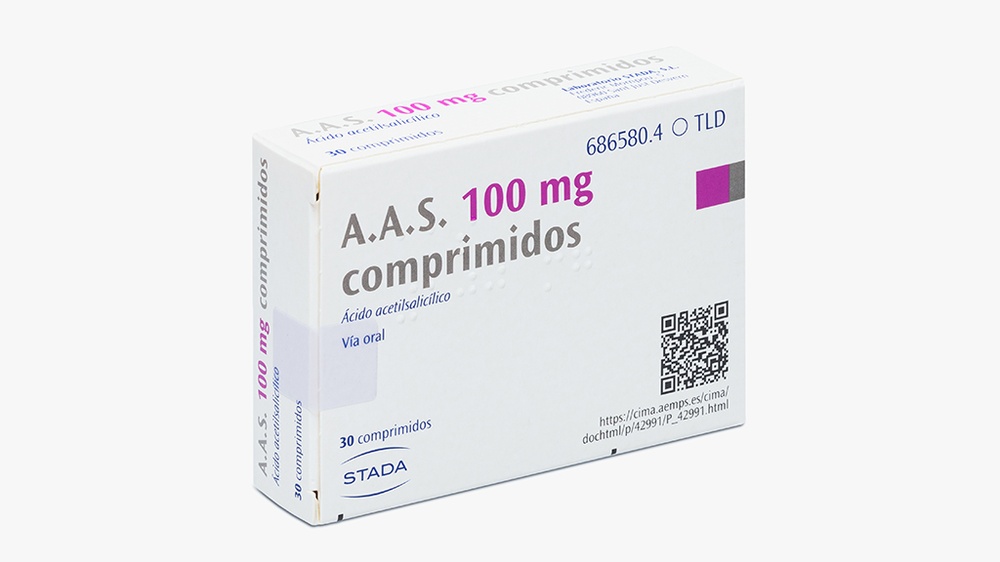
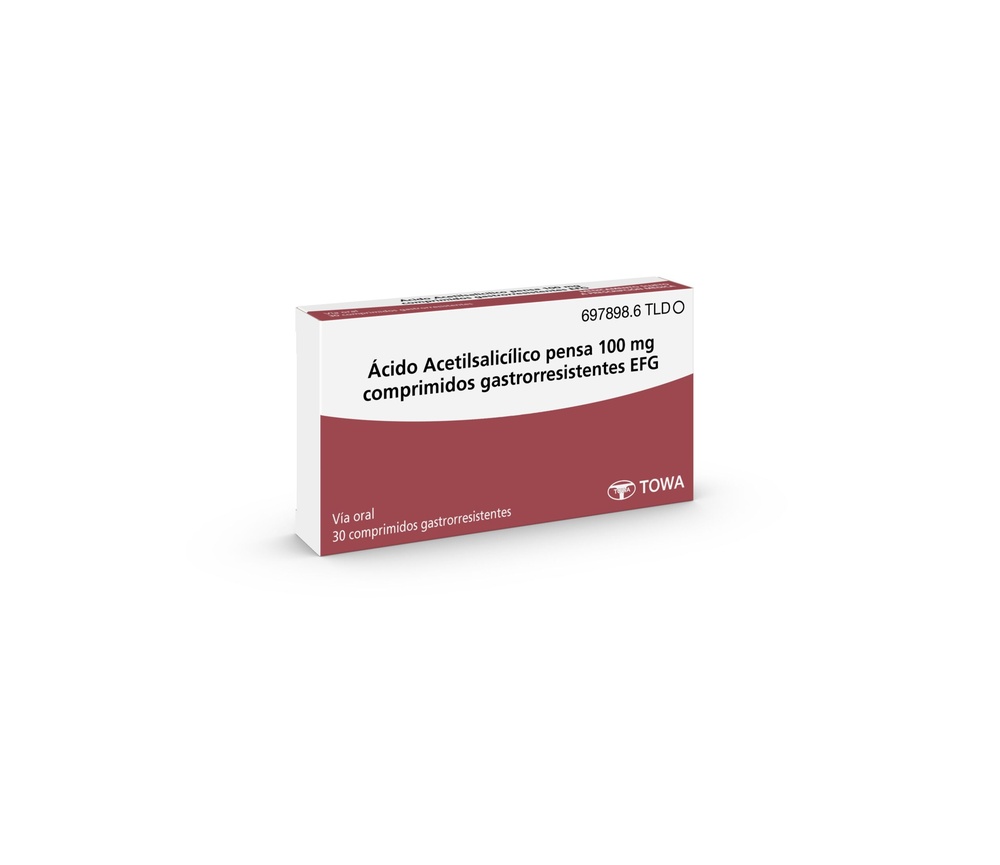
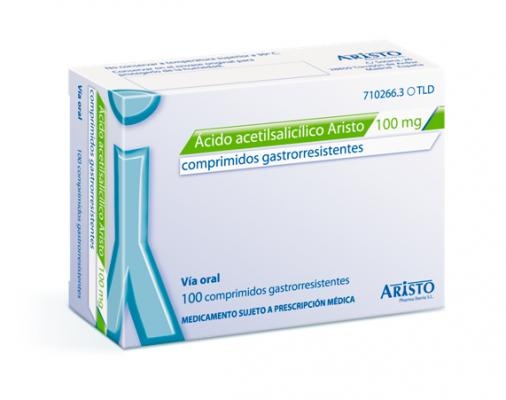
- Alternatives to ACETIC ACID SALICYLIC KRKA 100 MG GASTRO-RESISTANT TABLETSDosage form: TABLET, 100 mgActive substance: acetylsalicylic acidManufacturer: Laboratorio Stada S.L.Prescription requiredDosage form: TABLET, 100 mgActive substance: acetylsalicylic acidManufacturer: Laboratorios Alter S.A.Prescription requiredDosage form: TABLET, 100 mgActive substance: acetylsalicylic acidManufacturer: Aristo Pharma Iberia S.L.Prescription required
Online doctors for ACETIC ACID SALICYLIC KRKA 100 MG GASTRO-RESISTANT TABLETS
Discuss questions about ACETIC ACID SALICYLIC KRKA 100 MG GASTRO-RESISTANT TABLETS, including use, safety considerations and prescription review, subject to medical assessment and local regulations.









Get ACETIC ACID SALICYLIC KRKA 100 MG GASTRO-RESISTANT TABLETS Prescription Online
Fill in a 2-min form
Tell us your symptoms, history, and what medicine you're requesting.
Pick a doctor or let us assign
Choose a specialist or we'll match you with the next available doctor.
Doctor reviews your case
Usually within 30 minutes. They may ask follow-up questions via chat.
Collect from any pharmacy
Electronic prescription sent to your email — valid across Spain.
Frequently Asked Questions
ACETIC ACID SALICYLIC KRKA 100 MG GASTRO-RESISTANT TABLETS requires a prescription in Spain. You can check with a doctor online whether this medicine may be appropriate for your situation.
The active ingredient in ACETIC ACID SALICYLIC KRKA 100 MG GASTRO-RESISTANT TABLETS is acetylsalicylic acid. This information helps identify medicines with the same composition but different brand names.
The average pharmacy price for ACETIC ACID SALICYLIC KRKA 100 MG GASTRO-RESISTANT TABLETS is around 1.45 EUR. Prices may vary depending on the manufacturer and dosage form.
ACETIC ACID SALICYLIC KRKA 100 MG GASTRO-RESISTANT TABLETS is manufactured by Krka D.D. Novo Mesto. Pharmacy brands and packaging may differ depending on the distributor.
Doctors such as Family doctors, Psychiatrists, Dermatologists, Cardiologists, Endocrinologists, Gastroenterologists, Pulmonologists, Nephrologists, Rheumatologists, Hematologists, Infectious disease physicians, Allergists, Geriatricians, Paediatricians, Oncologists may assess whether ACETIC ACID SALICYLIC KRKA 100 MG GASTRO-RESISTANT TABLETS is appropriate, depending on your situation and local regulations. You can book an online consultation to discuss your symptoms and possible next steps.
Spain has a well-developed healthcare infrastructure across major cities such as Madrid, Barcelona, Valencia, and Seville. Pharmacies are widely available and operate under strict regulations, ensuring access to prescribed medications.
You can buy ACETIC ACID SALICYLIC KRKA 100 MG GASTRO-RESISTANT TABLETS in Madrid, Barcelona, Seville, or Valencia at any local pharmacy with a valid prescription.
To obtain a prescription, you can use Oladoctor:
Other medicines with the same active substance (acetylsalicylic acid) include A.A.S. 100 mg TABLETS, Acetylsalicylic Acid ALTER 100 mg Gastro-Resistant Tablets, ACETIC ACID SALICYLIC ARISTO 100 mg GASTRO-RESISTANT TABLETS. These may have different brand names or formulations but contain the same therapeutic ingredient. Always consult a doctor before switching or starting a new medicine.
