






How to use A.A.S. 100 mg TABLETS
Translated with AI
This page provides general information and does not replace a doctor’s consultation. Always consult a doctor before taking any medication. Seek urgent medical care if symptoms are severe.
Show originalContents of the leaflet
Introduction
Package Leaflet: Information for the User
A.A.S. 100 mg Tablets
Acetylsalicylic Acid
Read all of this leaflet carefully before you start taking this medicine because it contains important information for you.
|
Contents of the Package Leaflet
- What is A.A.S. 100 mg and what is it used for
- What you need to know before you take A.A.S. 100 mg
- How to take A.A.S. 100 mg
- Possible side effects
- Storage of A.A.S. 100 mg
- Contents of the pack and further information
1. What is A.A.S. 100 mg and what is it used for
A.A.S. 100 mg is indicated to prevent the formation of blood clots and reduce the risk of artery obstruction, since:
- you have previously suffered a heart attack or angina pectoris.
- you have suffered a non-hemorrhagic transient or permanent stroke.
- you have undergone surgical intervention, such as coronary angioplasty or coronary bypass.

2. What you need to know before you take A.A.S. 100 mg
Do not take A.A.S. 100 mg:
- If you are allergic to acetylsalicylic acid or any of the other ingredients of this medicine (listed in section 6).
- If you have suffered from mastocytosis (usually characterized by hives) since severe hypersensitivity reactions (exaggerated and severe allergic reaction with flushing, hypotension, tachycardia, and vomiting) may occur.
- If you have or have had stomach ulcers, duodenal ulcers, or recurring stomach discomfort.
- If you have had allergic reactions of an asthmatic type (difficulty breathing, shortness of breath, bronchospasm, and in some cases cough or wheezing when breathing) when taking medications to reduce inflammation, acetylsalicylic acid, other pain relievers, as well as when taking tartrazine dye.
- If you have or have had asthma or nasal polyps associated with asthma that are produced or increased by acetylsalicylic acid, rhinitis, or hives.
- If you have hemophilia or other blood coagulation problems that predispose you to internal bleeding, have any other bleeding disorder, or risk of bleeding.
- If you are being treated with medications to promote blood circulation (oral anticoagulants) (see "Taking A.A.S. 100 mg with other medicines").
- If you are being treated with methotrexate used at doses higher than 20 mg/week (see "Taking A.A.S. 100 mg with other medicines").
- If you have severe liver failure.
- If you have severe kidney failure.
- If you have severe uncontrolled heart failure.
- If you are under 16 years old, unless explicitly indicated by a doctor, since the use of acetylsalicylic acid has been related to Reye's syndrome, a rare but serious disease.
- If you are in your third trimester of pregnancy (more than 24 weeks of gestation), at doses higher than 100 mg/day (see "Pregnancy, breastfeeding, and fertility").
Warnings and precautions
Consult your doctor or pharmacist before starting to take A.A.S. 100 mg if you are in any of these cases:
- You have kidney, heart, or liver disease (in case of severe kidney failure, it is contraindicated, see "Do not take A.A.S. 100 mg").
- You have mild or moderate liver failure (in case of severe liver failure, it is contraindicated, see "Do not take A.A.S. 100 mg").
- You have blood coagulation disorders or are being treated with anticoagulants.
- You have gout. Acetylsalicylic acid modifies serum uric acid at analgesic doses.
- You have uterine bleeding outside the menstrual period or metrorrhagia or menorrhagia (prolonged and increased menstrual bleeding).
- You need to undergo surgical intervention, including dental surgery. In that case, you should inform your doctor or dentist.
- If you have been recently vaccinated.
- If you have rhinitis and/or hives.
- At high doses (anti-inflammatory doses), consult your doctor if you experience ringing or noise in the ears, reduced hearing, or dizziness.
- If you have a glucose-6-phosphate dehydrogenase deficiency due to the risk of hemolysis (see "Possible side effects").
- Concomitant treatment with levotyroxine (for hypothyroidism) and salicylates should be avoided (see "Taking A.A.S. 100 mg with other medicines").
- If you are taking anti-inflammatory drugs or other types of medications, as certain medications can interact with A.A.S. 100 mg and produce unwanted effects (see "Taking A.A.S. 100 mg with other medicines").
- You have high blood pressure.
- In treatments with doses ≥ 500 mg/day, female fertility may be altered due to an effect on ovulation, being reversible with treatment withdrawal.
- You should not drink alcohol because it increases the risk of gastrointestinal damage when taken with acetylsalicylic acid, and it is a triggering factor for the chronic irritation produced by acetylsalicylic acid (see "Warnings and precautions").
- In patients treated with nicorandil and acetylsalicylic acid, there is a higher risk of serious complications such as gastrointestinal ulcers, perforation, and bleeding (see "Taking A.A.S. 100 mg with other medicines").
- History of gastroduodenal ulcers, gastrointestinal bleeding, or gastritis. Avoid taking concomitantly with other medications that may increase the risk of bleeding. Consult your doctor.
- Patient with asthma: the onset of asthma attacks may be related to an allergy to non-steroidal anti-inflammatory drugs or acetylsalicylic acid. In this case, this medication is contraindicated.
- Reye's syndrome, a very rare but potentially fatal disease, has been observed in children and adolescents with viral infections (especially chickenpox and flu) and who are taking acetylsalicylic acid. Consequently, acetylsalicylic acid should be administered to these children and adolescents only under medical recommendation, when other measures have failed. In case of persistent vomiting, loss of consciousness, or abnormal behavior, treatment with acetylsalicylic acid should be discontinued.
- This medication contains acetylsalicylic acid. Other medications also contain it; do not take them at the same time to avoid exceeding the recommended daily dose.
- Regular use of pain relievers, especially when combining pain relievers, can cause persistent kidney damage with a risk of kidney failure.
- It is not recommended to use this medication during breastfeeding (see "Pregnancy, breastfeeding, and fertility").
Consult your doctor, even if any of the above circumstances have occurred to you at any time.
Taking A.A.S. 100 mg with other medicines
Tell your doctor or pharmacist if you are using, have recently used, or might use any other medications, including those obtained without a prescription, homeopathic, herbal, and other health-related products, as it may be necessary to interrupt treatment or adjust the dose of any of them.
This is especially important in the case of:
- Medications used to prevent transplant rejection (cyclosporin and tacrolimus).
- High blood pressure (diuretics, angiotensin II receptor antagonists, and ACE inhibitors).
- Methotrexate (medication used to treat cancer and rheumatoid arthritis).
- Other pain relievers or non-steroidal anti-inflammatory drugs (medications used to treat pain and/or muscle inflammation).
- Anticoagulants (medications used to thin the blood and prevent the formation of clots), thrombolytics (to dissolve clots), antiplatelet agents, and other medications associated with a risk of bleeding.
- Medications that lower blood sugar levels (oral antidiabetics and insulin).
- Barbiturates (medications used to combat sleep disorders, such as sedatives and anticonvulsants).
- Corticosteroids (except hydrocortisone), as they may increase the risk of gastrointestinal bleeding.
- Cimetidine and ranitidine (used to reduce stomach acidity).
- Digoxin (medication used to treat heart conditions).
- Phenytoin and valproic acid (antiepileptic drugs).
- Lithium and serotonin receptor inhibitors (used in the treatment of depression).
- Probenecid and sulfinpyrazone (used in the treatment of gout).
- The antibiotic vancomycin and sulfonamides (used in the treatment of infections).
- Interferon alpha.
- Zidovudine (used in the treatment of AIDS).
- Metamizole (another analgesic/antipyretic medication).
- Acetazolamide (diuretic).
- Varicella vaccine (do not take salicylates in the 6 weeks following vaccination).
- Levotyroxine (thyroid hormone).
- Tenofovir (used in the treatment of AIDS).
- Nicorandil (used in the treatment of heart conditions) (see "Warnings and precautions").
- Pemetrexed: risk of increased toxicity from pemetrexed.
- Alcohol: alcohol may increase the risk of gastrointestinal damage when taken with acetylsalicylic acid (see "Warnings and precautions").
Interference with diagnostic tests
If you are going to undergo any diagnostic tests (including blood tests, urine tests, etc.), inform your doctor that you are taking this medication, as A.A.S. 100 mg may alter the test results.
Taking A.A.S. 100 mg with food, drinks, and alcohol
Take this medication after meals or with some food.
If you habitually consume alcohol (three or more alcoholic beverages - beer, wine, liquor, ... - per day), taking A.A.S. 100 mg may cause stomach bleeding.
Pregnancy, breastfeeding, and fertility
Pregnancy
If you are pregnant or breastfeeding, think you may be pregnant, or plan to become pregnant, consult your doctor or pharmacist before using this medication.
Taking this medication during the first and second trimester of pregnancy may be hazardous to the embryo or fetus and should be monitored by your doctor.
If acetylsalicylic acid is administered to a woman who wishes to become pregnant or is pregnant for less than six months, the dose should be as low as possible and the treatment duration as short as possible. Prolonged use is not recommended.
Do not take this medication if you are in your third trimester of pregnancy (see "Do not take A.A.S. 100 mg").
Breastfeeding
Women who are breastfeeding should consult their doctor before using this medication, as acetylsalicylic acid passes into breast milk. Its use is not recommended during breastfeeding due to the risk of adverse effects in the child.
Fertility
Acetylsalicylic acid may alter fertility due to an effect on ovulation. The effect is reversible after treatment withdrawal.
Driving and using machines
A.A.S. 100 mg does not seem to have any effect on the ability to drive vehicles and use machines.
A.A.S. 100 mg contains orange yellow S dye
This medication may cause allergic reactions because it contains orange yellow S dye (E-110). It may cause asthma, especially in patients allergic to acetylsalicylic acid.
A.A.S. 100 mg contains sodium
This medication contains less than 1 mmol of sodium (23 mg) per tablet; that is, it is essentially "sodium-free".
3. How to take A.A.S. 100 mg
Follow exactly the administration instructions of this medication indicated by your doctor or pharmacist. In case of doubt, consult your doctor or pharmacist again.
The route of administration of A.A.S. 100 mg is oral.
- In the prevention of embolism caused by a blood clot (infarction, angina pectoris, biological valve prostheses, bypass, inflammation of a blood vessel caused by a blood clot, and risk of clot formation in the circulatory system), the recommended average dose is 1 to 3 tablets of A.A.S. 100 mg per day, that is, 100 mg to 300 mg per day.
- Those patients who have liver or kidney problems should consult their doctor, as it may be necessary to reduce the dose of acetylsalicylic acid.
Your doctor will indicate the duration of your treatment with A.A.S. 100 mg. Do not stop treatment beforehand. Under no circumstances should you modify or stop the prescribed treatment without consulting your doctor.
Use in children and adolescents
A.A.S. 100 mg should not be administered to children under 16 years old.
Use in elderly patients
Elderly people should not take this medication without consulting their doctor, as they are more prone to its adverse effects.
If you take more A.A.S. 100 mg than you should
The main symptoms of moderate overdose are: headache, confusion, dizziness, ringing in the ears, feeling of deafness, blurred vision, sweating, nausea, vomiting, and occasionally diarrhea. They can be controlled by reducing the dose.
The symptoms of severe poisoning include fever, hyperventilation, ketosis, respiratory alkalosis, metabolic acidosis, coma, cardiopulmonary collapse, respiratory failure.
Pulmonary edema may occur with acute and chronic overdose of acetylsalicylic acid (see "Possible side effects").
Overdose with salicylates is important in elderly patients and, particularly in young children, and can lead to severe hypoglycemia and potentially fatal poisoning.
In case of overdose or accidental ingestion, consult your doctor or pharmacist immediately or go to a medical center immediately or call the Toxicology Information Service, phone: 91 562 04 20, indicating the medication and the amount ingested.
If you forget to take A.A.S. 100 mg
Do not take a double dose to make up for forgotten doses.
If you have any other questions about the use of this medication, ask your doctor or pharmacist.

4. Possible Adverse Effects
Like all medicines, this medicine can cause adverse effects, although not all people suffer from them.
Frequent (may affect up to 1 in 10 patients):
Blood disorders:
- Coagulation alteration when administered at high doses (hypoprothrombinemia).
Respiratory system disorders:
- Rhinitis, difficulty breathing.
- Feeling of shortness of breath.
Gastrointestinal disorders: nausea and vomiting.
Infrequent (may affect up to 1 in 100 patients):
Blood disorders:
- Anemia.
Liver disorders:
- Liver toxicity.
General disorders:
- In patients with an allergy to acetylsalicylic acid and/or other non-steroidal anti-inflammatory drugs, generalized allergic reactions may occur. This adverse effect can also occur in people who have not previously presented allergy problems to acetylsalicylic acid.
After prolonged treatments with acetylsalicylic acid, the following adverse effects have been observed, whose frequency has not been established with precision:
- Hemorrhagic syndromes: hematomas, urogenital hemorrhage, nosebleeds, gum bleeding, appearance of red spots on the skin. If a wound or cut occurs, it is possible that the bleeding may take a little longer than normal to stop.
- Fixed eruption, itching, fluid accumulation in skin and mucous membranes, skin reactions.
- Non-cardiogenic pulmonary edema (fluid accumulation in the lungs without cardiac involvement) with chronic use and associated with an allergic reaction due to acetylsalicylic acid, bronchospasm, asthma.
- Confusion.
- Intracranial hemorrhage that can be fatal, especially in elderly patients.
- Ringing in the ears, deafness (see "If you take more A.A.S. 100 mg than you should").
- Gastrointestinal disorders:
- Inflammation of the esophagus, duodenum, and stomach mucosa, esophageal ulcer, intestinal ulcers, colitis, and perforation. These reactions may or may not be associated with bleeding.
- Acute pancreatitis (inflammation of the pancreas).
- Abdominal pain, dyspepsia, gastric ulcer, and duodenal ulcer.
- Stomach bleeding, which can be observed in stools or produce vomiting with blood.
- Blood disorders: thrombocytopenia (decrease in platelet levels), pancytopenia (decrease in white blood cells, red blood cells, and platelets), bicytopenia (decrease in two types of blood cells), aplastic anemia, bone marrow failure, agranulocytosis (decrease in granulocytes: a type of white blood cell), neutropenia (decrease in neutrophils: a type of white blood cell), and leukopenia (decrease in white blood cells). Hemolytic anemia in patients with glucose-6-phosphate dehydrogenase deficiency (see "Warnings and precautions").
- Increased liver enzymes and liver damage. Chronic hepatitis. Reye's syndrome (in children with febrile processes, flu, or chickenpox) (see "Warnings and precautions").
- Kidney inflammation and other kidney problems.
- Hematospermia (presence of blood in semen).
- Sweating, headache, dizziness, and confusion may appear with prolonged high doses.
- Potentially fatal bleeding, vasculitis including Henoch-Schönlein purpura.
- Simultaneous occurrence of cardiac events and allergic reactions (Kounis syndrome).
- Edema (fluid accumulation) with high doses (anti-inflammatory) of acetylsalicylic acid.
- Hypersensitivity reactions, anaphylactic reactions (severe allergic reaction with difficulty breathing and even loss of consciousness).
If you observe the appearance of:
- Discomfort or stomach pain, stomach or intestinal bleeding, or black stools.
- Skin disorders, such as eruptions or redness.
- Difficulty breathing.
- Unforeseen change in the amount or appearance of urine.
- Swelling of the face, feet, or legs.
- Deafness, ringing in the ears, or dizziness.
Stop taking the medicine and consult your doctor immediately, as they may indicate the appearance of side effects that require urgent medical attention.
Reporting of Adverse Effects
If you experience any type of adverse effect, consult your doctor or pharmacist, even if it is a possible adverse effect that does not appear in this prospectus. You can also report them directly through the Spanish Pharmacovigilance System for Human Use Medicines: https://www.notificaram.es. By reporting adverse effects, you can contribute to providing more information on the safety of this medicine.
5. Storage of A.A.S. 100 mg
Store below 25°C.
Keep this medicine out of sight and reach of children.
Do not use this medicine after the expiration date that appears on the packaging. The expiration date is the last day of the month indicated.
Medicines should not be thrown away through wastewater or household waste. Deposit the packaging and medicines you no longer need at the SIGRE Point in the pharmacy. In case of doubt, ask your pharmacist how to dispose of the packaging and medicines you no longer need. This way, you will help protect the environment.
6. Package Contents and Additional Information
Composition of A.A.S. 100 mg
- The active ingredient is acetylsalicylic acid. Each tablet contains 100 mg of acetylsalicylic acid.
- The other components (excipients) are: sodium saccharin, mannitol (E 421), cornstarch, gum arabic, orange flavor, and colorants yellow No. 10 (E 104) and yellow-orange S (E 110).
Appearance of the Product and Package Contents
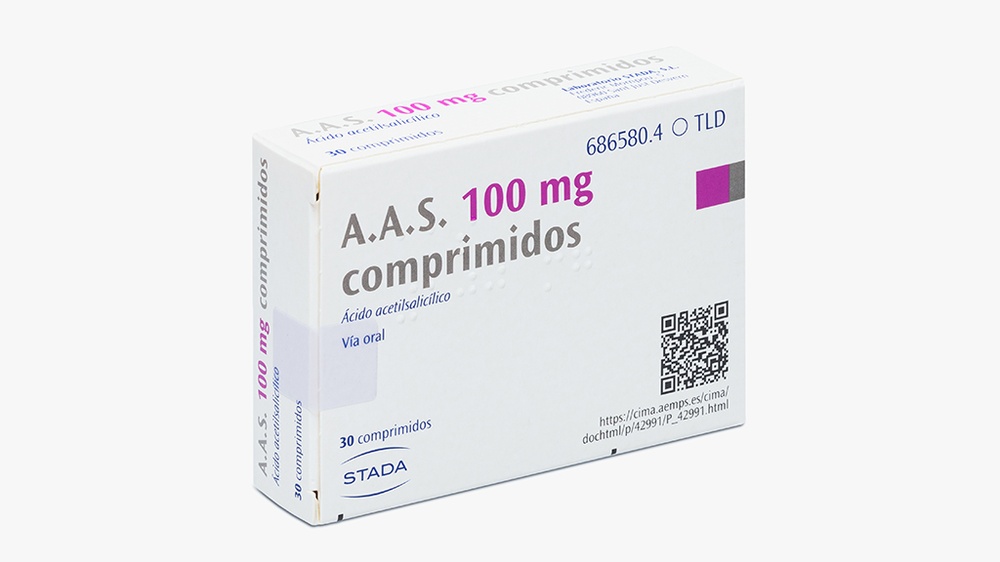
A.A.S. 100 mg is presented as round, biconvex, scored tablets, yellow to orange in color. Each package contains 30 tablets.
Marketing Authorization Holder
Laboratorio STADA, S.L.
Frederic Mompou, 5
08960 Sant Just Desvern
Spain
Manufacturer
sanofi-aventis, S.A
Ctra. C35 La Batlloria a Hostalrich, Km. 63,09
17404 - Riells i Viabrea (Girona)
Spain
Date of the Last Revision of this Prospectus: October 2022
Other Sources of Information
Detailed and updated information on this medicine is available on the website of the Spanish Agency for Medicines and Health Products (AEMPS) http://www.aemps.gob.es/
-

- Country of registration
- Dosage formTABLET, 100 mg
- ATC codeB01AC06
- Average pharmacy price1.45 EUR
- Active substance
- Prescription requiredYes
- Manufacturer
- This information is for reference only and does not constitute medical advice. Always consult a doctor before taking any medication. Oladoctor is not responsible for medical decisions based on this content.
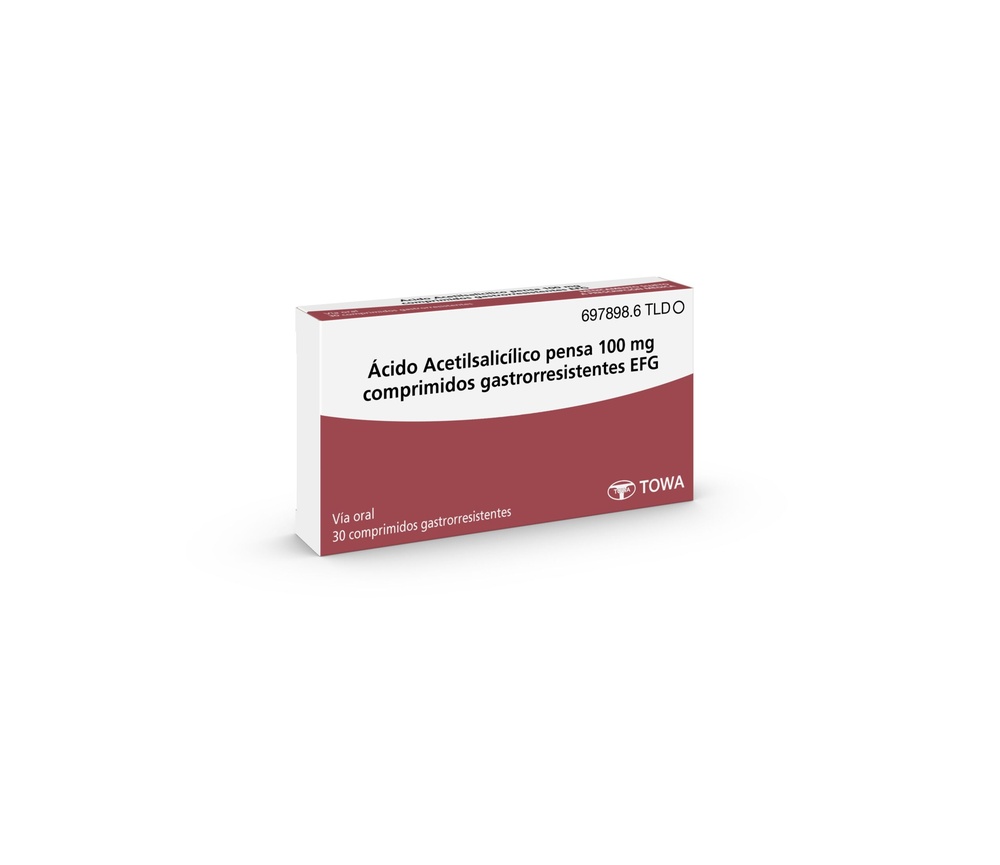
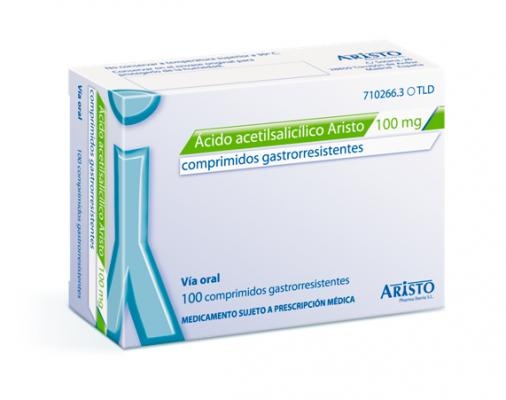
- Alternatives to A.A.S. 100 mg TABLETSDosage form: TABLET, 100 mgActive substance: acetylsalicylic acidManufacturer: Laboratorios Alter S.A.Prescription requiredDosage form: TABLET, 100 mgActive substance: acetylsalicylic acidManufacturer: Aristo Pharma Iberia S.L.Prescription requiredDosage form: TABLET, 100 mgActive substance: acetylsalicylic acidManufacturer: Aurovitas Spain, S.A.U.Prescription required
Online doctors for A.A.S. 100 mg TABLETS
Discuss questions about A.A.S. 100 mg TABLETS, including use, safety considerations and prescription review, subject to medical assessment and local regulations.









Get A.A.S. 100 mg TABLETS Prescription Online
Fill in a 2-min form
Tell us your symptoms, history, and what medicine you're requesting.
Pick a doctor or let us assign
Choose a specialist or we'll match you with the next available doctor.
Doctor reviews your case
Usually within 30 minutes. They may ask follow-up questions via chat.
Collect from any pharmacy
Electronic prescription sent to your email — valid across Spain.
Frequently Asked Questions
A.A.S. 100 mg TABLETS requires a prescription in Spain. You can check with a doctor online whether this medicine may be appropriate for your situation.
The active ingredient in A.A.S. 100 mg TABLETS is acetylsalicylic acid. This information helps identify medicines with the same composition but different brand names.
The average pharmacy price for A.A.S. 100 mg TABLETS is around 1.45 EUR. Prices may vary depending on the manufacturer and dosage form.
A.A.S. 100 mg TABLETS is manufactured by Laboratorio Stada S.L.. Pharmacy brands and packaging may differ depending on the distributor.
Doctors such as Family doctors, Psychiatrists, Dermatologists, Cardiologists, Endocrinologists, Gastroenterologists, Pulmonologists, Nephrologists, Rheumatologists, Hematologists, Infectious disease physicians, Allergists, Geriatricians, Paediatricians, Oncologists may assess whether A.A.S. 100 mg TABLETS is appropriate, depending on your situation and local regulations. You can book an online consultation to discuss your symptoms and possible next steps.
Spain has a well-developed healthcare infrastructure across major cities such as Madrid, Barcelona, Valencia, and Seville. Pharmacies are widely available and operate under strict regulations, ensuring access to prescribed medications.
You can buy A.A.S. 100 mg TABLETS in Madrid, Barcelona, Seville, or Valencia at any local pharmacy with a valid prescription.
To obtain a prescription, you can use Oladoctor:
Other medicines with the same active substance (acetylsalicylic acid) include Acetylsalicylic Acid ALTER 100 mg Gastro-Resistant Tablets, ACETIC ACID SALICYLIC ARISTO 100 mg GASTRO-RESISTANT TABLETS, ACETYLSALICYLIC ACID AUROVITAS SPAIN 100 mg GASTRO-RESISTANT TABLETS. These may have different brand names or formulations but contain the same therapeutic ingredient. Always consult a doctor before switching or starting a new medicine.
