Pressure ulcers (bedsores)
A pressure ulcer is damage to the skin and the tissue beneath it caused by sustained pressure.

Prescription request online
A doctor will review your case and issue a prescription if medically appropriate.

Talk to a doctor online
Discuss your symptoms and possible next steps with a doctor online.


On this page
Medicines commonly prescribed for Pressure ulcers (bedsores)
For informational purposes only. Always consult a doctor before using any medicine.
 FUSIDIC ACID REDOXFARMA 20 mg/g CREAMIllustrative imageDosage form: CREAM, 20 mg/gActive substance: fusidic acidManufacturer: Redox Farma S.L.U.Prescription required
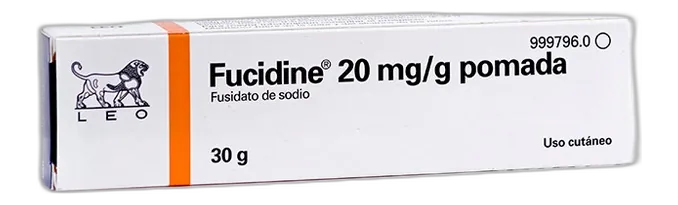 FUCIDINE 20 mg/g OINTMENTIllustrative imageDosage form: OINTMENT, 2 %Active substance: fusidic acidManufacturer: Laboratorios Leo Pharma S.A.Prescription required
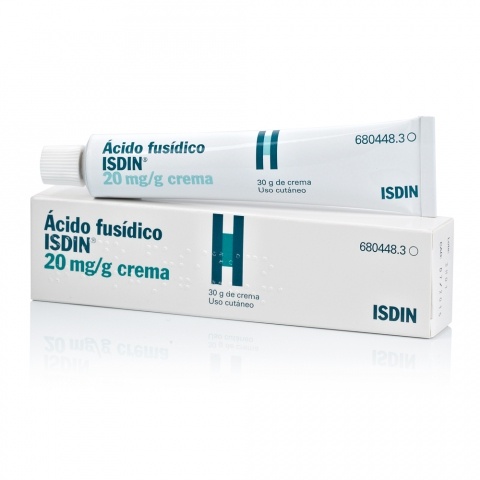 FUSIDIC ACID ISDIN 20 mg/g CREAMIllustrative imageDosage form: CREAM, 2%Active substance: fusidic acidManufacturer: Isdin S.A.Prescription required
A pressure ulcer is damage to the skin and the tissue beneath it caused by sustained pressure. They form where bone lies close to the surface and the body stays in one position for too long. They develop faster than most people expect — sometimes within hours — and are almost always preventable. That is why the core of this topic is not treatment but prevention and a daily look at the skin.
Where they appear
- lying on the back — sacrum and tailbone, heels, shoulder blades, elbows, back of the head;
- lying on the side — hip, outer knee, ankle, ear;
- sitting — sacrum, sitting bones, heels;
- also under casts, splints, oxygen masks and tubing — anywhere something presses on skin.
How to recognise them early
- an area of changed colour that does not blanch when pressed with a finger. On light skin it looks red; on brown and black skin it may be purple, bluish or simply darker than the surrounding skin;
- the skin there feels warmer or cooler than next to it, firmer or, conversely, boggy;
- pain, burning or itching in the area — sometimes the only symptom;
- later a blister or a shallow open wound appears;
- without treatment the damage extends deeper, to muscle and bone.
The blanching test is simple and reliable: press the reddened area with a finger for a few seconds. Healthy skin goes white and the colour returns. If the area stays the same colour, this is an early pressure ulcer.
Who is at higher risk
- limited mobility after surgery, injury, stroke or serious illness;
- a stay in intensive care;
- impaired sensation — spinal injury, diabetic neuropathy: the person simply does not feel the discomfort that would prompt a change of position;
- low body weight and poor nutrition, low protein intake;
- dry skin or, conversely, constantly moist skin from sweating or incontinence;
- poor circulation, diabetes, smoking;
- a previous pressure ulcer — scar tissue is more vulnerable.
How to prevent them
- reposition regularly. In bed, at least every 2–4 hours; when sitting, every hour, plus a small lift or shift of weight every 15 minutes;
- check the skin every day, all the sites listed above, using a mirror for hard-to-see areas;
- a pressure-redistributing mattress and cushions — alternating pressure or viscoelastic;
- offload the heels — place a pillow under the calves so the heels do not touch the surface;
- lift, do not drag when moving someone: friction against the sheet damages skin as much as pressure does;
- keep the skin clean and dry, use a barrier cream if there is incontinence, and change damp linen immediately;
- adequate nutrition with enough protein and fluids — healing is impossible without it;
- do not smoke;
- smooth out creases in sheets and clothing, and remove tubing and crumbs from under the body.
What not to do: rub reddened skin or massage over a bony prominence — this damages the tissue further. Place rubber rings under the sacrum — they create a new ring of pressure. Use camphor spirit or similar products — they dry the skin.
When to see a doctor
- an area of skin has appeared that does not blanch on pressure;
- a blister or open wound has formed;
- the wound edges are red and swollen, the surrounding skin is hot, or there is purulent discharge or an unpleasant smell;
- fever, chills or confusion develop — possible sepsis, which is an emergency;
- the wound is not getting smaller after two weeks of correct care;
- the pain is increasing.
Treatment
The first and most important step is to remove pressure from the affected area completely; without that, no dressing will work. Beyond that, treatment depends on depth:
- specialist dressings that maintain a moist healing environment, selected by a healthcare professional according to the stage of the wound;
- cleaning the wound and removing non-viable tissue;
- antibiotics only for confirmed infection, never "as a precaution";
- nutritional support, often with protein supplements;
- pain relief, particularly before dressing changes;
- for deep ulcers, surgical treatment, sometimes with reconstructive surgery.
A deep pressure ulcer takes months to heal, and that is a normal timescale rather than a sign of failure.
Common questions
Can one form in a single day? Yes. With significant pressure and compromised circulation, the first changes occur within hours.
Do rings and doughnut cushions help? Rubber rings are harmful. What is needed are pressure-redistributing mattresses and correctly placed pillows.
Can I use iodine or coloured antiseptics? Staining antiseptics obscure the appearance of the wound and dry the tissue.
Online consultation
In an online consultation the doctor reviews photographs, helps determine the stage, advises which dressings and repositioning schedule are needed, recognises signs of infection and explains when urgent in-person care is required.
This material is for information only and does not replace a medical consultation.

Consult with a doctor about Pressure ulcers (bedsores)
Discuss your symptoms and possible next steps with a doctor online.
Medically reviewed by

Reviewed on Jul 16, 2026
Online doctors for Pressure ulcers (bedsores)
Discuss your symptoms and possible next steps for Pressure ulcers (bedsores) with a doctor online.