Bg pattern

Ehlers-Danlos syndromes

Ehlers-Danlos syndromes (EDS) are a group of rare inherited conditions that affect connective tissue.

Prescription review online

Prescription review online

A doctor will review your case and issue a prescription if medically appropriate.

Talk to a doctor online

Talk to a doctor online

Discuss your symptoms and possible next steps with a doctor online.

This page provides general information and does not replace a doctor’s consultation. If symptoms are severe, persistent or worsening, seek medical advice promptly.

Ehlers-Danlos syndromes (EDS) are a group of rare inherited conditions that affect connective tissue.


Connective tissues provide support in skin, tendons, ligaments, blood vessels, internal organs and bones.

Symptoms of Ehlers-Danlos syndromes (EDS)

There are several types of EDS that may share some symptoms.

These include:

  • an increased range of joint movement (joint hypermobility)
  • stretchy skin
  • fragile skin that breaks or bruises easily

EDS can affect people in different ways. For some, the condition is relatively mild, while for others their symptoms can be disabling.

The different types of EDS are caused by faults in certain genes that make connective tissue weaker.

Depending on the type of EDS, the faulty gene may have been inherited from 1 parent or both parents.

Sometimes the faulty gene is not inherited, but occurs in the person for the first time.

Some of the rare, severe types can be life threatening.

Main types of Ehlers-Danlos syndromes (EDS)

There are 13 types of EDS, most of which are rare.

Hypermobile EDS (hEDS) is the most common type.

Other types of EDS include classical EDS, vascular EDS and kyphoscoliotic EDS.

Hypermobile EDS

People with hEDS may have:

Currently, there are no tests to confirm whether someone has hEDS.

The diagnosis is made based on a person's medical history and a physical examination.

Classical EDS

Classical EDS (cEDS) is less common than hypermobile EDS and tends to affect the skin more.

People with cEDS may have:

  • joint hypermobility
  • loose, unstable joints that dislocate easily
  • stretchy skin
  • fragile skin that can split easily, especially over the forehead, knees, shins and elbows
  • smooth, velvety skin that bruises easily
  • wounds that are slow to heal and leave wide scars
  • hernias and organ prolapse
Consult with a doctor about Ehlers-Danlos syndromes

Consult with a doctor about Ehlers-Danlos syndromes

Discuss your symptoms and possible next steps with a doctor online.

Vascular EDS

Vascular EDS (vEDS) is a rare type of EDS and is often considered to be the most serious.

It affects the blood vessels and internal organs, which can cause them to split open and lead to life-threatening bleeding.

People with vEDS may have:

  • skin that bruises very easily
  • thin skin with visible small blood vessels, particularly on the upper chest and legs
  • fragile blood vessels that can bulge or tear, resulting in serious internal bleeding
  • a risk of organ problems, such as the bowel tearing, the womb tearing (in late pregnancy) and partial collapse of the lung
  • hypermobile fingers and toes, unusual facial features (such as a thin nose and lips, large eyes and small earlobes), varicose veins and delayed wound healing

Kyphoscoliotic EDS

Kyphoscoliotic EDS (kEDS) is rare.

People with kEDS may have:

  • curvature of the spine – this starts in early childhood and often gets worse in the teenage years
  • joint hypermobility
  • loose, unstable joints that dislocate easily
  • weak muscle tone from childhood (hypotonia) – this may cause a delay in sitting and walking, or difficulty walking if symptoms get worse
  • fragile eyes that can easily be damaged
  • soft, velvety skin that is stretchy, bruises easily and scars

Hypermobility spectrum disorder (HSD)

Some people have problems caused by hypermobility, but do not have any of the specific EDS conditions. They may be diagnosed with hypermobility spectrum disorder (HSD), which is treated in the same way as hEDS.

Getting medical advice

See a GP if you have several troublesome symptoms of EDS.

You do not usually need to worry if you only have a few symptoms and they're not causing any problems.

Joint hypermobility, for example, is relatively common, affecting around 1 in 30 people. It's unlikely to be caused by EDS if you do not have any other symptoms.

The GP may refer you to a joint specialist (rheumatologist) if you have problems with your joints and they suspect EDS.

If there's a possibility you may have 1 of the rare types of EDS, the GP can refer you to your local genetics service for an assessment.

The genetics specialist will ask about your medical history, family history, assess your symptoms and may carry out a genetic blood test to confirm the diagnosis.

Treatment for Ehlers-Danlos syndromes (EDS)

There's no specific treatment for EDS, but it's possible to manage many of the symptoms with support and advice.

People with EDS may also benefit from support from a number of different healthcare professionals.

For example:

  • a physiotherapist can teach you exercises to help strengthen your joints, avoid injuries and manage pain
  • an occupational therapist can help you manage daily activities and give advice on equipment that may help you
  • counselling and cognitive behavioural therapy (CBT) may be useful if you're struggling to cope with long-term pain
  • for certain types of EDS, regular scans carried out in hospital can detect problems with internal organs
  • genetic counselling can help you learn more about the cause of your condition, how it's inherited, and what the chances are of passing it on to your children

Your GP or consultant can refer you to these services.

Self-refer for treatment

If you have Ehlers-Danlos syndromes, you might be able to refer yourself directly to services for help with your condition without seeing a GP.

To find out if there are any services in your area:

  • ask the reception staff at your GP surgery
  • check your GP surgery's website
  • contact your integrated care board (ICB) – find your local ICB

Living with Ehlers-Danlos syndromes (EDS)

It's important to be careful about activities that put a lot of strain on your joints or put you at risk of injury.

But it's also important not to be overprotective and avoid living an otherwise normal life.

Advice will depend on which type of EDS you have and how it affects you:

  • you may be advised to avoid some activities entirely, such as heavy lifting and contact sports
  • for some activities you may need to wear appropriate protection and be taught how to reduce the strain on your joints
  • lower-risk activities, such as swimming or pilates, may be recommended to help you stay fit and healthy
  • if fatigue is a problem, you can be taught ways to conserve your energy and pace your activities

How Ehlers-Danlos syndromes (EDS) are inherited

EDS can be inherited, but it happen by chance in someone without a family history of the condition.

The 2 main ways EDS is inherited are:

  • autosomal dominant inheritance (hypermobile, classical and vascular EDS) – the faulty gene that causes EDS is passed on by 1 parent and there's a 1 in 2 chance of each of their children developing the condition
  • autosomal recessive inheritance (kyphoscoliotic EDS) – the faulty gene is inherited from both parents and there's a 1 in 4 chance of each of their children developing the condition

A person with EDS can only pass on the same type of EDS to their children.

For example, the children of someone with hypermobile EDS cannot inherit vascular EDS.

The severity of the condition can vary within the same family.

More information

The following websites provide more information, advice and support for people with EDS and their families:

Information about you

This helps scientists look for better ways to prevent and treat this condition.

You can opt out of the register at any time.

Online doctors for Ehlers-Danlos syndromes

Discuss your symptoms and possible next steps for Ehlers-Danlos syndromes with a doctor online.

5.0 (1272)
Doctor

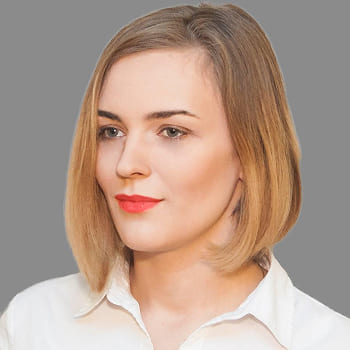
Andrei Popov

General medicine 7 years of experience

Dr. Andrei Popov is a family physician with specialized training in the management of chronic pain. He provides video consultations for adults in Spain and across Europe: whether you have been living with pain for months that no one has been able to properly explain, or you need to resolve a health issue without waiting weeks for an appointment.

His approach is clear: to listen, organize your case, and provide you with a practical roadmap based on evidence-based medicine and adapted to your medical history and personal needs.

Pain: how he can help

  • Chronic pain (more than 3 months
  • Migraine and recurrent or high-intensity headaches
  •  Neck, lower back, back and joint pain
  •  Post-traumatic pain after injuries or surgeries
  •  Pain of neurological origin: neuralgia, neuropathic pain, fibromyalgia

General medicine

  • Frequent respiratory infections (cold, flu, persistent cough)
  • Hypertension, diabetes and metabolic disorders
  • Review of laboratory tests and MRI/CT reports (explained in clear language)
  • Preventive medicine and health monitoring
  • Second opinions and treatment adjustments (when clinically appropriate)

What the consultation is like
 Each session lasts up to 30 minutes. We review symptoms, medical history, medications and any tests you provide, and you finish the consultation with a clear treatment plan, defined next steps, and criteria to understand when follow-up may be needed. If warning signs are detected, he will clearly advise whether you need in-person care or urgent medical attention.

5.0 (196)
Doctor

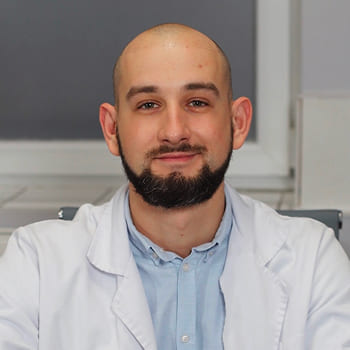
Yevgen Yakovenko

General surgery 12 years of experience

Dr. Yevgen Yakovenko is a licensed surgeon and general practitioner in Spain and Germany. He specialises in general, paediatric, and oncological surgery, internal medicine, and pain management. He offers online consultations for adults and children, combining surgical precision with therapeutic support. Dr Yakovenko works with patients across different countries and provides care in Ukrainian, Russian, English, and Spanish.

Areas of medical expertise:

  • Acute and chronic pain: headaches, muscle and joint pain, back pain, abdominal pain, postoperative pain. Identifying the cause, selecting treatment, and creating a care plan.
  • Internal medicine: heart, lungs, gastrointestinal tract, urinary system. Management of chronic conditions, symptom control, second opinions.
  • Pre- and postoperative care: risk assessment, decision-making support, follow-up after surgery, rehabilitation strategies.
  • General and paediatric surgery: hernias, appendicitis, congenital conditions, both planned and urgent surgeries.
  • Injuries and trauma: bruises, fractures, sprains, soft tissue damage, wound care, dressing, referral when in-person care is required.
  • Oncological surgery: diagnosis review, treatment planning, and long-term follow-up.
  • Obesity treatment and weight management: a medical approach to weight loss, including assessment of underlying causes, evaluation of comorbidities, development of a personalised plan (nutrition, physical activity, pharmacotherapy if needed), and ongoing progress monitoring.
  • Imaging interpretation: analysis of ultrasound, CT, MRI, and X-ray results, surgical planning based on imaging data.
  • Second opinions and medical navigation: clarifying diagnoses, reviewing current treatment plans, helping patients choose the best course of action.

Experience and qualifications:

  • 12+ years of clinical experience in university hospitals in Germany and Spain.
  • International education: Ukraine – Germany – Spain.
  • Member of the German Society of Surgeons (BDC).
  • Certified in radiological diagnostics and robotic surgery.
  • Active participant in international medical conferences and research.

Dr Yakovenko explains complex topics in a clear, accessible way. He works collaboratively with patients to analyse health issues and make evidence-based decisions. His approach is grounded in clinical excellence, scientific accuracy, and respect for each individual.

If you are unsure about a diagnosis, preparing for surgery, or want to discuss your test results – Dr Yakovenko will help you evaluate your options and move forward with confidence.

0.0 (0)
Doctor

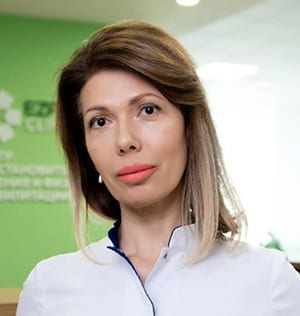
Maria Martelli

Anaesthesiology 12 years of experience

Dr Maria Martelli is a medical doctor specialising in anaesthesiology and pain medicine. She provides online consultations for adults, focusing on the assessment and management of acute, chronic, and complex pain conditions, as well as supportive care in serious illness. She graduated from the Medical University of Silesia in Katowice and completed her specialisation in Anaesthesiology and Intensive Care. Alongside hospital work, she has extensive experience in home and inpatient hospice care, supporting patients with severe pain and advanced disease. Since 2021, she has been a certified specialist and continues to work in anaesthesiology, intensive care, and pain treatment. Patients consult her for: 

  • Chronic pain lasting more than 3 months (musculoskeletal, neuropathic, mixed pain).
  • Acute pain requiring medical assessment and treatment planning.
  • Post-operative pain and recovery support.
  • Cancer-related pain and symptom relief.
  • Palliative care support and quality-of-life improvement.
  • Adjustment and optimisation of pain medication.
  • Second opinions for complex or treatment-resistant pain.

Dr Martelli takes a structured, evidence-based approach, carefully analysing symptoms, previous treatments, and overall health status. Her consultations focus on realistic pain control goals, safety of therapy, and improving daily functioning. She is especially attentive to patients living with long-term pain or serious illness, providing clear explanations, compassionate guidance, and medically sound recommendations adapted to each individual situation.

5.0 (116)
Doctor

Sergey Ilyasov

Psychiatry 7 years of experience

Dr Sergey Ilyasov is an experienced neurologist and qualified psychiatrist who provides online consultations for adults and adolescents. Combining deep neurological expertise with a modern psychiatric approach, he ensures comprehensive diagnostics and effective treatment for a wide range of conditions affecting both physical and mental health.

Dr. Ilyasov helps patients in the following cases:

  • Chronic headaches (migraine, tension-type headache), back pain, neuropathic pain, dizziness, numbness in limbs, coordination disorders.
  • Anxiety disorders (panic attacks, generalized anxiety disorder), depression (including atypical and treatment-resistant forms), sleep disturbances (insomnia, hypersomnia, nightmares), stress, burnout.
  • Chronic pain syndromes and psychosomatic symptoms (e.g., irritable bowel syndrome related to stress, vegetative-vascular dystonia).
  • Behavioral disorders and concentration difficulties in adolescents (including ADHD, autism spectrum disorders), nervous tics.
  • Memory impairments, phobias, obsessive-compulsive disorder (OCD), emotional swings, and support for post-traumatic stress disorder (PTSD).

Thanks to his dual specialization in neurology and psychiatry, Dr Sergey Ilyasov offers integrated and evidence-based care for complex conditions requiring a multidisciplinary approach. His consultations focus on accurate diagnosis, development of an individualized treatment plan (including pharmacotherapy and psychotherapeutic methods), and long-term support adapted to each patient's unique needs.

Book an online consultation with Dr. Sergey Ilyasov to receive qualified assistance and improve your well-being today.

5.0 (44)
Doctor

Dmytro Horobets

Family medicine 7 years of experience

Dr. Dmytro Horobets is a licensed family medicine physician in Poland, specialising in endocrinology, diabetology, obesity management, gastroenterology, pediatrics, general surgery, and pain medicine. He offers online consultations for adults and children, providing personalised medical support for a wide range of acute and chronic health concerns.

Areas of expertise:

  • Endocrinology: diabetes type 1 and type 2, prediabetes, thyroid disorders, metabolic syndrome, hormonal imbalance.
  • Obesity medicine: structured weight management plans, nutritional counselling, obesity-related health risks.
  • Gastroenterology: acid reflux (GERD), gastritis, irritable bowel syndrome (IBS), liver and biliary conditions.
  • Pediatric care: infections, respiratory symptoms, digestive issues, growth and development monitoring.
  • General surgery support: pre- and post-surgical consultations, wound care, rehabilitation.
  • Pain management: chronic and acute pain, back pain, joint pain, post-traumatic pain syndromes.
  • Cardiovascular health: hypertension, cholesterol control, risk assessment for heart disease.
  • Preventive medicine: regular check-ups, health screenings, long-term management of chronic conditions.

Dr. Horobets combines evidence-based medicine with a patient-centred approach. He carefully evaluates each patient’s medical history and symptoms, offering clear explanations and structured treatment plans adapted to individual needs.

Whether you need help managing diabetes, tackling weight-related health issues, interpreting lab results, or receiving general family medicine support, Dr. Horobets provides professional online care tailored to your specific health goals.

Camera Book a video appointment
€71
bg-pattern-dark

Stay informed about Oladoctor

News about new services, product updates and useful information for patients.

Follow us on social media