Cuts and grazes

Almost any everyday wound can be seen through at home: stop the bleeding, wash it, cover it, and within a few days it starts to close.


Prescription request online

Prescription request online

A doctor will review your case and issue a prescription if medically appropriate.

Talk to a doctor online

Talk to a doctor online

Discuss your symptoms and possible next steps with a doctor online.

Doctor
5.0(12)

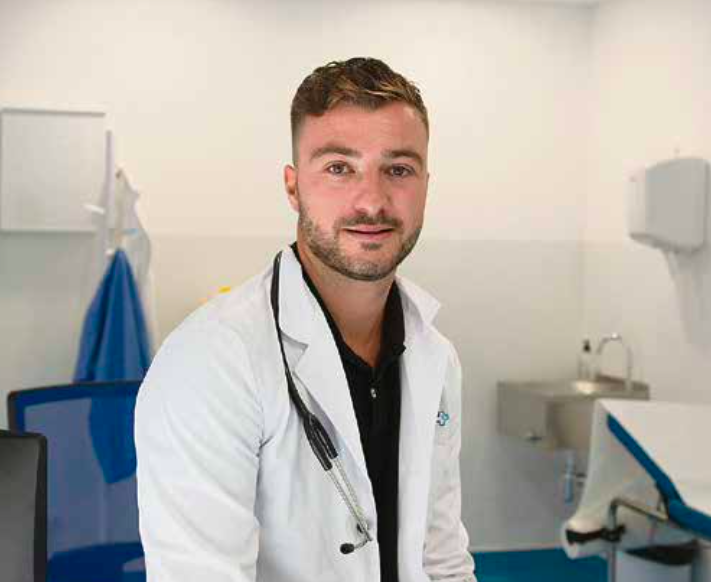
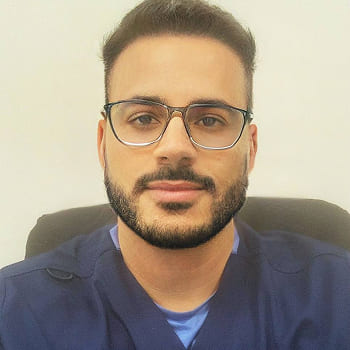
Yevgen Yakovenko

General medicine12 years of experience
Licence no. 35/35/09707

Dr. Yevgen Yakovenko is a licensed surgeon and general practitioner in Spain and Germany. He specialises in general, paediatric, and oncological surgery, internal medicine, and pain management. He offers online consultations for adults and children, combining surgical precision with therapeutic support. Dr Yakovenko works with patients across different countries and provides care in Ukrainian, Russian, English, and Spanish.

Areas of medical expertise:

  • Acute and chronic pain: headaches, muscle and joint pain, back pain, abdominal pain, postoperative pain. Identifying the cause, selecting treatment, and creating a care plan.
  • Internal medicine: heart, lungs, gastrointestinal tract, urinary system. Management of chronic conditions, symptom control, second opinions.
  • Pre- and postoperative care: risk assessment, decision-making support, follow-up after surgery, rehabilitation strategies.
  • General and paediatric surgery: hernias, appendicitis, congenital conditions, both planned and urgent surgeries.
  • Injuries and trauma: bruises, fractures, sprains, soft tissue damage, wound care, dressing, referral when in-person care is required.
  • Oncological surgery: diagnosis review, treatment planning, and long-term follow-up.
  • Obesity treatment and weight management: a medical approach to weight loss, including assessment of underlying causes, evaluation of comorbidities, development of a personalised plan (nutrition, physical activity, pharmacotherapy if needed), and ongoing progress monitoring.
  • Imaging interpretation: analysis of ultrasound, CT, MRI, and X-ray results, surgical planning based on imaging data.
  • Second opinions and medical navigation: clarifying diagnoses, reviewing current treatment plans, helping patients choose the best course of action.

Experience and qualifications:

  • 12+ years of clinical experience in university hospitals in Germany and Spain.
  • International education: Ukraine – Germany – Spain.
  • Member of the German Society of Surgeons (BDC).
  • Certified in radiological diagnostics and robotic surgery.
  • Active participant in international medical conferences and research.

Dr Yakovenko explains complex topics in a clear, accessible way. He works collaboratively with patients to analyse health issues and make evidence-based decisions. His approach is grounded in clinical excellence, scientific accuracy, and respect for each individual.

If you are unsure about a diagnosis, preparing for surgery, or want to discuss your test results – Dr Yakovenko will help you evaluate your options and move forward with confidence.

Book a video appointment
€72
This page provides general information and does not replace a doctor’s consultation. If symptoms are severe, persistent or worsening, seek medical advice promptly.

Almost any everyday wound can be seen through at home: stop the bleeding, wash it, cover it, and within a few days it starts to close. The hard part is not the dressing itself but telling three situations apart in time: when a plaster is enough, when the wound needs a doctor within hours, and when it is a matter of minutes and an ambulance. Here is each in turn, along with how to tell that a wound has started to become infected.
Stopping the bleeding

Only one thing actually works: pressure. Everything else is secondary.

  • Look at the wound and make sure nothing is left inside it.
  • If it is clean, press on it with folded gauze, a bandage or a clean towel and hold for ten minutes without letting go. Without letting go is meant literally: every peek to see whether it has stopped tears away the fresh clot and resets the clock.
  • If glass, a splinter or a nail is sticking out, leave it there. The fragment often acts as a plug, and on the way out it cuts a second time. Press the cloth on either side of the object, drawing the edges of the wound together, and do not press down on it.
  • You can raise an injured arm or leg, which slows the flow, but on its own that will not stop the bleeding. Raise it and keep pressing.
  • Once the bleeding stops, put a dressing over the top. If the gauze soaks right through, do not take it off: add another layer over it and press for another ten minutes.

Always tell the doctor if you take blood-thinning medicines. Wounds bleed for far longer in that case, and a plaster is rarely enough on its own.

Washing the wound and covering it

Once the bleeding has stopped, a small wound can be dealt with at home.

  • Wash your hands and put on disposable gloves if you have them.
  • Rinse the wound with clean water, either drinkable tap water or bottled. Hold it under a gentle stream for a couple of minutes: physically flushing the dirt out matters more than any antiseptic.
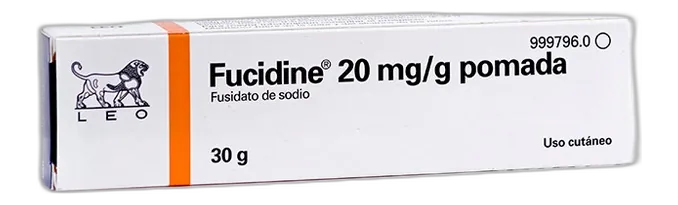
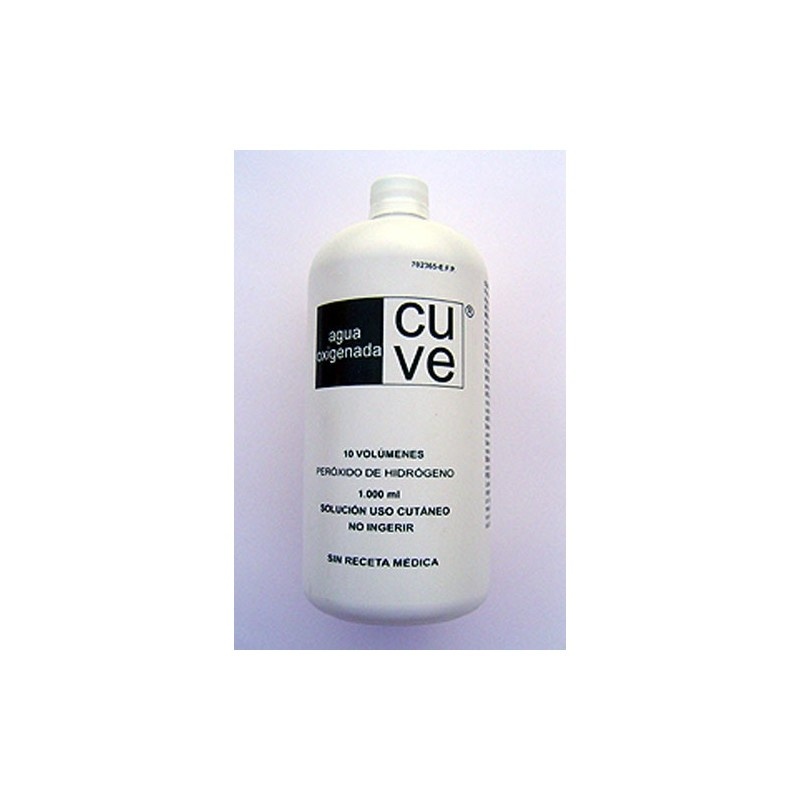
  • Wipe the skin around the wound with antiseptic, but do not pour it inside. Hydrogen peroxide, alcohol and iodine damage living tissue within a wound and slow healing down.
  • Pat the surrounding skin dry with gauze and cover the wound with a sterile dressing or a plaster.
  • Change the dressing whenever it gets wet or dirty, and do not let the wound dry out: under a dressing that keeps it moist it closes faster and scars more neatly than under a hard scab.

Grazes deserve a note of their own. If sand, grit from the road or soil has been driven into one, all of it needs to come out within the first few hours, otherwise the particles stay in the skin and turn into permanent dark specks. At home this is done patiently with water and soft gauze; if it hurts too much to manage, the wound will be cleaned properly under local anaesthetic.

If the wound is painful, ordinary over-the-counter painkillers such as paracetamol or ibuprofen will do. Children and teenagers are not given aspirin. It is not the best choice for an adult with an open wound either, because it interferes with clotting.

When to call an ambulance

Call the emergency number (112 across Europe) or go straight to an emergency department if:

  • blood is spurting or pumping out, is bright red, and pressure does not slow it;
  • the bleeding will not stop after ten to twenty minutes of firm pressure;
  • sensation has gone near the wound, or a finger or limb will not move properly, which points to a damaged nerve or tendon;
  • the wound is deep or large, the edges gape, or fat, muscle or bone is visible;
  • there is a deep cut on the face, the palm of the hand or the fingers;
  • an object is embedded in the wound, which you should not pull out yourself;
  • the person turns pale, breaks into a cold sweat, becomes drowsy or confused: these are signs of serious blood loss.

Do not drive yourself in that state. Ask someone to take you or call an ambulance, and bring the list of medicines you are taking.

When a doctor should see it, without an ambulance

Some wounds look unimpressive and still cannot be finished off at home. Get medical advice the same day if:

  • the edges gape and will not come together under a plaster, so stitches or surgical glue may be needed. That is done within the first few hours, because suturing the following day is no longer appropriate and the wound will instead be left to close on its own;
  • the wound is a narrow puncture, from a nail, an awl, a tooth or a piece of wire. These look trivial and are in fact the most likely to become infected, because they are deep and there is no way to flush them out;
  • you have been bitten by an animal or a person. Cat bites and human bites become infected especially readily and are nearly always treated with antibiotics. If the bite happened abroad, or the animal was wild or behaving oddly, say so straight away, because rabies prevention may need to be considered;
  • the wound has been contaminated with soil, manure or rust. While you are at it, recall when you last had a tetanus vaccination: with a dirty wound the booster is brought forward compared with a clean one, and the doctor will tell you the exact interval;
  • you cut yourself on glass. A small fragment lodged deep is neither visible nor palpable, yet it keeps the wound discharging; sometimes an X-ray or an ultrasound scan is needed;
  • you have diabetes, poor circulation in the legs, or you take medicines that suppress the immune system. In that case even a tiny wound on the foot is a reason to be seen rather than watched.

How to tell that a wound has become infected

On the first day every wound reddens a little and aches, which is a normal reaction. What is worrying is when things stop improving from the second or third day and start going the other way:

  • the redness spreads beyond the edges of the wound onto previously normal skin;
  • the pain builds up instead of settling;
  • the surrounding skin is hot, swollen and tight;
  • cloudy or yellowish fluid comes out and an unpleasant smell develops;
  • there is a fever, shivering, and enlarged glands in the armpit or groin;
  • a red line runs from the wound towards the trunk.

All of that needs a doctor rather than a wait until the weekend. It is usually sorted out with antibiotics and proper wound care, but the later it is started, the more has to be done.

And there is one rare but very dangerous thing that is hardly ever mentioned. If the pain around the wound becomes unbearable and is plainly out of all proportion to the size of the cut, if the redness advances visibly over hours rather than days, if the skin darkens, turns purple or blisters, and the person is obviously unwell with a high temperature, weakness and confusion, this may be a fast-moving infection of the deep tissues. It needs surgery immediately, and here the clock runs in hours. Do not wait until morning; call an ambulance.

How it all heals

A small cut closes within a few days, and a graze covers over with new skin in about one to two weeks. A fresh scar looks worse than it will eventually be: pink, firm and itchy. It takes roughly a year to mature fully, gradually fading and flattening.

What improves the result: not picking off the scab, not letting the wound dry out, and keeping a maturing scar out of the sun, since pigmentation settles easily into young scar tissue. If a scar widens, rises above the skin or pulls on the movement of a joint, that is worth discussing with a doctor separately, and better before the year is out than after.

Itching in a healing wound is normal and passes on its own. Numbness or odd sensations in the patch of skin beyond the cut that have not gone within a few weeks, on the other hand, deserve a look: a small nerve may have been damaged.

Online consultation

A remote appointment settles the main question: whether a plaster will do or the wound needs to be seen, and how urgently. Send a photograph taken in good light and describe what cut you and when. The doctor will judge the depth and the edges, say whether stitches are needed and whether you are still within the window, and advise on what to dress it with and how often to change it. It is also a convenient way to review a wound that is healing more slowly than expected, to sort out tetanus vaccination and to discuss the care of a new scar. The situations in the emergency list are not handled remotely: heavy bleeding, an embedded object, loss of sensation and rapidly mounting pain all need to be seen at once.

This material is for information only and does not replace medical advice.

Consult with a doctor about Cuts and grazes

Consult with a doctor about Cuts and grazes

Discuss your symptoms and possible next steps with a doctor online.

Online doctors for Cuts and grazes

Discuss your symptoms and possible next steps for Cuts and grazes with a doctor online.

Doctor
5.0(12)

Yevgen Yakovenko

General medicine12 years of experience
Licence no. 35/35/09707

Dr. Yevgen Yakovenko is a licensed surgeon and general practitioner in Spain and Germany. He specialises in general, paediatric, and oncological surgery, internal medicine, and pain management. He offers online consultations for adults and children, combining surgical precision with therapeutic support. Dr Yakovenko works with patients across different countries and provides care in Ukrainian, Russian, English, and Spanish.

Areas of medical expertise:

  • Acute and chronic pain: headaches, muscle and joint pain, back pain, abdominal pain, postoperative pain. Identifying the cause, selecting treatment, and creating a care plan.
  • Internal medicine: heart, lungs, gastrointestinal tract, urinary system. Management of chronic conditions, symptom control, second opinions.
  • Pre- and postoperative care: risk assessment, decision-making support, follow-up after surgery, rehabilitation strategies.
  • General and paediatric surgery: hernias, appendicitis, congenital conditions, both planned and urgent surgeries.
  • Injuries and trauma: bruises, fractures, sprains, soft tissue damage, wound care, dressing, referral when in-person care is required.
  • Oncological surgery: diagnosis review, treatment planning, and long-term follow-up.
  • Obesity treatment and weight management: a medical approach to weight loss, including assessment of underlying causes, evaluation of comorbidities, development of a personalised plan (nutrition, physical activity, pharmacotherapy if needed), and ongoing progress monitoring.
  • Imaging interpretation: analysis of ultrasound, CT, MRI, and X-ray results, surgical planning based on imaging data.
  • Second opinions and medical navigation: clarifying diagnoses, reviewing current treatment plans, helping patients choose the best course of action.

Experience and qualifications:

  • 12+ years of clinical experience in university hospitals in Germany and Spain.
  • International education: Ukraine – Germany – Spain.
  • Member of the German Society of Surgeons (BDC).
  • Certified in radiological diagnostics and robotic surgery.
  • Active participant in international medical conferences and research.

Dr Yakovenko explains complex topics in a clear, accessible way. He works collaboratively with patients to analyse health issues and make evidence-based decisions. His approach is grounded in clinical excellence, scientific accuracy, and respect for each individual.

If you are unsure about a diagnosis, preparing for surgery, or want to discuss your test results – Dr Yakovenko will help you evaluate your options and move forward with confidence.

Book a video appointment
€72
Doctor
5.0(3)

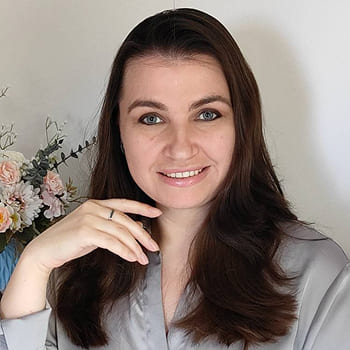
Lina Travkina

General medicine13 years of experience

Dr. Lina Travkina is a licensed family and preventive medicine doctor based in Italy. She provides online consultations for adults and children, supporting patients across all stages of care – from acute symptom management to long-term health monitoring and prevention.Areas of medical care include:

  • Respiratory conditions: colds, flu, acute and chronic bronchitis, mild to moderate pneumonia, bronchial asthma.

  • ENT and eye conditions: sinusitis, tonsillitis, pharyngitis, otitis, infectious and allergic conjunctivitis.

  • Digestive issues: gastritis, acid reflux (GERD), IBS, dyspepsia, bloating, constipation, diarrhoea, functional bowel symptoms, intestinal infections.

  • Urological and infectious diseases: acute and recurrent cystitis, bladder and kidney infections, prevention of recurrent UTIs, asymptomatic bacteriuria.

  • Chronic conditions: hypertension, diabetes, hypercholesterolemia, metabolic syndrome, thyroid disorders, excess weight.

  • Neurological and general symptoms: headache, migraine, dizziness, fatigue, sleep disturbances, reduced concentration, anxiety, asthenia.

  • Chronic pain support: back, neck, joint, and muscle pain, tension syndromes, pain associated with osteochondrosis and chronic conditions.

Additional care areas:

  • Preventive consultations and check-up planning.

  • Medical advice and follow-up consultations.

  • Test interpretation and diagnostic guidance.

  • Structured support for undiagnosed complaints.

  • Second opinion on diagnoses and treatment plans.

  • Nutritional and lifestyle support for vitamin deficiencies, anaemia, metabolic issues.

  • Post-operative recovery support and pain management.

  • Preconception counselling and postpartum support.

  • Immunity support and strategies to reduce frequency of infections.

Dr. Travkina combines evidence-based medicine with an attentive, personalised approach. Her consultations focus not only on treatment, but also on prevention, recovery, and long-term wellbeing.If during the consultation it becomes clear that your case requires in-person assessment or specialised care outside of her scope, the session will be terminated and the payment fully refunded.

Book a video appointment
€75
Doctor
5.0(21)

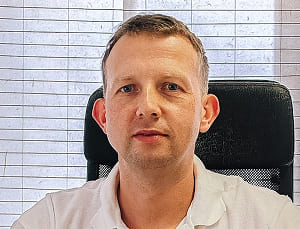
Nuno Tavares Lopes

General medicine18 years of experience

Dr. Nuno Tavares Lopes is a licensed physician in Portugal with 17 years of experience in emergency medicine, family and general practice, and public health. He is the Director of Medical and Public Health Services at an international healthcare network and serves as an external consultant for the WHO and ECDC.

  • Emergency care: infections, fever, chest/abdominal pain, minor injuries, paediatric emergencies

  • Family medicine: hypertension, diabetes, cholesterol, chronic disease management

  • Travel medicine: pre-travel advice, vaccinations, fit-to-fly certificates, travel-related illnesses

  • Sexual and reproductive health: PrEP, STD prevention, counselling, treatment

  • Weight management and wellness: personalised weight loss programmes, lifestyle guidance

  • Skin and ENT issues: acne, eczema, allergies, rashes, sore throat, sinusitis

  • Pain management: acute and chronic pain, post-surgical care

  • Public health: prevention, health screenings, long-term monitoring

  • Sick leave (Baixa médica) connected to Segurança Social in Portugal

  • IMT medical certificates for driving licence exchange

Dr. Nuno Tavares Lopes provides medical support for patients using GLP-1 medications (Mounjaro, Wegovy, Ozempic, Rybelsus) as part of a weight loss strategy. He offers individualised treatment planning, regular follow-up, dose adjustment, and advice on combining medication with sustainable lifestyle changes. Consultations follow the medical standards accepted in Europe.Dr. Lopes also provides interpretation of medical tests, follow-up care for complex patients, and multilingual support. Whether for urgent concerns or long-term care, he helps patients act with clarity and confidence.

Book a video appointment
€70
Doctor
0.0(0)

Hocine Lokchiri

General medicine21 years of experience

Dr. Hocine Lokchiri is a French consultant with over 20 years of experience in General and Emergency Medicine. He works with adults and children, helping patients with urgent symptoms, infections, sudden health changes and everyday medical concerns that require timely evaluation. His background includes clinical practice in France, Switzerland and the United Arab Emirates, which allows him to navigate different healthcare systems and manage a wide range of conditions with confidence. Patients value his calm, structured approach, clear explanations and evidence-based decision-making.

Online consultations with Dr. Lokchiri are suitable for many situations when someone needs quick medical guidance, reassurance or a clear next step. Common reasons for booking include:

  • fever, chills, fatigue and viral symptoms
  • cough, sore throat, nasal congestion, breathing discomfort
  • bronchitis and mild asthma flare-ups
  • nausea, diarrhoea, abdominal pain, digestive infections
  • rashes, allergic reactions, redness, insect bites
  • muscle or joint pain, mild injuries, sprains
  • headache, dizziness, migraine symptoms
  • stress-related symptoms, sleep disturbances
  • questions about test results and treatment plans
  • management of chronic conditions in stable phases
Many patients reach out when symptoms appear suddenly and cause concern, when a child becomes unwell unexpectedly, when a rash changes or spreads, or when it’s unclear whether an in-person examination is necessary. His emergency medicine background is particularly valuable online, helping patients understand risk levels, identify warning signs and choose safe next steps.

Some situations are not suitable for online care. If a patient has loss of consciousness, severe chest pain, uncontrolled bleeding, seizures, major trauma or symptoms suggesting a stroke or heart attack, he will advise seeking immediate local emergency services. This improves safety and ensures patients receive the right level of care.

Dr. Lokchiri’s professional training includes:

  • Advanced Trauma Life Support (ATLS)
  • Basic and Advanced Cardiac Life Support (BLS/ACLS)
  • Pediatric Advanced Life Support (PALS)
  • Prehospital Trauma Life Support (PHTLS)
  • eFAST and critical care transthoracic echocardiography
  • aviation medicine
He is an active member of several professional organisations, including the French Society of Emergency Medicine (SFMU), the French Association for Emergency Physicians (AMUF) and the Swiss Society of Emergency and Rescue Medicine (SGNOR). In consultations, he works with clarity and precision, helping patients understand their symptoms, possible risks and the safest treatment options.
Book a video appointment
€64
Doctor
4.7(11)

Anastasiia Shalko

General medicine13 years of experience
Licence no. 52891

Dr. Anastasiia Shalko is a general practitioner with a background in both paediatrics and general medicine. She graduated from Bogomolets National Medical University in Kyiv and completed her paediatric internship at the P.L. Shupyk National Medical Academy of Postgraduate Education. After working as a paediatrician in Kyiv, she relocated to Spain, where she has been practising general medicine since 2015, providing care for both adults and children.Her work focuses on urgent, short-term medical concerns – situations where patients need quick guidance, symptom assessment and clear next steps. She helps people understand whether their symptoms require in-person evaluation, home management or a change in treatment. Common reasons for booking an online consultation include:

  • acute respiratory symptoms (cough, sore throat, runny nose, fever)
  • viral illnesses such as colds and seasonal infections
  • gastrointestinal complaints (nausea, diarrhoea, abdominal pain, gastroenteritis)
  • sudden changes in how a child or adult feels
  • questions about existing treatment and whether adjustments are needed
  • renewal of prescriptions when clinically appropriate

Dr. Shalko works specifically with urgent and short-term problems, providing practical recommendations and helping patients determine the safest next step. She explains symptoms clearly, guides patients through decision-making and offers straightforward medical advice for everyday acute issues.She does not provide long-term management of chronic conditions, ongoing follow-up or comprehensive care plans for complex long-term illnesses. Her consultations are designed for acute symptoms, sudden concerns and situations where timely medical input is important.With clinical experience in both paediatrics and general medicine, Dr. Shalko confidently supports adults and children. Her communication style is clear, simple and reassuring, helping patients feel informed and supported throughout the consultation.

Book a video appointment
€56

Stay informed about Oladoctor

News about new services, product updates and useful information for patients.

Follow us on social media